13 Photos From America’s First Supermarkets
Before the supermarket, a grocery trip meant handing a list to a clerk who fetched everything from behind a counter. The change to self-service took place over a few decades, and photographers recorded much of it.
These thirteen scenes cover the stores, the inventions, and the people who built the American grocery aisle. Many of the ideas look obvious now, but each one had to be tried first.
Piggly Wiggly, Memphis
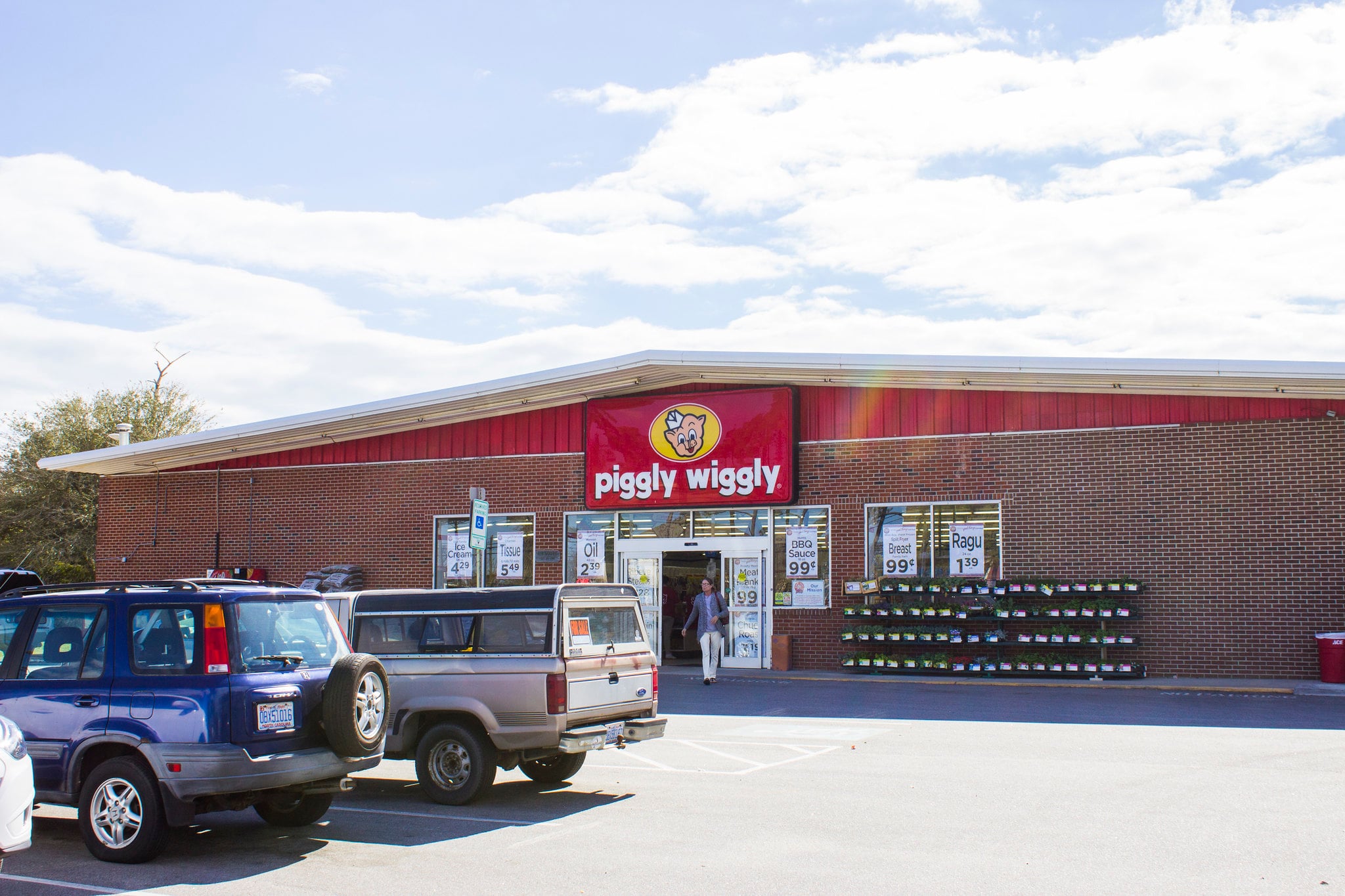
Clarence Saunders opened the first Piggly Wiggly in Memphis in 1916, and customers walked through a turnstile and chose their own goods from open shelves. It is generally treated as the first self-service grocery store in the country.
Saunders patented the layout the next year.
Keedoozle
In 1937, Saunders opened Keedoozle in Memphis, an automated store where customers inserted a key into slots beside the goods. The items traveled by conveyor to the front.
The store proved too complicated and expensive to succeed.
King Kullen
Michael Cullen opened King Kullen in a former garage in Queens, New York, in 1930, and it is often called the first true supermarket. The store sold groceries at low prices in a large, plain building with parking outside.
Cullen advertised himself as a price wrecker.
Big Bear, Elizabeth
The Big Bear Self-Service Market in Elizabeth, New Jersey, opened in 1932 in a vacant factory building. The huge store drew shoppers from long distances with low prices.
It showed that size and parking could draw crowds even in the Depression.
The Shopping Cart
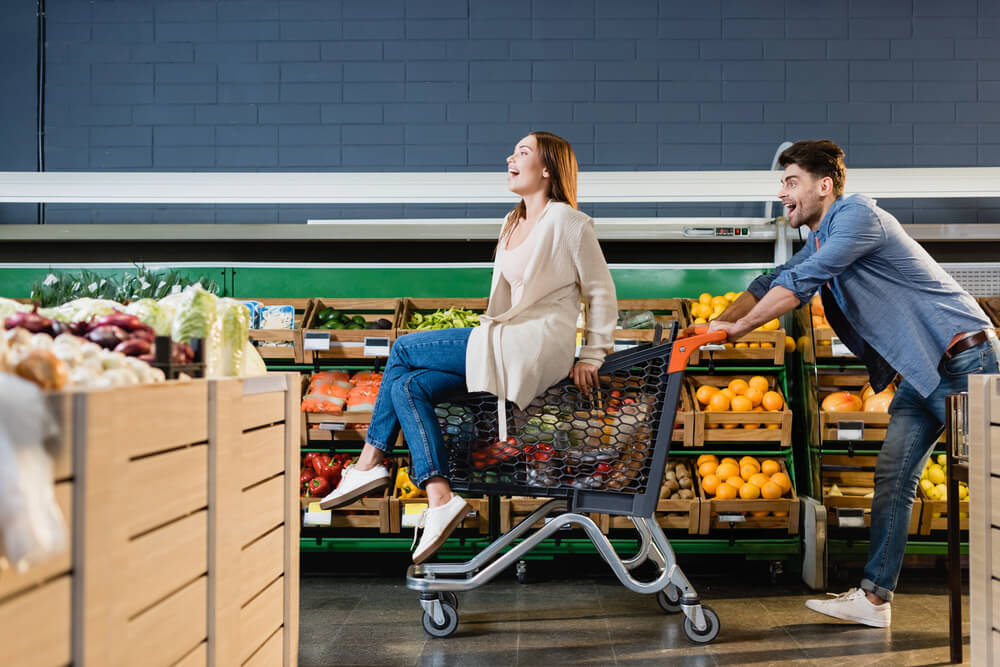
Sylvan Goldman introduced the shopping cart at his stores in Oklahoma City in 1937. Shoppers did not take to the idea at first, so he hired people to push the carts around as examples.
The cart quickly allowed customers to buy far more than they could carry.
Publix
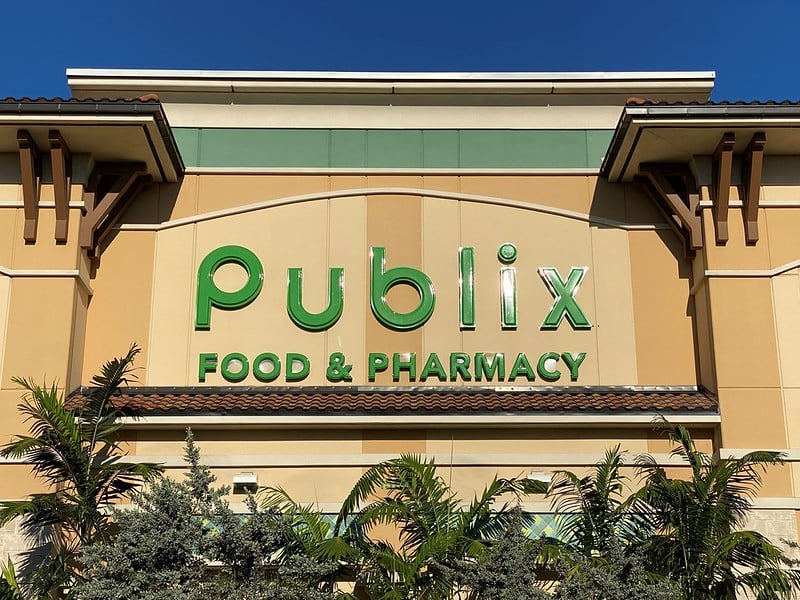
George Jenkins opened his first Publix store in Winter Haven, Florida, in 1930. By 1940, a new Publix featured air conditioning, fluorescent lighting, and doors that opened automatically.
The chain grew to become one of the largest in the Southeast.
Albertsons, Boise
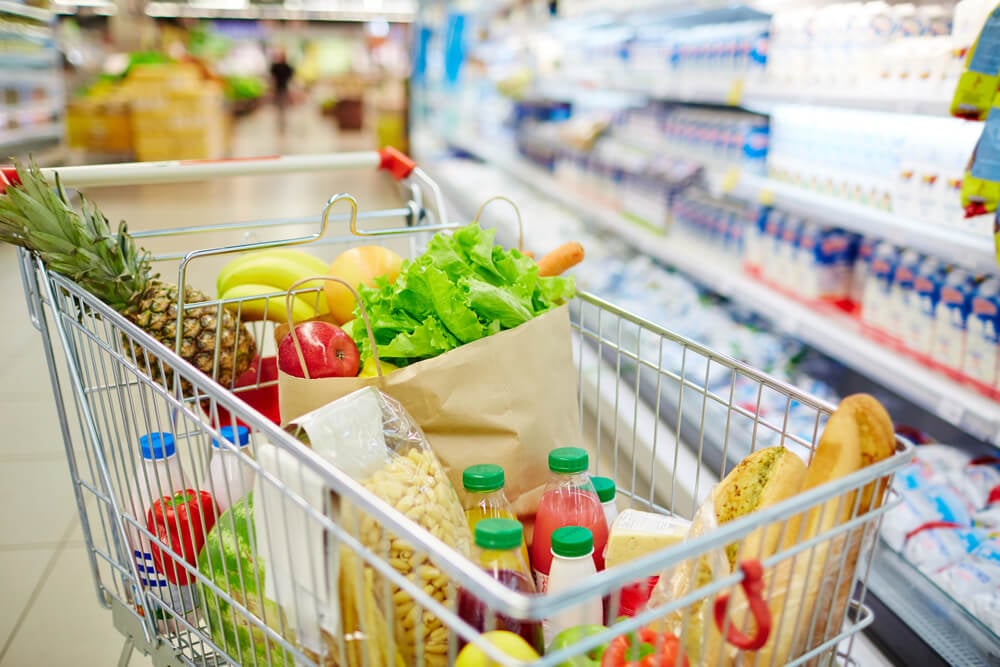
Joe Albertson opened his first store in Boise, Idaho, in 1939, advertising it with a bright neon sign. The store sold a broad range of items under one roof.
It was the beginning of a chain that now spans the country.
The Great Atlantic and Pacific Tea Company
A&P began in New York City in 1859 as the Great American Tea Company, and its name changed in 1869. By the 1930s, it operated thousands of stores, more than any other grocer in the country.
Photographs of its small neighborhood shops show how quickly the chain adapted when supermarkets arrived.
Jitney Jungle
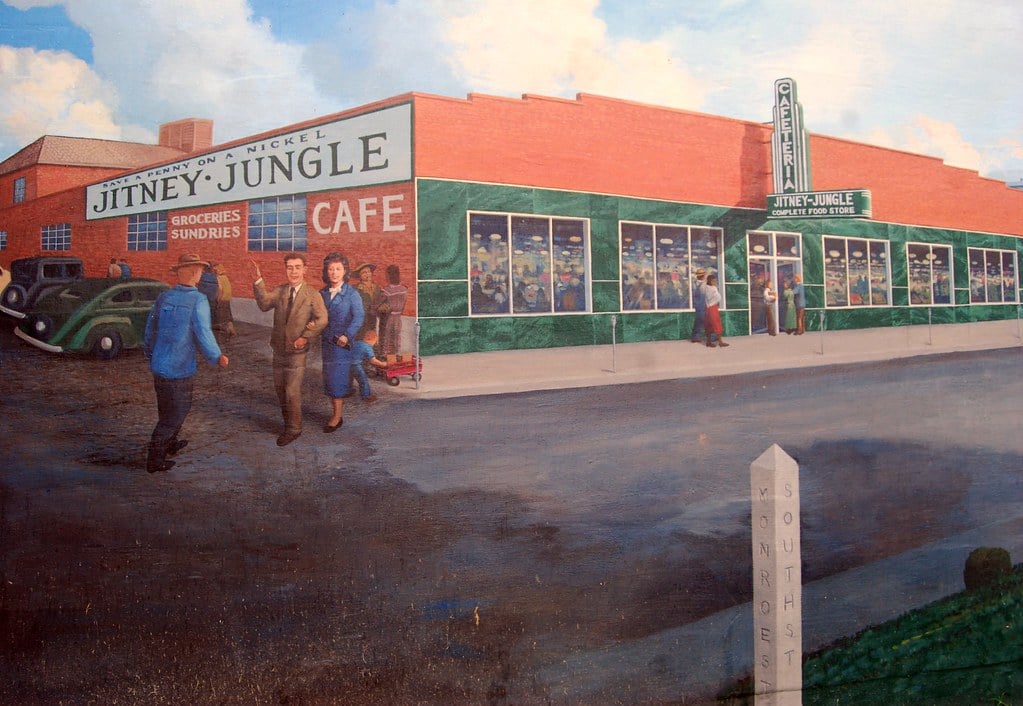
Jitney Jungle opened in Jackson, Mississippi, in 1919, and it brought self-service to the South. The store offered customers a way to shop without a clerk.
It grew into a regional chain with many locations.
Weis Markets
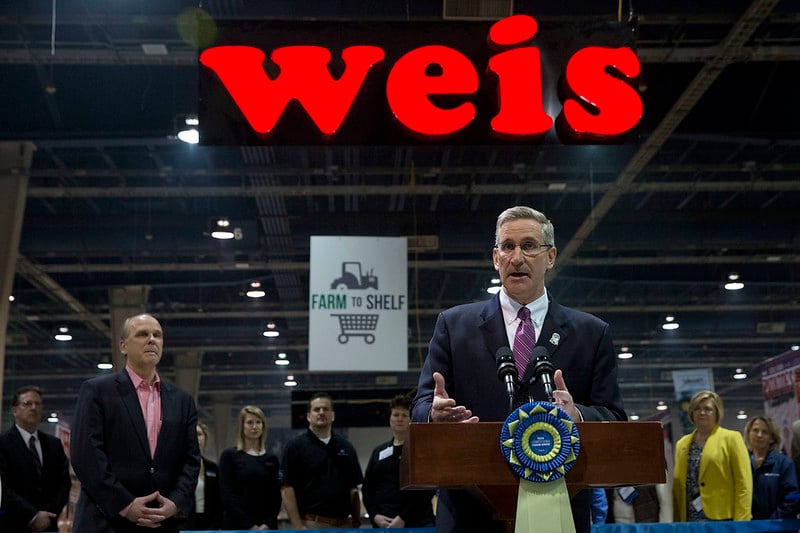
Harry Weis opened his first store in Sunbury, Pennsylvania, in 1912. The family grew the business into a regional chain over the following decades.
Photographs of the early stores show a small shop that would not look out of place in a town today.
Kroger
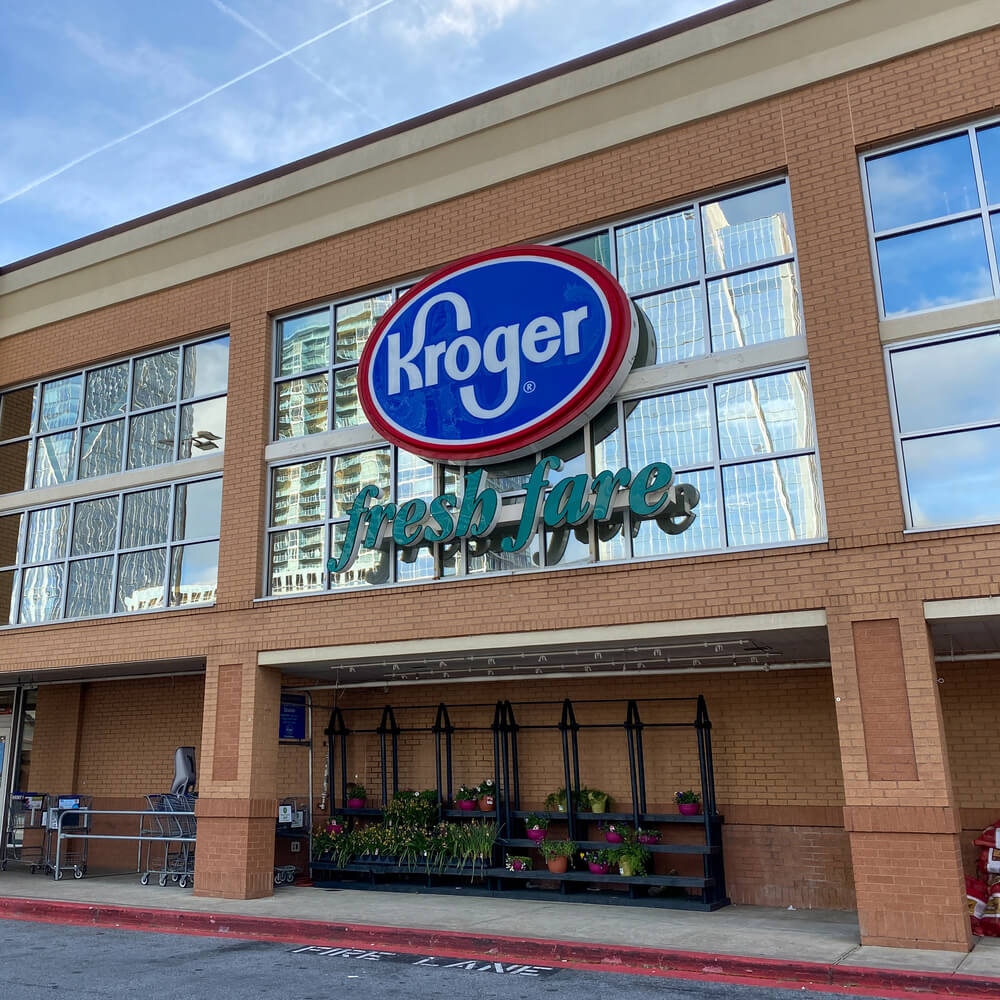
Bernard Kroger opened his first grocery in Cincinnati in 1883 with a small investment. He built a chain that eventually moved into supermarkets and became one of the largest grocers in the nation.
His early shops resembled other neighborhood stores of their day.
Safeway
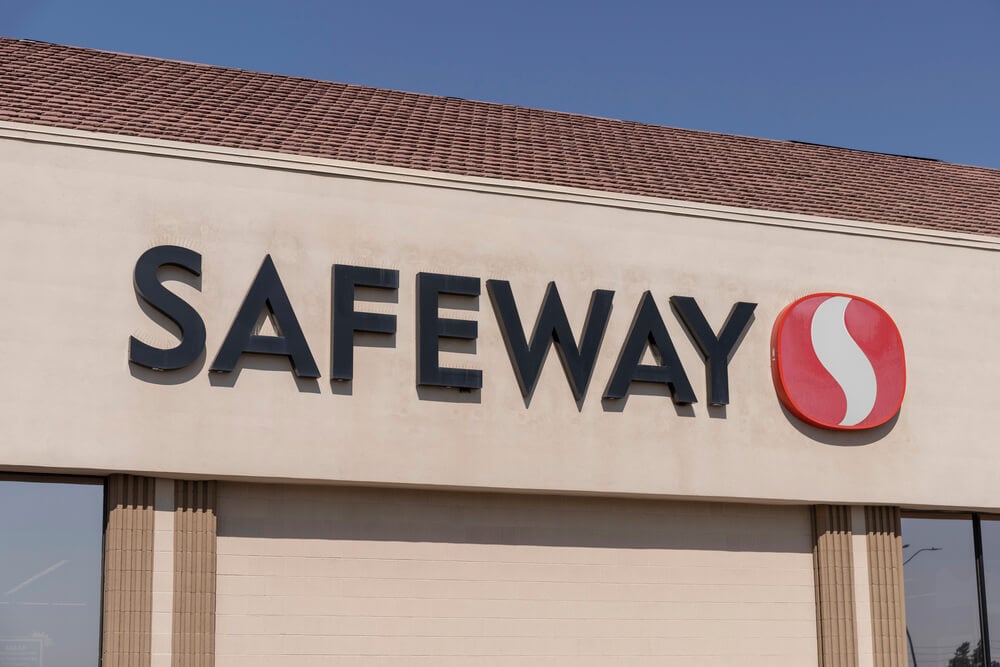
Safeway took its name in 1926, after growing from a small store in Idaho into a chain on the West Coast. Photographs from the era show clean, orderly stores with stacked cans and bright signs.
The company expanded rapidly during the 1920s and 1930s.
Giant Food
Giant Food was founded in 1936 in the Washington, D.C. area and became a major regional chain. Photographs show large stores with ample parking, which was still unusual at the time.
The company took part in the shift to full supermarkets.
The Aisle as an Invention
Looking at the pictures together, one thing is clear: nothing about the supermarket was inevitable. Each feature, from the turnstile to the cart to the parking lot, was an experiment that someone had to defend to a skeptical public.
Today, the layout is so familiar that nobody notices it. The old photographs are a reminder that an ordinary place can be the result of many bold bets.
More from Go2Tutors!

- 27 Silver Dollars and Half Dollars Worth Keeping
- 28 Restaurant Menu Items Nobody Orders Anymore
- 17 Places Built in Seemingly Impossible Spots
- 27 Vintage Rings Worth More Than They Look
- 25 Restricted Sites Tourists Can’t Enter
Like Go2Tutors’s content? Follow us on MSN.