18 random facts about the world’s languages
Language is everywhere. It’s how people talk to each other, tell stories, argue, joke, sing, and teach. But the world of languages is full of surprises. Some are funny, some are weird, and some will make you stop and think. No matter where someone is from, language is a big part of life.
Here are 18 facts that show just how different—and interesting—languages can be around the world.
There are over 7,000 languages spoken today
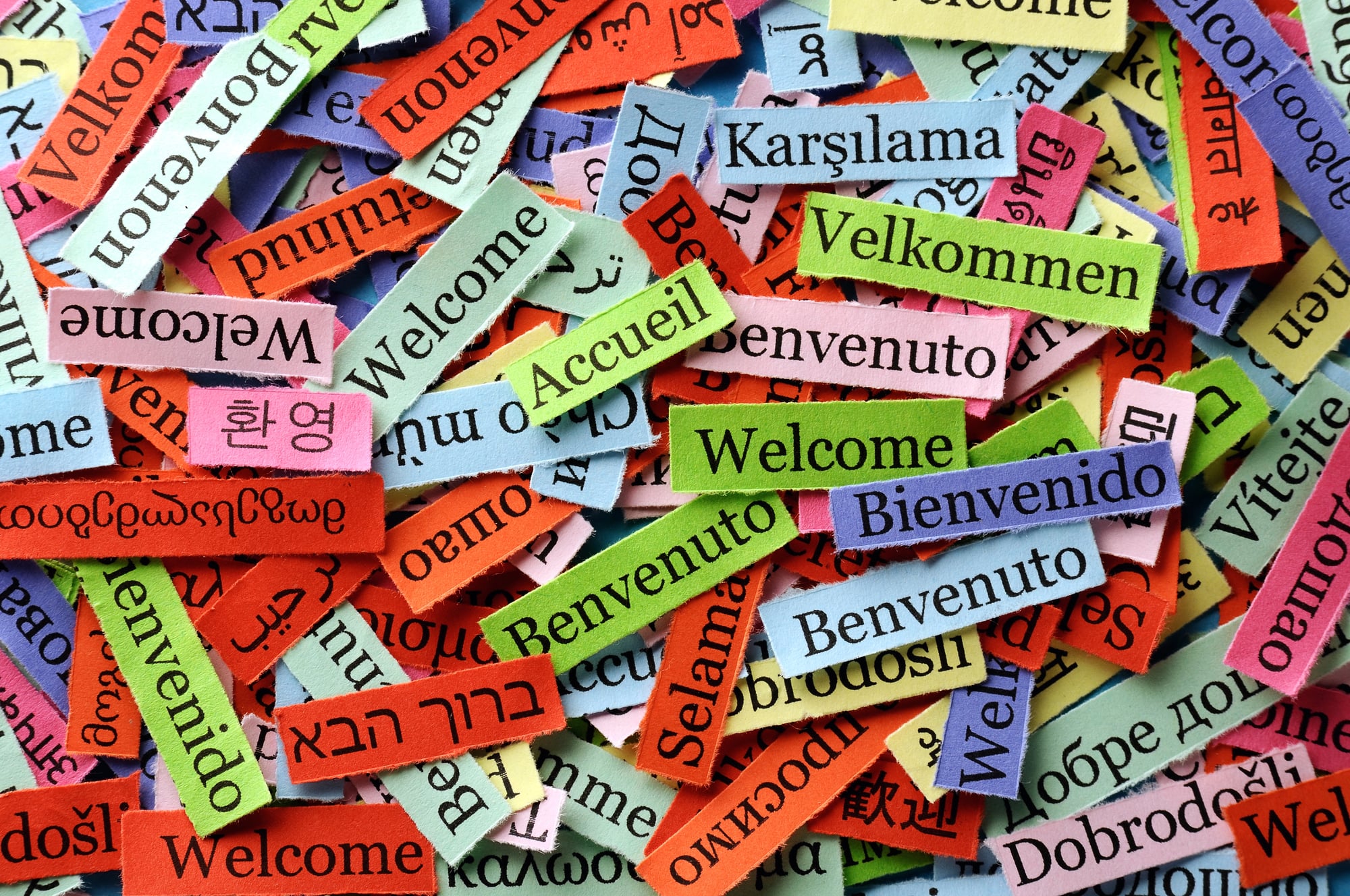
That’s right—more than 7,000! But most people only speak a small number of them.
In fact, just 23 languages are spoken by over half of the world’s population. Many of the others are spoken by small groups in local communities.
The most spoken language is not English

Mandarin Chinese holds the top spot. It has over a billion native speakers.
English comes second, though it has more total speakers when you count second-language users. So while English is widespread, Mandarin still leads in native tongues.
Papua New Guinea has the most languages in one country
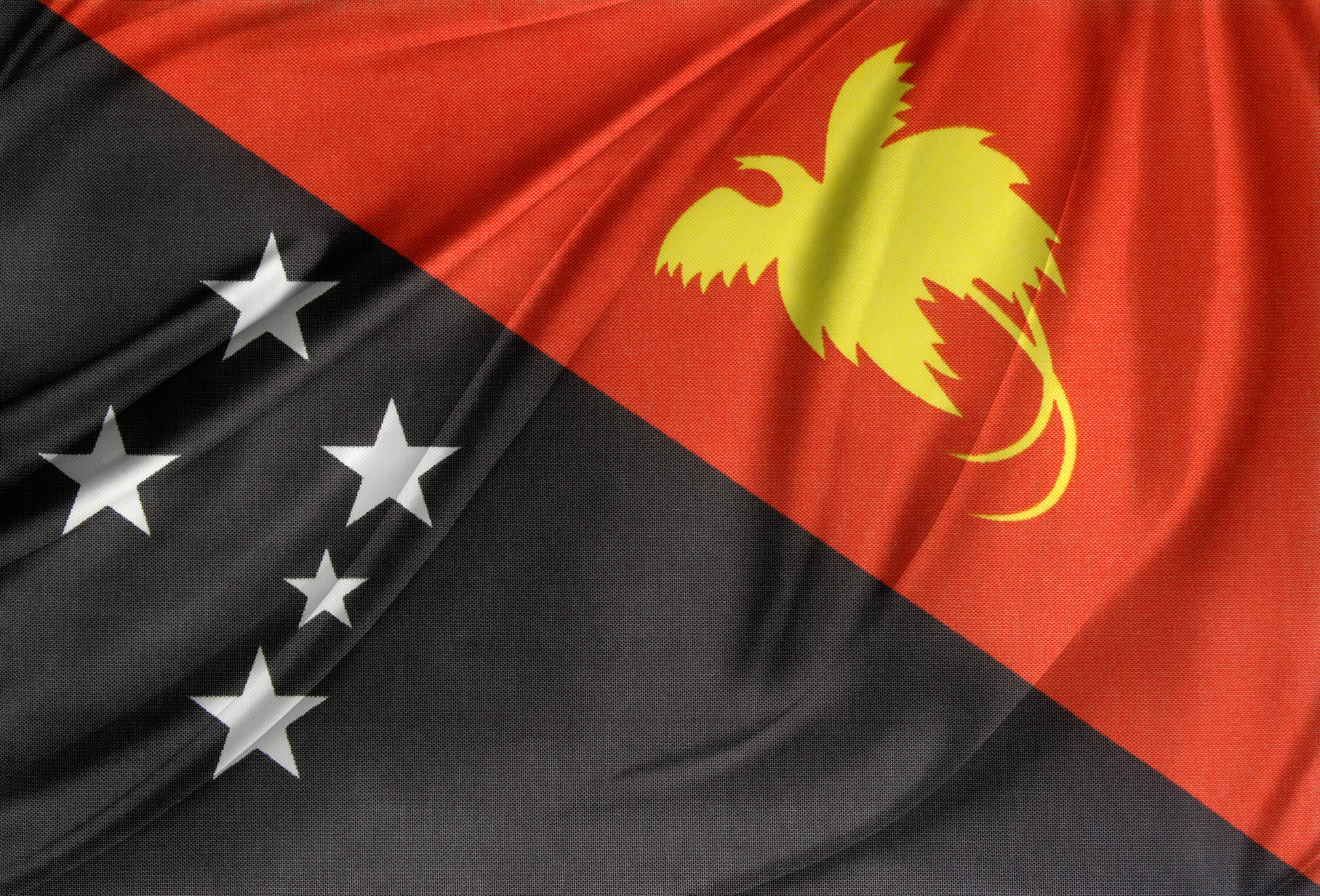
This small island country has over 800 languages. That’s more than any other country on Earth.
Most of them are local to small tribes and villages. Many of these languages are only spoken in tiny areas.
Some languages use whistling instead of words

In places like the Canary Islands or parts of Turkey, people use whistled languages. These are real languages that sound like whistles but carry full meaning.
Farmers and shepherds used them to talk across long distances. It’s not just noise—it’s real communication.
The longest alphabet belongs to Khmer

Khmer, the official language of Cambodia, has 74 letters. That’s the biggest alphabet in the world.
Some of the letters are rarely used today, but they’re still part of the writing system. Learning to read it takes a lot of practice.
Some languages don’t use words for left or right

Certain Indigenous languages in Australia use compass directions instead. So instead of saying “your left foot,” they might say “your southeast foot.”
Speakers of these languages always know which way they’re facing. It’s like having a natural compass in the brain.
French was once the official language of England
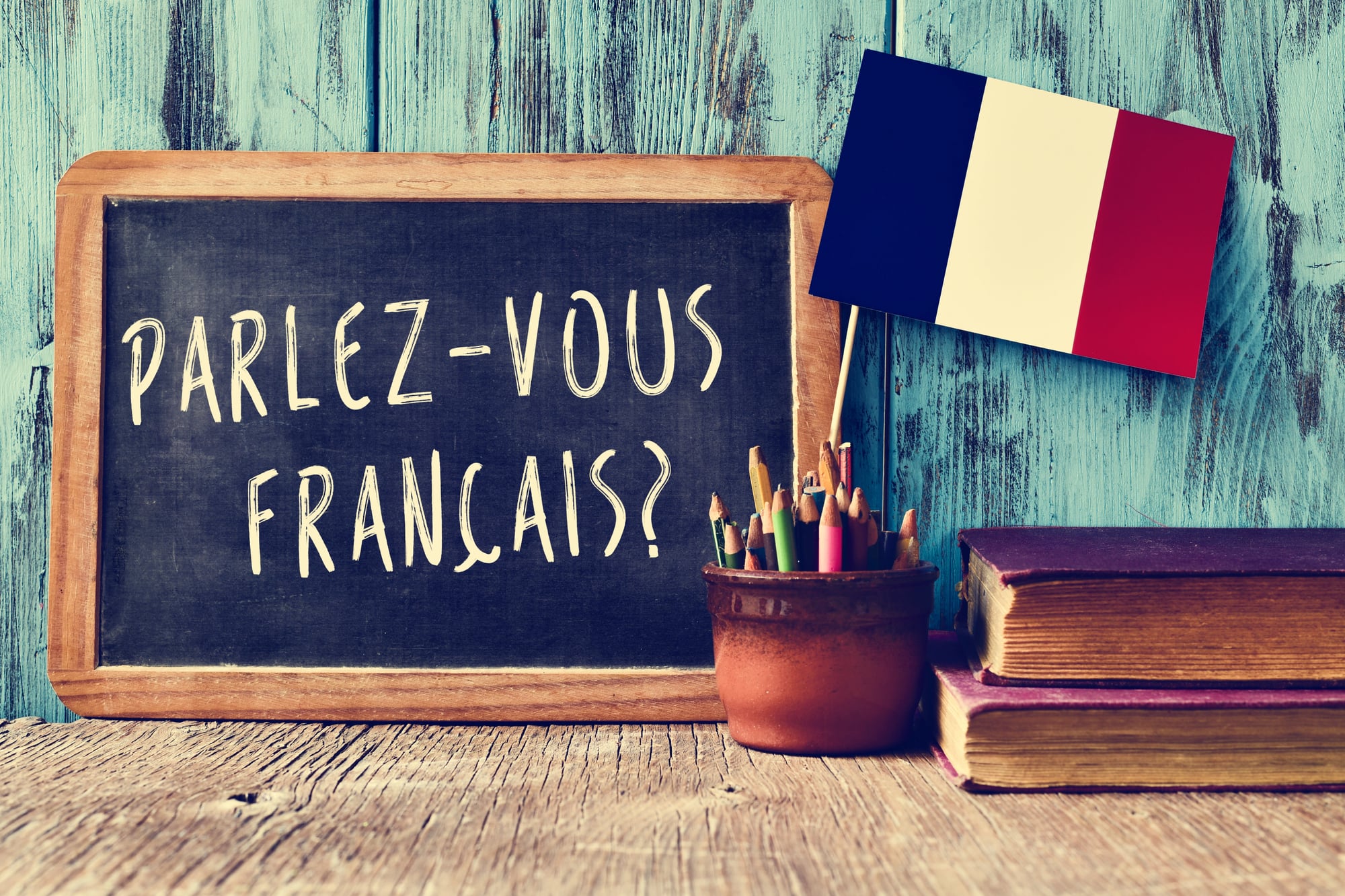
It may sound strange, but it’s true. After the Norman Conquest in 1066, French became the language of the royal court and law in England.
It stayed that way for hundreds of years. Some legal and fancy words in English today come from that time.
The Cherokee language invented its own writing system

Unlike most scripts that evolved slowly, the Cherokee syllabary was created in the early 1800s by one man, Sequoyah. He didn’t know how to read or write English, but he made a working writing system from scratch.
It helped the Cherokee people record their stories and run newspapers.
Some languages don’t have words for numbers beyond five

In a few remote places, people speak languages that only count to five, sometimes even just three. They use words like “few,” “many,” or “some more” instead of exact numbers.
These systems work well in small communities that don’t deal with large amounts of things.
Sign languages are full languages, not just gestures

Sign languages have their own grammar and rules. They aren’t just hand signals or copies of spoken words.
For example, American Sign Language (ASL) is very different from British Sign Language. Each one has its own way of building sentences and ideas.
Icelandic has barely changed in 1,000 years
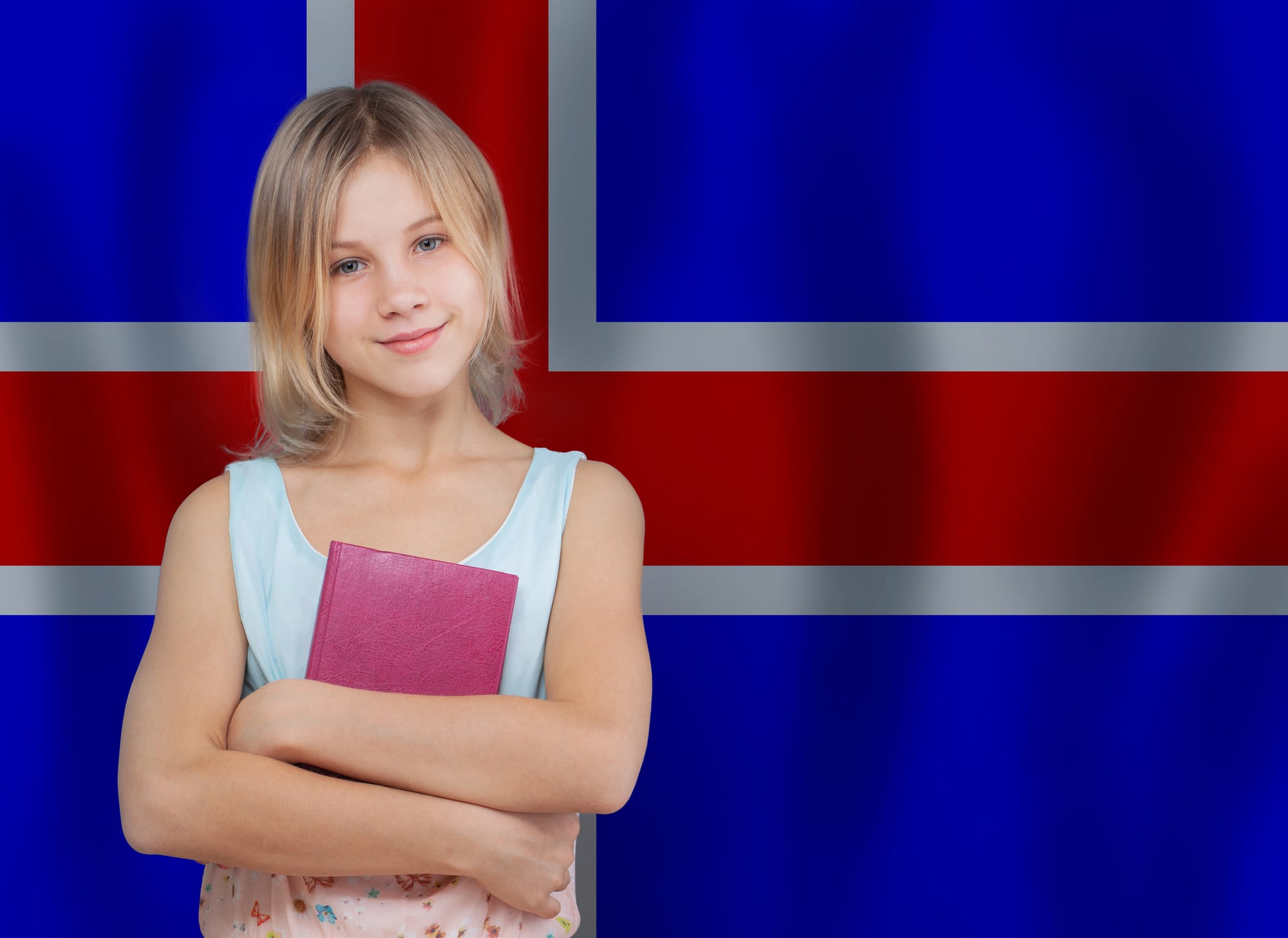
People in Iceland today can read ancient Viking texts without much trouble. That’s because the Icelandic language has stayed very close to Old Norse.
While other languages evolved, Icelandic kept many of its old words and grammar. It’s like a window into the past.
Some languages only exist online
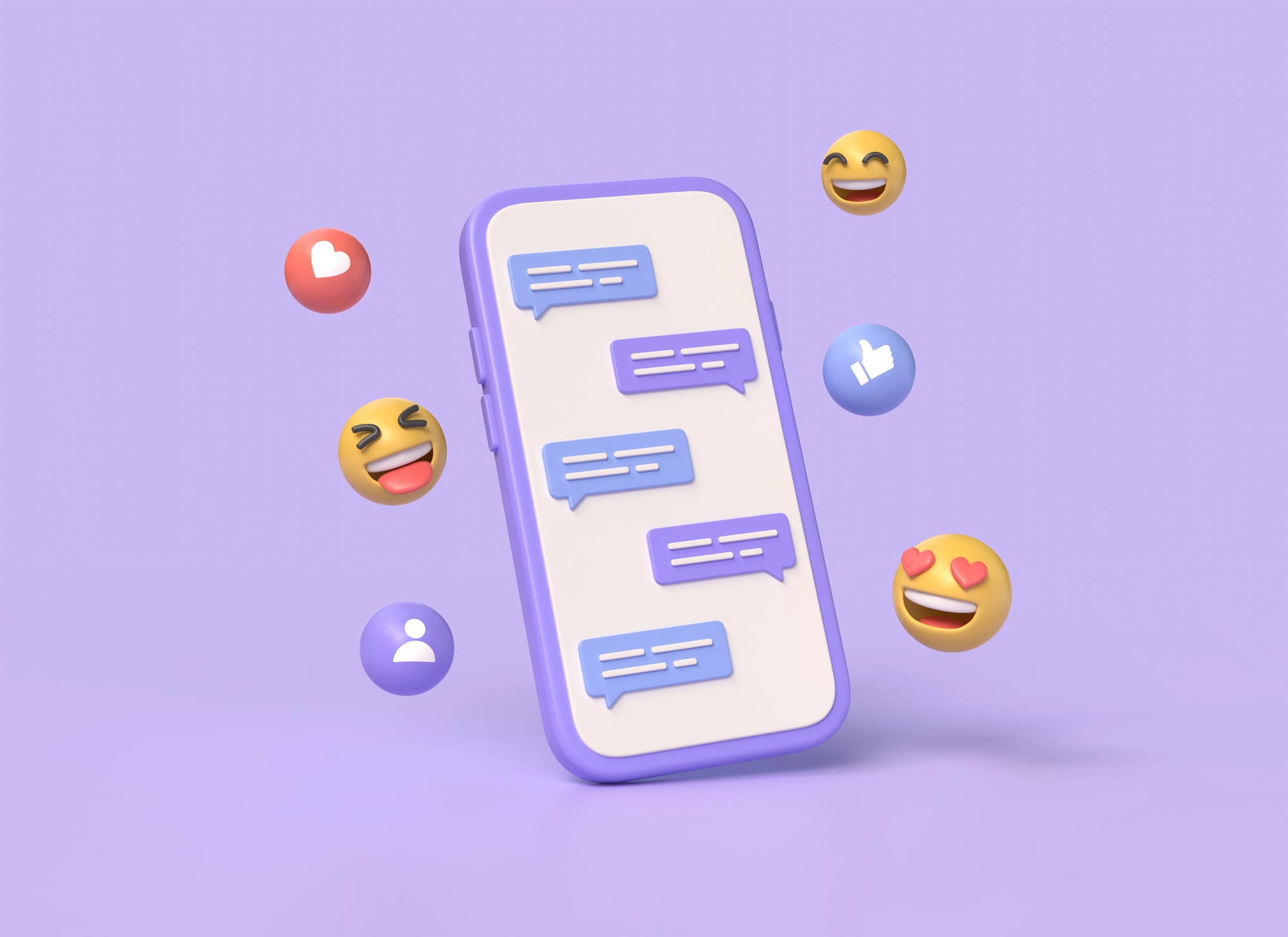
A few constructed or digital languages, like “Emoji” or “LOLcat,” mostly live on the internet. They aren’t official languages, but people use them every day to joke or express feelings.
They show how fast language can change in the digital age. These are playful, not serious, but still count as part of language culture.
Hindi and Urdu are almost the same when spoken

When people speak them, Hindi and Urdu sound very alike. But they use different writing systems and borrow words from different places.
Hindi uses the Devanagari script and takes more from Sanskrit. Urdu uses a Persian-style script and has many Arabic and Persian words.
Some languages have no word for “hello”
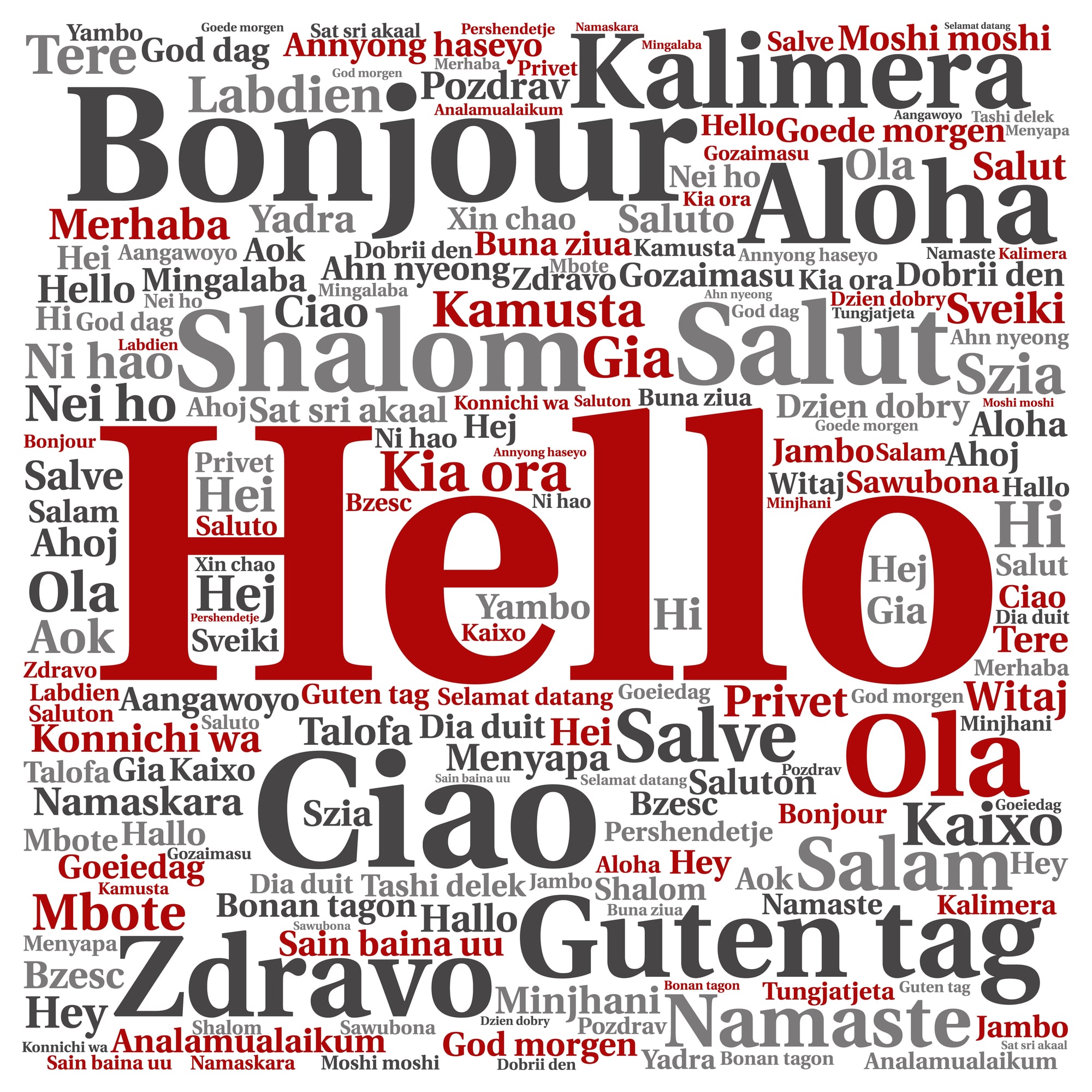
In certain cultures, people don’t greet each other with a word like “hello.” Instead, they might ask “Where are you going?” or “Are you well?”
These greetings reflect what’s important in that culture. Saying hello is more about showing care than using one specific word.
Japanese has different ways of speaking based on status

In Japanese, the way someone talks can change depending on who they’re speaking to. There are polite, casual, and very formal forms of words.
It’s a built-in system for showing respect. Learning which to use takes practice.
There’s a language spoken only by women

In parts of Nigeria, there’s a language called “Ubang” with different versions for men and women. Boys grow up learning the female version from their mothers, then switch to the male version as they get older.
It’s one of the few known languages with gender-specific vocabulary at this level.
The word “alphabet” comes from Greek
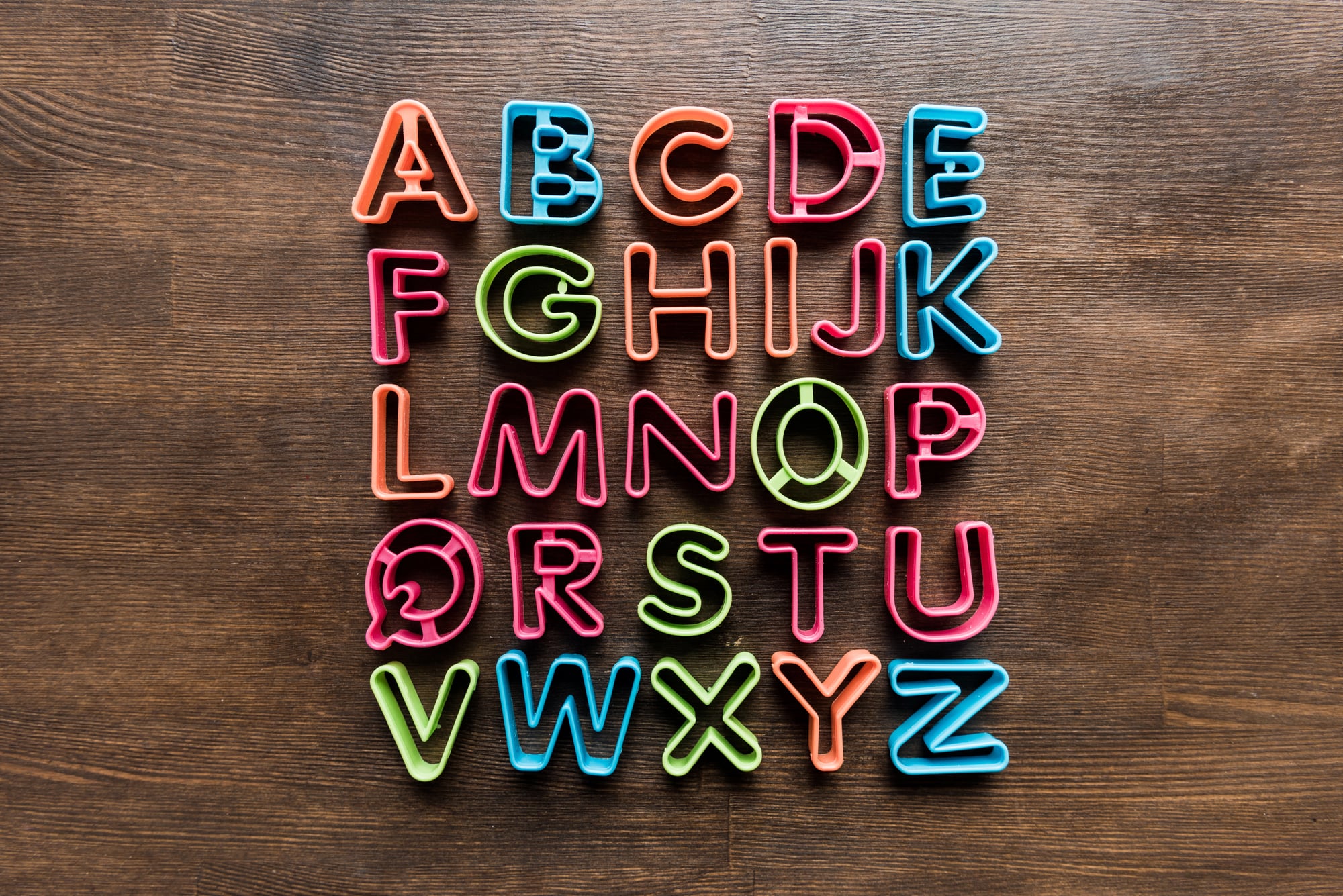
The first two letters of the Greek alphabet are “alpha” and “beta.” Put them together and you get “alphabet.”
Many modern writing systems are built on the idea of alphabets, where each symbol stands for a sound. But the word itself has very old roots.
Language can shape how people think
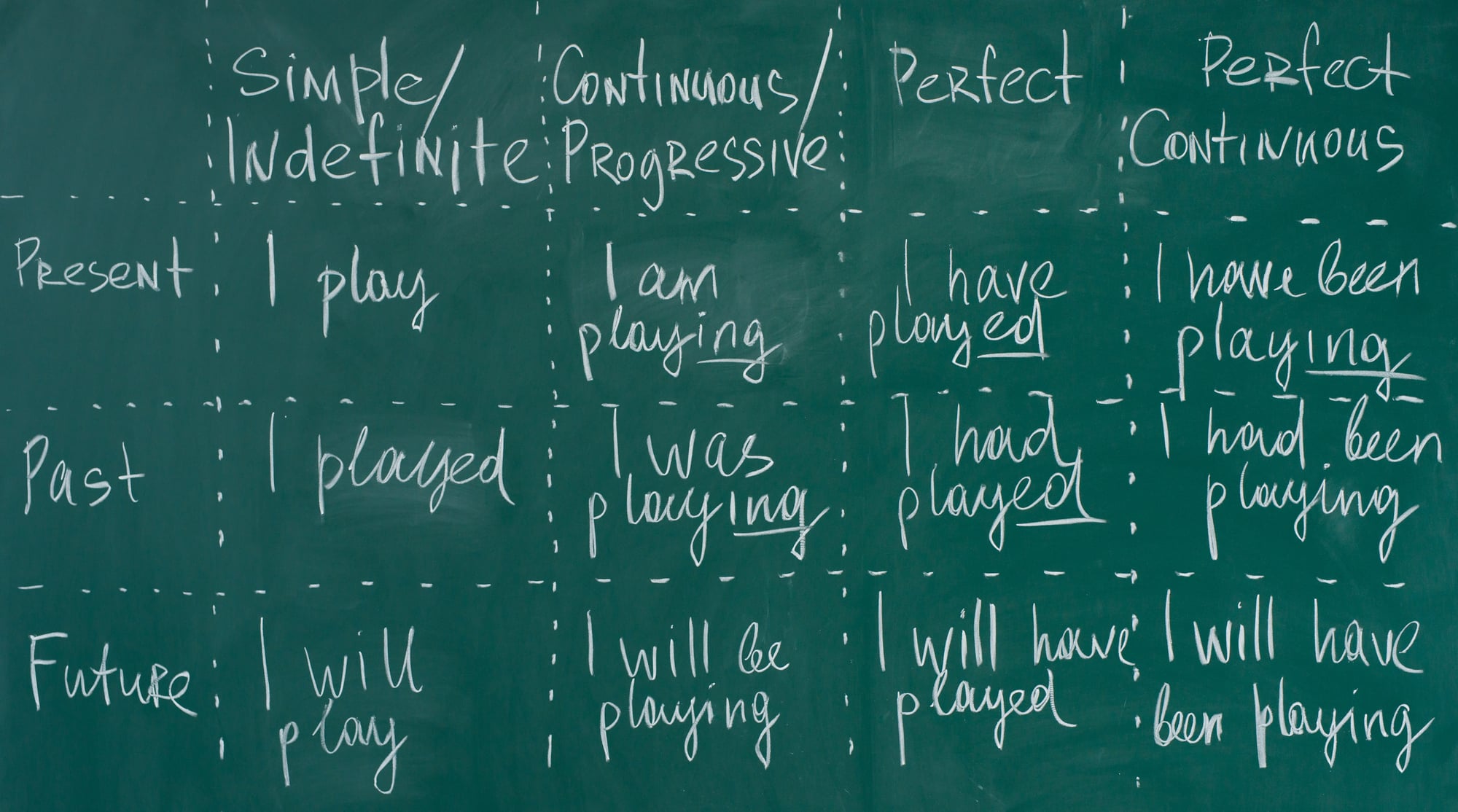
Some languages don’t use future tense, like “will go.” Instead, they say something like “I go tomorrow.”
Studies show that this might make speakers think about the future differently. Language isn’t just how people speak—it can shape how they see the world.
How language facts connect the past and present

Language reveals the way people live now and in the past. The words of many languages contain ancient tales and concepts.
Gaining knowledge about linguistic variances improves interpersonal comprehension. These facts demonstrate the uniqueness and interconnectedness of humans.
The languages of the world serve as a reminder that each speech pattern has a unique narrative.
More from Go2Tutors!

- The Romanov Crown Jewels and Their Tragic Fate
- 13 Historical Mysteries That Science Still Can’t Solve
- Famous Hoaxes That Fooled the World for Years
- 15 Child Stars with Tragic Adult Lives
- 16 Famous Jewelry Pieces in History
Like Go2Tutors’s content? Follow us on MSN.