27 Jobs Children Did a Century Ago
The 1900 census counted roughly 1.75 million American children between the ages of 10 and 15 who held jobs, and that figure left out the youngest workers entirely. Many of those children were not tucked away in distant factories. They were selling papers on the corner, running errands through downtown, or sitting beside a conveyor in a coal breaker.
The work was wildly varied, and it was often precise, skilled, and dangerous in ways that are hard to picture now. Here are 27 jobs that children once held as a matter of routine.
Newsboys Who Shut Down the Presses
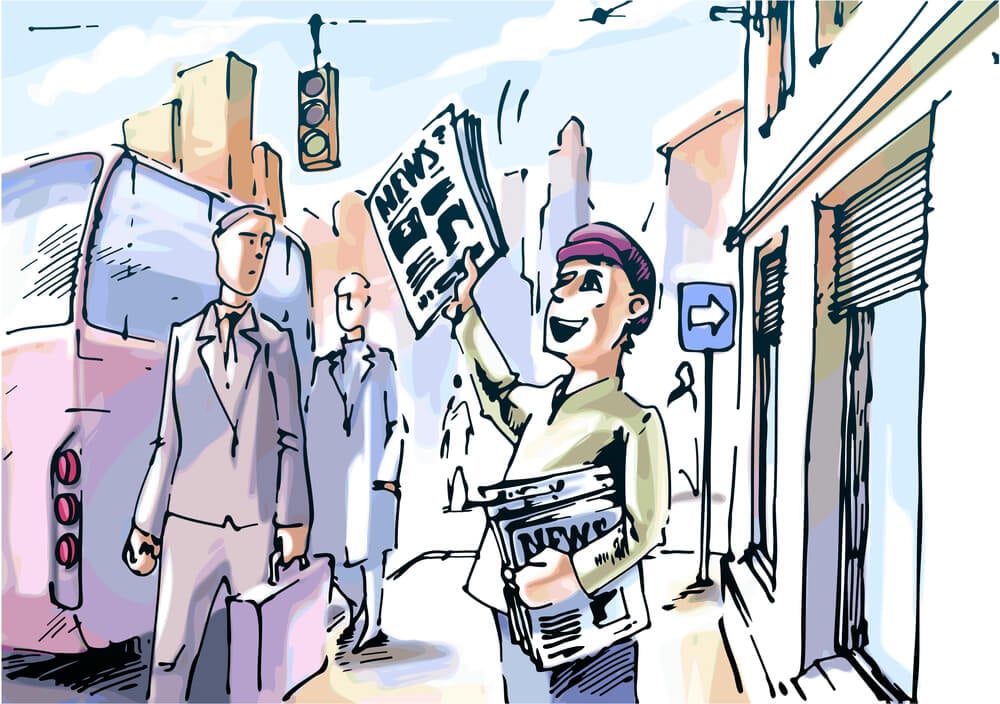
Newsboys bought their papers in bulk and kept whatever they could sell, which meant any rise in price came straight out of their pockets. In July 1899, Joseph Pulitzer’s World and William Randolph Hearst’s Journal raised the price of 100 papers from 50 cents to 60 cents, and thousands of New York newsboys refused to sell.
The strike lasted about two weeks and slowed circulation badly. The price stayed at 60 cents, but the publishers agreed to buy back unsold papers, which was the real win.
Breaker Boys Picking Slate From Coal

In Pennsylvania’s anthracite region, boys sat on boards above moving chutes and plucked slate and rock out of the coal as it rushed beneath them. Shifts ran for hours, the air was thick with coal dust, and sharp slate left their fingers cut and raw.
Lewis Hine photographed rows of them at the Ewen Breaker in South Pittston, Pennsylvania, in 1911. The boys bent so long over the chutes that many developed a permanent stoop before they were old enough to leave school.
Mule Drivers in the Dark Tunnels

Underground, boys known as drivers led mules that hauled loaded coal cars along narrow tracks to the shaft bottom. The job demanded steady nerve, since a spooked animal in a low tunnel could crush a hand or a leg against rock or timber.
Mules were often stabled below ground, and some spent most of their working lives there. Drivers typically earned more than the boys sorting coal at the surface, which is why the job was considered a step up.
Trappers Guarding a Single Door

In British coal mines, the youngest underground workers were trappers, who sat beside a wooden ventilation door and opened it whenever a coal tub approached. Between tubs they waited alone in the dark, sometimes with only a candle stub for company.
The Coal Mines Act of 1842 barred boys under 10 from working underground, which tells how young the trappers had been before the law. A later Coal Mines Act, in 1911, raised the minimum age for underground work to 14.
Doffers Racing the Spinning Frames
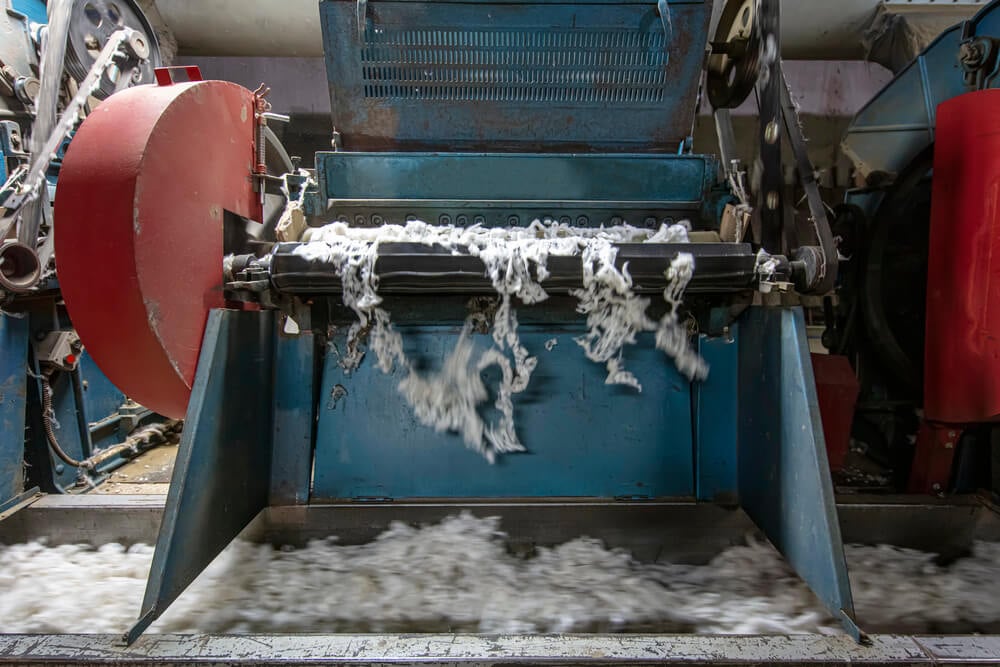
When a cotton spinning frame filled its bobbins, a doffer had to pull every full one and slide on an empty, often while the machine kept running. Boys and girls as young as 8 or 9 did the job in Southern mills, darting along the frames while thread whirred a few inches from their fingers.
Lewis Hine photographed these children for the National Child Labor Committee, beginning in 1908, and he estimated their heights against the buttons on his vest. Mill owners liked doffers for the same reason they feared reformers: small hands were cheap and quick.
A Twelve-Year-Old Spinner in Vermont
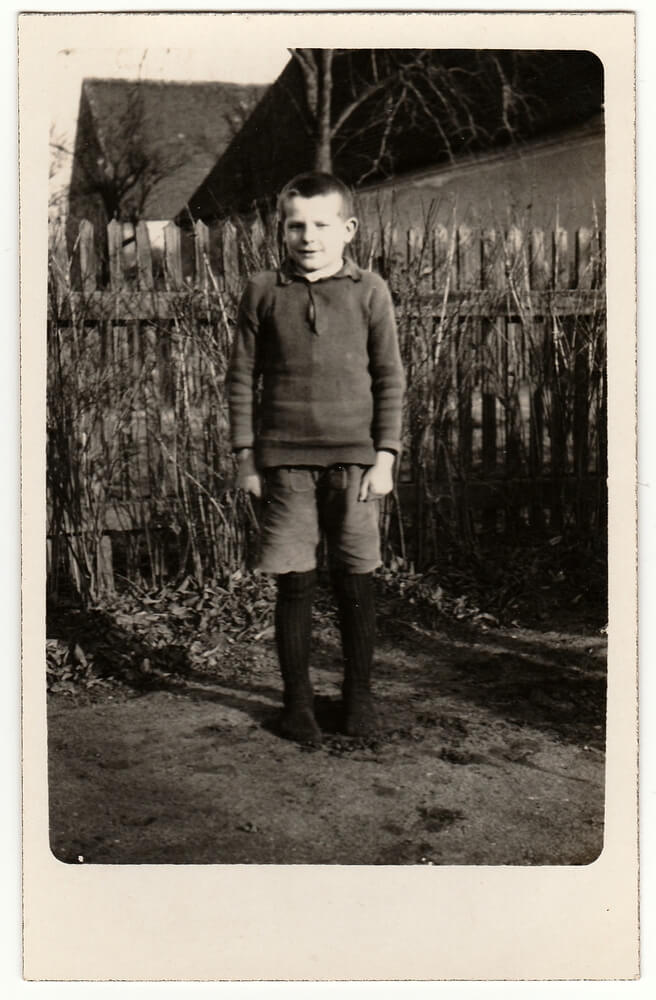
In 1910, Hine photographed Addie Card, a 12-year-old spinner at the North Pownal Cotton Mill in North Pownal, Vermont. Her task was to keep thread flowing on the spinning frames, tying broken ends and watching for trouble as she walked the aisles.
Hine often gained entry to mills by posing as a Bible salesman or a fire inspector, because owners rarely welcomed visitors with cameras. The portrait of Addie, standing in her worn dress in front of the machinery, became one of the most reproduced images of the child labor era.
Piecers and Scavengers of Lancashire
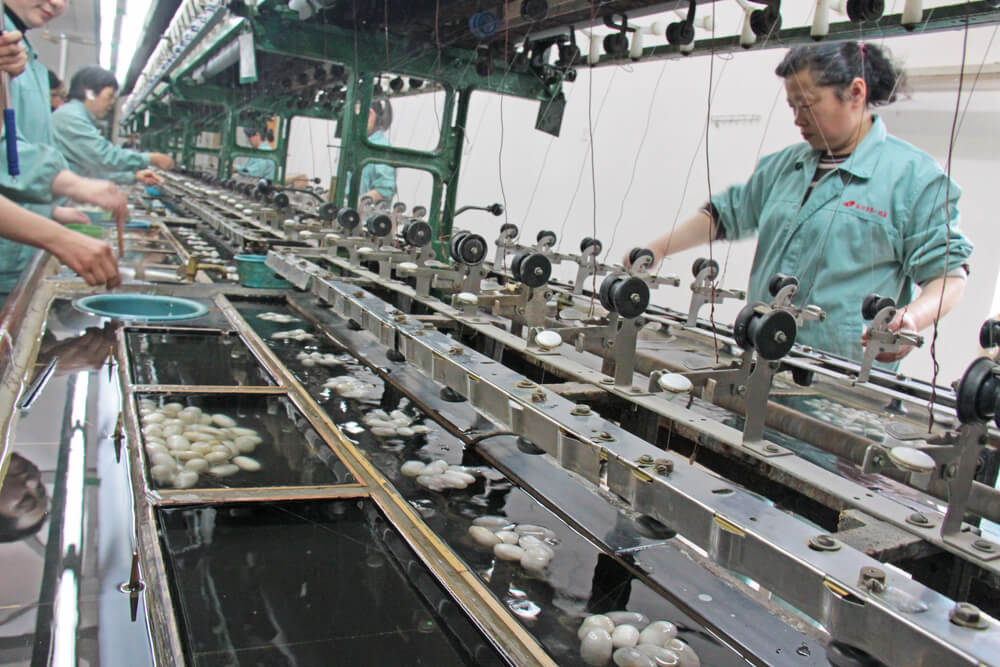
In the cotton mills of Lancashire, England, children called piecers followed the spinning mules and tied together threads that snapped. Even smaller children called scavengers crawled beneath the moving machinery to sweep up loose cotton fluff, a job that invited serious injury.
Many worked as half-timers, spending part of each day in a mill and the rest in a school. The Education Act of 1918 ended the half-time system, bringing a close to a practice that had shaped industrial towns for generations.
Silk Mill Children in Paterson
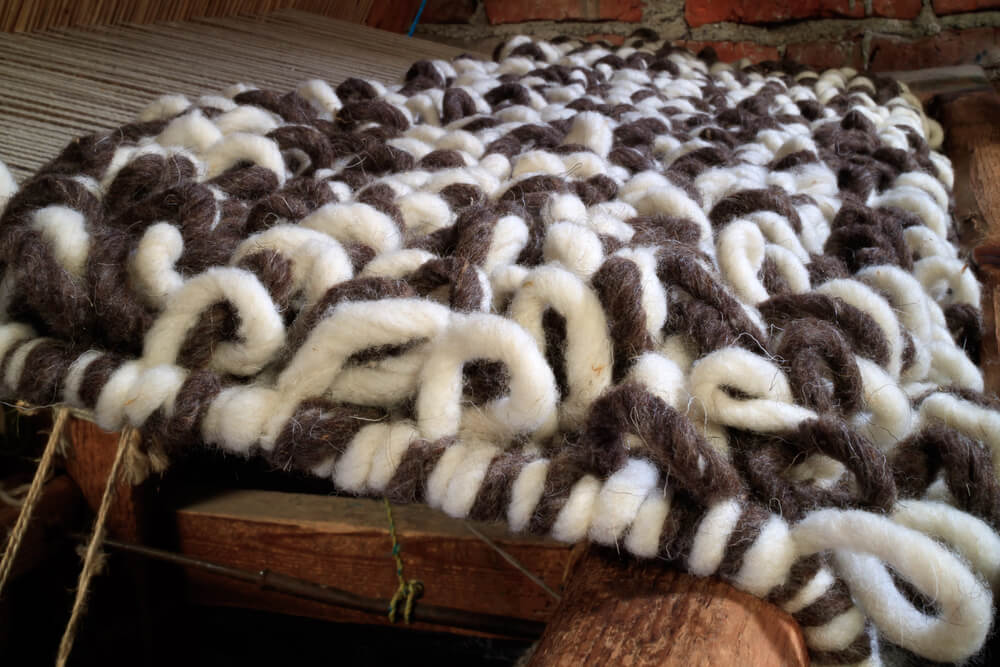
Paterson, New Jersey, earned the nickname Silk City because of its dozens of mills, and children were part of the labor force there. Young hands wound thread onto bobbins and tied broken strands, tasks that rewarded small fingers and endless patience.
During the huge silk strike of 1913, thousands of Paterson workers walked out, and striking families sent some of their children to stay with sympathetic households in New York. The strike was ultimately lost, but it made the mills’ labor practices a national story.
Pin Boys in the Bowling Alley

Before automation, every pin in a bowling alley was set by hand, and the job often fell to boys who crouched on a ledge above the pit to avoid flying pins. A boy had to reset the pins, send the heavy bowling sphere rolling back down the return, and be ready before the next roll.
Pay was only a few pennies per game, and the late hours made a school day hard to survive. AMF unveiled its automatic pinspotter in Buffalo, New York, in 1946, and in the following years it made the pin boy obsolete.
Cranberry Pickers Kneeling in the Bog

Cranberry harvests came in autumn, and entire families crowded into the bogs to pick the berries by hand or with wooden scoops. In 1911, Hine photographed a 9-year-old girl picking beside her father in a bog in Wareham, Massachusetts.
He also documented cranberry pickers’ crowded shacks near Pemberton, New Jersey, where seasonal workers lived on the bog itself. Children were valued because the vines grew low to the ground, and little pickers could cover the rows without bending far.
Shrimp Pickers of Biloxi

Along the Gulf Coast, canneries relied on children to pull the meat from shrimp, and Hine’s photograph titled Some of the Young Shrimp Pickers at Biloxi, Mississippi shows how small many of them were. Workers were paid by the quantity they picked, so speed mattered more than age.
The shells and the brine were hard on the skin, and raw fingers were common. Cannery work followed the catch, which meant a shift could begin before dawn or whenever the boats came in.
Tomato Peelers in Maryland Canneries
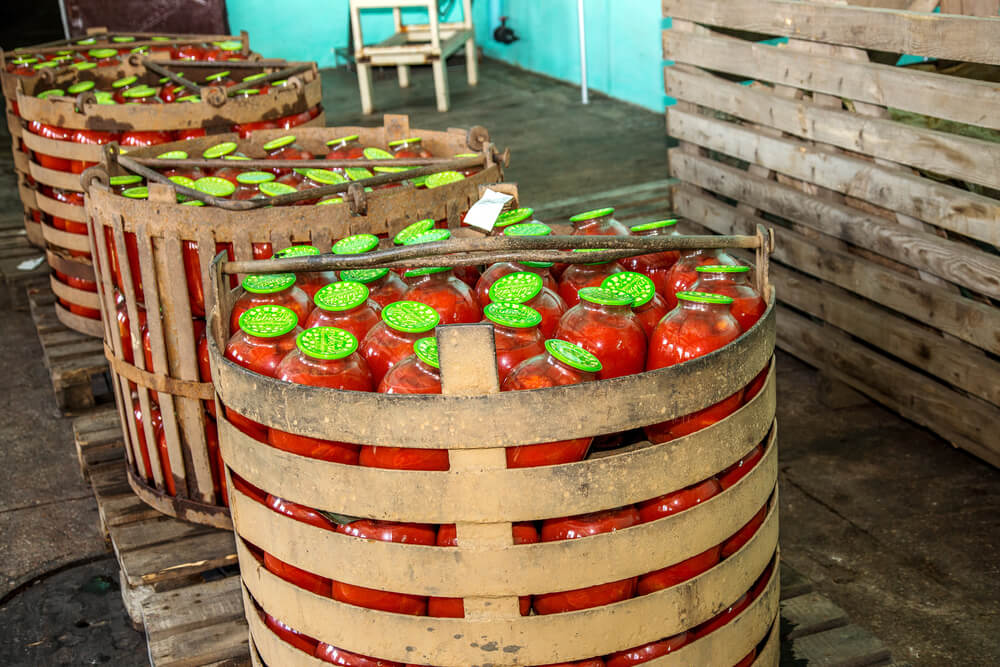
Maryland’s canneries packed tomatoes, peas, and corn in the summer, and families often moved to canning towns for the season. Children peeled tomatoes with small knives and worked beside their parents in hot, crowded sheds.
Hine photographed cannery children in Maryland as part of his campaign for the National Child Labor Committee, and his pictures helped push the state to tighten its rules. Pay was calculated by the bucket, so every child’s output went straight to the family’s total.
Sardine Cutters in Eastport, Maine

Eastport, Maine, the easternmost city in the United States, was a hub for sardine canning at the turn of the century. Children stood at long tables and cut the heads and tails off fish with razor-sharp knives, often working whenever the boats unloaded a catch.
In 1911, Hine photographed a 7-year-old boy in Eastport with an injured finger, wounded while cutting sardines. The image is among the plainest records of how young a worker could be in a cannery and still be handed a blade.
Glass Factory Carrying-In Boys
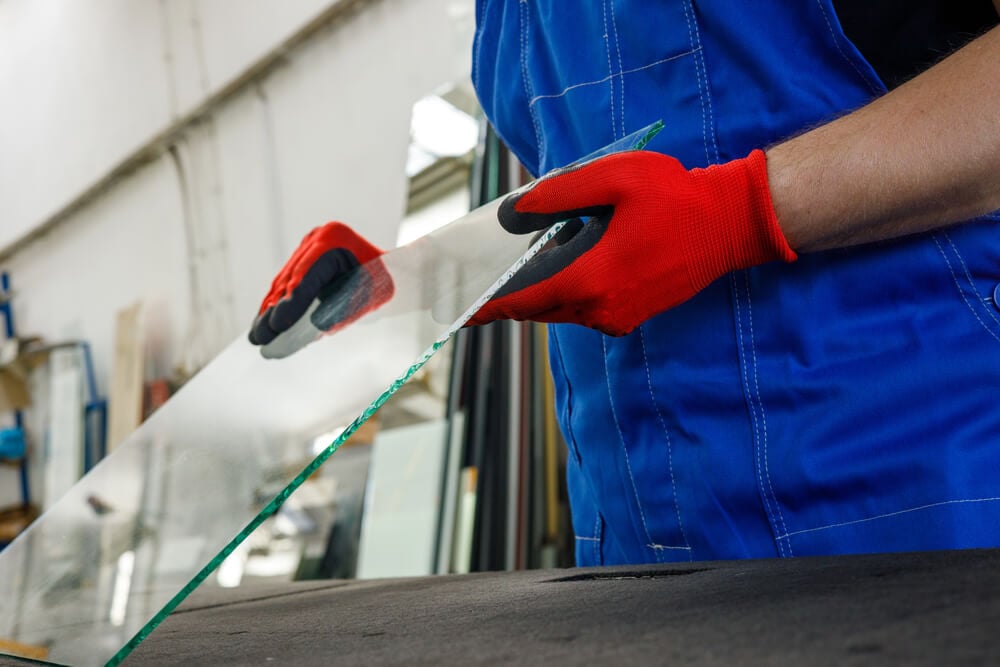
In a bottle glass factory, a boy known as a carrying-in boy hurried freshly shaped bottles from the glassblower to the annealing oven. The furnaces ran around the clock, so many boys worked night shifts in heat that left them drenched.
Hine photographed night work at glass factories, including one in Alexandria, Virginia, and his pictures show boys shuttling bottles under the glow of the furnaces. Reformers pushed to ban night work for children, and glassmakers resisted because they claimed the furnaces could not be allowed to cool.
Sugar Beet Toppers in Colorado

Sugar beets were hard work to harvest, since each beet had to be pulled and its leafy top cut off with a heavy knife. Entire families, including very young children, worked the fields in Colorado and other beet states.
Near Sterling, Colorado, Hine photographed 9-year-old Pauline Reiber topping beets in a field. Farm work was largely exempt from the child labor rules that applied to factories, so beet growers could count on family labor with few legal limits.
Cotton Pickers Dragging Their Sacks

Across the South, children picked cotton by hand, dragging long canvas sacks that grew heavier row by row. Rural schools frequently adjusted their calendars around the harvest, because so many students were needed in the fields.
When Congress passed the Fair Labor Standards Act in 1938, it set national limits on child labor but exempted agricultural work outside of school hours. That exemption meant cotton picking stayed open to children long after the factory floors were closed to them.
Hop Pickers From the East End

Each September, tens of thousands of families from London’s East End traveled by special trains to the hop gardens of Kent for the harvest. Children picked into baskets and bins alongside their parents, and many of them treated the weeks away as a holiday with a paycheck attached.
The work was not gentle, since hop vines left hands stained and sore. The tradition faded only after mechanical harvesters took over in the decades that followed.
Orphan Train Riders Placed on Farms

Between 1854 and 1929, the Children’s Aid Society and similar groups sent roughly 200,000 children from crowded eastern cities to rural homes by train. Many were taken in as farm hands, expected to help with chores and the harvest in return for room and board.
Their placement was announced at stops along the line, where farmers could look the children over. The last orphan train reached Sulphur Springs, Texas, in 1929.
Tenement Homework in New York

Thousands of New York families did piecework in their apartments, and children were pulled into it as soon as they could handle the materials. They made artificial flowers, sewed garters, and picked nutmeats out of shells for pennies, in rooms that doubled as workshops.
Hine photographed such families in 1911 for the National Child Labor Committee, often showing toddlers working beside older siblings. Because the work happened at home, inspectors had a harder time enforcing the factory laws that covered other jobs.
Telegraph Messenger Boys

Messenger boys in uniform carried telegrams across cities on foot or by bicycle, and companies such as Western Union relied on them heavily. Boys took night calls too, which alarmed reformers who pointed to the hours and the places a boy could be sent to after dark.
The job survived as long as the telegram did, and Western Union sent its last telegram in 2006. By then the messenger boy had been gone for decades, replaced by the telephone.
Railroad Call Boys

Railroads needed crews at all hours, and before telephones were common, a call boy walked to the home of a sleeping engineer or brakeman to deliver the summons. The man usually signed a call book to prove he had been notified, so a boy who failed to find him could cost the railroad a delayed train.
The job meant walking through rail yards and neighborhoods at night, for modest pay. Telephones and dispatch systems gradually took over the task.
Cash Boys in the Department Store

In big department stores, a clerk who made a sale would hand the money and a slip to a cash boy or cash girl, who ran it to a central cashier and returned with change. The runners crisscrossed crowded floors all day, and stores prized the ones who could move fast.
Mechanical cash carriers, including the Lamson system developed in Lowell, Massachusetts, in the 1880s, and later pneumatic tubes steadily replaced them. The shops kept the machines humming long after the job itself had vanished.
Printer’s Devils at the Type Case
A printer’s devil was the apprentice who mixed ink, cleaned type, swept the shop, and ran errands for the compositors. The trade was so tied to boyhood that Samuel Clemens, later known as Mark Twain, became one at 12 in Hannibal, Missouri, in 1848.
By the early 1900s the Linotype machine, introduced in 1886, had replaced much of the hand setting, yet small shops still used boys for the grubby chores. The title lasted longer than most children’s jobs, and it survived in newsroom slang.
Bellhops in the Grand Hotels

Hotels hired young men and boys in uniform to carry bags, deliver messages, and fetch ice water to guest rooms. The pay was minimal, so bellhops lived on tips, which led to a backlash against tipping in the early 1900s.
Washington state passed one of the first anti-tipping laws in 1909, and several other states followed. The bellhops, meanwhile, learned to read a guest’s mood in a glance, a skill that paid better than any wage.
Bootblacks on the Street Corner
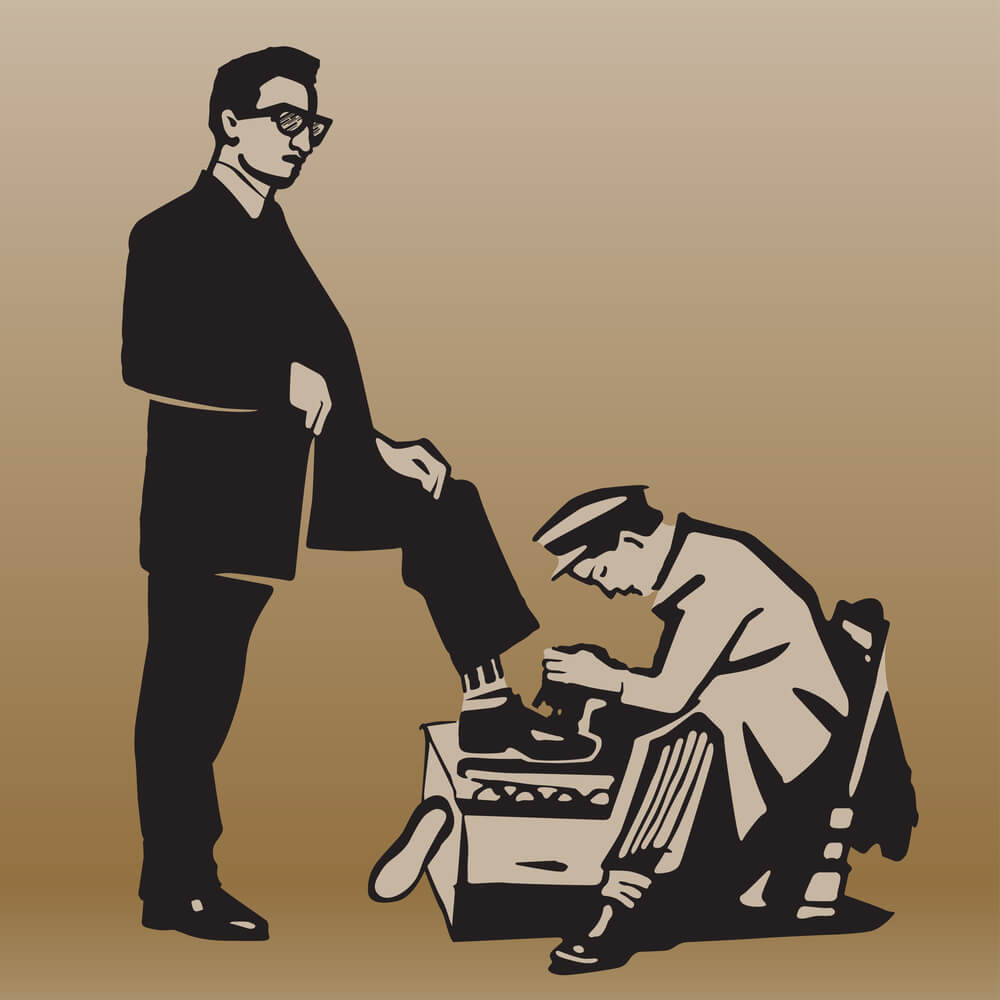
A shine cost about a nickel, and a boy with a wooden box, a rag, and a few tins of polish could make a living on any busy corner. Competition was fierce, and the best spots near train stations and hotels were guarded by the boys who worked them.
Bootblacks often worked long past dark, when commuters hurried home. The job demanded no schooling, which is exactly why it kept so many children away from classrooms.
Caddies Carrying the Clubs

Golf courses depended on boys to carry bags, spot errant shots, and keep quiet. In 1913, a 10-year-old caddie named Eddie Lowery carried the clubs for 20-year-old Francis Ouimet at the U.S. Open at The Country Club in Brookline, Massachusetts.
Ouimet beat the British stars Harry Vardon and Ted Ray in a playoff, and Lowery became a famous figure in golf history. He later built a successful career as a car dealer in San Francisco.
Child Stars in the Silent Movies

Jackie Coogan was six years old when he appeared opposite Charlie Chaplin in The Kid in 1921, and he became one of the biggest stars in the world. He earned millions, but his money was controlled by his mother and stepfather, and little remained when he reached adulthood.
His public lawsuit led California to pass the Child Actor’s Bill, known as the Coogan Act, in 1939. The law requires that a portion of a young performer’s earnings be set aside in a trust.
The Price of a Cheap Pair of Hands

The first federal law against child labor, the Keating-Owen Act of 1916, was struck down by the Supreme Court in 1918. It took until 1938 for Congress to pass the Fair Labor Standards Act, which President Franklin Roosevelt signed on June 25 of that year.
The law set a general minimum age of 16 for employment, with a handful of exceptions, and it set a higher bar for hazardous work. Farms, newsstands, and entertainment were treated differently, which is why some of these jobs lingered for decades.
Laws were only part of the story. Machines took over the work of pin boys, cash boys, and call boys, and rising wages let more families keep children in school.
Hine’s photographs mattered because they put faces to the numbers, showing that the cheapest labor in the country was also the smallest. The jobs on this list look strange now, but every one of them was once considered ordinary.
More from Go2Tutors!

- 27 Silver Dollars and Half Dollars Worth Keeping
- 28 Restaurant Menu Items Nobody Orders Anymore
- 17 Places Built in Seemingly Impossible Spots
- 27 Vintage Rings Worth More Than They Look
- 25 Restricted Sites Tourists Can’t Enter
Like Go2Tutors’s content? Follow us on MSN.