18 Oldest Countries And Their Dates Of Sovereignty
The concept of the ‘oldest country’ seems simple at first, but it becomes more complex as you dig deeper. Some countries have a history of thousands of years of civilization, while others base their antiquity on the establishment of sovereignty or the development of a state.
What is most relevant, however, is not the length of time humans have inhabited the land, but rather the date when the country itself began as a political entity.
Of course, the history of any country is rarely linear. Borders have moved, empires have come and gone, and forms of government have changed.
However, there are some countries that have a sense of history, a sense of connection between the present day and the past.
Here are the 18 ‘oldest’ countries, as well as the dates most commonly associated with the establishment of sovereignty or the development of the state:
Japan

Japan is often considered one of the oldest continuous states, with traditional founding dates to 660 BCE. This date is tied to the legendary ascension of Emperor Jimmu, marking the beginning of the imperial line.
While early records blend mythology and history, Japan’s imperial institution has remained a defining feature. That continuity gives the country a strong claim to one of the longest-standing national identities.
China

China’s state formation is commonly traced to the Qin Dynasty in 221 BCE, when the country was unified under a centralized imperial system. This marked the beginning of a political structure that influenced governance for centuries.
Although dynasties have changed over time, the idea of a unified China has persisted. This continuity plays a central role in how the country understands its history.
Greece
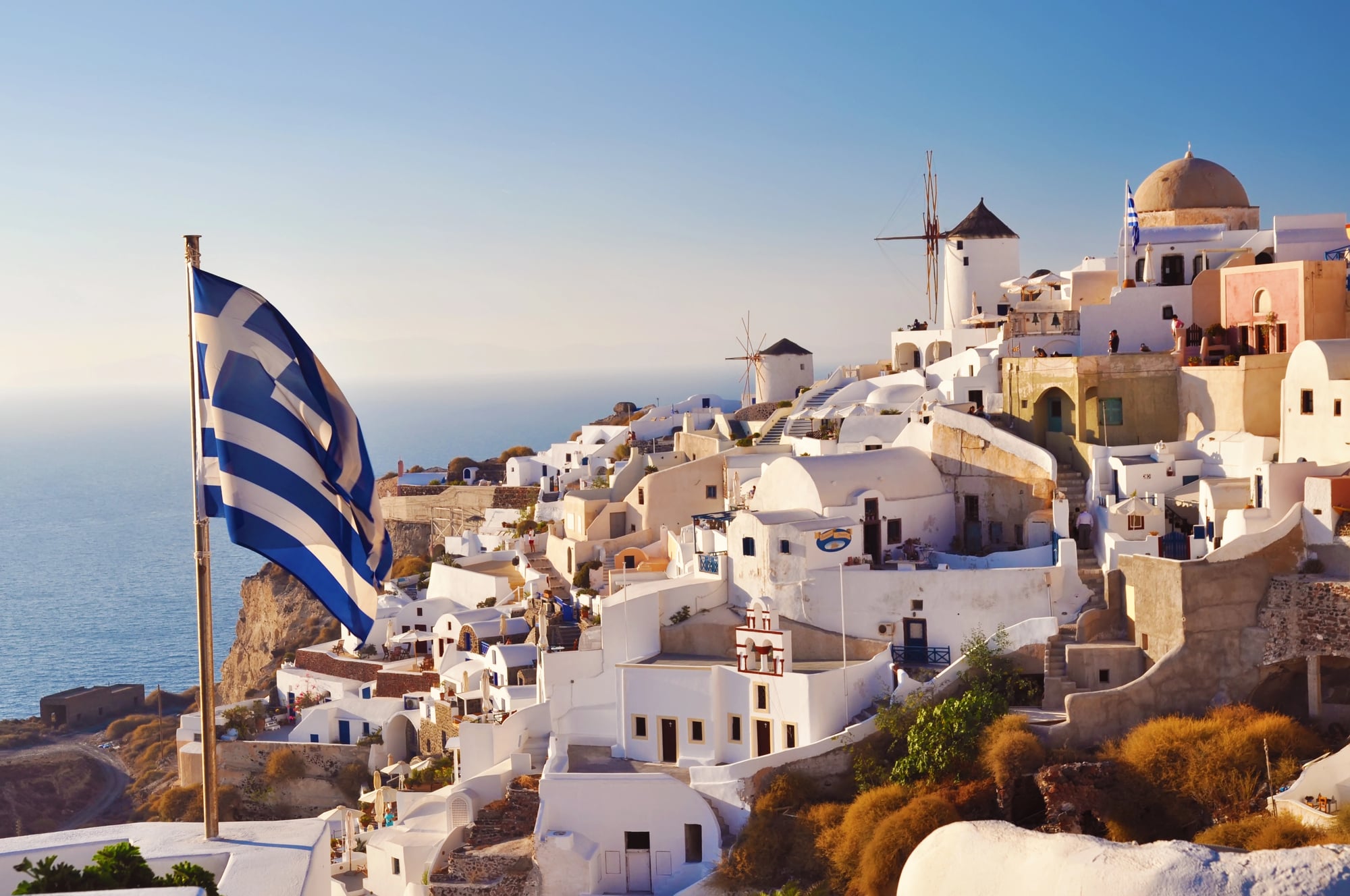
Greece’s modern sovereignty dates to 1830, following its independence from Ottoman rule. However, its cultural and historical roots stretch back to ancient city-states like Athens and Sparta.
The gap between ancient civilization and modern statehood highlights how identity can endure even when political structures change. Greece carries both timelines at once.
Egypt

Egypt gained modern sovereignty in 1922, ending British protectorate status. Yet its history as a civilization extends back thousands of years along the Nile River.
This contrast between ancient heritage and modern independence creates a layered national identity. Egypt remains one of the clearest examples of how history can span vastly different eras.
San Marino

San Marino claims sovereignty dating back to 301 CE, making it one of the oldest surviving republics in the world. Its founding is tied to a small Christian community seeking refuge.
Despite its size, San Marino has maintained its independence through centuries of change in surrounding regions. Its longevity is tied to both geography and political resilience.
Portugal
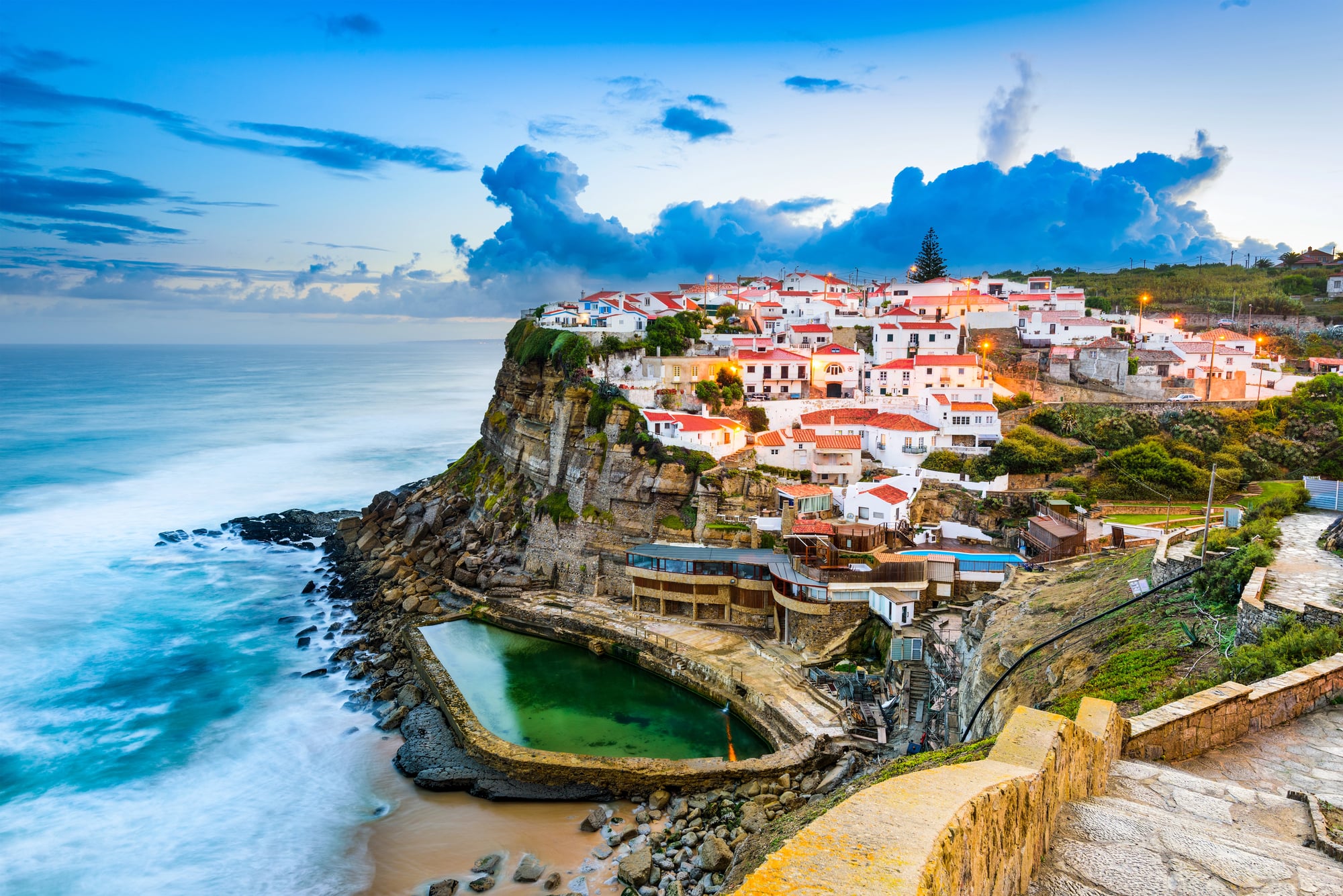
Portugal established its sovereignty in 1143, becoming one of Europe’s earliest nation-states with clearly defined borders. Its independence was recognized through treaties with neighboring kingdoms.
The country’s stability over time has reinforced its identity. Portugal’s borders have remained largely unchanged, adding to its historical continuity.
Denmark
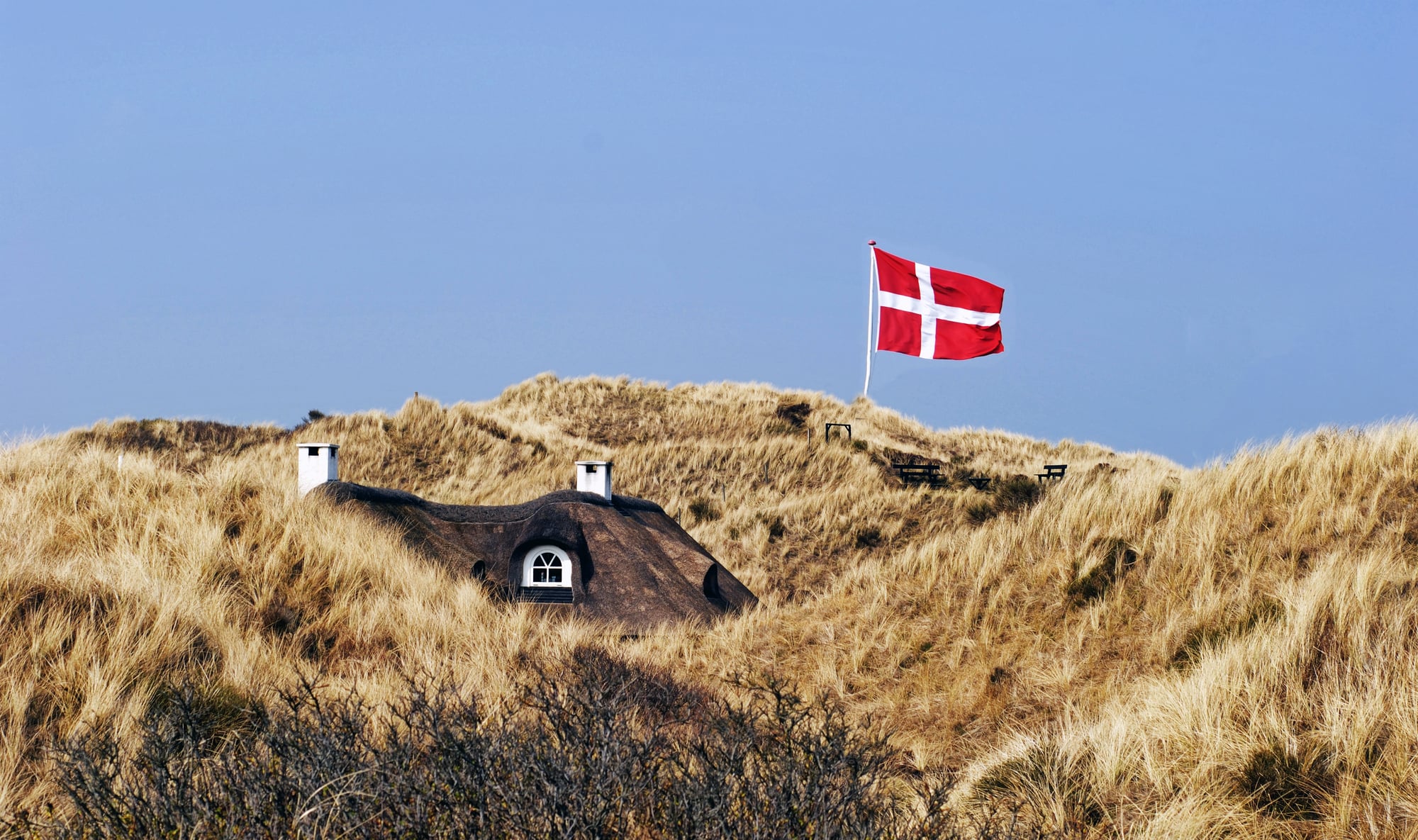
Denmark’s origins as a unified kingdom date back to around the 10th century, with sovereignty often placed around 965 CE. Early rulers helped consolidate territories into a recognizable state.
Over time, Denmark evolved from a Viking-era kingdom into a modern constitutional monarchy. Its long-standing governance contributes to its place among the oldest nations.
United Kingdom

The United Kingdom in its current form dates to 1707, when England and Scotland united under a single government. Earlier kingdoms existed separately, each with its own history.
This union created a new political entity while still drawing on older traditions. The UK’s identity reflects both unity and layered historical roots.
Spain

Spain’s sovereignty is often dated to 1479, following the union of the crowns of Castile and Aragon. This marked the beginning of a more unified Spanish state.
While regional identities remain strong, this union laid the foundation for modern Spain. It represents a turning point from fragmented rule to centralized governance.
Thailand

Thailand traces its sovereignty to 1238, with the establishment of the Sukhothai Kingdom. It stands out as one of the few countries in Southeast Asia never formally colonized by European powers.
This independence has shaped its national identity. Thailand’s continuity reflects both internal development and strategic diplomacy.
Ethiopia
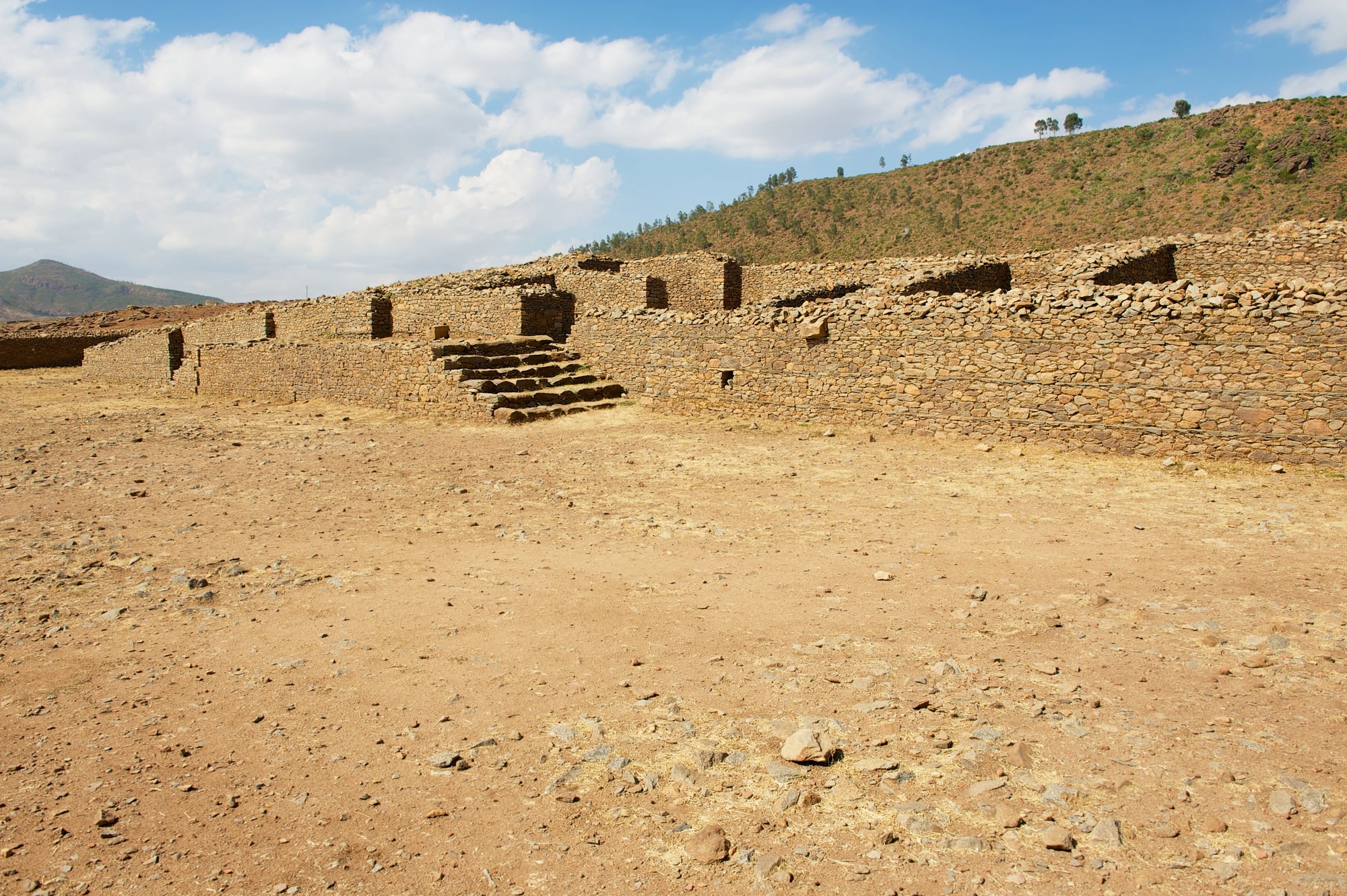
Ethiopia’s statehood dates back to the Aksumite Empire, around 100 CE. It is one of the oldest continuously recognized states in Africa.
Despite periods of occupation, Ethiopia maintained a strong sense of identity. Its history reflects resilience and cultural continuity over centuries.
Austria
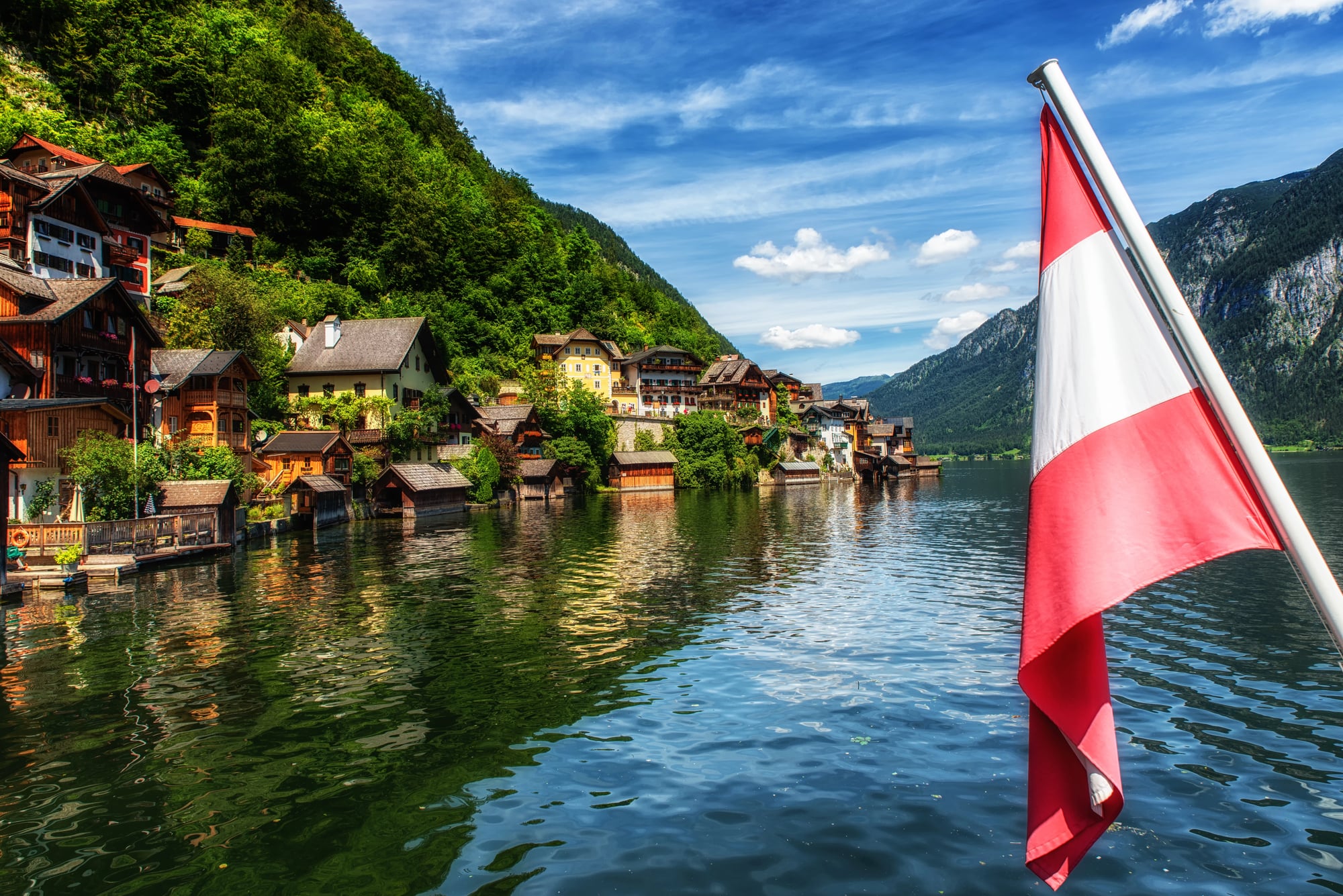
Austria’s sovereignty is often traced to 1156, when it became a duchy within the Holy Roman Empire. Over time, it developed into a significant European power.
While its political structure has changed, Austria’s identity has remained connected to its historical roots. It reflects the evolution of central European states.
Hungary
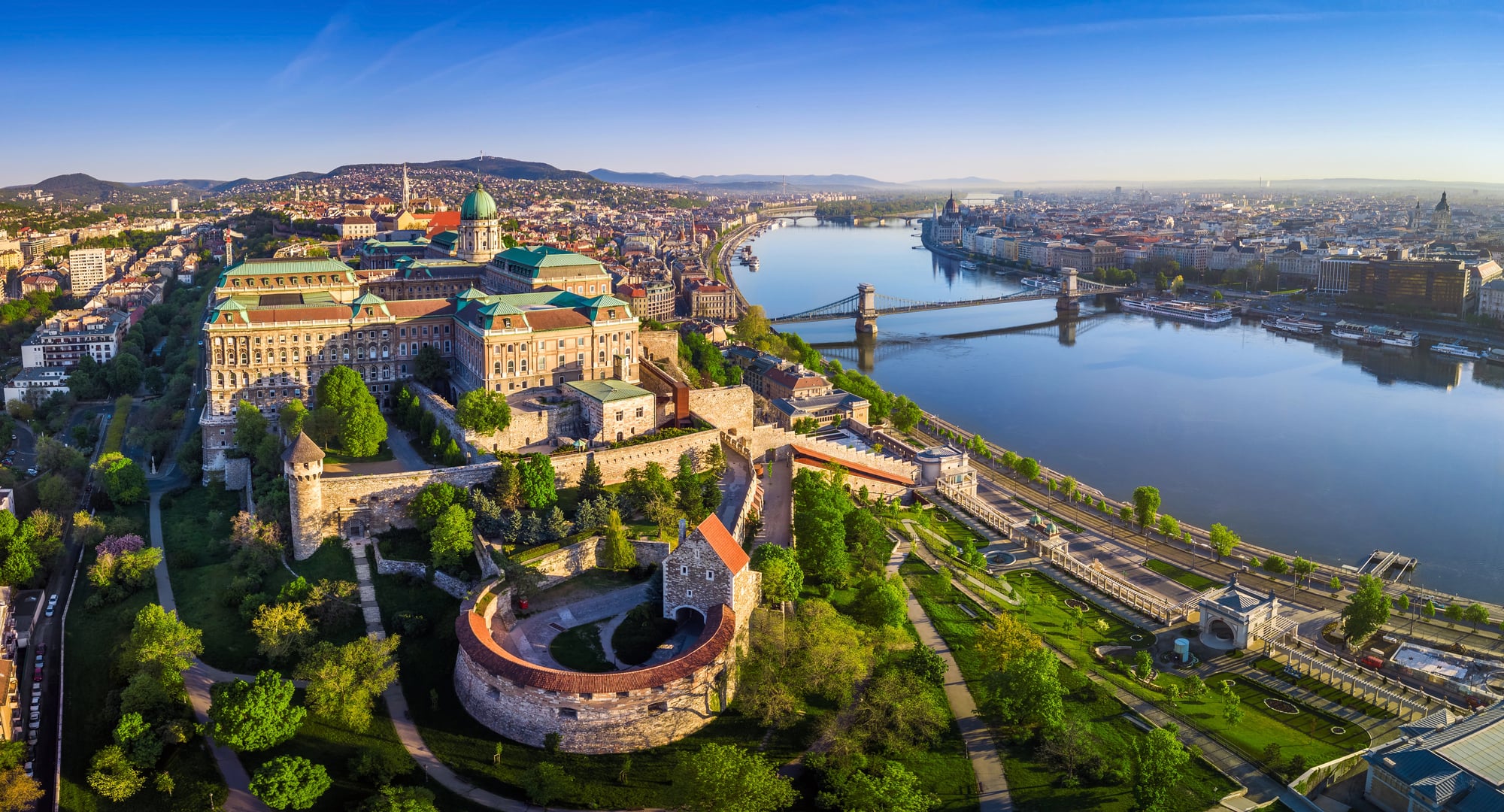
Hungary’s founding is typically dated to 1000 CE, when King Stephen I established a Christian kingdom. This marked the beginning of a unified Hungarian state.
The country has experienced significant political shifts, yet its cultural identity has endured. Hungary’s history reflects both change and continuity.
Netherlands
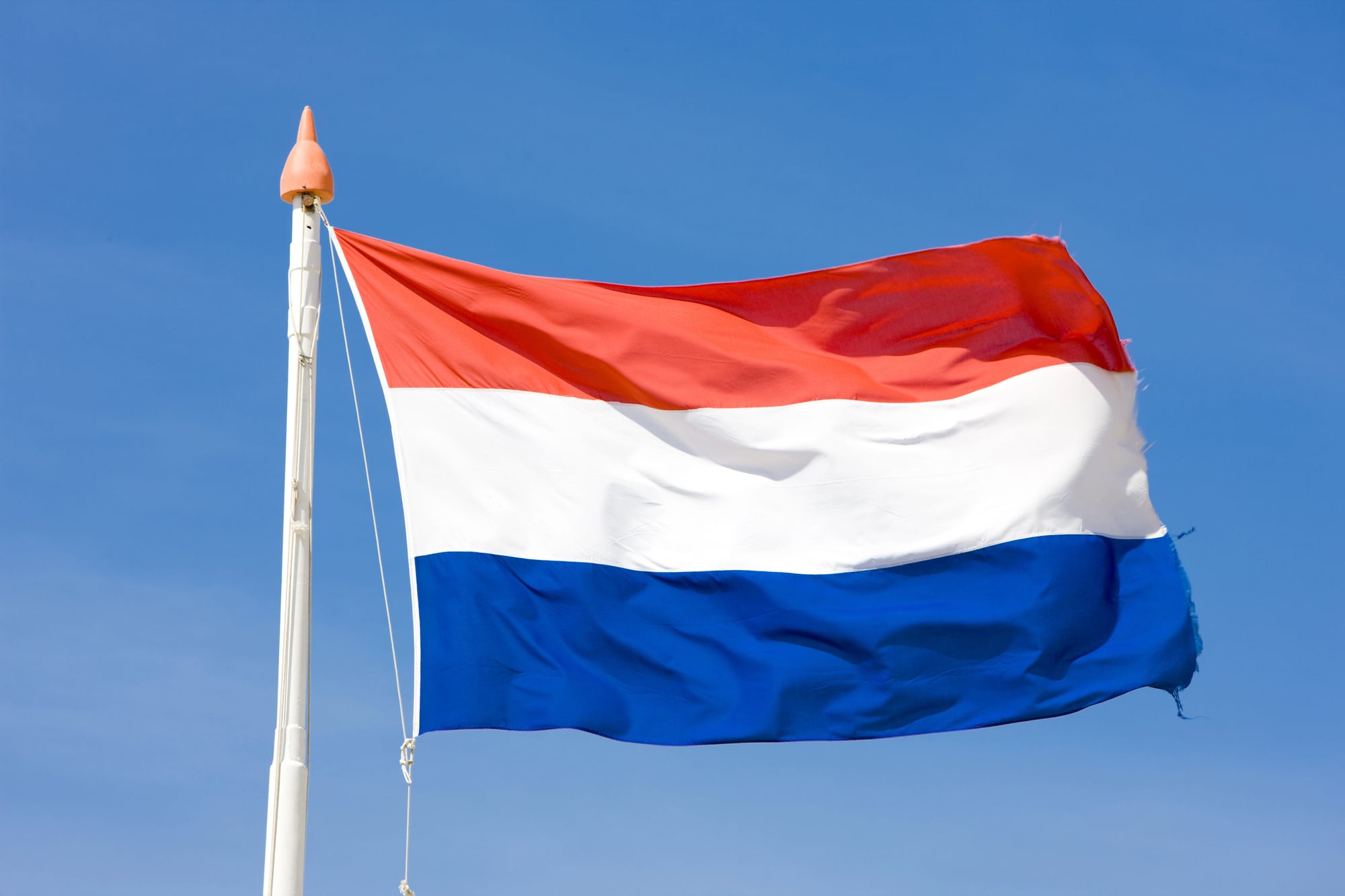
The Netherlands gained independence in 1581 through the Act of Abjuration, formally breaking away from Spanish rule. This marked the beginning of a new republic.
Its early embrace of trade and governance helped shape its development. The Netherlands quickly became a significant economic and cultural force.
Sweden

Sweden’s state formation is often dated to 1523, when Gustav Vasa became king and established independence from the Kalmar Union. This marked the beginning of modern Sweden.
The country has maintained stability and continuity since that point. Sweden’s evolution reflects a balance between tradition and reform.
Morocco
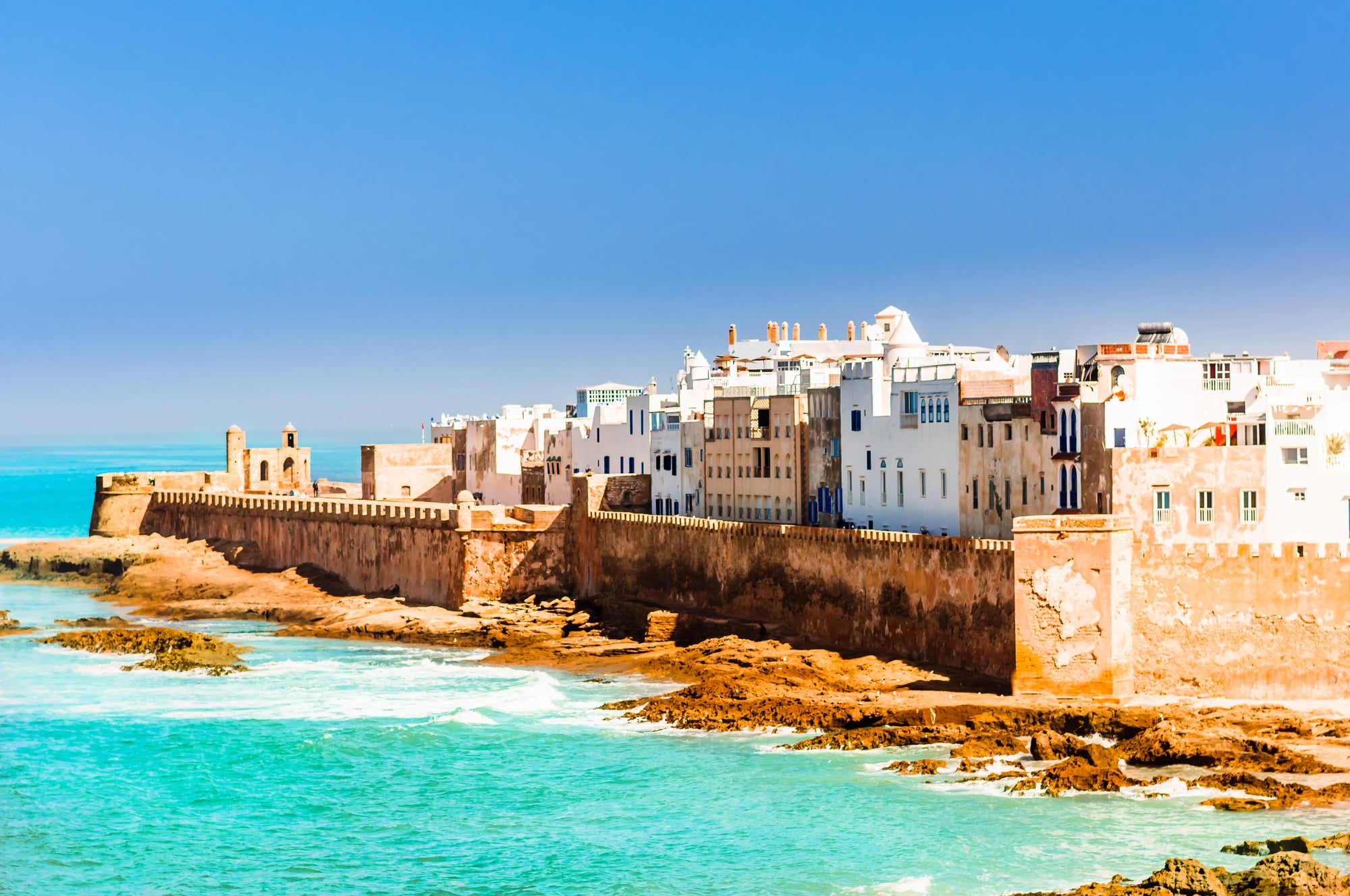
Morocco’s sovereignty dates to 788 CE, with the establishment of the Idrisid dynasty. It is one of the oldest continuous monarchies in the world.
The country’s long history includes both independence and periods of foreign influence. Still, its identity remains closely tied to its early foundations.
Iran
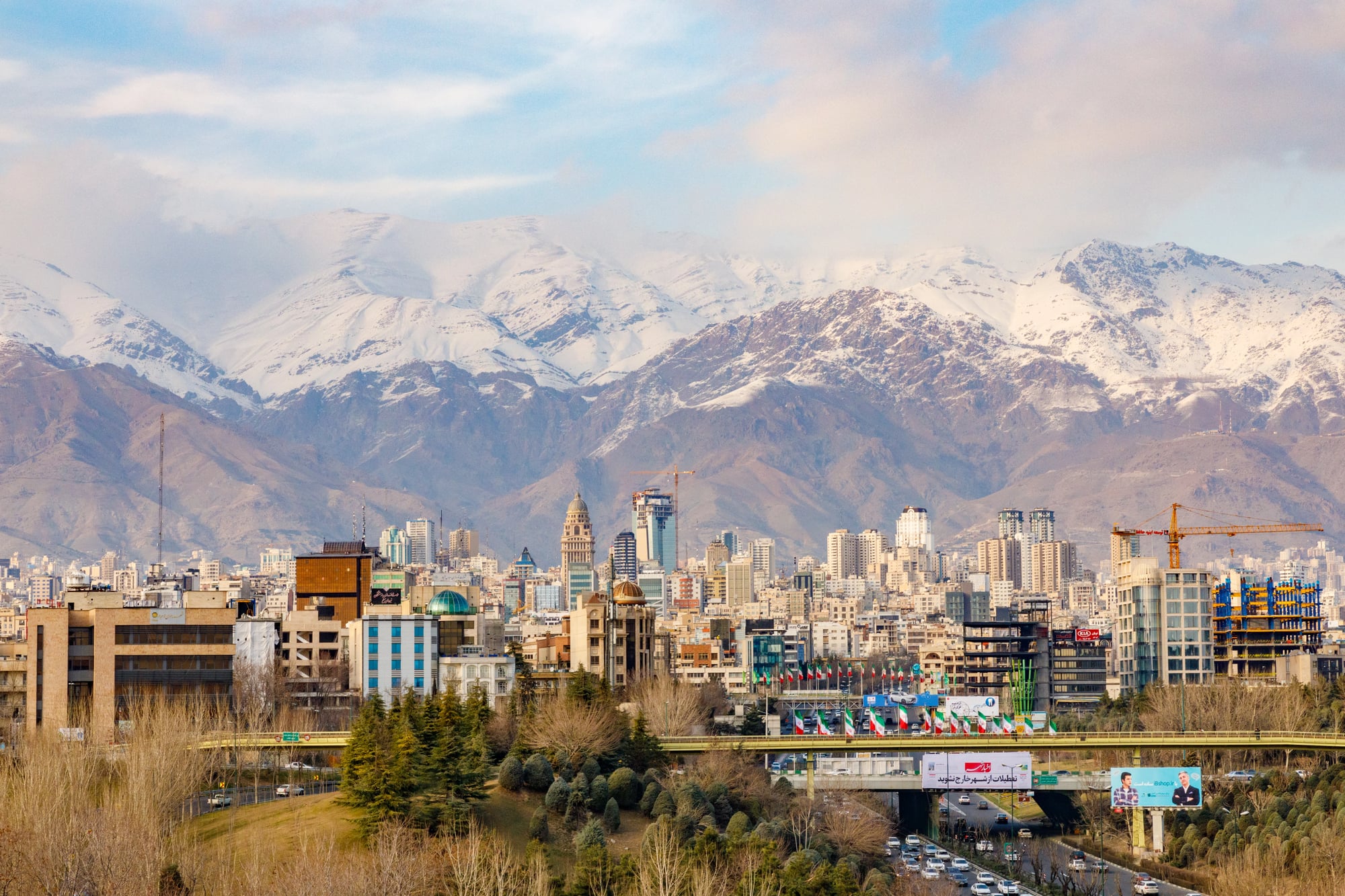
Iran traces its statehood back to the Achaemenid Empire around 550 BCE. While modern sovereignty dates to later periods, its identity is deeply rooted in ancient Persia.
This long historical arc shapes how Iran is viewed today. It connects modern governance to one of the earliest major empires.
France

France’s origins as a unified state are often linked to 843 CE, following the Treaty of Verdun, which divided the Carolingian Empire. This marked the emergence of a distinct French kingdom.
Over time, France developed into a centralized nation with lasting cultural influence. Its history reflects both political evolution and continuity.
Where History And Identity Intersect

The age of a country is not measured by a single event. It is measured by the various levels of history, where the country’s sovereignty, culture, and identity come together.
Some countries derive strength from the ancient past, while others derive it from the relatively more recent past of political formation. Today, the countries continue to evolve and adapt to the challenges of the modern era while retaining the history of the past.
More from Go2Tutors!

- The Romanov Crown Jewels and Their Tragic Fate
- 13 Historical Mysteries That Science Still Can’t Solve
- Famous Hoaxes That Fooled the World for Years
- 15 Child Stars with Tragic Adult Lives
- 16 Famous Jewelry Pieces in History
Like Go2Tutors’s content? Follow us on MSN.



