25 Old Family Car Extras That Became Collectibles
Somewhere in a swap meet right now, a dusty dashboard gadget is being haggled over by two people who both know exactly what it does. Nobody in the original family car needed it.
Dad ordered it anyway, and the dealer was happy to add it to the invoice. Options sheets and accessory catalogs were full of oddities that promised comfort, safety, or status.
Most ended up in landfills or garage rafters. A surprising number now carry serious nostalgia value.
Chrysler Highway Hi-Fi Dashboard Record Player
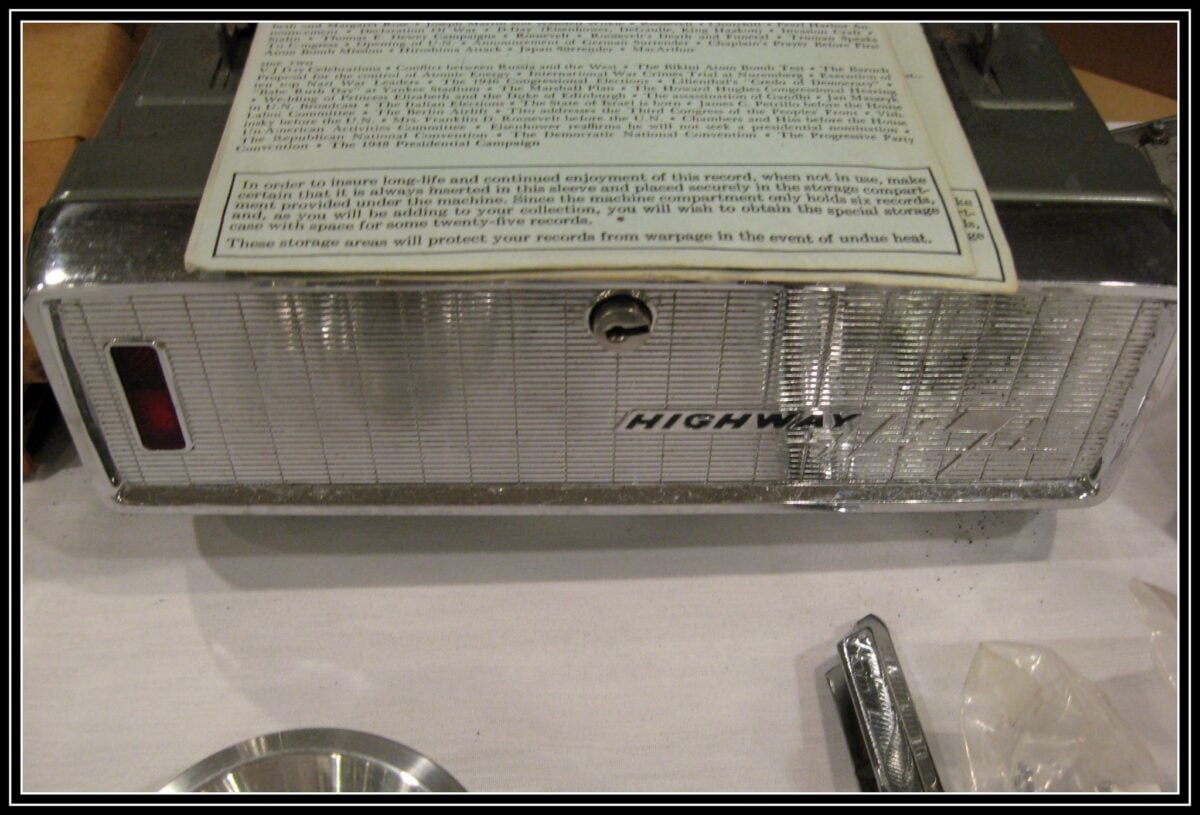
Chrysler offered a record player under the dash of its 1956 models, built around special discs that Columbia Records pressed to spin at 16 2/3 rpm. The tone arm used heavy tracking pressure so it could ride out rough pavement without skipping.
The catch was that ordinary records would not work, so owners were stuck with a small catalog of road-ready titles. Complete players and their original discs are hard to find together, and values swing widely with condition.
GM Autronic Eye Headlight Dimmer
The Autronic Eye sat on top of the dashboard like a small periscope and used a photoelectric cell to dim the high beams when oncoming headlights appeared. General Motors offered it on Cadillac and Oldsmobile models beginning in 1952, decades before automatic high beams became routine.
Drivers loved to show it off by flashing a flashlight at the housing. Collectors look for units with the original housing and a working amplifier, and prices track how complete and functional they are.
Thermador and Firestone Window Car Coolers
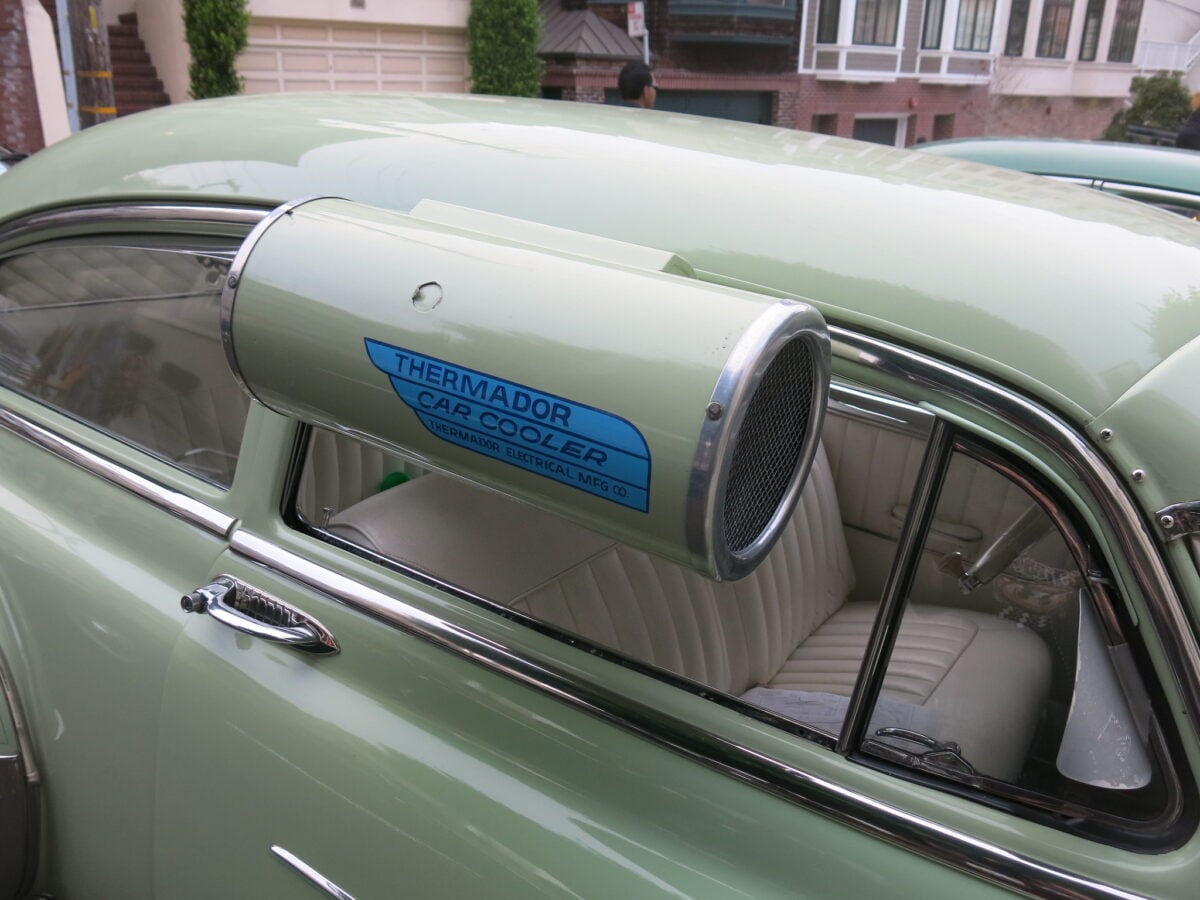
Before factory air conditioning reached ordinary sedans, families in hot, dry states hung evaporative coolers from the passenger window. Thermador made a well-known model, Firestone sold one, and Montgomery Ward’s catalog offered a car cooler as well.
Water-soaked pads chilled the incoming air, which worked nicely in desert heat and poorly in humid places. Intact examples with their mounting hardware are prized by classic truck and wagon owners, and condition drives the asking price.
Delco Wonder Bar Push Radios
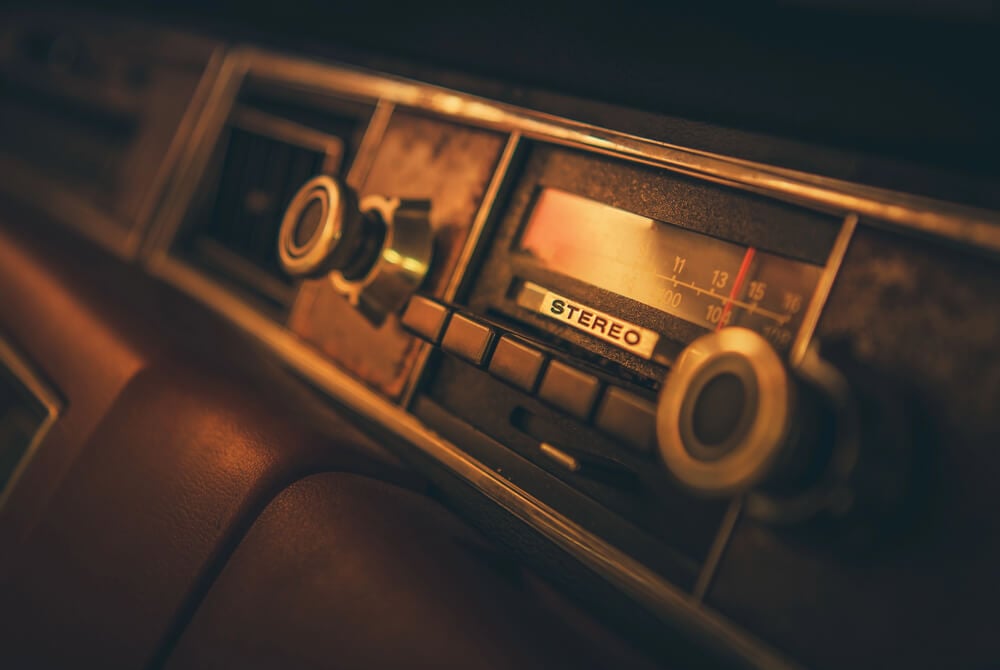
The Wonder Bar was a Delco car radio with a metal bar across the dial. A tap on it sent the tuner searching for the next station, a trick that felt like science fiction in the early 1950s.
The radios turned up in Chevrolet, Cadillac, and early Corvette dashboards. Today, original units are collected for restoration, and modern companies sell reproduction versions that hide Bluetooth and satellite radio inside the vintage case.
Original radios vary in value according to condition and whether they still work.
Ford Stereo-Sonic Tape Players
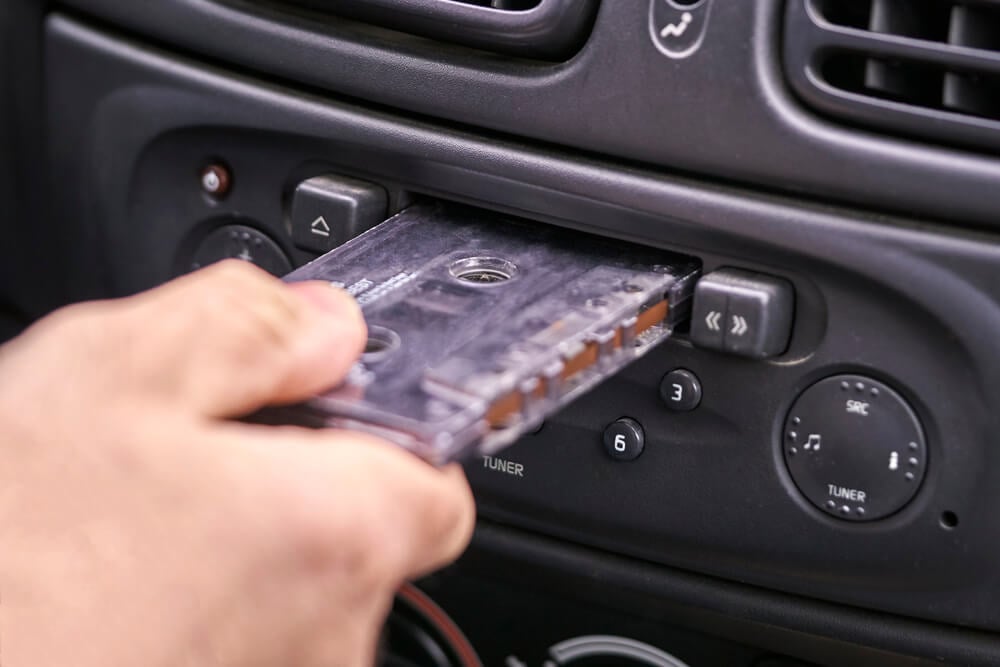
Ford announced a factory tape player on September 15, 1965, developed with Lear and Motorola. The system used cartridges that became known as 8-tracks, and RCA Victor released music to go with it.
Buyers of 1966 Ford products could order the Stereo-Sonic and play an album without radio commercials. Early dash-mounted units are collected by audio fans, and their value depends on condition, working mechanisms, and original brackets.
Muntz Stereo-Pak Four-Track Players
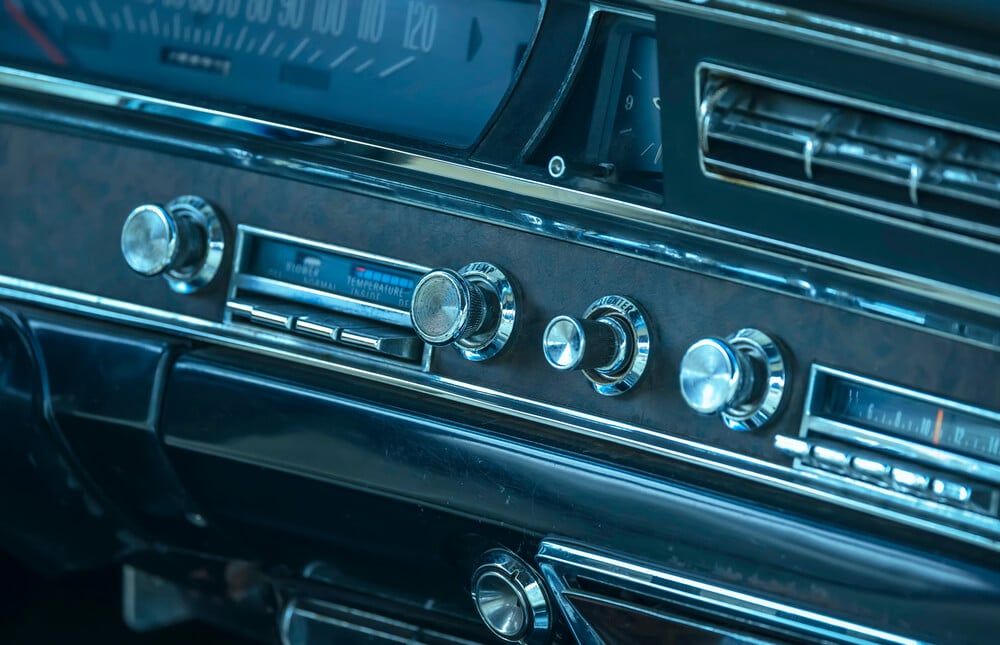
Earl Muntz, the Los Angeles car dealer nicknamed Madman, sold a four-track cartridge system that put stereo music into cars before the 8-track took over. Cartridges carried hits from popular artists, including James Brown hits.
Muntz players were bolted under dashboards of family sedans and station wagons across the country. The units and tapes are collected as the missing link in car audio, and prices rise or fall with condition and completeness.
Appleton and Unity Spotlights
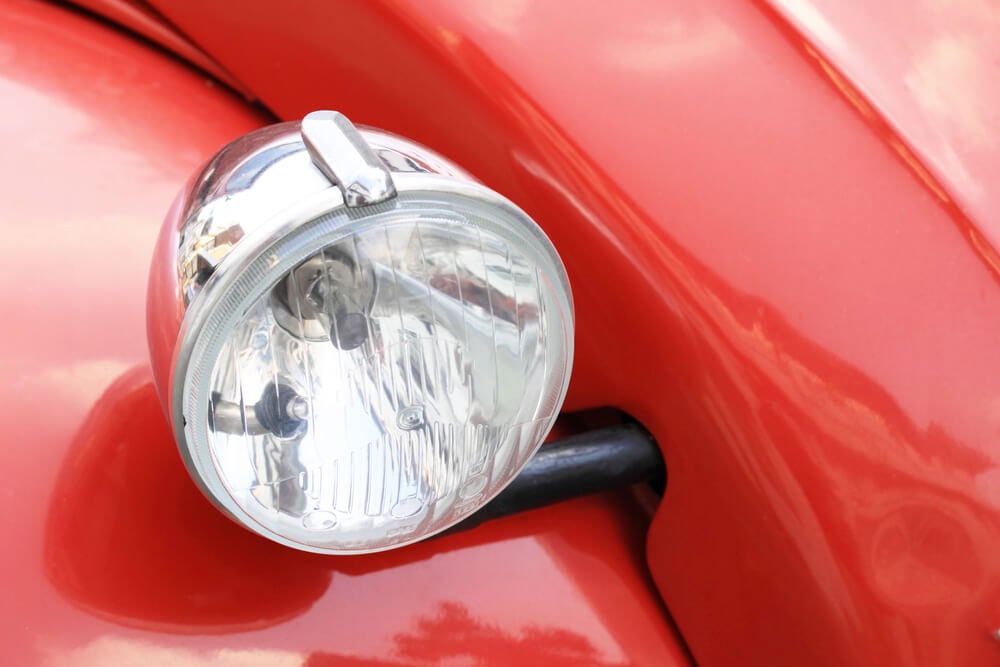
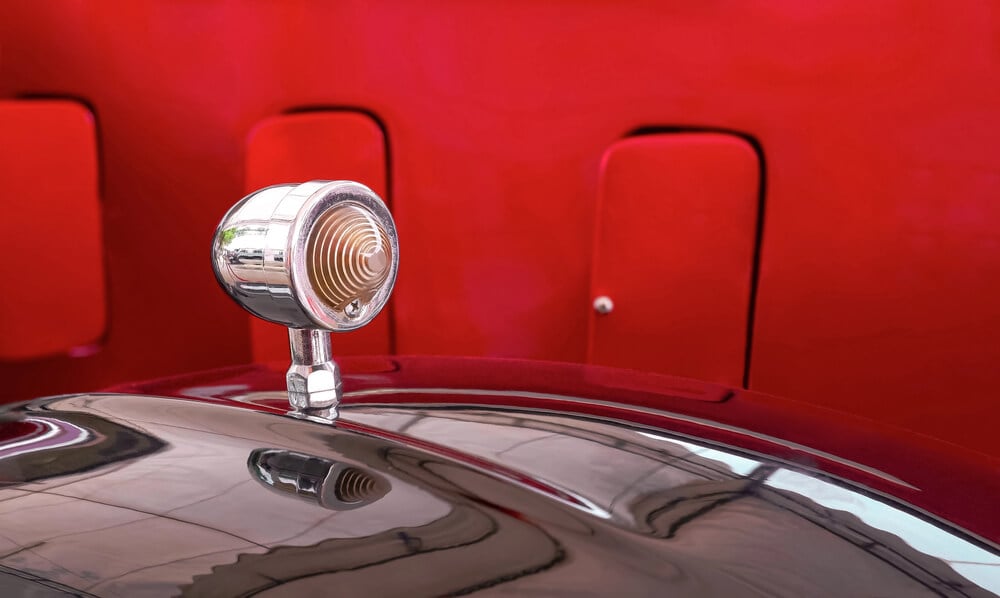
A spotlight mounted on the driver’s-side door post let a driver sweep the roadside for house numbers, deer, or lost keys. Appleton became so closely tied to the product that Wikipedia now lists the Appleton spotlight as its own entry, and Unity Manufacturing of Chicago produced similar lamps in the 1940s.
Many were bought by ordinary families who wanted a little police-car glamour. Matching pairs with intact chrome and lenses command the most interest, and condition decides the price.
Fender Skirts
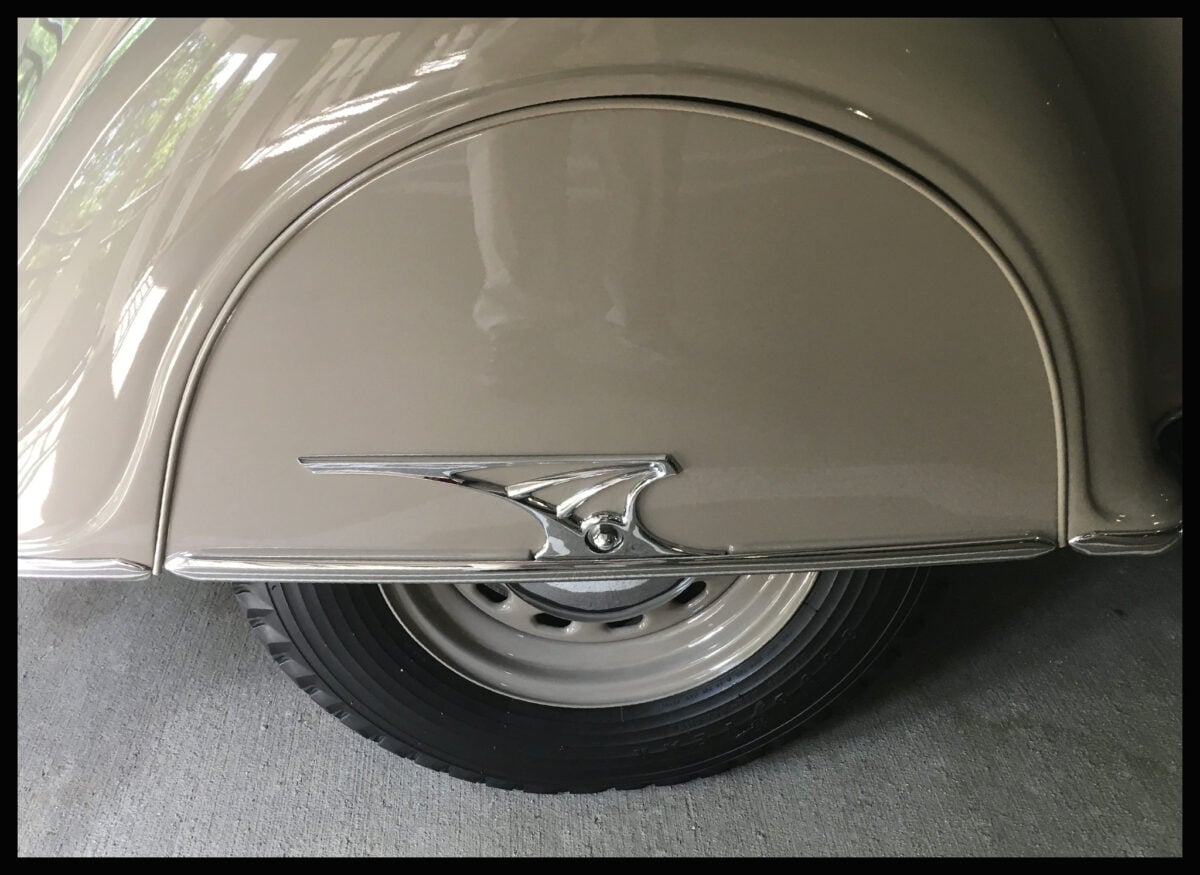
Fender skirts were steel panels that covered the rear wheel openings, giving cars a long, low, almost boat-like profile in the 1950s. They also turned a simple flat tire into an extra chore because the panel had to come off before the wheel did.
Reproduction skirts exist for popular models such as 1949 to 1951 Fords, but original dealer-installed sets in matching paint draw more attention from purists. Rust, dents, and missing mounting hardware cut value sharply.
Continental Kits
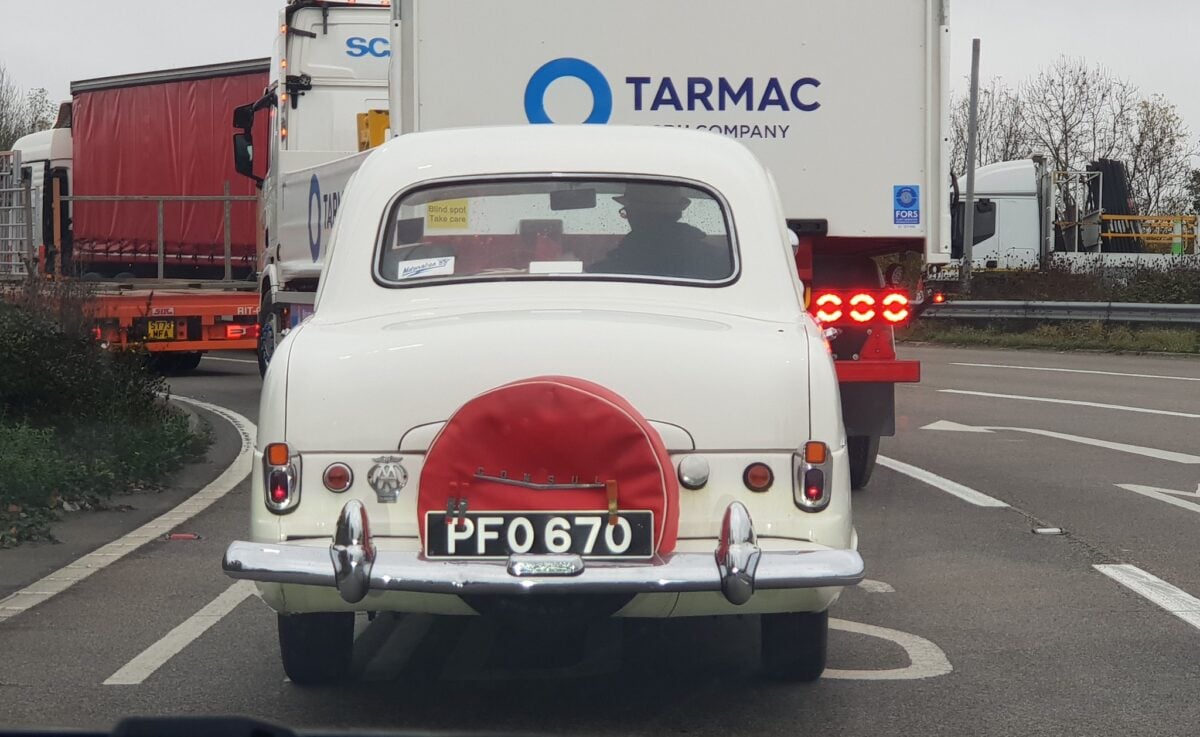
The continental kit took the spare tire out of the trunk and hung it behind the bumper, a look borrowed from the Lincoln Continental. Dealers sold the add-on for other cars, which gave ordinary sedans a dash of luxury while stealing trunk space.
One famous example is a Lincoln that wore a kit so long that Curbside Classic described it as the longest ever seen on a non-Continental Lincoln. Original chrome and correct mounting brackets matter, and the price depends on condition.
Eldorado Brougham Vanity Fittings
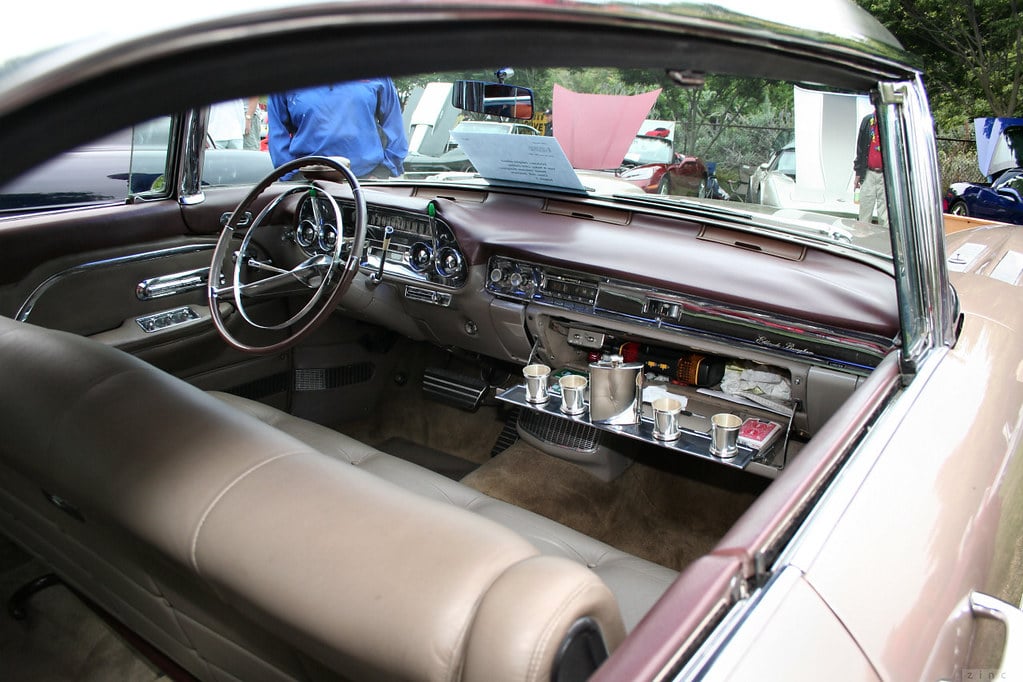
The 1957 Cadillac Eldorado Brougham was loaded with accessories that read like a luxury boutique, including magnetic drinking tumblers and a Lanvin Arpege perfume dispenser. The idea was to make the car feel like a rolling lounge for a very wealthy family.
Surviving cars with their complete kits are far more desirable than those missing pieces. Individual accessories, when they appear, tend to be priced by condition and by how rare they have become.
Nash Seats That Became a Bed
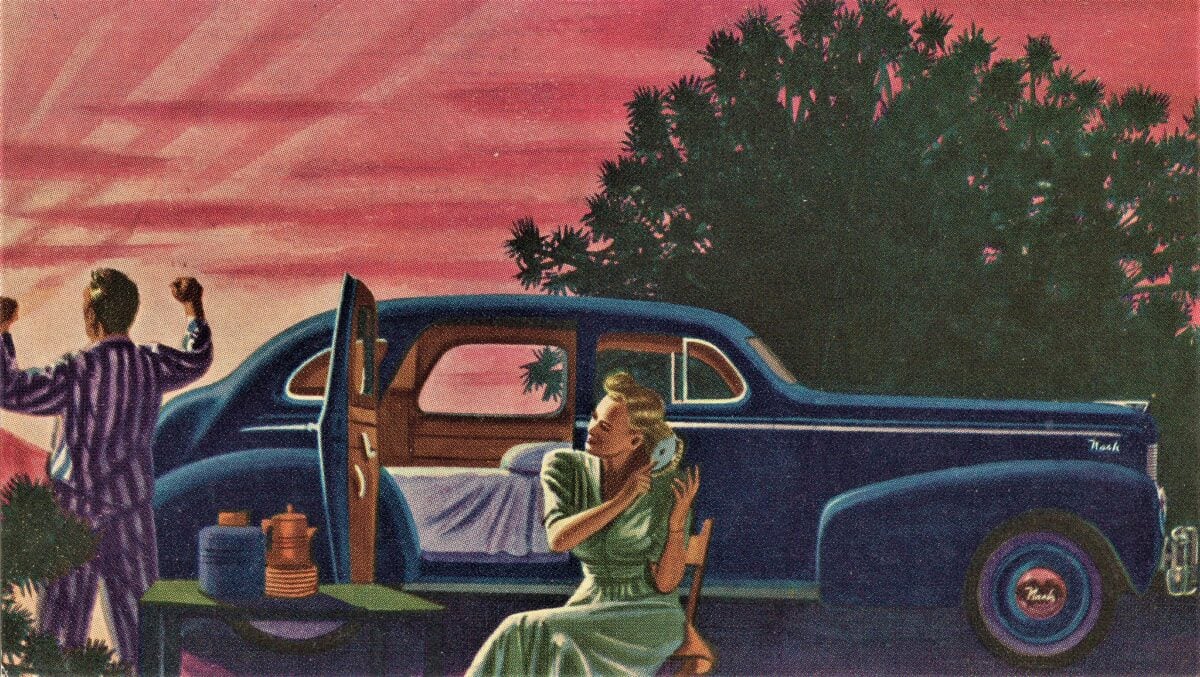
Nash designed seats for cars such as the Airflyte so they could fold down into a bed, and a dedicated mattress was available for the purpose. The idea turned a family sedan into a rolling motel for road trips, long before minivans made sleeping in the car routine.
Barn finds and surviving mattresses still turn up, usually in rough shape. Complete conversions are rare, and the value of any piece depends on condition.
Nash Weather Eye Heating Systems
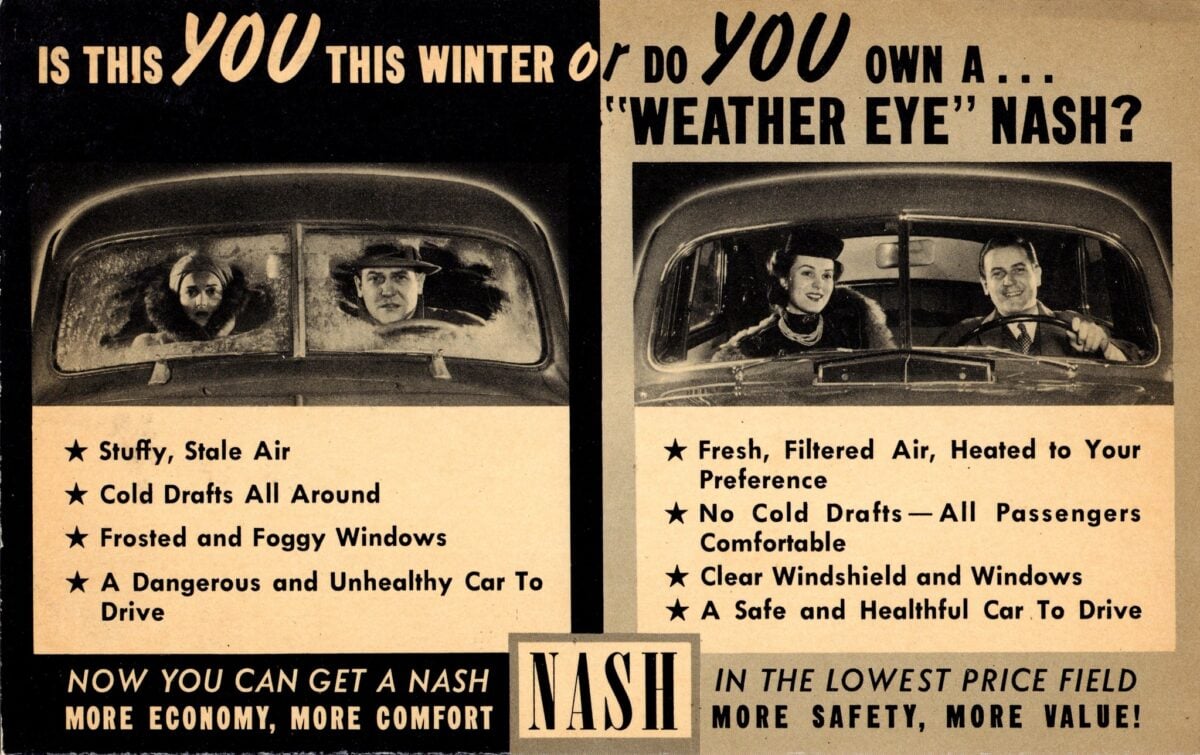
Nash promoted its Weather Eye system as a way to heat and ventilate the cabin using fresh outside air instead of recirculated warmth. In 1954 the company added air conditioning to the same package, drawing on the expertise of its appliance partner Kelvinator.
Heater units, controls, and badges from the system now interest Nash restorers and brand collectors. Original parts bring the most when they are complete, clean, and unrestored.
Dealer License Plate Frames
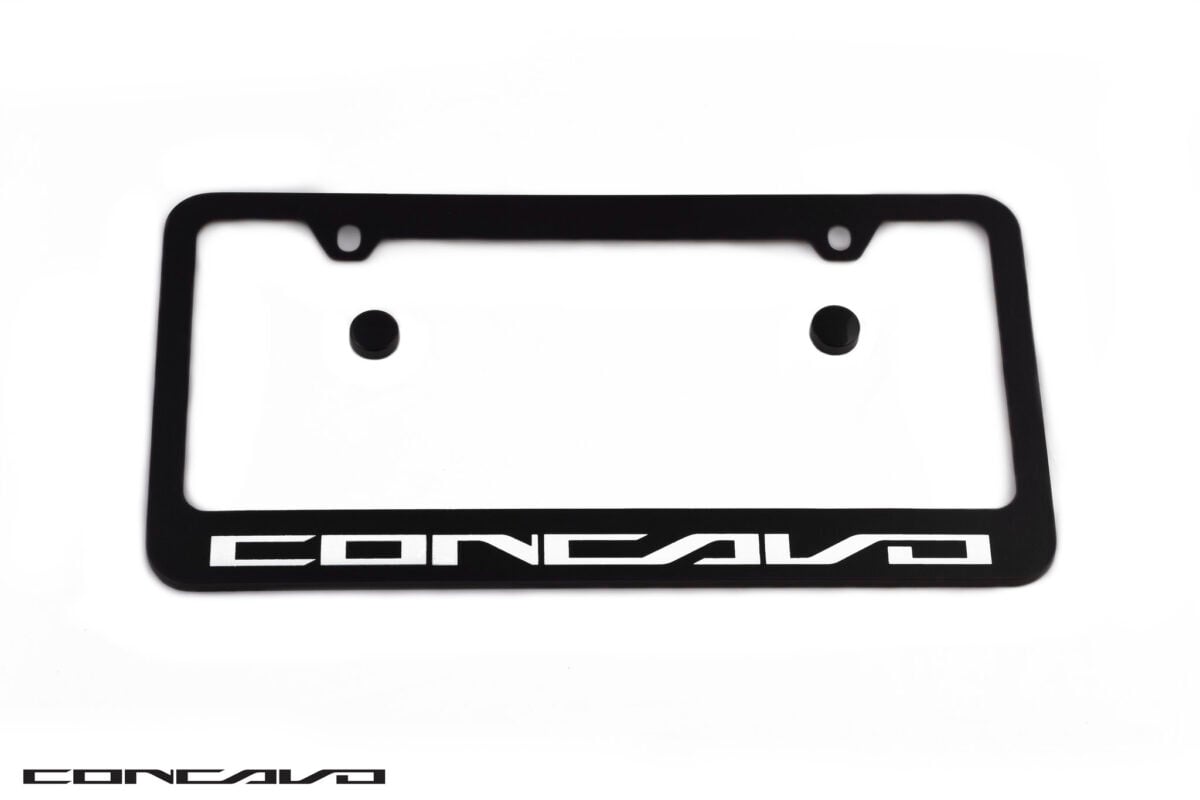
Chrome plate frames with a dealership name stamped across the bottom were a free billboard for local showrooms. Vintage examples, such as one from Nabers Cadillac of Orange County and another from C.B. Knickerbocker’s in Santa Ana, now circulate among collectors of automobilia.
The frames document dealerships that closed decades ago. Chrome pitting and bent corners reduce prices, so condition matters as much as the name.
Dashboard Bud Vases
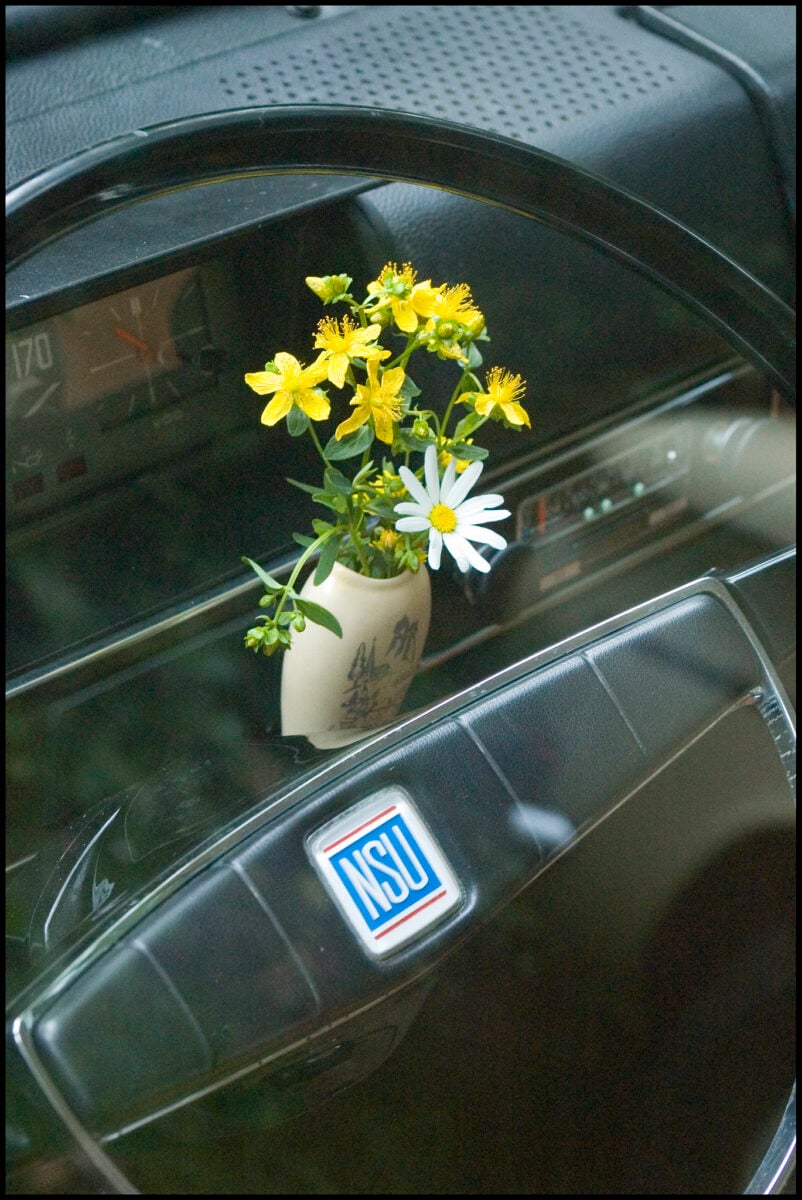
Early motorists mounted small glass bud vases inside open cars, and The Henry Ford holds an Automobile Bud Vase from the period between 1920 and 1940. The idea resurfaced when Volkswagen put a dash vase in the new Beetle in the late 1990s.
Antique glass versions in pink or Vaseline glass are especially sought after. Chips, cracks, and missing mounts lower values, so condition rules the market.
Wire Wheel Covers
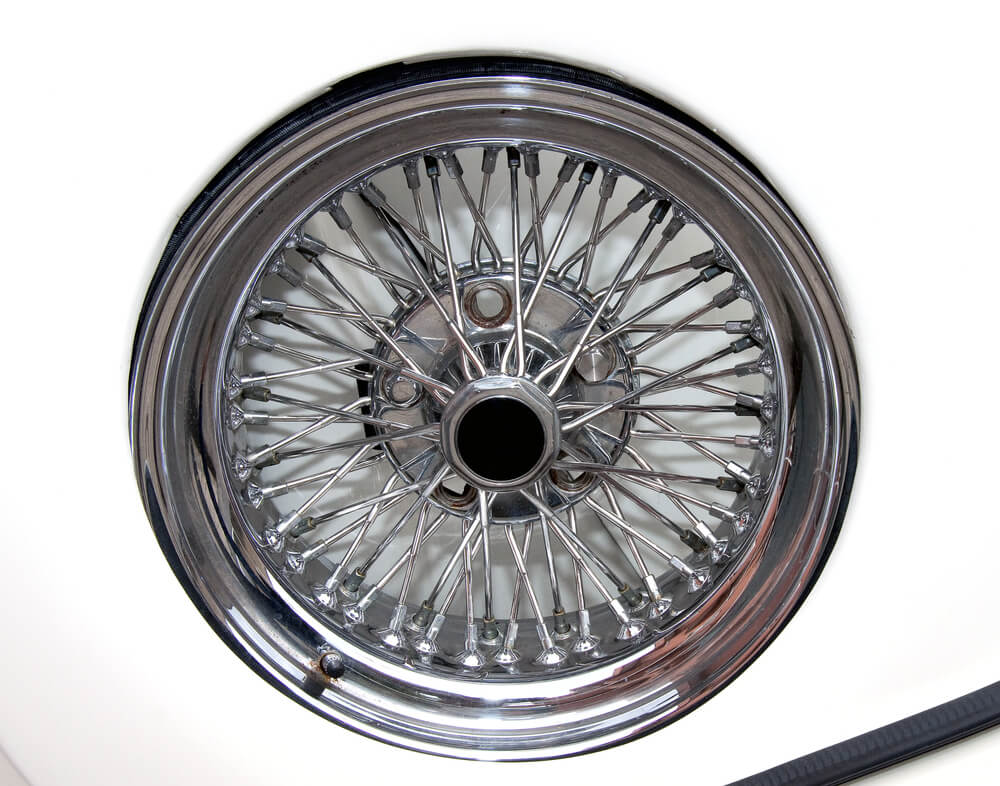
Wire wheel covers were bolt-on discs that made ordinary steel wheels look like expensive spoked wheels. Lyon produced sets for cars such as the 1951 and 1952 Chrysler, and Oldsmobile buyers could order wire covers for 1951 through 1953 models.
Owners often polished them until they sparkled. Sets in good shape are hard to find, and dents or missing spokes drive prices down.
Moon Disc and Baby Moon Hubcaps
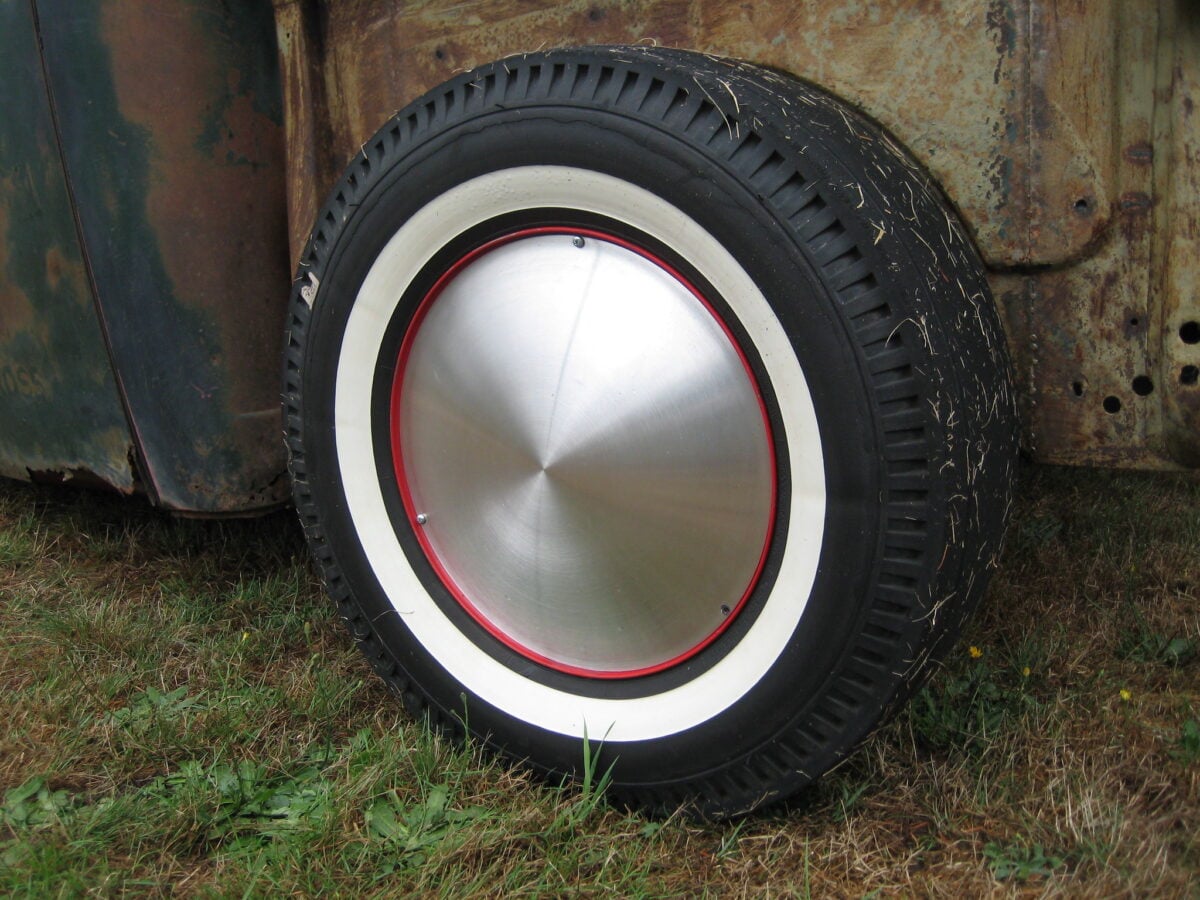
Smooth, polished Moon discs covered the entire wheel face, while Baby Moon caps were small domed hubcaps that dressed up the center. Hot rodders adopted them in the 1950s, and Mr. Gasket still sells Baby Moon caps for 14-inch and 15-inch wheels.
Family cars often wore them after a quick dealer upgrade or a weekend project. Clean originals fetch the best offers because pits and dents are visible from across the room.
Westclox Dashboard Clocks
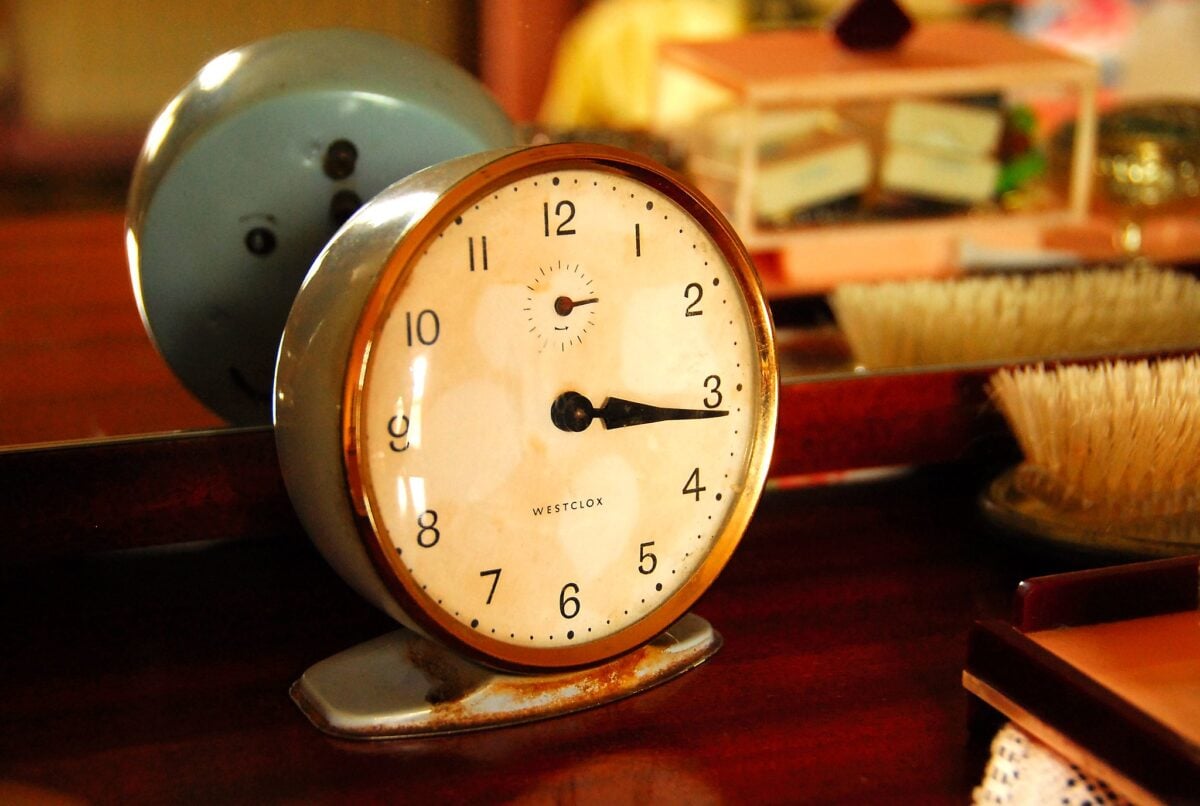
Westclox sold five-inch auto clocks in the early 1920s that owners wound by hand while the car sat parked. By the 1950s, cars such as the 1957 Pontiac Bonneville carried factory dash clocks that fit the instrument panel perfectly.
Collectors search for working movements and unbroken glass. Condition is the main driver of price, and a clock that ticks always draws more interest than one that merely looks right.
Pontiac Indian Chief Hood Ornaments
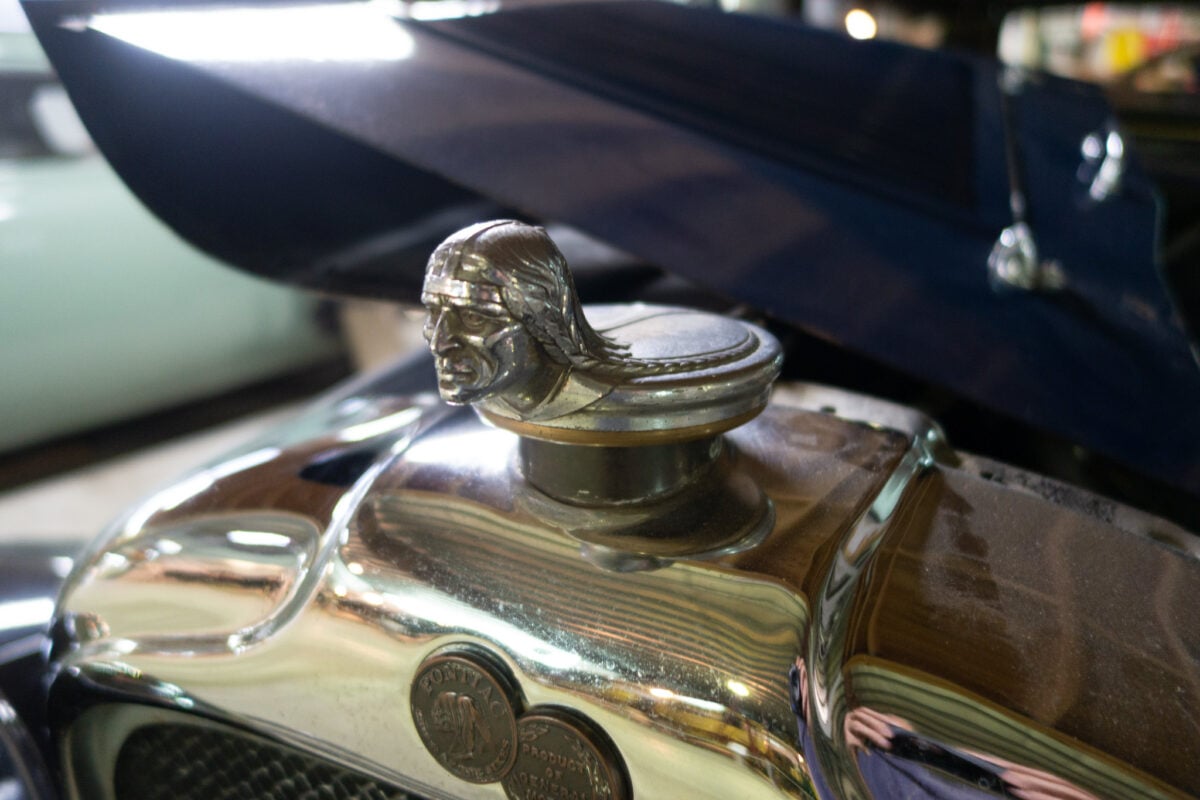
Pontiac mounted an Indian chief head on its hoods beginning with the 1926 models, and the car later gained its Silver Streak chrome stripes. Chrome ornaments from the 1940s are widely sought for restorations and display.
Reproductions are common, so collectors check casting details closely before paying up. Pitted plating or cracks in the casting hurt value, and genuine unrestored pieces draw the strongest interest.
Boyce Motometer Radiator Caps
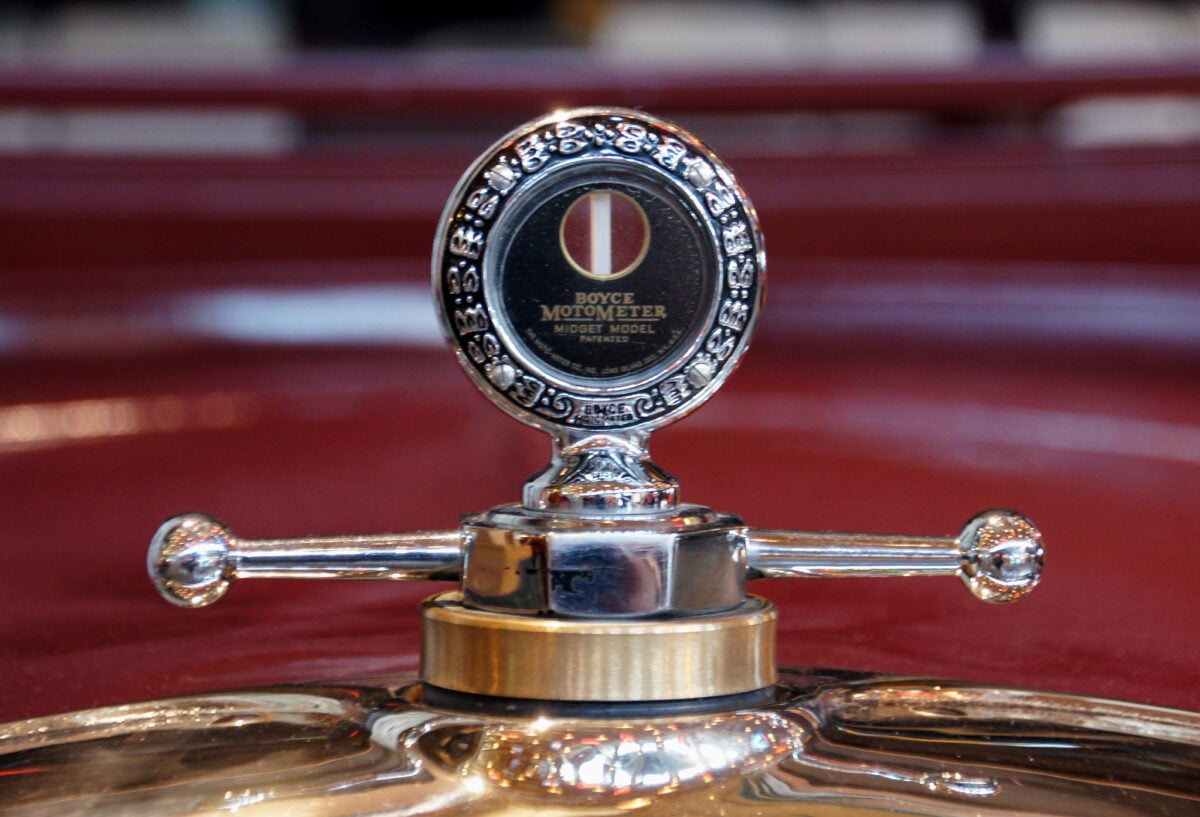
The Boyce Motometer replaced the plain radiator cap with a thermometer that rose into the driver’s line of sight. Automakers such as Buick, Packard, and Premier shipped or sold cars with the device in the 1920s, and The Henry Ford preserves several examples.
Wings, mascots, and glass gauges made the cap a showpiece up front. Complete kits with mounting hardware are especially valued, and condition decides the price.
Esso Tiger Tails

Esso’s Put a Tiger in Your Tank campaign gave motorists a striped tail that hung out of the fuel door in the 1960s. Thousands of families had one, and the tails became a symbol of that era’s gas station pop culture.
Reproduction versions are also sold, which complicates the hunt for authentic ones. Original tails with faded stripes are priced by condition and provenance.
Edsel Teletouch Drive Buttons
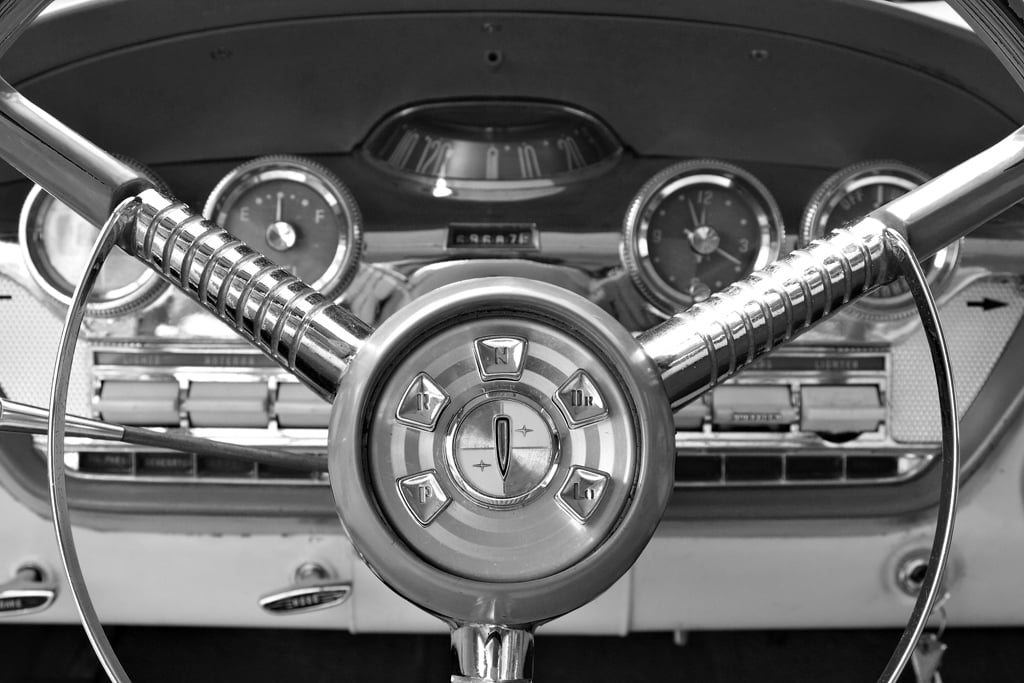
The 1958 Edsel moved the automatic transmission controls into the center of the steering wheel, where a ring of push buttons selected drive, neutral, reverse, and other gears. Drivers found it odd to shift without a lever, and the system picked up a reputation for trouble.
Restored cars with a working Teletouch are rare and conversation-worthy. Hubs and buttons in clean condition are more valuable than worn or corroded parts.
Rear Window Venetian Blinds
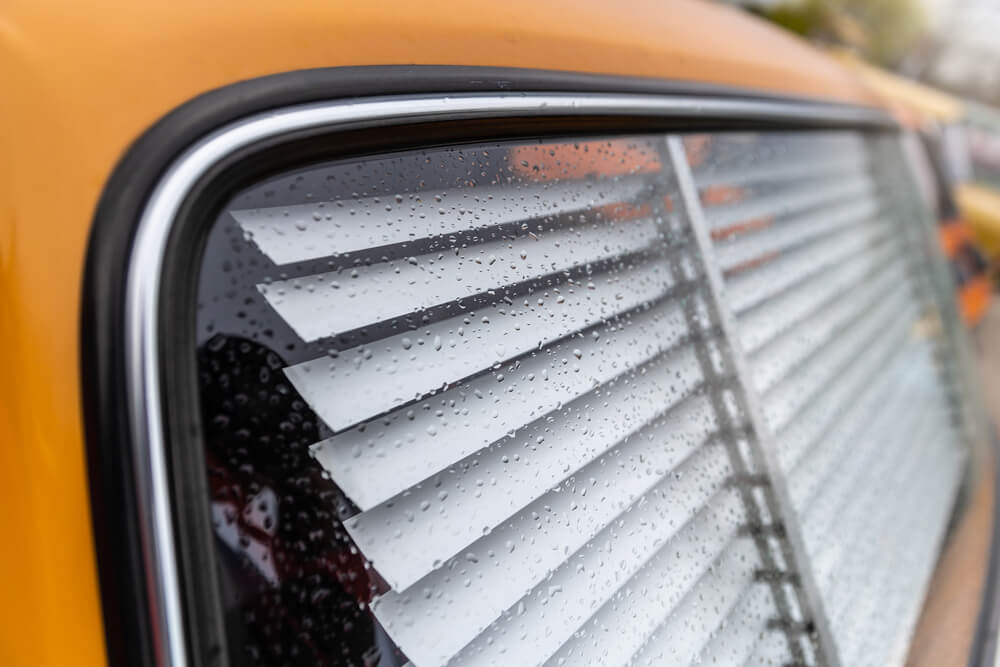
Little slatted blinds for the rear window kept the sun off the back seat, and Volkswagen sold different versions for Beetle sedans from 1954 to 1957, 1958 to 1964, 1965 to 1971, and 1972 to 1977. Chevrolet also offered a rear window sun shade accessory in the 1940s.
They are fragile, which makes surviving examples interesting to period-correct restorers. Original blinds with intact slats and cords are worth more than sagging or broken ones.
Gulf Oil Tourguide Road Maps
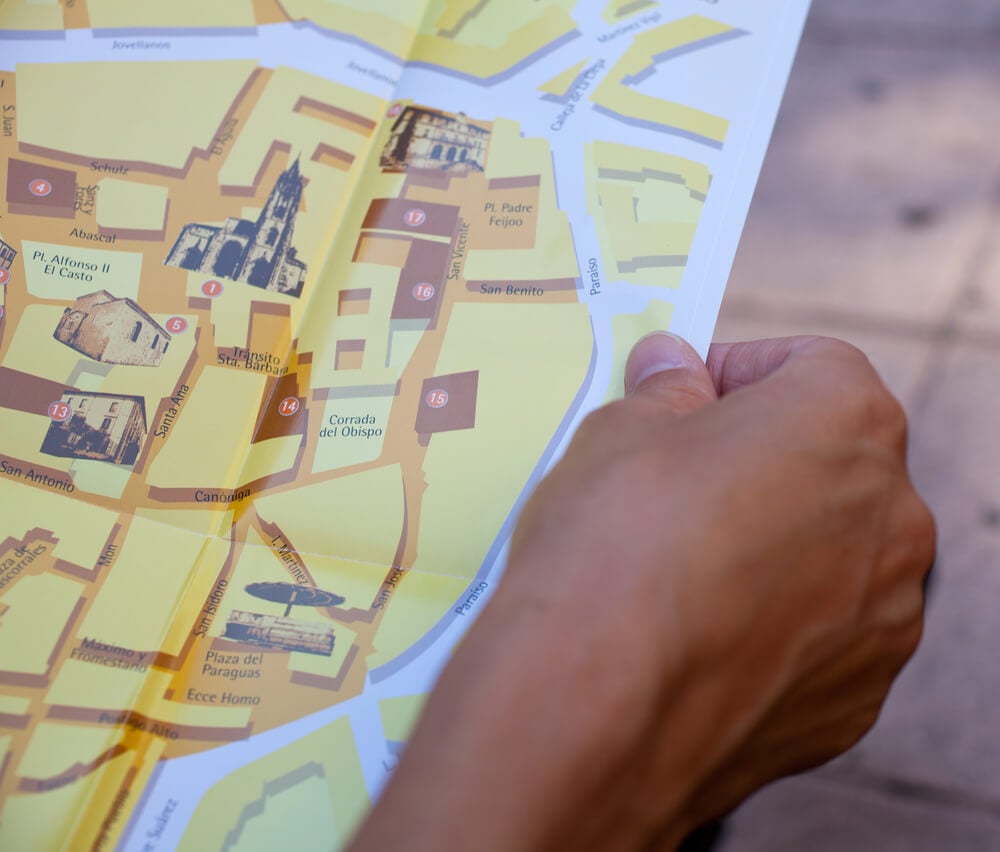
Gulf Oil handed out city and regional road maps, many printed by Rand McNally, such as a 1963 Atlanta area map. Families unfolded them across the front seat on vacations and then crammed them into the glove compartment.
Collectors now trade them, though most maps are inexpensive, according to dealers who specialize in the hobby. A crisp, unripped map with a clean cover commands the most attention.
Exterior Sun Visors
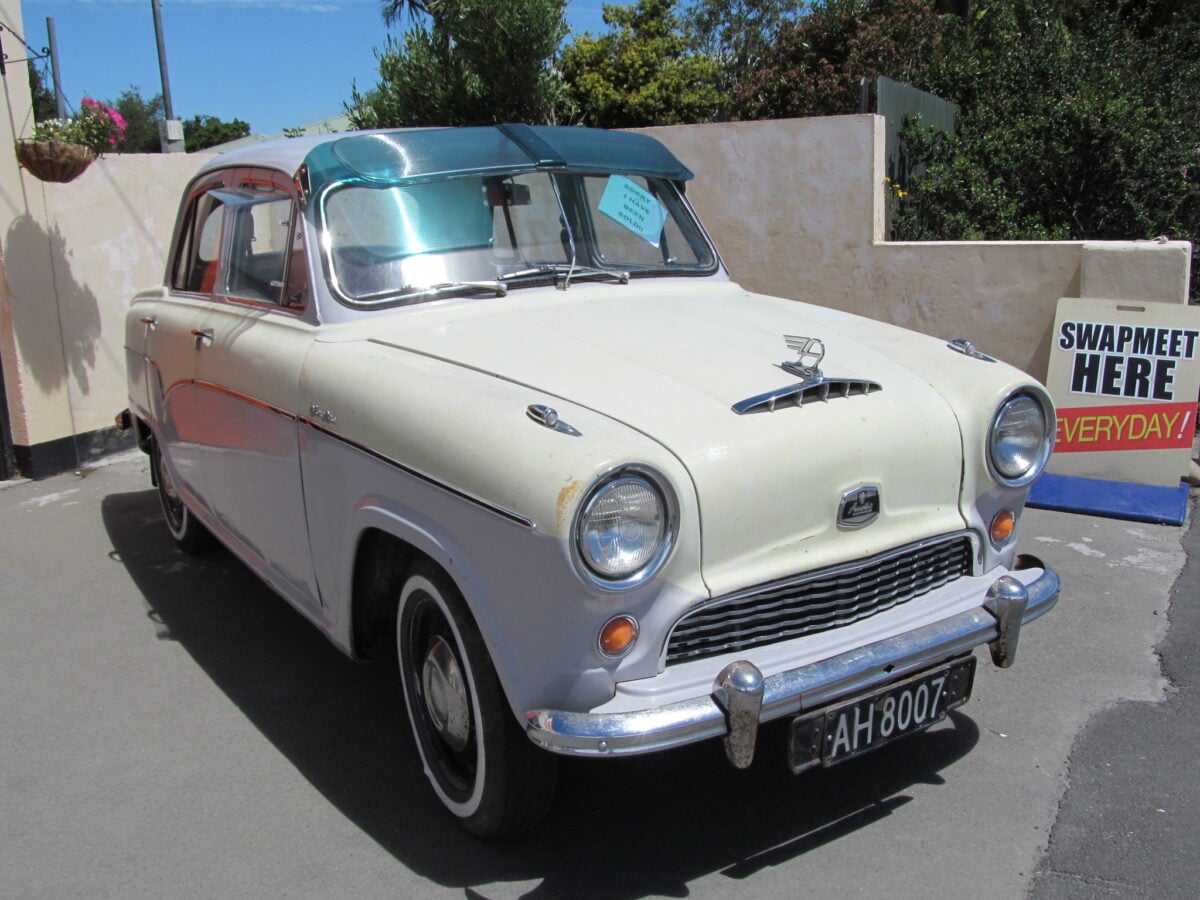
Metal visors bolted above the windshield blocked sunlight and gave cars a rakish brow, and they were sold by accessory makers such as Fulton for Chevrolet, Ford, Plymouth, and Dodge. Chevrolet even listed exterior visors for 1953 and 1954 Bel Air hardtops.
They fell out of fashion once tinted glass arrived, but they are back on show cars. Original pieces with straight edges and solid mounting points are worth the most.
Chrysler Auto-Pilot Speed Control
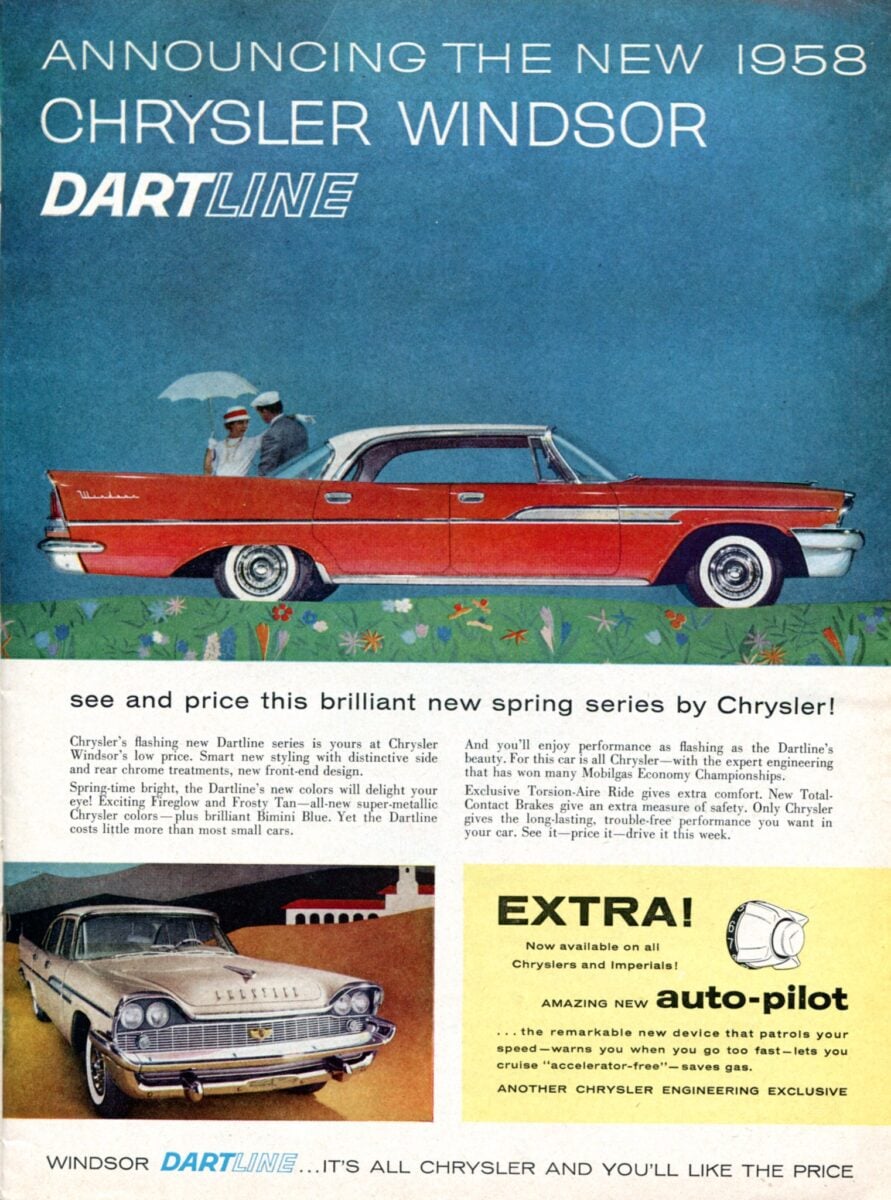
Ralph Teetor, an engineer who had been blind since childhood, invented cruise control after being annoyed by a driver who slowed down whenever he talked. Chrysler offered it as Auto-Pilot on its 1958 Imperial.
Teetor was later honored by the National Inventors Hall of Fame. The speed-setting hardware is difficult to find in complete form, and collectors pay according to condition and originality.
The Charm of Unnecessary Things
Every item on this list solved a small problem or promised a small thrill. Many solved nothing at all, which is exactly why they were fun to order.
A family could skip them and still reach the lake, yet the dealer knew that a rear-window blind or a tiger tail made the car feel like their own. Time has turned those impulse purchases into tiny museum pieces.
Chrome fades, glass chips, and wiring fails, so surviving examples are measured by condition rather than by their original sticker price. They remind everyone that people rarely cherish the practical parts of a car as much as the extras that made it personal.
More from Go2Tutors!

- 27 Silver Dollars and Half Dollars Worth Keeping
- 28 Restaurant Menu Items Nobody Orders Anymore
- 17 Places Built in Seemingly Impossible Spots
- 27 Vintage Rings Worth More Than They Look
- 25 Restricted Sites Tourists Can’t Enter
Like Go2Tutors’s content? Follow us on MSN.