29 Historic Photos of America’s Busy Fishing Harbors
Old harbor photographs reward slow looking. Behind the masts and stacked crates sit entire economies that rose and fell with a single fish run, a new engine, or a hard storm.
These scenes come from the Atlantic, the Gulf, the Pacific, Alaska, and the Great Lakes. Each one shows a working waterfront at a moment when the catch still set the pace of the day.
Gloucester Schooners Drying Their Sails
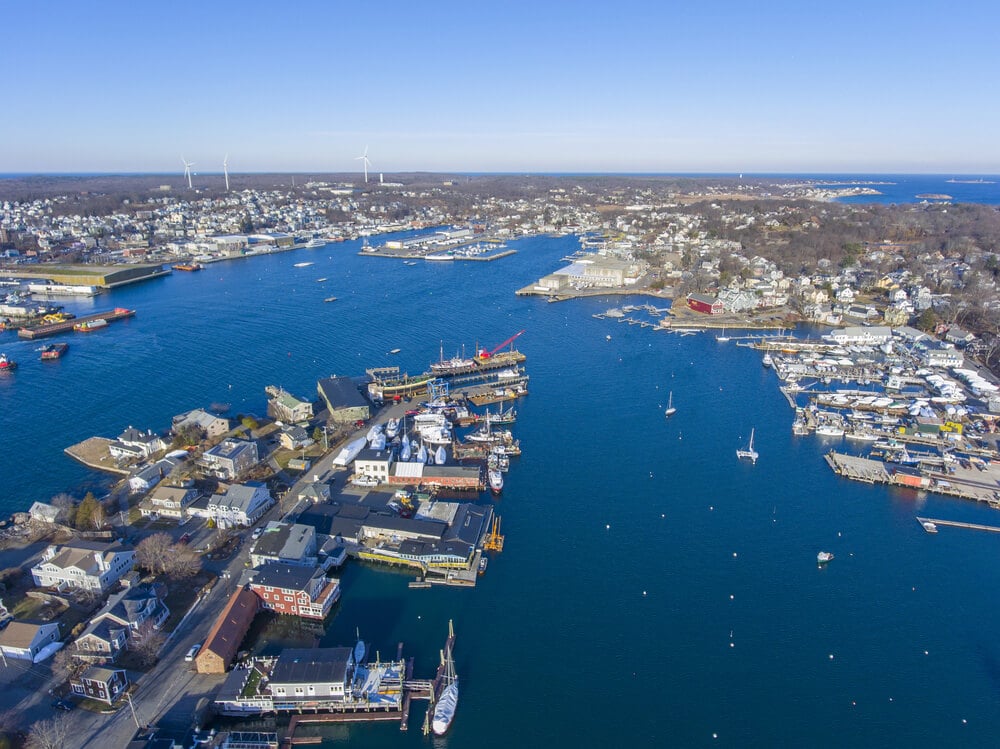
Photographs of Gloucester Harbor often show fishing schooners lying at the wharves with their canvas hung out to dry, a sight that defined the port for generations. Dory fishermen from these vessels worked the Grand Banks, and many never returned.
The city later honored them with the Man at the Wheel memorial, dedicated in 1925 along the waterfront. Gloucester also gave American kitchens a lasting gift when Clarence Birdseye developed his quick-freezing methods for fish there in the 1920s, turning a perishable catch into something that could travel inland.
New Bedford When Whale Oil Gave Way to Scallops
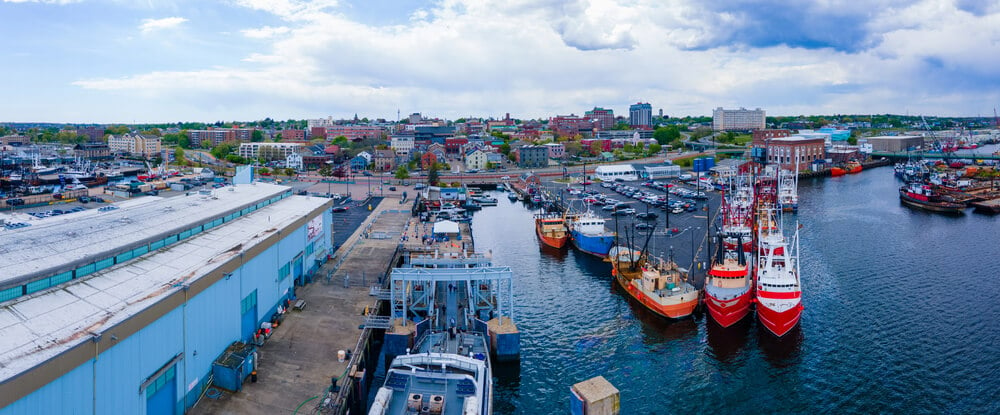
New Bedford’s waterfront changed identity without ever losing its salt. In the mid-1800s the wharves held a whaling fleet whose oil lit lamps across the country, and the Whaling Museum still keeps a photography collection that records the era.
After whaling faded, draggers and scallop boats filled the same berths, and the port eventually ranked among the most valuable fishing ports in the nation. Photographs from different decades show the same cobbled waterfront and the same tangle of rigging, only the quarry in the nets has been replaced.
Provincetown and the Portuguese Fleet
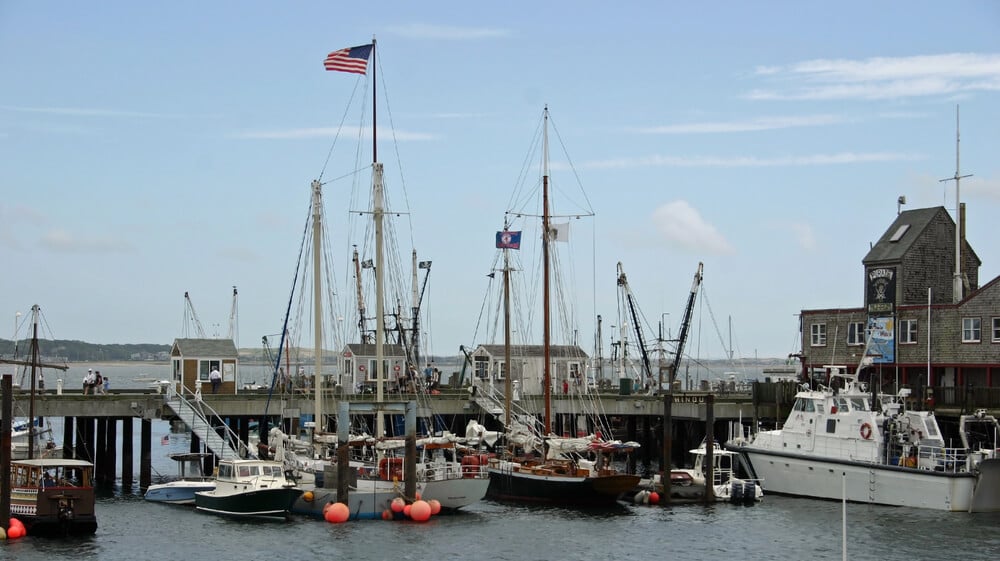
Provincetown’s working waterfront was shaped by fishermen who came from the Azores and Madeira, bringing boats, recipes, and a strong Catholic tradition with them. Early photographs show a long run of private wharves reaching into the harbor, each with its own fish house.
MacMillan Wharf, named for Arctic explorer Donald MacMillan, who was born in town, later became the center of the fleet. The annual Blessing of the Fleet, which includes the Portuguese Festival, still sends priests down the pier to sprinkle holy water on the boats before the season.
Portland’s Commercial Street Wharves
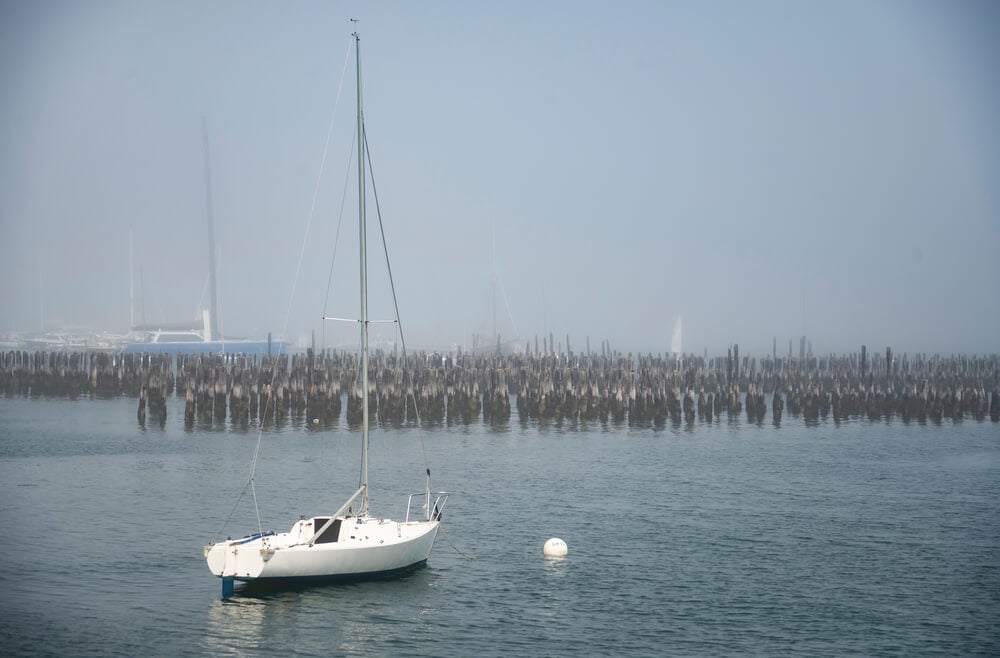
Portland, Maine, built its waterfront as a line of wooden wharves stretching out from Commercial Street, and old photographs show them crowded with fish houses, lobster cars, and coiled line. Custom House Wharf, which still operates today, is among the best-known piers in the group.
Groundfish draggers unloaded cod and haddock here for processors who iced and shipped the catch by rail. A single image of this strip can show a cargo steamer, a fishing smack, and a row of horse-drawn wagons waiting on the planks.
Stonington, Maine, Between Granite and Lobster
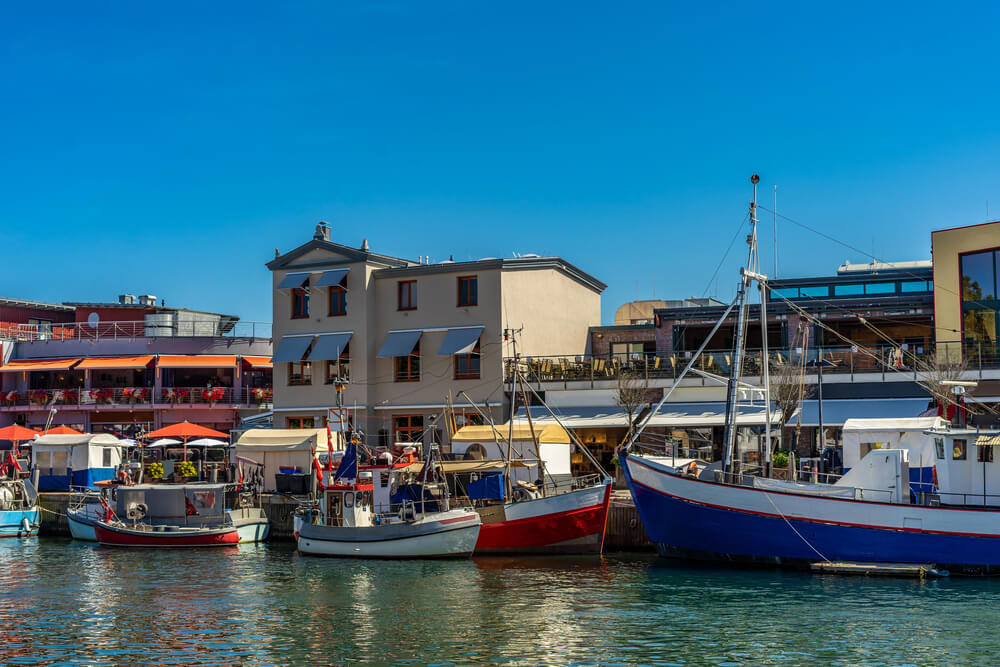
Stonington sits at the southern tip of Deer Isle, and its harbor once served two trades at the same time. Schooners loaded cut granite from nearby quarry islands, then returned to a shore lined with fish houses and lobster traps.
As the quarries went quiet, the lobster fleet took over, and the harbor today is crowded with working boats moored among the spruce-covered islands of Penobscot Bay. Early photographs capture the village rising steeply from the water, with white houses stacked above the docks and every landing piled with gear.
Stonington, Connecticut, and the Dragger Fleet
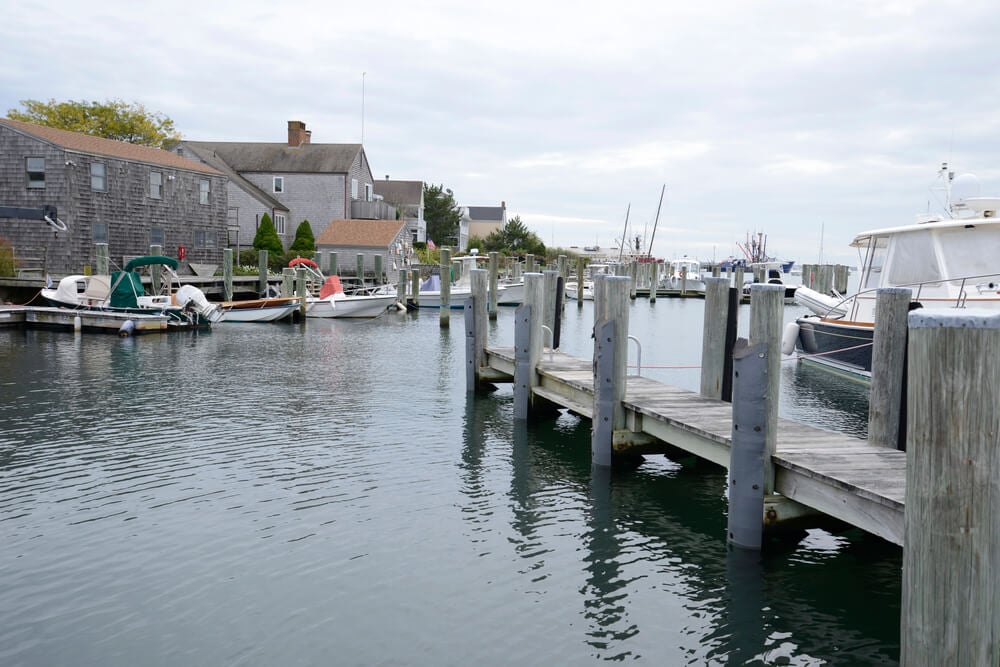
Stonington, Connecticut, holds one of the last working fishing fleets in the state, and the historical society preserves photographs of draggers tied up at Steamboat Wharf and Bindloss Dock. The village sits on a narrow peninsula, so the boats lie almost beside the shops on Water Street.
Captain Ellery Thompson became its best-known fisherman, with a career that spanned sail and diesel power. His boats carried fresh catch to market from a harbor where the draggers replaced the old sailing smacks and changed how the fleet worked.
Galilee and the Point Judith Fleet
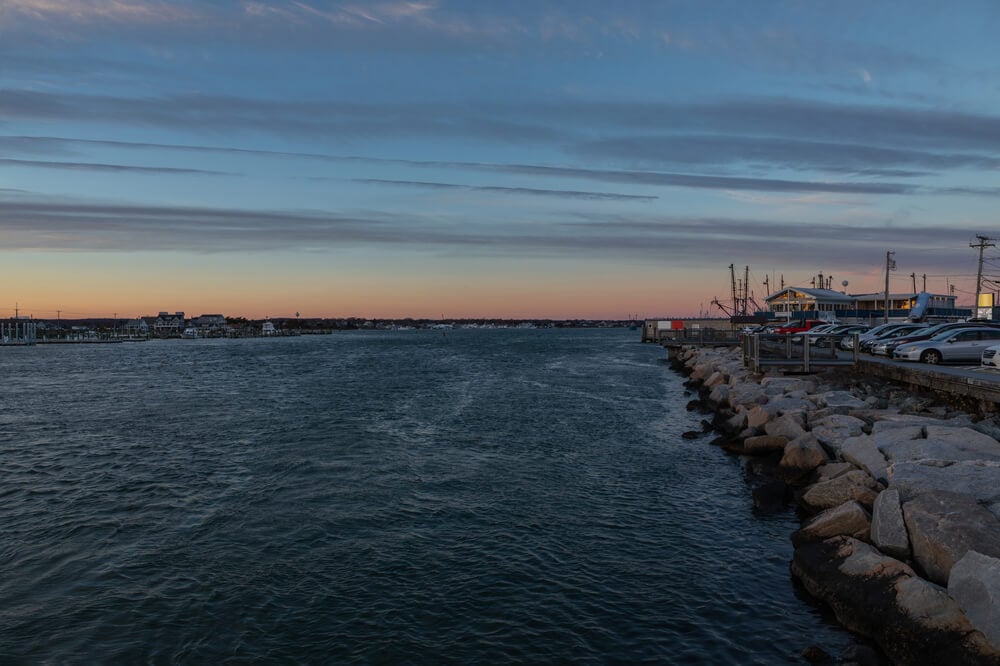
Galilee, a small fishing village in Narragansett, Rhode Island, is the home port of the Point Judith fleet. The hurricane of September 1938 struck the Rhode Island coast with enormous force and wrecked waterfront buildings and boats up and down the shore, and photographs from the aftermath show splintered shacks and beached hulls.
The village rebuilt, and its docks again filled with draggers, trap boats, and squid boats. Today the same harbor shares its channel with the Block Island ferry, an unusual pairing of passengers and fish crates on one pier.
Montauk Before the Resorts
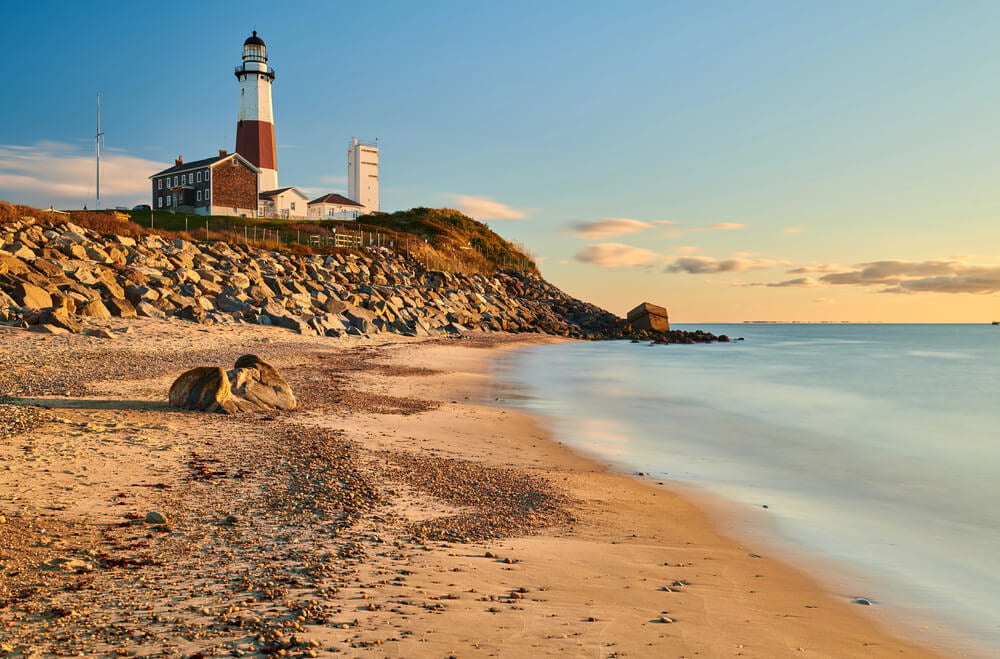
Before Montauk became a summer destination, fishermen worked out of the village at Fort Pond Bay, hauling gear across the beach and landing their catch near the railroad. The Long Island Rail Road reached Montauk in 1895, and fish trains carried the day’s haul west toward New York markets.
Photographs in the local library collection show net-covered docks and wooden boats pulled up on the sand. The point at the end of Long Island gave these crews quick access to productive water, and the railroad gave them a way to turn that water into cash.
Fulton Fish Market at Dawn
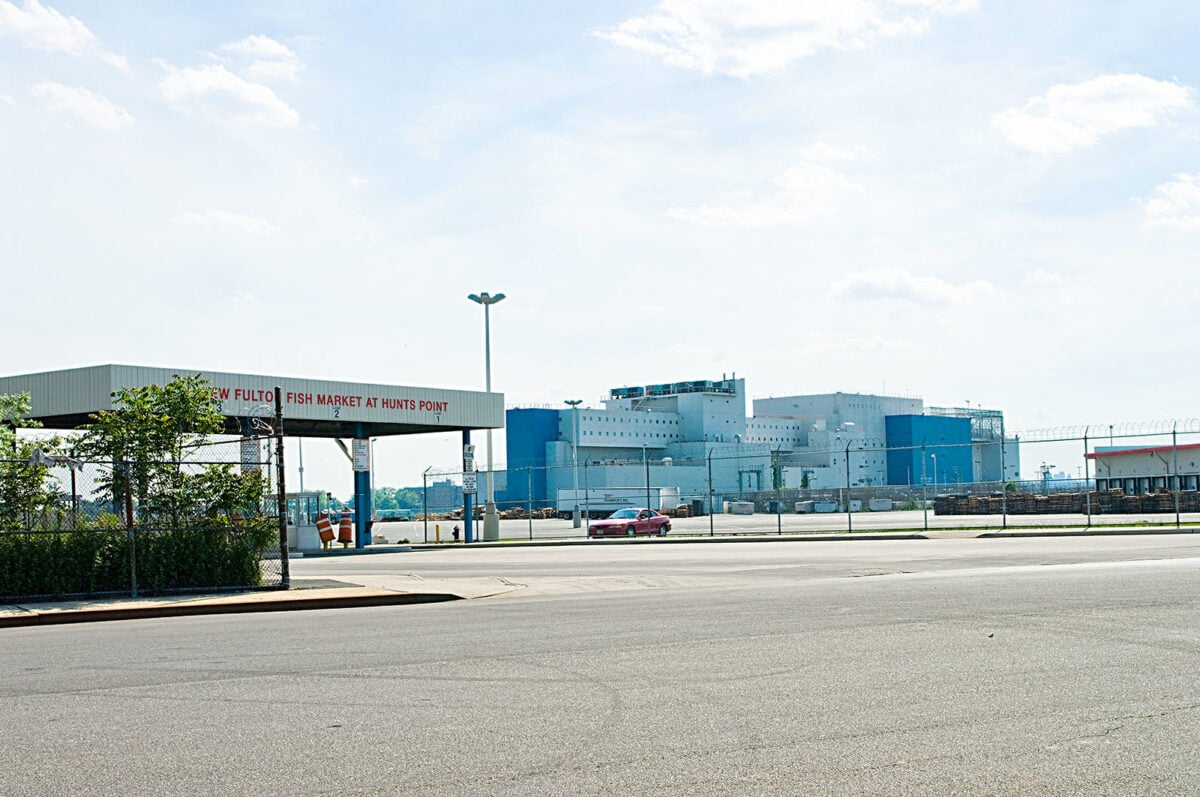
Fulton Fish Market operated on the Lower Manhattan waterfront from 1822 until it moved to Hunts Point in the Bronx in 2005. Photographs from its long run show wooden stalls near the East River, crates of ice and fish stacked on the pavement, and workers in rubber boots before sunrise.
The market ran on a nighttime schedule, with buyers from restaurants and shops arriving in the dark hours to inspect the day’s deliveries. Its address beside the old South Street piers made it the point where New York’s sea trade met the dinner table.
Cape May and the Fishing Train
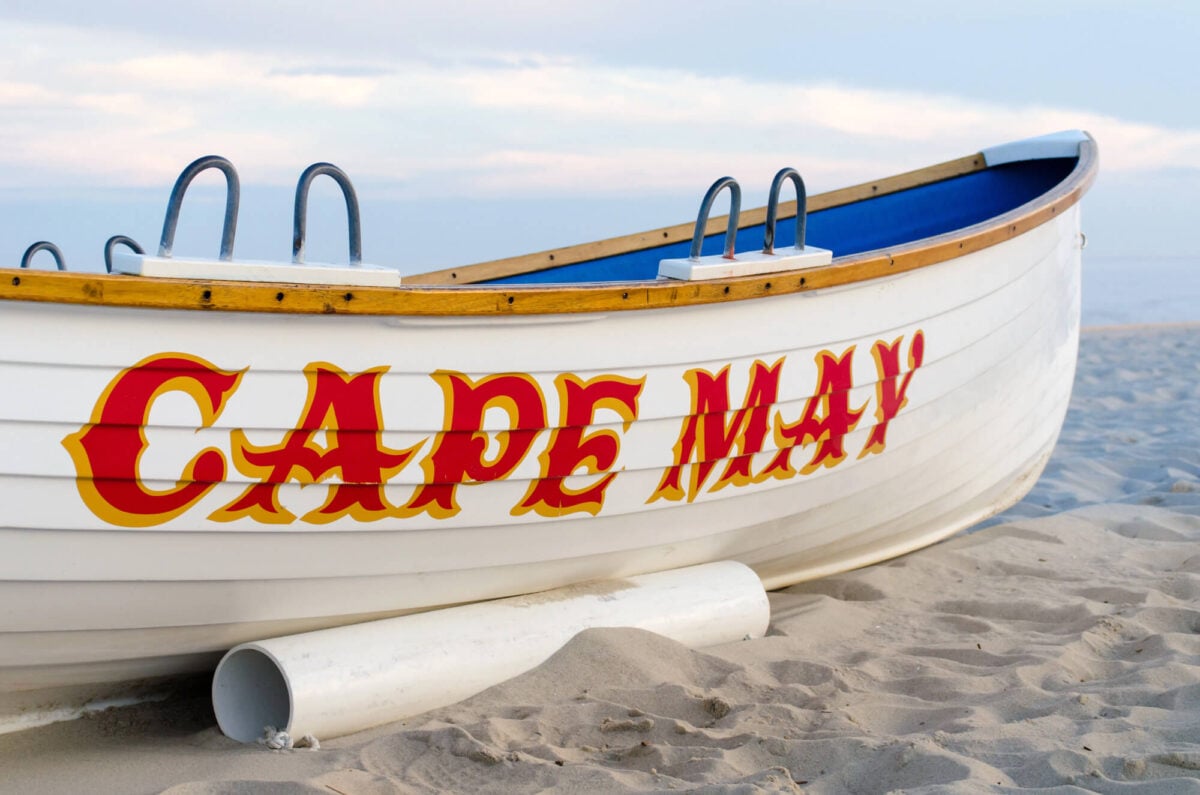
Cape May Harbor has long been a working port at the southern tip of New Jersey, and the dock area known as Schellenger’s Landing is tied to the town’s fishing story. Old photographs show clusters of commercial boats beside party boats built for visiting anglers.
A trip back in time on the Cape May fishing train, a feature of the region’s history, reminds readers that railroads once brought city fishermen straight to the docks. The mix of commercial crews and weekend visitors gave the harbor a lively double life that continues in modern photos.
Beaufort and the Menhaden Chantey Crews
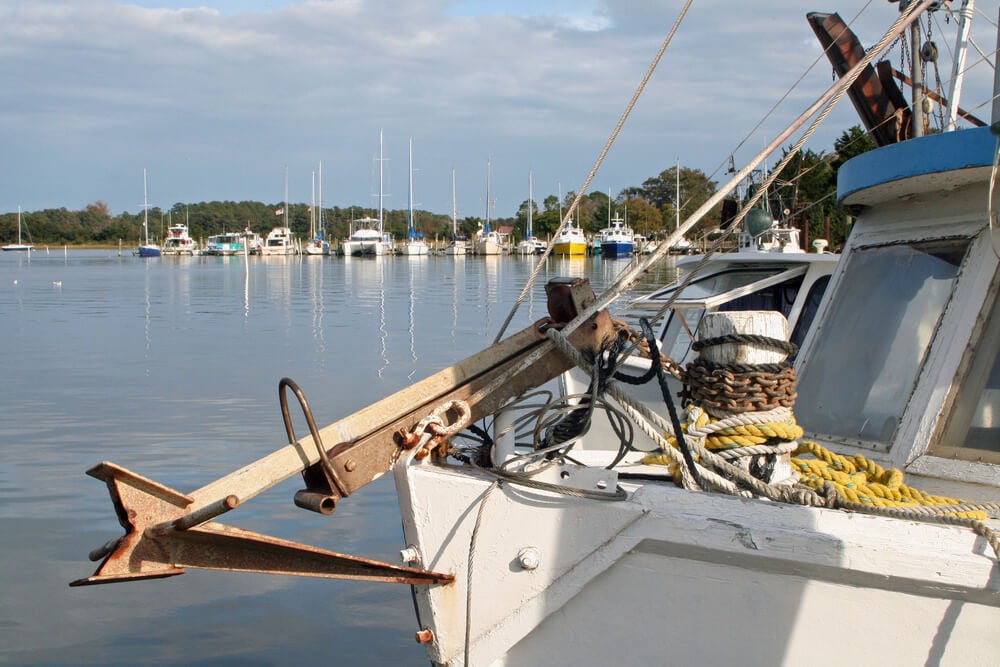
Beaufort, North Carolina, sat at the center of a menhaden industry that turned small oily fish into meal and oil. Historians have written about the crews who sang chanteys while hauling the nets, a rhythmic work song that kept dozens of men pulling together.
Photographs show the steam-powered fleet tied up at the waterfront, with fish houses and processing plants nearby. The catch was never meant for the dinner table.
It fed livestock and fed a factory economy, and the smell of cooking fish drifted across the town whenever the boats came in.
Cedar Key and the Mullet Nets
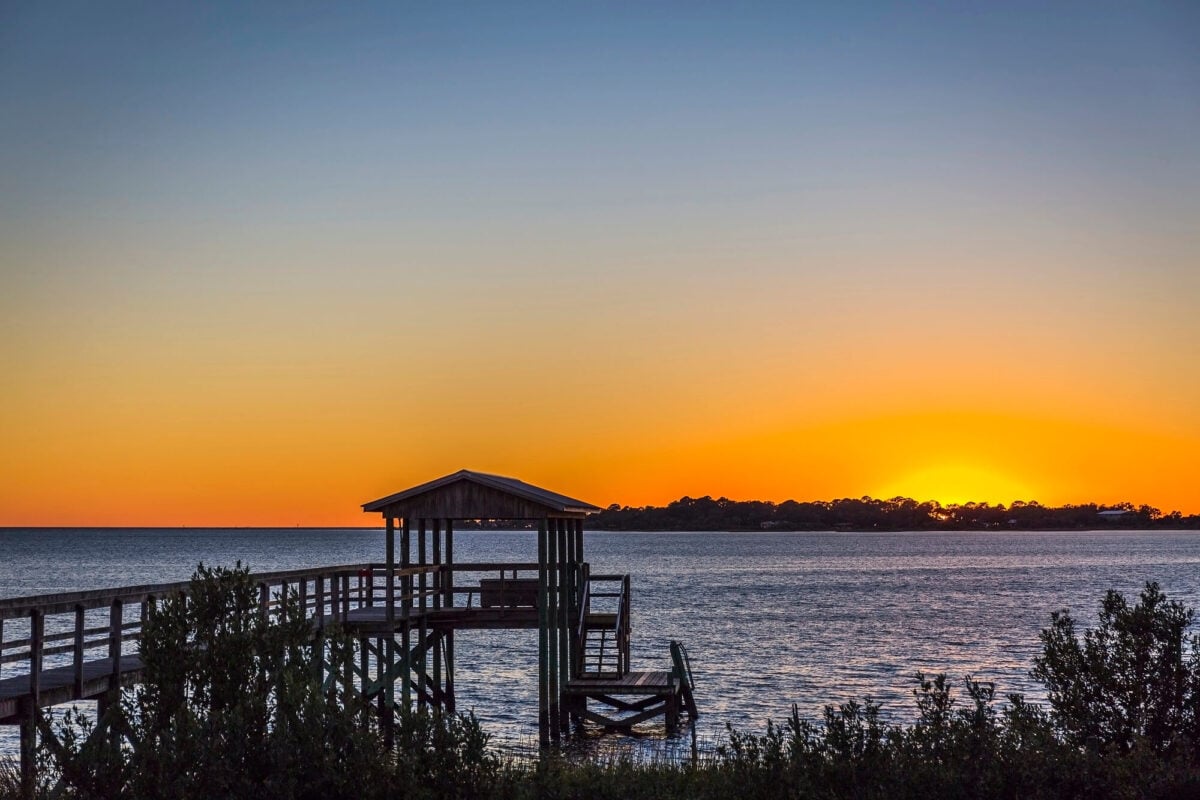
Cedar Key rose on the Gulf Coast as a mill town that turned local cedar into pencil slats, and a fishing community grew alongside it. Mullet fishermen set their nets in the shallow Gulf waters and brought the catch ashore to the village.
A statewide net ban that took effect in 1995 changed the livelihood of many families, and some shifted to clam farming. Older photographs show stilt houses, wooden skiffs, and nets drying along the shore, a quiet scene that contrasts with the larger industrial ports elsewhere on the coast.
Biloxi Luggers and the Shrimp Canneries
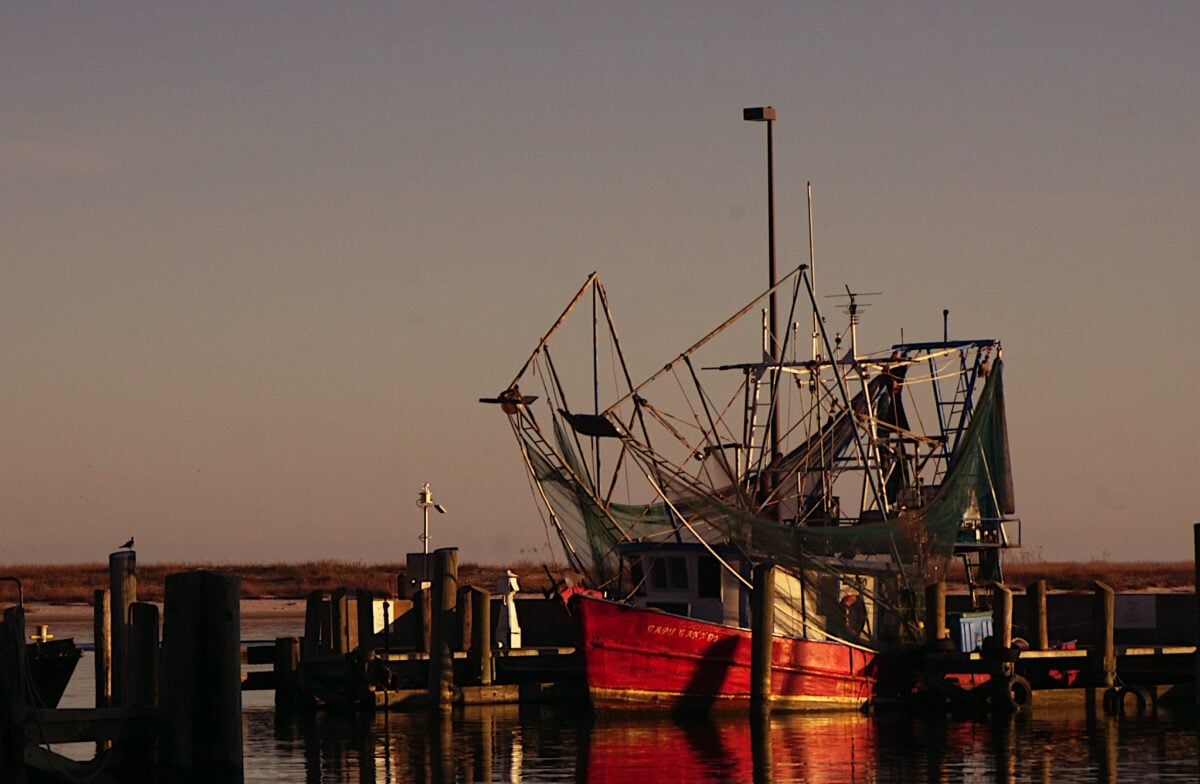
Biloxi became one of the Gulf’s great seafood towns, and a Mississippi historical journal has traced the industry from the middle of the nineteenth century into the 1930s. Immigrants, including many Croatians, worked the boats and canneries, and photographs show sail-powered schooners crowding the harbor.
Their catches of shrimp and oysters were packed into cans for distant markets. The annual Blessing of the Fleet remains a living link to those days, with decorated boats parading past a priest in front of a crowd on the shore.
Galveston’s Mosquito Fleet at Pier 19
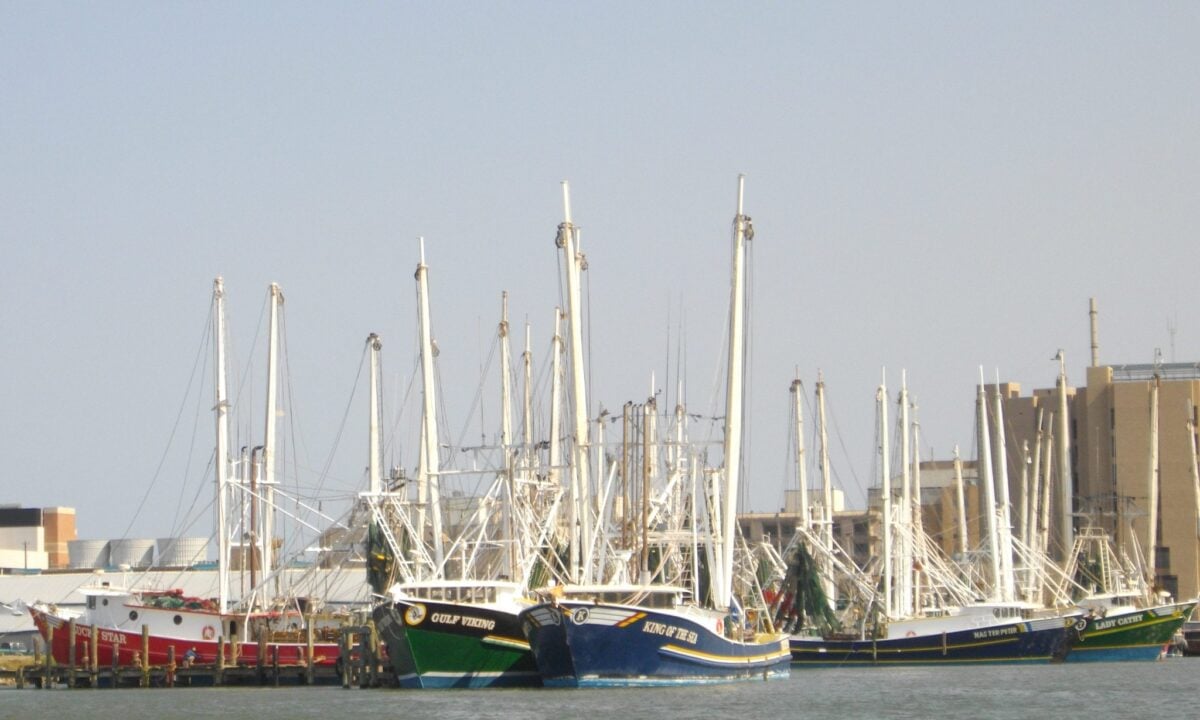
Galveston’s small fishing boats were known as the Mosquito Fleet, and a photograph of their berth at Pier 19 survives in the public record. The island port faced the Gulf of Mexico and sat on a harbor already famous for cotton.
Shrimpers, snapper boats, and oyster luggers unloaded at wooden docks where ice and fuel were close at hand. The Great Storm of 1900 killed thousands on the island and devastated its waterfront, yet the fishing community rebuilt, and later generations of shrimpers kept the tradition alive each spring with their own Blessing of the Fleet.
Monterey and the Sardine Canneries of Cannery Row
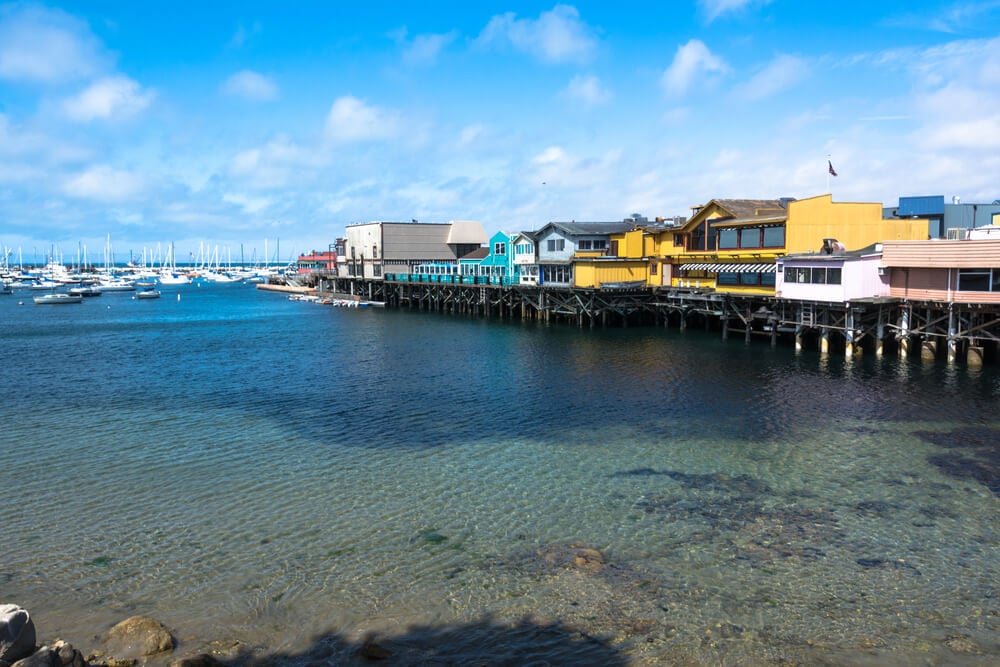
Monterey’s waterfront in the 1940s was a line of canneries working around the clock to process sardines, and the noise and smell reached every corner of town. John Steinbeck gave the street its literary fame with his 1945 novel, set in this world of fish plants and laboratories.
The sardines collapsed in the following decade, and the canneries closed one after another. In 1958 the city renamed Ocean View Avenue as Cannery Row, a gesture that turned a failed industry into a landmark.
Photographs from the boom years show purse seiners crowding the bay.
Terminal Island’s Japanese Fishing Village
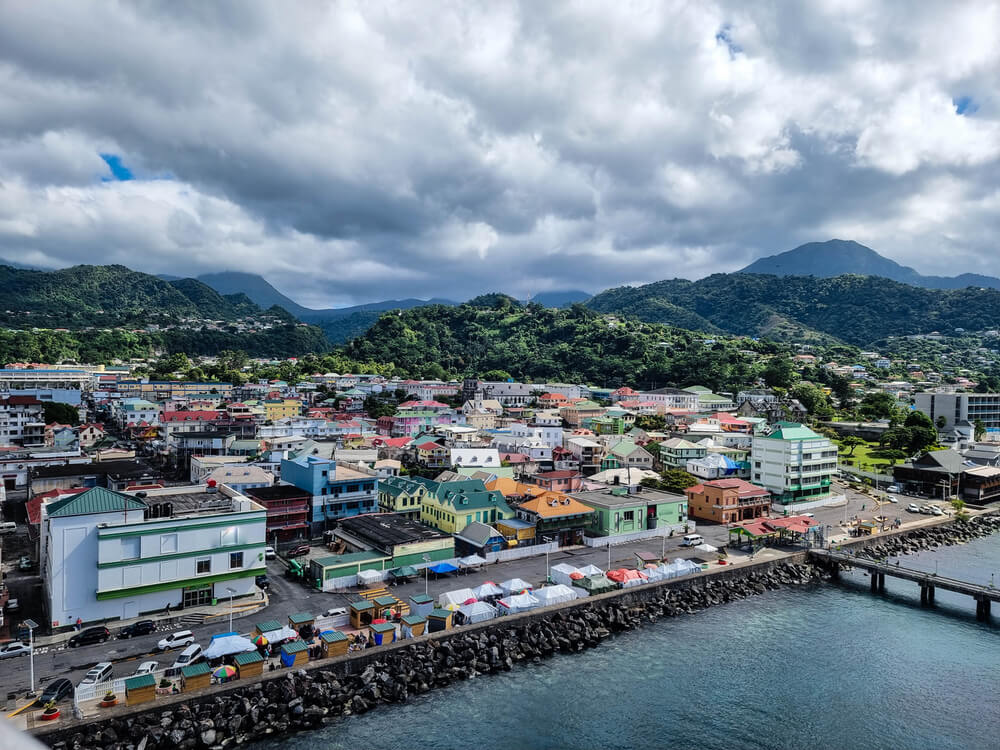
On Terminal Island, near San Pedro, a community of Japanese American fishermen built a village beside the tuna canneries of Los Angeles Harbor. Residents ran stores, schools, and boat shops within walking distance of the docks.
In February 1942, after the attack on Pearl Harbor, the federal government ordered them out on short notice, and the village was soon cleared and later demolished. Photographs that survive show families on narrow streets with the cannery stacks behind them.
Terminal Island was one of the first Japanese American communities in the nation to be forcibly removed during the war.
San Diego’s Tunaville in Point Loma
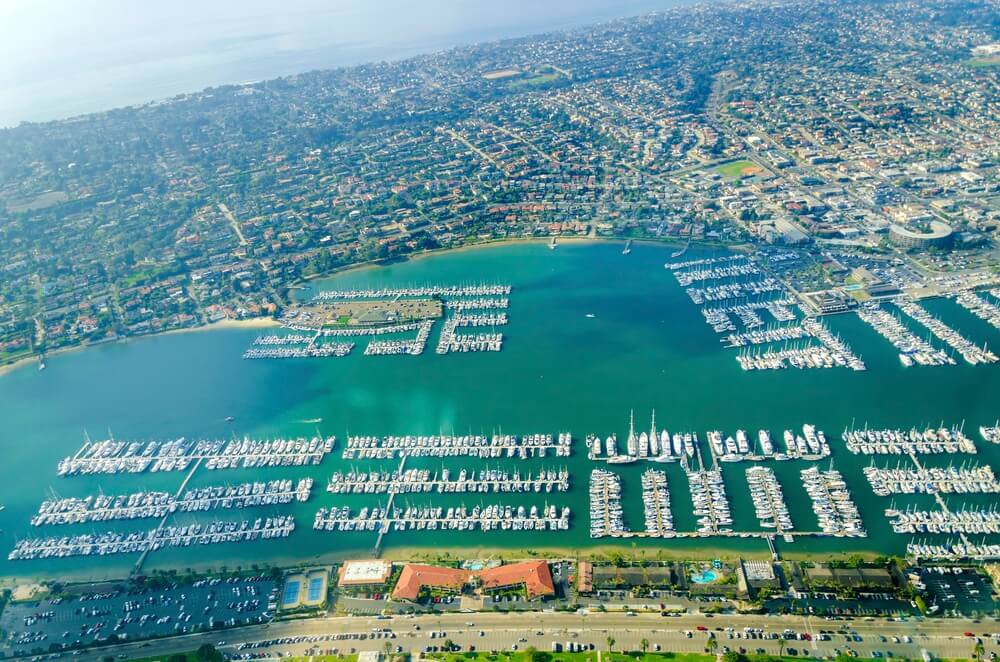
San Diego once claimed to be the tuna capital of the world, and its fleet grew from the work of Portuguese, Italian, and Japanese fishermen. The Point Loma neighborhood earned the nickname Tunaville because so many fishing families lived there.
Photographs show tuna clippers crowded along the bay with canneries behind them, and a memorial in Point Loma now honors the Portuguese roots of the industry. Long-range boats sailed far down the Pacific coast for albacore and yellowfin, and returned to unload cargoes that supplied canneries throughout the city.
Eureka and the Humboldt Bay Fleet
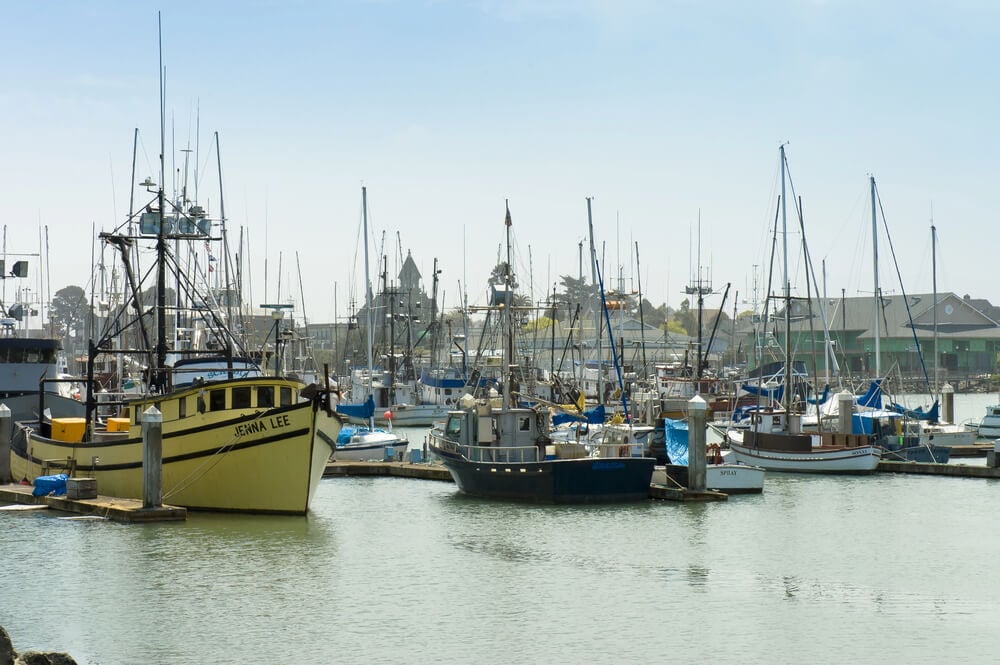
Eureka grew along Humboldt Bay, a sheltered harbor on California’s north coast where salmon trollers and crab boats tie up near the Victorian waterfront. Historical studies of the bay’s fishing record describe a fleet that has changed with the tides of regulation and ocean conditions.
Photographs from earlier decades show wooden trollers rigged with long poles, resting beside warehouses and ice houses. The bay is ringed by redwood country, so mills and fish houses stood within sight of one another.
Salmon runs fell off, but the harbor kept its fishermen with dungeness crab and groundfish.
Astoria and the Columbia River Gillnetters
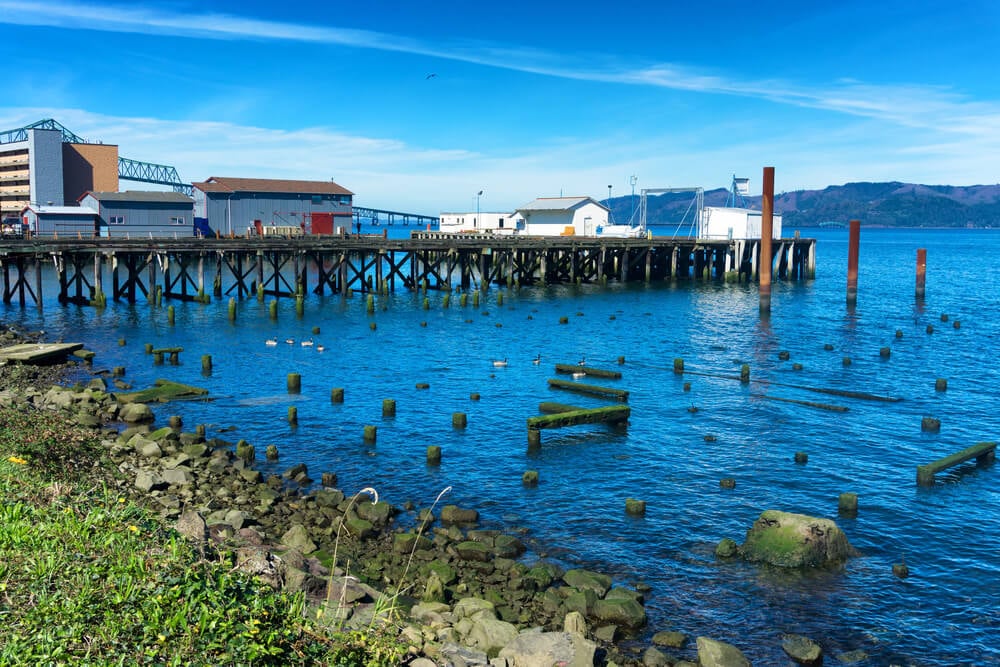
Astoria’s waterfront was once lined with cannery buildings perched on pilings above the Columbia River, and photographs show gillnet boats setting out in the evening tide. Many fishermen came from Finland and Scandinavia, and the town was home to the Union Fishermen’s Cooperative Packing Company, a cannery owned by the fishermen themselves.
The pilings of those long-gone buildings still stand in the river. Old images of the double-ended gillnet boats under sail show how much skill the work demanded, since crews had to read the current and the weather at the same time.
Newport and the Yaquina Bay Bayfront
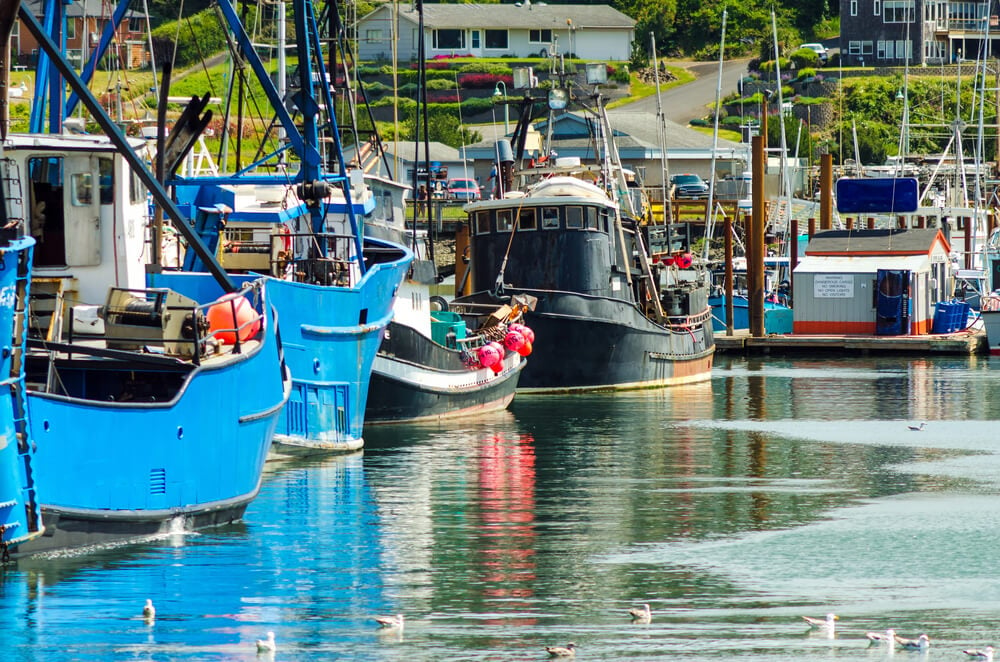
Newport, Oregon, built its working waterfront on the north shore of Yaquina Bay, and historic photographs show fishing boats docked below a town that was once reached by steamboats on the river. The Yaquina Bay Bridge, completed in 1936, now arches over the entrance and appears in images from the era after its construction.
Crab and salmon boats shared the bayfront with canneries and ice plants. Today the historic bayfront keeps its working character, with painted murals on the buildings and sea lions that crowd the docks, drawing visitors to a harbor that still runs on the catch.
Bellingham’s Fairhaven Salmon Cannery
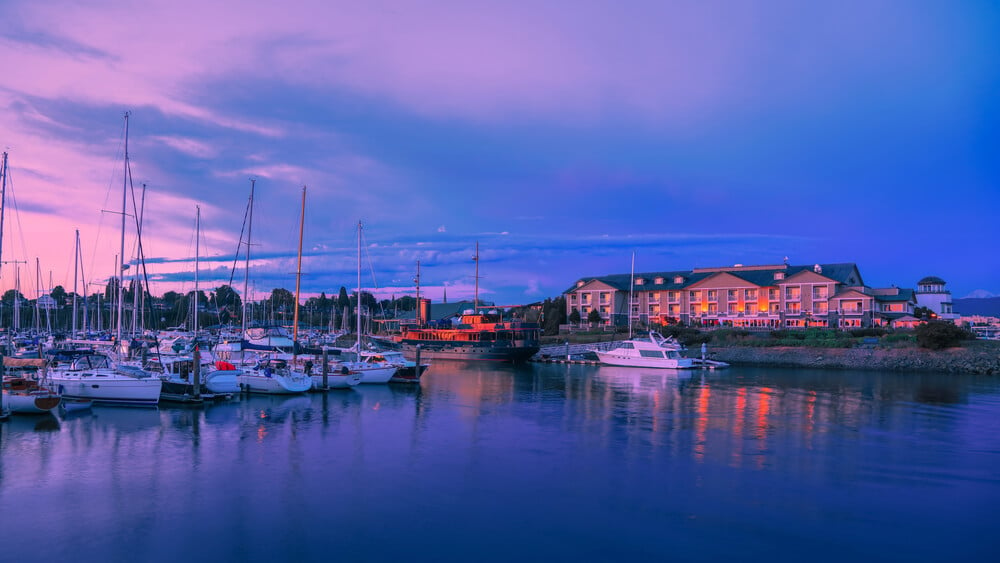
Pacific American Fisheries ran a large salmon canning plant on the Fairhaven waterfront of Bellingham Bay, and a 1910 photograph of its storeroom survives in a Seattle museum collection. The company drew fish from Puget Sound and Alaska, then packed them into cans for shipment around the world.
Tracks, wharves, and warehouses connected the plant to the bay, and workers moved in shifts through the season. The building rose and fell with the salmon market, and its story is now told by local history groups who recall the plant as a major employer in Fairhaven.
Kodiak After the 1964 Earthquake
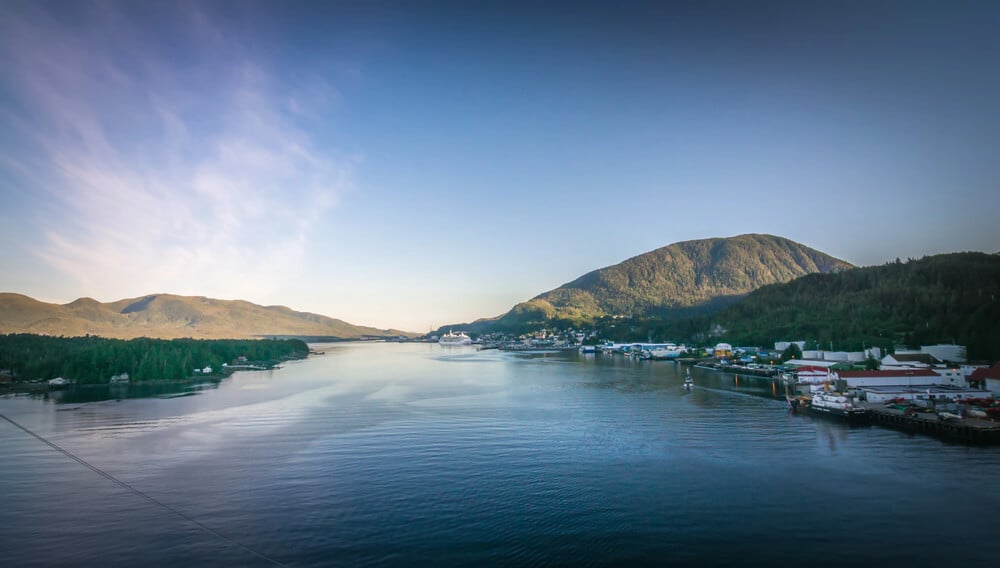
On March 27, 1964, the Good Friday earthquake sent tsunami waves into Kodiak, and photographs from the aftermath show fishing boats tossed into the streets of the downtown district. The fleet and the canneries that supported it suffered heavy damage.
The town had been built on a shoreline where fishing boats and shops stood side by side, so the water reached everything at once. Residents rebuilt over the following years, and Kodiak recovered as one of Alaska’s principal fishing communities.
Those photos show the kind of scene no one would plan, a boat lying beside a storefront far from any dock.
Dutch Harbor During the King Crab Boom
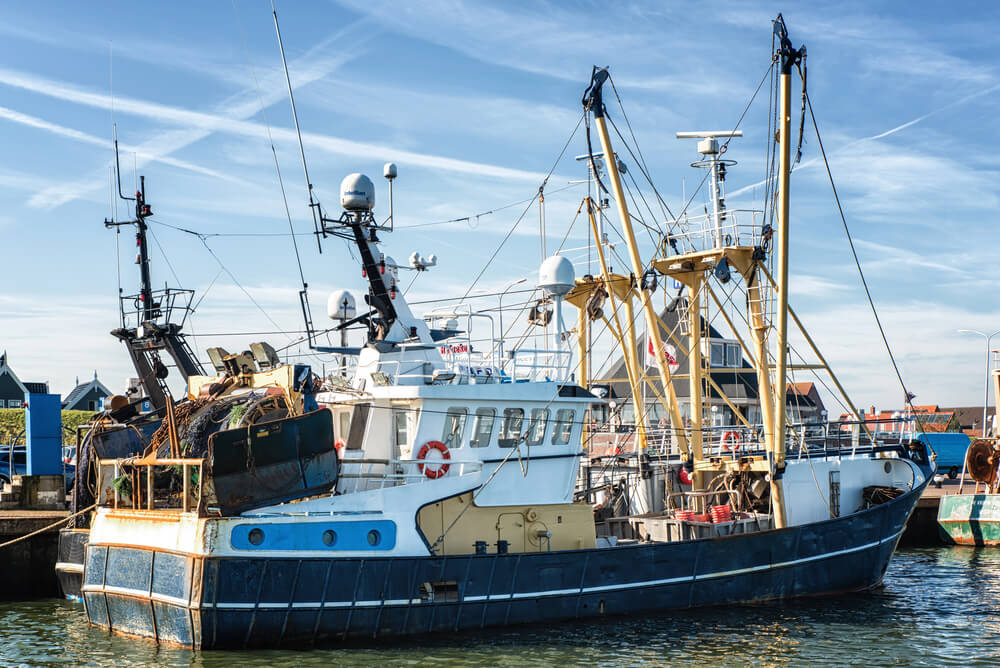
Dutch Harbor, in the Aleutian Islands, became a magnet for crab fishermen in the late 1970s and early 1980s, when king crab prices drew big money to the Bering Sea. Photographs from the boom show steel boats stacked high with crab pots and crowded against the docks while processing plants worked around the clock.
Then the crab population dropped sharply, and fishermen turned to other species. Few harbors anywhere have changed so fast, with the entire community moving from a boom economy to a more careful one in just a few years.
Sitka and Its Herring Waters
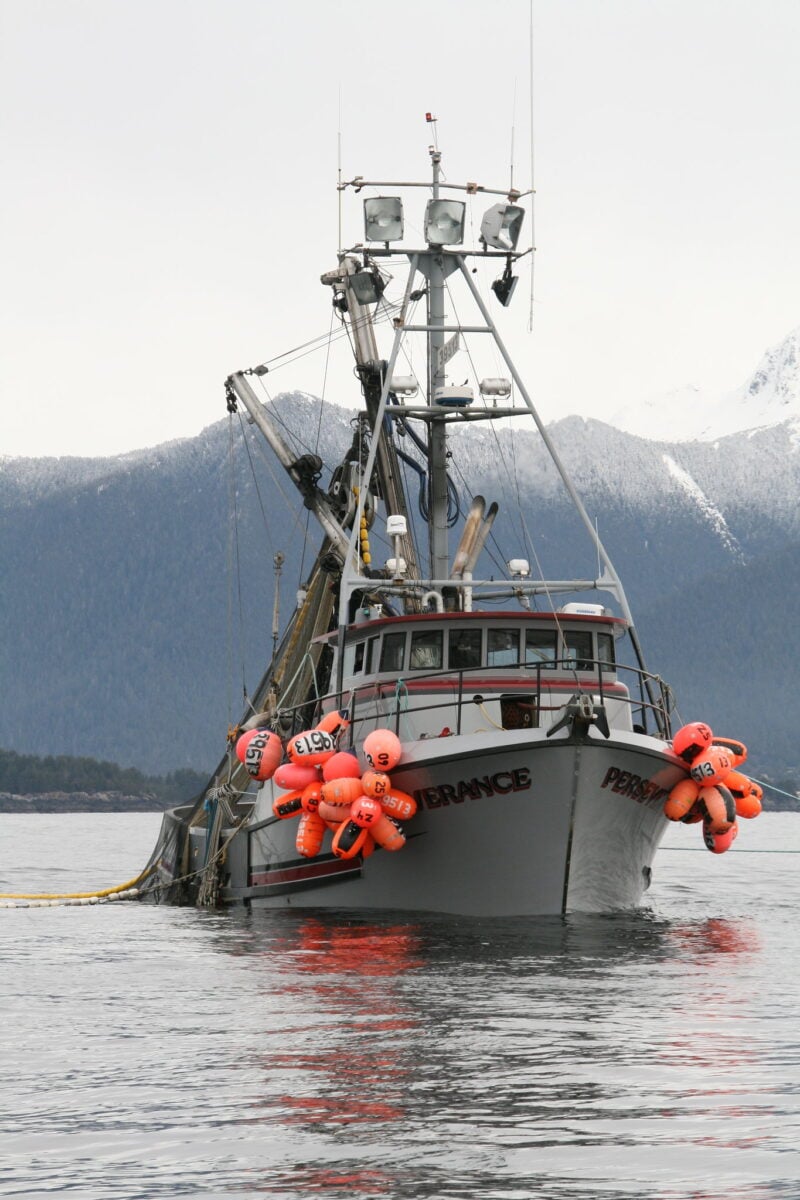
Sitka was the capital of Russian America before the United States took possession of Alaska in 1867, and the ceremony on Castle Hill left the town with an unusual history for a fishing port. Over the following decades the waters of Sitka Sound supported commercial fishing for salmon and herring, and a history of Southeast Alaska herring fisheries documents the industry.
Photographs show small boats beneath the volcanic cone of Mount Edgecumbe. Sitka’s fishermen still follow the herring each spring, in a harbor whose onion-domed church gives it a look found nowhere else in American fishing.
Petersburg and the Little Norway of Alaska
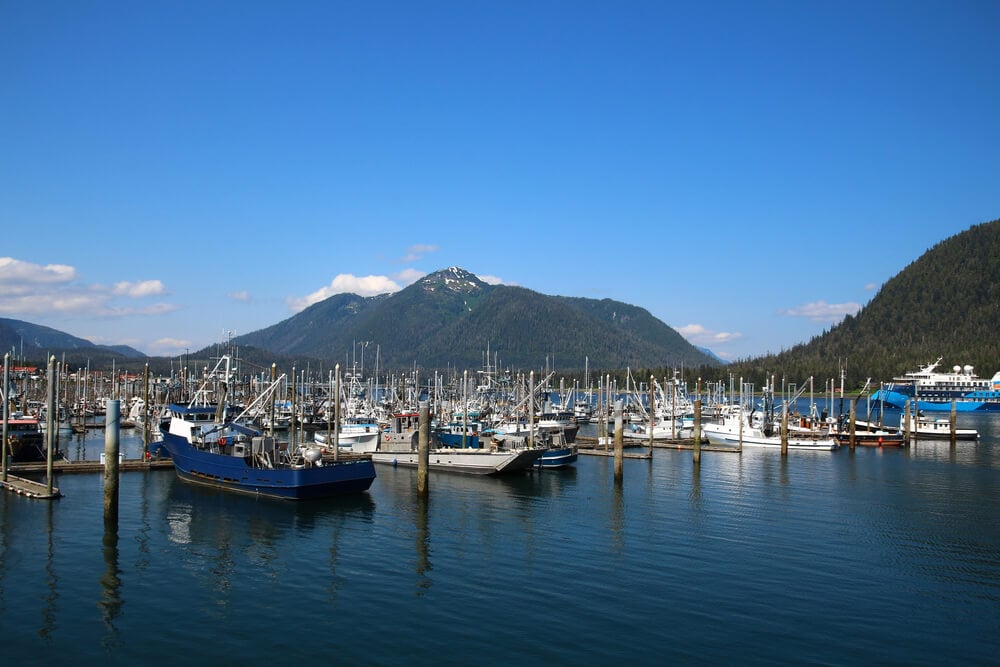
Petersburg was founded by Norwegian immigrant Peter Buschmann in the late 1890s, and the town’s early life grew around a cannery and a sawmill. Ice from nearby glaciers helped keep the fish fresh, a clever use of local resources in a place with no railroad.
Photographs show a harbor lined with wooden fishing boats and a waterfront built on pilings over the tidal flats. The town still celebrates its Scandinavian heritage with painted rosemaling on buildings, and its fishing fleet is what keeps the community’s Norwegian identity tied to the work on the water.
Two Rivers and the Lake Michigan Fish Tugs
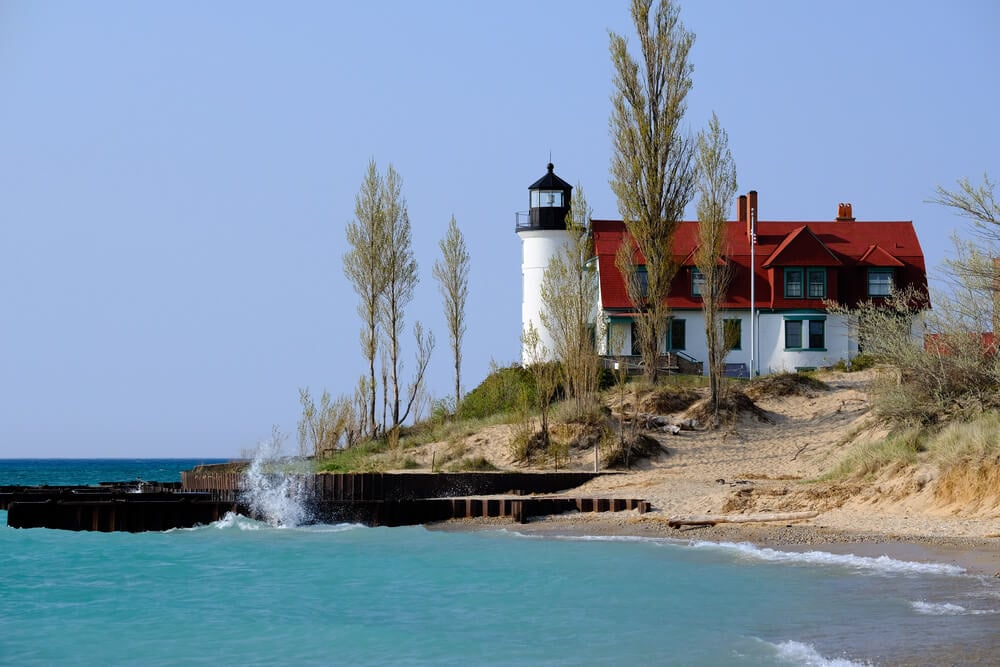
Two Rivers, Wisconsin, was one of the main commercial fishing towns on Lake Michigan, and its Rogers Street Fishing Village museum preserves the story. The Mary A. Gagnon, the first lake tugboat built at Two Rivers, represents the enclosed steel boats that replaced open sailing skiffs on the lake.
Photographs show these tugs with their cabins forward and nets piled on the stern, heading out into cold water for whitefish and chubs. A fish tug was built to work in ice and wind, so it looked more like a small ship than a fishing boat.
Fishtown in Leland, Michigan
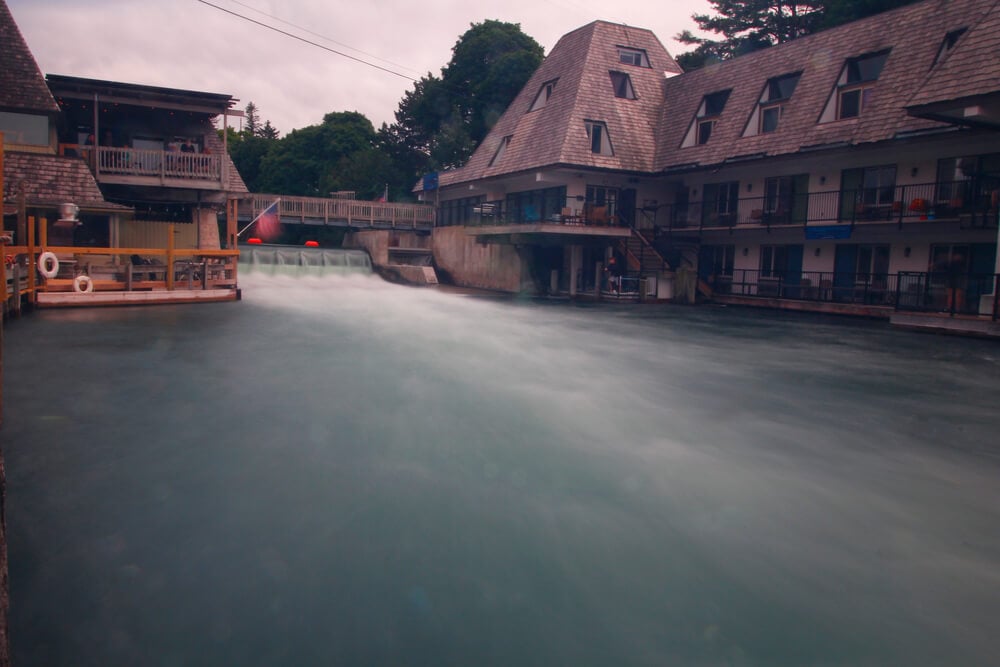
Leland’s Fishtown is a cluster of weathered shanties on the Leland River where it meets Lake Michigan, and the buildings once served as the working base of the Leelanau fishing trade. Carlson’s Fishery, a family business that spans generations, kept the docks active as other fishing villages faded.
Photographs show smokehouses, ice sheds, and tugs that hauled whitefish and lake trout from the big lake. The shanties were rescued from decay by local residents who recognized their historical value, so the scenery in the old photos is largely the scenery that visitors can see today.
Moments Fixed Before They Vanished
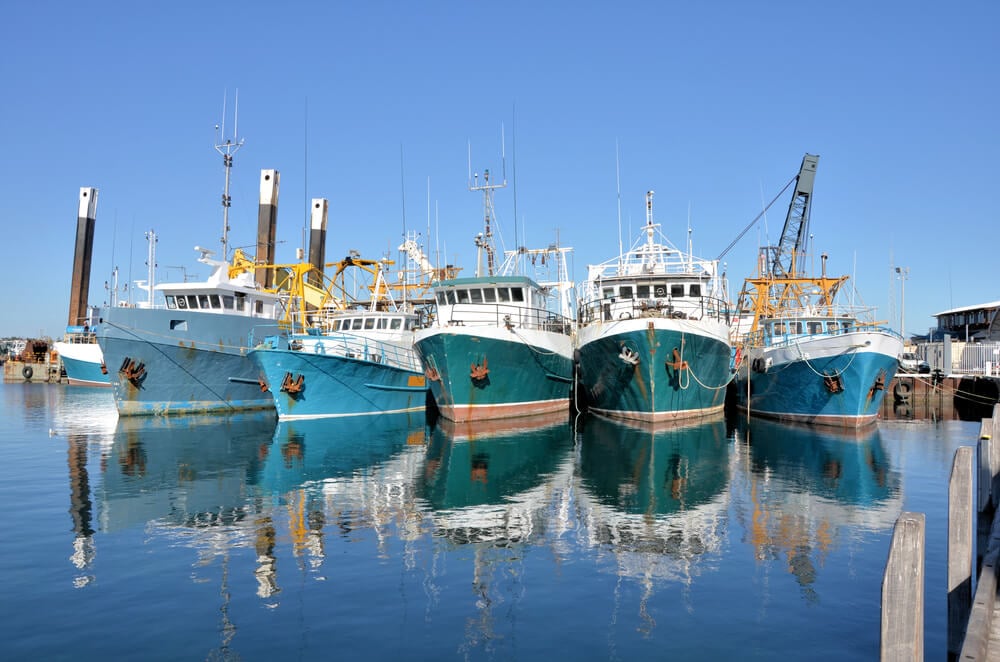
Harbor pictures fix a moment that was already vanishing when the shutter clicked. The schooners, steam menhaden boats, cannery pilings, and wooden dories were built for a particular catch and a particular season, and they changed whenever the fish, the market, or the law did.
Many of the ports in these images still work, but the details have been replaced by steel hulls and diesel engines. The people at the dock often mattered more than the boats.
Portuguese, Norwegian, Finnish, Croatian, and Japanese families shaped these waterfronts, and some were removed from them by events far outside their control. A good old photograph keeps those names and places in view long after the nets have been hung up.
More from Go2Tutors!

- 27 Silver Dollars and Half Dollars Worth Keeping
- 28 Restaurant Menu Items Nobody Orders Anymore
- 17 Places Built in Seemingly Impossible Spots
- 27 Vintage Rings Worth More Than They Look
- 25 Restricted Sites Tourists Can’t Enter
Like Go2Tutors’s content? Follow us on MSN.