Languages That Use Whistling to Speak
Sound carries differently depending on how you make it. A shout gets lost in wind and distance, but a whistle cuts through air like nothing else.
Some communities figured this out long before modern technology, and they built entire communication systems around it. These whistling languages exist on different continents, in mountains and valleys where calling out just doesn’t work.
The people who use them can hold conversations across distances that would make your phone struggle. And they’re not making up new languages—they’re whistling the ones they already speak.
The Physics Behind the Sound

Whistling works because of frequency. The high-pitched tones travel farther than normal speech, sometimes reaching up to five miles in the right conditions.
Mountains, canyons, and open fields become natural amplifiers. Your vocal cords produce complex sounds when you speak normally.
Whistling strips that down to pure tone, which means less information gets lost as the sound travels. The human ear picks up these frequencies easily, even at a distance.
Silbo Gomero from the Canary Islands

The island of La Gomera is covered in deep ravines and steep valleys. Farmers and shepherds needed to communicate across these gaps, so they developed Silbo Gomero.
They whistle Spanish. Every vowel and consonant in Spanish has a whistled equivalent.
The pitch changes, the rhythm shifts, and somehow it all makes sense to trained ears. You can whistle full sentences, ask questions, and share news.
The Spanish government recognized it as part of their cultural heritage and now teaches it in schools on La Gomera.
Turkish Whistling in the Black Sea Region

In the mountains of northern Turkey, villages sit far apart. The terrain makes walking between them exhausting, and shouting just echoes back at you.
So people started whistling Turkish. The system has been around for centuries, passed down through families.
Shepherds use it constantly, checking on their flocks or warning about predators. The language includes around 20 different pitches and tones, enough to convey the complexity of Turkish.
Older generations know it fluently, but younger people are starting to forget as phones become more common.
Mazateco Whistling in Mexico

The Mazatec people in Oaxaca, Mexico, whistle their language across the Sierra Madre Oriental mountains. Mazateco is a tonal language already, which means pitch matters even in regular speech.
That makes it particularly suited to whistling. You can whistle anything you can say in Mazateco.
The mountains carry the sound remarkably well, and people use it for everything from casual chats to urgent warnings. Researchers have studied how the brain processes these whistled tones, finding that it activates the same language centers as spoken words.
The Hmong People and Their Whistled Speech

Hmong communities in mountainous regions of Southeast Asia developed whistling methods too. The terrain they live in demands it—rice terraces on steep slopes, villages separated by ridges.
Their whistling communicates practical information mostly. Where the animals are, when to start working, warnings about weather.
The tones in Hmong language translate naturally into whistled pitches, making the system intuitive for native speakers.
African Whistling Traditions

Multiple communities across Africa use whistling languages. In the Ethiopian highlands, shepherds whistle to coordinate their movements.
In parts of West Africa, hunters use whistles to communicate without alerting animals. Each system reflects the spoken language underneath it.
The clicks and tones of some African languages already emphasize pitch and rhythm, so whistling becomes an extension rather than a translation. The practice ties directly to daily survival—hunting, herding, farming—all activities where silence or distance matters.
How Children Learn to Whistle Language

You don’t teach whistling language in the same way you teach reading. Kids grow up hearing it used around them constantly.
They start trying to imitate the sounds, usually getting it wrong at first. The learning process mirrors how they learn spoken language.
They pick up simple phrases first, then more complex structures. By the time they’re teenagers, they can whistle as fluently as they speak.
The skill becomes automatic, like riding a bike.
The Linguistic Structure

Whistling languages aren’t separate from spoken languages. They’re the same language, just transmitted differently.
The grammar stays the same, the vocabulary stays the same. Only the medium changes.
Some languages work better for whistling than others. Tonal languages, where pitch already carries meaning, translate more easily.
But even non-tonal languages like Spanish can be whistled if you establish conventions for representing different sounds through pitch and duration.
Modern Decline and Preservation Efforts

Cell phones have hit these traditions hard. Why whistle across a valley when you can just make a call? Young people especially tend to skip learning the skill, seeing it as outdated.
But some communities are fighting to keep the practice alive. UNESCO has listed several whistling languages as intangible cultural heritage.
Schools in some regions now include whistling in their curriculum. Researchers document the systems before the last fluent whistlers pass away.
The Role in Daily Life

Where whistling languages survive, they serve specific purposes. Farmers use them constantly.
Shepherds rely on them. Anyone working in terrain where walking takes forever finds them practical.
The language also shows up in celebrations and ceremonies. Some communities whistle songs or stories during festivals.
The sound carries a cultural weight beyond just communication—it represents connection to the land and to ancestors who developed these systems.
Challenges in Learning as an Adult

Picking up a whistling language later in life is tough. Your ear has to learn to distinguish between pitches that sound nearly identical.
Your lips and tongue have to produce those exact sounds reliably. Most outsiders who try to learn struggle with consistency.
They can whistle some words but can’t maintain a conversation. The subtle variations that native speakers handle effortlessly trip up beginners constantly.
You need years of practice to reach fluency.
Scientific Research on Whistled Communication

Linguists and neuroscientists study these languages to understand how the brain processes sound. Brain scans show that people hearing whistled speech activate their language centers, not their music centers.
The brain treats it as language, even though it sounds musical to outsiders. The research reveals how flexible human communication can be.
We can strip away most of the acoustic information in speech and still convey complex ideas. The findings have implications for understanding language evolution and for developing communication systems in extreme environments.
Other Animals That Whistle
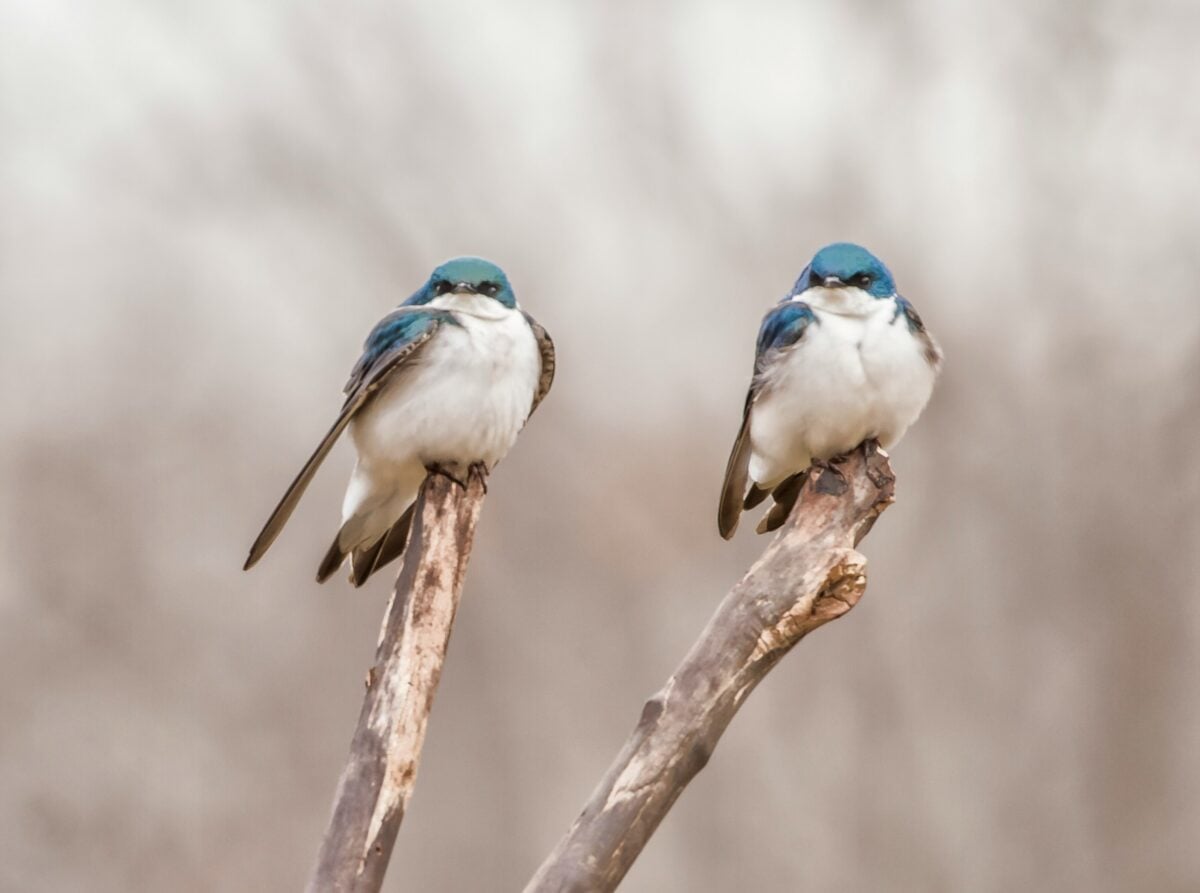
Humans aren’t the only ones who figured out whistling works well for distance. Birds obviously use it, but also some primates.
Dolphins produce whistled sounds. Even some rodents whistle to warn their colonies about predators.
The convergent evolution suggests that whistling offers real advantages for certain communication needs. High-frequency sounds travel farther, penetrate obstacles better, and stand out against background noise.
Nature keeps arriving at the same solution independently.
When Sound Travels Better Than Words

Out in the open, talking often fails. The wind simply swallows words whole.
Barriers like walls or thick branches soak up sound before it travels far. Even if someone is close, clarity fades fast.
A sudden whistle, though – clean and high – pushes past every obstacle. Out here, whistles never started as games.
Survival shaped their purpose. When mountains blocked voices, a high-pitched call could cut through the gap without fail.
Places holding on to steep slopes still keep the whistle alive – where distance stretches communication. Where roads arrive, where phones connect, the old tones slip quieter each year.
Now electronic pings bounce along ridges where human melodies used to travel alone.
More from Go2Tutors!

- The Romanov Crown Jewels and Their Tragic Fate
- 13 Historical Mysteries That Science Still Can’t Solve
- Famous Hoaxes That Fooled the World for Years
- 15 Child Stars with Tragic Adult Lives
- 16 Famous Jewelry Pieces in History
Like Go2Tutors’s content? Follow us on MSN.