Strange Products Made by Famous Car Brands
Most people know Ferrari for supercars and Honda for reliability. But car companies don’t always stay in their lane.
Over the decades, many automotive giants have ventured into surprising territories—some logical, others completely baffling. The results range from genuinely useful to questionably bizarre.
Ferrari Perfume
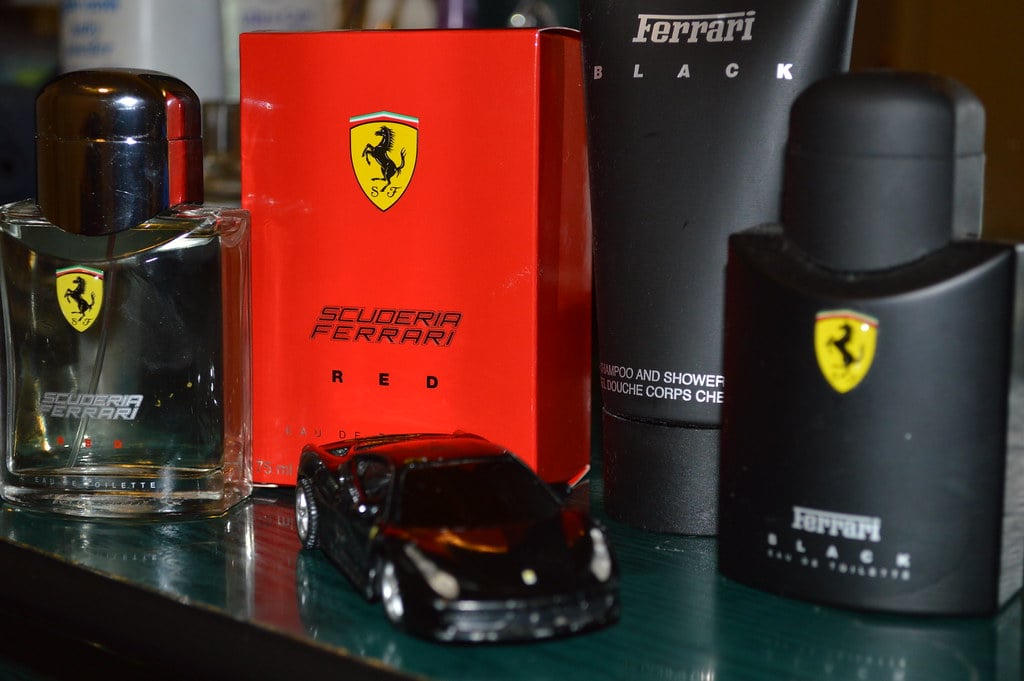
Ferrari decided their brand belonged on pulse points, not just asphalt. The company launched a fragrance line that bottles what they consider the essence of Italian luxury and speed.
The scents carry names like “Scuderia” and “Black,” packaged in sleek bottles that mirror the curves of their sports cars. Whether spraying on eau de toilette captures the same thrill as driving a 458 Italia remains debatable.
Porsche Kitchen Knives
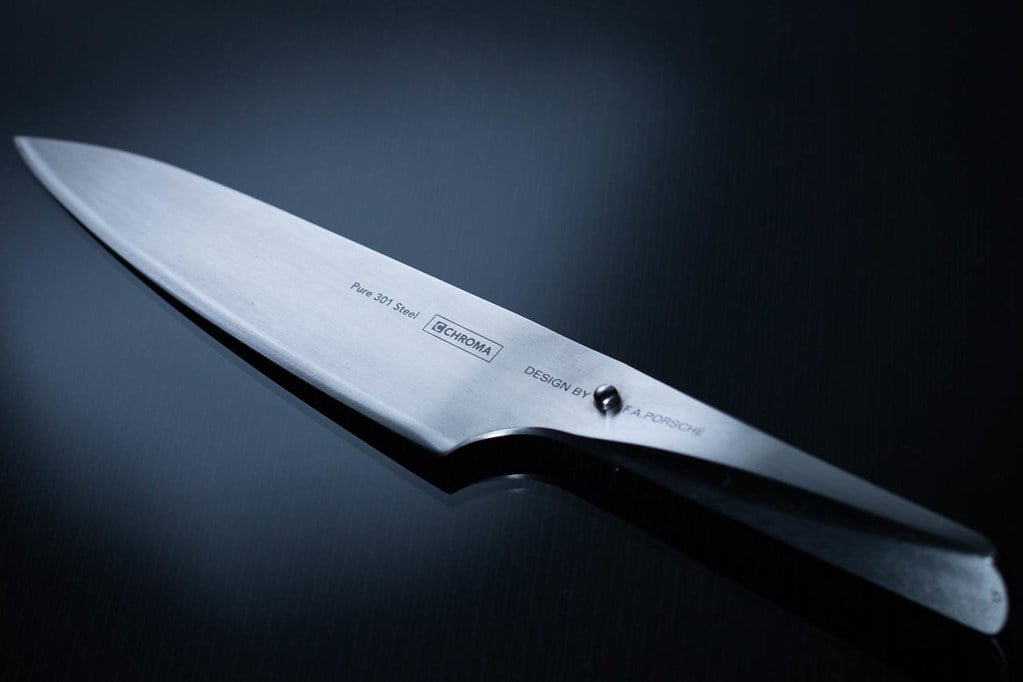
The precision engineering that goes into a 911 apparently translates to cutlery. Porsche Design created a line of kitchen knives with the same attention to detail they apply to their vehicles.
These aren’t cheap stamped blades—they feature Damascus steel, ergonomic handles, and price tags that rival professional chef equipment. You can slice tomatoes with the same brand you’d use to carve canyon roads.
Lamborghini Laptops
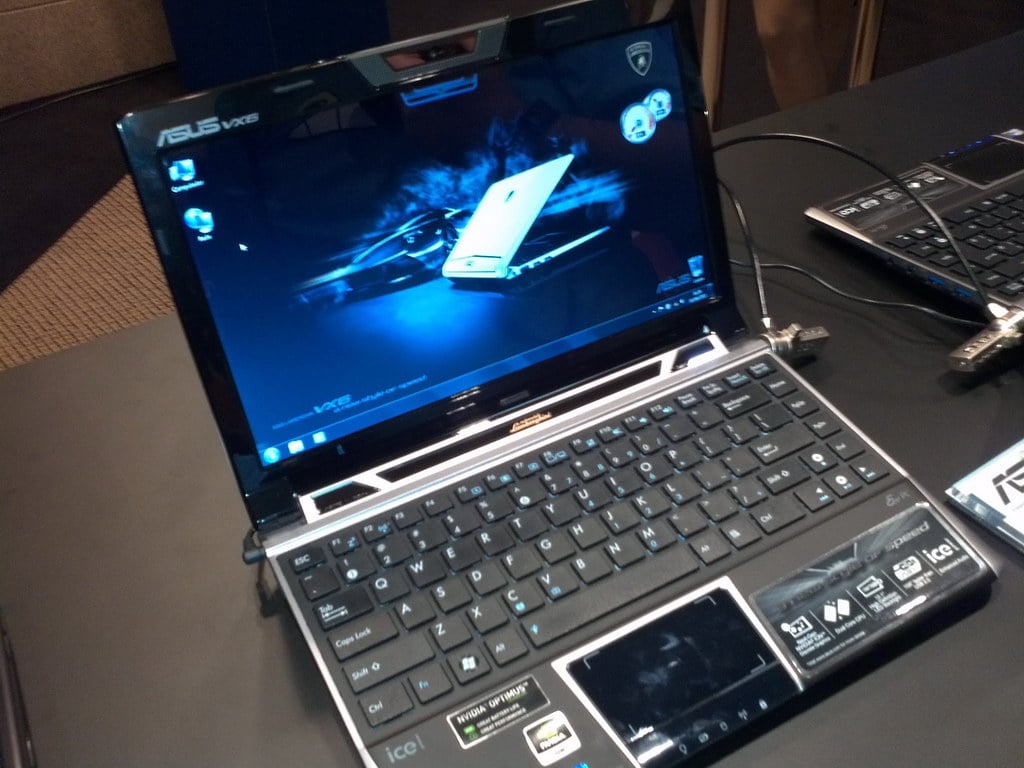
Asus partnered with Lamborghini to create limited-edition laptops that look like they should reach 200 mph. The VX7 came wrapped in leather with yellow stitching, carbon fiber accents, and a design language borrowed from supercars.
It packed powerful specs to match the aggressive styling. The laptop proved you could carry a Lamborghini in your bag, even if the parking garage version remained out of reach.
Honda Aircraft
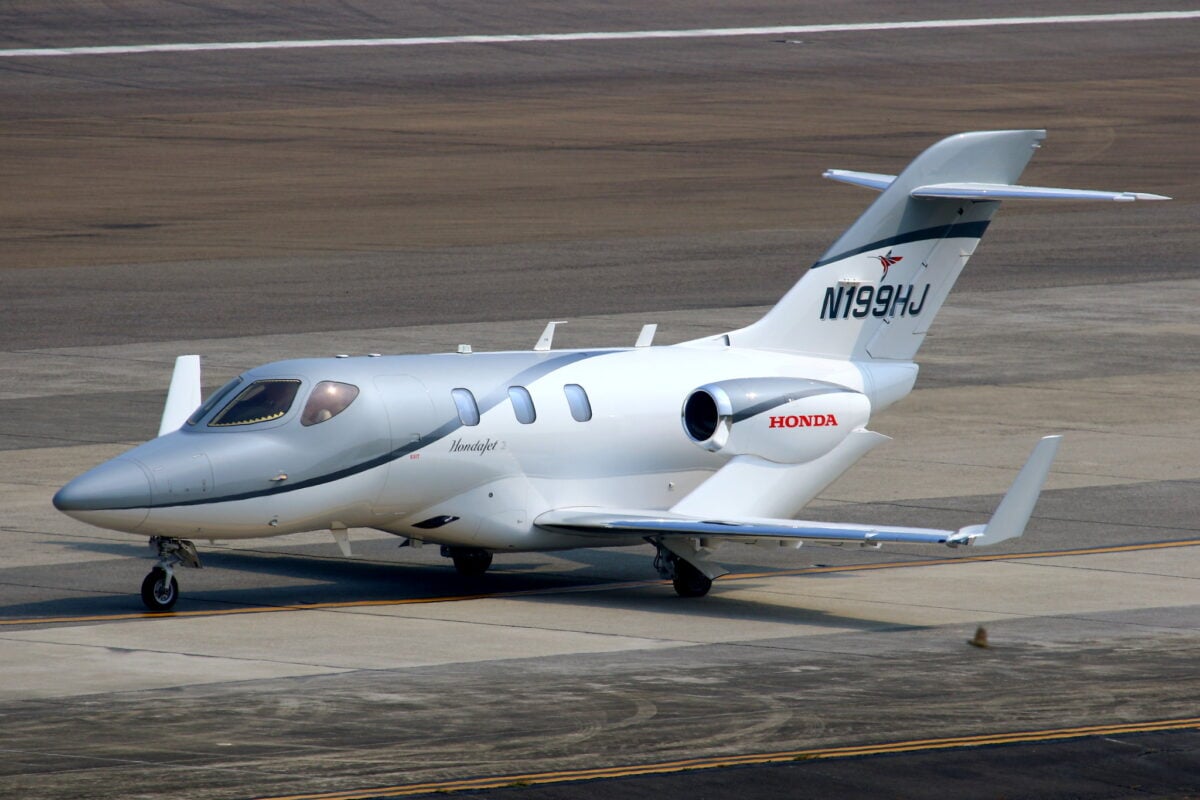
Honda spent decades developing the HondaJet, a small business aircraft that entered service in 2015. The project started in the 1980s when most people still associated Honda exclusively with Civics and Accords.
The jet features engines mounted above the wings—an unusual configuration Honda claims improves efficiency and cabin space. They moved from highway commutes to commercial flight with the same methodical approach they apply to everything else.
Aston Martin Submarines

Aston Martin partnered with Triton Submarines to build the limited-edition Project Neptune. Only three units exist, each priced around four million dollars. The submarine can dive to 500 meters and seats three people in a bubble cockpit that resembles something from a James Bond film—which makes sense given Aston Martin’s cinematic history.
You get sports car styling for underwater exploration.
BMW Bicycles
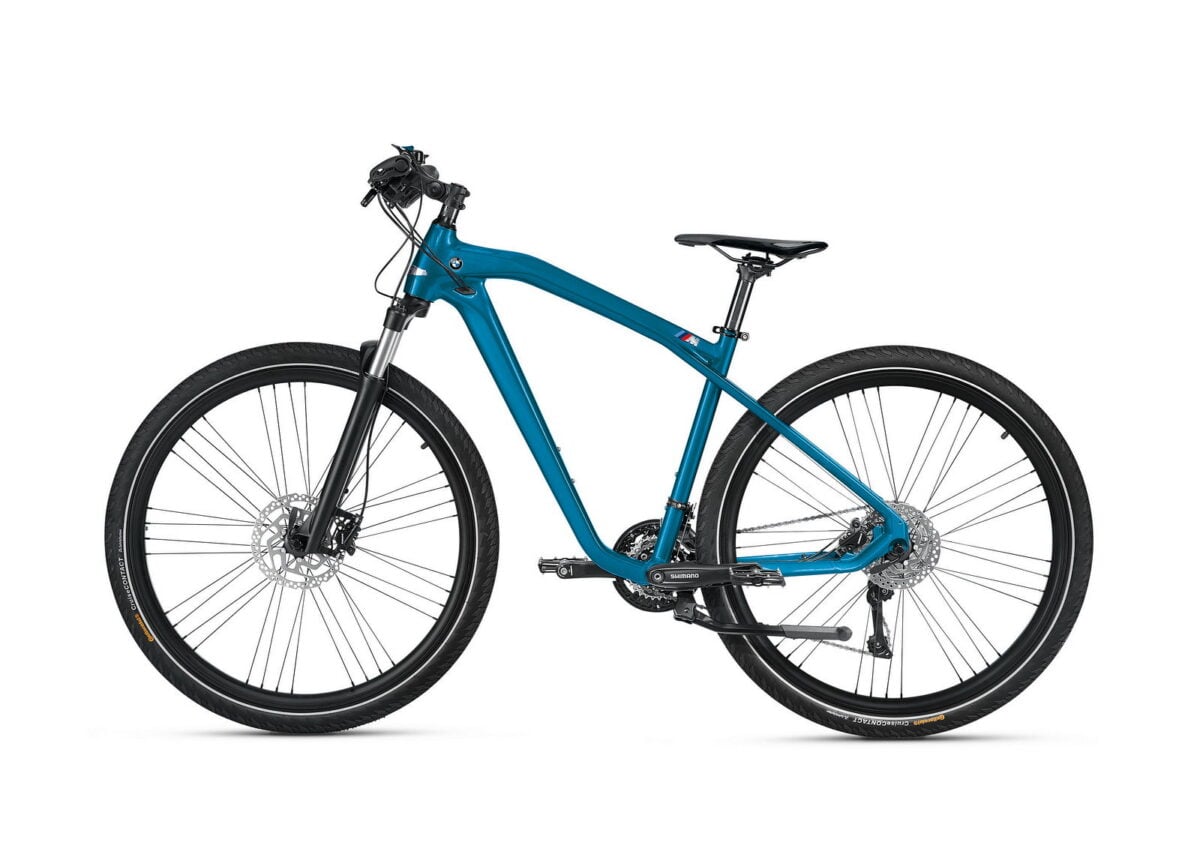
BMW produces high-end bicycles that carry the same roundel badge as their cars. The Cruise Bike line includes models with minimalist frames, integrated lighting, and design cues borrowed from their motorcycle division.
Some versions cost more than used cars. The brand positioning makes sense—both products promise premium German engineering for personal transportation, just with different power sources.
Peugeot Pepper Mills
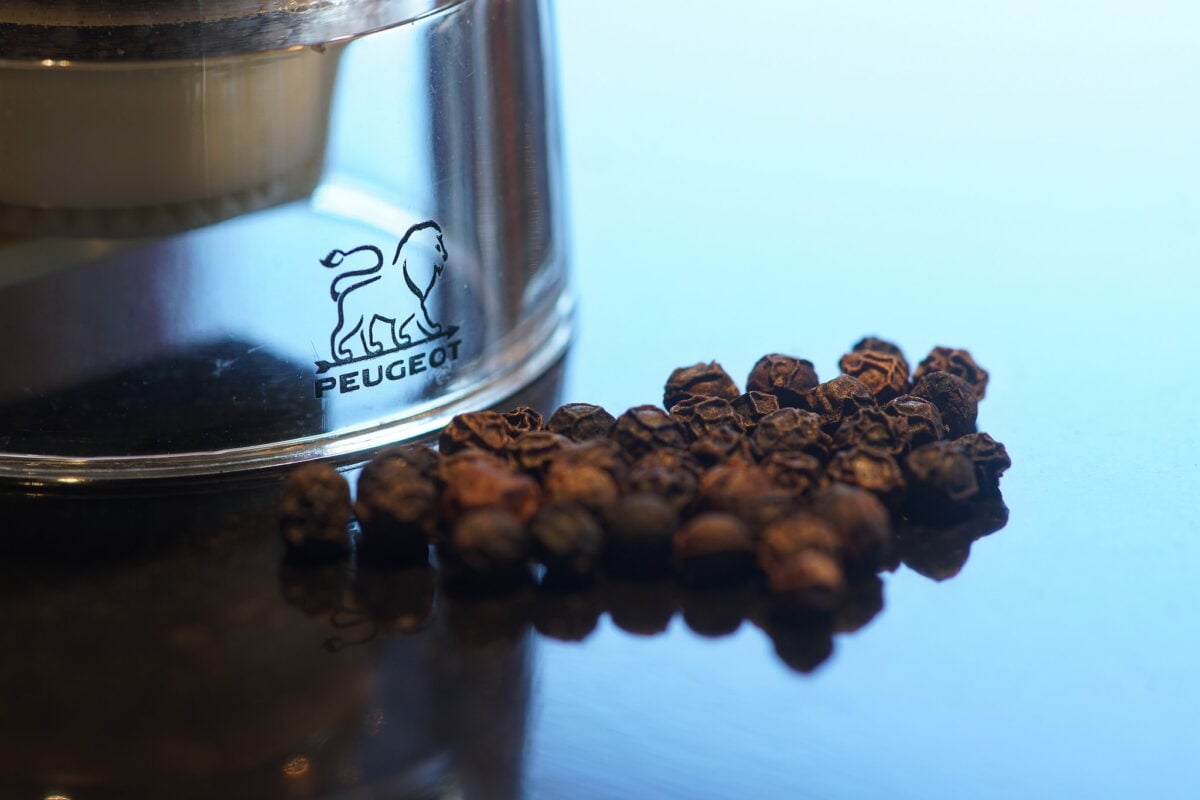
Long before Peugeot became known for hatchbacks and sedans, the company manufactured tools and kitchen equipment. They’ve been making pepper mills since 1874, and these grinders still carry the lion logo.
The mechanisms use hardened steel that Peugeot claims lasts generations. Restaurants worldwide rely on them for seasoning.
The car division came later—the pepper mills were there first.
Rolls-Royce Motorcycles
Before Rolls-Royce meant ultra-luxury automobiles, the company experimented with motorcycles in the early 1900s. They stopped production after a few years, but the brief venture into two-wheeled transport shows even the most prestigious brands sometimes test unconventional waters.
The motorcycles never achieved the legendary status of the cars, but they existed as curious footnotes in automotive history.
Toyota Sewing Machines
In 1924, Sakichi Toyoda invented an automatic loom that revolutionized textile manufacturing. His son later founded what became Toyota Motor Corporation, but the family business started with fabric, not engines.
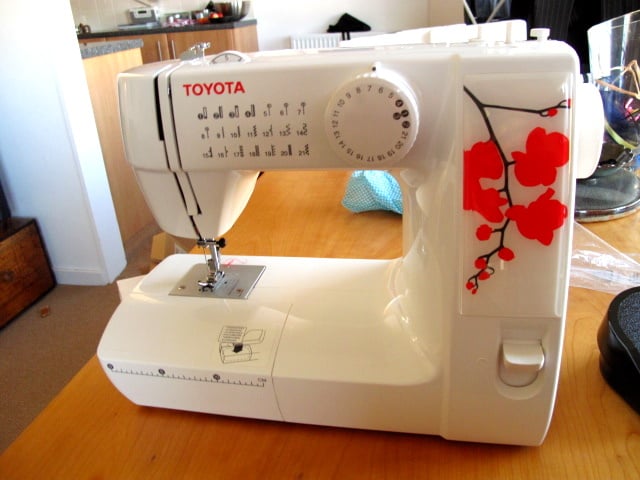
Toyota still manufactures industrial sewing machines through Toyota Industries Corporation. The connection makes more sense when you remember the company’s roots in precision manufacturing—just applied to different materials.
Mercedes-Benz Surfboards
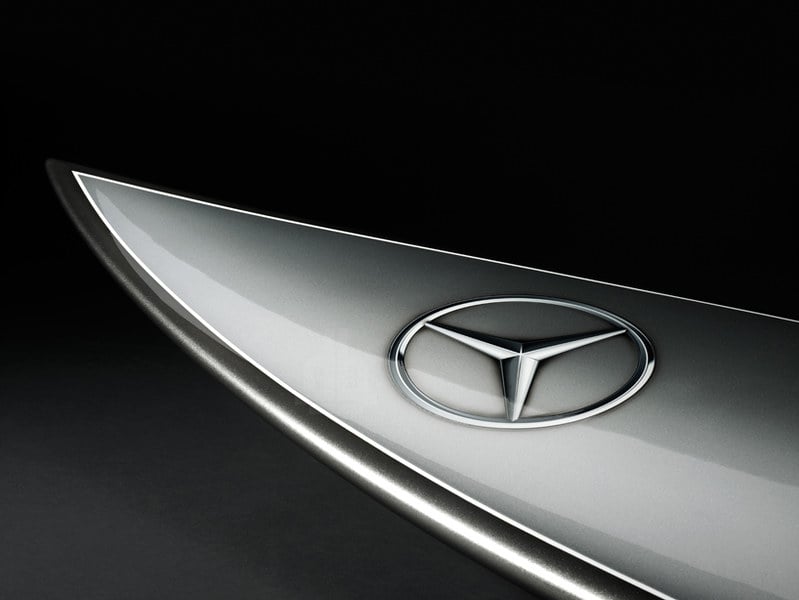
Mercedes-Benz partnered with Garrett McNamara, a big-wave surfer, to create limited-edition surfboards. The boards featured carbon fiber construction and designs inspired by their AMG performance line.
Only 30 were made, each signed by McNamara. The collaboration felt like an odd stretch—what do German luxury cars have to do with Hawaiian waves? The marketing team probably had an answer.
Ford Tractors

Ford built tractors for decades, starting with the Fordson in 1917. Farmers bought millions of them. The tractor division eventually spun off and merged with other companies, but Ford’s agricultural equipment shaped American farming.
The engineering overlap made sense—both tractors and Model Ts needed reliable engines and durable construction. Rural customers knew Ford as much for plows as for pickups.
Bugatti Furniture
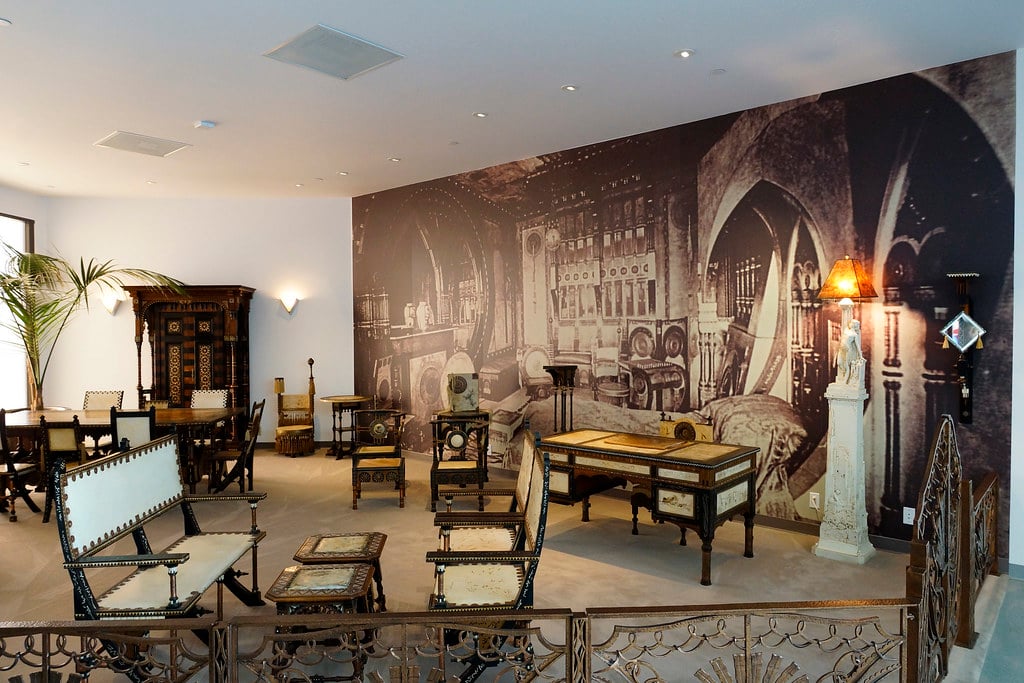
Bugatti doesn’t just make the world’s fastest production cars. The brand also produces carbon fiber furniture that costs more than most vehicles.
The Pool Table weighs 1,800 pounds and uses the same materials as their hypercars. You can buy chairs and foosball tables too, all carrying price tags that match the exclusivity.
The furniture serves as garage art for people whose garages already contain Chirons and Veyrons.
Mitsubishi Pencils
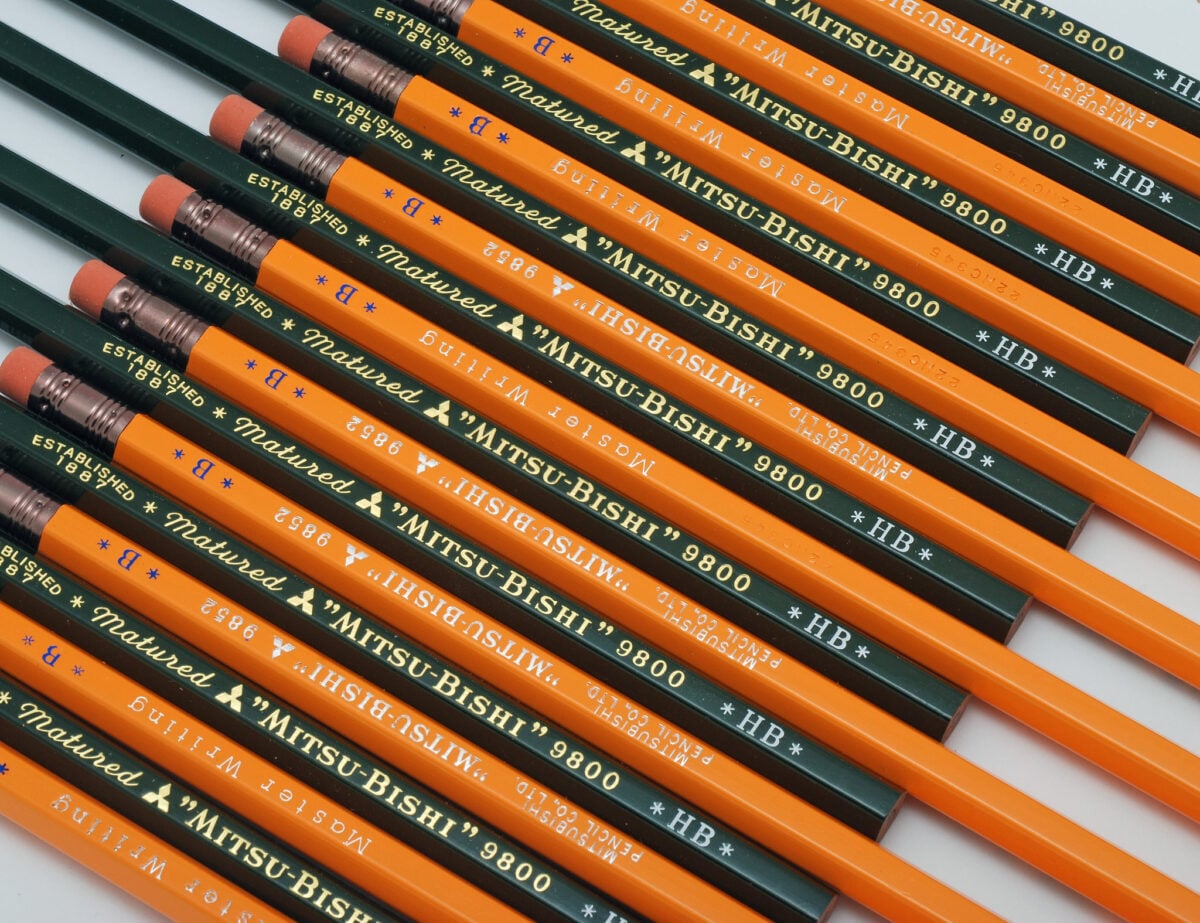
One name ties them together – Mitsubishi – but the pencil maker runs its own course apart from the automaker. Rooted in an old industrial empire called zaibatsu, they branched off long ago into different worlds.
Pencils come from one arm of that history, cars from another. Still, people mix them up, maybe because identical diamond-shaped emblems mark each product.
That emblem rides on notebooks just as it does on hoods. History links them loosely now, like distant relatives who look alike.
When Fast Things Get Weird
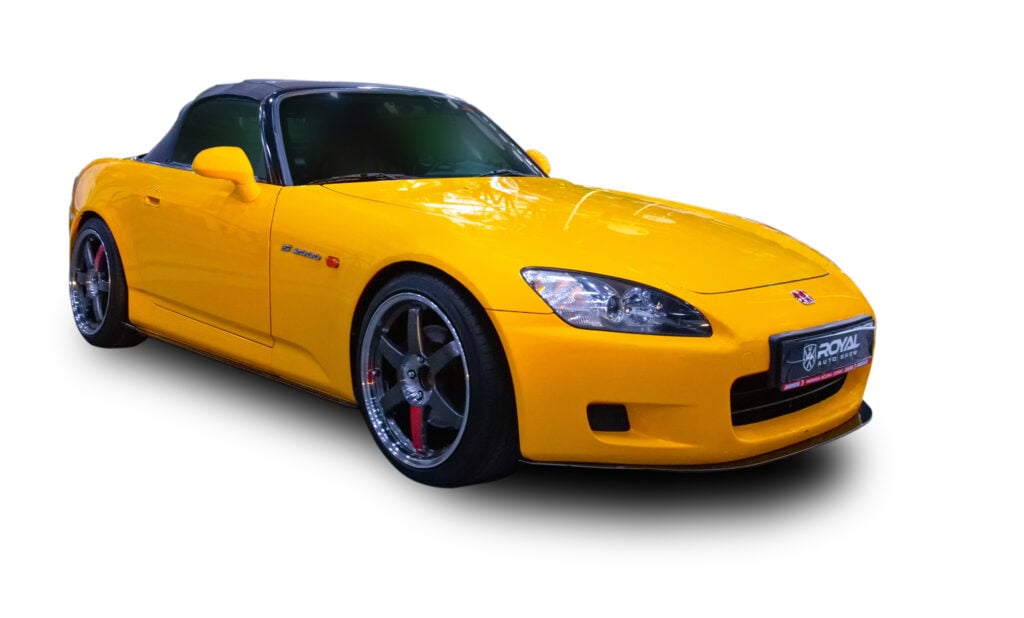
It’s not just cars anymore when it comes to auto brands. Honda’s knack for mechanics? That smoothly slides into making small aircraft engines.
Then there’s Ferrari, where the scent of high-end living fills a bottle instead of an exhaust pipe. A whiff of status sells the fragrance, much like the roar sells the engine.
Peugeot started grinding spices long before most people knew them for vehicles at all. Twists like these show how businesses zigzag more than march. Roads bend, so do company histories.
More from Go2Tutors!

- The Romanov Crown Jewels and Their Tragic Fate
- 13 Historical Mysteries That Science Still Can’t Solve
- Famous Hoaxes That Fooled the World for Years
- 15 Child Stars with Tragic Adult Lives
- 16 Famous Jewelry Pieces in History
Like Go2Tutors’s content? Follow us on MSN.