28 Supermarket Promotions Families Used to Collect
Before loyalty apps and digital coupons, grocery shopping came with a paper trail. Stamps, labels, seals, and proof-of-purchase tabs piled up in kitchen drawers, waiting to be turned into something useful.
The rewards were rarely glamorous, but collecting them felt like beating the system. These are the promotions families once saved, clipped, and mailed.
S&H Green Stamps

Sperry and Hutchinson began issuing trading stamps in the 1890s, and shoppers received them at the register in proportion to what they spent. Families licked the stamps and pasted them into booklets, then traded full books for items from a catalog.
Top Value Stamps
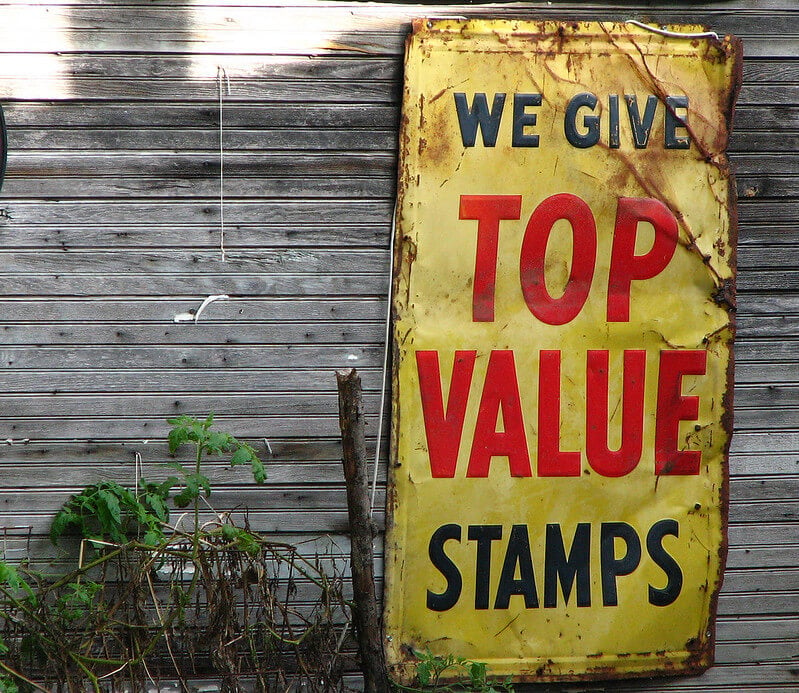
Top Value was one of the main rivals to S&H, handing out stamps at supermarkets and gas stations across the country. The stamps were stuck into savers books and redeemed at company stores or by mail.
Families often kept both brands in the same drawer.
Betty Crocker Coupons
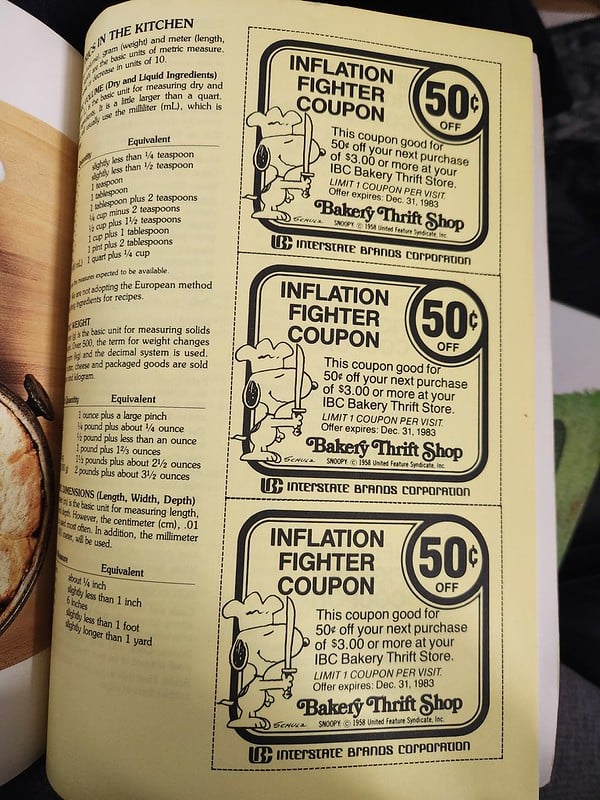
General Mills printed redeemable points on packages of its baking products, and customers cut them out and sent them in for silverware and kitchen tools. The point values appeared on the box.
A complete set of flatware took months of baking to earn.
Campbell’s Labels
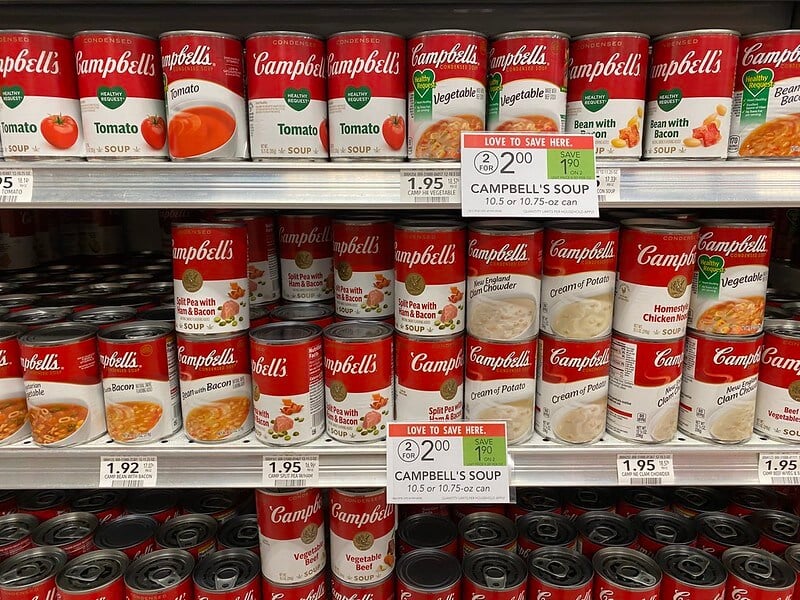
Campbell’s ran a program in which schools collected labels from soup cans and exchanged them for educational equipment and supplies. Parents peeled the labels at home and sent them to class in a bag.
A school gym full of equipment could trace back to a pile of soup cans.
Box Tops for Education
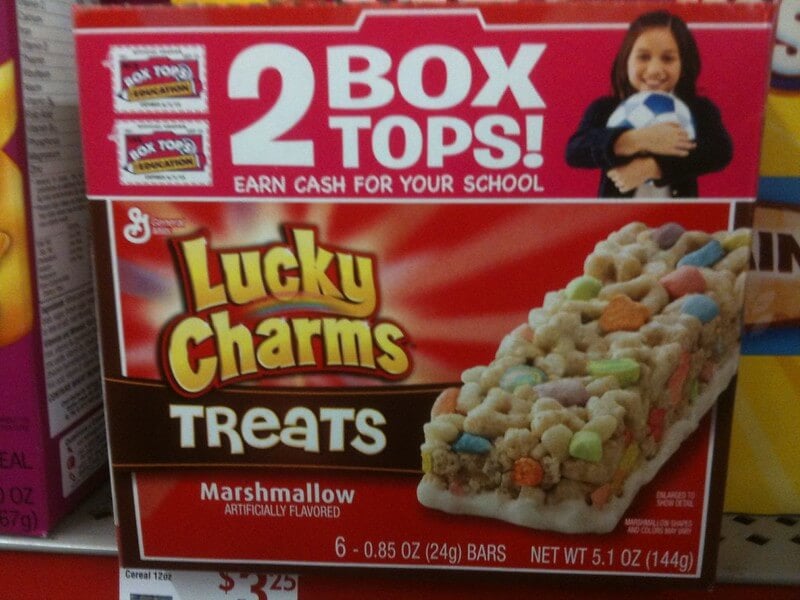
General Mills introduced Box Tops for Education in 1996, and families clipped the small pink rectangles from cereal and snack packages. Schools collected them in envelopes and turned them in for cash.
Each clipping was worth ten cents, which added up across an entire student body.
Pepsi Points
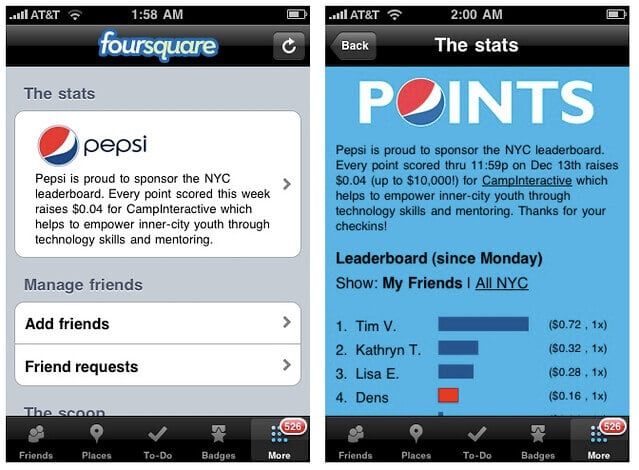
Pepsi launched a points program in 1996 that let customers earn points from cans and bottles and trade them for merchandise. Items ranged from T-shirts to sunglasses.
The program became famous when a customer tried to redeem points for a fighter jet shown in a commercial.
The Cereal Box Mail-In Premium
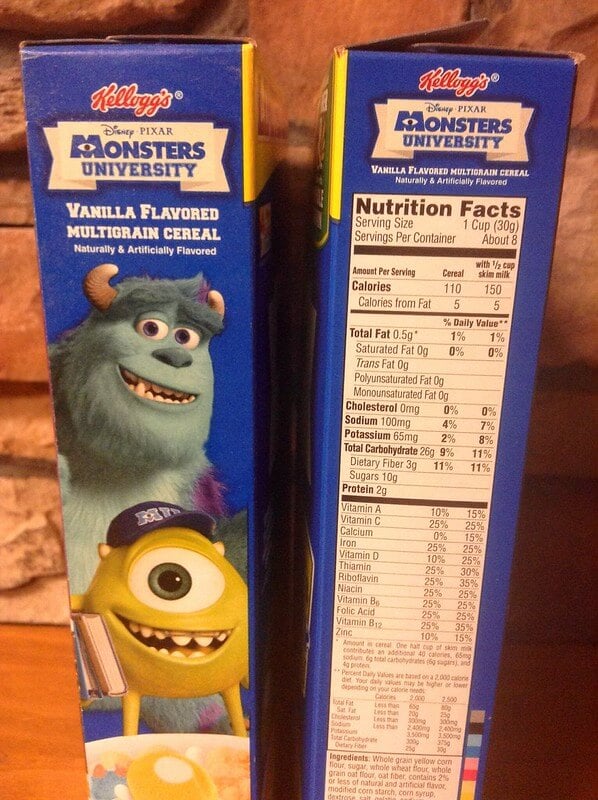
Cereal boxes advertised toys, decoder rings, and posters available for a few box tops and a small payment in coins or stamps. Children mailed their order and waited six to eight weeks for a package.
The waiting was part of the appeal.
The Proof-of-Purchase Seal
Many products carried a printed seal on the packaging that could be cut out and mailed in for a refund or a prize. The seal was often hidden under the flap of a box.
Families kept a pair of scissors in the kitchen for this alone.
The Weekly Encyclopedia Volume

Supermarkets in the 1950s through the 1970s sold sets of encyclopedias one volume at a time, with a new letter available each week at a low price. Funk and Wagnalls was one of the best-known brands in this arrangement.
A family that kept up the habit ended up with a full set by the end of the year.
The Weekly Dinnerware Piece
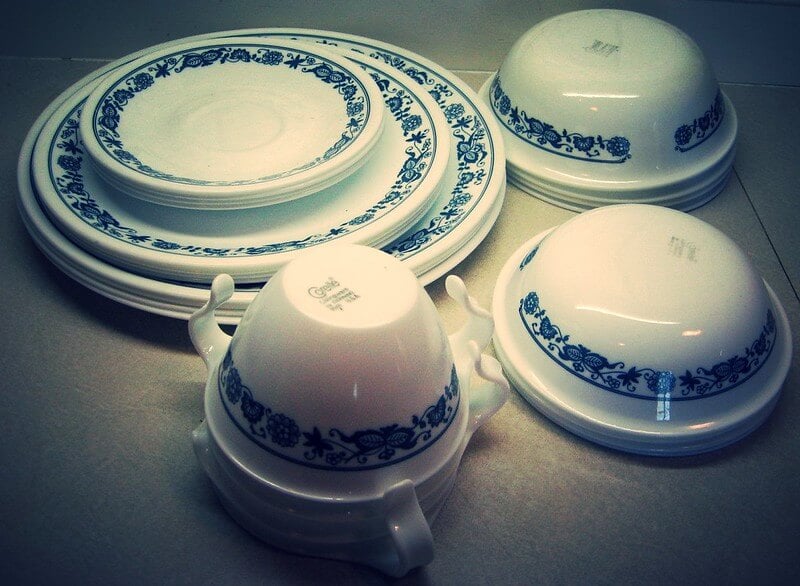
Some stores offered a different piece of a dinnerware set each week, such as a plate or a cup at a discount, with a minimum purchase. Families gradually built a service for eight over several months.
A missed week meant a gap in the place settings.
The Glassware Giveaway
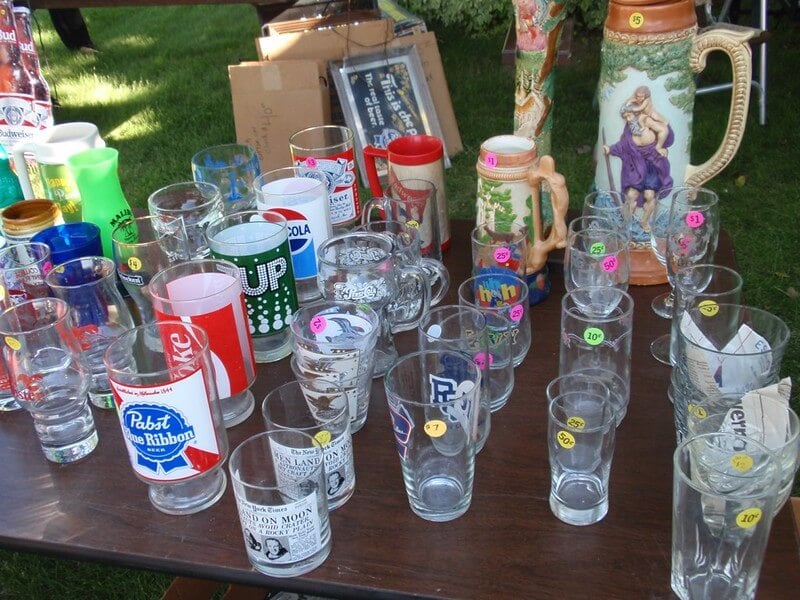
Stores and manufacturers handed out glasses, mugs, and tumblers with a purchase or a fill-up. Many carried cartoon characters or sports logos.
Some of them were still in the kitchen cabinet decades later.
The Sunday Coupon Inserts
Newspapers carried bundles of manufacturer coupons in the Sunday edition, and dedicated shoppers clipped them with scissors. Shoppers kept the coupons in an accordion folder sorted by aisle.
The coupon organizer was a serious tool for serious savers.
The Double Coupon Day
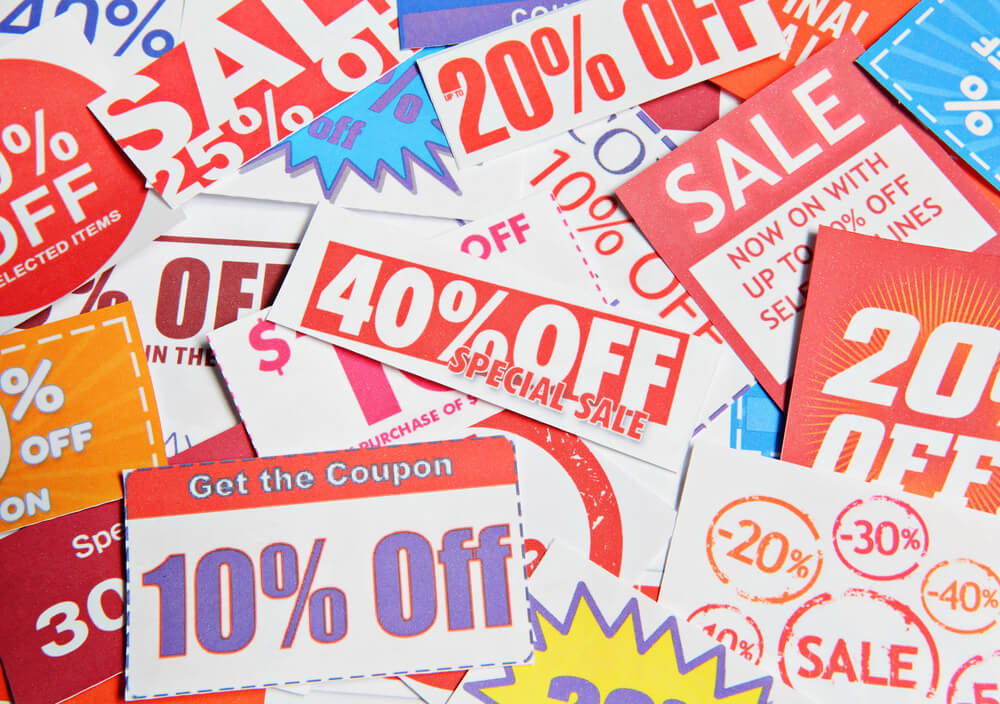
Some supermarkets doubled the value of manufacturer coupons on certain days, which turned a small discount into a larger one. Shoppers planned trips around those days.
A clever shopper could cut the bill nearly in half.
The Scratch-Off Game Ticket
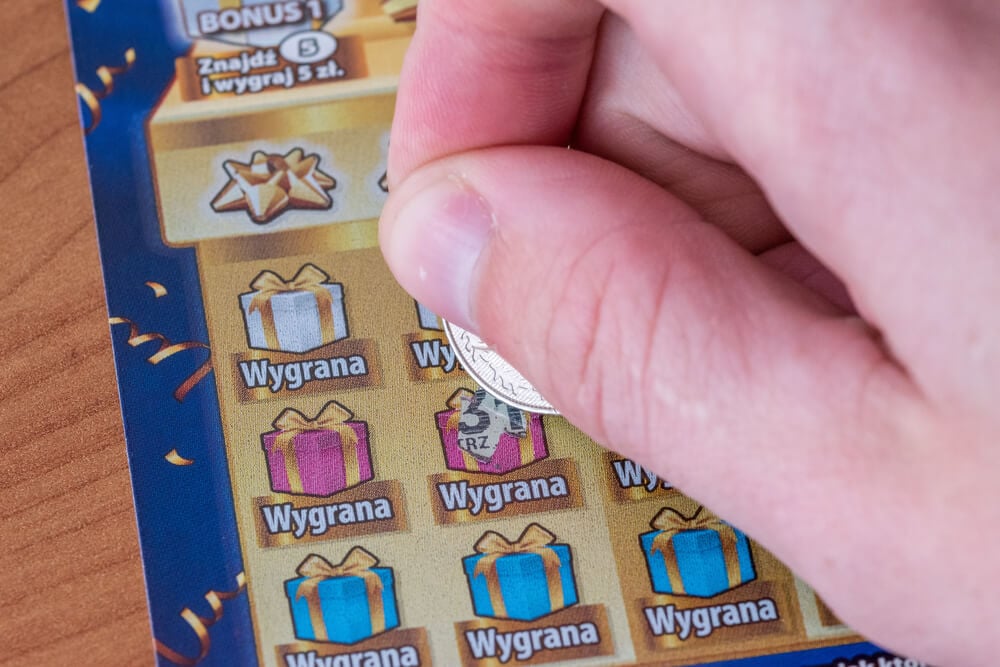
Stores handed out game tickets at checkout, often with a coin-scratch panel that revealed a prize. Most results said try again.
A winning ticket brought a free product or a small cash prize.
The Store Bingo Card
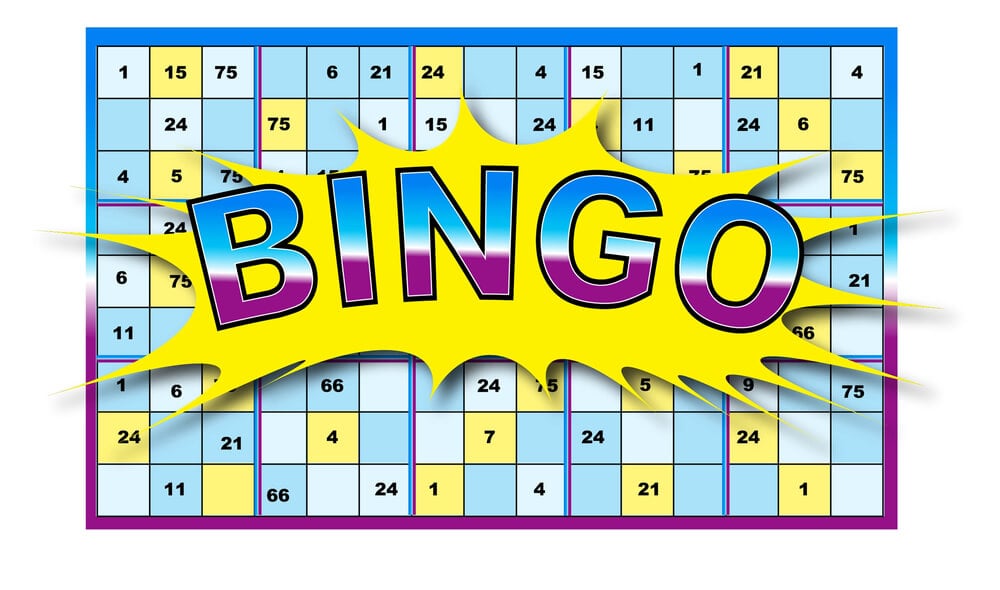
Some chains printed bingo cards that customers marked with a stamp or sticker for each visit. A full card won a prize.
The cards sat in glove compartments and purses until they were forgotten.
The Sweepstakes Entry Form

Entry blanks at the end of an aisle or on a package offered a chance to win a car, a vacation, or a shopping spree. Shoppers filled them out in block letters and dropped them in a box.
The odds were long, but the form took only a minute.
The Bottle Deposit Return

Returnable glass bottles carried a deposit, and families stacked them in crates to carry back to the store. A machine or a clerk counted them and paid out coins.
Children who collected bottles from the neighborhood made a small profit.
The Register Tape Program
Some stores let customers save their receipt tapes and donate them to schools, which earned equipment based on the total spent. Parents stuffed tapes into envelopes.
A school could earn a computer from a year of receipts.
The Supermarket Loyalty Card
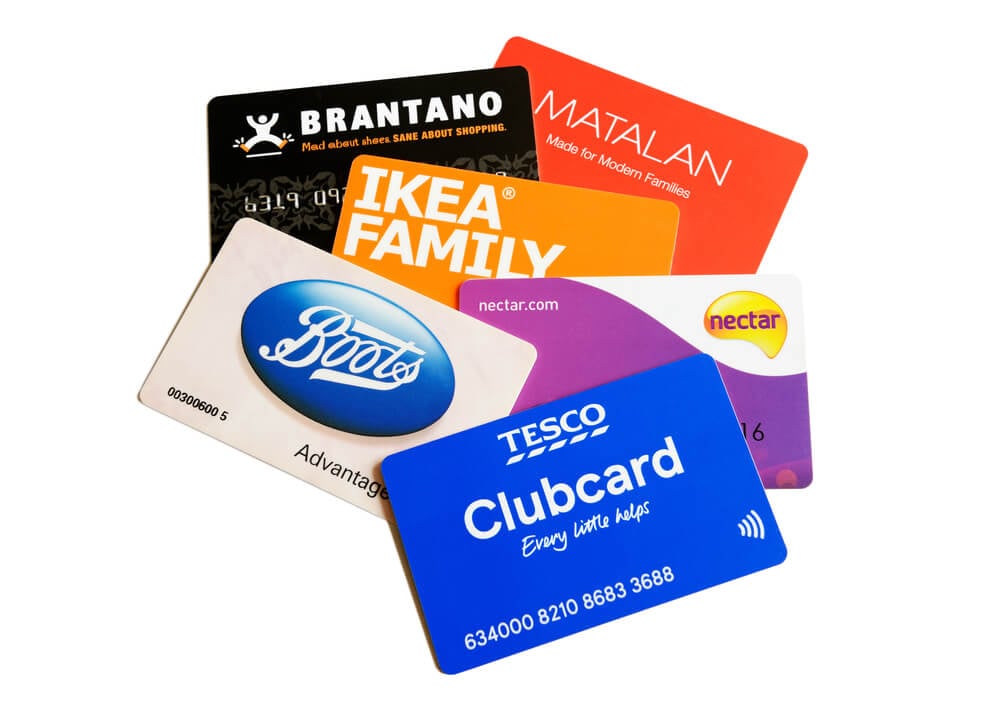
By the late 1980s and 1990s, many chains issued plastic cards that were scanned at the register to unlock discounts. The cards hung on key rings and filled wallets.
The deal was simple, since the store gained purchase data in exchange for lower prices.
The Holiday Turkey Offer
Around Thanksgiving, stores offered a free or discounted turkey to customers who spent a set amount over several weeks. Shoppers tracked their receipts in a drawer.
A turkey won this way was the centerpiece of the holiday table.
The In-Store Sample Table
A demonstrator at a folding table handed out bites of cheese, crackers, or sausage on toothpicks. The samples came with coupons and brochures.
A child who made the rounds could eat lunch in the aisles.
The Peel-Off Package Coupon
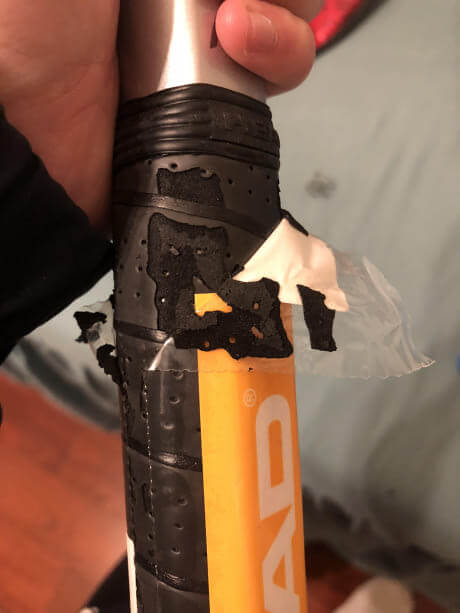
Some packages carried a coupon stuck to the front that could be peeled off and used on the next purchase. Cashiers took them at the register and deducted the amount.
The coupons were hard to remove without tearing.
The Recipe Booklet by Mail
Manufacturers offered free recipe booklets in exchange for a postcard or a proof of purchase. The booklets showed up weeks later, filled with dishes built around their products.
Many families kept the booklets in a drawer for decades.
The Cereal Box Cutout
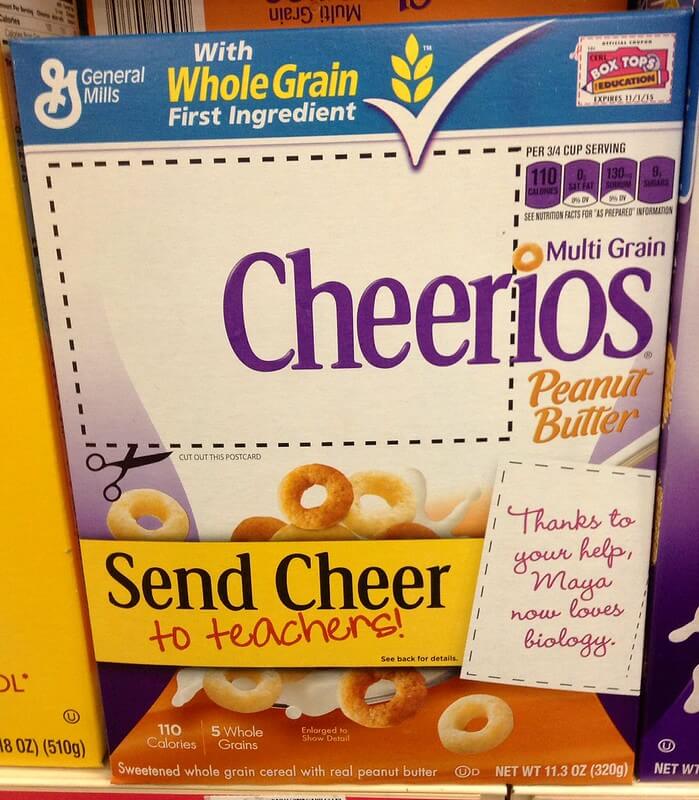
The back of a cereal box carried masks, games, and models that could be cut out with scissors. Children spent breakfast working on them.
The box often ended up in pieces long before the cereal was gone.
The Mail-In Rebate Form
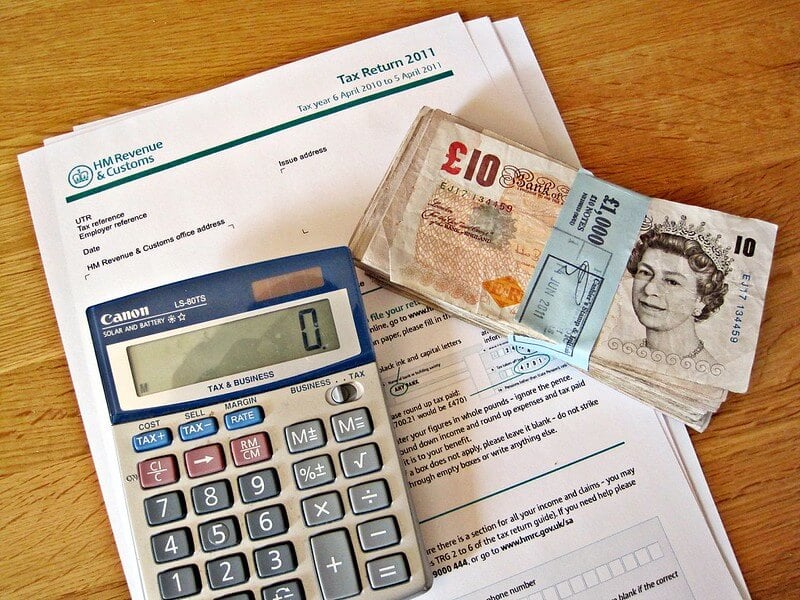
Appliances and groceries alike carried rebate offers that required a form, a receipt, and a UPC code sent by mail. The process took months, and some customers forgot to finish it.
A check that arrived in the mail felt like a surprise.
The Gift With Purchase Calendar
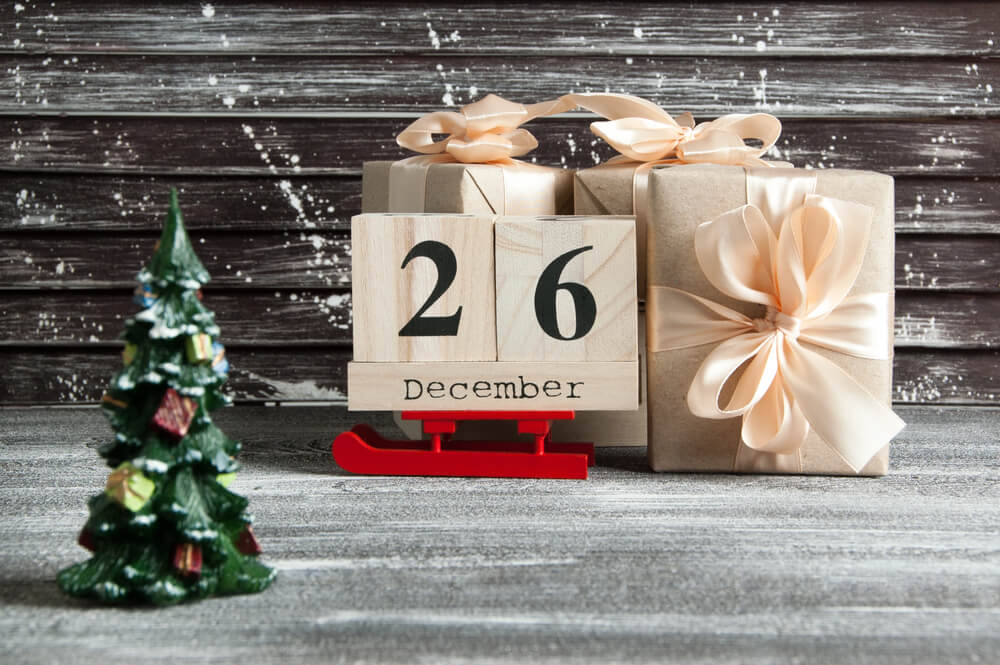
Around the new year, some stores gave away free calendars with a purchase. The calendars featured scenic photos or cartoon characters, and they hung in kitchens and garages.
A free calendar had more staying power than most things in the store.
The Cash-Back Coupon Booklet
Occasionally a manufacturer released a booklet of coupons inside a package or by mail. The booklets promised savings across a line of products.
The coupons expired quickly and were often left in the car.
The Cereal Box Prize Inside
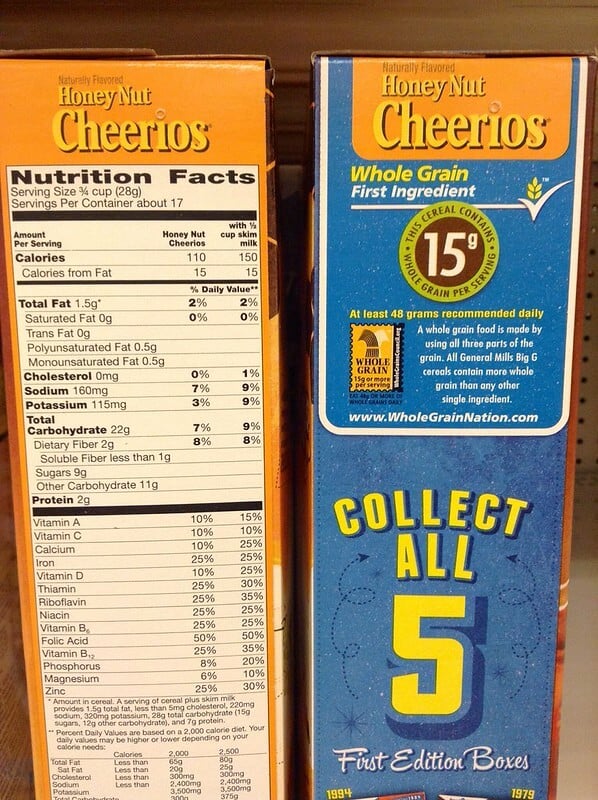
For decades, cereal makers tucked small toys, stickers, and trading cards into the box. Children dug through the flakes to find the prize before the first bowl was poured.
A box was sometimes chosen at the store for the toy alone.
The Paper Trail of Thrift
For many families, collecting promotions was a habit as much as a strategy. The stamps, labels, and coupons filled drawers, envelopes, and the corners of the refrigerator.
The reward might be small, but the collection felt like progress.
Today most of these programs have moved to apps and online accounts, where points accumulate without any pasting or clipping. The savings are the same, but the drawer of scissors and stamp books is gone.
A generation of shoppers still remembers the satisfaction of a full booklet.
More from Go2Tutors!

- 27 Silver Dollars and Half Dollars Worth Keeping
- 28 Restaurant Menu Items Nobody Orders Anymore
- 17 Places Built in Seemingly Impossible Spots
- 27 Vintage Rings Worth More Than They Look
- 25 Restricted Sites Tourists Can’t Enter
Like Go2Tutors’s content? Follow us on MSN.