Old Leather Gloves With Lasting Vintage Appeal
A pair of old leather gloves holds the shape of the person who wore them. The thumb bends a little to the left, the fingertips are darker than the palm, and the lining carries a faint trace of a long-ago winter.
Collectors prize them for craftsmanship, history, and the soft patina that new gloves cannot imitate. These 19 kinds are worth looking for in flea markets, estate sales, and the back of a dresser drawer.
Kidskin Opera Gloves
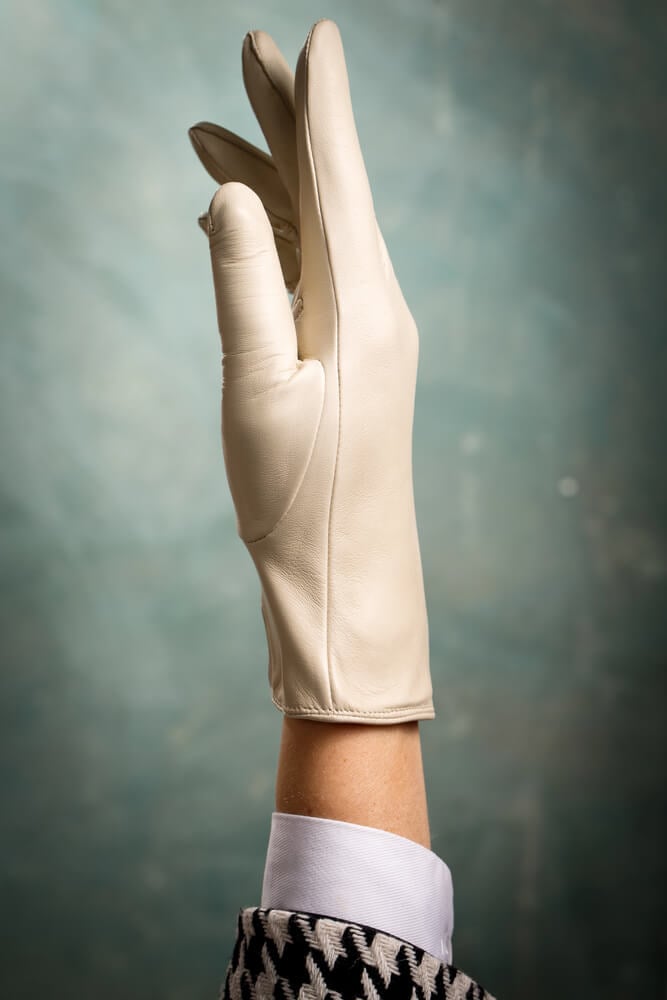
Long gloves made from the skin of young goats were once standard evening wear. Their length is measured in buttons, and a 16-button pair runs well above the elbow.
Condition matters enormously: supple, uncracked leather with intact seams brings far more than a pair that has dried and stiffened.
Shorty Gloves From the 1950s
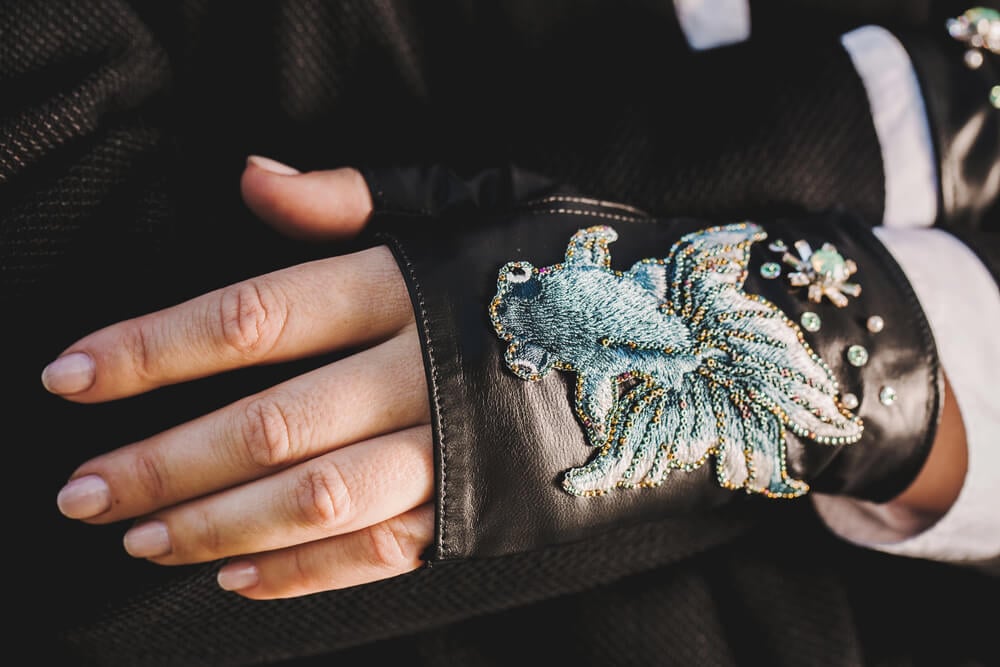
Wrist-length gloves, often in white, tan, or pastel leather, finished a daytime outfit in the postwar years. Women wore them to church, to shop, and to travel.
The best examples retain their original shape and have unstained cuffs.
Driving Gloves
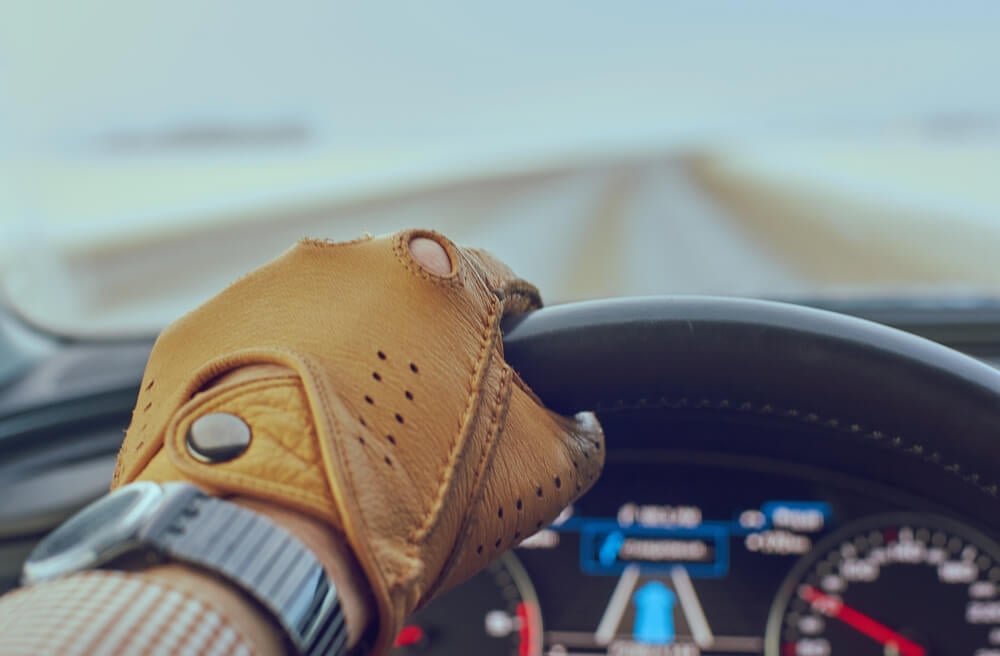
Early motorists wore gloves with perforated backs and open knuckles to keep a firm grip on the wheel. The leather was thin and soft, and the stitching was usually exposed.
A pair that still has its original snap closure at the wrist is a good find.
Riding Gloves
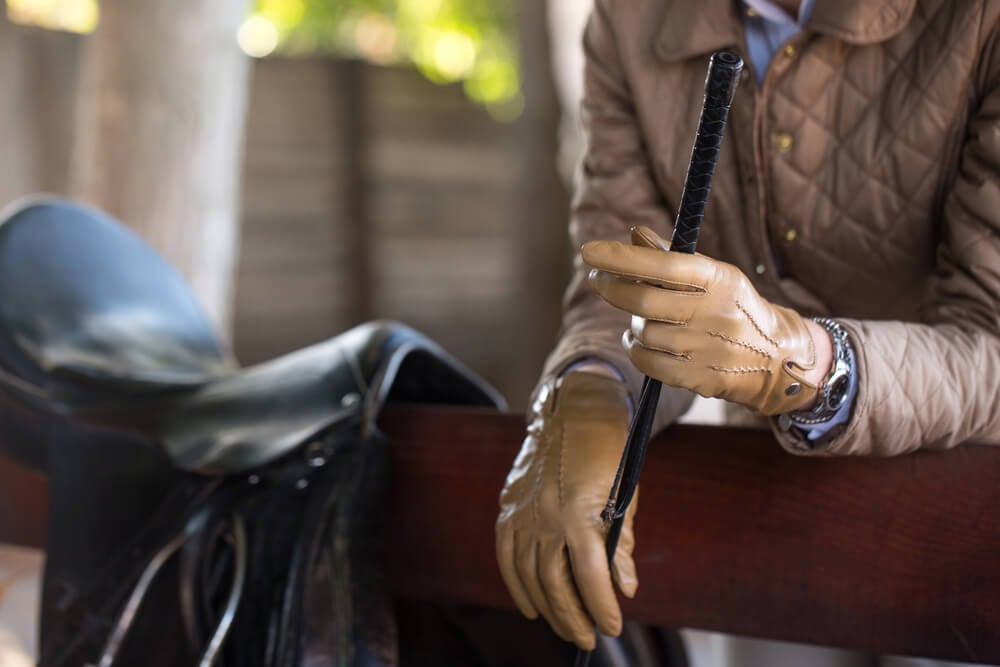
Equestrian gloves were cut to fit tightly over the fingers, with reinforced palms for holding reins. Leather darkened where the reins crossed the hand, leaving a record of the rider’s habits.
Stiff or cracked leather lowers the value, but a well-conditioned pair can look nearly new.
Falconry Gauntlets
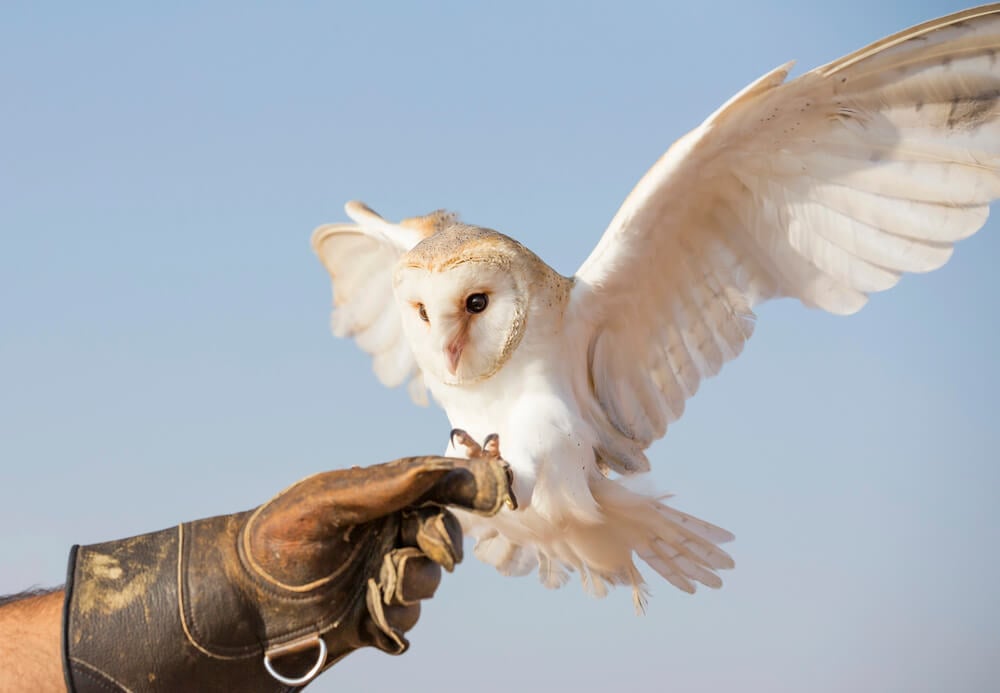
Thick leather gauntlets protect the wrist and forearm from a raptor’s talons. Handmade versions often carry decorative stitching and the maker’s stamp.
Even worn pairs show deep scratches that tell of a working life.
Early Fielder’s Mitts
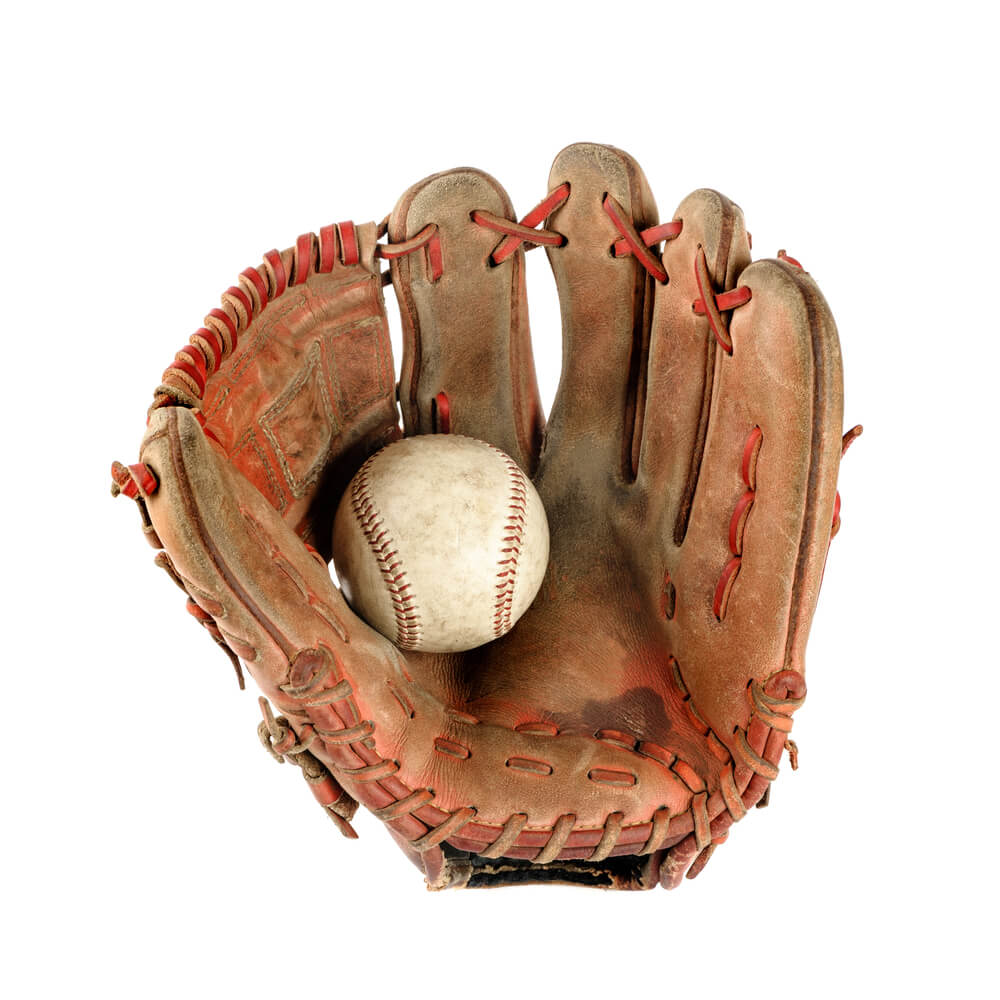
By the late 1800s, players had begun to wear padded leather gloves in the field, and early versions resembled work gloves with a little extra stuffing. They were small, thin, and low-tech compared with modern designs.
Collectors look for maker stamps and well-preserved stitching, and brittle leather affects the price heavily.
Boxing Gloves

The Marquess of Queensberry rules of 1867 required boxers to wear gloves, and manufacturers soon followed. Everlast, founded in 1910 by Jacob Golomb, became one of the best-known names.
Cracked leather and collapsed padding are common, so a pair that has kept its shape is worth a closer look.
Motorcycle Gauntlets
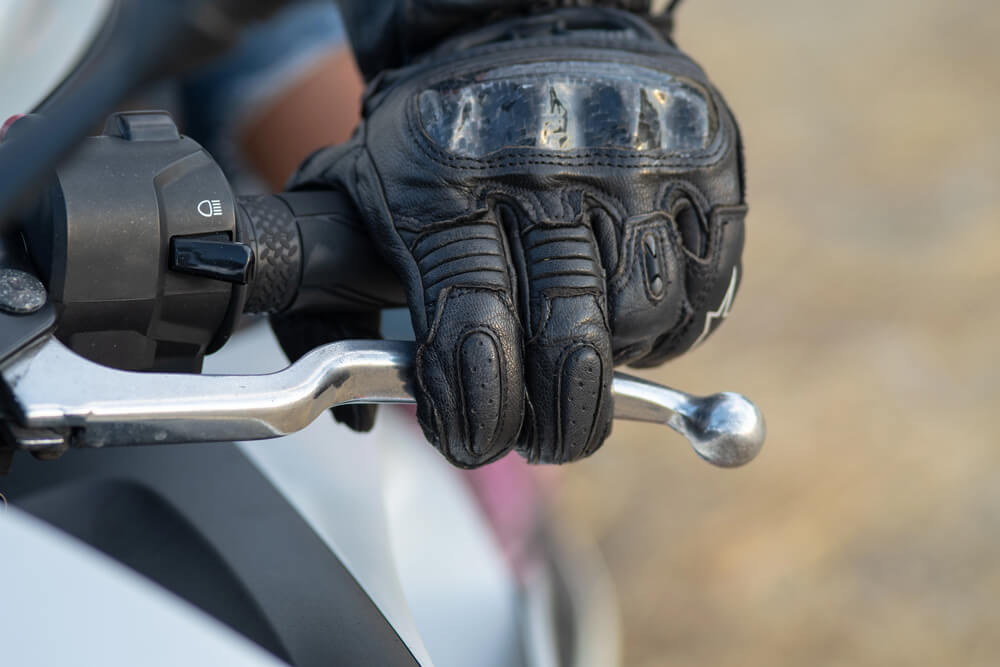
Riders in the early 20th century wore long cuffed gloves to keep wind and dust out of their sleeves. The leather was thick and the lining often wool or fleece.
Surviving pairs sometimes show the pale outline of a rider’s hand on the dark grip.
Aviator Gloves
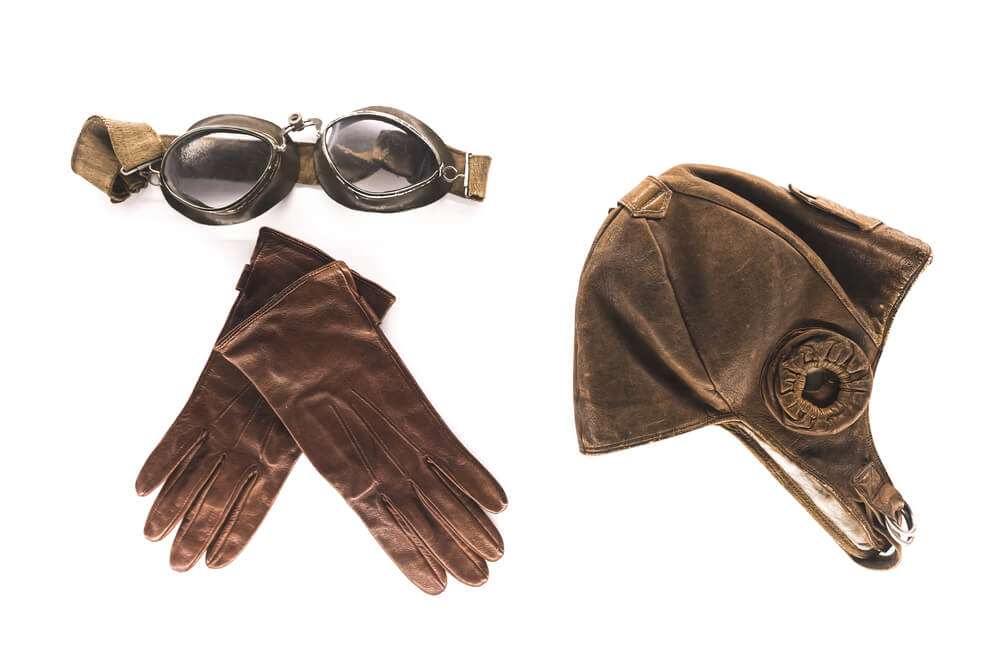
Pilots in open cockpits needed gloves that were warm and still allowed them to handle the controls. Early leather aviator gloves often had fleece linings and generous cuffs.
They are popular with collectors of flight history, and original labels increase interest.
Welding Gauntlets
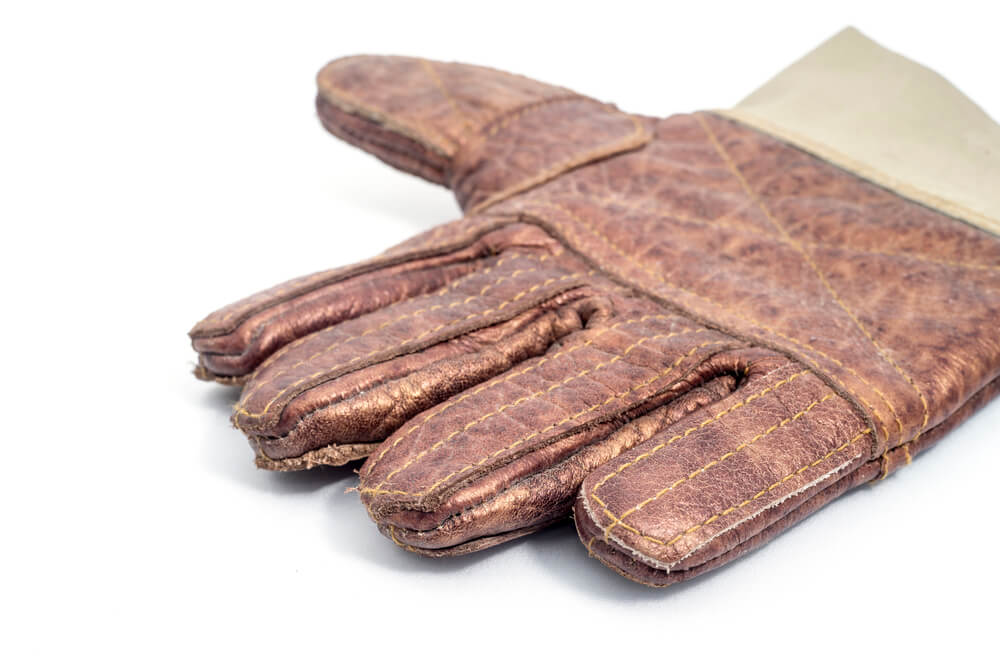
Split cowhide gauntlets protected welders from sparks and heat. They were thick, stiff, and built to last.
Scorch marks and stains are part of their character, and collectors tend to prize pairs that show real use.
Leather Chopper Mitts
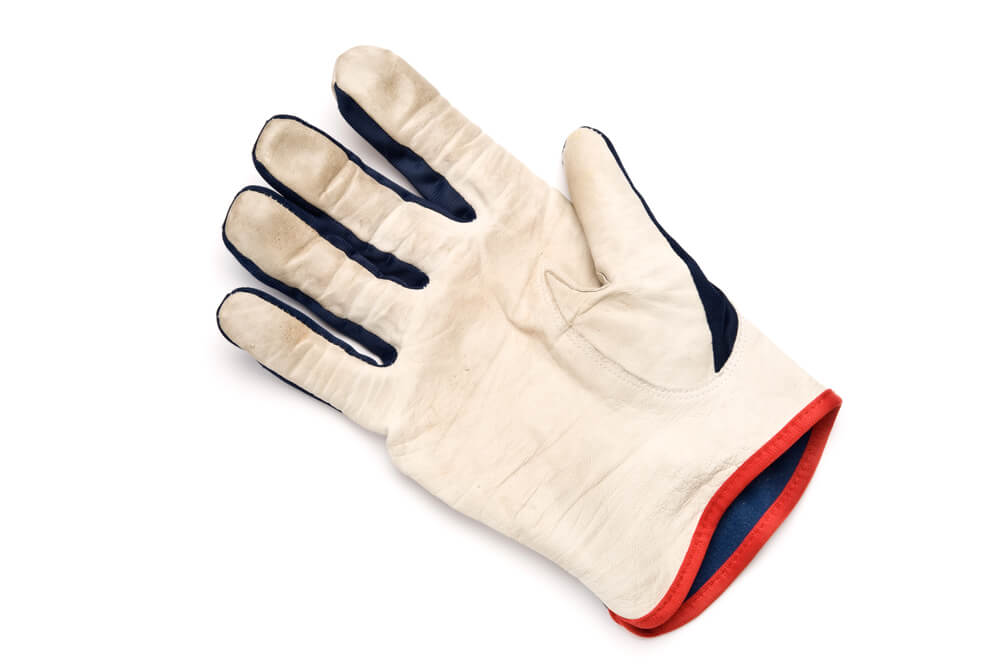
Chopper mitts pair a leather outer shell with a removable wool liner. They were popular with woodcutters, hunters, and anyone who worked outdoors in cold weather.
A matching liner in good shape is a sign of careful storage.
Gardening Gauntlets
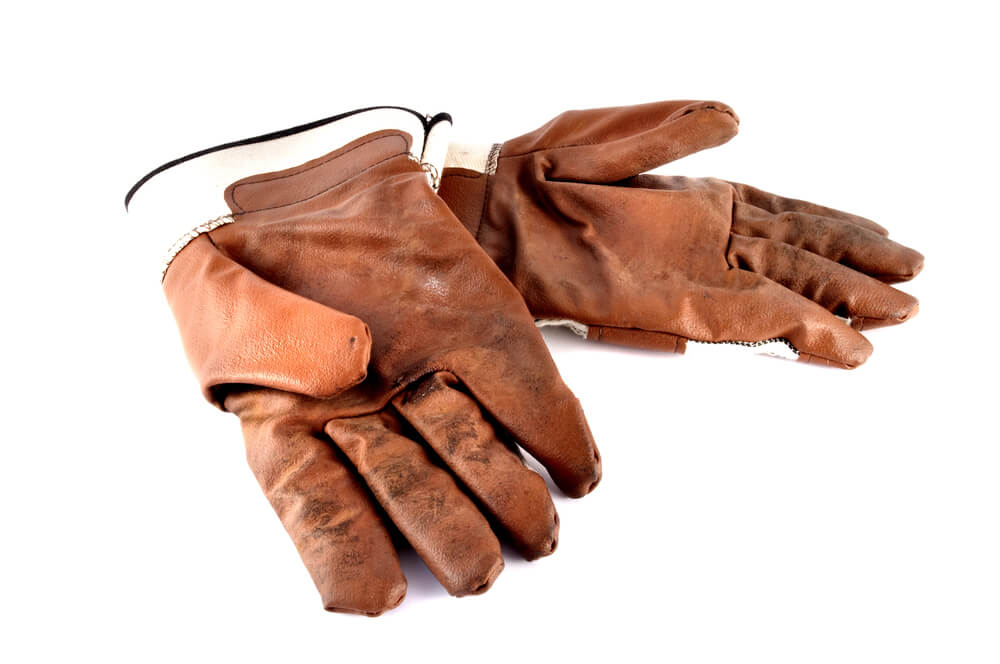
Goatskin and pigskin were favored for gardening gloves because they stayed flexible when wet. Long cuffs protected the wrist from thorns.
Vintage pairs that were stored clean often survive in remarkable condition.
Fencing Gloves
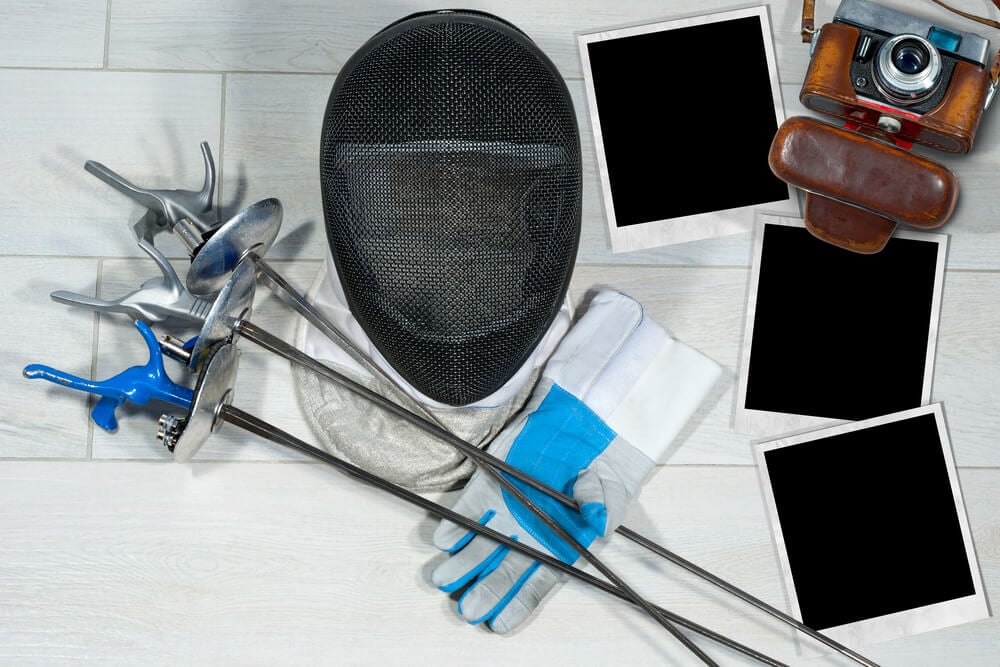
A fencing glove has a flared cuff that covers the sleeve and a firm palm for gripping a foil or sword. Older versions were made of thick leather with a padded back.
Examples from the early 20th century show careful hand stitching.
Shooting Gloves
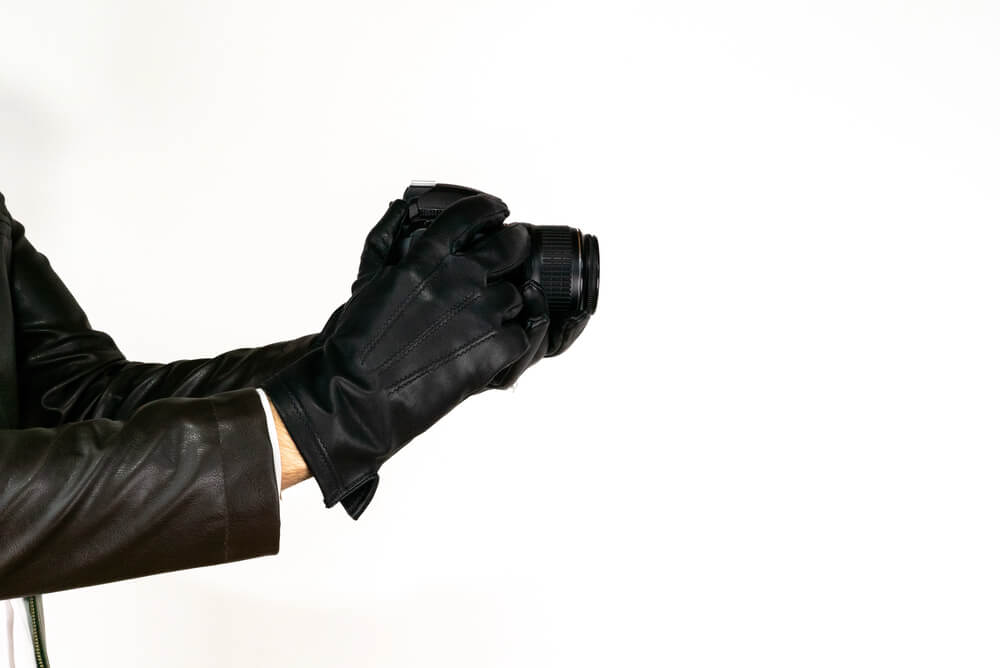
Shooting gloves often have a separate trigger finger or a slit that allows the index finger to work freely. Hunters wore them to keep their hands warm without losing control.
Many were lined with wool or flannel and have a worn spot on the trigger finger.
Suede Gloves
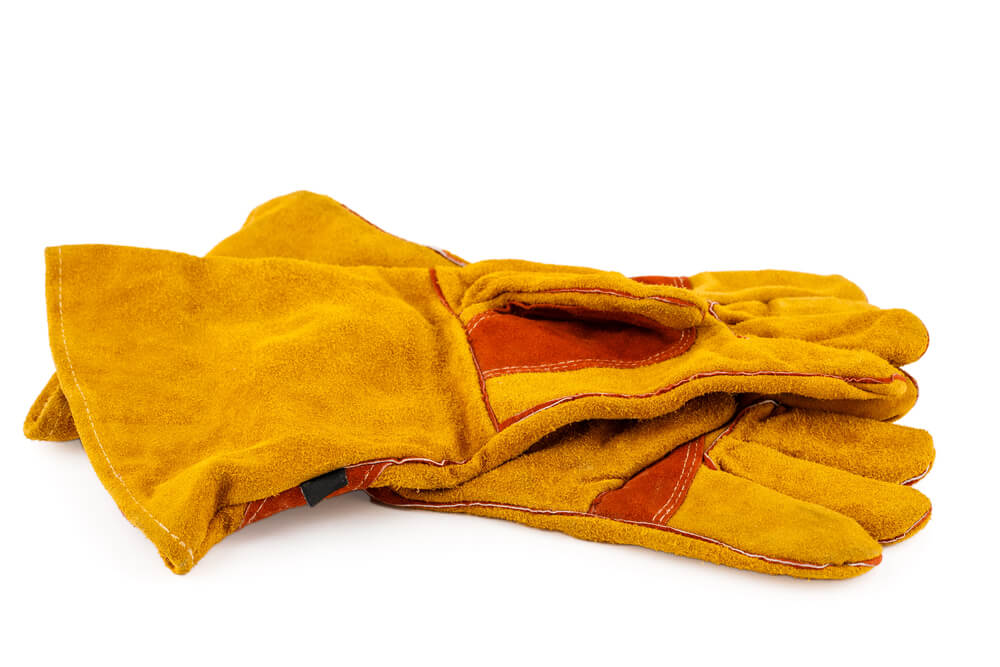
The word suede comes from the French gants de Suède, meaning gloves of Sweden. The soft, napped surface is made from the inner side of the hide.
Suede stains easily, so a clean pair from decades ago is a notable survivor.
Peccary Leather Gloves
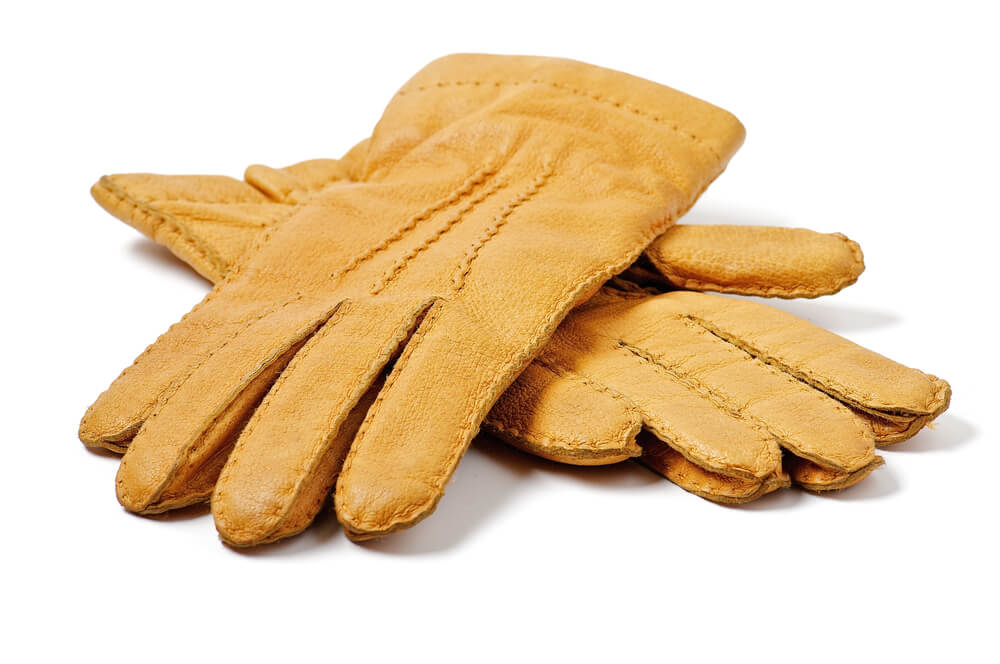
Peccary, a wild pig native to the Americas, produces a leather prized for its softness and durability. Gloves made from it were considered luxury items.
Real peccary has a distinctive pattern of three small marks where the bristles grew.
Gloversville Gloves
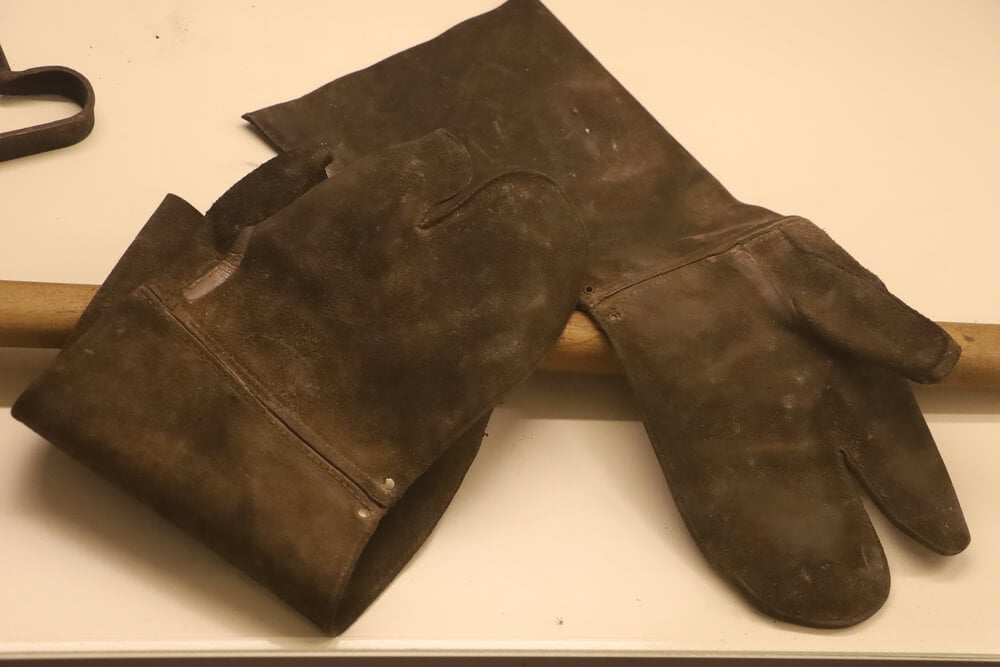
Gloversville, New York, took its name from its leather glove industry, and for many years it was the center of American glove-making. Gloves from its factories often carry a maker’s stamp inside the cuff.
The stamp helps collectors date a pair and trace its origin.
Western Gauntlets
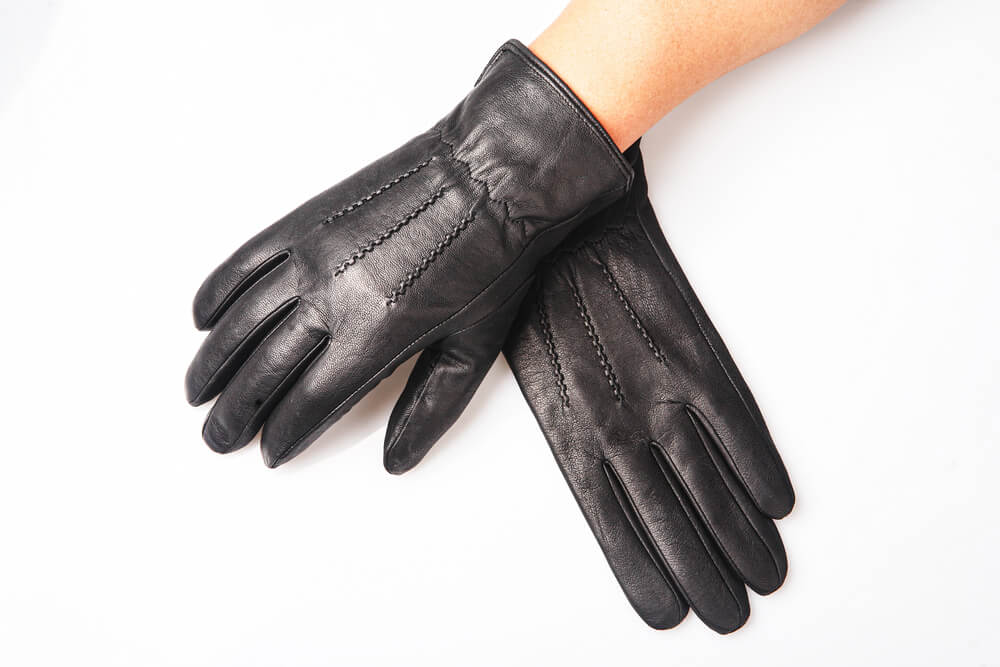
Fringed leather gauntlets with decorative stitching were part of the ranch hand’s wardrobe and later the rodeo performer’s costume. The long cuff protected the wrists while roping or riding.
Hand-tooled examples in good condition draw the most attention.
Fur-Lined Winter Gloves
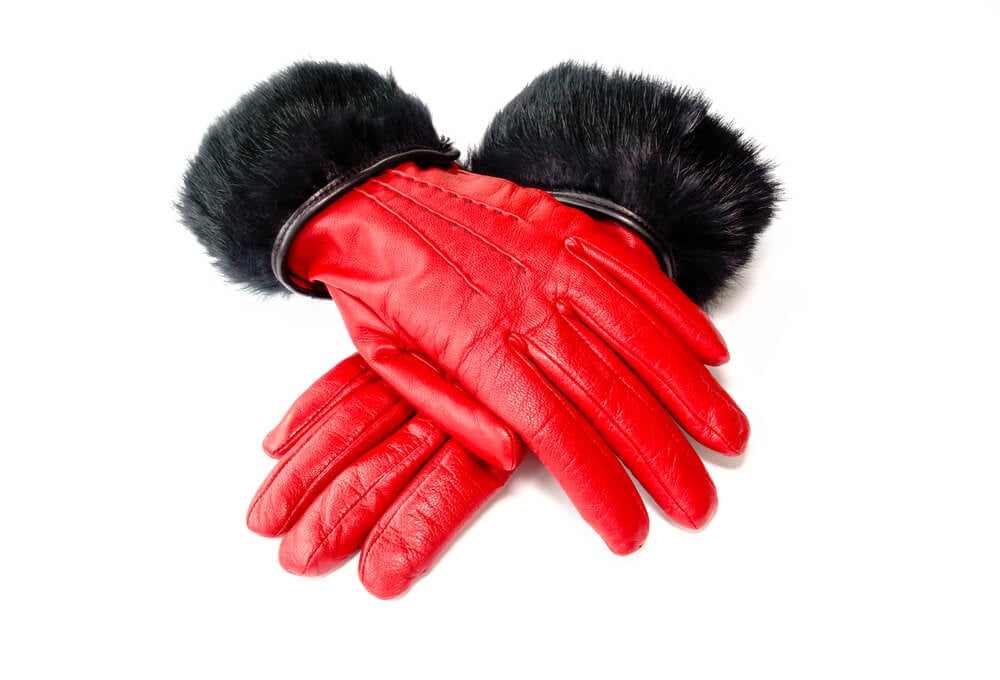
Winter gloves lined with fur or sheepskin offered warmth for sleigh rides and long walks. The lining often outlasts the leather, so check for shedding and moth damage.
A pair with the lining intact is among the most comfortable relics a collector can own.
What Hands Leave Behind
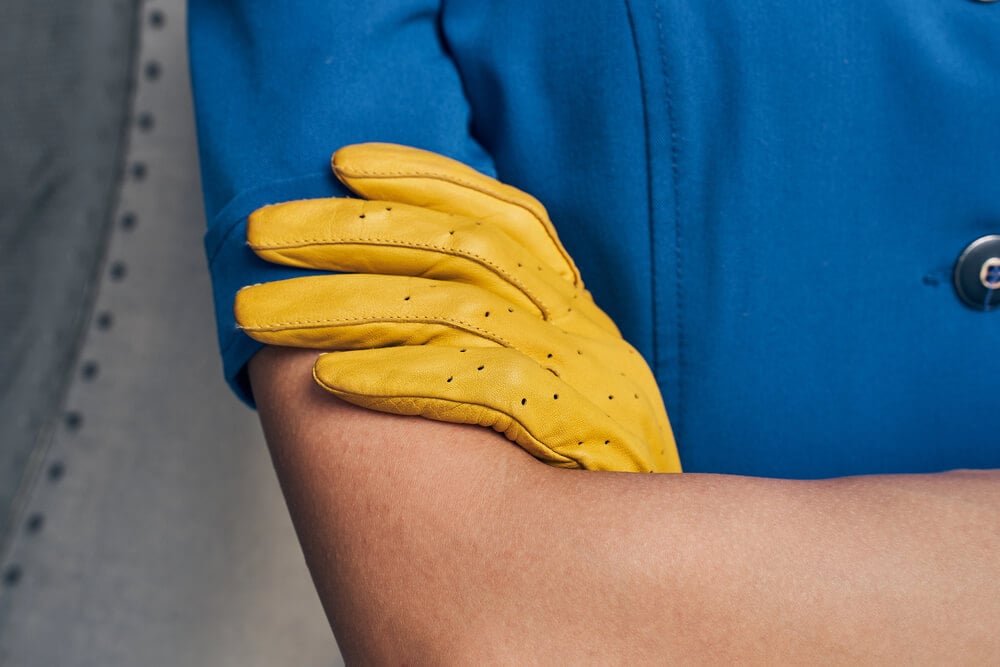
A glove records its owner in small ways. Stretched fingertips, a worn palm, and creases that match the shape of a hand make each pair unique.
That individuality is why a vintage glove feels more like a keepsake than a commodity. The care a pair has received matters as much as its age.
Gloves stored flat in a drawer, kept from heat, and conditioned occasionally can survive for a century. The ones that last are the ones someone took the trouble to save.
More from Go2Tutors!

- 27 Silver Dollars and Half Dollars Worth Keeping
- 28 Restaurant Menu Items Nobody Orders Anymore
- 17 Places Built in Seemingly Impossible Spots
- 27 Vintage Rings Worth More Than They Look
- 25 Restricted Sites Tourists Can’t Enter
Like Go2Tutors’s content? Follow us on MSN.