The Greatest Pop Culture References of the 2000s
The 2000s were wild. Between dial-up internet slowly dying and smartphones taking over, pop culture exploded in ways nobody saw coming.
Movies quoted endlessly at lunch tables, TV shows that everyone talked about the next day, and music that still gets stuck in people’s heads two decades later all shaped how an entire generation communicates. These references didn’t just entertain people back then.
They became the language itself. Let’s dig into the moments that defined a decade and still pop up in conversations today.
Mean Girls changed how people insult each other
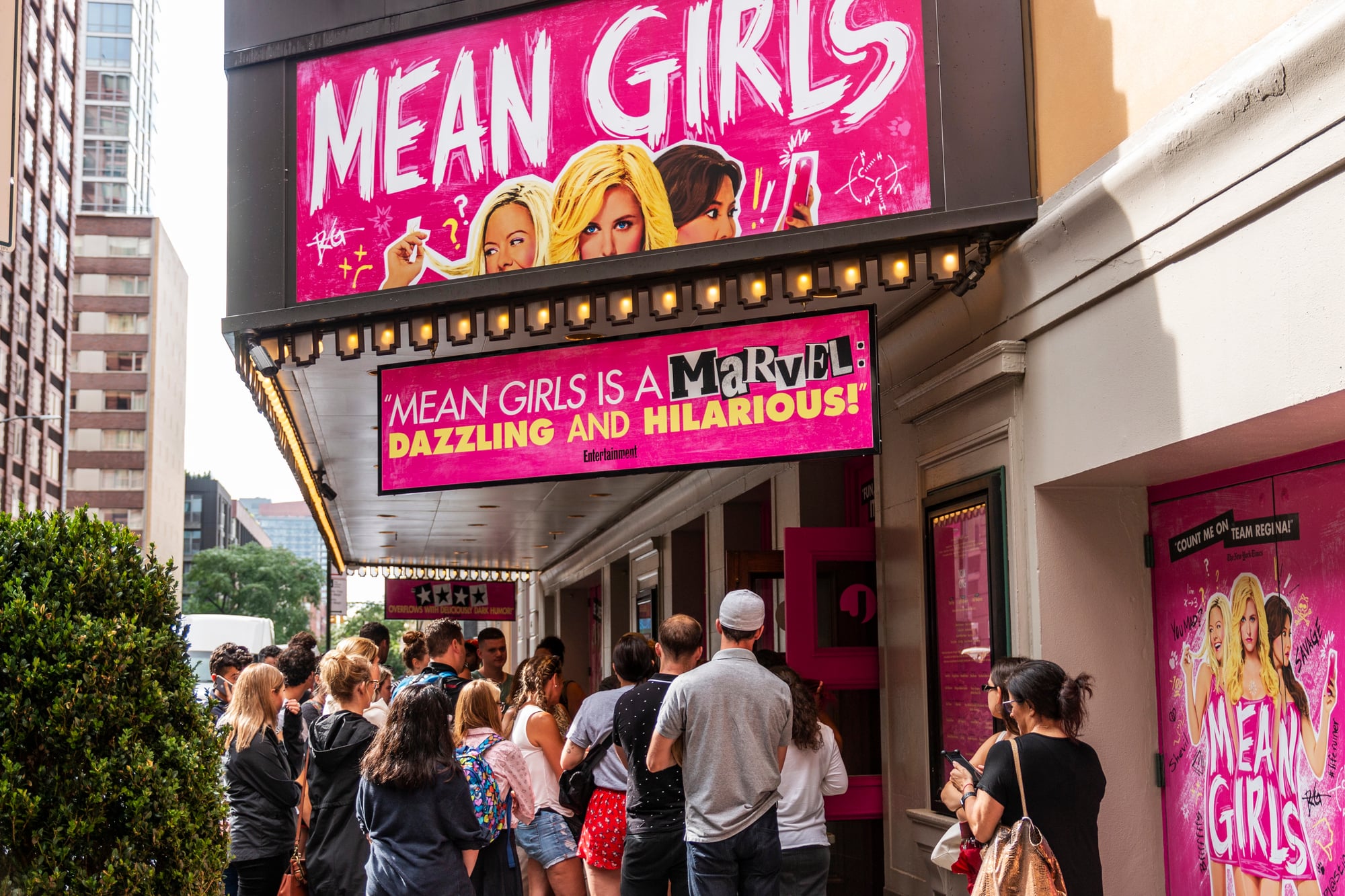
When this 2004 movie hit theaters, it gave the world a whole new vocabulary. Suddenly everyone was calling Wednesday ‘hump day’ and telling people to stop trying to make things happen.
The Plastics became the blueprint for every clique discussion that followed. Regina George’s burn book inspired actual burn books in schools across America, which probably wasn’t the intended effect but happened anyway.
Tina Fey wrote something that felt real enough to quote but funny enough to repeat forever.
iPods made white earbuds iconic
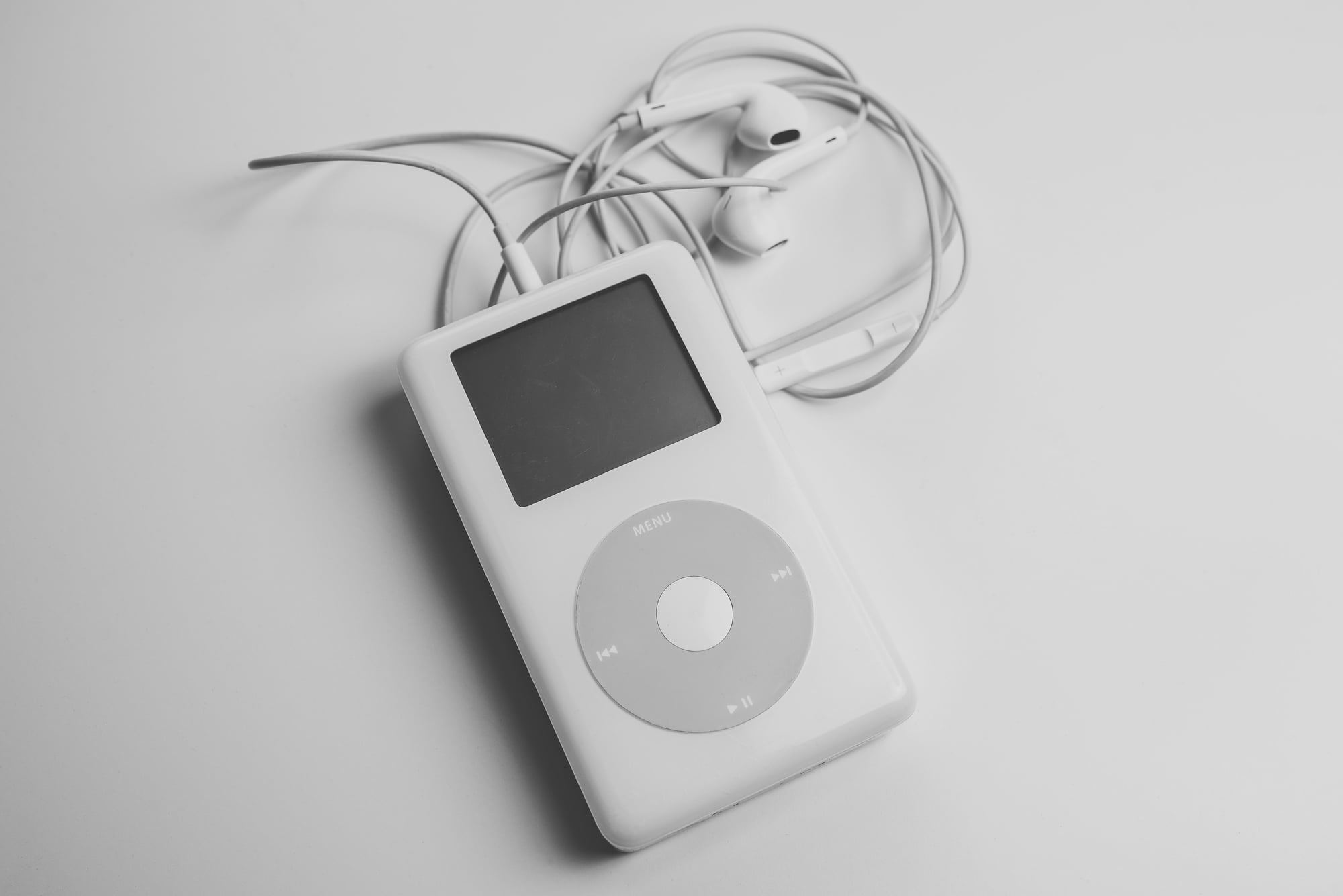
Apple’s little music player turned into a cultural symbol almost overnight. Those distinctive white earbuds told everyone around you that you had good taste and probably some disposable income.
People organized their entire music libraries into playlists with names like ‘Sad Boi Hours’ before that was even a thing. The click wheel became so satisfying to use that some folks missed it even after touchscreens took over.
Carrying 10,000 songs in your pocket felt like living in the future.
Paris Hilton made ‘That’s hot’ a catchphrase
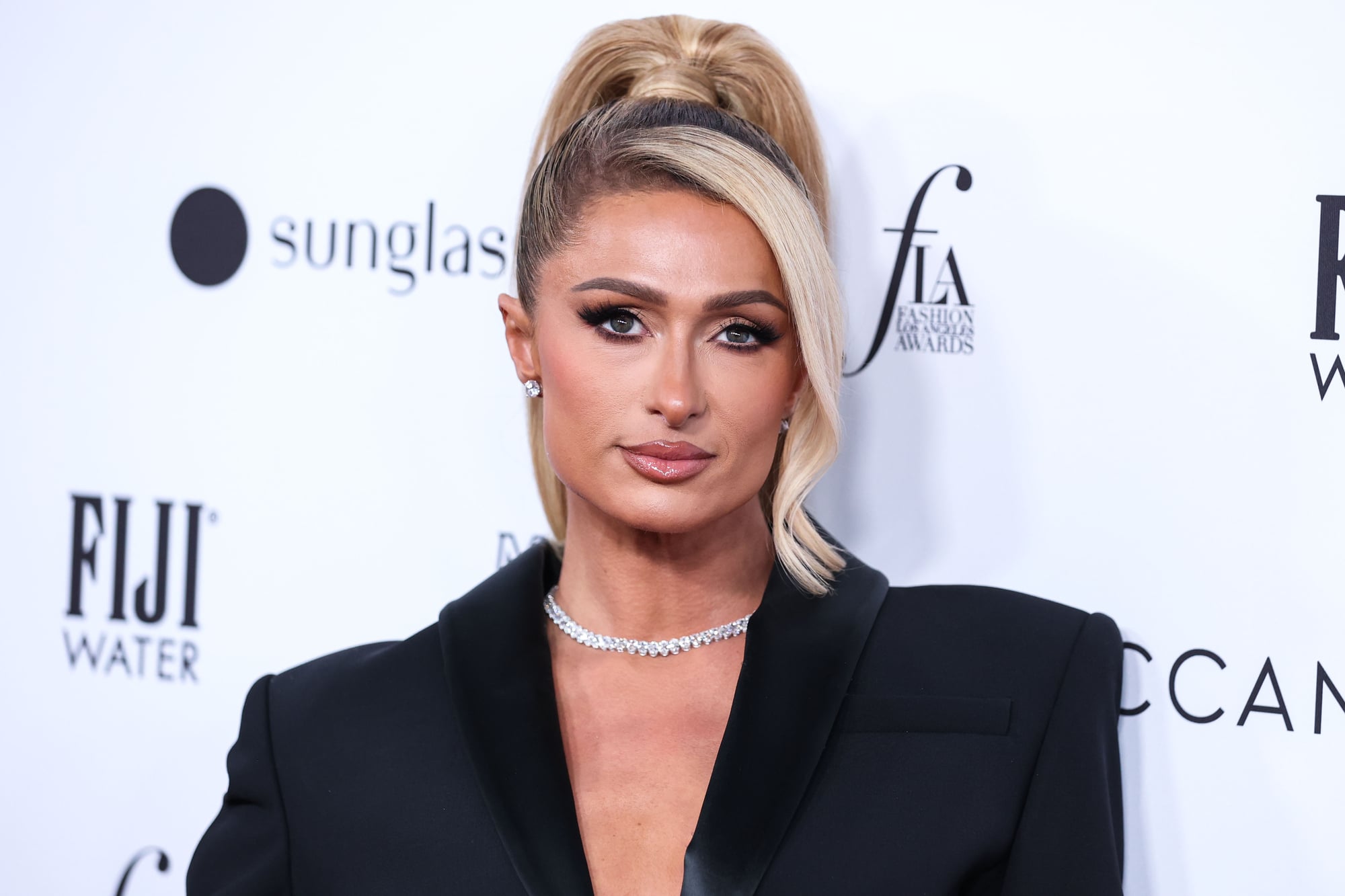
The Simple Life introduced America to Paris Hilton’s deliberately ditzy persona, and her signature phrase spread like wildfire. She turned being rich and somewhat clueless into an entertainment empire.
That tiny dog in her purse became a status symbol for celebrities everywhere. Her pink flip phone and velour tracksuits defined early 2000s fashion whether people want to admit it or not.
Paris proved you could be famous for being famous before social media made that the norm.
Harry Potter shaped an entire generation’s reading habits

J.K. Rowling’s boy wizard dominated the decade with four books and five movies. Midnight release parties at bookstores became massive cultural events where people dressed up and camped out for hours.
Kids who never read before suddenly devoured 800-page novels in days. The movies turned relatively unknown British actors into household names and made everyone wish they’d gotten their Hogwarts letter.
Sorting yourself into houses became a personality trait that people still mention on dating apps.
YouTube changed entertainment forever
When three guys launched this video site in 2005, nobody predicted it would replace television for millions of people. Charlie Bit My Finger and Evolution of Dance racked up view counts that traditional media couldn’t comprehend.
Regular people became celebrities just by filming themselves in their bedrooms. The comment section gave everyone a voice, which was both amazing and terrible simultaneously.
Suddenly anyone with a camera and internet connection could potentially reach millions.
Napoleon Dynamite became the unlikely comedy king
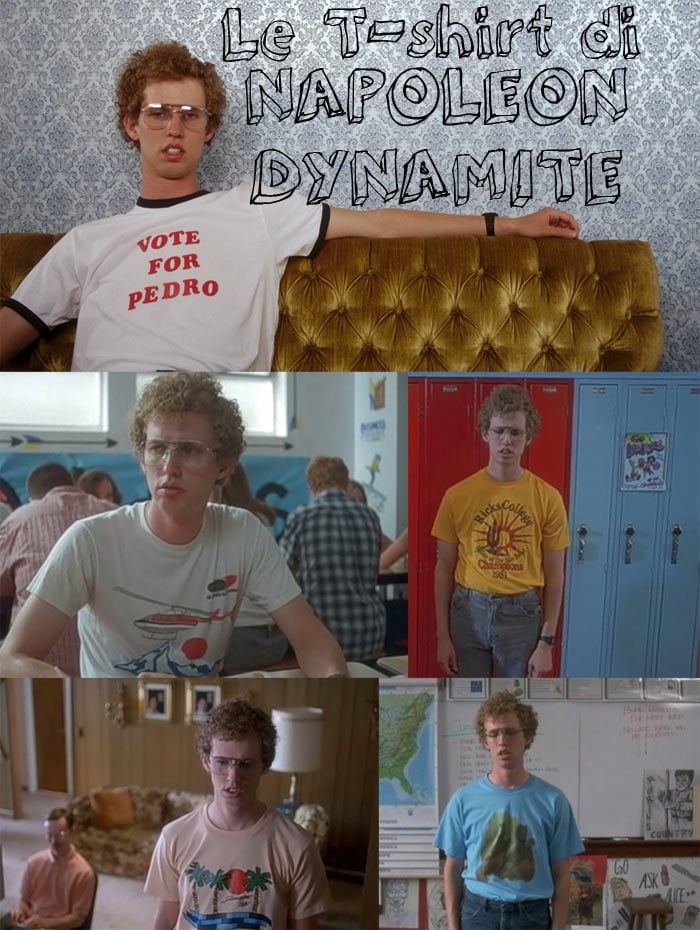
This bizarre indie film about an awkward teenager in Idaho somehow became a massive hit in 2004. Everyone started saying ‘Gosh!’ and asking people to vote for Pedro.
The dance scene at the end inspired countless recreation attempts at school talent shows. Its deadpan humor and quotable lines spread through high schools faster than actual popular kids could keep up.
The movie proved you didn’t need a big budget or famous actors to create something people obsessed over.
Flip phones were the ultimate cool factor
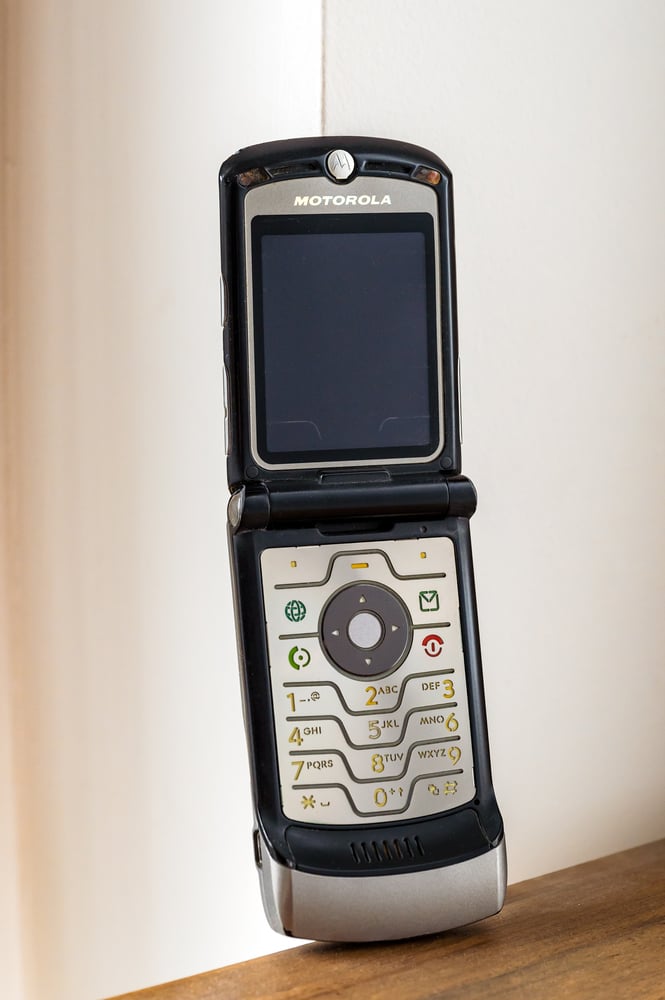
Snapping your Motorola Razr shut after a call made everyone feel like they were in The Matrix. These slim devices came in colors like hot pink and electric blue that matched your outfit.
T9 texting required actual skill and patience that younger generations will never understand. The satisfying click of closing a flip phone ended conversations with authority that touchscreens just can’t match.
Everyone wanted the thinnest, sleekest model even though they all did basically the same thing.
The O.C. gave California a new reputation
This teen drama made Newport Beach look like the most dramatic place on earth. Ryan Atwood’s wife-beater undershirts became a character unto themselves.
Chrismukkah entered the cultural lexicon as Seth Cohen’s made-up holiday. The show launched indie music careers by featuring bands nobody had heard of yet on every episode.
Summer’s nickname ‘Captain Oats’ for her stuffed horse was the kind of weird detail that made the show feel real despite all the mansion drama.
Myspace created social media as we know it

Before Facebook took over, Myspace let people customize their profiles with glittery graphics and auto-playing music. Your Top 8 friends caused more drama than any reality show.
Learning basic HTML to pimp out your page taught a generation some actual coding skills. Tom from Myspace was everyone’s first friend, making him possibly the most connected person on earth.
The site gave bands a way to share music directly with fans without needing a record label.
Borat made people uncomfortable on purpose
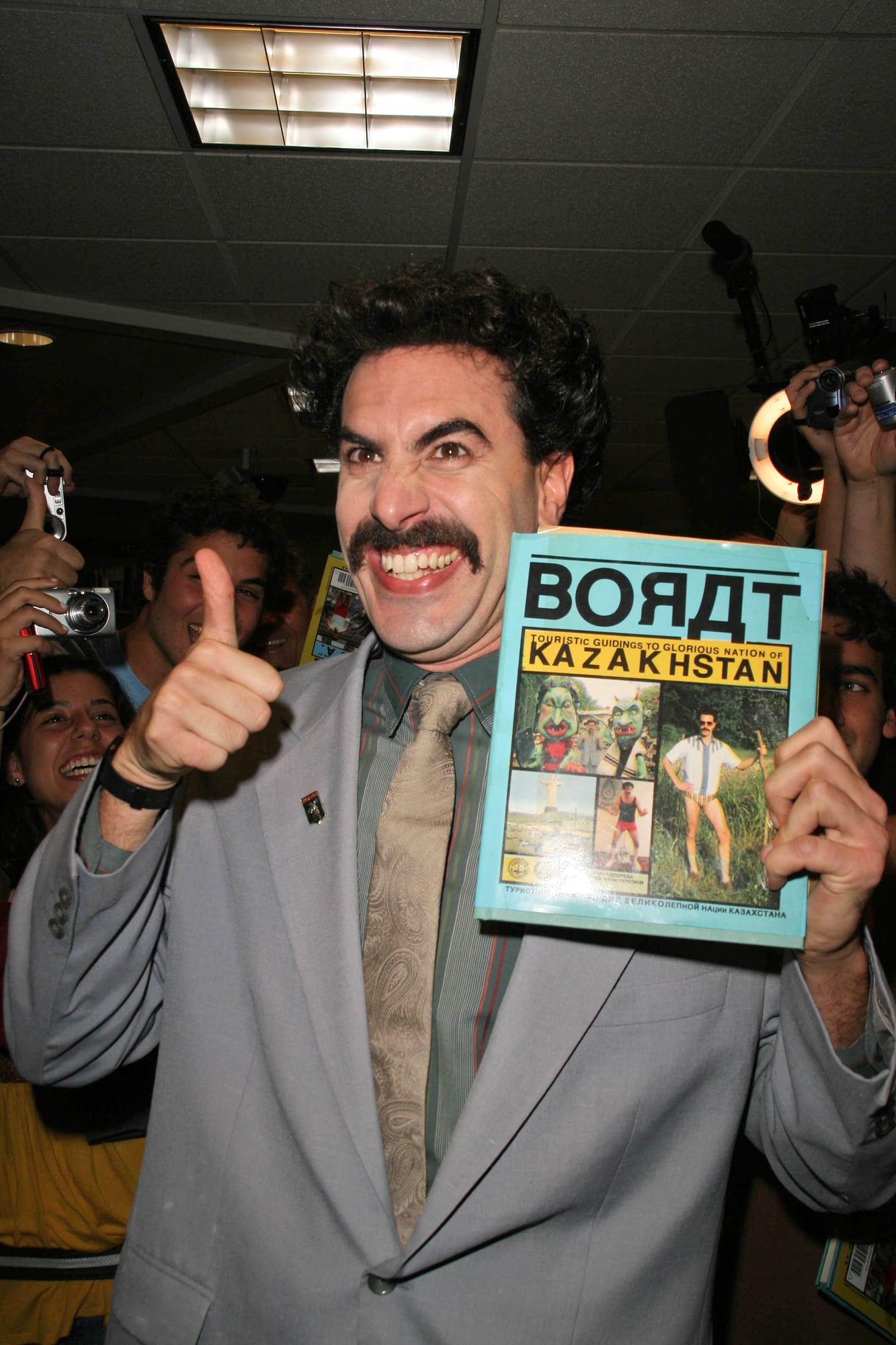
Sacha Baron Cohen’s fake Kazakh journalist pushed boundaries in 2006 that most comedians wouldn’t touch. The mankini became an image nobody could unsee no matter how hard they tried.
His catchphrases like ‘Very nice!’ and ‘My wife!’ got repeated in terrible accents everywhere. The movie tricked real people into revealing their actual prejudices on camera, which was brilliant and cringeworthy.
It proved that mockumentary comedy could work on the big screen if someone was brave enough.
American Idol dominated television ratings
This singing competition turned unknowns into superstars and made Simon Cowell America’s favorite villain. Every Wednesday and Thursday night, people gathered to watch contestants sing for their lives.
Kelly Clarkson and Carrie Underwood proved the show could launch real careers, not just reality TV fame. Randy Jackson’s ‘Dawg’ and Paula Abdul’s confusing compliments became part of the show’s charm.
Voting via text message made audiences feel involved in ways previous talent shows never managed.
Lost kept everyone guessing for six years
This mysterious island drama launched in 2004 and turned water cooler conversations into full-blown theory sessions. Everyone had opinions about the smoke monster, the numbers, and what the heck was happening.
The show basically required viewers to take notes and compare theories online between episodes. Jack’s ‘We have to go back!’ became one of television’s most memorable freakout moments.
It proved audiences would stick with complicated storytelling if you gave them enough mystery to chew on.
Juicy Couture tracksuits became status symbols

These velour zip-ups with ‘Juicy’ written across the backside cost way too much for what they were. Every celebrity got photographed wearing them to the grocery store or airport.
The matching sets came in every color imaginable, and people collected them like Pokemon cards. Pairing them with Ugg boots completed the look that defined early 2000s casual fashion.
The trend was so specific to this era that seeing someone wear one now feels like opening a time capsule.
Pirates of the Caribbean made pirates cool again
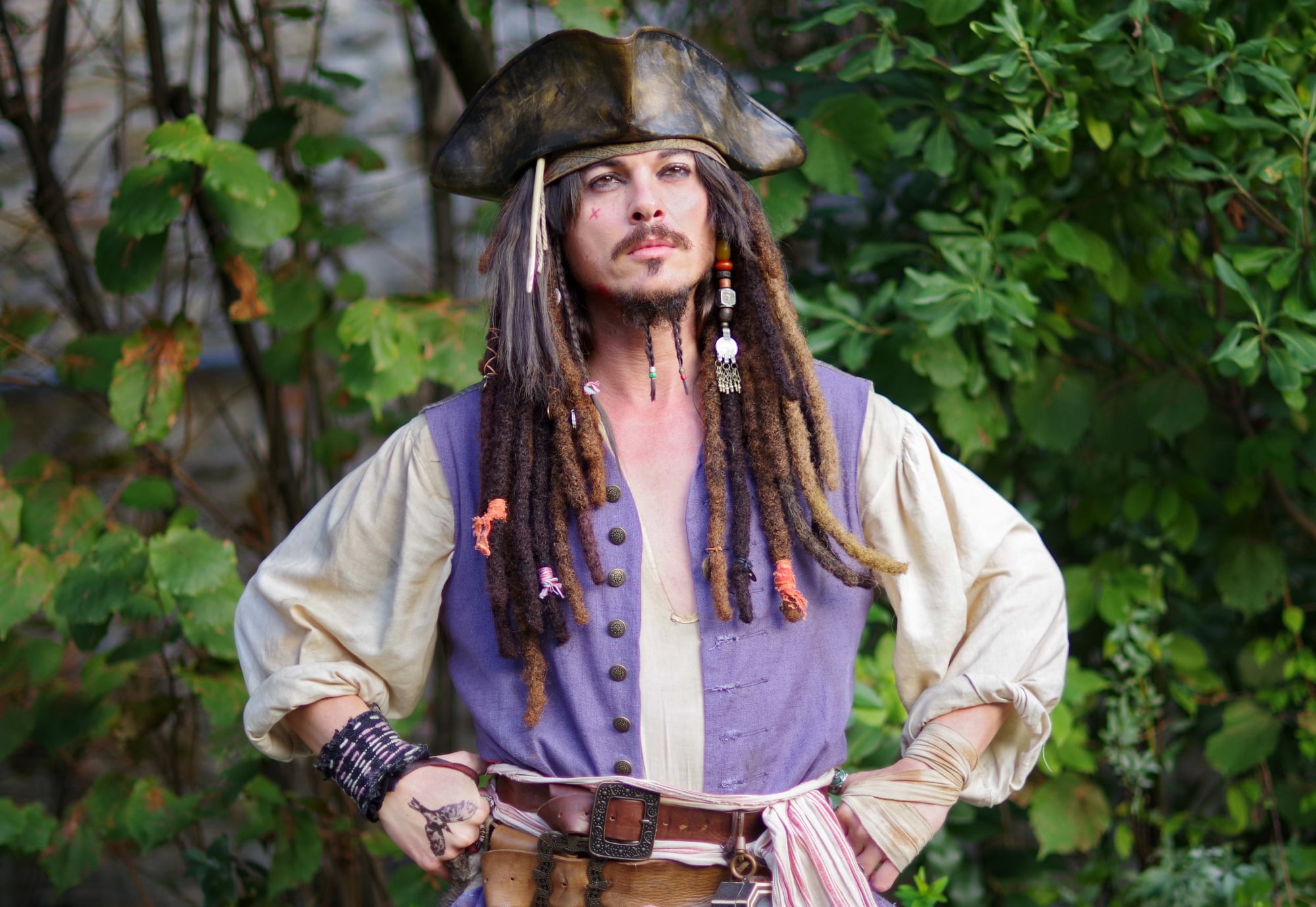
Johnny Depp’s Captain Jack Sparrow stumbled onto screens in 2003 and changed pirate movies forever. His Keith Richards-inspired performance was so weird that Disney executives initially panicked.
The ‘Why is the rum gone?’ scene became endlessly quotable at parties. Jack’s wobbly walk and slurred speech made kids want to dress as pirates for Halloween again.
The franchise proved that theme park rides could inspire massive box office hits if done right.
Snakes on a Plane embraced internet hype
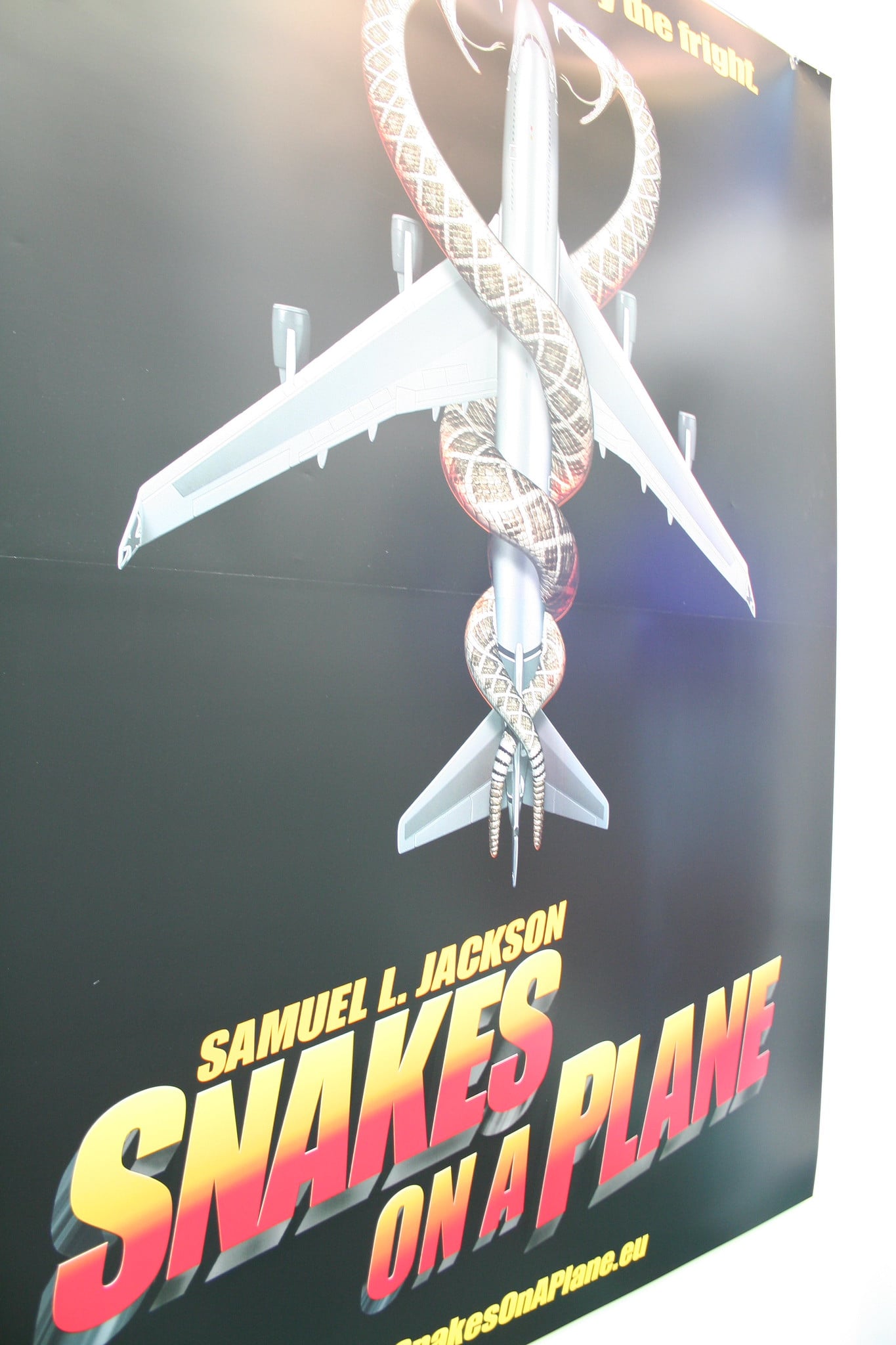
This 2006 movie became famous before it even came out thanks to its ridiculous title. Samuel L. Jackson’s involvement and the absurd premise made it a meme before memes dominated culture.
The studio actually added scenes based on fan suggestions from online forums. People showed up to theaters ready to have fun with how silly the whole concept was.
It demonstrated how internet buzz could drive people to theaters even for movies they knew would be terrible.
The Sopranos changed prestige television

HBO’s mob drama proved that television could match cinema in quality and complexity. Tony Soprano’s therapy sessions gave audiences insight into a mobster’s mind in ways movies never could.
The show’s abrupt ending sparked debates that continue today about what actually happened. James Gandolfini’s performance set the standard for every antihero protagonist that followed.
It paved the way for the golden age of TV that exploded later in the decade and beyond.
Low-rise jeans pushed how much people could tolerate
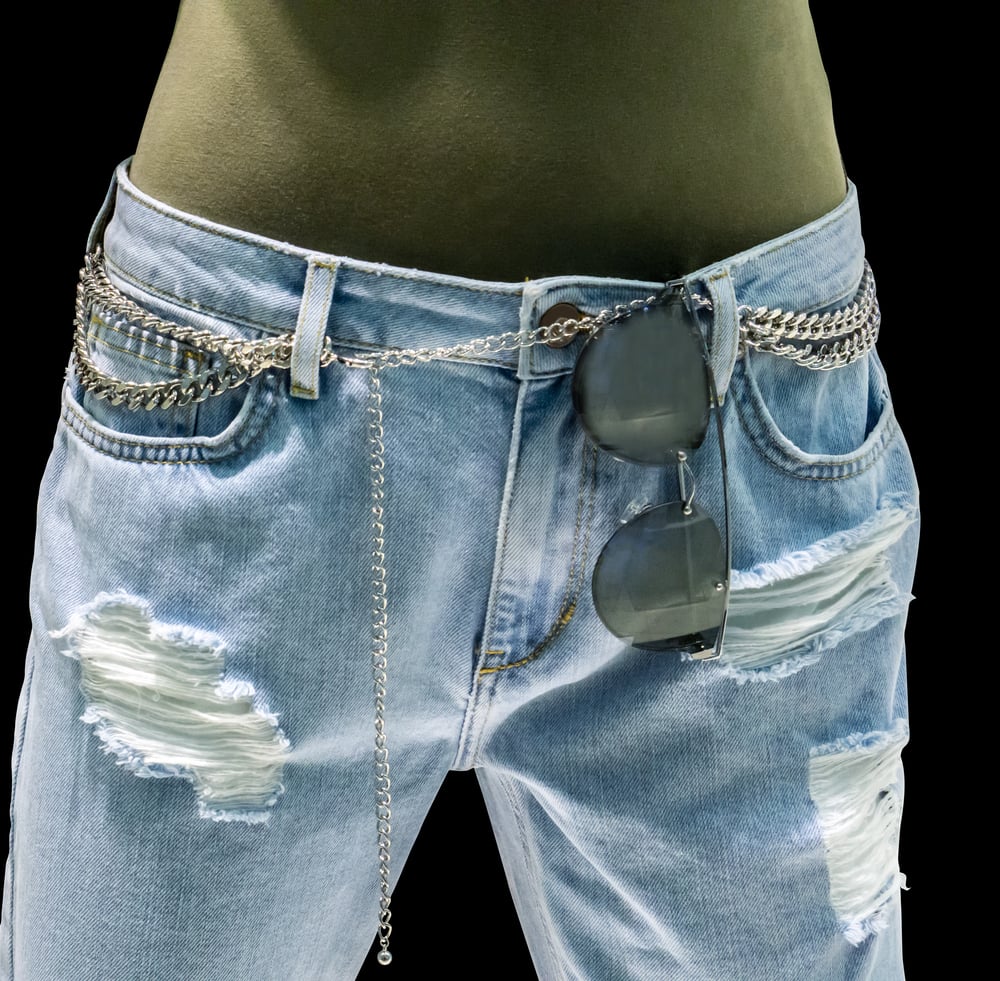
This style hung so low on the waist that just getting upright felt like a puzzle. Not even close calls with exposed underwear stopped stars like Britney or Christina from rocking it smooth.
That sliver of fabric poking over pants – yeah, the whale tail – got treated like a bold choice. Wearing these meant dealing with awkward shifts every time you moved, which is why nobody missed them when they vanished.
Now, old pics from those days spark more confusion than nostalgia. Reality shows popped up everywhere you’d least expect – suddenly they were on cooking, dating, even farming – with no warning at all
Reality TV blew up thanks to shows such as Survivor, The Bachelor, and Real World – suddenly anyone could become a star overnight. Instead of acting, folks gained fame by munching insects, dating under bright lights, or simply sharing a home packed with hidden cameras.
Even though it was staged, the tension seemed genuine, pulling viewers right in. Since these programs were cheaper than scripted series, networks kept churning them nonstop.
Bit by bit, they reshaped how we see entertainment, revealing that everyday people in tricky setups drew big crowds.
Where do those links hang out these days?

Those pop culture moments didn’t vanish once 2010 hit. Instead, they helped form how younger folks chat, crack jokes, or enjoy media today.
Back then, the decade laid the groundwork for trends going wild – long before anyone called it that. Since streaming platforms still carry those old films and series, teens now find them and scratch their heads at things like flip phones or Myspace.
Pop culture’s quicker these days, yet no moment hits quite like when the web felt fresh – back when TV and magazines still called the shots. These nods pop up ’cause they echo an era we all shared shows, stories, and songs before filters carved us into isolated pockets.
More from Go2Tutors!

- The Romanov Crown Jewels and Their Tragic Fate
- 13 Historical Mysteries That Science Still Can’t Solve
- Famous Hoaxes That Fooled the World for Years
- 15 Child Stars with Tragic Adult Lives
- 16 Famous Jewelry Pieces in History
Like Go2Tutors’s content? Follow us on MSN.