20 American Buildings That Once Housed Newspapers
For about a century, a newspaper was a heavy industrial product, and it needed a heavy industrial home. Presses weighed tons, newsprint arrived by the truckload, and the people who wrote the stories wanted to be seen doing it.
The result was a generation of buildings that were part factory, part billboard, and part monument to a publisher’s ego. Most of those papers have shrunk, moved out, or vanished.
The buildings had more varied fates, and some are now apartments, some are offices, and a few are only photographs. Here are twenty that tell the story.
Tribune Tower, Chicago
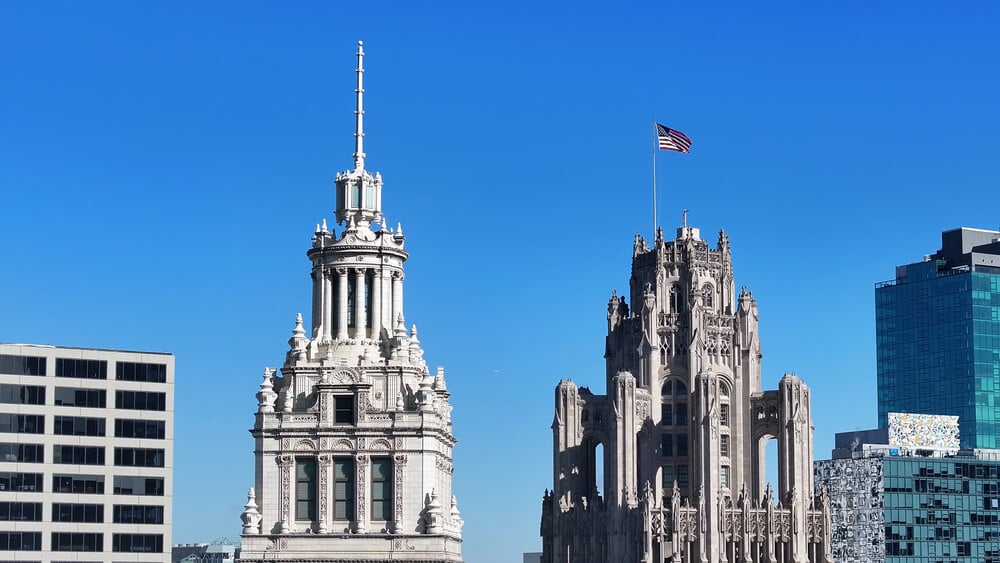
The Chicago Tribune ran an international design competition for its headquarters, and Howells & Hood won it with a Gothic tower that opened on North Michigan Avenue in 1925. The base is studded with fragments of famous structures, including pieces of the Great Pyramid, the Parthenon, and the Taj Mahal, gathered by correspondents and visitors from around the world.
The newspaper eventually left, and the tower has since been converted into residences. Its stone souvenirs are still in the walls.
New York World Building
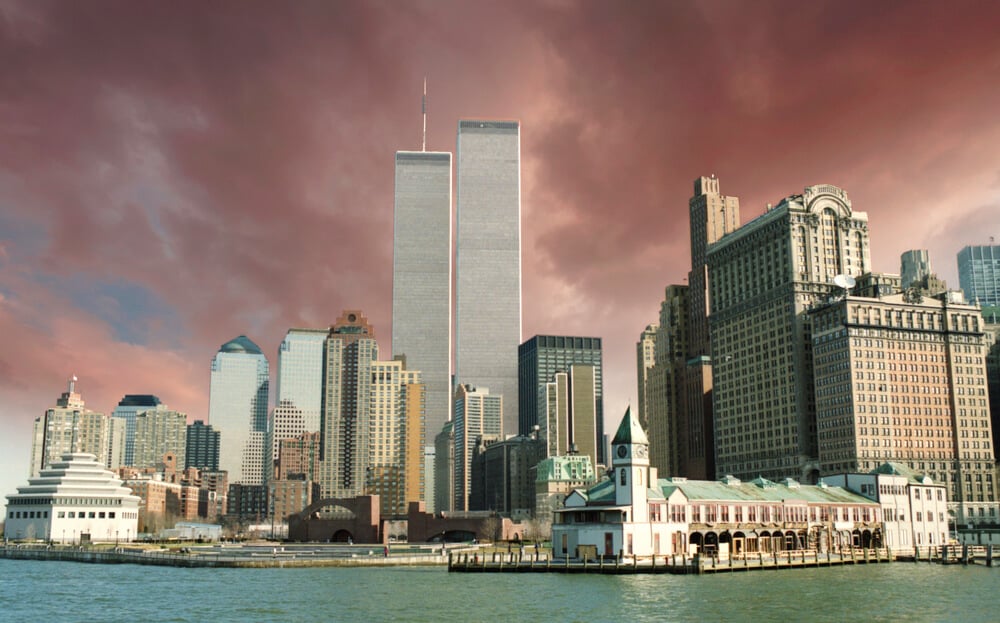
Joseph Pulitzer’s New York World moved into its Park Row headquarters in 1890, a George B. Post design crowned with a gilded dome. At 309 feet, it was among the tallest buildings in the city until the Park Row Building overtook it in 1899.
The paper’s presses ran in the basement, and its editors worked high above the street under the dome. The building was demolished in 1955 to make room for approach ramps to the Brooklyn Bridge.
One Times Square
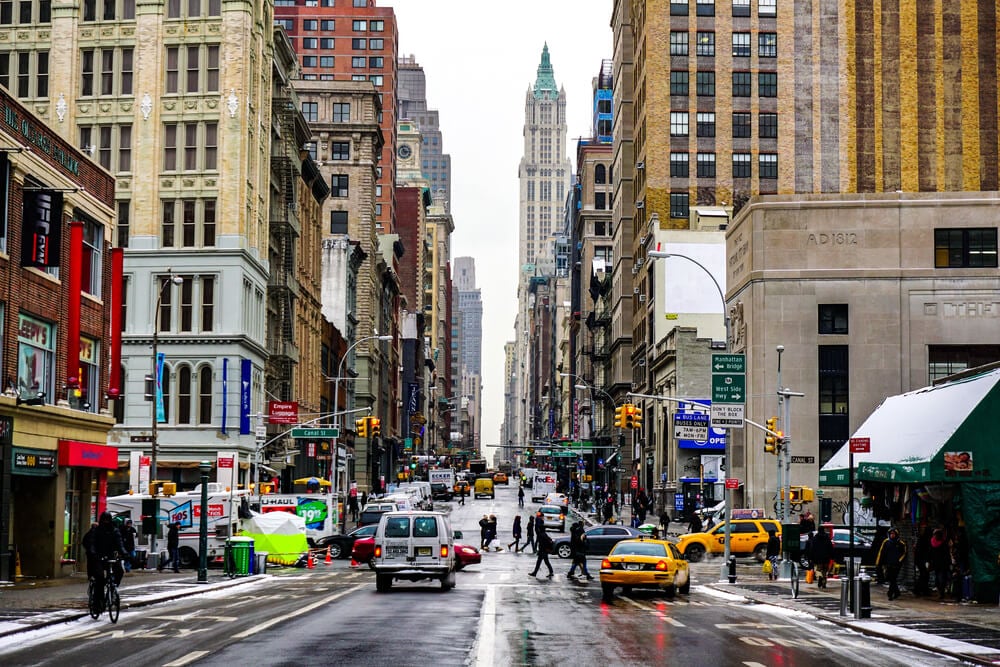
The New York Times commissioned this narrow tower from Eidlitz & McKenzie, and it opened in 1904 on the plot that soon gave the surrounding district its name. The paper threw a fireworks party on opening night, and the New Year’s Eve countdown that began on its roof in 1907 became a worldwide ritual.
The Times moved to West 43rd Street in 1913, long before the tradition peaked. Today the building is better known for its wall of advertising than for anything that was ever printed inside.
New York Tribune Building
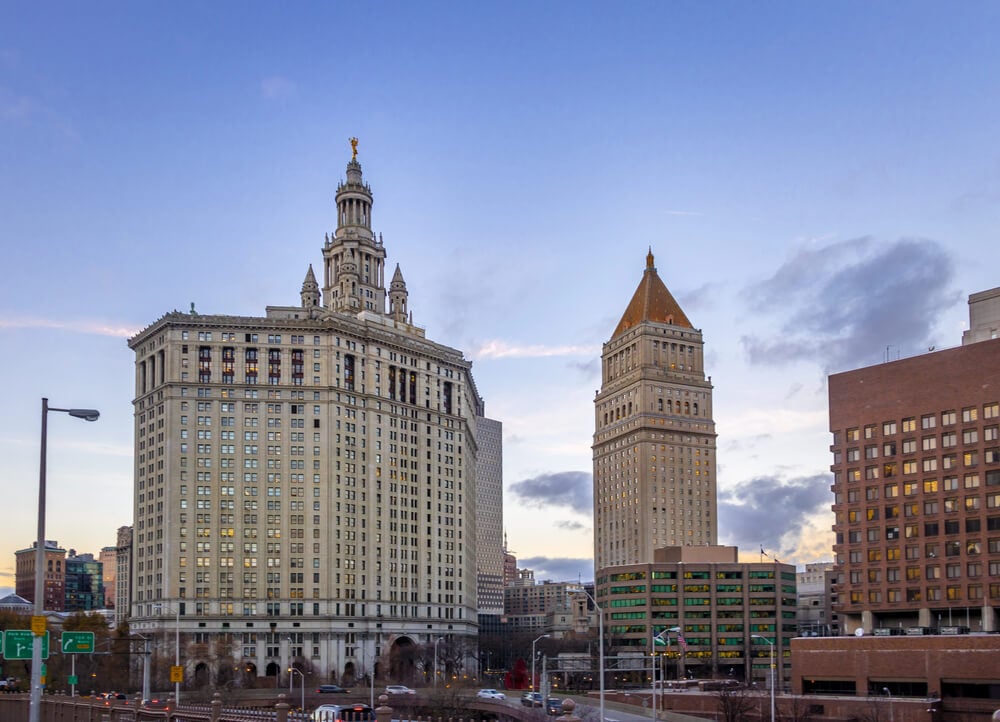
Richard Morris Hunt designed the Tribune’s Park Row headquarters, which opened in 1875 with a clock tower rising roughly 260 feet above lower Manhattan. Horace Greeley’s old paper occupied a place of honor on Newspaper Row, where rival publishers competed for the tallest and loudest facades.
The tower was a landmark for decades, then fell to the wrecking crew in 1966. Pace University’s expansion now occupies the neighborhood.
Daily News Building
The Daily News Building at 220 East 42nd Street, designed by Howells & Hood and finished in 1930, is a brick-striped Art Deco slab with a lobby centered on an enormous revolving globe. The design was so convincing as a fictional newspaper that the 1978 film Superman used it as the home of the Daily Planet.
The paper itself left in the 1990s and moved west to a smaller address. The tower remains in use as offices, with its famous lobby intact.
Los Angeles Times Building
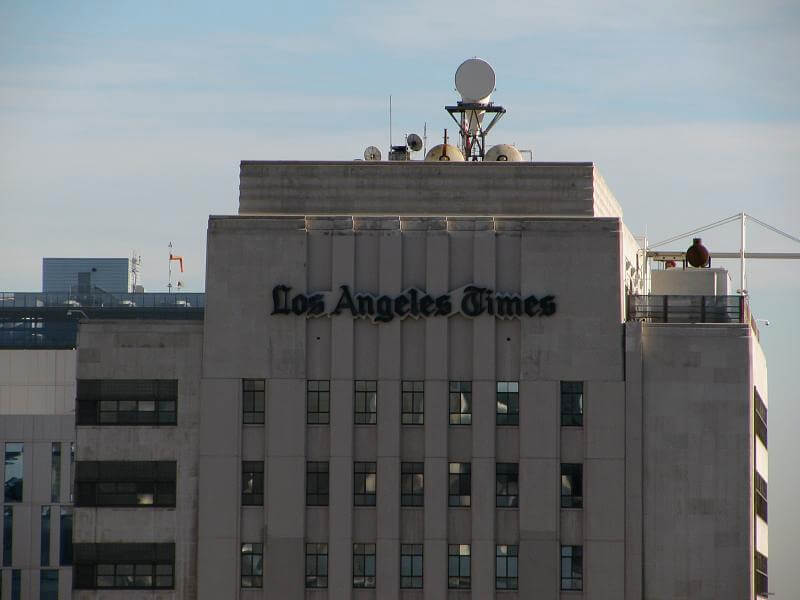
Gordon Kaufmann’s Streamline Moderne design opened in 1935 as the centerpiece of Times Mirror Square, a downtown complex that covered an entire city block. The lobby holds a dramatic globe and a mural-lined hall that made it one of the most photographed newsroom entrances in the country.
The Times sold the property and relocated its operation to El Segundo in 2018. The old headquarters now stands as a development site and a preservation argument.
Chicago Daily News Building
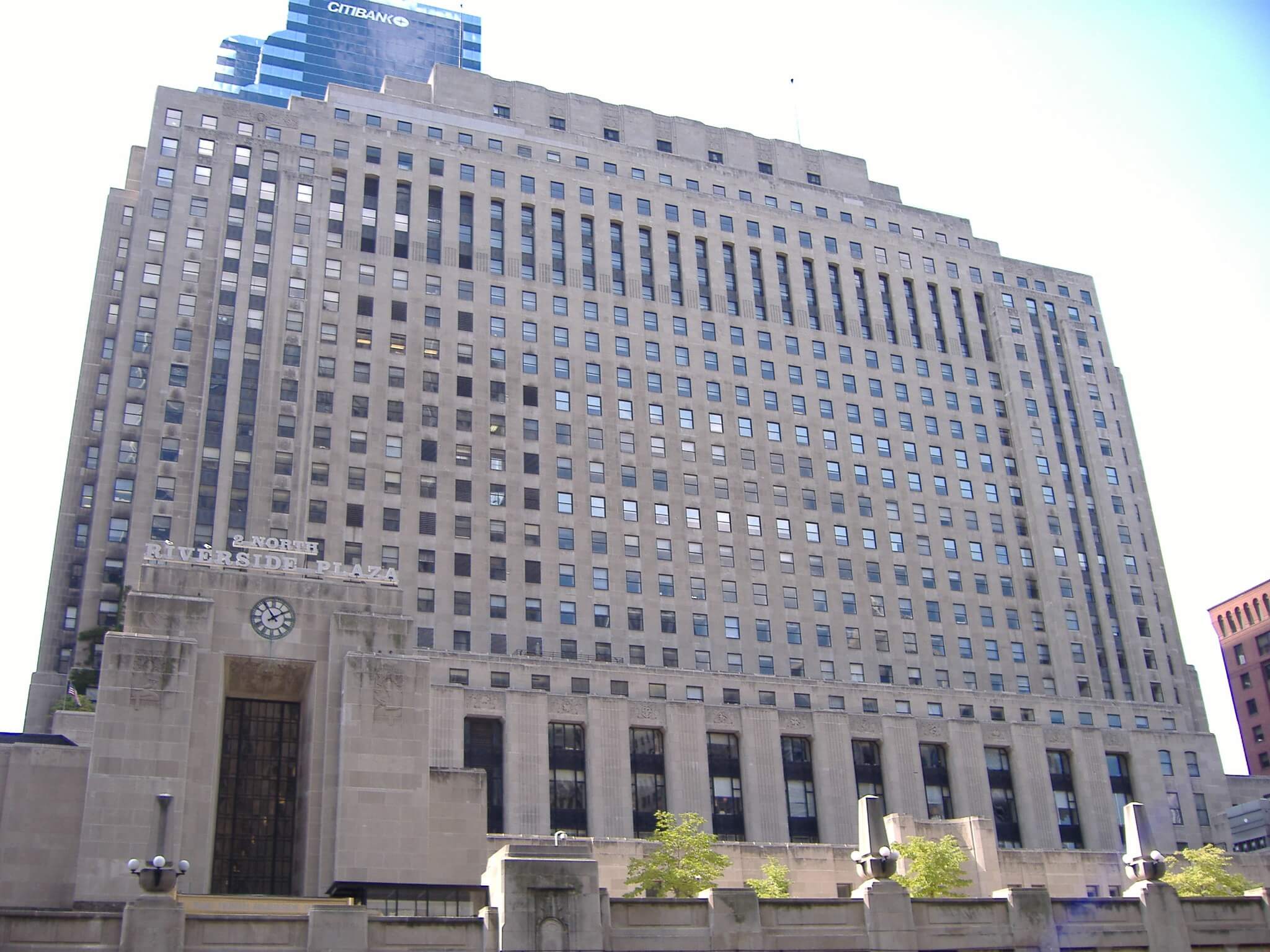
Holabird & Root finished this limestone Art Deco tower in 1929 on a site that straddles the Chicago River at what is now Riverside Plaza. Instead of facing away from the water, the building was designed to be seen from it, and it was built around railroad tracks that ran underneath.
The Daily News folded in 1978, and the building later earned official Chicago landmark status. It continues to function as an office building today.
San Francisco Chronicle Building
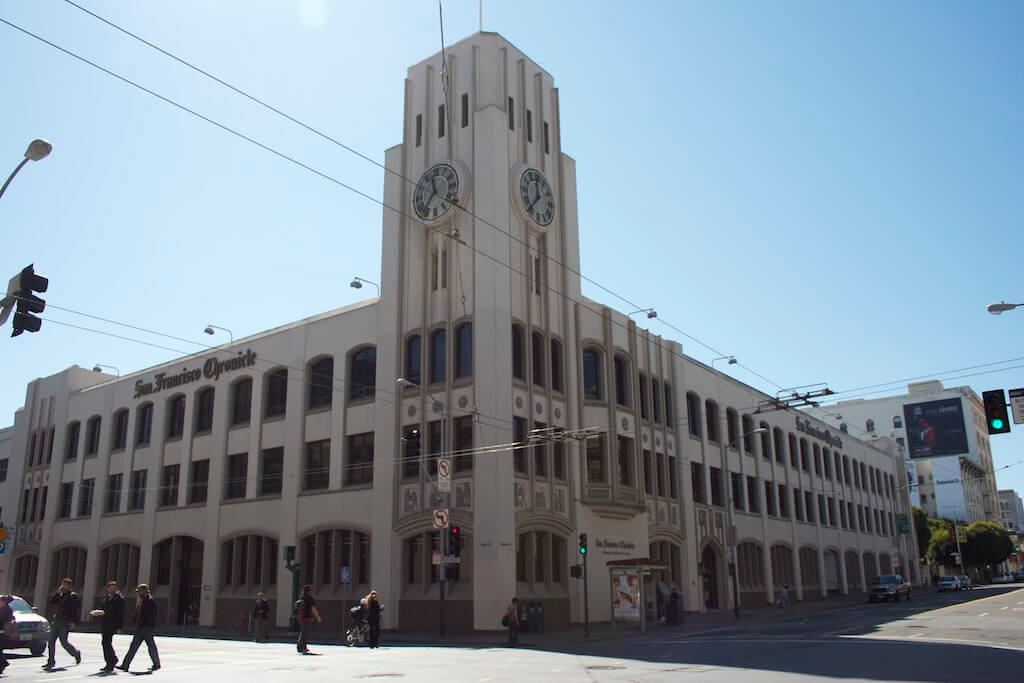
Burnham & Root designed the Chronicle’s Market Street headquarters, completed in 1889 with a Romanesque clock tower that made it a contender for the West’s first skyscraper. The building was heavily modernized in 1962, with much of its ornament stripped away in an effort to look current.
That renovation was later reversed, and the structure became the Ritz-Carlton Club and Residences. The Chronicle itself relocated years ago and is no longer a tenant.
Kansas City Star Building
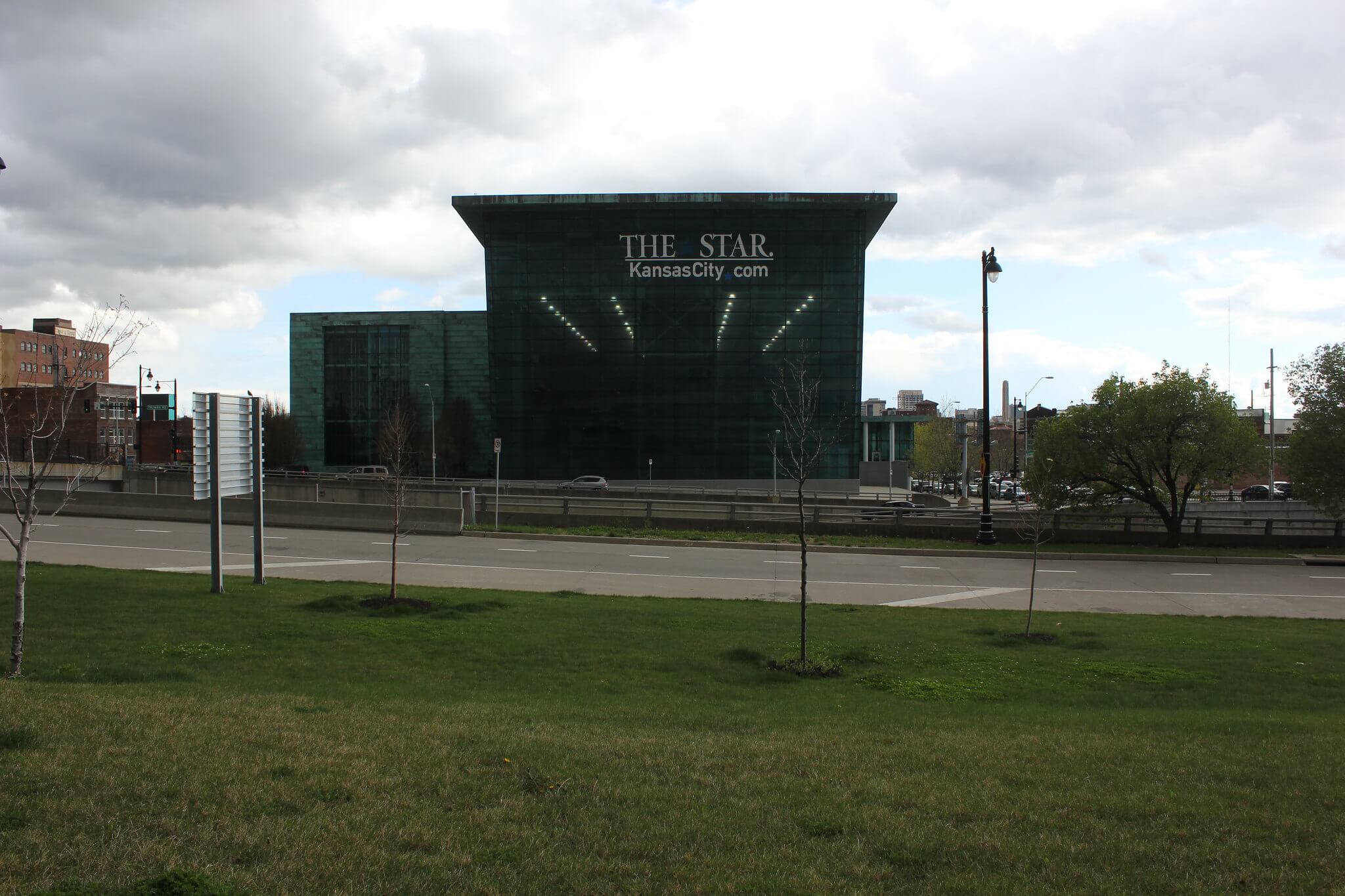
The Kansas City Star put up its headquarters at 1729 Grand Boulevard in 1911, and generations of reporters worked there until the paper sold the site in 2017. The newsroom moved out in 2018, ending more than a century of ink and deadlines at that address.
The newspaper was founded by William Rockhill Nelson, who built it into a regional institution.
New York Evening Post Building
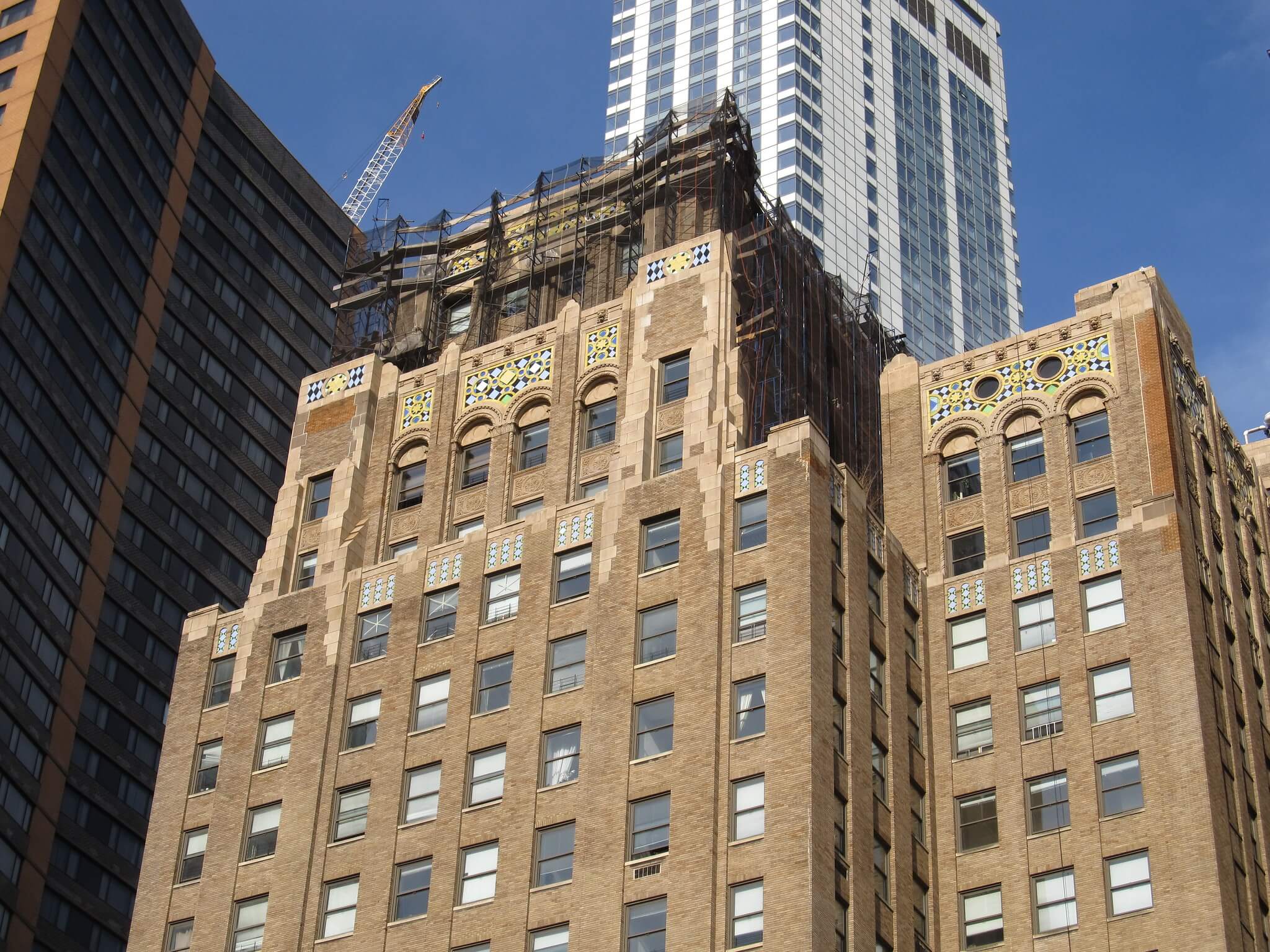
Walker & Gillette designed the Evening Post’s Art Deco home at 75 West Street, completed in 1926 near the lower Manhattan waterfront. The newspaper was founded by Alexander Hamilton in 1801, which makes it one of the oldest in the country.
The building later became known as Post Towers and was converted to apartments. It is a rare case of a founding father’s newspaper ending up as a luxury address.
New York Herald Building
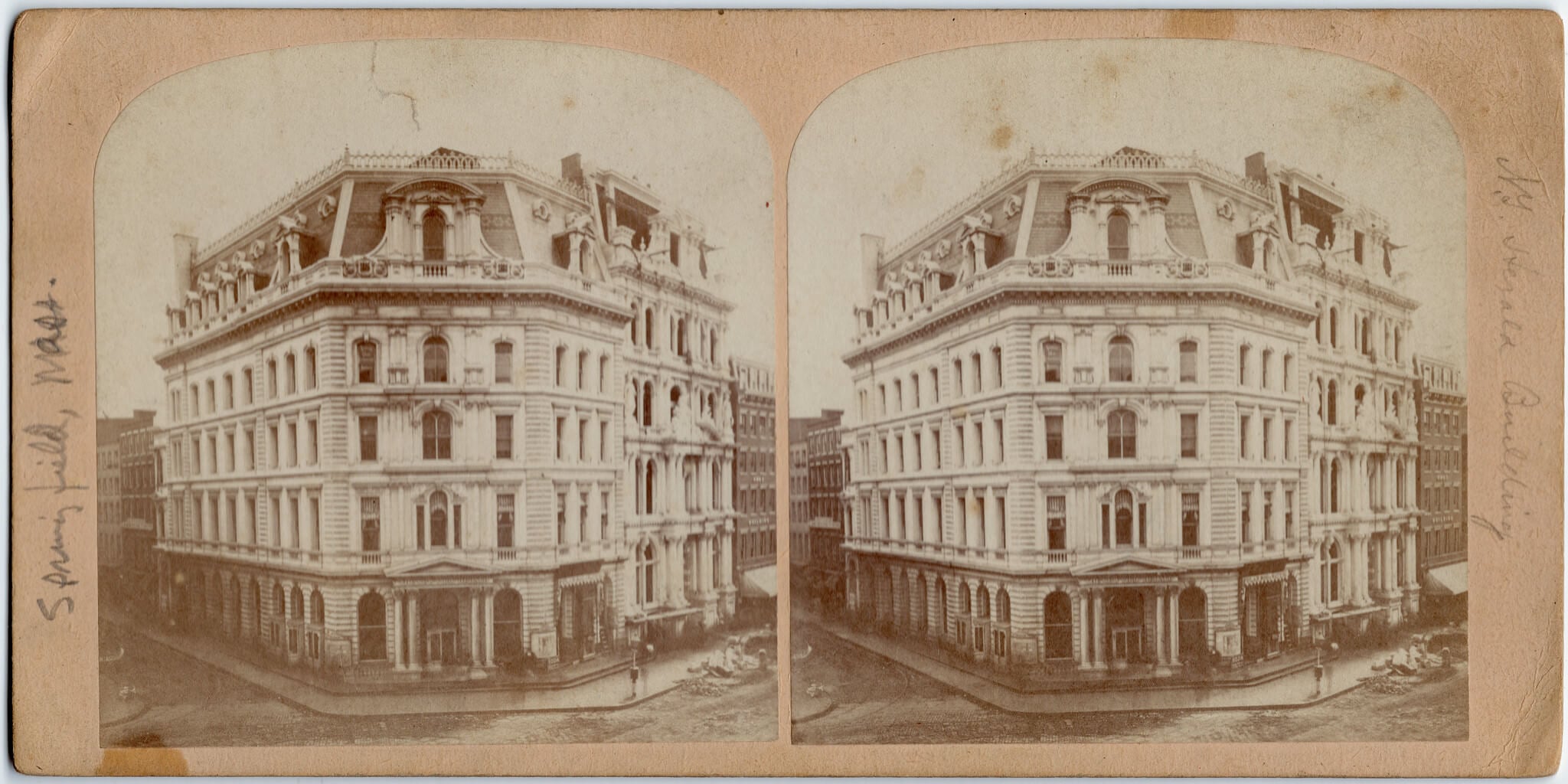
McKim, Mead & White modeled the Herald’s 1894 headquarters on an Italian palazzo, and the building gave Herald Square its name. Its roofline featured a bronze owl-flanked Minerva and a pair of mechanical bellringers that struck a bell on the hour.
The structure was demolished in 1921, but the bellringers survived and were later installed in the small park on Herald Square. They are still there, long after the paper that commissioned them.
Detroit Free Press Building
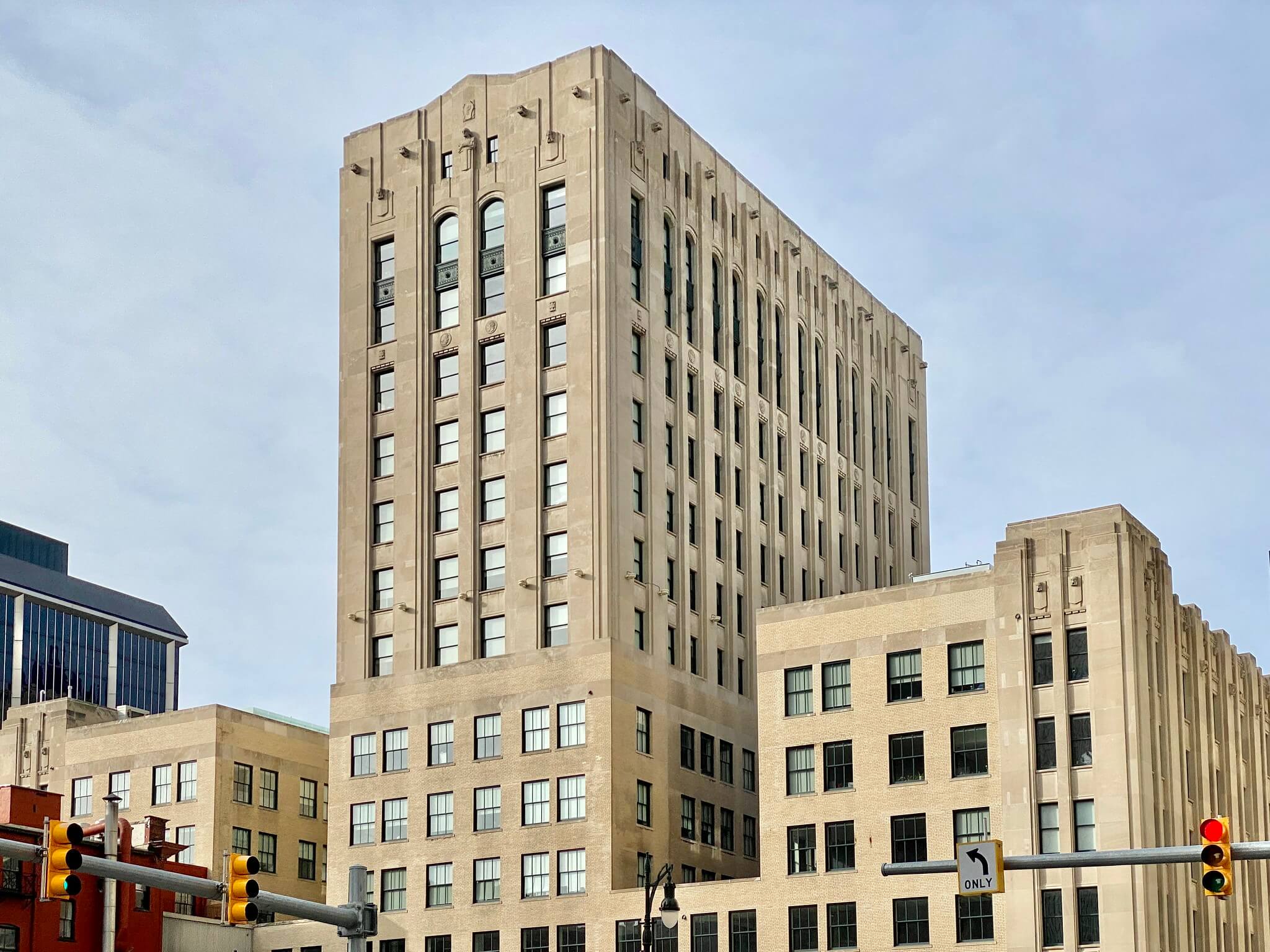
Albert Kahn designed the Free Press headquarters at 321 West Lafayette, which opened in 1925 on a street lined with newspaper offices. The paper left its longtime home, and the structure was later reborn as a 105-unit residential building called The Press/321.
The renovation added a rooftop pool, an amenity no pressroom foreman ever imagined. Few conversions in Detroit so cleanly pair a historic address with a new purpose.
Detroit News Building
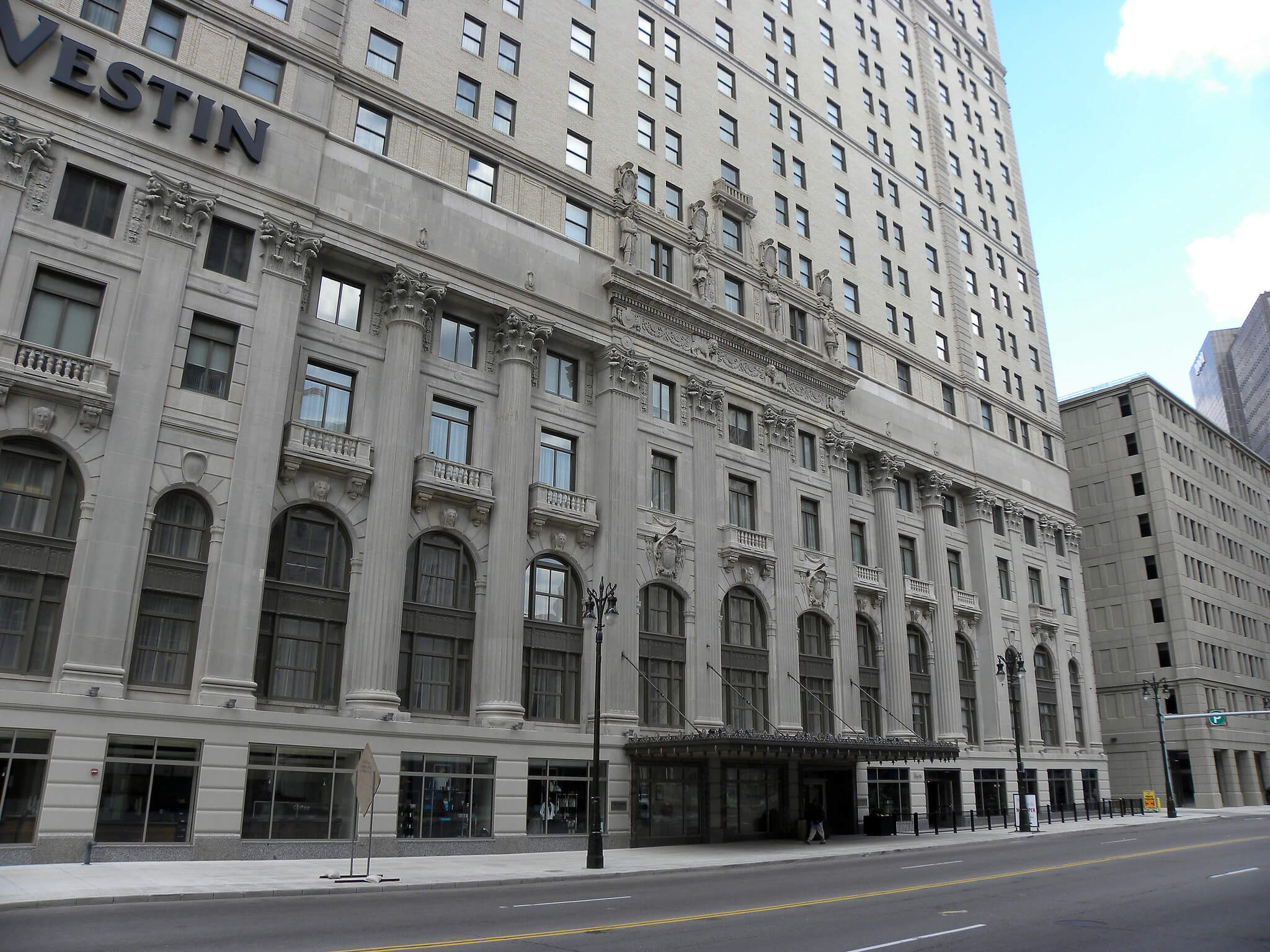
Albert Kahn also designed the Detroit News Building at 615 West Lafayette, which opened in 1917 and anchored the city’s newspaper row. The News and the Free Press shared the building for decades, with the arrangement continuing until both papers moved to smaller space in 2013.
Dan Gilbert’s real estate firm bought the property and began an extensive repurposing. It is a rare building with two major dailies in its history.
St. Louis Post-Dispatch Building
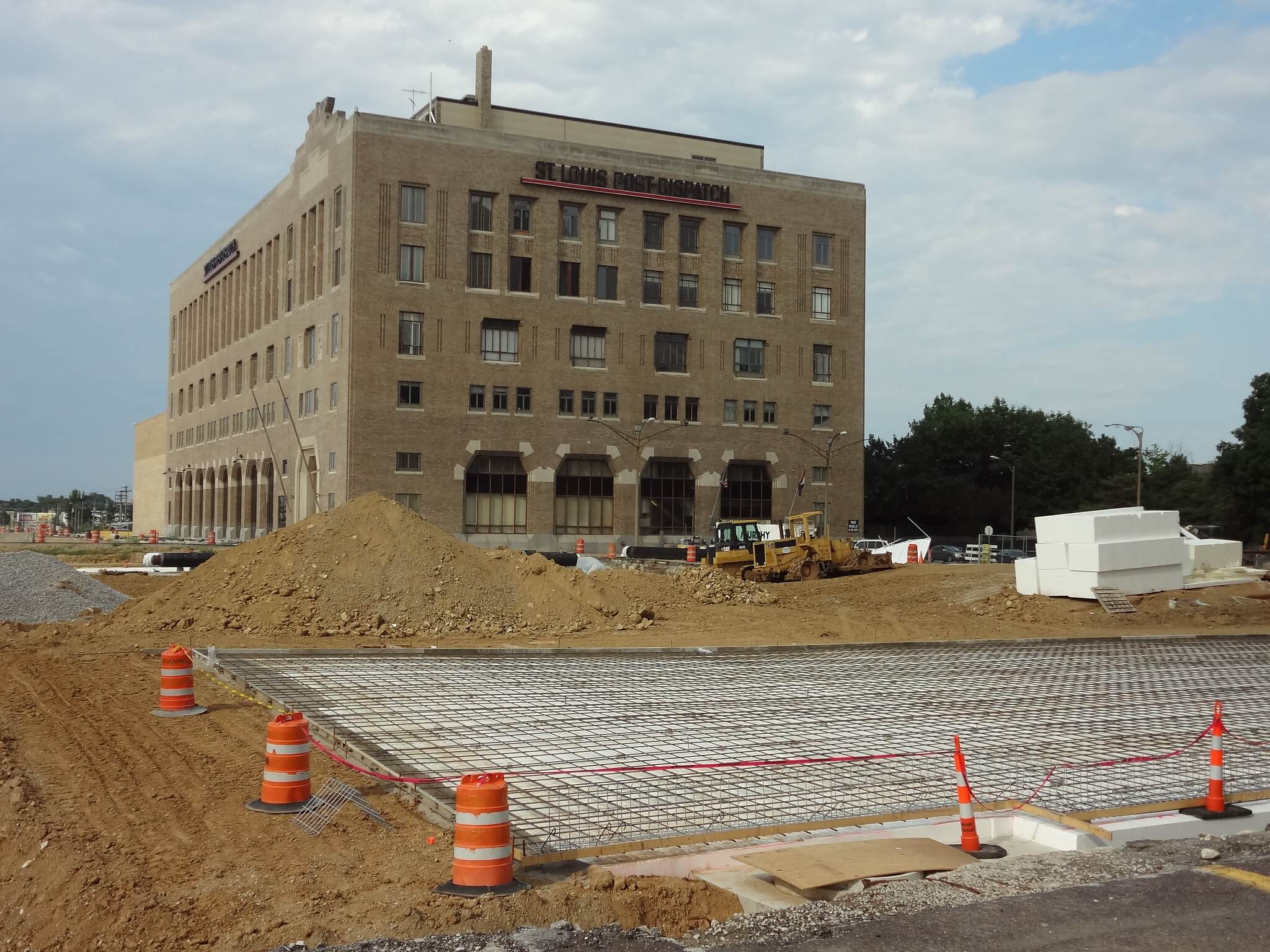
Joseph Pulitzer’s St. Louis Post-Dispatch spent decades at 900 North Tucker Boulevard, in a large printing and publishing plant just north of downtown. The paper eventually moved to a smaller location, and the old complex was reimagined for tech workers.
The payments company Square converted it into its St. Louis offices, which meant adding a new entrance in place of an unloved addition. Few buildings can say they housed both a Pulitzer and a software start-up.
Cleveland Plain Dealer Building
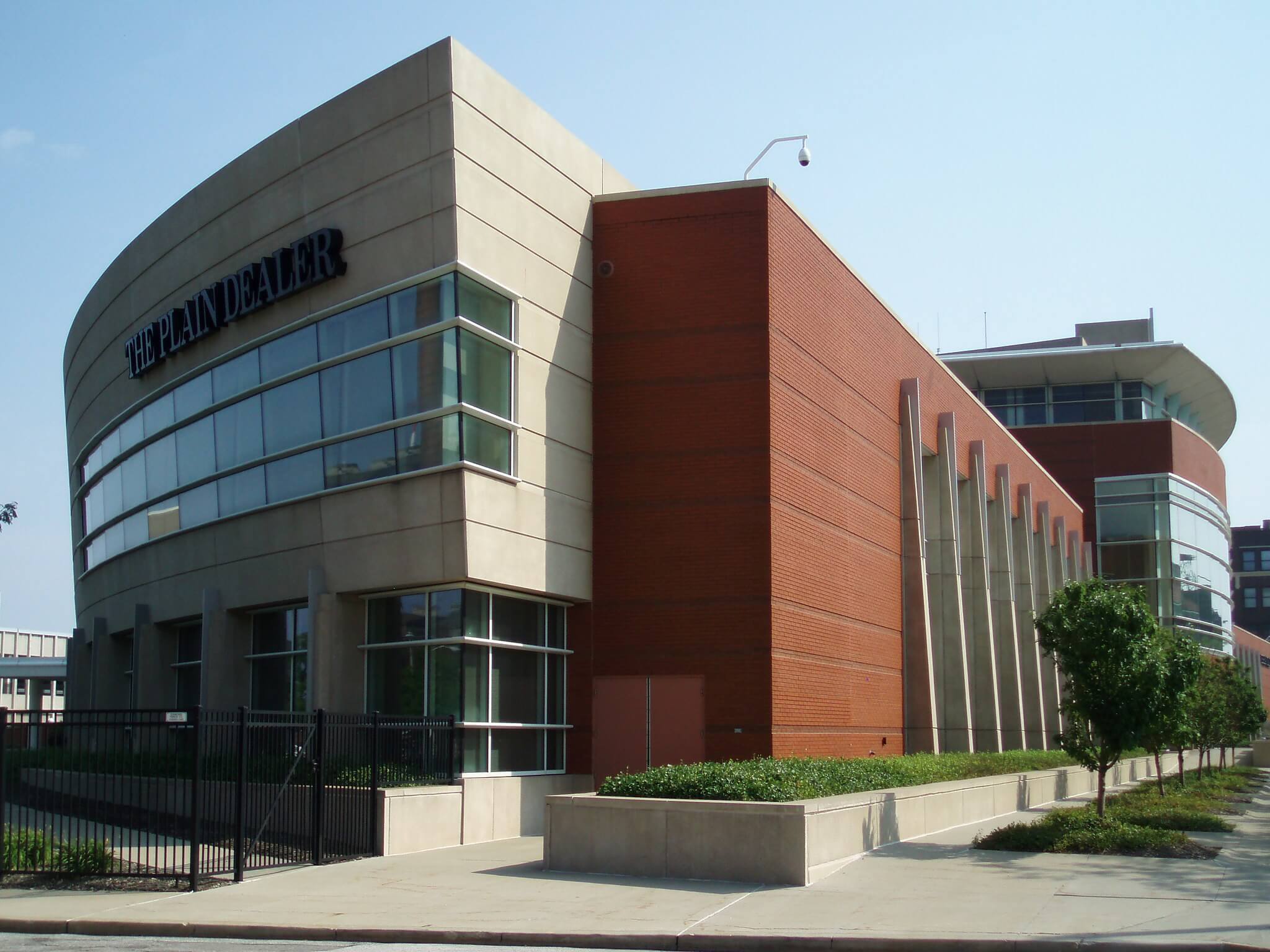
Walker and Weeks, the architects behind Cleveland’s Municipal Stadium and the Federal Reserve Bank building, also designed the Plain Dealer’s headquarters at 1801 Superior Avenue, completed in 1932. The building is listed on the National Register of Historic Places.
After the newspaper shrank and relocated, the roughly 235,000-square-foot office building was sold to a commercial real estate investor. It stands as a reminder of how much space a newspaper once needed.
Cincinnati Times-Star Building
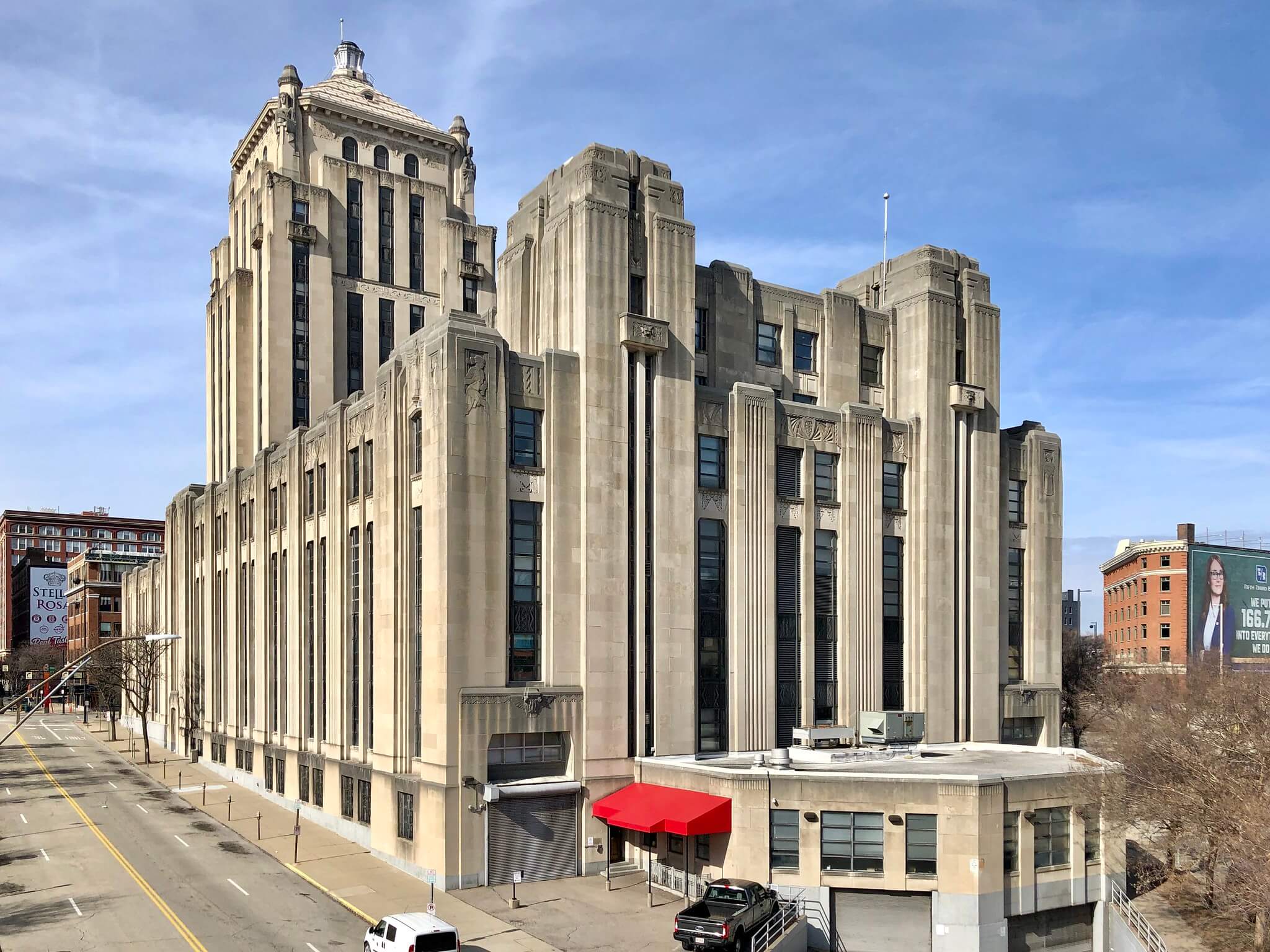
The Times-Star Building at 800 Broadway opened in 1933, a polished Art Deco headquarters for the afternoon paper owned by the Taft family. Charles Phelps Taft, the publisher, was a half-brother of President William Howard Taft, which gave the paper a political pedigree few rivals could match.
Samuel Hannaford & Sons designed the building.
Baltimore Sun Building
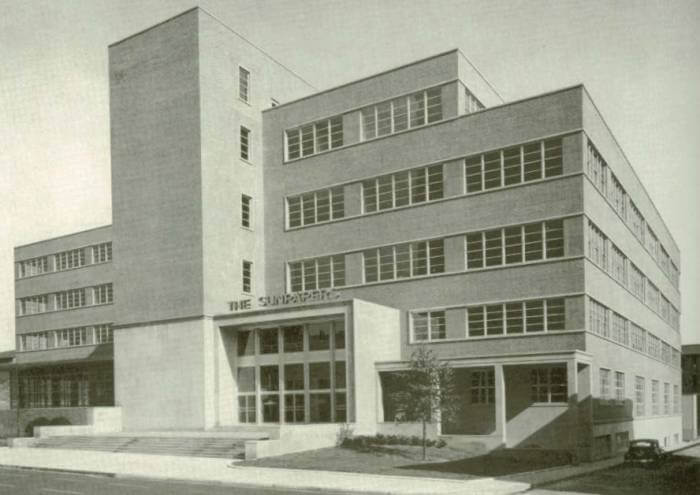
The Sun built its headquarters at 501 North Calvert Street in 1950, and the paper worked there for nearly seven decades. The Sun’s first issue appeared in 1837, so the Calvert Street building housed more than a third of the paper’s long life.
In 2018 the paper moved to a new base in Port Covington, ending its run at the address known simply as 501.
Washington Post Building
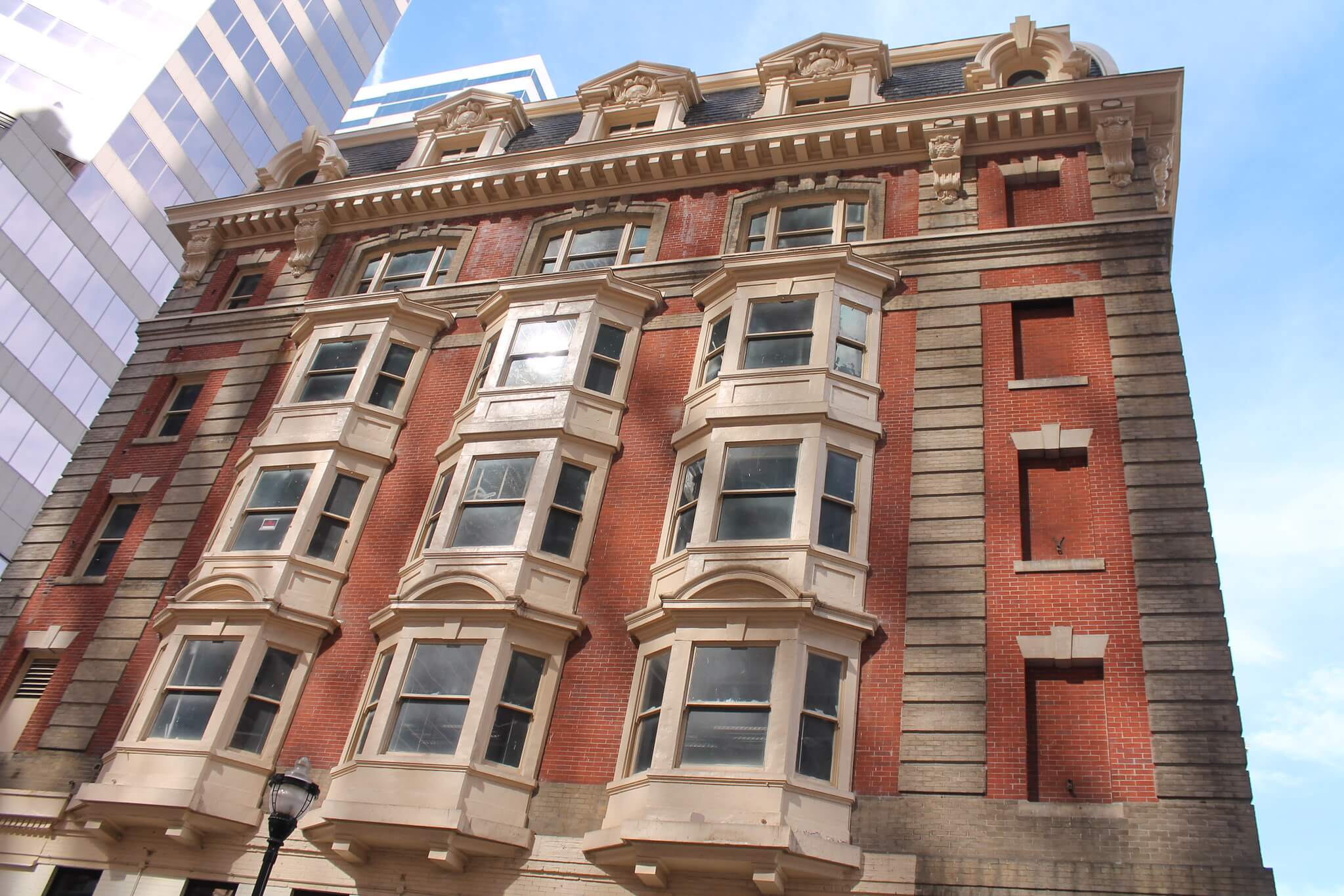
The Post’s headquarters at 1150 15th Street NW was the newsroom where the paper pursued Watergate and where Katharine Graham presided over its rise. The company moved out in late 2015 to a new base at One Franklin Square, a few blocks away.
The old building did not get a second life, because it was demolished the following year. The site was cleared in what became one of the capital’s more bittersweet demolitions.
Chicago Sun-Times Building
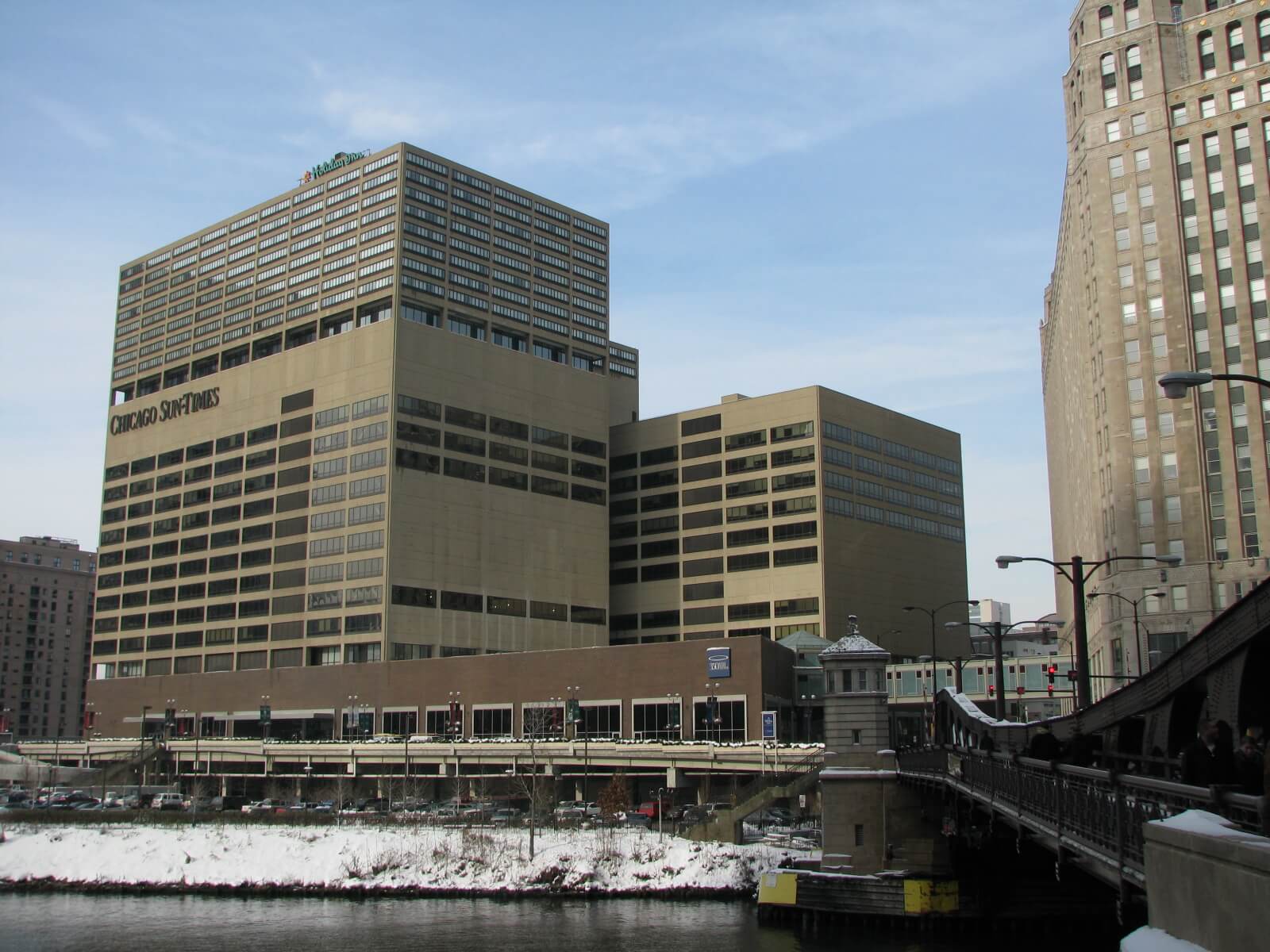
The Sun-Times operated from a riverfront building at 401 North Wabash Avenue that opened in 1957, with a view that most newsrooms would have envied. The paper moved to North Orleans Street, and the old building was demolished in 2004 and 2005.
The site now supports Trump International Hotel and Tower, one of the tallest buildings in the country. Few newspaper sites have been replaced by anything so tall.
Philadelphia Inquirer Building
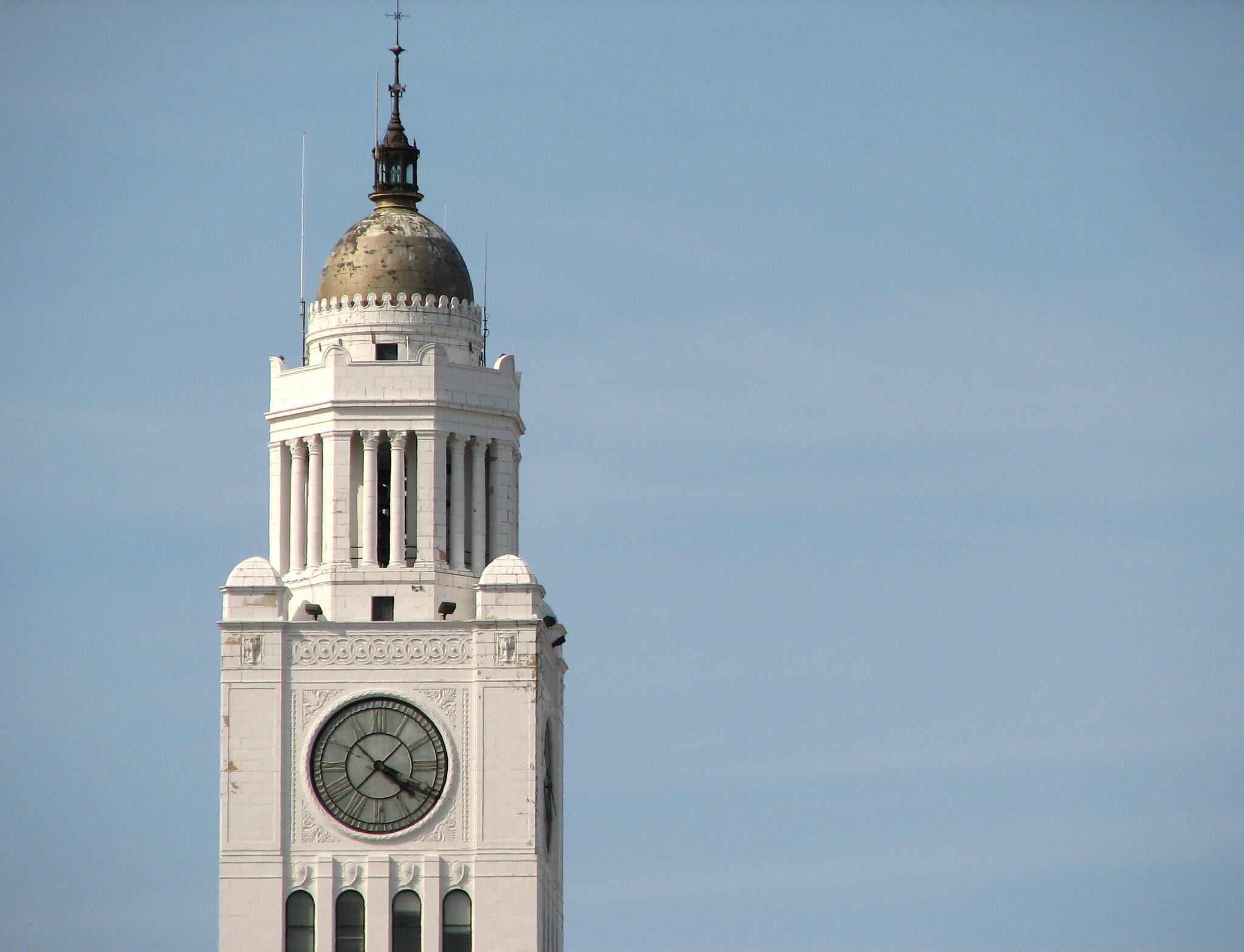
The Inquirer Building at 400 North Broad Street, finished in 1924, is a classical tower topped with a clock and aimed squarely at the passing traffic below. The Philadelphia Inquirer, founded in 1829, published from it for most of the twentieth century.
The paper moved out in 2012 to a smaller office on Market Street. The tower remains one of the city’s most recognizable newspaper landmarks, even without a newsroom inside.
What the Walls Remember
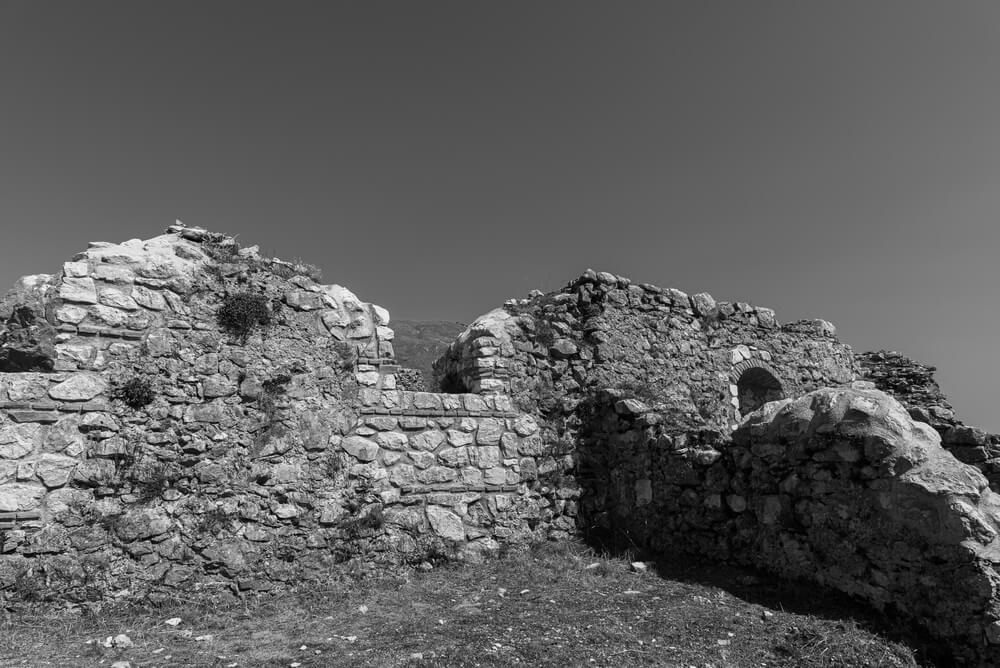
Taken together, these buildings show how much confidence an industry once had in itself. Publishers hired top architects, built to the sky, and carved their names into limestone, assuming the product would outlast the masonry.
For a long while it did. The reality turned out to be the opposite.
The papers shrank, merged, and moved to cheaper space, while the stone stayed behind and found new tenants, new uses, or a demolition crew. What remains is a physical record of an era when the news was made by hand, in public, and under a clock tower.
More from Go2Tutors!

- 27 Silver Dollars and Half Dollars Worth Keeping
- 28 Restaurant Menu Items Nobody Orders Anymore
- 17 Places Built in Seemingly Impossible Spots
- 27 Vintage Rings Worth More Than They Look
- 25 Restricted Sites Tourists Can’t Enter
Like Go2Tutors’s content? Follow us on MSN.