28 Antique Desk Accessories Beyond Fountain Pens
A well-appointed antique desk once held an entire toolkit of small, handsome objects. Each one solved a particular problem of the written age, from drying ink to sealing an envelope.
Collectors prize these pieces for their craftsmanship and for the habits they preserve. Many sell for modest prices, which makes them an inviting corner of antiques.
The Inkwell
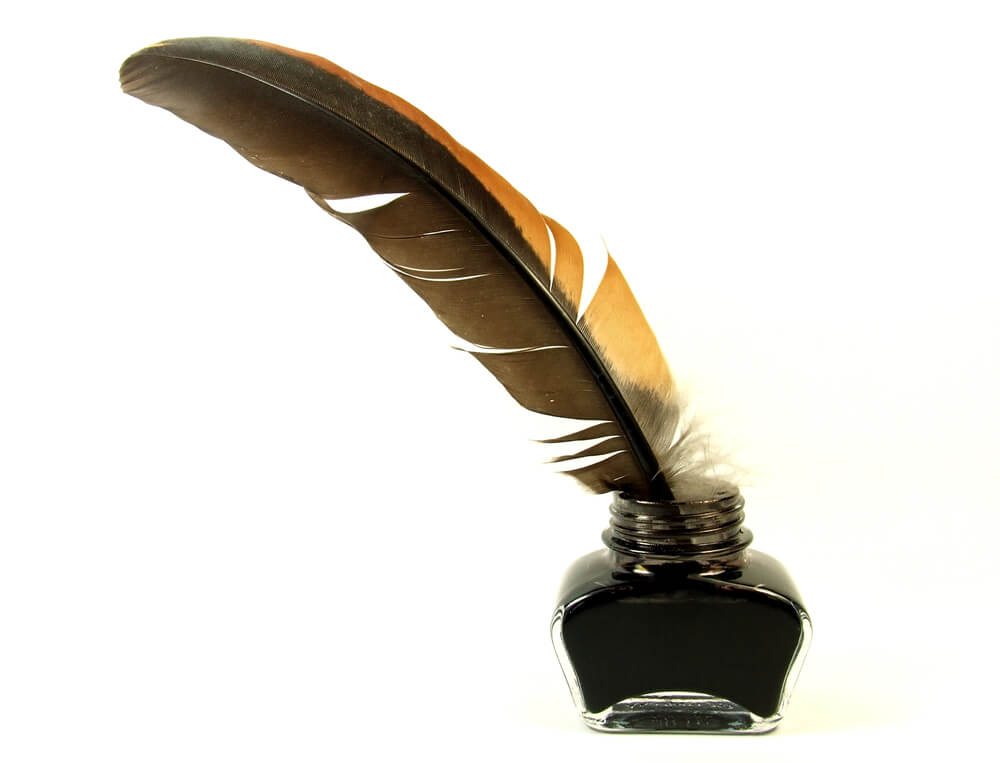
An inkwell held a reservoir of ink at the edge of the desk, usually in glass, pewter, brass, or porcelain. Many had hinged lids to slow evaporation and keep dust out. Elaborate versions came in pairs, one for black and one for red.
The Blotter Pad
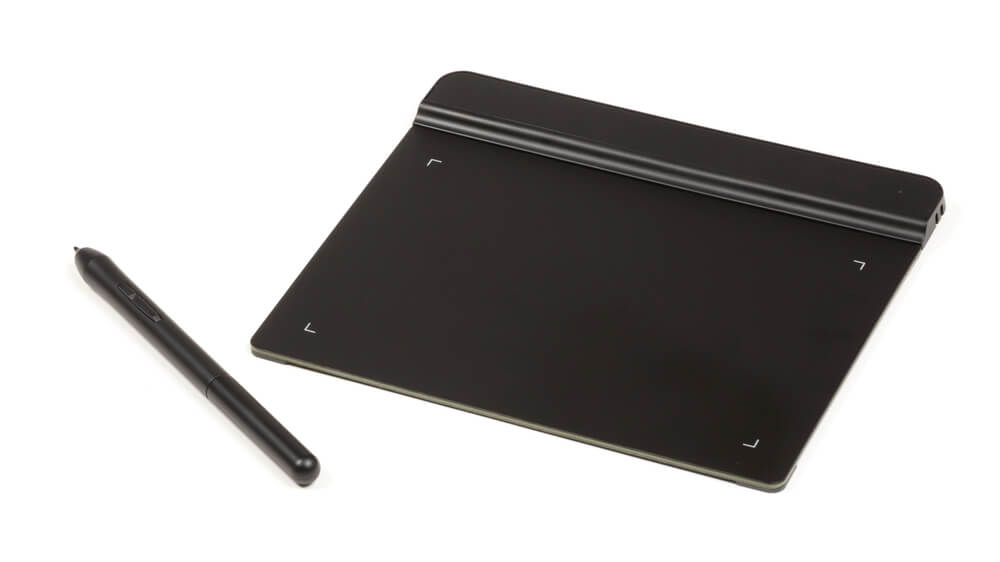
A leather or paper blotter pad protected the desk surface and absorbed stray ink. Corners held the sheet in place and could be replaced when it wore out. A well-used blotter carried mirror-image traces of past letters.
The Rocker Blotter
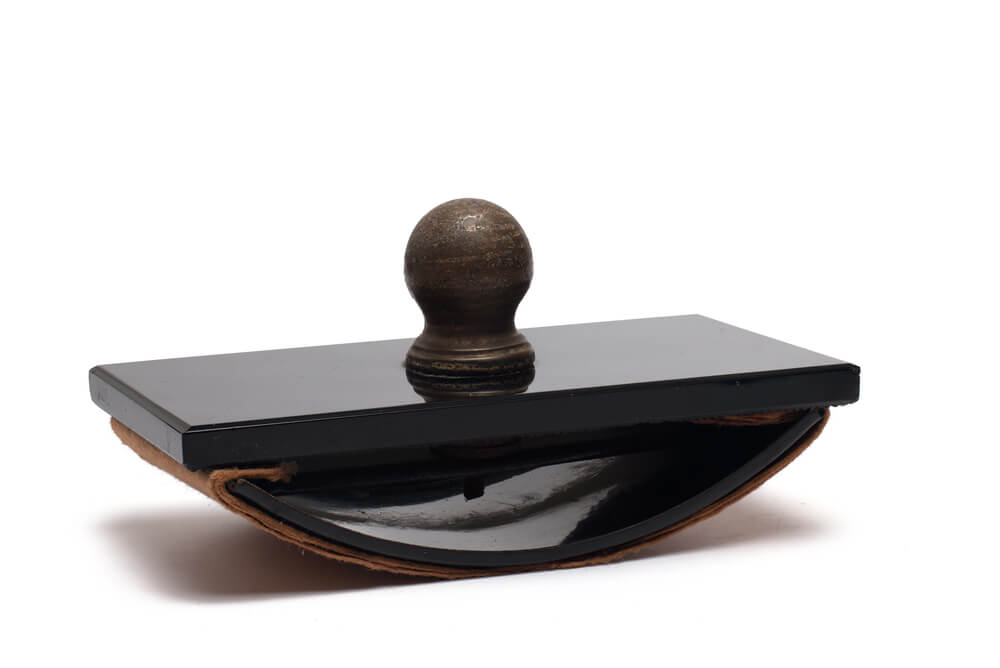
A curved wooden or brass base held a strip of blotting paper that rolled across wet ink with a gentle rocking motion. It was faster than pressing a flat sheet. Handles were often carved or engraved with a pattern.
The Letter Opener
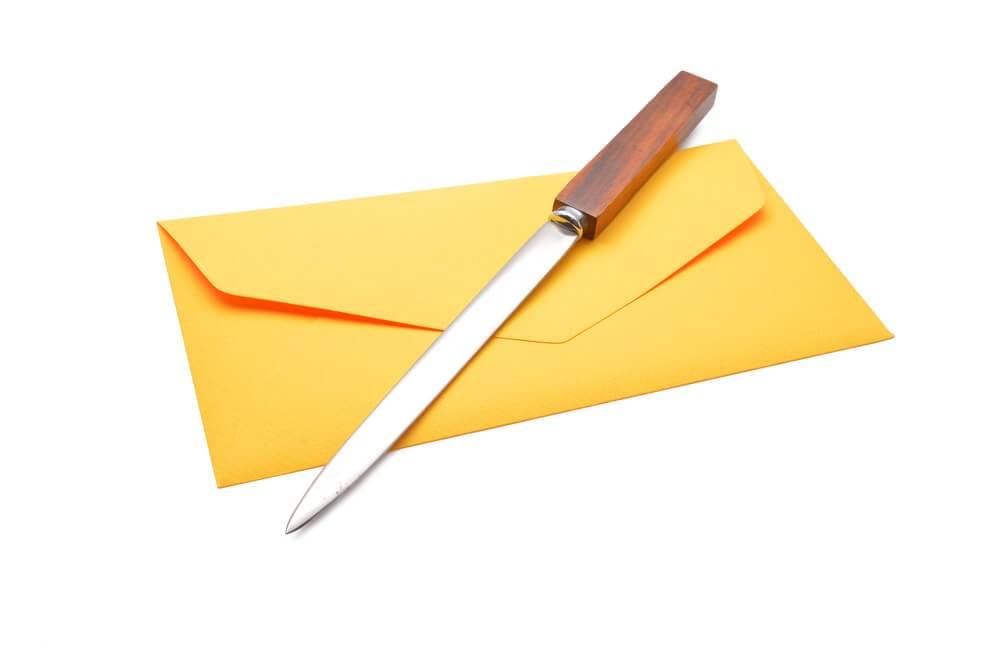
Slim blades of brass, silver, ivory, or steel slit envelopes without tearing them. Ornate handles were popular gifts and sometimes carried a monogram or a souvenir motif. A good one balanced in the hand like a small knife.
The Glass Paperweight

Heavy paperweights kept loose papers from blowing around and doubled as decoration. Glass versions with millefiori canes or flowers trapped inside were especially prized. Makers in France and Scotland produced some of the best.
The Pen Tray
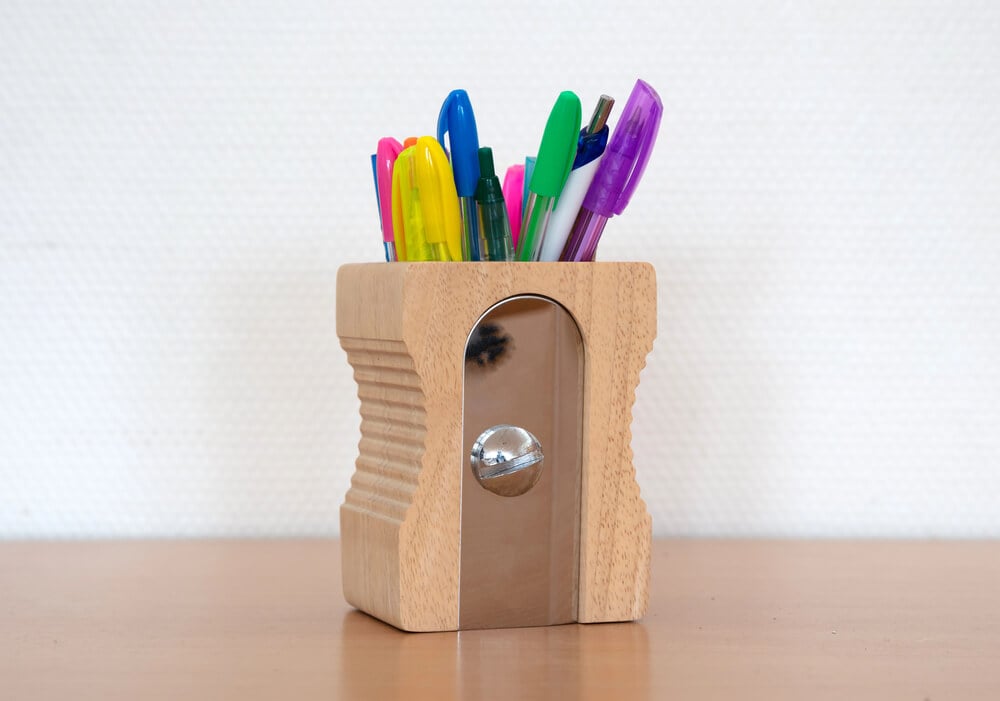
A shallow tray held pens, pencils, and nibs within easy reach. Brass, wood, and glass designs were common. The tray’s grooves kept the instruments from rolling away.
Sealing Wax and Seal

Melted wax pressed with a metal seal closed envelopes and marked documents as authentic. Wax sticks came in red, green, and black. The seal’s engraved design served as a personal signature.
The Stamp Box
A small box with compartments held postage stamps and kept them from sticking together. Brass and silver versions often had hinged lids. They were useful before self-adhesive stamps arrived.
The Banker’s Lamp
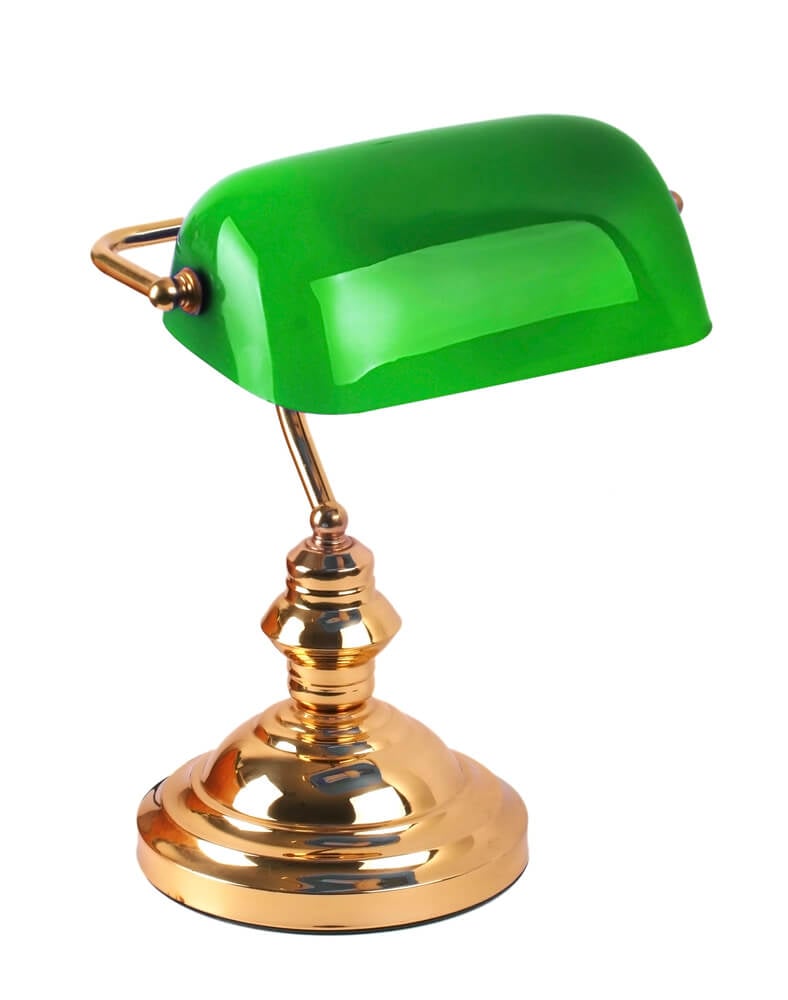
A green glass shade over a brass base cast a calm light across a ledger. The best known maker, Emeralite, introduced its version in 1909. Desk lamps like these suggested seriousness and thrift.
The Pen Wiper
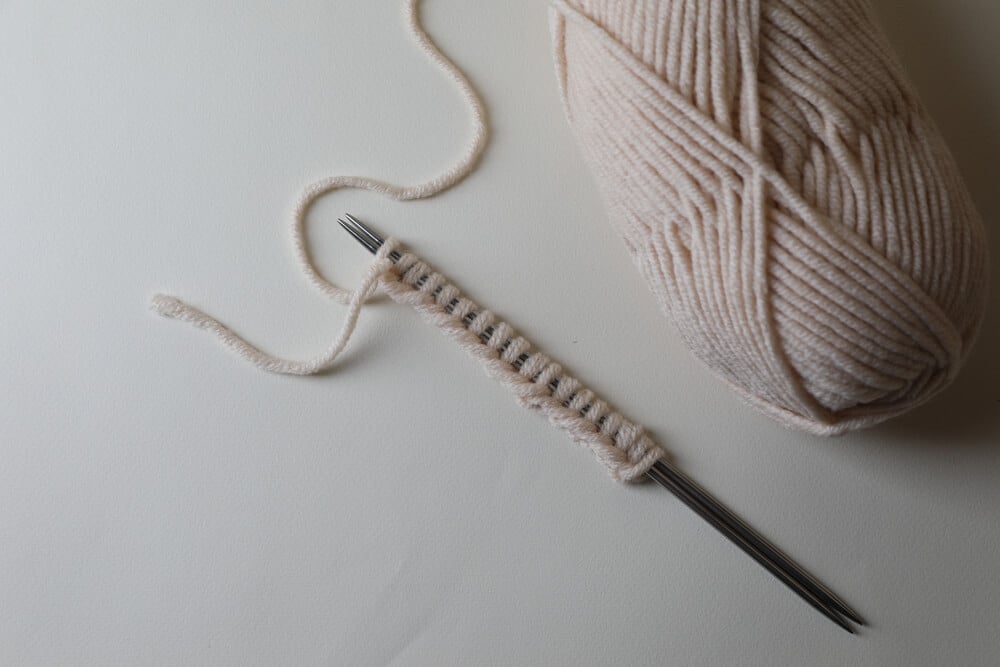
Layers of fabric or felt cut into a rosette or animal shape were used to wipe ink from pen nibs. Many were handmade as gifts. The wipers were often decorated with embroidery.
The Pounce Pot
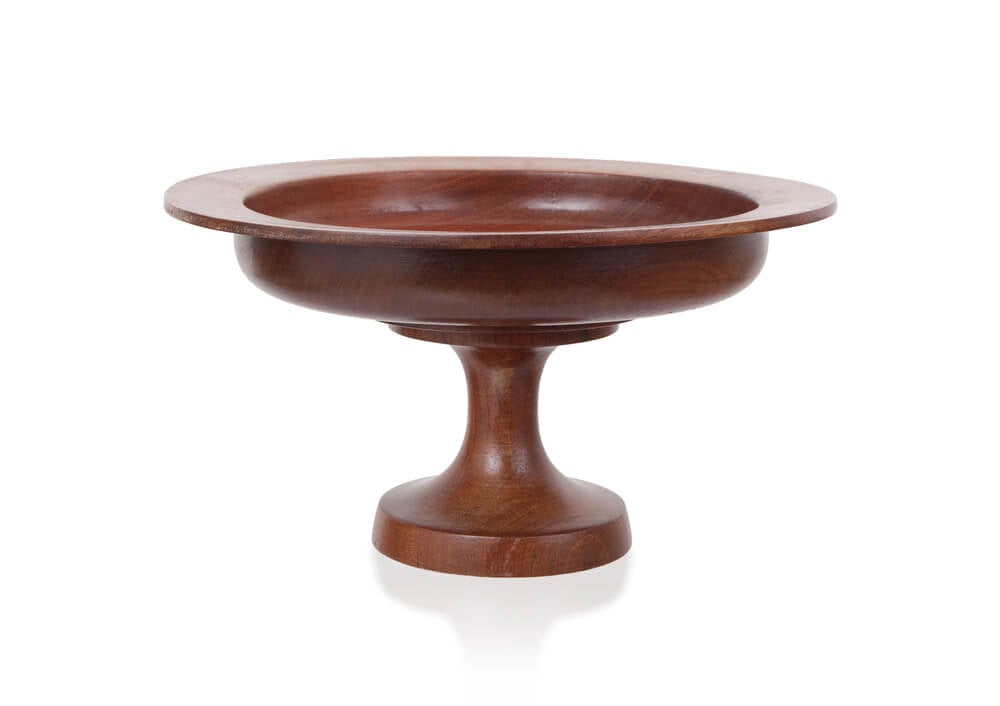
Before blotting paper became common, writers sprinkled fine sand or powder over wet ink to dry it. The pot had a perforated top for even distribution. Many were made of pewter, silver, or glass.
The Date Stamp
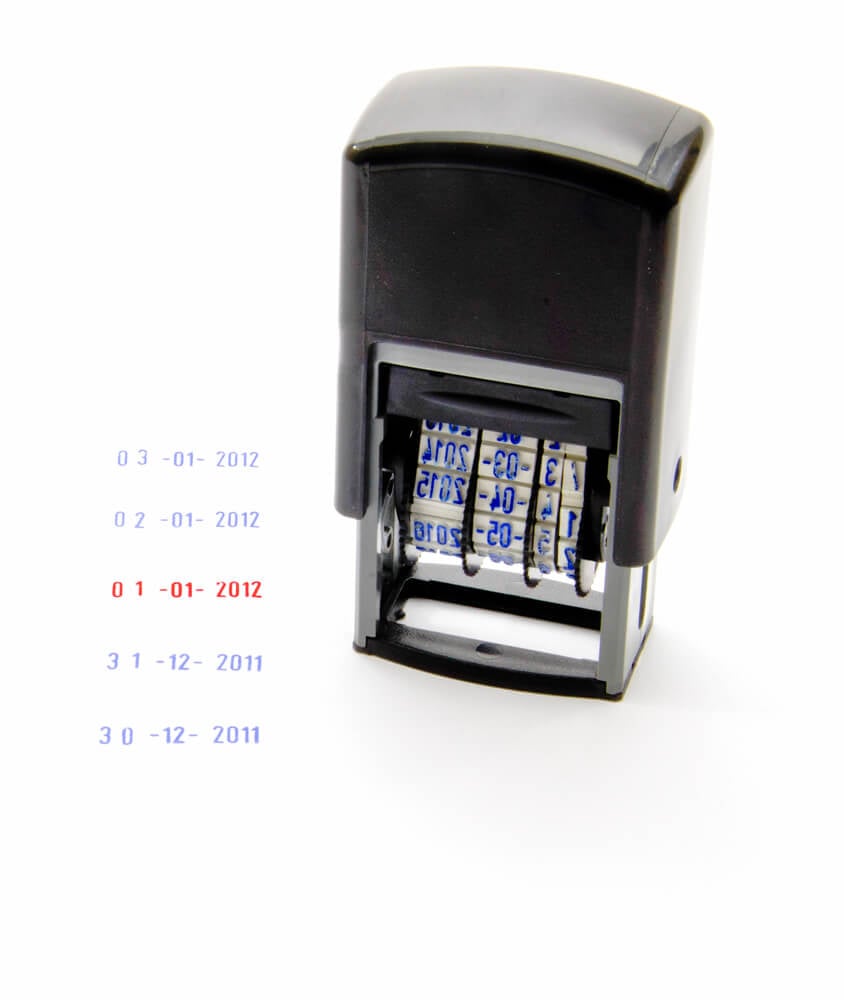
A rotating date stamp recorded when a letter was received or a document was filed. Metal bands carried months, days, and years, which the clerk adjusted by hand. A pad of ink sat nearby.
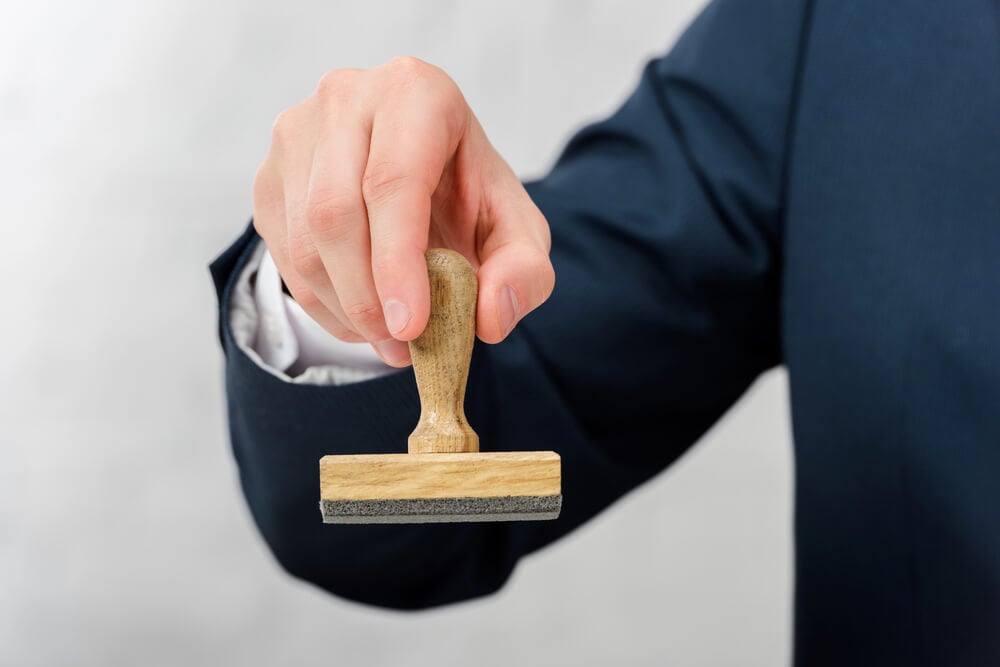
The Rubber Stamp and Ink Pad
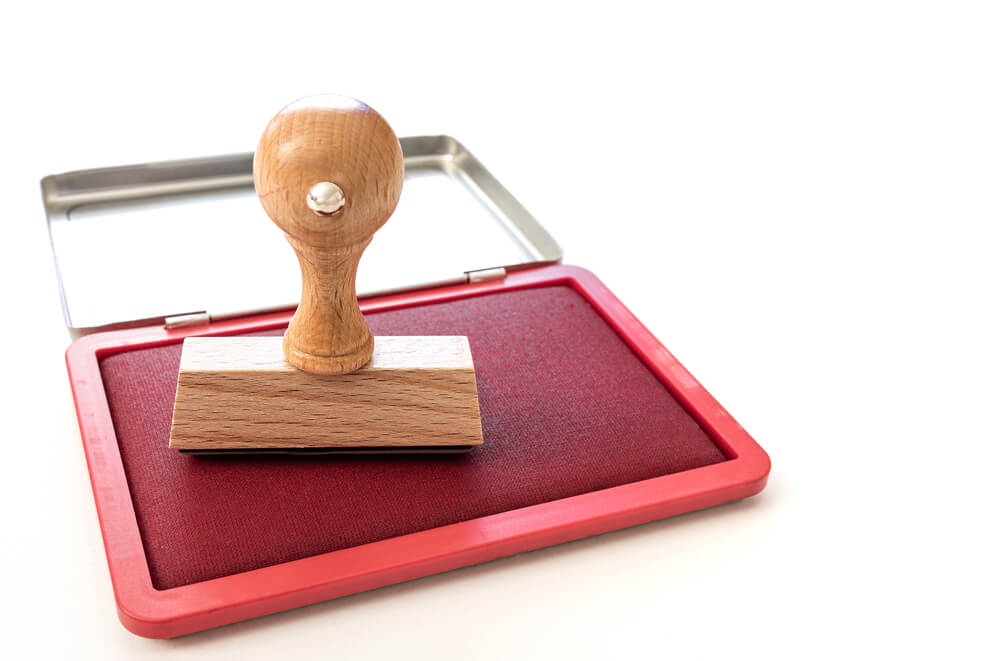
Rubber stamps marked paid invoices, received packages, and approved forms. Wooden handles fit comfortably in the hand and were sometimes engraved with initials. A tin ink pad with a hinged lid kept the ink moist.
The Magnifying Glass

A hand-held lens with a brass or wooden handle helped read small print and examine fine details. Some had folding covers to protect the glass. Scholars and stamp collectors used them often.
The Letter Rack
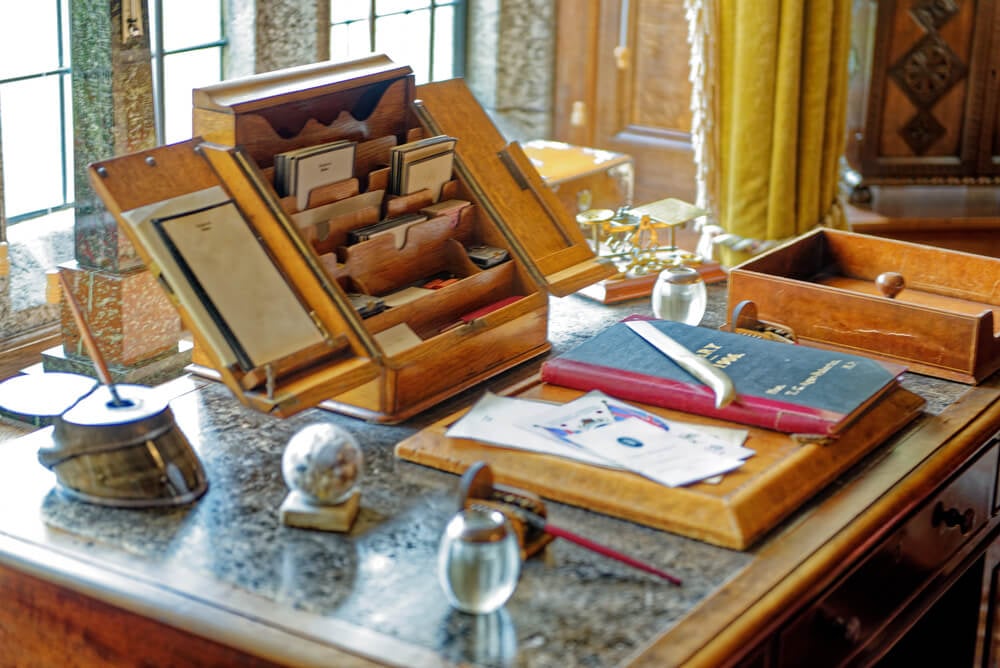
Slotted racks of wood, brass, or wire held incoming and outgoing mail. The design kept envelopes upright and visible. Many racks were crafted to match the rest of the desk set.
The Desk Bell
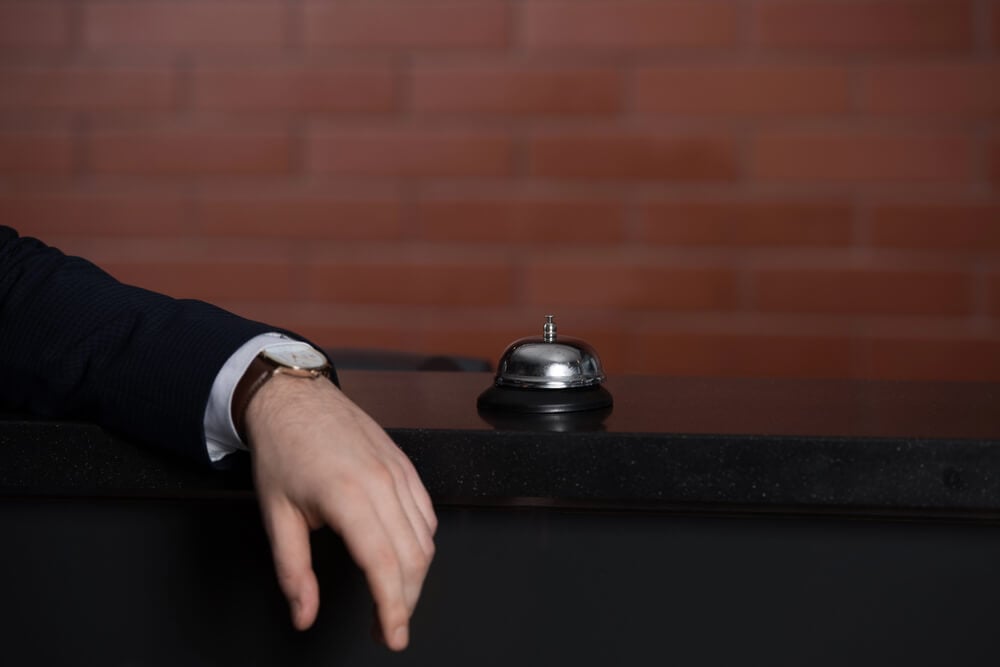
A small brass call bell was tapped to summon a clerk or servant. The tinkling sound carried across a room without raising the voice. Bells of this type were common in offices and hotels.
The Letter Scale
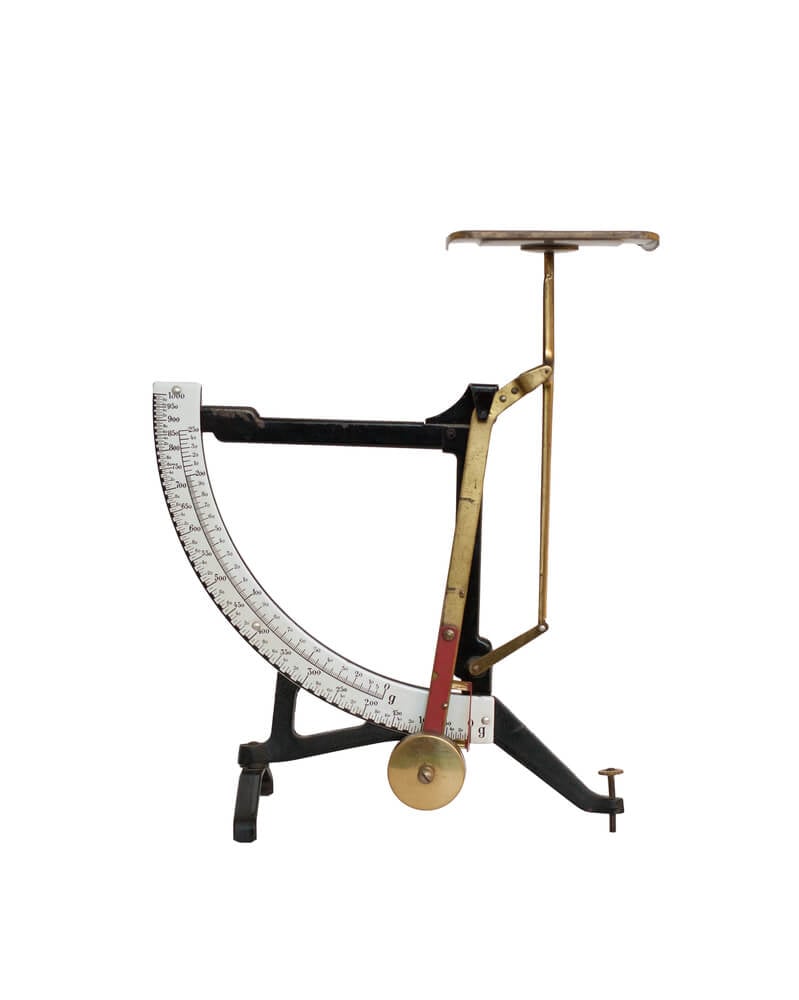
A brass or steel scale weighed letters to determine the correct postage. Calibrations were etched along an arm, and a sliding weight balanced the load. Postal rates made the tool a daily necessity for businesses.
The Pencil Sharpener
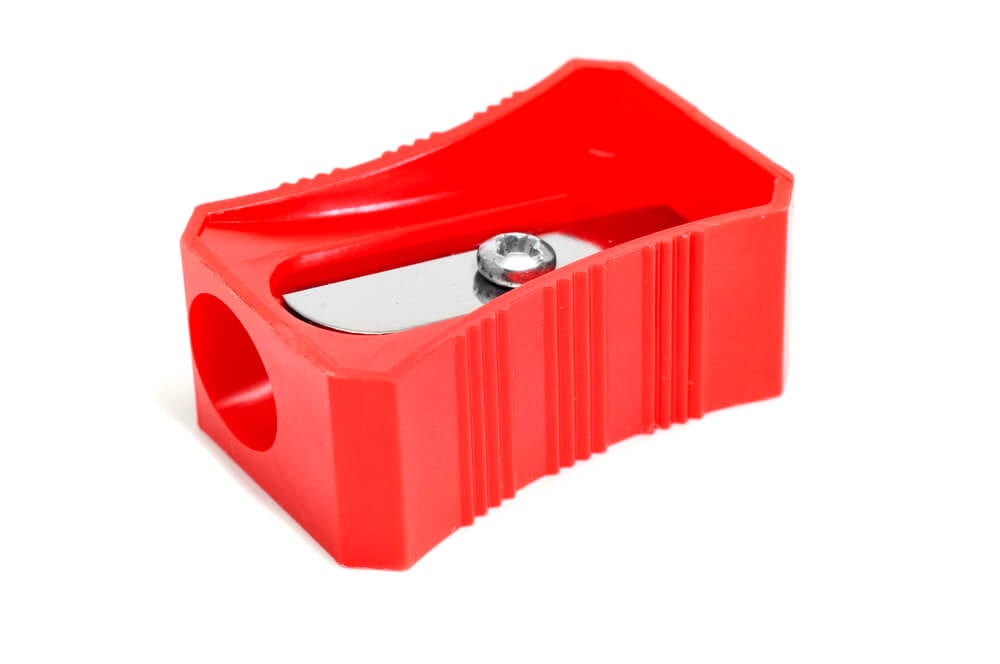
Early desk-mounted sharpeners used a hand crank to rotate a pencil against steel cutters. Cast iron bodies clamped to the edge of the desk. A well-made sharpener produced a long, even point.
The Paper Clip Dish
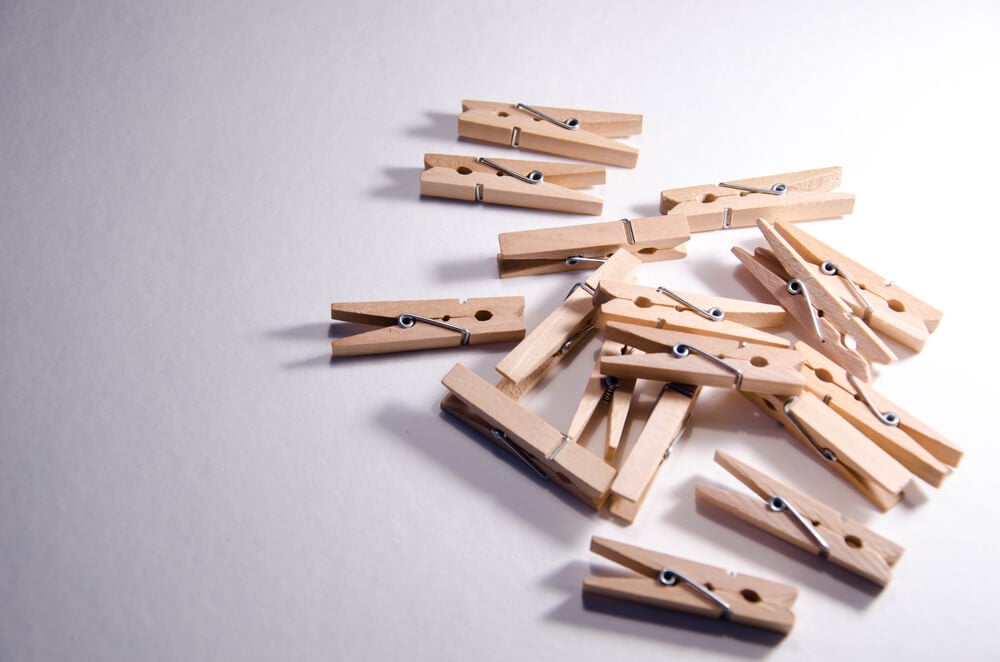
A small dish of glass, silver, or brass held loose paper clips and pins. Clips were relatively new inventions in the late nineteenth century and quickly became indispensable. The dish kept them from scattering.
The Stationery Cabinet
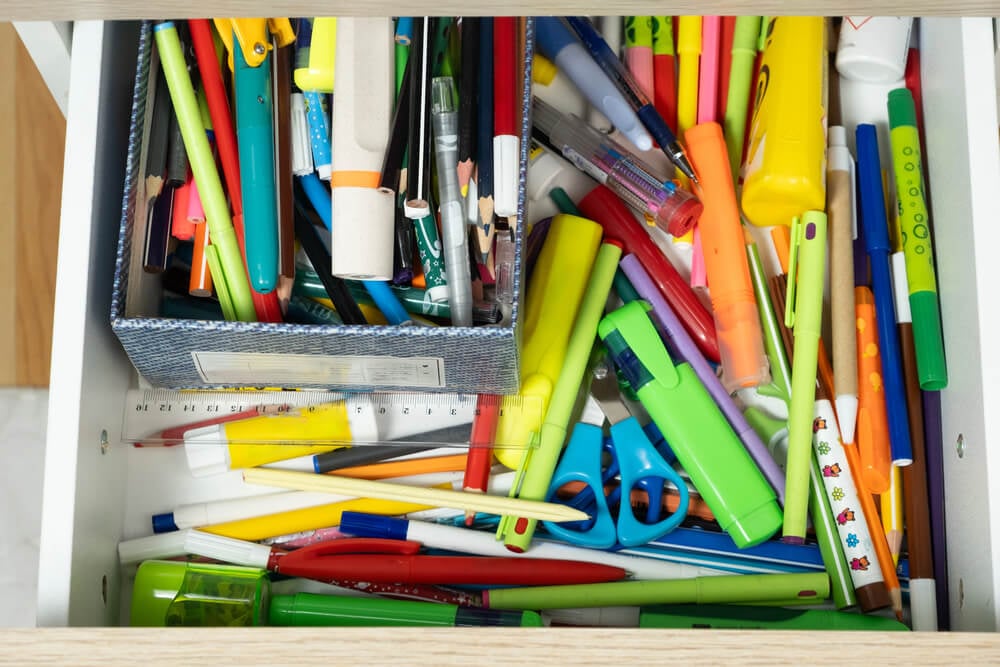
A tabletop cabinet with small drawers organized envelopes, notepaper, and cards. The wood was often walnut or mahogany, with brass pulls. It gave the desk a neat architecture.
The Cash Box
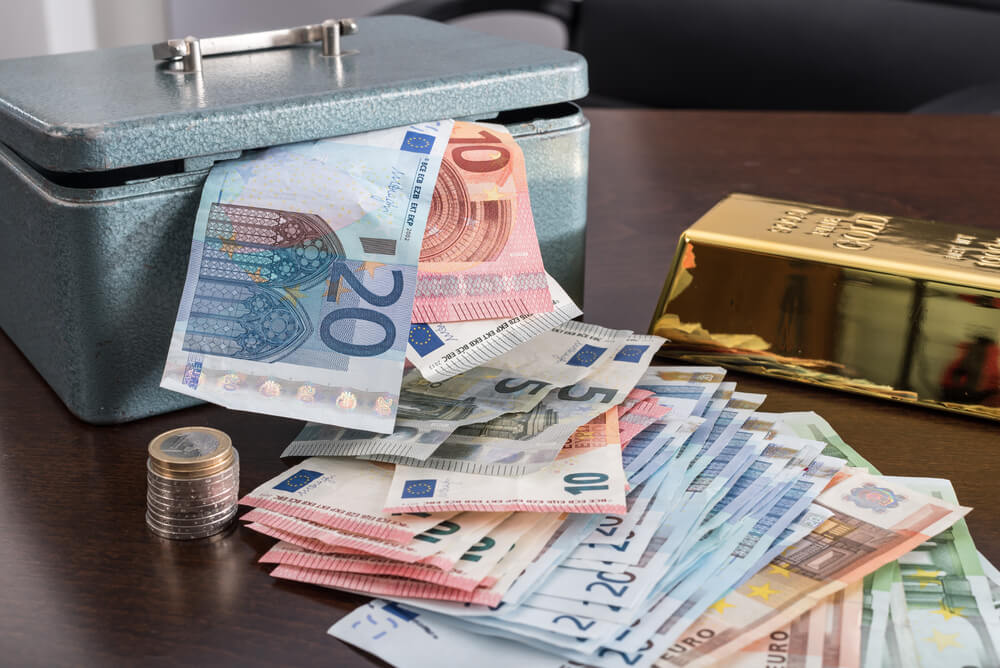
A metal box with a lock held petty cash and important papers. Painted or japanned finishes in black with gold lines were common. The key was kept on a chain or in a drawer.
The Desk Calendar
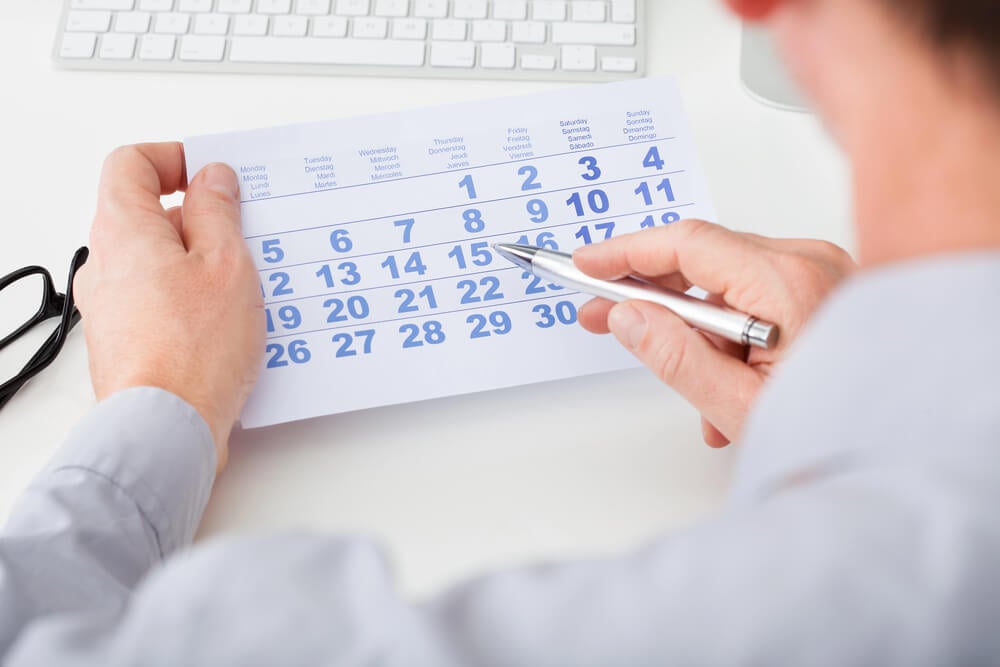
Perpetual calendars with rotating or sliding date wheels kept track of the day, month, and year. Brass, wood, and leather versions all existed. Some also showed the phases of the moon.
The Brass Ruler
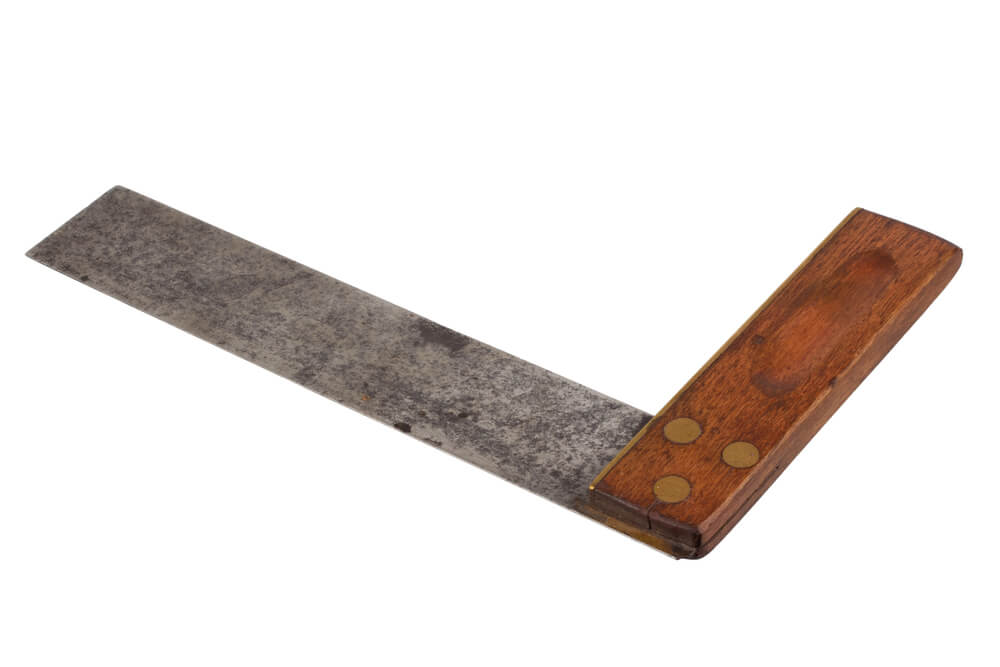
Solid brass or steel rulers were used for drawing lines and cutting paper. Edges were engraved with inches and sometimes centimeters. A good one was as much an ornament as a tool.
The Bookends
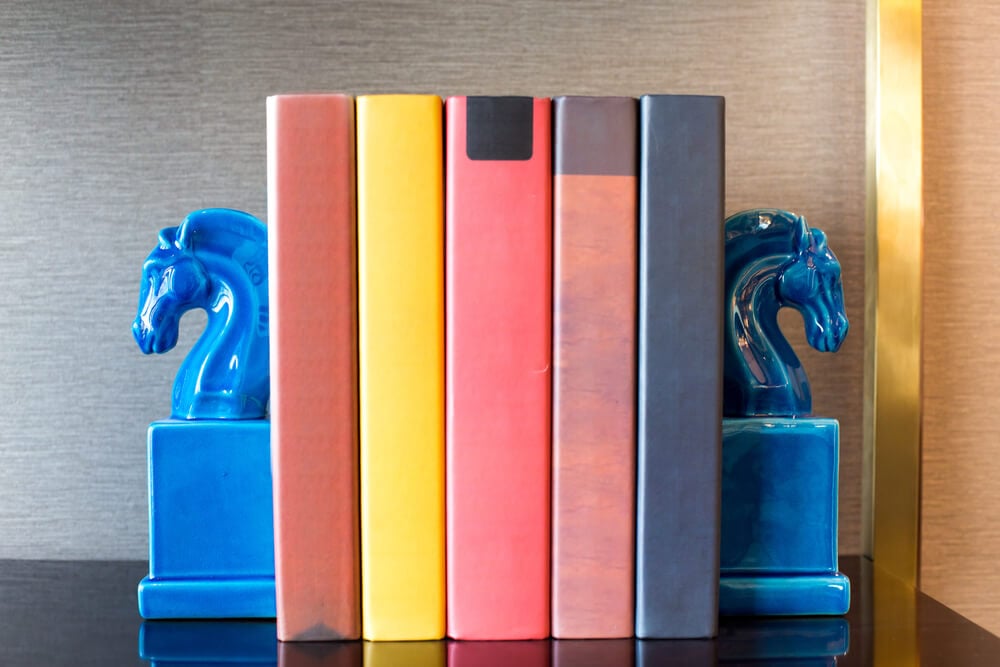
Weighted bookends of bronze, marble, or cast metal kept reference books upright. Designs ranged from simple blocks to figures of animals and scholars. They gave the desk an air of learning.
The Candlestick Telephone
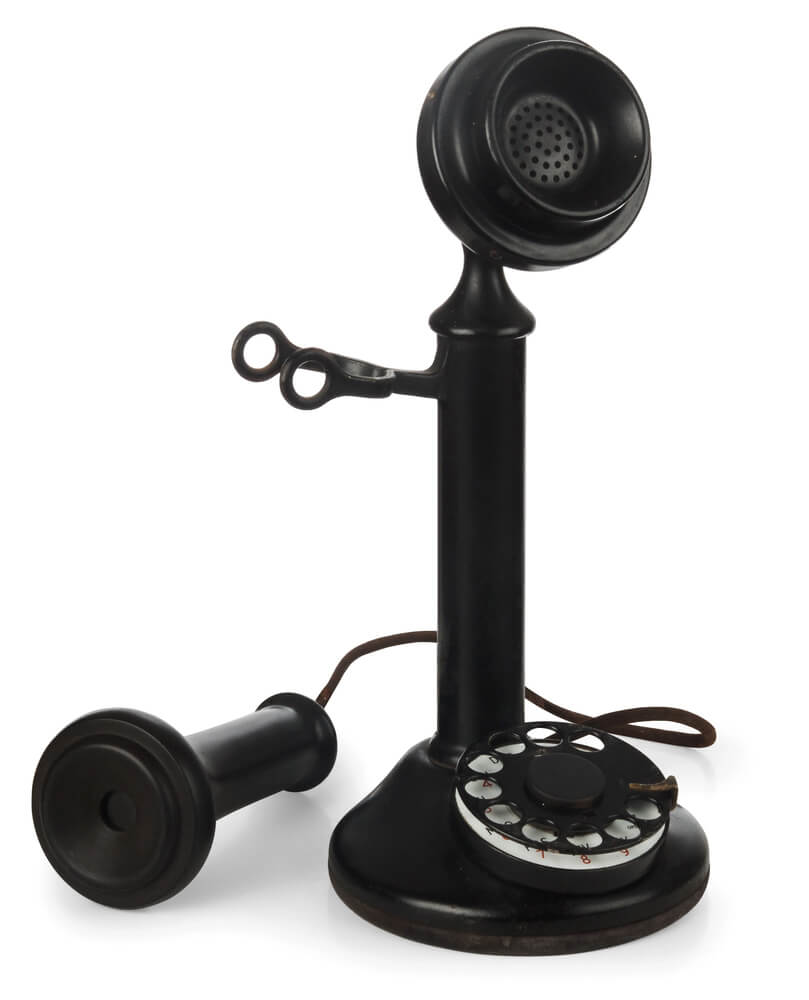
The early upright telephone, with its tall stem and separate earpiece, sat on the desk as a sign of modernity. Brass and nickel finishes gleamed beneath the lamp. Calls were made through an operator in many places.
The Quill and Ink Stand
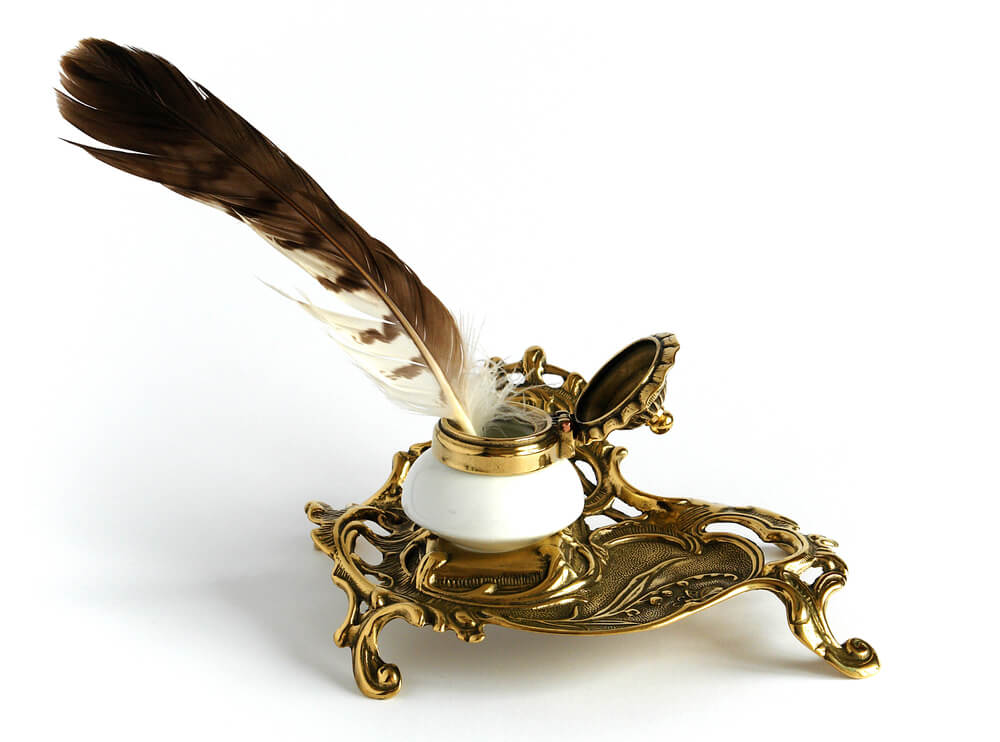
Before steel pens, quills cut from goose feathers were the norm, and a stand held them upright alongside an inkpot. The knife used to shape the nib gave the penknife its name. The stand was often a showpiece of silver or porcelain.
The Seal Press

A heavy embossing press stamped a raised design into paper, often used by notaries and companies. The lever action produced a crisp, official-looking mark. Heavy cast iron frames made them a permanent fixture.
The Desk Set

Sometimes the pieces were sold together as a matching desk set, with blotter corners, pen tray, and other pieces in the same material. Leather and brass sets were popular for executive desks. A complete set is harder to find than any single piece.
The Quiet Order of the Desk

An antique desk set reveals a world in which writing took time and care. Each item met a specific need, and each had a place on the desktop. The result was a workspace as orderly as a chessboard.
Modern tools have replaced most of these objects, yet collectors still find them satisfying. They carry a slower rhythm, a reminder that correspondence once involved wax, sand, and patience. Setting a few of them on a desk can bring that rhythm back.
More from Go2Tutors!

- 27 Silver Dollars and Half Dollars Worth Keeping
- 28 Restaurant Menu Items Nobody Orders Anymore
- 17 Places Built in Seemingly Impossible Spots
- 27 Vintage Rings Worth More Than They Look
- 25 Restricted Sites Tourists Can’t Enter
Like Go2Tutors’s content? Follow us on MSN.