31 Jewelry Maker Marks on Secondhand Pieces
The tiny stamps on the back of a brooch or inside a ring band often say more than the piece itself. Some name a maker, some certify metal, and some give away a country or a decade.
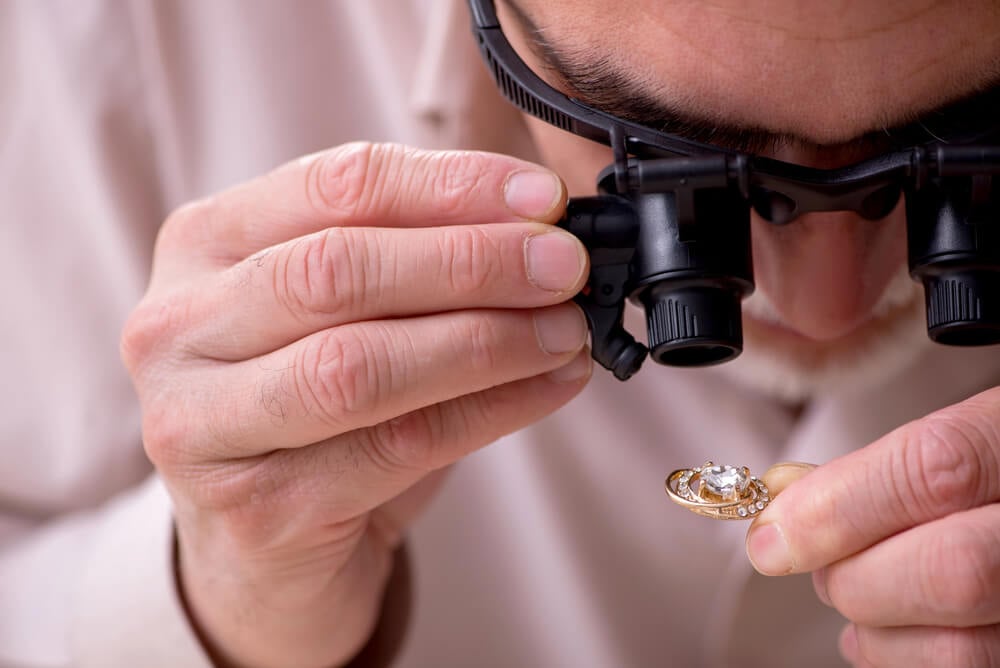
A loupe and decent light are all it takes to read them. The marks below turn up again and again at estate sales, thrift counters, and the bottom of inherited jewelry boxes.
The 925 Stamp
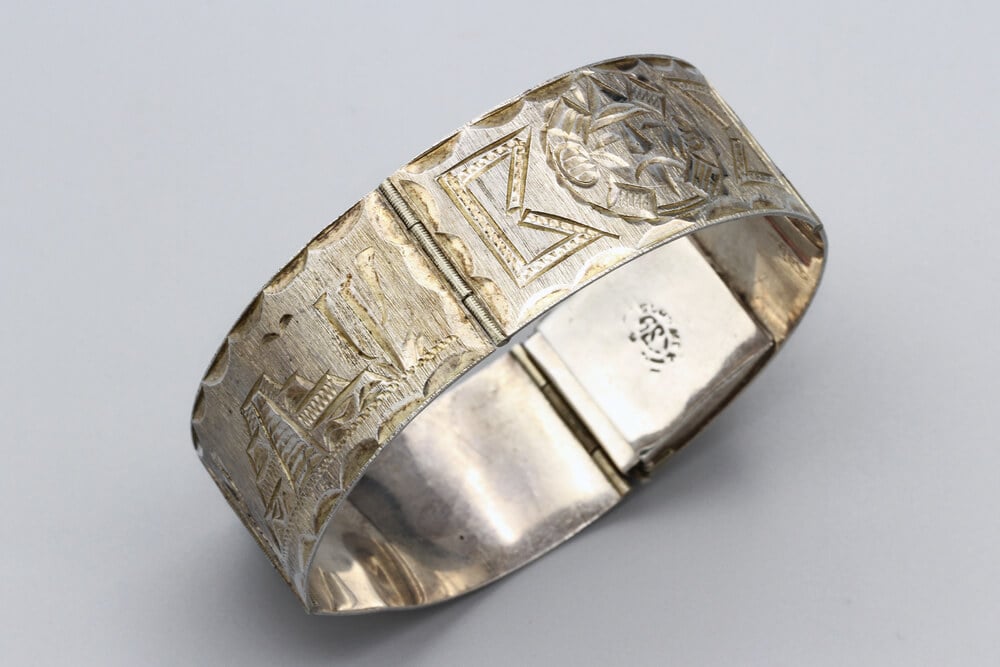
A number 925 stamped on silver means the metal is 92.5 percent pure silver, which is the sterling standard. The stamp is most often found on the clasp, the inside of a ring, or the back of a pendant.
Anything stamped 925 is worth more than silver plate, though the price still depends on weight and condition.
The Lion Passant

A walking lion with one paw raised is the traditional British mark for sterling silver. It sits among a group of small stamps, so a magnifier is needed to separate it from its neighbors.
Finding it on a piece confirms the metal even when no maker’s name is visible.
The Leopard’s Head
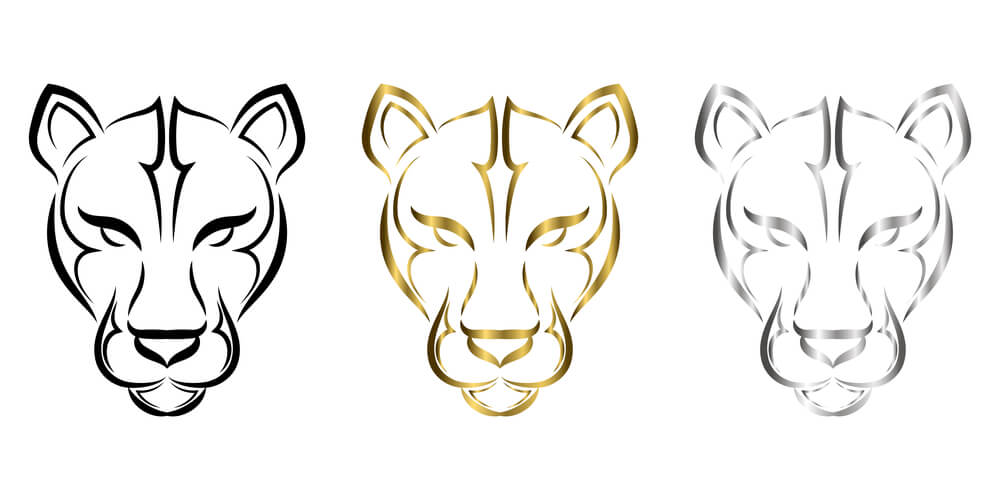
A crowned leopard’s head is the mark of the London assay office. It appears alongside the lion passant on sterling pieces tested in the capital.
A worn leopard may need a bright light and a steady hand to read.
The Anchor

An anchor is the mark of the Birmingham assay office, which handled a large share of British jewelry production. It is one of the easiest town marks to recognize because the shape is simple and the design is distinct.
Birmingham pieces are common, so the mark helps place a piece more than it raises the price.
The Castle
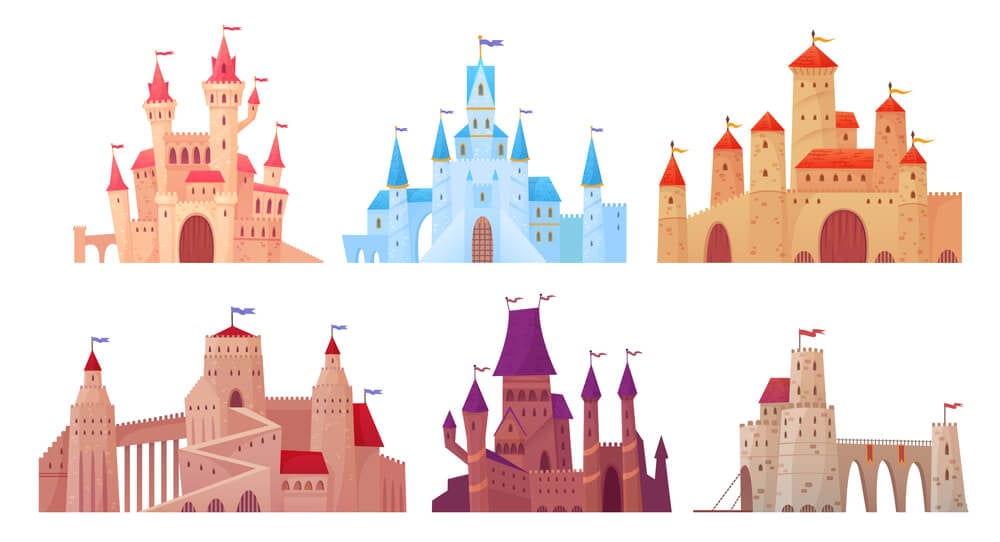
A castle with three towers is the Edinburgh assay mark. It signals a Scottish origin, which matters to collectors of regional silver and of Celtic-style brooches.
The mark is small, so it is easy to confuse with a simple smudge.
The Crown

A crown is the mark of the Sheffield assay office, a city long known for silver. It sits beside the other hallmarks in a tight row.
Sheffield pieces are often flatware, but jewelry from the city carries the same crown.
Date Letters

British hallmarks include a single letter that identifies the year of assay, with the alphabet cycling and the typeface and shield shape changing from one cycle to the next. A reference chart for the particular assay office turns that letter into a calendar year.
The letter is the reason a hallmarked piece can be dated more precisely than most unsigned jewelry.
The Sovereign’s Head Duty Mark
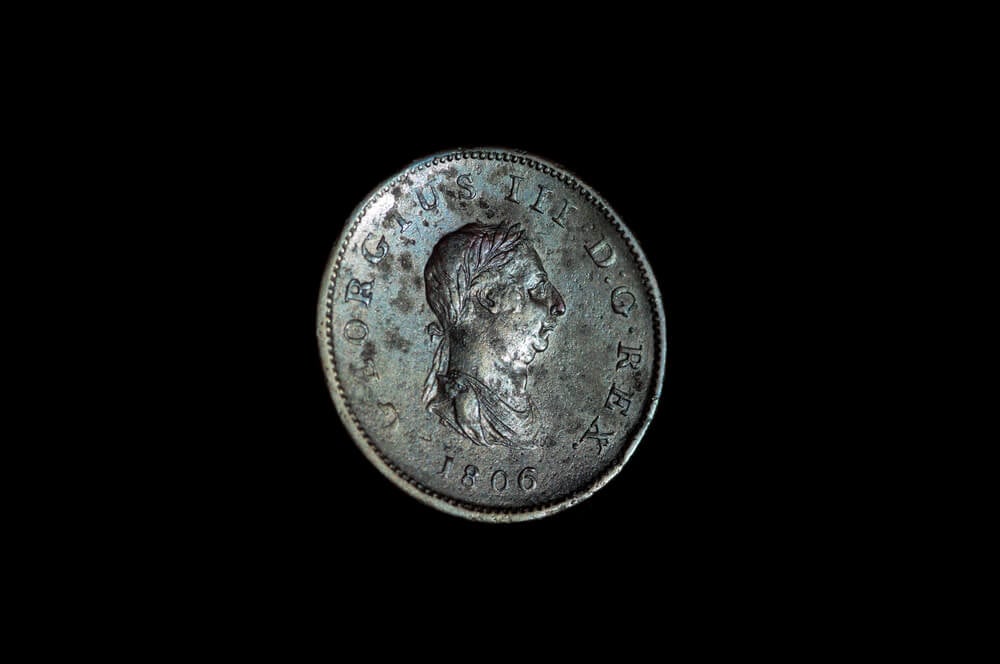
From 1784 until 1890, British silver carried a small profile of the reigning monarch to show that a tax had been paid. The tiny head faces a particular direction depending on the monarch, which helps narrow the date.
Finding one confirms that a piece is more than a century old.
The Britannia Standard
Britannia silver is a higher standard than sterling, at 95.8 percent pure, and it is marked with a seated figure of Britannia instead of the walking lion. It is rarer in jewelry than sterling and signals an older or more specialized piece.
The softer metal wears down faster, so check the edges for flattening.
The 800 Stamp
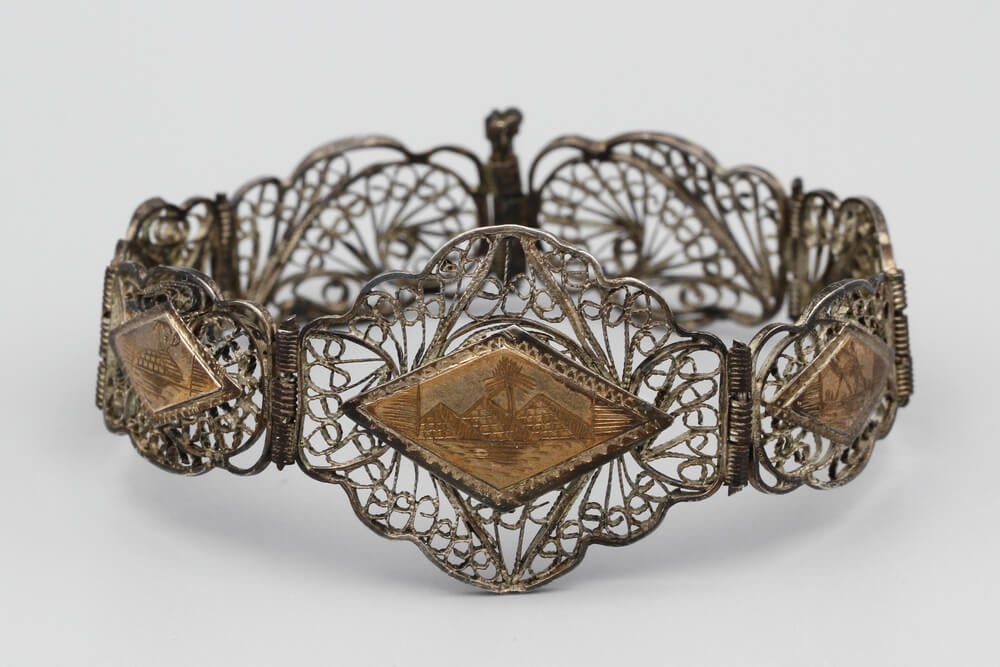
Continental European silver is often stamped 800, meaning 80 percent silver. It is lower in purity than sterling but still real silver.
Many pieces from Germany and nearby countries carry this number, and buyers sometimes dismiss them by mistake.
Mexican Eagle Marks

Silver made in Mexico often carries an eagle stamp with a number that identifies the assay mark, and many pieces are also marked with the town of Taxco or the word Mexico. The silversmith William Spratling helped build the Taxco reputation in the 1930s.
Eagle-marked pieces vary widely in value, so craftsmanship and condition decide the price.
Karat Marks
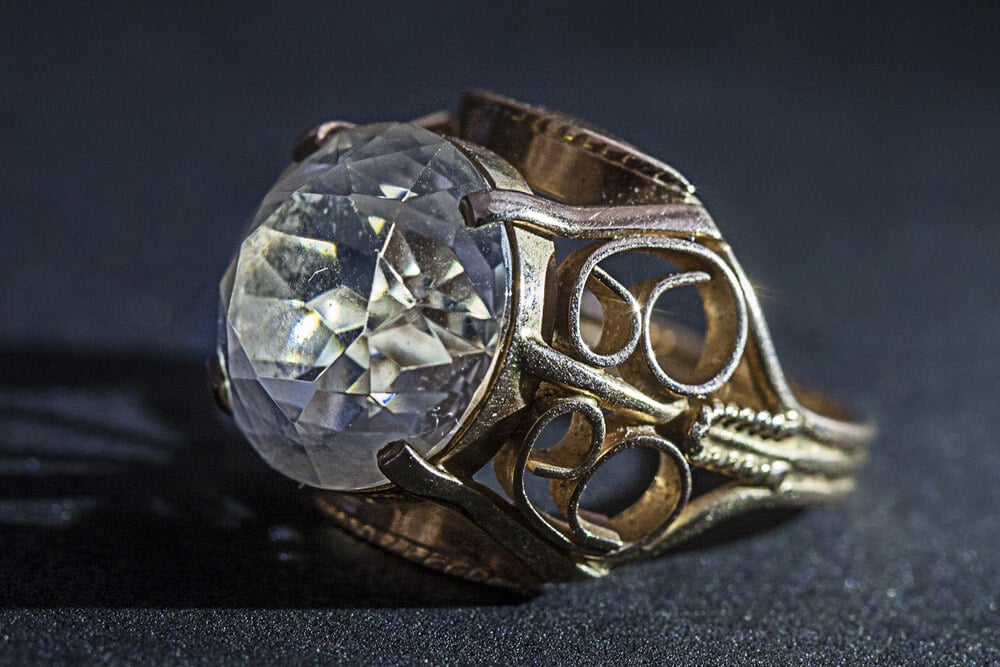
A number followed by a K, such as 10K, 14K, or 18K, reports the gold content in karats, where 24K is pure gold. Lower karat gold is harder and cheaper, while higher karat gold is softer and richer in color.
The stamp is usually found inside a ring band or on a clasp.
Continental Gold Marks
Outside the United States, gold is commonly stamped with a three-digit fineness number instead of a karat. A 585 stamp equals 14K and a 750 stamp equals 18K.
The numbers are a quick conversion that avoids a trip to a reference book.
Gold Filled
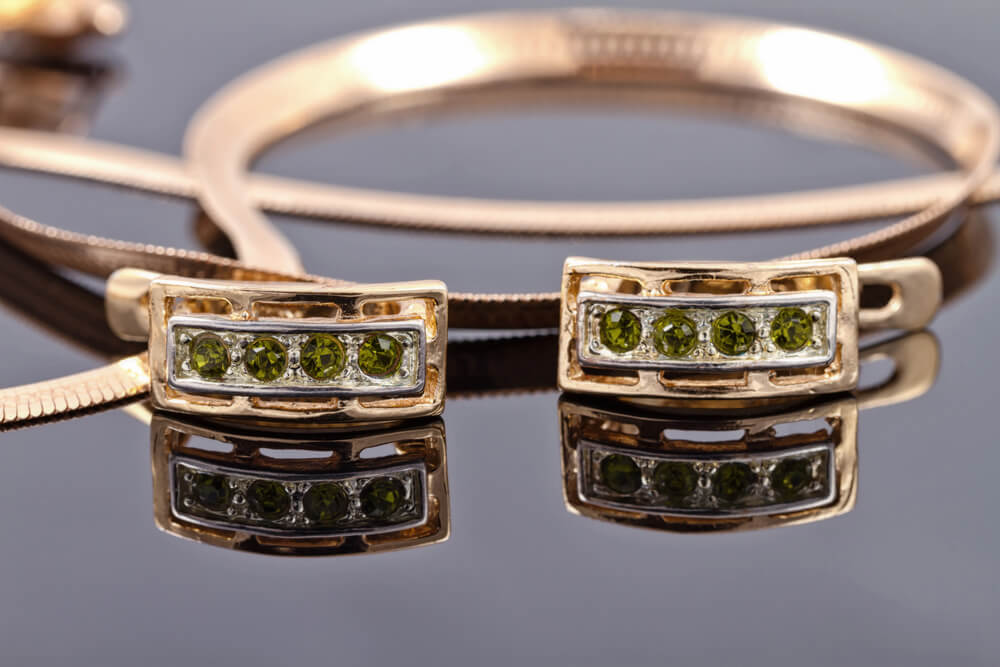
Gold filled jewelry is made by bonding a layer of gold to a base metal, and the stamp usually includes a fraction such as 1/20 and the letters GF. That fraction describes how much of the total weight is gold.
It lasts far longer than plating, but a worn spot that shows base metal drops the value quickly.
Rolled Gold Plate
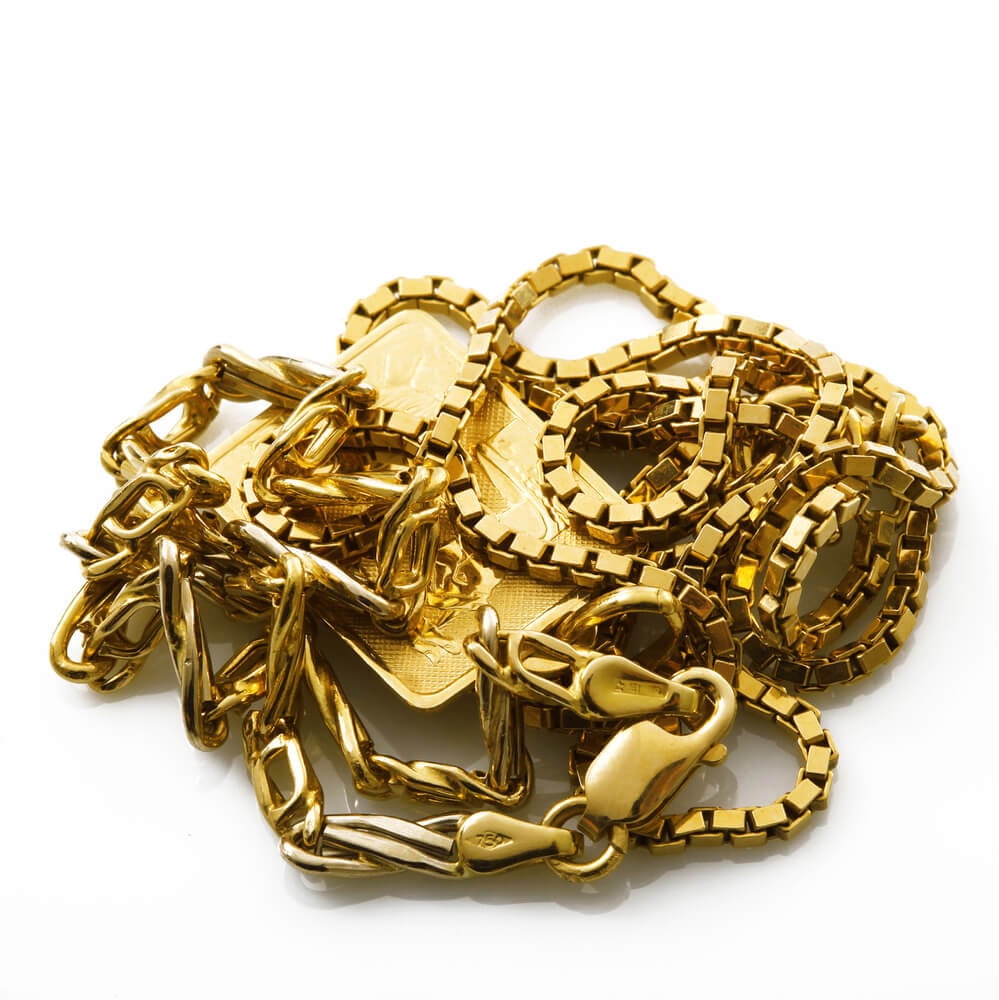
The letters RGP or the phrase rolled gold plate describe a thinner layer of gold bonded to base metal. It looks like gold at first, but the layer is thin and wears through on high-contact areas.
The stamp is a reminder to check the edges of a bracelet or the back of a ring.
Platinum Marks
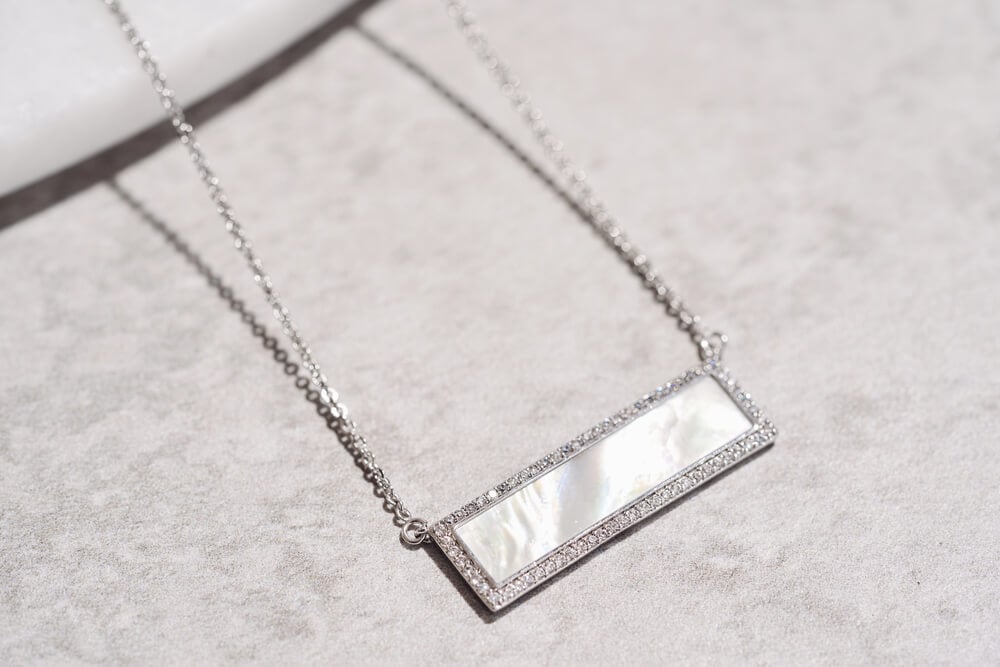
Platinum jewelry is stamped Plat, Pt, or 950, the last number reflecting its purity. It is heavier than gold and tends to be used for fine settings and wedding bands.
A platinum stamp on a small ring deserves a second look before it ends up with the costume pieces.
Tiffany & Co.
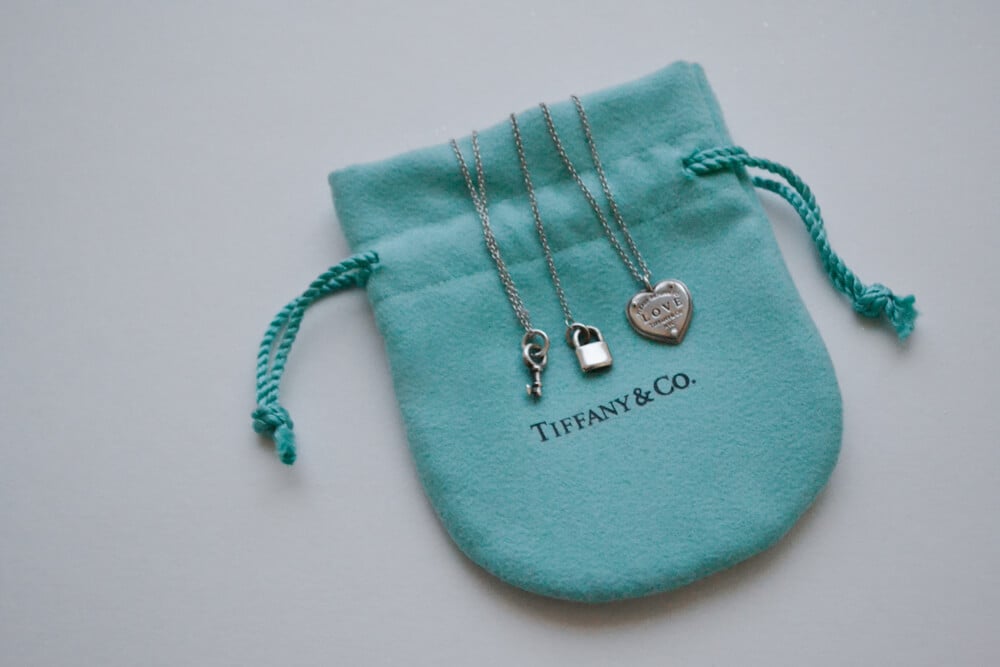
Tiffany & Co. was founded in New York in 1837, and the firm stamps its name on the back or inside of its jewelry, together with the metal standard. Pieces vary widely, so the stamp should be matched with the design and the weight.
A fake can carry the same name, which is why a heavy, crisp, clean stamp matters more than the name alone.
Cartier
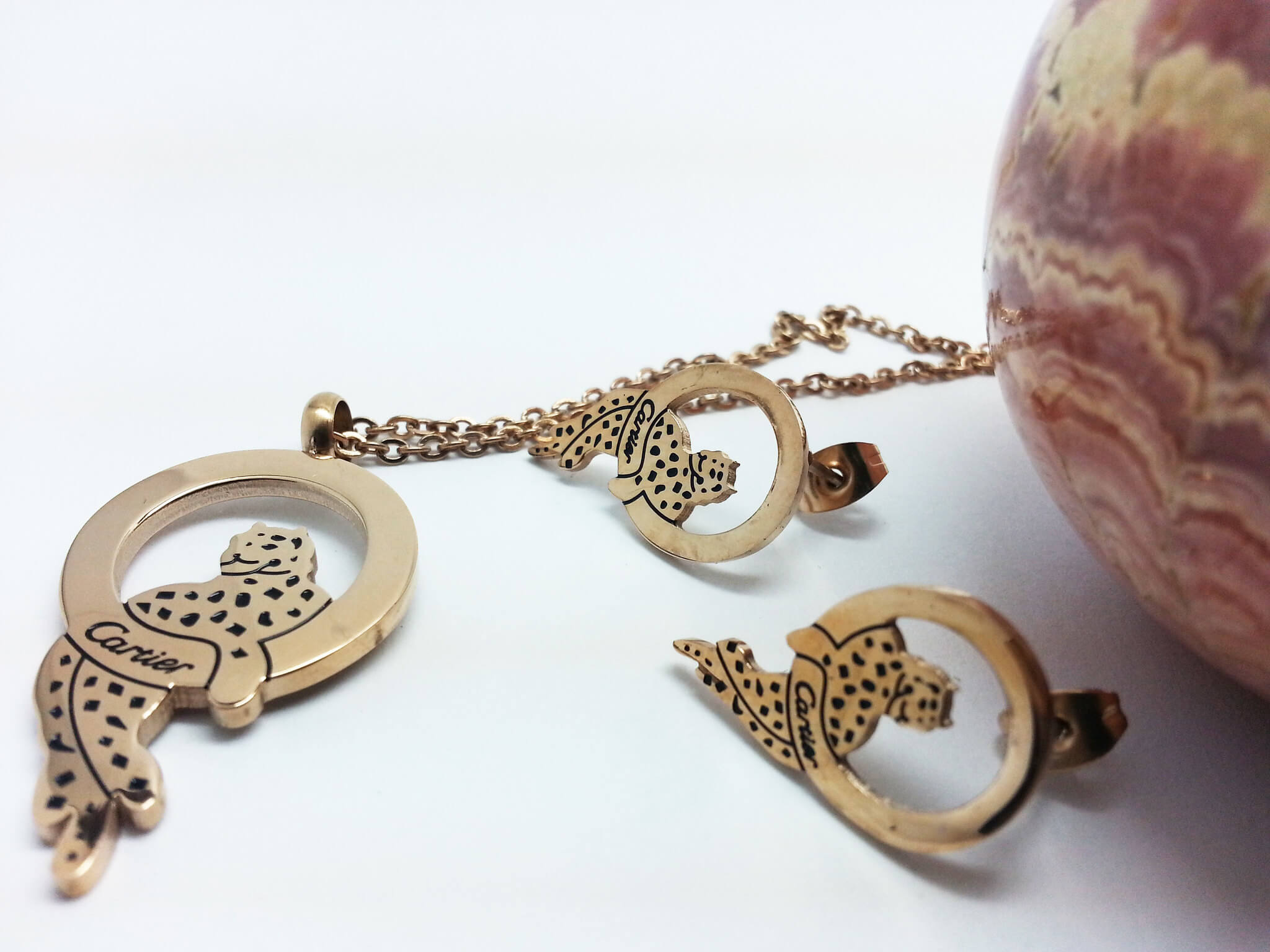
Cartier was founded in Paris in 1847 and marks its jewelry with the name, a serial number, and the metal standard. The serial number is the detail that sets a genuine piece apart, since the firm keeps its own records.
A Cartier mark on a piece with no number deserves a skeptical look.
Georg Jensen
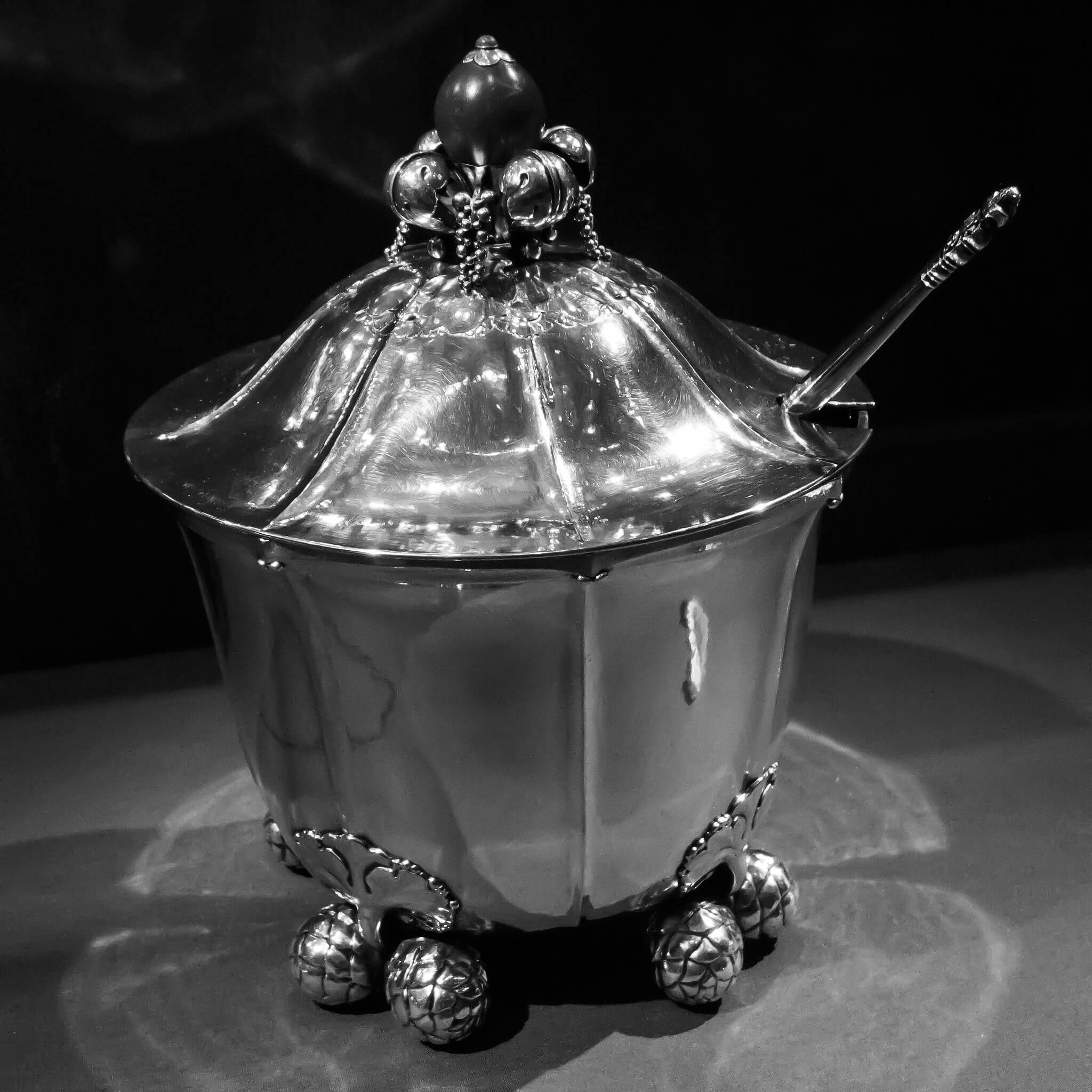
Georg Jensen opened a silversmith workshop in Copenhagen in 1904, and its pieces carry a stamp with his name or initials along with a sterling mark. The designs are sculptural and often feature stylized fruit and leaf motifs.
A piece with a clear mark and no dents is the one that sells for the most.
The Trifari Crown
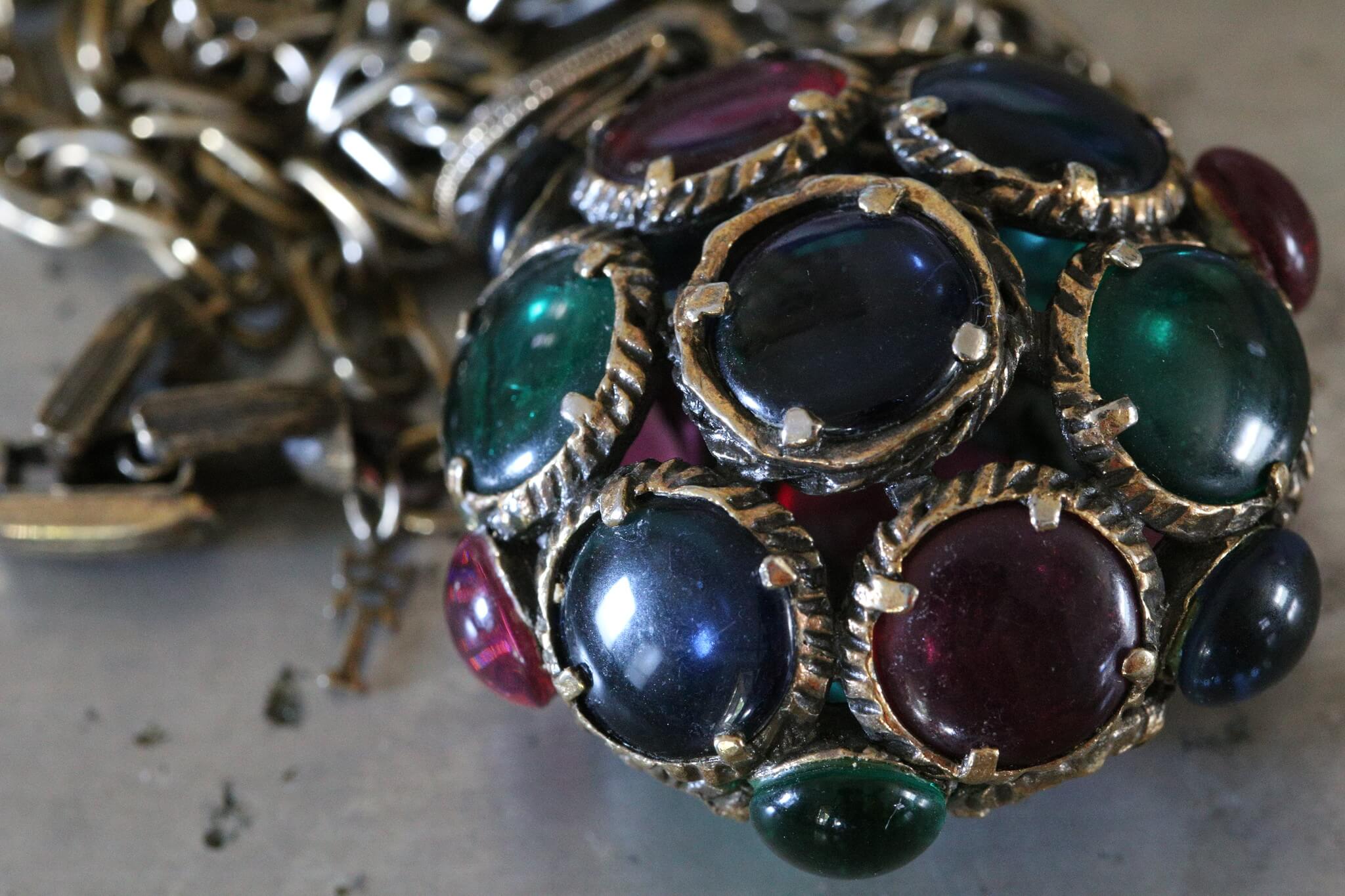
Trifari costume jewelry is marked with the name, often with a small crown above a T. The crown version is widely seen on brooches, earrings, and necklaces from the middle of the twentieth century.
A signed Trifari piece with missing stones is worth far less than a complete one.
Napier
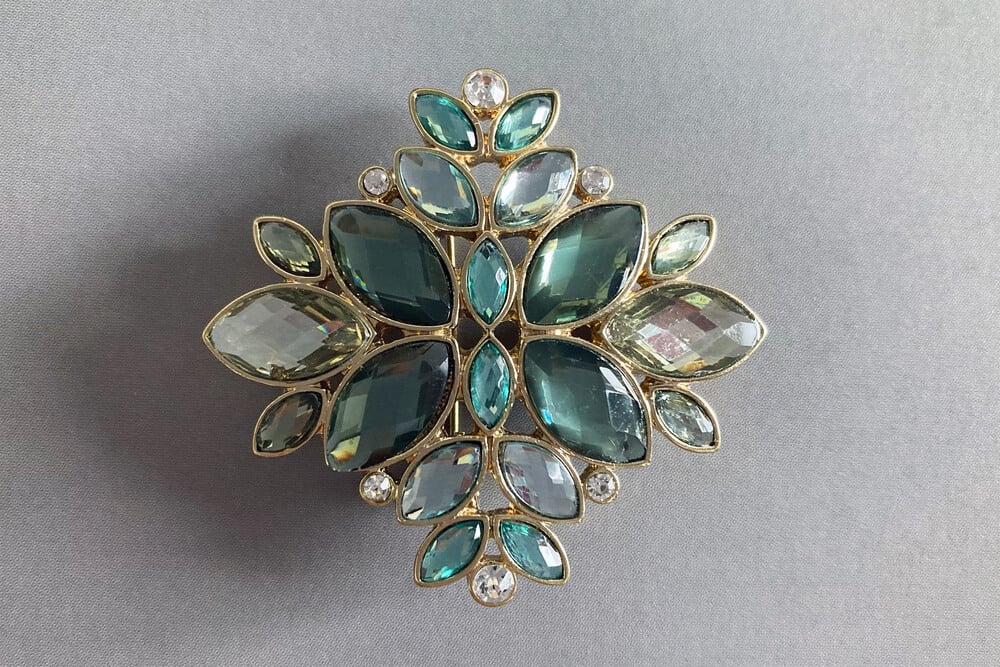
Napier jewelry is stamped with the company name on a small tag or plate on the back, and the firm was based in Meriden, Connecticut. The mark appears on bracelets, charm bracelets, and necklaces made in many decades.
Condition matters more than the signature, because plating wear is common.
The Coro Pegasus
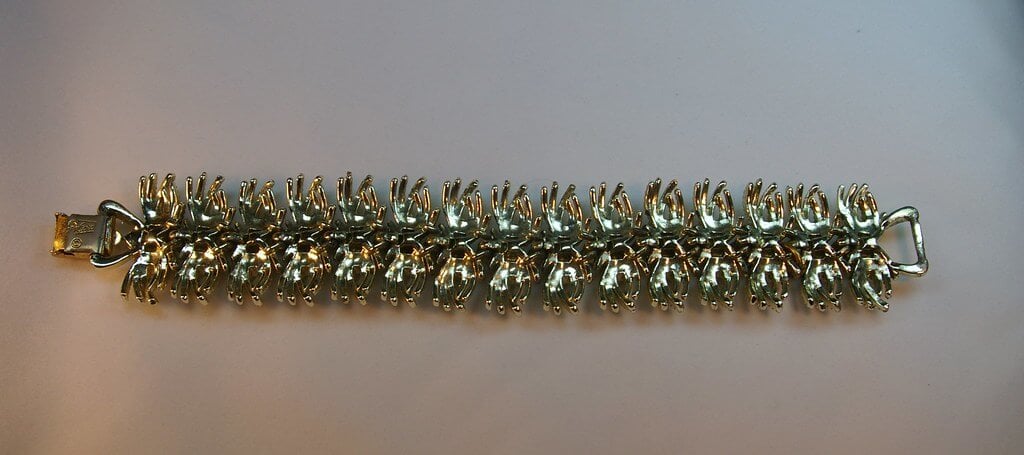
Coro marked some of its jewelry with a winged horse called Pegasus, along with the company name. The firm was among the largest costume jewelry producers in the United States.
The Pegasus mark helps separate higher-end Coro pieces from the plain ones.
Monet
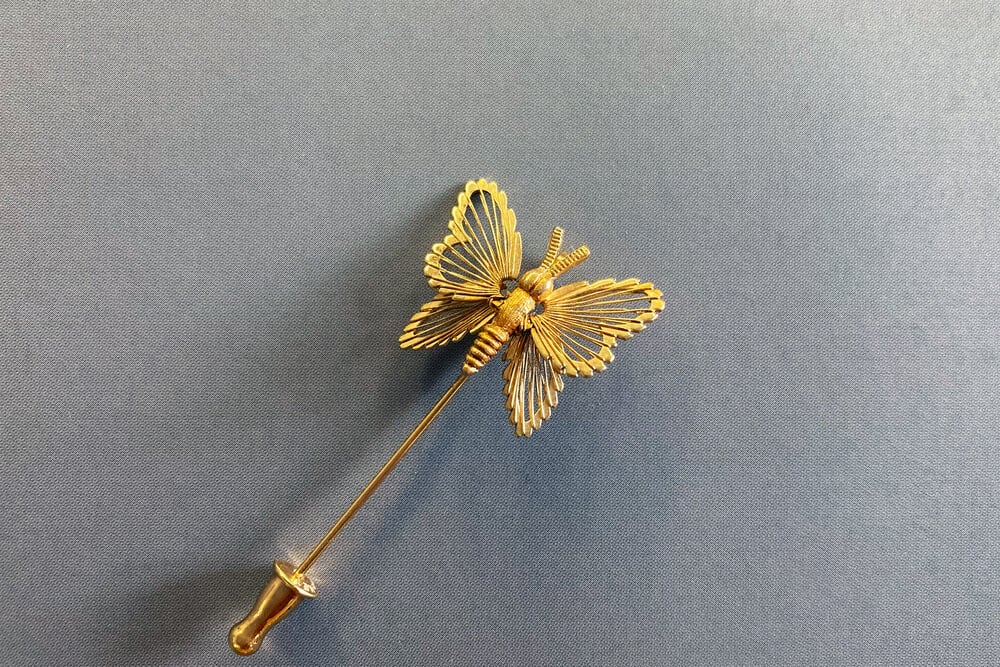
Monet jewelry is stamped with the single word Monet, often in capital letters, on the back or on a small tag. The company was known for gold-tone chains, earrings, and link bracelets.
A clean, undamaged finish is the main factor in what a piece sells for.
Eisenberg
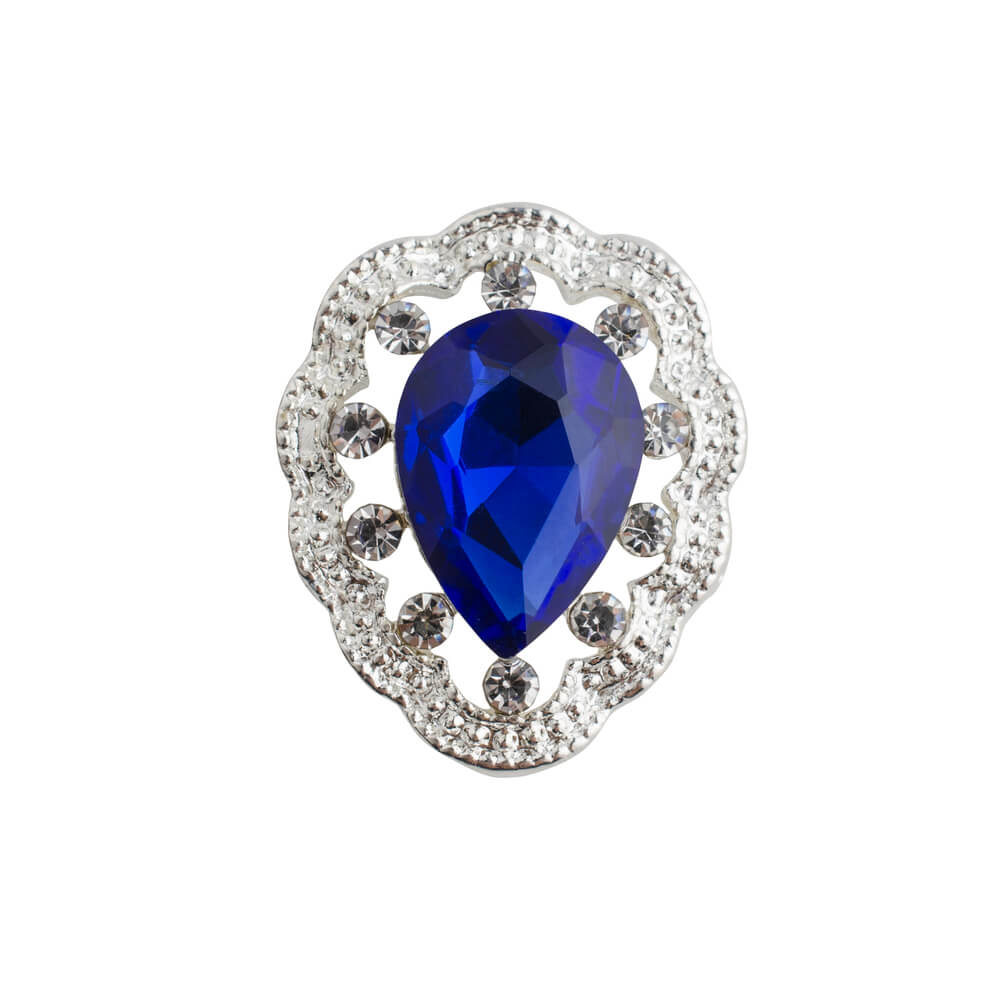
Eisenberg jewelry from Chicago is known for large, glittering rhinestone brooches, and its pieces are marked with the name, sometimes with the words Eisenberg Original. The marks changed over time, which helps date a piece.
Loose or replaced stones lower the value quickly.
Miriam Haskell
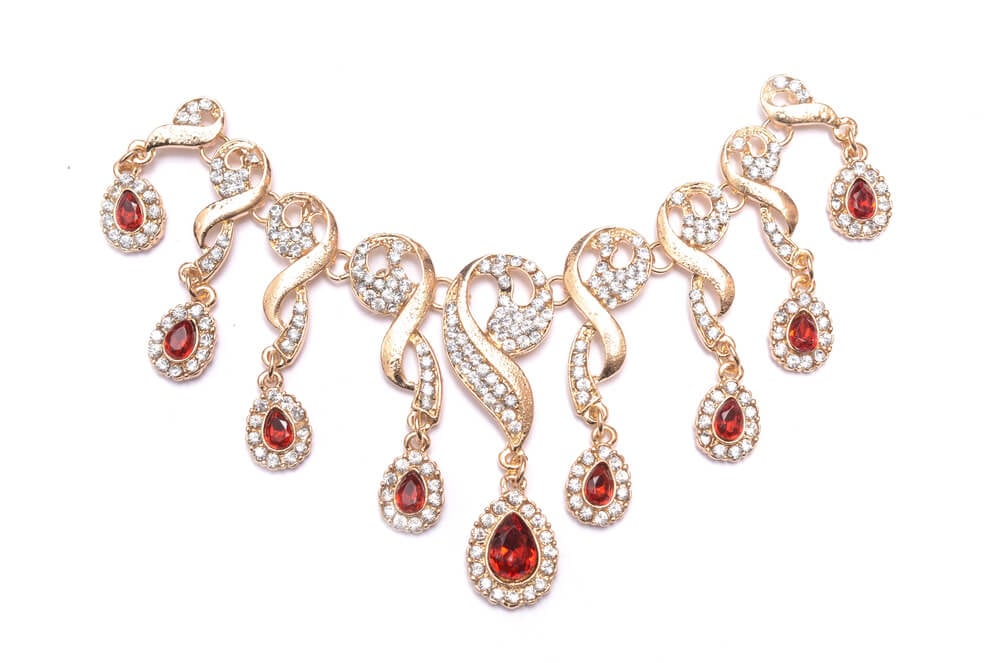
Miriam Haskell opened her first shop in New York in 1924, and her firm became known for intricate pieces made from beads, pearls, and metal filigree. The signature is usually found on a small plaque on the back of the piece.
Because the pieces were wired by hand, broken wires and missing beads reduce the price.
Hattie Carnegie
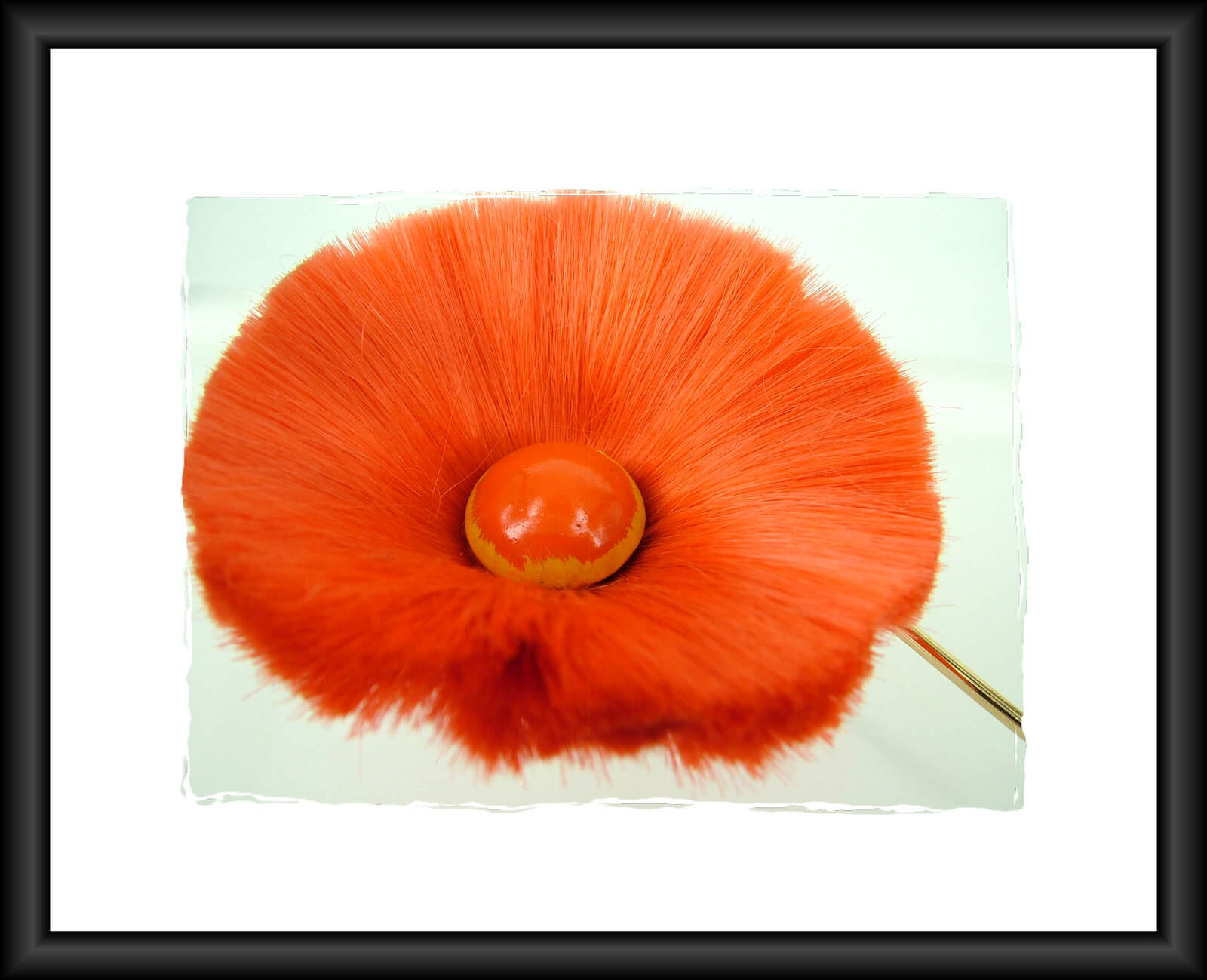
Hattie Carnegie was a New York fashion house, and its jewelry was sold alongside its clothing. Pieces carry the name on a small plaque or stamp, often with a signature in capital letters.
Matching earrings and necklaces sell for more than single items, provided every stone is intact.
Kramer of New York
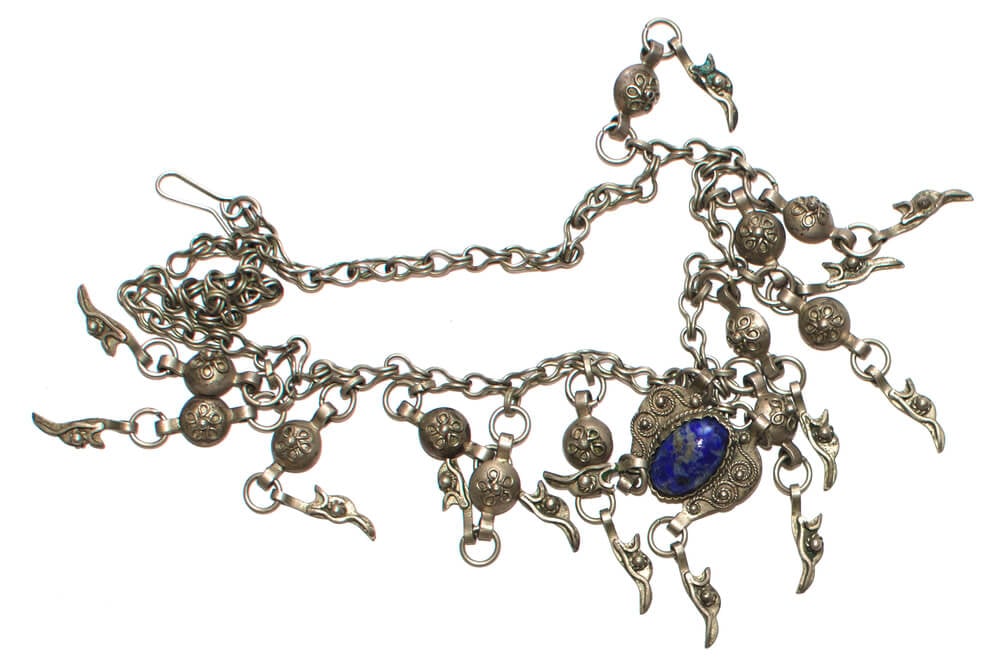
Kramer jewelry carries the name Kramer, sometimes with the words New York, and is known for its rhinestone and pearl pieces. The signature is typically on the back of a brooch or on the clasp of a necklace.
A signed Kramer set is worth more together than apart.
The Copyright Symbol

A small circle with a C inside, usually followed by a company name or initials, marks jewelry made during the later twentieth century. It is a protection claim rather than a hallmark, so it says nothing about the metal.
The symbol still helps place a piece in the era after copyright notices became routine on jewelry.
Patent Marks

Phrases like Pat. Pend. or Pat. followed by a number appear on clasps, clips, and earring backs. The number can be searched in a patent database, which often reveals the inventor and the filing date.
A patent mark on a clasp is one of the few clues that points to an exact year.
Made in Japan and Occupied Japan

Jewelry marked Made in Japan or Occupied Japan was produced during or after the postwar period, and Occupied Japan marks are associated with the years from 1945 to 1952. Collectors seek the Occupied Japan stamp because the window was so short.
The pieces are often small and delicate, so cracks and missing parts lower the price.
Made in West Germany
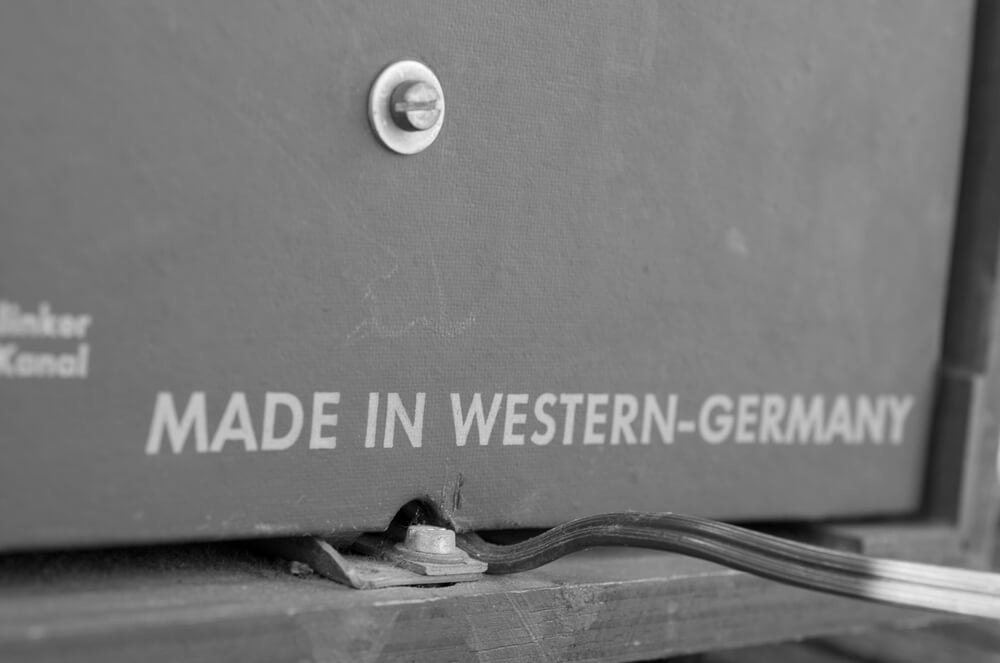
Pieces stamped West Germany were made between the late 1940s and 1990, when the country was divided. The mark helps date jewelry within that window, and German-made costume jewelry is known for fine detail.
The mark is usually on the back or on a clasp.
What a Tiny Stamp Can Settle
A maker’s mark can answer three questions at once: who made the piece, what it is made of, and roughly when it was produced. Few other clues on an old piece of jewelry are so compact.
The stamps worth learning first are the ones that appear most often, because they are the ones most likely to be hiding in a drawer. A loupe costs very little and pays for itself the first time it finds a mark that was missed for decades.
More from Go2Tutors!

- 27 Silver Dollars and Half Dollars Worth Keeping
- 28 Restaurant Menu Items Nobody Orders Anymore
- 17 Places Built in Seemingly Impossible Spots
- 27 Vintage Rings Worth More Than They Look
- 25 Restricted Sites Tourists Can’t Enter
Like Go2Tutors’s content? Follow us on MSN.