28 Family Gathering Photos From the 1940s
Family photography in the 1940s ran on box cameras and roll film, and every frame cost money. A typical roll offered somewhere between eight and twelve exposures, so a shutter click meant the moment had earned it.
Nobody burned film on a Tuesday afternoon.
That scarcity shaped the family album more than any style or fashion did. The pictures that survived were the ones people judged worth the price of development, and the choices they made say plenty about the decade.
The Blue Star Banner Behind the Porch Portrait
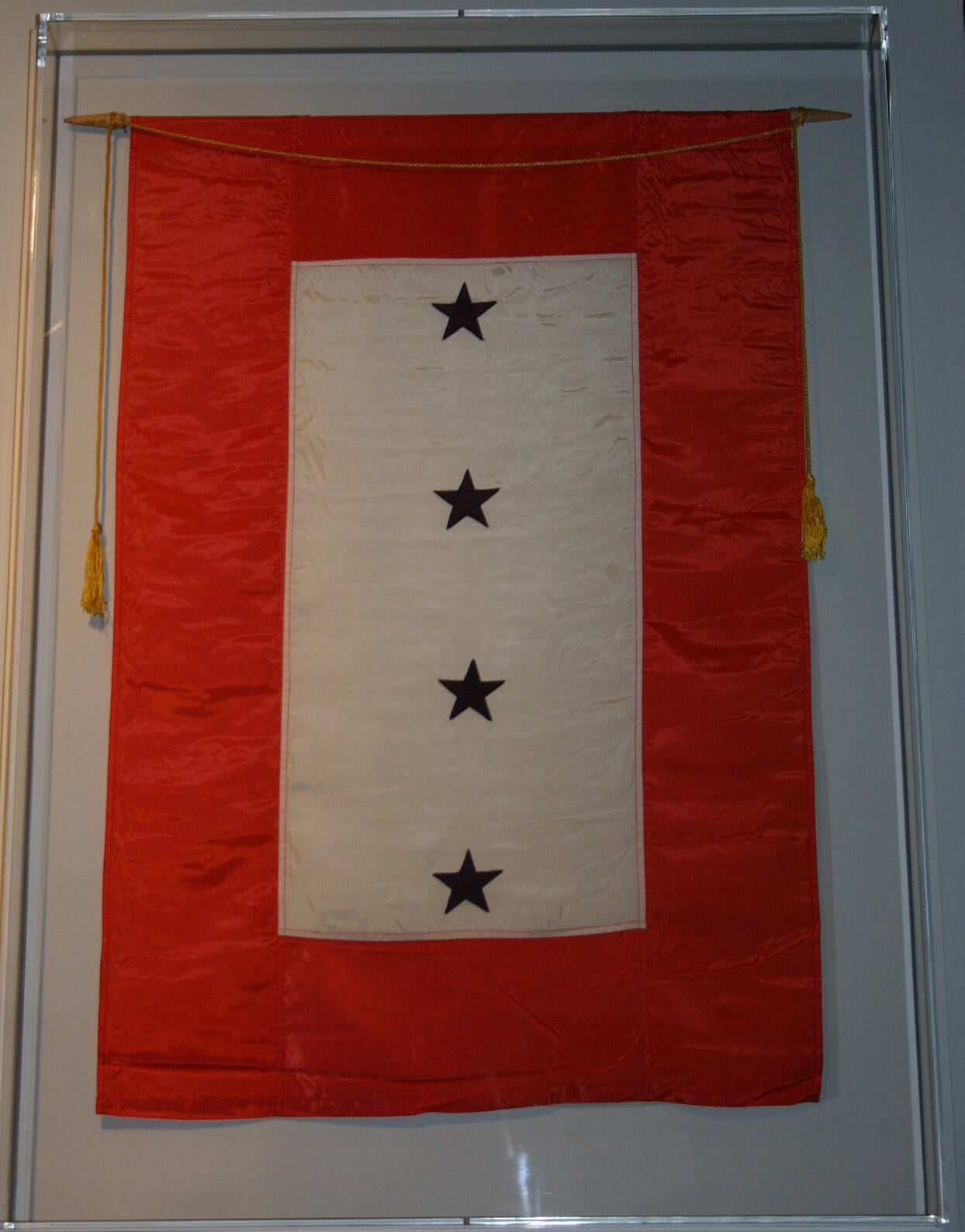
Families with a son or daughter in uniform hung a small service flag in the front window, a white field with a red border and one blue star for each person serving. A gold star replaced the blue one when a service member died.
Photographers on porches often framed the parents so the banner sat squarely behind their shoulders, where it would read in the print. The flag design dates to the First World War, which made it familiar enough that no caption was ever needed.
Sunday Dinner With the Good Dishes
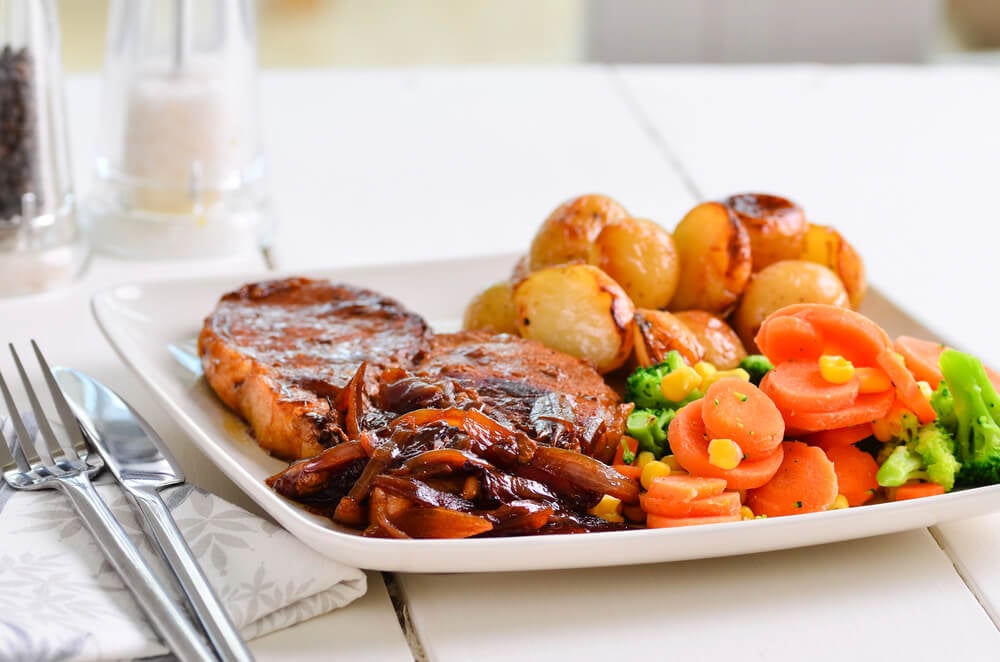
A table set after church, with a roast, a pressed white cloth, and the good dishes brought down from the hutch, was a standard subject for the family camera. Meat was rationed beginning in March 1943, so a roast on the table during the war years meant somebody had saved stamps for it.
Children sat in their church clothes with napkins tucked at the collar, and the camera usually came out before the carving began. The leftovers were expected to stretch through Wednesday.
The Victory Garden Harvest

By 1943, estimates put the number of victory gardens in the country above 20 million, and families photographed the rows the way they photographed new babies. A typical print shows a child gripping a bushel basket of tomatoes or a father leaning on a hoe next to corn that has outgrown the fence.
Gardens were credited with supplying roughly 40 percent of the nation’s fresh vegetables. The surplus was canned in glass jars and lined up in the cellar, which is why the same family often appears in a second photo, grinning beside the shelves.
Goodbye on the Train Platform

The Selective Training and Service Act, signed in September 1940, created the first peacetime draft in American history, more than a year before Pearl Harbor. Inductees reported by train, and families gathered on the platform for one last picture, mothers in their best coats clutching handbags with both hands.
Because the law preceded the war, some of these photos show a grim farewell that the people in them had not yet been given a reason to feel. The young man in the middle is usually the only one smiling.
Welcome Home on the Front Steps

Returning servicemen were photographed in dress uniform on the front steps, surrounded by relatives who had mailed packages and letters for years. Many wore the small gold-colored lapel pin issued to honorably discharged veterans, an eagle inside a ring that soldiers nicknamed the Ruptured Duck.
Mothers tend to be holding on to a sleeve in these pictures, as if the photographer might need to be talked out of leaving. Younger siblings who barely remembered him often stand a step behind.
The Wedding Gown Sewn From Parachute Silk
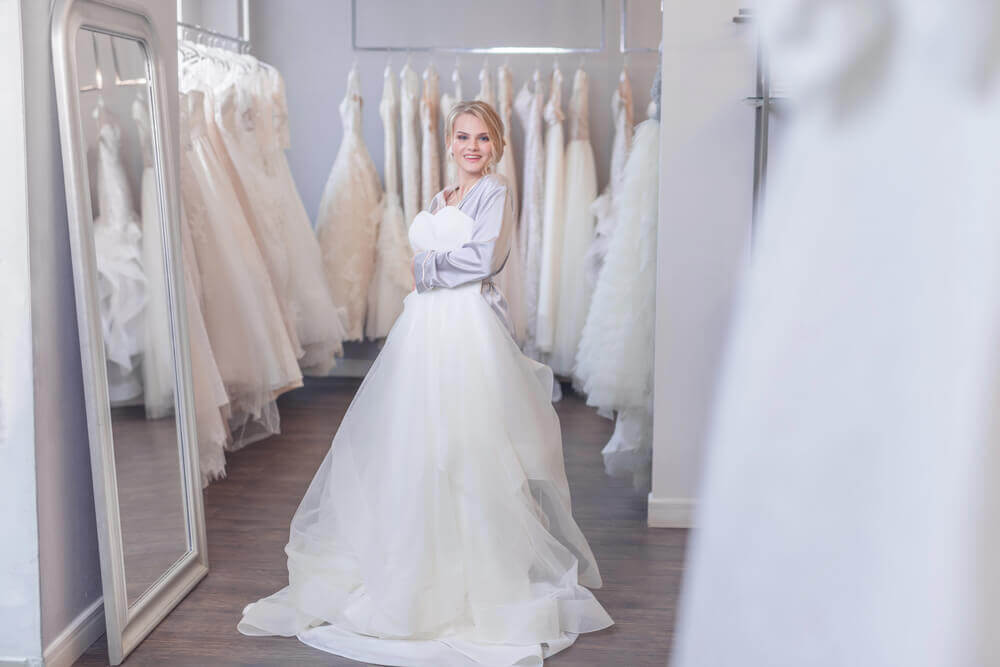
Silk and nylon were claimed by the military during the war, and brides who wanted a satin look sometimes turned to parachute fabric. The Smithsonian’s National Museum of American History holds a 1947 wedding gown sewn from a pilot’s parachute.
Family photos of these weddings show relatives lined up on church steps, with the dress often getting more attention than the groom. A bride could not simply order more fabric if the first attempt came out wrong.
Christmas Morning Under Bubble Lights

Bubble lights, candle-shaped bulbs holding a tube of liquid that boiled when warmed, arrived on American trees in 1946 courtesy of NOMA. A color photo from this era is rare, but even black-and-white prints show the tall glass tubes standing out among the ornaments.
Children appear in robes beside a tree that has been dragged into the front room. Surviving sets are collectible today, and prices swing widely depending on whether the tubes still bubble and the original boxes remain.
Easter Sunday in New Hats

Easter outfits were a point of family pride, and the church steps made a natural backdrop for the annual photograph. Girls wore white gloves and brimmed hats, while boys endured short pants and stiff collars.
Irving Berlin’s song “Easter Parade” was already a fixture, and the 1948 film of the same name with Judy Garland and Fred Astaire reinforced the idea that Sunday best was something to be shown off. Mothers usually wore the largest hat in the frame.
The Fourth of July Ice Cream Churn
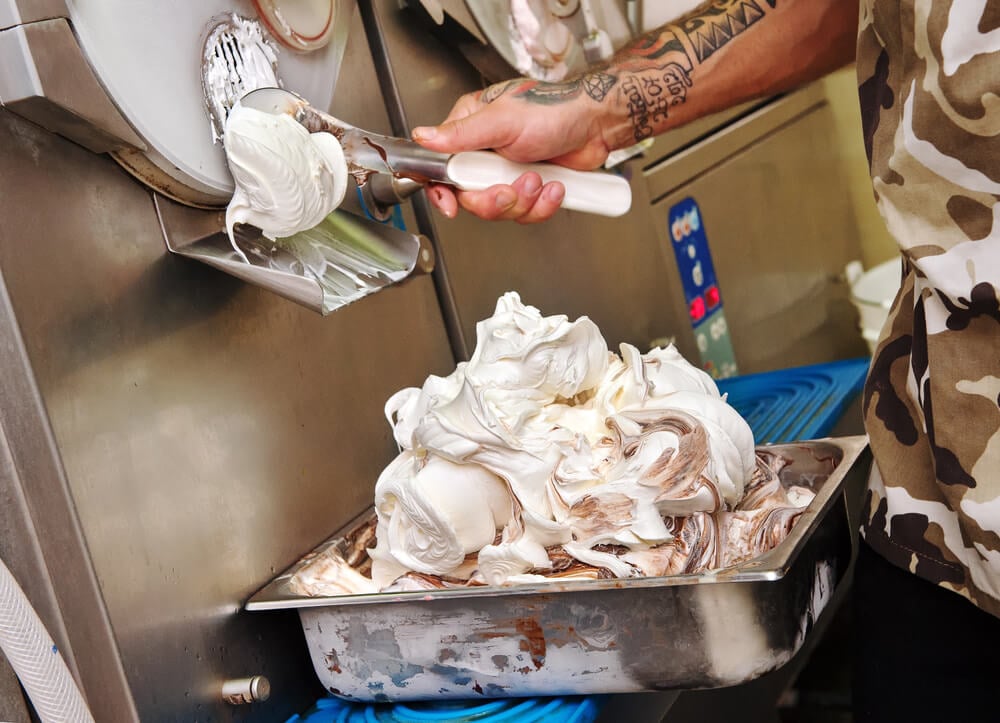
A picnic table, a canister of custard, and a bucket of ice packed with rock salt make up the classic Fourth of July family photo. The salt lowers the freezing point of the ice enough to freeze the cream, and the crank took the better part of half an hour to turn.
Children were assigned shifts, and the smallest one was usually allowed to sit on the lid to hold it down. The camera tends to catch the oldest cousin sulking at the handle.
Thanksgiving, Date Disputed
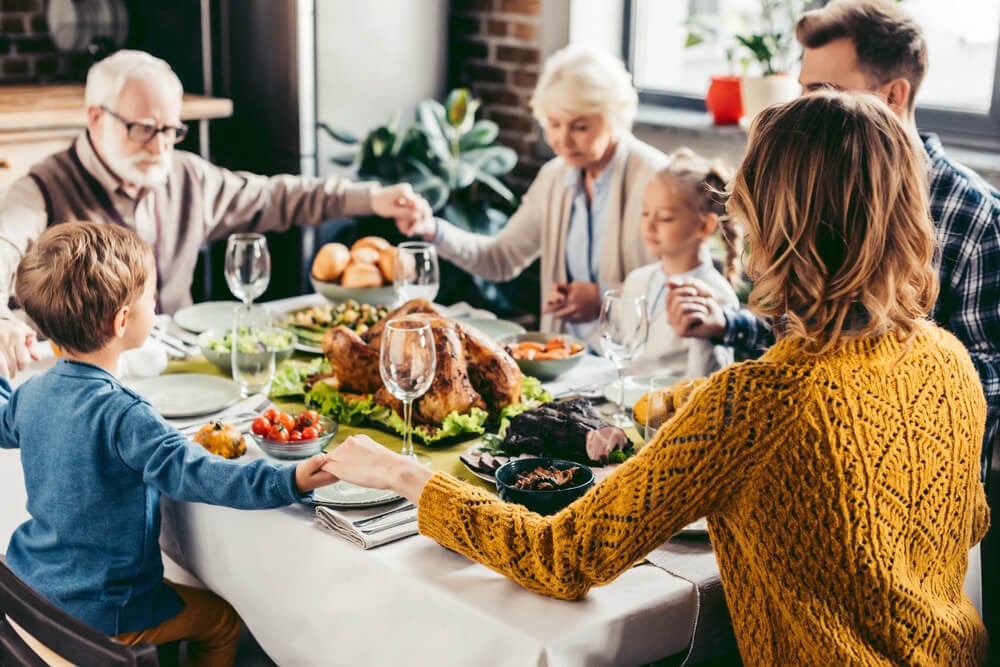
In 1939, President Roosevelt moved Thanksgiving up a week to November 23, hoping to lengthen the holiday shopping season, and the country split into two camps that celebrated on different Thursdays. Congress settled the matter in December 1941 by fixing the holiday on the fourth Thursday of November.
Family photos from those years show the same turkey and the same crowded table, with no hint of the argument over the calendar. Relatives who had traveled on the wrong week had to be forgiven, and they usually were.
Gathered Around the Console Radio

Families posed around the big wooden console radio the way later generations would pose around a television. Roosevelt delivered about thirty fireside chats between 1933 and 1944, and the 1940s version of the habit extended to war bulletins, Sunday comedy hours, and the evening news.
The set often anchored the living room and carried a lace doily on top. In photographs, the dial glows faintly, and everyone in the family has been arranged to face the speaker cloth rather than the lens.
The Reunion on the Farm

In 1940, roughly 23 percent of Americans still lived on farms, which meant that a family reunion often meant a farmyard. Four generations lined up in rows for the group portrait, the oldest seated in kitchen chairs carried out for the occasion and the youngest cross-legged on the grass.
Long tables of fried chicken, pies, and potato salad waited just out of frame. The photographer usually had to climb onto a wagon or a porch rail to fit everyone in.
The Christening in the Family Gown

Christening gowns were heirlooms, passed from sibling to cousin and kept wrapped in tissue between baptisms. The most famous christening of the decade was Prince Charles’s in December 1948, when the infant wore the Honiton lace robe made for Queen Victoria’s first child in 1841.
Ordinary families copied the idea on a smaller budget, photographing the baby on a grandmother’s lap beneath the church font. The gown often ran longer than the baby by a good foot.
Meeting the Baby on the Porch
American births climbed from roughly 2.9 million in 1945 to about 3.4 million in 1946, and the postwar baby boom filled family albums with scenes of relatives meeting a new arrival. A grandmother would receive the bundle on the porch, the father hovering at her elbow with his hands out.
The photographer was often a neighbor with a camera and a loyal streak. These pictures were taken in the first few weeks, since nobody was going to wait for the baby to look presentable.
The Squinting Group Portrait With a Shadow

Slow film meant photographers shot in direct sun, so entire families squinted at the lens while the photographer’s long shadow stretched across the grass in front of them. The Kodak Brownie, first sold in 1900 for a dollar, had made the box camera a household fixture, and the Brownie Hawkeye followed in 1949.
Few owners had a light meter, so exposure came from the chart printed inside the box. The shadow, a tiny, headless figure with its elbows out, remains the most reliable signature of an amateur.
A Birthday Cake Built on Rationed Sugar

Sugar was the first food rationed during the war, and in 1942 each person was limited to roughly half a pound a week. Birthday cakes of the era were smaller, frosted with boiled icing, corn syrup, or honey, and the candles were sometimes the only decoration that did not require stamps.
A child bent over a cake in these photographs, cheeks puffed, while aunts watched the crumbs. The family had likely been saving the sugar for weeks.
Kids and the Wagon Full of Scrap
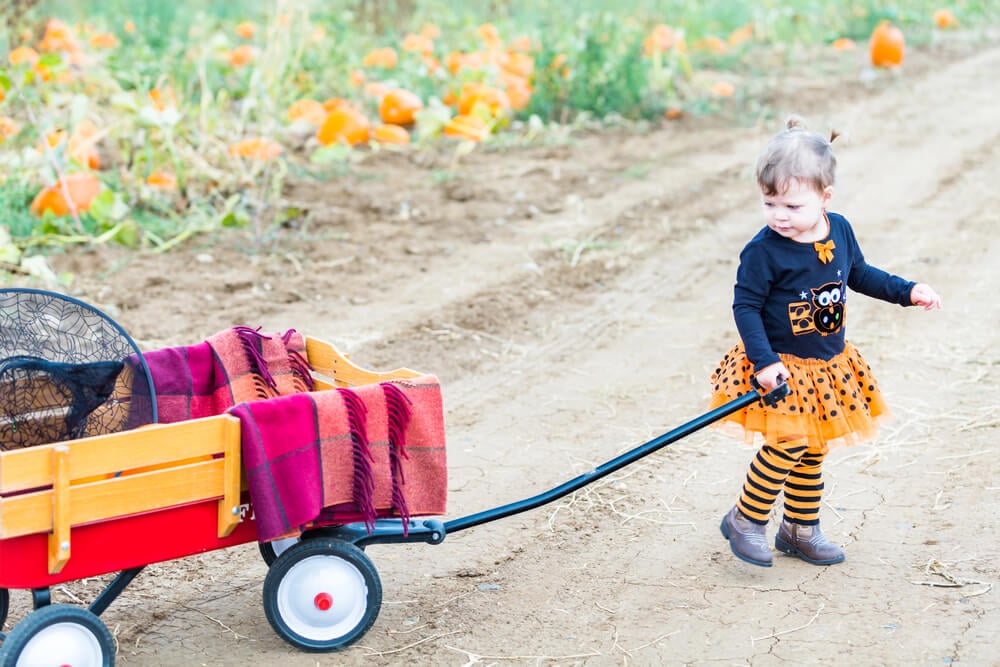
Scrap drives sent children out with wagons to collect metal, rubber, and kitchen fat, and the haul made for a favorite family photograph. A national rubber drive in June 1942 asked households to turn in old tires, garden hoses, and rubber raincoats.
Boys and girls posed beside piles that included bent bedsprings and dented pots, wearing the expressions of people who had won something. Their parents were often in the background, relieved that the garage was finally clear.
The Sunday Drive at Victory Speed
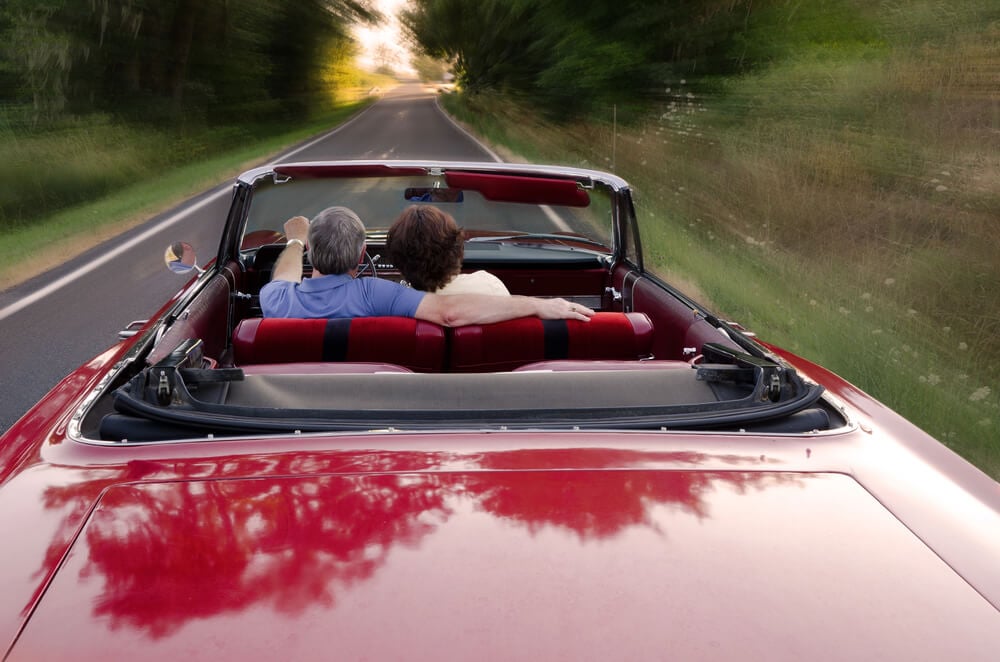
Gasoline rationing reached the entire country in December 1942, and the basic A sticker allowed roughly four gallons a week. A national 35-mile-per-hour limit, nicknamed the Victory Speed, discouraged anything more than a slow trip to a relative’s house.
Family photos taken beside the family sedan on a gravel shoulder show everyone posed on the running board. The car in these pictures was often a prewar model, since automakers stopped building civilian cars in early 1942.
The Seaside Day in Wool Swimsuits

Swimsuits of the 1940s were often wool, and they sagged noticeably when wet. In March 1942 the War Production Board’s Order L-85 cut the fabric allowed in women’s swimwear by about 10 percent, which is why two-piece suits became more common.
By 1946 the swimsuit had made its debut in France, though few family photos from American beaches show anything so daring. Instead, there are rows of relatives on blankets, dressed in cotton cover-ups, squinting at the camera and the waves.
The Sledding Hill

The Flexible Flyer, invented by Samuel Leeds Allen in 1889, was the sled most families owned by the 1940s, and its steering bar made it the one to be photographed on. Children are usually mid-ride, bundled in wool and scarves, while a parent stands at the bottom in galoshes.
Vintage Flexible Flyers are collected today, and their value depends heavily on the condition of the wood, the runners, and the original paint. The photographer’s thumb is often visible at the edge of the frame.
The Front Lawn at Levittown

Levittown, New York, opened in 1947 on former potato fields on Long Island, with houses that eventually sold for around $7,990. Veterans could buy with little or no down payment under the GI Bill, which President Roosevelt signed in June 1944.
Families posed on the narrow lawns in front of nearly identical houses, usually with a sapling that had yet to grow. The photographer had to stand carefully in the street to avoid capturing the neighbor’s identical house.
Mother in Factory Coveralls

The number of women in the American workforce rose from roughly 12 million in 1940 to more than 18 million by 1944. Families photographed mothers at the plant gate in coveralls and kerchiefs, a lunch pail in hand, with children lined up beside her for scale.
The poster figure Rosie the Riveter was a national symbol, but the real women in these pictures were usually squinting and tired. The snapshot was often taken on a payday, which accounts for the smiles.
Reading a Letter From the Front

V-mail, introduced in June 1942, photographed letters onto microfilm so they could be flown overseas and printed at the other end. A roll of film holding 150,000 letters weighed about 20 pounds, compared with 2,000 pounds for the same letters on paper.
Families clustered around the kitchen table to read the small printed sheets aloud, the youngest child often holding the envelope. Photographs from these moments show faces strained with the effort not to cry in front of the children.
V-J Day in the Street
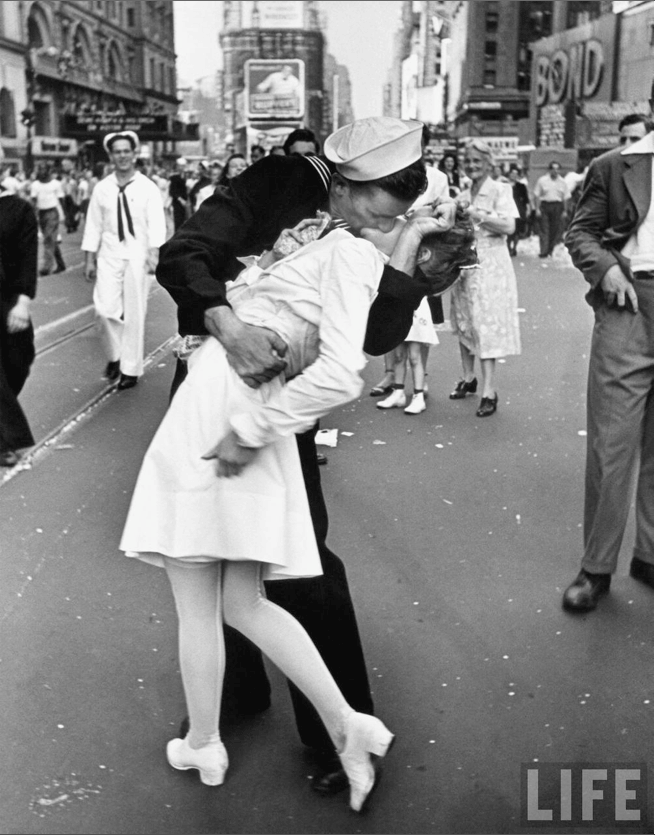
Japan’s surrender was announced by President Truman on the evening of August 14, 1945, and the formal signing took place on September 2 aboard the USS Missouri. Neighbors poured into the streets, banging pots and waving flags, and families posed in groups that had never before been photographed together.
Church bells rang across towns for hours. The prints often show a blur of motion, because nobody in the crowd could hold still long enough for a long exposure.
The Ration Book on the Kitchen Table
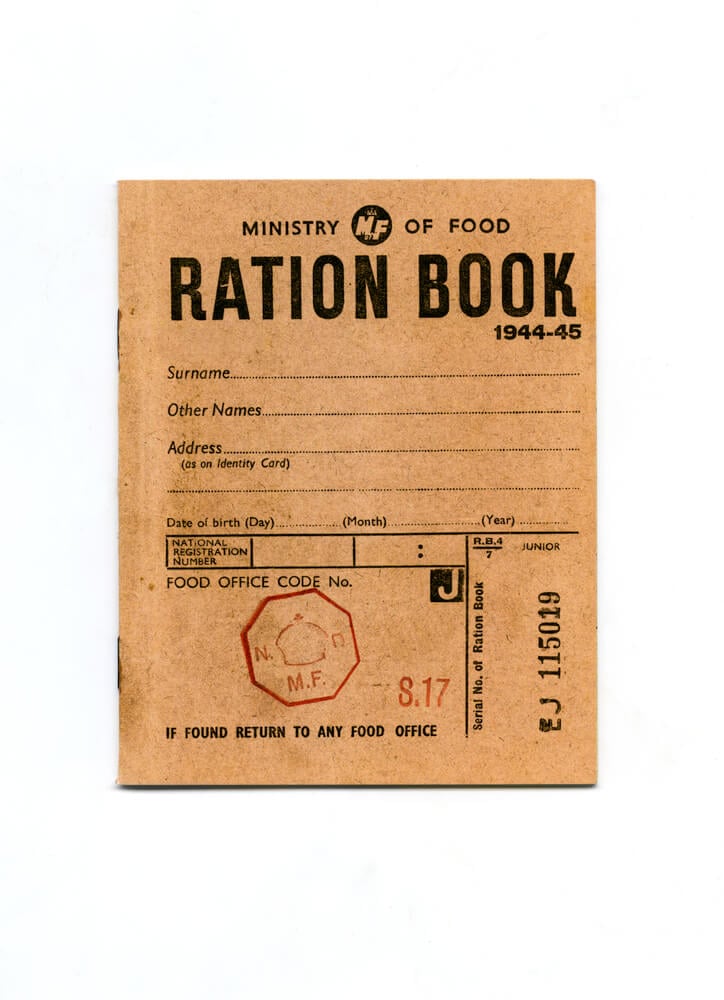
War Ration Book One was issued in May 1942 at neighborhood schools, and later books used blue stamps for processed foods and red stamps for meat and butter. A mother in a housedress is the usual subject, flipping the pages at the kitchen table while children sit nearby.
Families that photographed the books did so almost as a joke, since the little stamps governed every grocery trip. Each book had to be carried to the store and tucked in a purse.
The First Instant Photograph

Polaroid’s Land Camera Model 95 went on sale on November 26, 1948, at the Jordan Marsh department store in Boston for $89.75. The prints developed in about a minute and came out in sepia tones, which made them feel like a magic trick.
Families gathered around the camera to watch the picture appear, their faces reflected in the glossy paper. The same family photographed at that sale usually owned no other camera, since nothing in their closet could match it.
The Family at the World’s Fair

The 1939 New York World’s Fair ran into 1940, and visitors posed in front of its symbols, the 610-foot Trylon and the 180-foot-wide Perisphere. Families dressed in their best clothes for the trip, and the fair’s crowds meant each photo had to be taken quickly.
The theme of the fair was the world of tomorrow, which looks poignant against the war that was already underway in Europe. The kids usually wear a souvenir pin on a lapel.
Neighbors Around the First Television

Milton Berle’s “Texaco Star Theater” took over Tuesday nights on NBC in 1948, and in the first years of television, one set could draw an entire block. By 1950, only about one American household in ten owned a television, so families without one were invited to the home of those who did.
The photos show rows of adults on kitchen chairs and children cross-legged on the floor, all facing a small glowing screen. The host family generally stands to the side, wearing the expression of people who have just rearranged the furniture.
What Fit in a Frame

The pictures that survived the 1940s tend to look similar because the families who took them faced similar limits. Film was scarce, the camera was simple, and developing cost money, so a photo had to mark something worth remembering.
Weddings, departures, harvests, and homecomings made the cut. Tuesday afternoons did not.
That discipline has an odd side effect. The albums are lighter on spontaneity but heavier on meaning, because every frame was a decision.
Seen from today, a gap-toothed child on a sled or a mother with a ration book looks less like a casual snapshot and more like a deliberate statement of what mattered.
More from Go2Tutors!

- 27 Silver Dollars and Half Dollars Worth Keeping
- 28 Restaurant Menu Items Nobody Orders Anymore
- 17 Places Built in Seemingly Impossible Spots
- 27 Vintage Rings Worth More Than They Look
- 25 Restricted Sites Tourists Can’t Enter
Like Go2Tutors’s content? Follow us on MSN.