31 Vintage Playing Card Decks Worth Identifying
A tin of old cards in an estate sale box can be a dud or a small treasure, and the difference often comes down to a back design, a maker’s mark, or a single stamped ace. Knowing what to look for turns a pile of tired cardboard into something with a story.
The decks below span fortune-telling packs, regional national games, wartime oddities, and parlor favorites. Collectible pricing depends heavily on condition, so a complete deck with its original box and crisp corners is worth far more than a loose, thumbed set.
Rider-Waite-Smith Tarot, First Printing
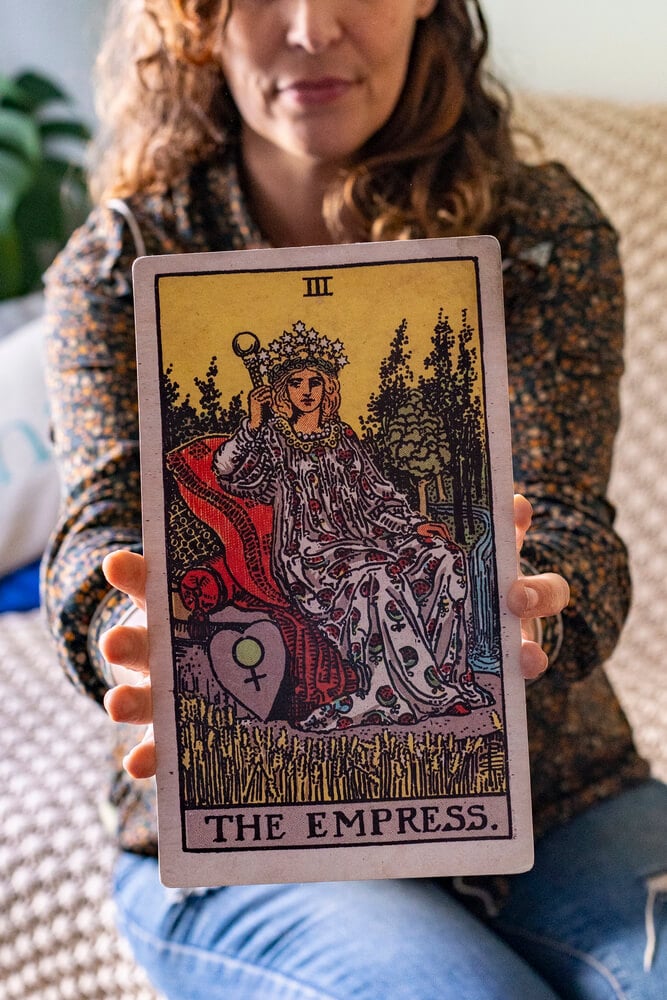
William Rider and Son of London published this deck in 1909, with artwork by Pamela Colman Smith and direction from Arthur Edward Waite. It became the template for most modern tarot decks.
Early printings with the original box and intact cards are scarce, and reproductions are common enough that the printing details matter.
Tarot de Marseille, Conver Style
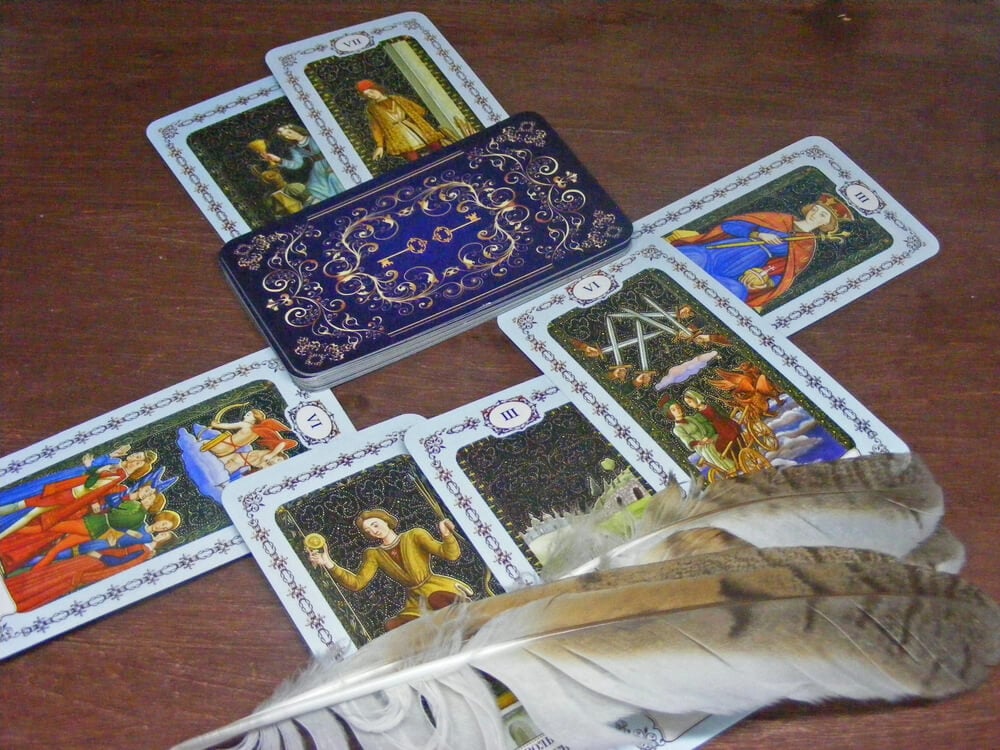
Nicolas Conver of Marseille produced a famous tarot pack in 1760, and its design became the model for the Marseille pattern still reprinted today. The cards use bold woodcut-style lines and flat colors.
Genuine antique examples are museum pieces, while mid-century reprints are the ones most collectors can realistically find.
Thoth Tarot
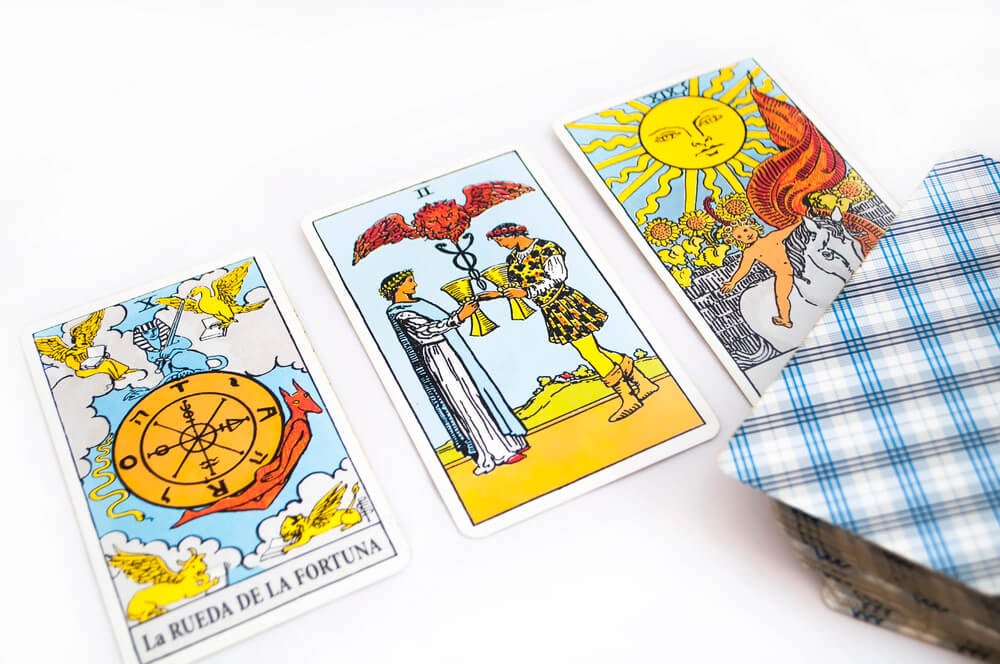
Aleister Crowley designed the Thoth tarot, and Lady Frieda Harris painted it between 1938 and 1943, though the deck was not published until 1969. Its geometric, painterly style looks unlike any other tarot of its era.
Early editions in good condition are prized, while heavily handled decks sell for far less.
Etteilla Tarot
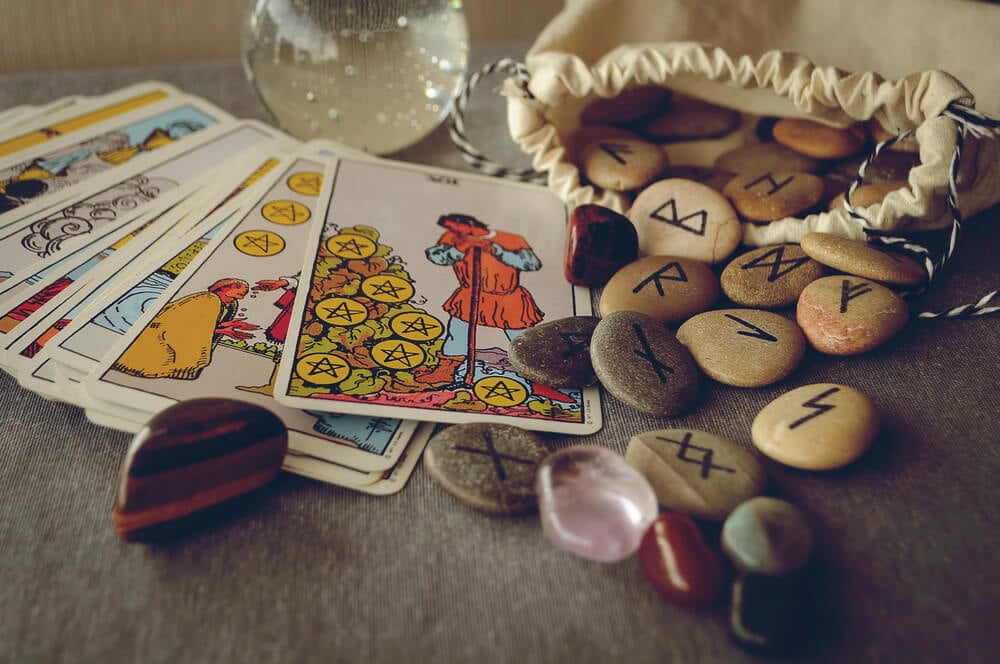
Jean-Baptiste Alliette, a Parisian who called himself Etteilla by reversing his surname, published tarot decks for fortune-telling in the 1780s. His versions rearranged the traditional order and added Egyptian-themed symbolism.
Original eighteenth-century copies are rare, so most collectors settle for facsimiles unless they are prepared to pay serious money.
The Game of Hope, Nuremberg 1799
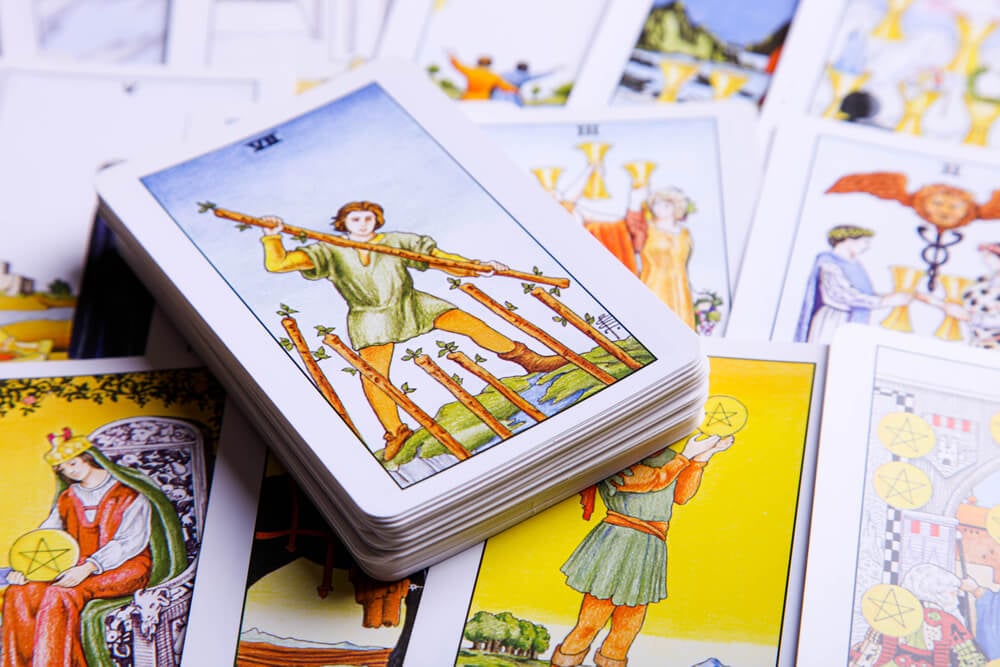
Published in Nuremberg in 1799, the Game of Hope was a 36-card pack that later became linked to the Lenormand fortune-telling decks. The name came from the fortune teller Marie Anne Lenormand, who had died in 1843 and had nothing to do with the original game.
Early copies are scarce, and the condition of the hand-colored cards controls the price.
Jeu de Marseille, 1941
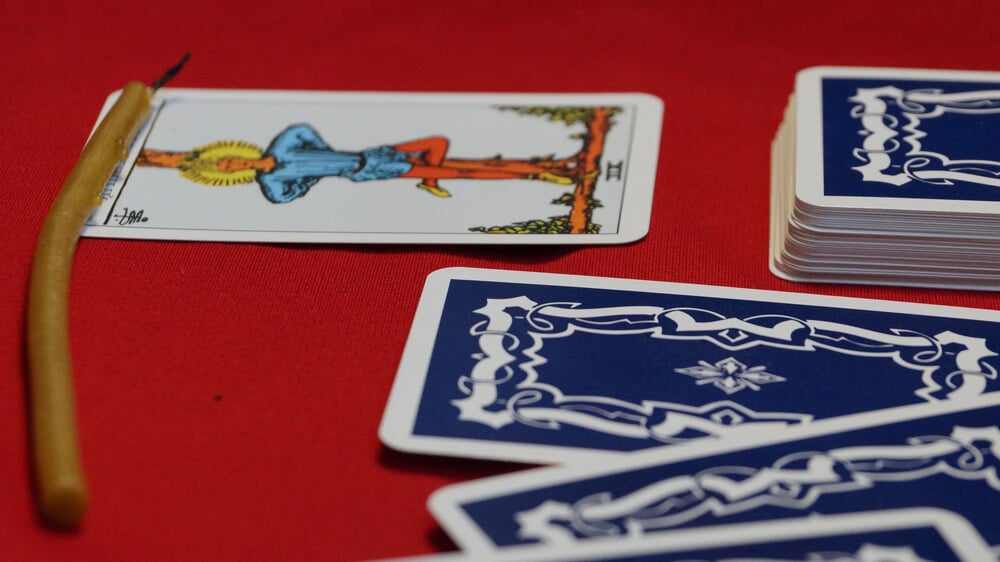
In 1941, while waiting in Marseille for visas to leave occupied France, a group of Surrealist artists including Andre Breton, Max Ernst, and Wifredo Lam designed a deck of cards at Villa Air-Bel. They replaced the court cards with poets, thinkers, and symbolic figures.
Original sets are very rare, so reissues are the ones most often encountered.
Visconti-Sforza Tarot Facsimiles
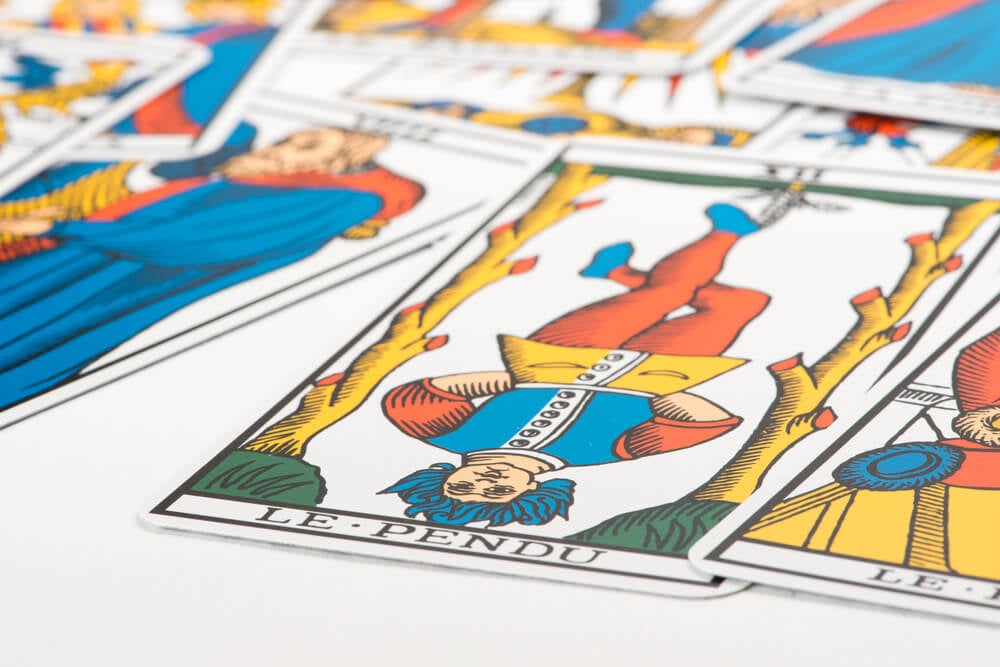
The Visconti-Sforza tarot was painted in fifteenth-century Milan for the ruling family and survives only in scattered cards held in collections including the Accademia Carrara in Bergamo. Modern facsimiles let collectors see the gold leaf and hand-painted detail in print form.
Pricing for facsimiles depends on condition and edition, with older complete boxed sets commanding the most.
Bicycle Rider Back Decks
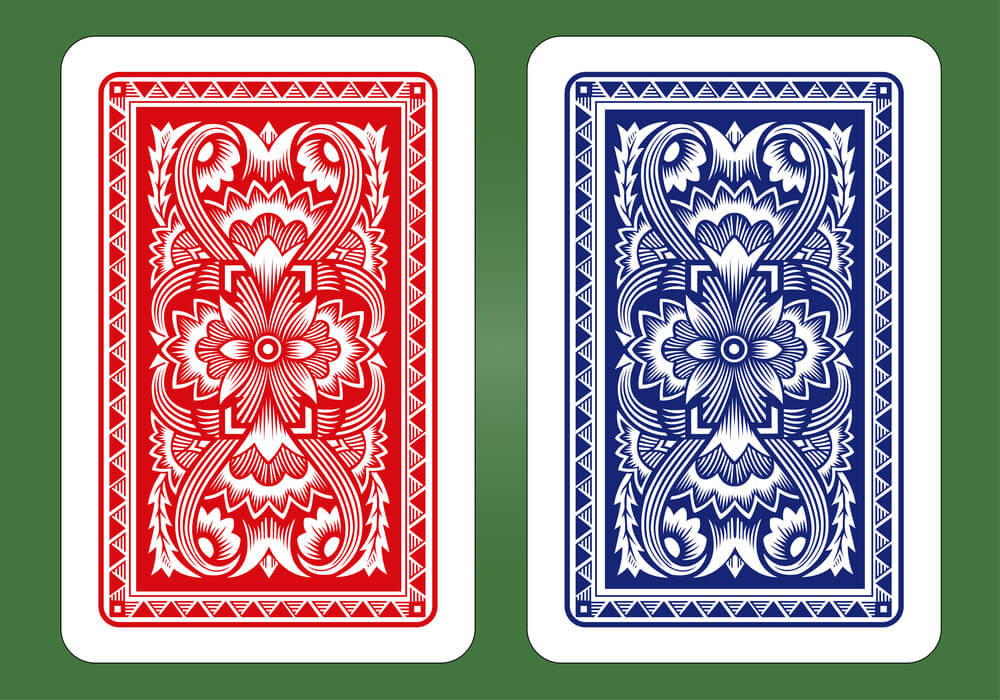
The Bicycle brand from the United States Playing Card Company of Cincinnati dates to the late 1880s, and the Rider Back with its cherubs on bicycles remains its best-known design. Collectors sort older decks by their tax stamp, ace of spades design, and printing marks.
A sealed deck from an earlier era is worth much more than a loose, frayed one.
Tally-Ho Circle and Fan Back Decks
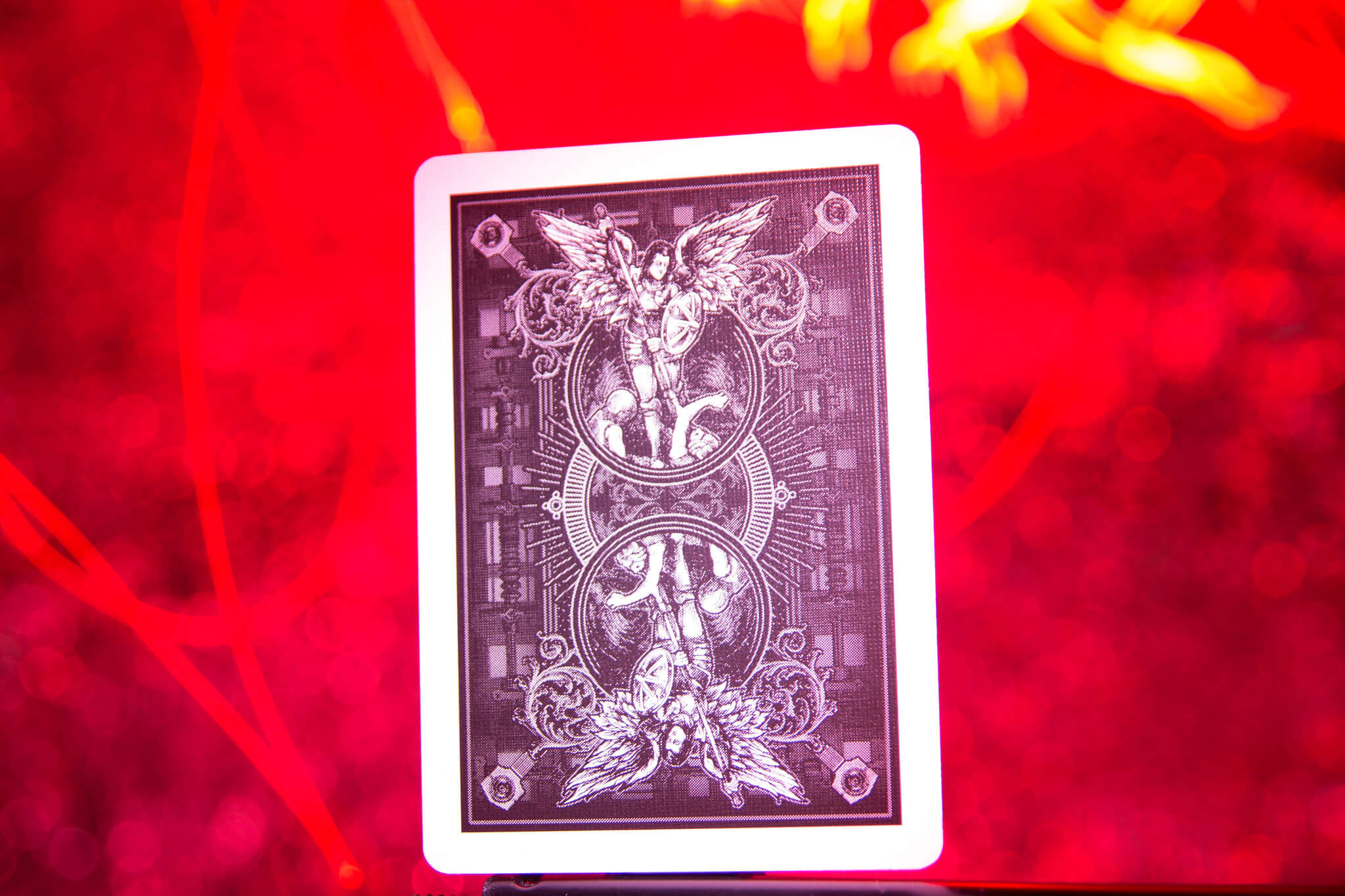
Tally-Ho decks, named for a fox-hunting cry and first sold in the late 1800s, come in two classic back designs, circle and fan. Magicians have favored them for generations for their handling and look.
Older printings with intact boxes are worth more, and creases or edge wear drop the price.
Bee Diamond Back Casino Decks
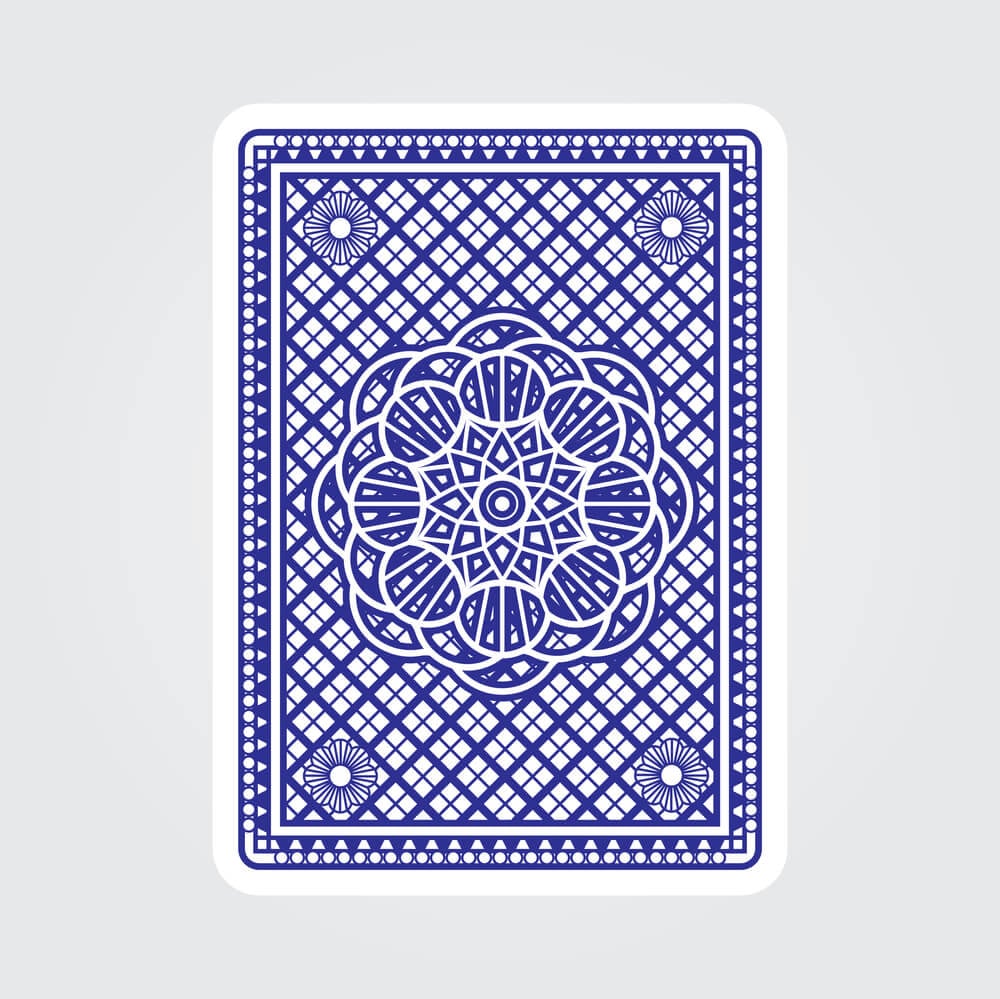
The Bee brand’s diamond-pattern back became the look of the casino card room for decades. Vintage packs carry small differences in the ace of spades and box design that help date them.
Used decks sell cheaply, while unopened packs in good condition command a premium.
British Duty Ace of Spades Decks
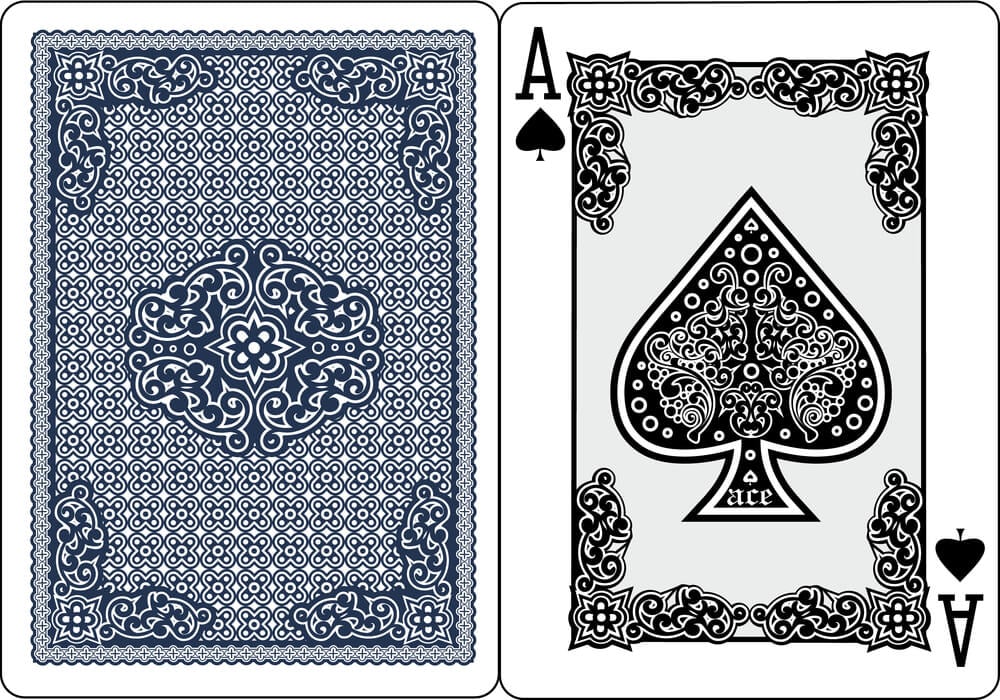
For generations, British law required duty on playing cards, and the ace of spades was printed with an elaborate stamp showing that the tax had been paid. The duty was abolished in 1960.
Decks with the old stamped ace are collectible, and a complete pack with a clean ace is worth more than one with missing cards.
De La Rue Playing Cards
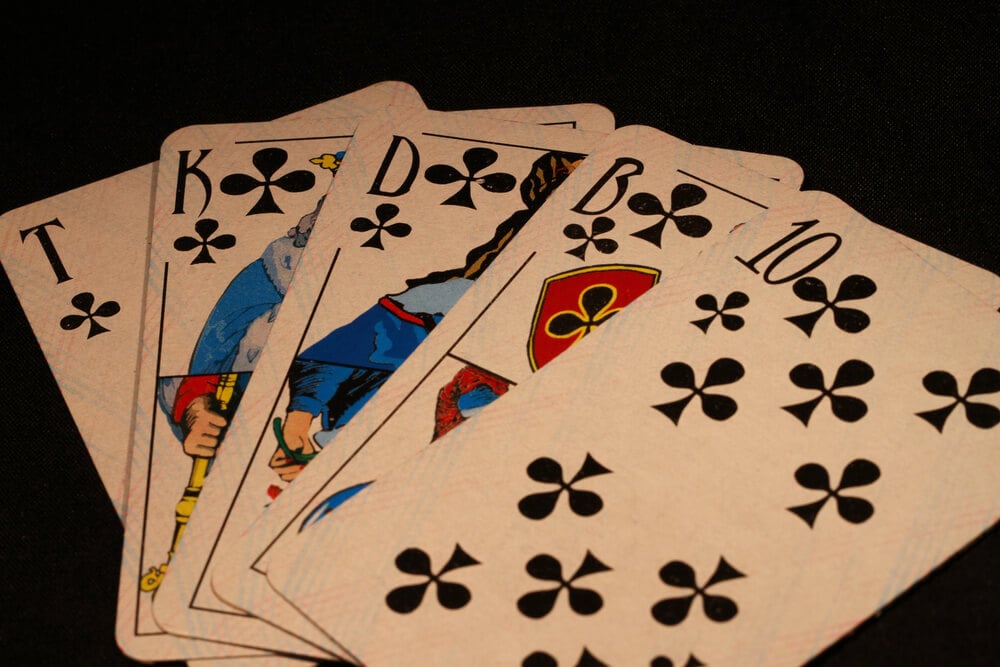
Thomas de la Rue began producing playing cards in London in 1832, and the company later became famous for banknotes and stamps as well. Its cards featured high-quality printing and elaborate court cards that were widely copied.
Prices depend on condition, with intact original wrappers and clean faces the most desirable.
Waddington’s Playing Cards
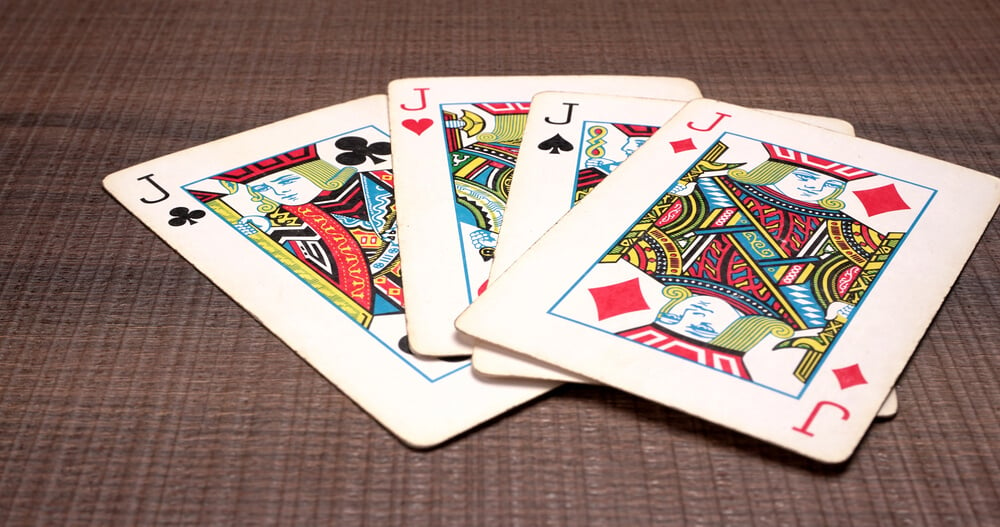
Waddington’s of Leeds produced playing cards for generations, and the company also published the British edition of Monopoly. Collectors check the box and card backs for the maker’s name.
Complete boxed decks in strong condition are the ones that attract bids.
Piatnik Vienna Decks
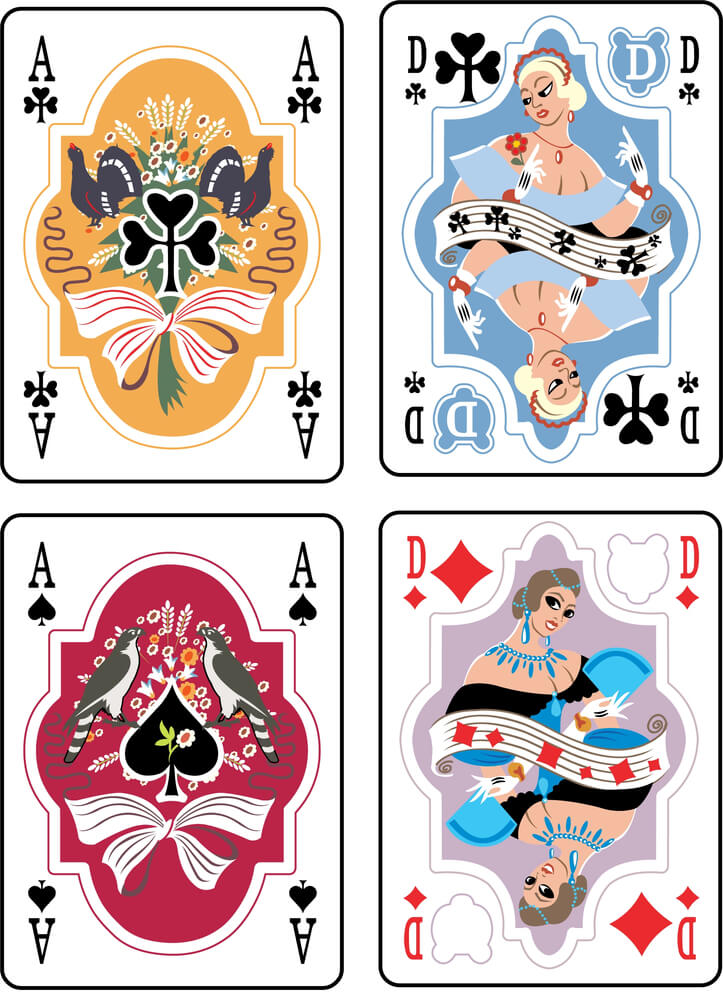
Ferdinand Piatnik founded his playing card business in Vienna in 1824, and the firm is still associated with the Austrian game of Tarock. Its Industrie und Glück pack is among the best-known patterns in the region.
Vintage Piatnik decks are collected for their lithography, and wear on the courts reduces value.
Dondorf Frankfurt Decks
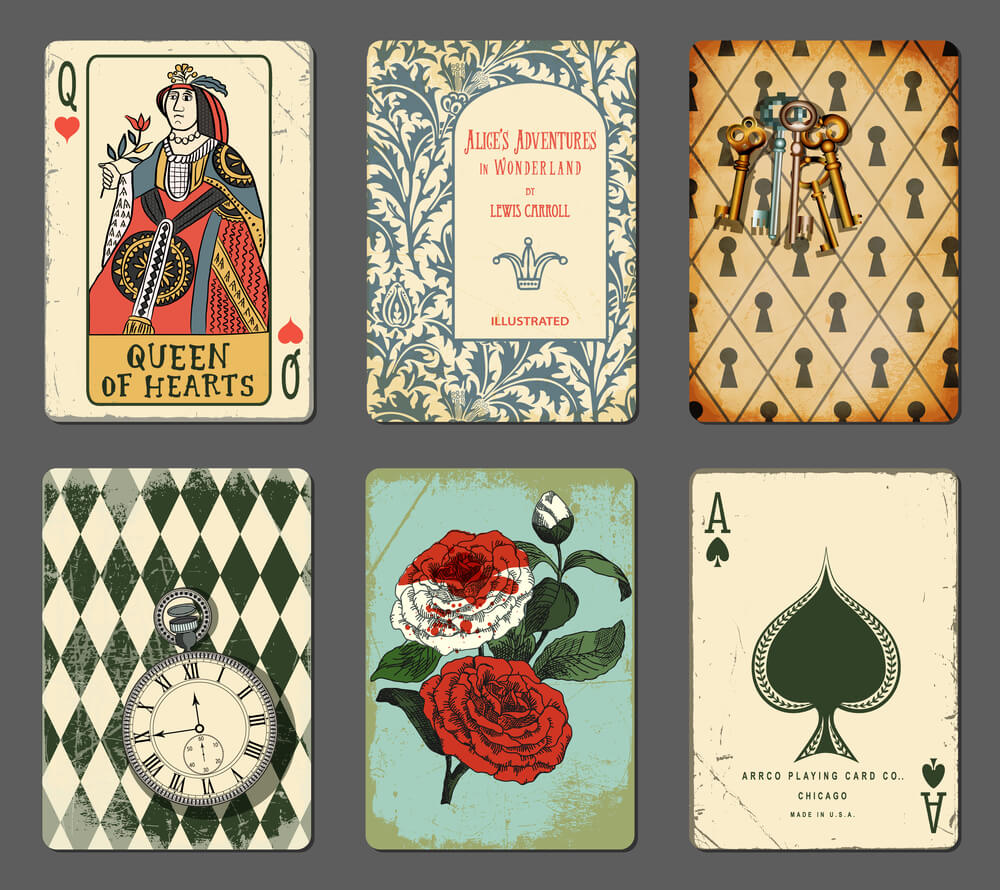
Bernhard Dondorf founded his lithography business in Frankfurt in 1833, and the firm became known for finely printed cards. Collectors prize Dondorf decks for their vibrant colors and delicate detail.
Pricing depends on condition, with faded colors and soft corners cutting the value.
Altenburg Skat Decks
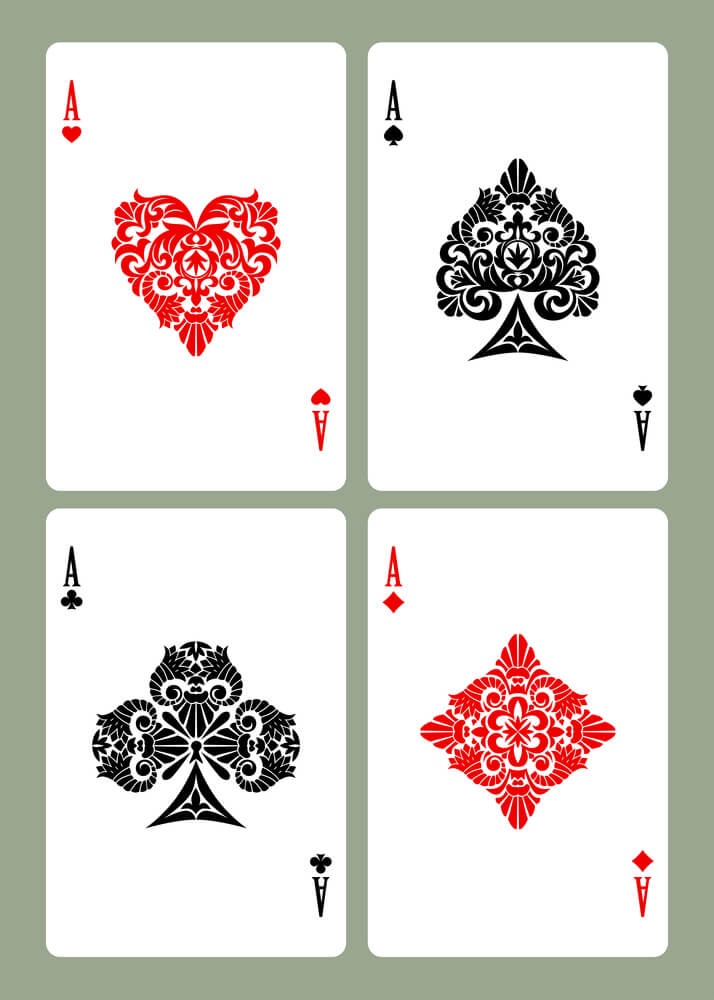
Altenburg in Thuringia is where the card game Skat was developed in the early 1800s, and the city’s castle houses a German playing card museum. Skat packs from the region use the German suits of acorns, leaves, hearts, and bells.
Vintage Altenburg decks in complete condition are favorite finds for collectors of German games.
Fournier Spanish Baraja Decks
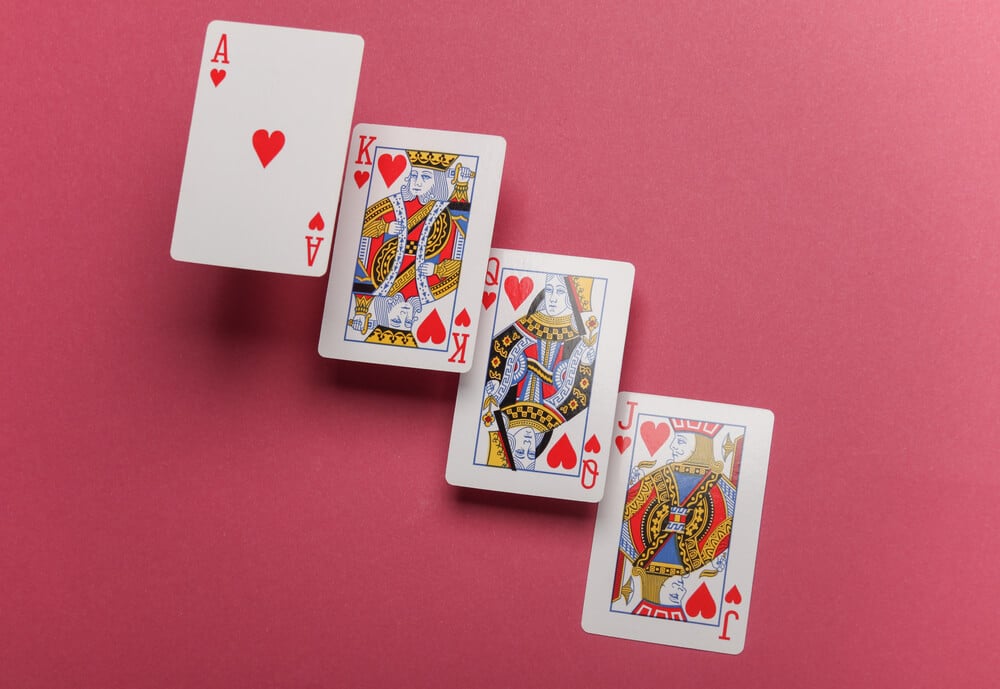
Heraclio Fournier founded his card company in Vitoria, Spain, in 1868, and its 40-card Spanish decks use the suits of coins, cups, swords, and clubs. The city today hosts a playing card museum named for Fournier.
Older decks with clean cards and original wrappers bring the best prices.
Modiano Trieste Decks
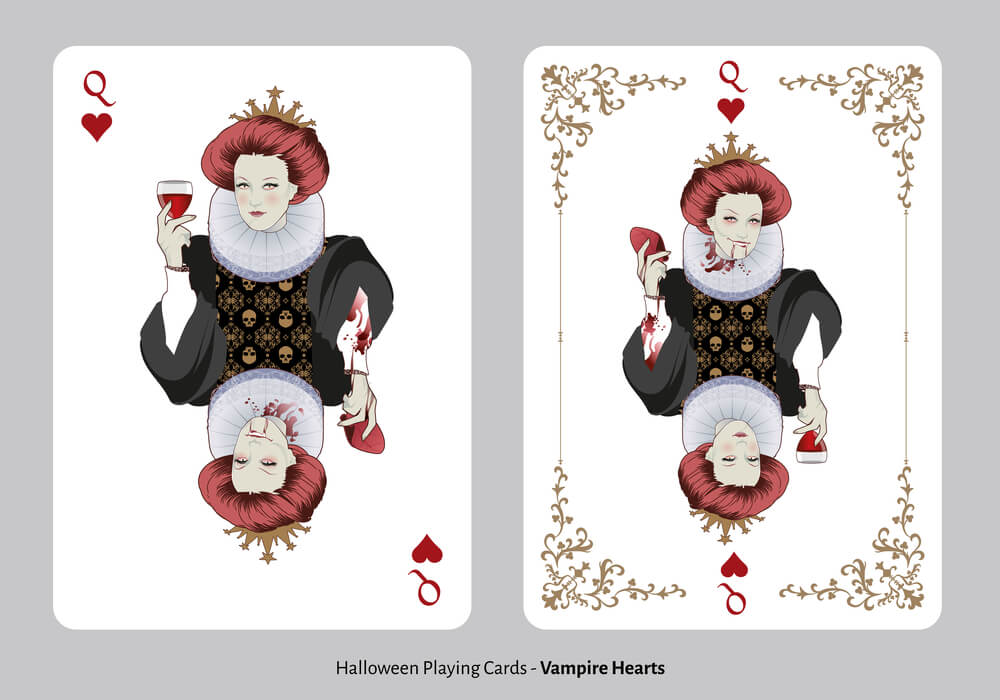
Saul Modiano founded his playing card company in Trieste in 1868, and it became known for Italian regional patterns such as Neapolitan and Triestine decks. The designs use swords, cups, coins, and batons.
Vintage Modiano packs are collected for their regional character, and worn or missing cards bring the price down.
Nintendo Hanafuda
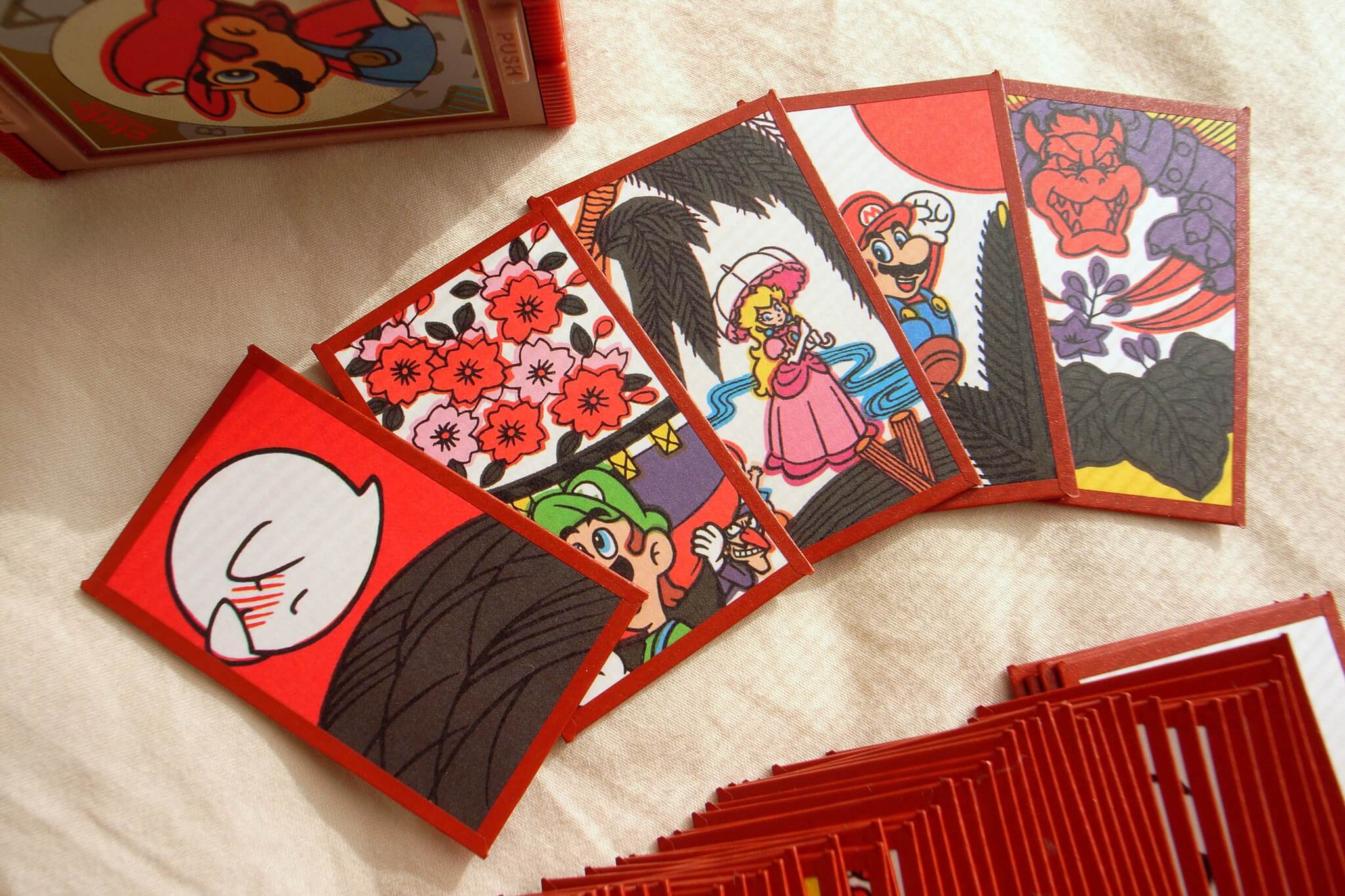
Fusajiro Yamauchi founded Nintendo in Kyoto in 1889 to make hanafuda, the Japanese flower cards, long before it made video games. A hanafuda deck has 48 cards divided among the 12 months of the year.
Early Nintendo decks are collectible, and condition matters most, particularly for cards with unfaded printing.
Mughal Ganjifa Cards
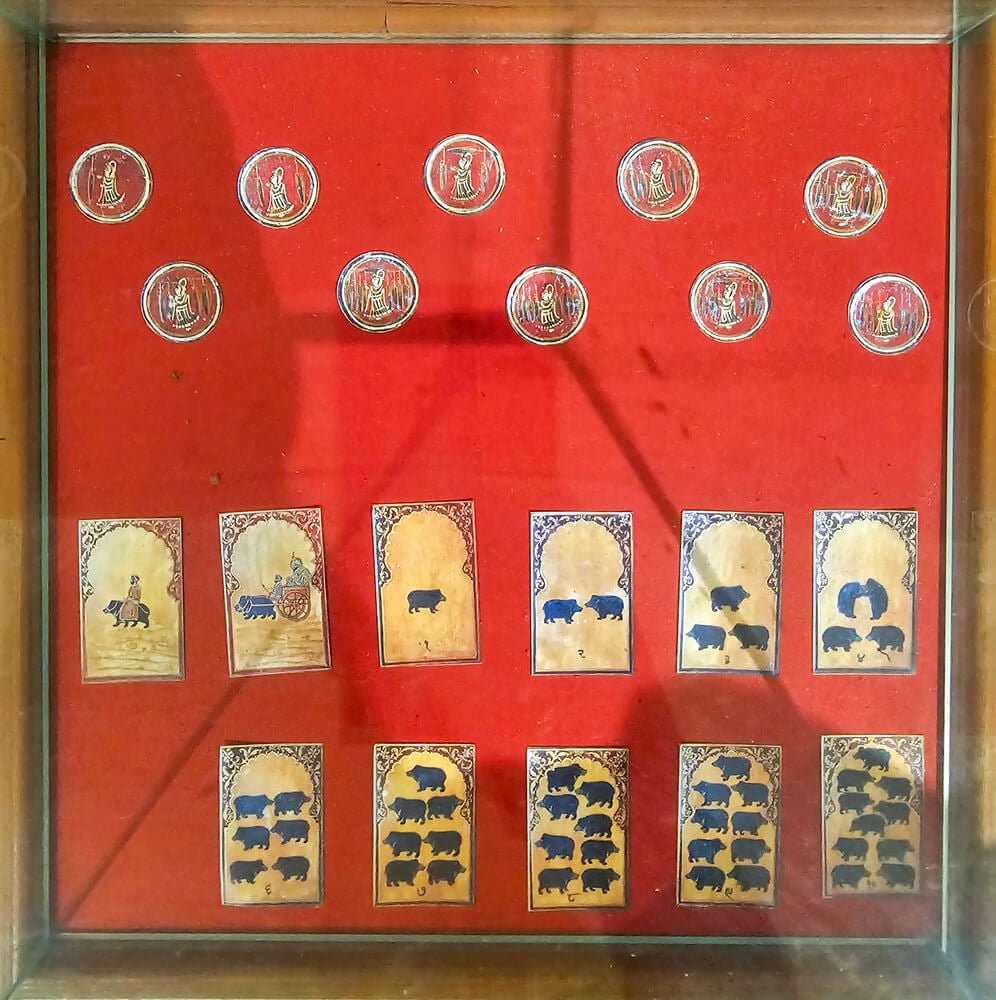
Ganjifa cards are circular and hand-painted, and the Mughal version uses 96 cards in eight suits. Craftsmen produced them in lacquered, layered cardboard, with each court card decorated in rich colors.
Antique sets in good condition are expensive, and the paint quality is the main factor in value.
Kem Plastic Playing Cards
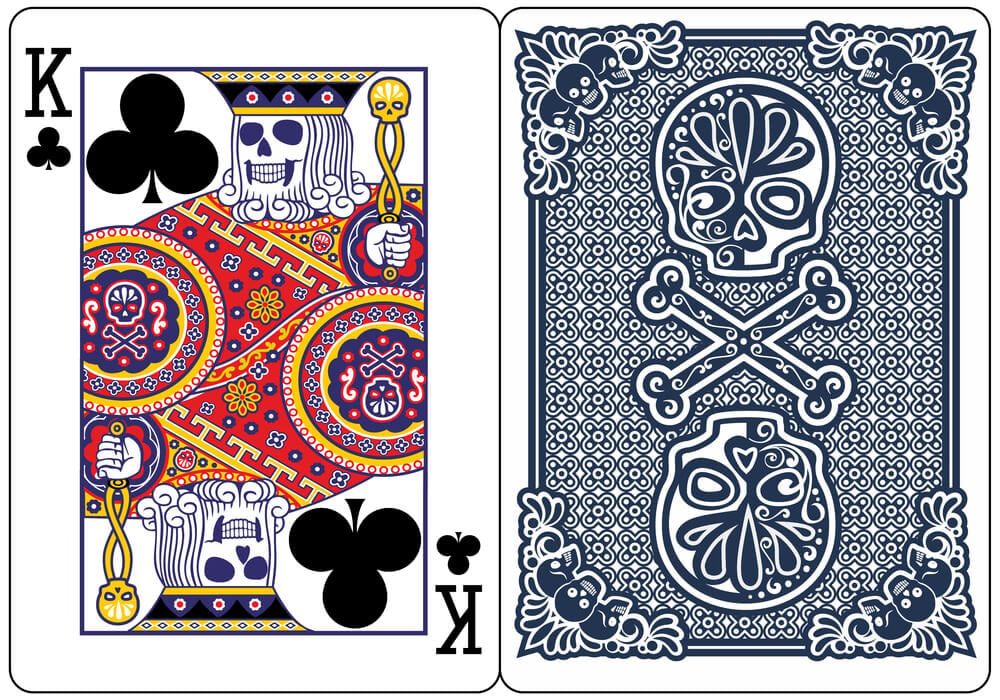
Kem sold washable cellulose acetate cards beginning in the 1930s. The new material resisted wear far better than paper, and many decks have survived in surprisingly good shape.
Prices depend on condition, with warped cards or yellowed box tape lowering the value.
World War II Aircraft Spotter Decks
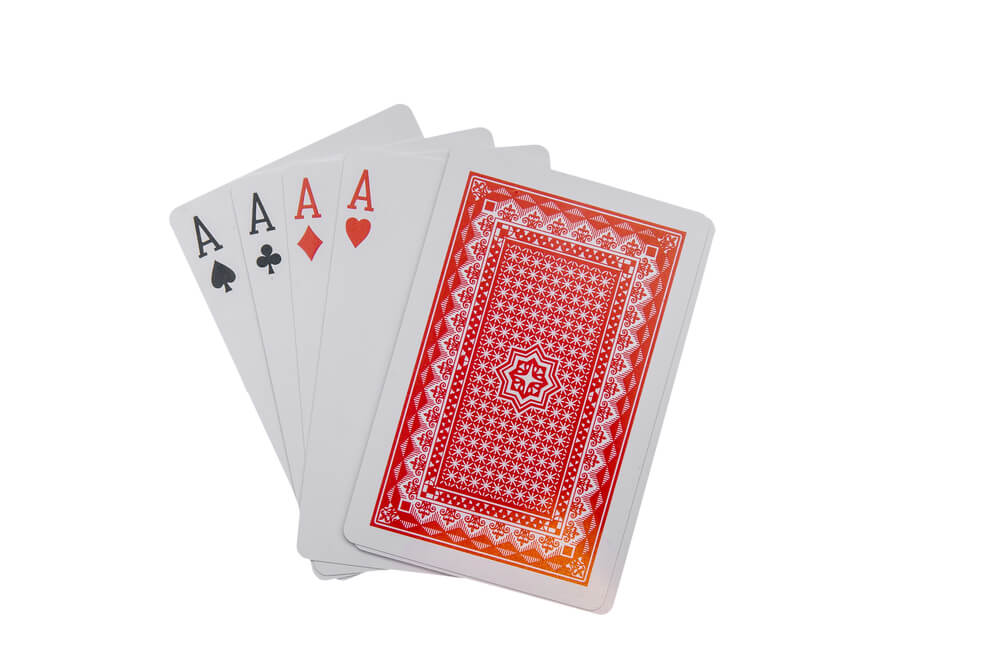
The United States produced Aircraft Spotter playing cards in 1942, with silhouettes of Allied and Axis aircraft on each card for training purposes. Soldiers and sailors learned to identify planes while playing ordinary card games.
Complete decks with original boxes are worth the most, and loose cards are far cheaper.
World War II Hidden Map Decks
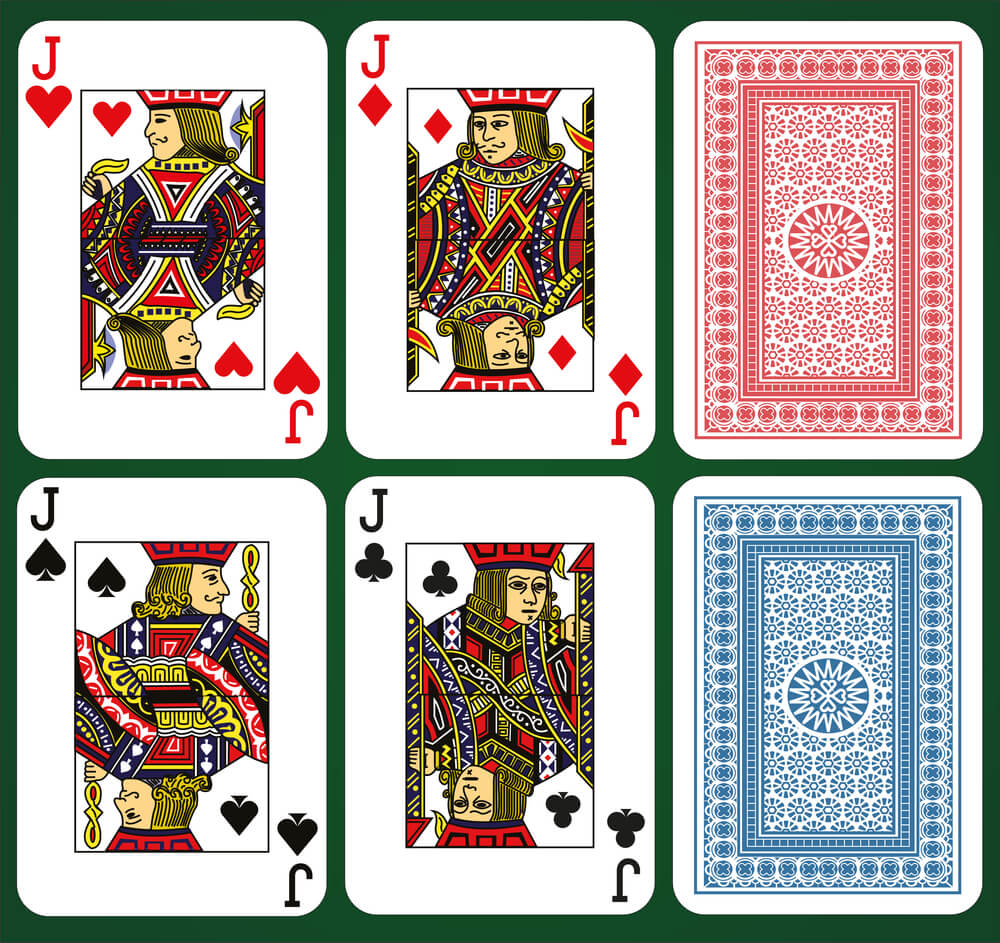
During the war, Allied intelligence had card makers produce decks whose layers peeled apart when soaked, revealing escape maps for prisoners. The decks were sent to prisoners of war in the guise of ordinary games.
Authentic survivors are scarce, and pricing depends on condition and provenance.
Parker Brothers Rook
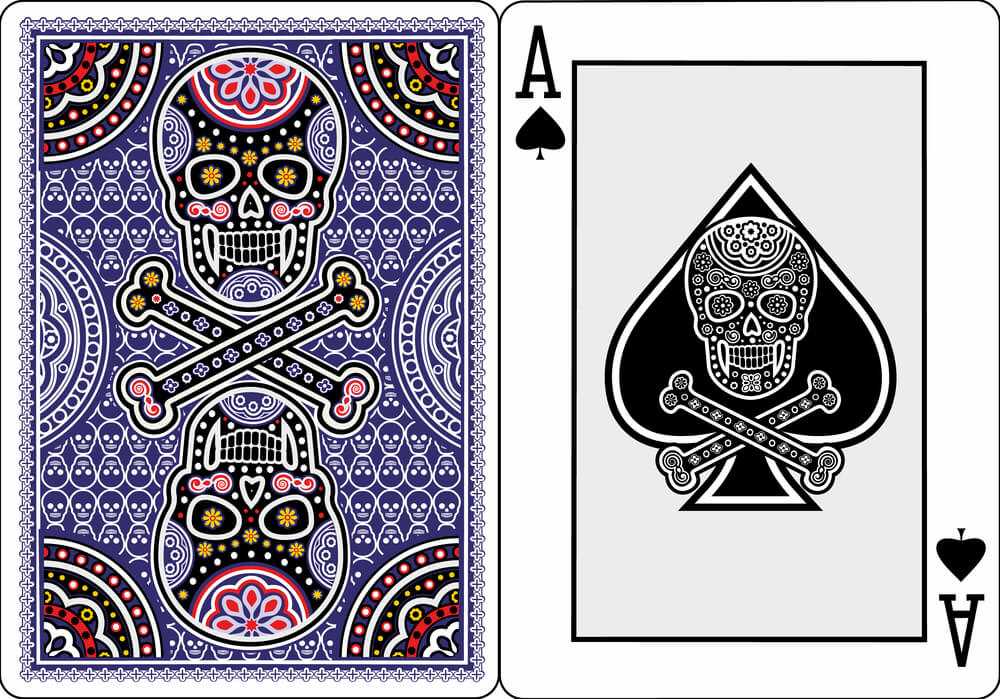
Parker Brothers introduced Rook in 1906 as a card game for families who objected to ordinary playing cards. The deck has 57 cards in four colors with a Rook bird card.
Older boxes and complete decks are collectible, and edge wear or missing cards cut the value.
Parker Brothers Pit
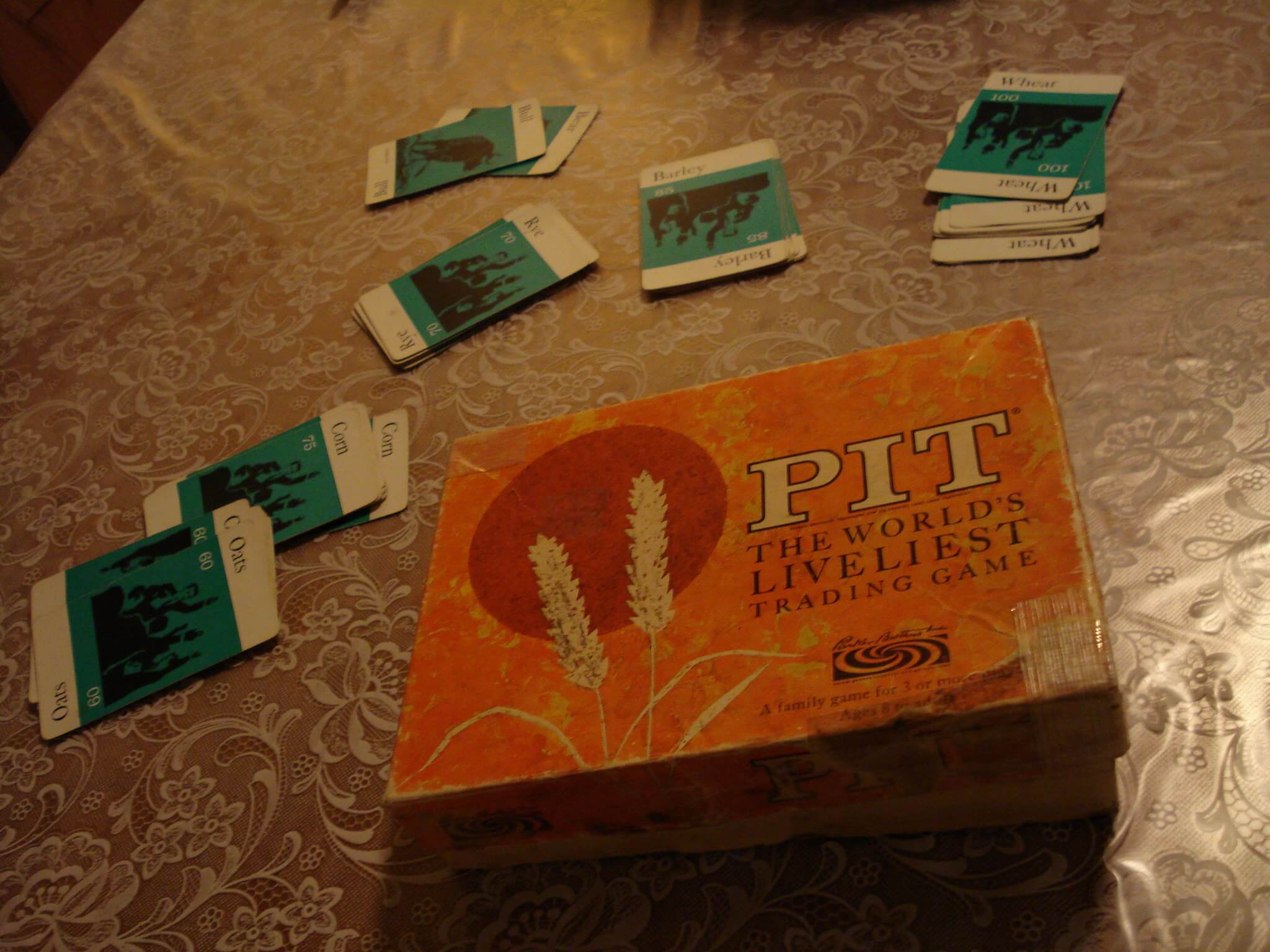
Pit appeared from Parker Brothers in 1904 and had players shouting trades in commodities such as wheat and corn. The deck includes bull and bear cards that disrupt the market.
Early editions in good condition are the ones collectors seek, with box wear a major deduction.
Mille Bornes Decks
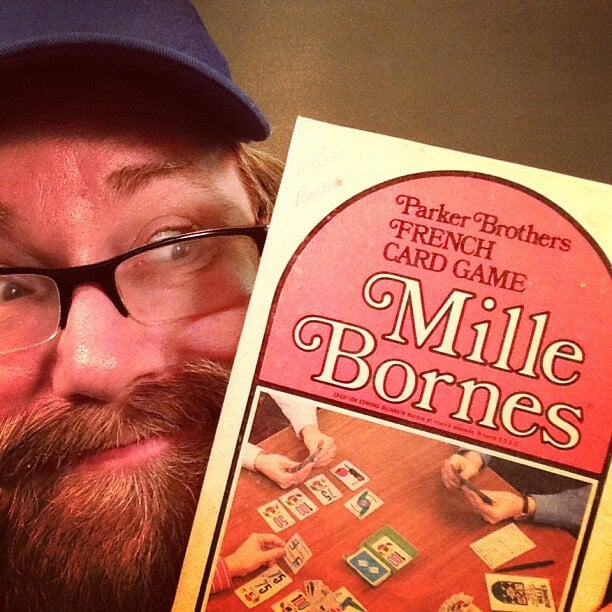
Edmond Dujardin created Mille Bornes in France in 1954, and the game later reached the American market through Parker Brothers. Players race to cover a thousand kilometers while dodging hazards such as flat tires.
Early French editions in good condition are collected, and missing cards reduce the price.
Original Uno Decks
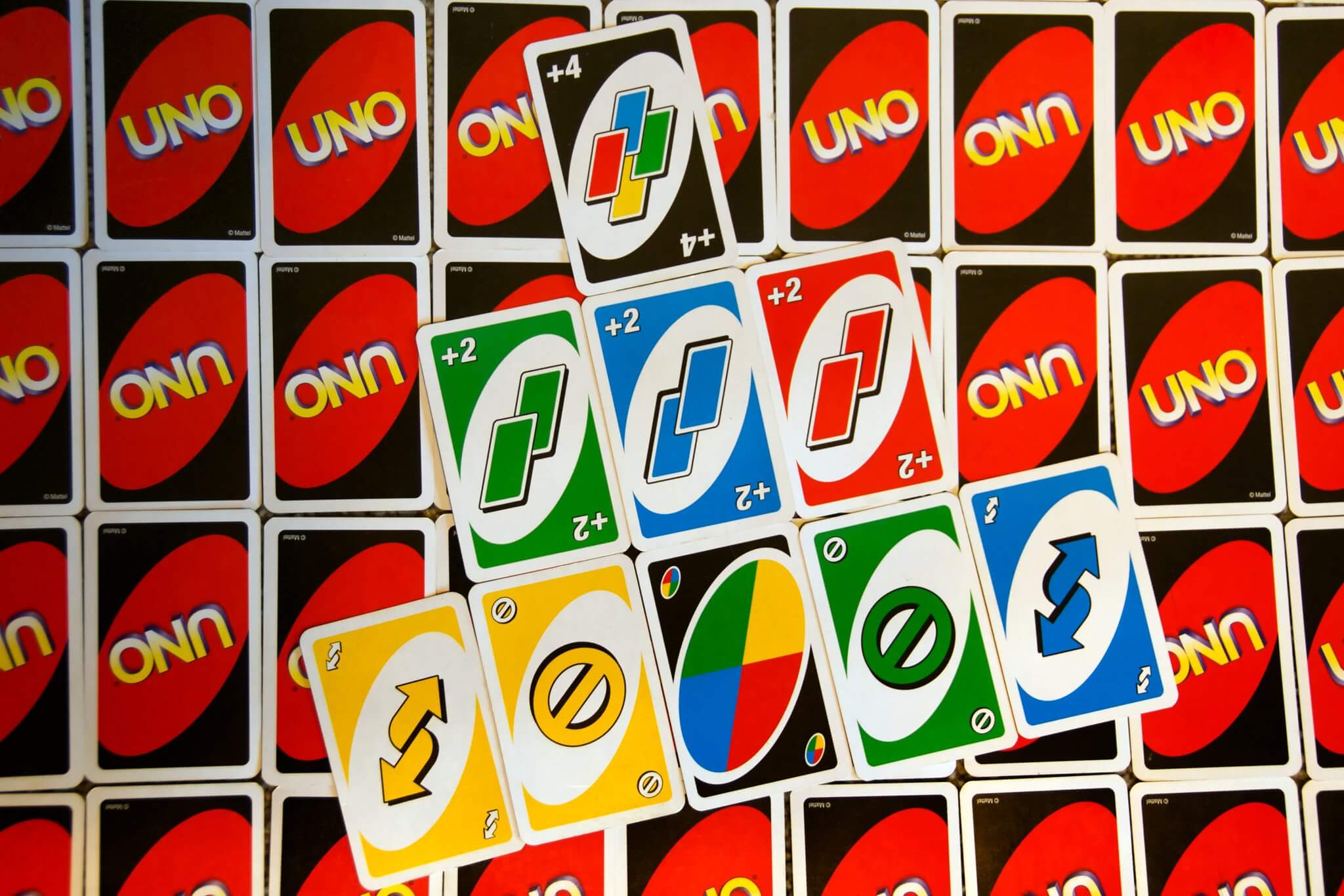
Merle Robbins created Uno in 1971 in Reading, Ohio, and sold the first decks himself before the game grew into a global brand. Mattel acquired it in 1992.
Early boxed decks are collectible, and clean cards with the original box fetch the highest prices.
Vintage Las Vegas Casino Decks
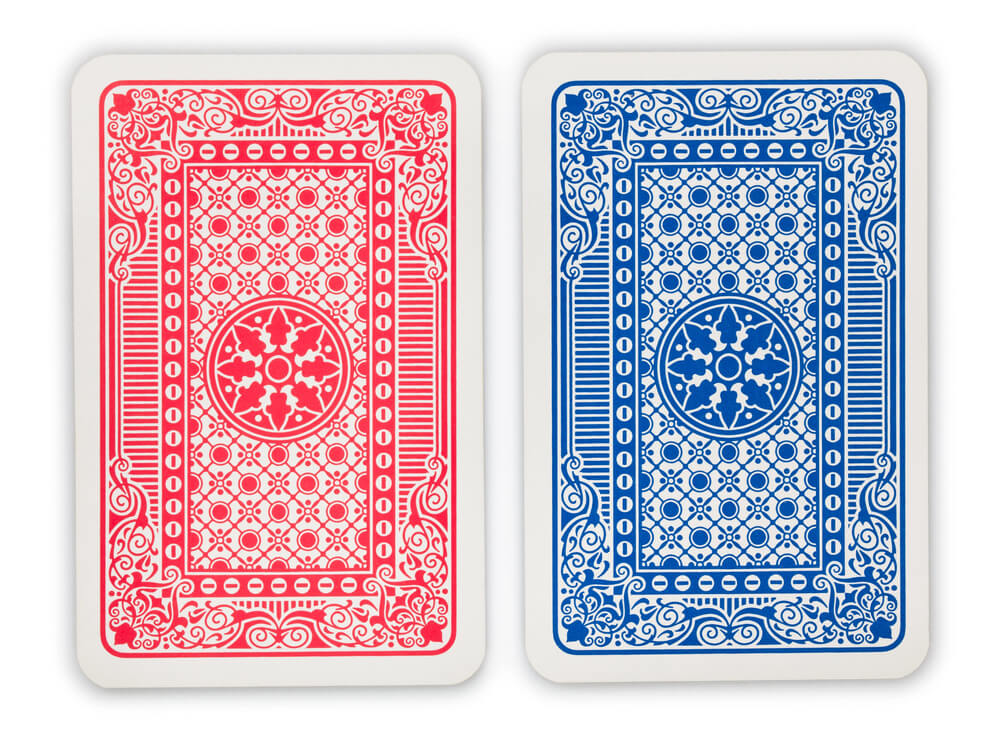
Casinos cancel used decks by clipping or notching them, and the cancelled decks are then sold as souvenirs. Collectors seek packs from properties such as the Flamingo, which opened in 1946, and the Sands, which opened in 1952.
Pricing depends on condition and the property, and decks from demolished casinos can command more.
Swiss Jass Decks
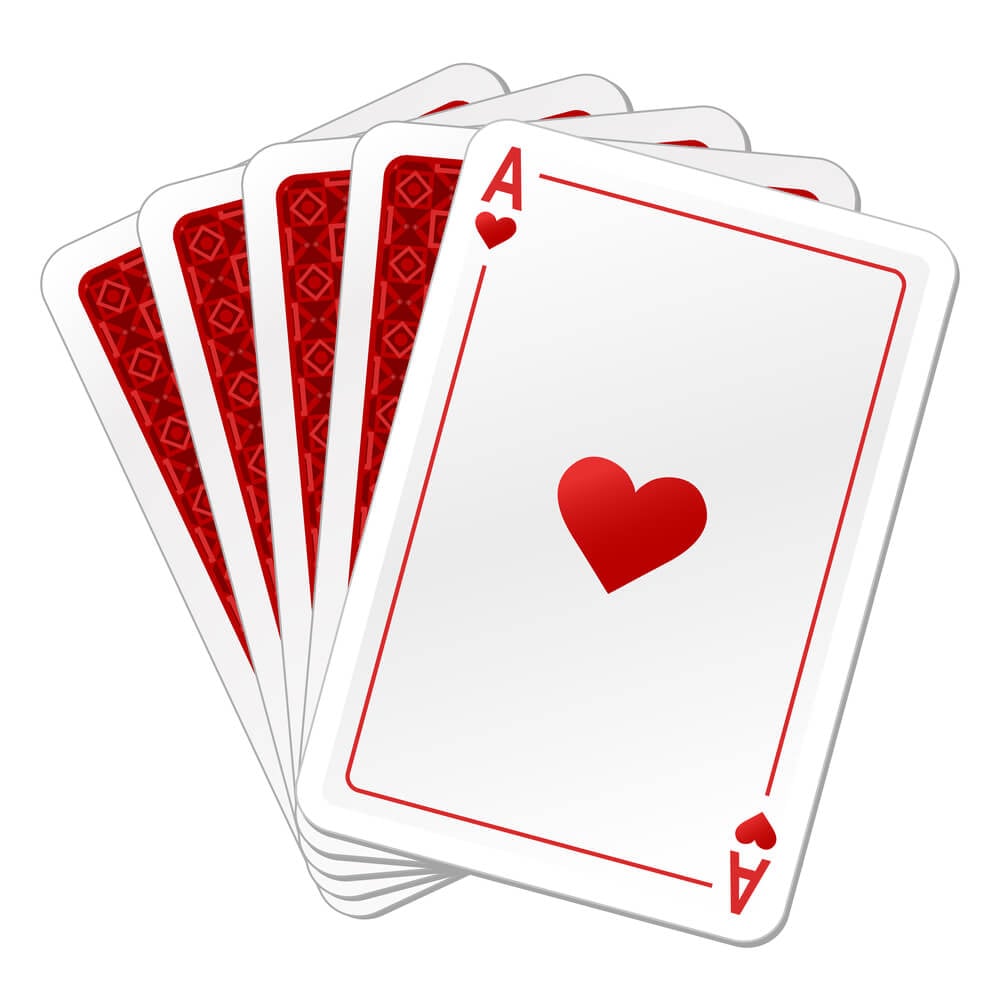
Jass, the national card game of Switzerland, is played with a 36-card deck, and Swiss-German packs use suits of roses, shields, acorns, and bells. The designs differ from the German and French suits, making them easy to spot.
Older packs in complete condition are the ones to look for.
Bridge-Size Double Decks
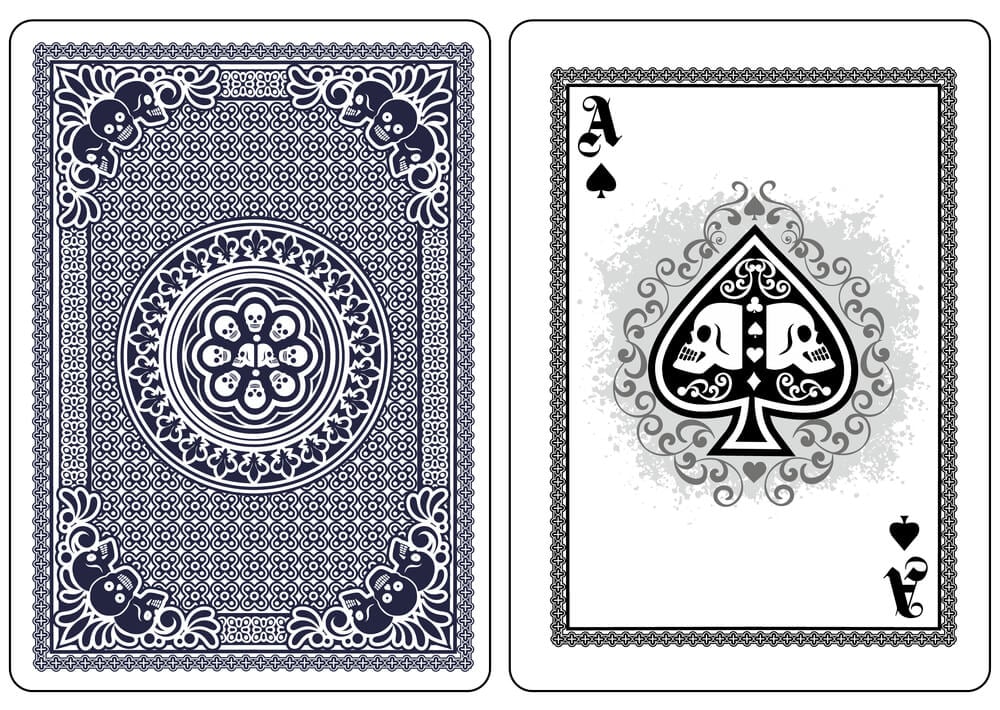
Bridge-size cards measure 2.25 inches wide, compared with 2.5 inches for poker size, and they were often sold in double-deck boxes. Vintage double sets, popular during the bridge craze of the 1930s, are collected for their box art and back designs.
A set with both decks and the original case is worth much more than a single loose deck.
Pinochle Decks
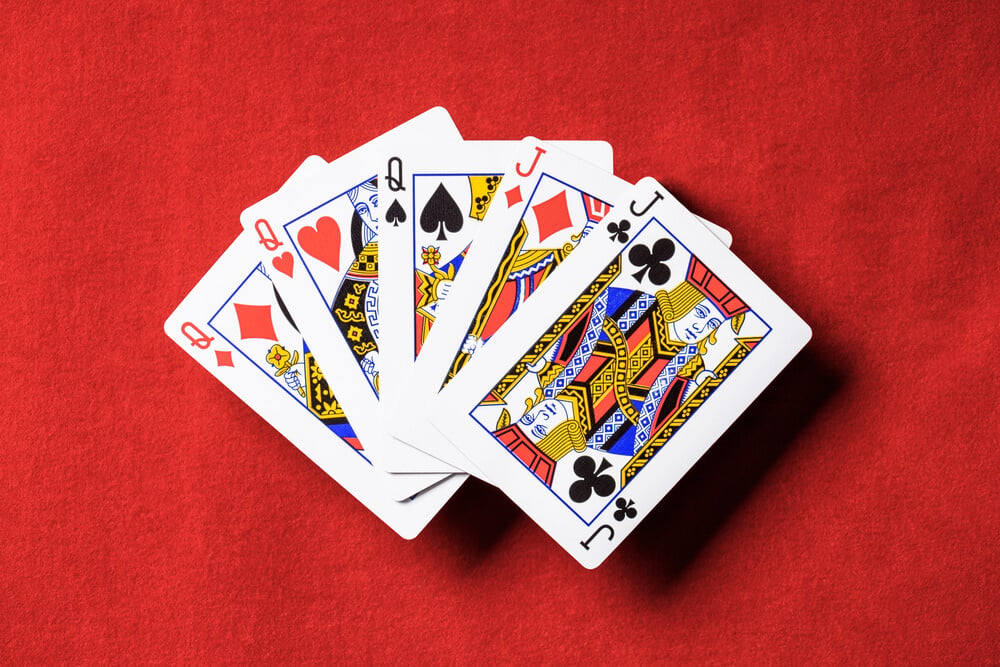
A pinochle deck contains 48 cards, with two copies of each card from nine to ace in four suits. Vintage pinochle packs, particularly those with unusual backs and linen finishes, are collected by card enthusiasts.
Pricing depends on condition, and decks missing duplicate cards are worth far less.
The Small Rectangles That Outlast Their Owners
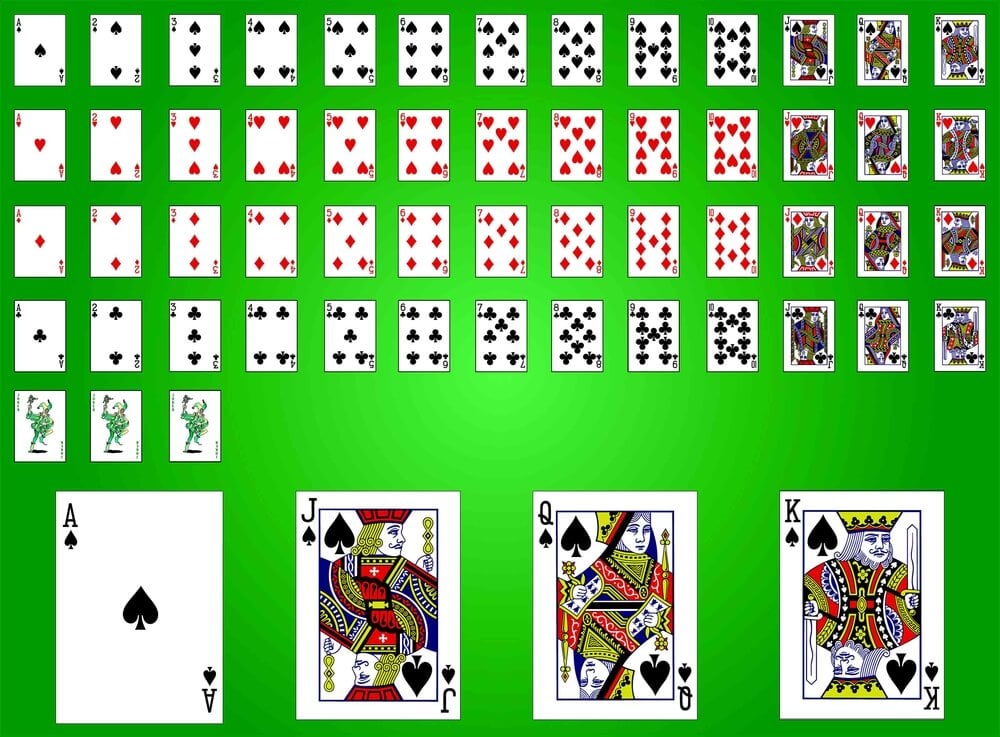
Decks of cards were made to be shuffled, dealt, and thrown away, which makes survivors more remarkable than they first appear. Each one carries traces of the printing technology, the games, and the customs of its time.
A back design or a tax-stamped ace can reveal when and where a deck was made.
Identifying a deck is a lesson in looking closely at small details. Collectors learn to read ace of spades marks, court card styles, and box printing the way others read signatures.
The reward is a deck that no longer looks like a pile of old cards and begins to look like what it is, a record of how people spent their evenings.
More from Go2Tutors!

- 27 Silver Dollars and Half Dollars Worth Keeping
- 28 Restaurant Menu Items Nobody Orders Anymore
- 17 Places Built in Seemingly Impossible Spots
- 27 Vintage Rings Worth More Than They Look
- 25 Restricted Sites Tourists Can’t Enter
Like Go2Tutors’s content? Follow us on MSN.