Cities That Pay You to Live There
The cost of living in major cities keeps climbing. Rent eats up more of your paycheck each month.
But some places across the country are taking a different approach. They want you to move there so badly that they’ll actually pay you to do it.
These aren’t scams or too-good-to-be-true offers. Cities and states are funding real programs with real money to attract remote workers, recent graduates, and anyone willing to relocate.
The cash can range from a few thousand dollars to over $20,000. And the perks often go beyond just money.
Tulsa Offers Cash and Community

Tulsa Remote launched in 2018 and has become one of the most successful relocation programs in the country. Move to Oklahoma’s second-largest city and you get $10,000.
But the money is just part of what makes this work. The program also includes a three-year membership to local coworking spaces.
You’ll get invitations to community events designed to help newcomers connect. More than 3,500 people have already made the move through this program.
You need to work remotely full-time for a company based outside Oklahoma. The application process includes a virtual interview and background check.
Once approved, you have 12 months to relocate. The money comes after you prove you’ve moved by signing a lease or buying a home.
West Virginia Wants Outdoor Enthusiasts

The Ascend WV program puts $12,000 in your pocket over two years. Five different communities participate in this program, including Morgantown and the New River Gorge area.
Beyond the cash, you get a free outdoor recreation package. Think kayaks, paddleboards, and mountain bikes.
The state also provides access to coworking spaces and organizes networking events. You have to commit to living in West Virginia for at least two years.
The state particularly appeals to people who want to spend their weekends hiking, rock climbing, or rafting. Housing costs remain low compared to most of the country.
Alaska Pays Just for Being There

Alaska takes a different approach than other states. The Permanent Fund Dividend has existed since 1976.
Every resident who lives in the state for a full calendar year gets paid. The amount changes annually based on investment returns.
For 2024, residents received $1,702. Some years have seen payments as high as $2,000.
The state has no income tax either. You don’t need to work remotely or meet specific job requirements.
Just establish residency and stay for 12 months. Applications open every January and close at the end of March.
The money arrives later that year.
Rochester Puts Up Big Numbers

Rochester, New York offers one of the largest cash grants in the country. Remote workers can receive up to $19,000.
The program targets people who live at least 300 miles away from the city. The U.S. Census Bureau ranks Rochester as the fifth-best city for remote workers.
The housing market offers good value compared to other New York cities. The area has four distinct seasons and sits near the Finger Lakes wine region.
You need to relocate within six months of acceptance. The program operates in waves, so check when applications reopen if you’re interested.
Topeka Rewards Both Renters and Buyers

The Choose Topeka program gives you money whether you rent or buy. Renters who work on-site can receive up to $10,000.
Buyers can get up to $15,000 toward purchasing a home. Former residents who return to the city qualify for $5,000.
Military members transitioning out of service also get $5,000. You need to establish your primary residence within a year of moving to Shawnee County.
The capital city of Kansas has a lower cost of living than many parts of the country. The median rent sits around $950 per month.
Home values typically hover near $186,000.
The Shoals Region Focuses on Music and Culture

Four cities in northwest Alabama make up The Shoals: Florence, Muscle Shoals, Sheffield, and Tuscumbia. Remote workers who earn at least $52,000 annually can receive up to $10,000.
The area has deep musical roots. Muscle Shoals Sound Studio recorded hits for Aretha Franklin, The Rolling Stones, and countless others.
The Alabama Music Hall of Fame sits in Tuscumbia. Applications open periodically throughout the year.
The next round starts March 1, 2025. You have six months to relocate after acceptance.
The median rent in Muscle Shoals runs about $1,400.
Texarkana Straddles Two States

This city sits right on the border between Texas and Arkansas, just 35 miles from Louisiana. The name literally combines all three states.
You can choose which side of the border you want to live on. The REDI set move program targets remote workers and college students.
You get $5,000 in cash for relocation. The full package includes university course discounts and symphony tickets.
Total value exceeds $18,000. The city has a unique cultural blend from its three-state position.
The Arts and Historical District showcases this mix. Average rent runs around $1,250 monthly.
You need to complete your move within six months of approval.
Baltimore Leverages Employers
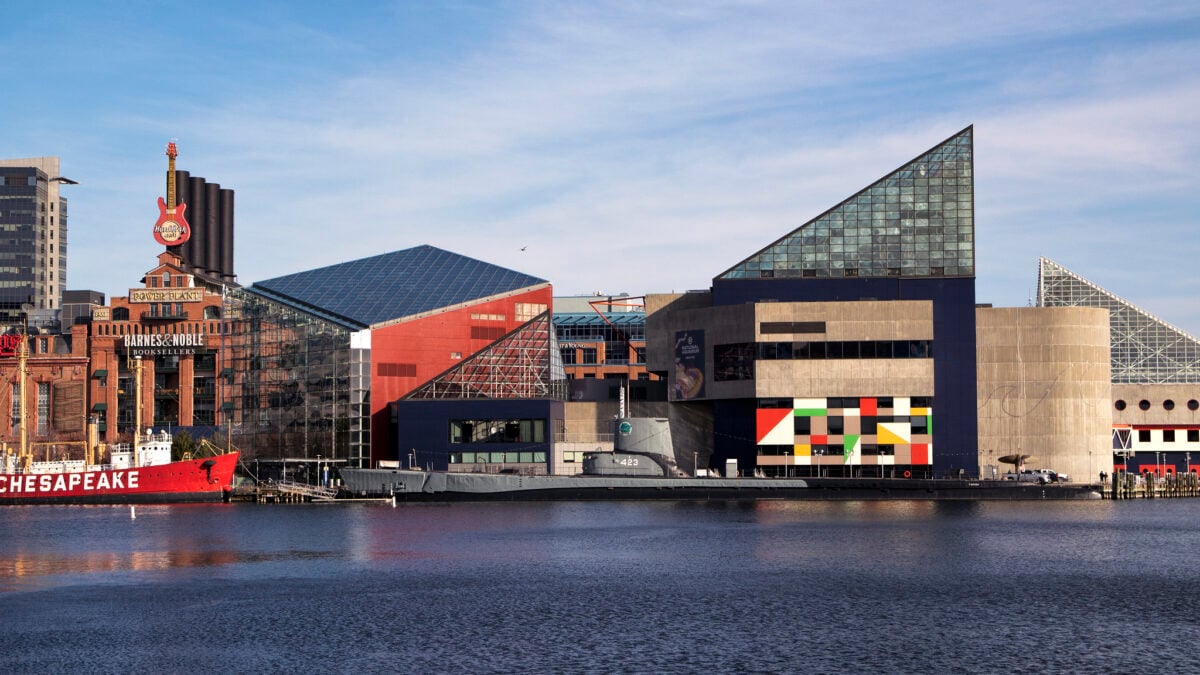
More than 100 employers participate in Baltimore’s Live Near Your Work program. The companies contribute money, and the city matches it.
Benefits range from $2,000 to nearly $20,000 depending on your employer. You need to work for one of the participating companies to qualify.
Check with your HR department to see if your employer is involved. The program runs through a lottery system tied to trolley tour events held three times yearly.
Baltimore sits 50 miles from Washington, D.C. The city offers historic neighborhoods, the Inner Harbor, and access to Chesapeake Bay.
Average rent hovers around $1,500 monthly.
Jackson Helps You Buy a Home

Jackson, Michigan focuses on homeownership rather than relocation cash. The 100 Homes program builds new houses on vacant city properties.
Each home sells for $175,000. Buyers receive $25,000 in down payment assistance from the city.
Another $10,000 comes from the Michigan State Housing Development Authority. The program also includes a year of golf course membership.
The city sits about 90 minutes west of Detroit. Waterfalls and outdoor activities make up much of the local appeal.
You need to actually buy one of the homes being built to qualify.
Smaller Towns Make Compelling Offers

Newton, Iowa gives buyers $10,000 in cash plus a welcome package. The town sits 30 minutes from Des Moines and has been experiencing growth in recent years.
Mattoon, Illinois offers $5,000 for relocation plus a $500 voucher for local restaurants. The total package value reaches nearly $12,000.
You need to earn at least $45,000 annually and live 100 miles away when applying. Noblesville, Indiana provides a package worth $15,000.
This includes coworking space membership, chamber of commerce access, and various local perks. The town sits 27 miles north of Indianapolis.
Paducah, Kentucky targets high earners with salaries over $100,000. The package includes $2,500 for moving costs and $70 monthly for internet over the first year.
Cultural and recreational vouchers add another $1,150.
Columbus Keeps It Simple

Columbus, Georgia offers remote workers a straightforward $5,000 cash payment. You need to earn at least $75,000 from one income source and live at least 75 miles away when applying.
The city plans to reopen applications in January 2025. You have six months to complete your move to Muscogee County after acceptance.
Median rent sits around $995 monthly. The program doesn’t include extra perks like some others.
But the lower cost of living means your money goes further here than in many parts of the country.
International Options Exist Too

Several countries run similar programs. Saskatchewan in Canada offers tax returns worth about $15,000 to college graduates who stay for 10 years.
Ireland announced grants up to 92,000 euros for people willing to refurbish abandoned coastal properties. Sardinia pays 15,000 euros to European citizens who move to small towns with populations under 3,000.
Italy has towns selling homes for one euro. You pay a small deposit and commit to renovating the property within three years.
The renovation typically costs around 15,000 to 17,000 euros.
What You Actually Need to Qualify

Most programs require remote work or self-employment outside the area. Some target specific income levels, usually between $45,000 and $100,000 annually.
You typically need to be at least 18 years old and authorized to work in the United States. Relocation timeframes vary but usually range from six months to one year after acceptance.
Many programs require you to stay for a minimum period, often one to five years. Breaking this commitment can mean returning the money.
Application processes differ by program. Some use first-come-first-served systems.
Others operate through lotteries or rolling admissions. A few require in-person tours or virtual interviews.
Background checks and income verification are standard. You’ll need to prove your employment status and show you can actually relocate.
Programs want people who will genuinely contribute to the community, not just collect the money and leave.
Where Money Meets Opportunity

These programs started appearing more frequently after the pandemic normalized remote work. Cities watched young professionals leave for bigger metros.
Tax bases shrank. Schools needed more students.
Local businesses wanted customers. The money attracts attention, but successful programs offer more than cash.
Community building events matter. Access to coworking spaces helps remote workers avoid isolation.
Some places throw in recreational perks or cultural memberships to help newcomers feel connected. The programs generally work.
Tulsa Remote has brought thousands of people and generated millions in economic activity. Other cities have seen similar success.
Property values often stabilize or increase. New businesses open.
Schools get more funding. But you shouldn’t move just for the money.
A few thousand dollars won’t make up for hating where you live. The successful relocations happen when the money serves as the nudge someone needed to try a place they were already curious about.
Research the area before applying. Visit if possible.
Check the job market even if you work remotely, because careers change. Look at schools if you have kids.
Consider climate, culture, and whether the community fits your lifestyle. Many of these programs pause or end after hitting target numbers.
Vermont had a popular remote worker program that closed. Lincoln, Kansas and Hamilton, Ohio both stopped their initiatives.
Apply quickly when you find something that works for you.
Finding Your Next Chapter

Moving for money sounds transactional. But these programs create real opportunities for people priced out of expensive cities or stuck in places they’ve outgrown.
You might discover a town where your rent drops by half while your salary stays the same. Your kids could attend better schools.
You could finally afford to buy a house. The slower pace might give you time to focus on what actually matters.
Or maybe it won’t work out. That’s fine too.
Most programs let you leave after the commitment period ends. You’ll have saved money and tried something different.
Some people find their forever home through these programs. Others use them as a stepping stone to figure out what they want next.
The cities putting up this money are betting on you. They believe new people bring fresh energy and ideas.
They want their communities to thrive, not just survive. Your presence matters more than you think.
More from Go2Tutors!

- The Romanov Crown Jewels and Their Tragic Fate
- 13 Historical Mysteries That Science Still Can’t Solve
- Famous Hoaxes That Fooled the World for Years
- 15 Child Stars with Tragic Adult Lives
- 16 Famous Jewelry Pieces in History
Like Go2Tutors’s content? Follow us on MSN.