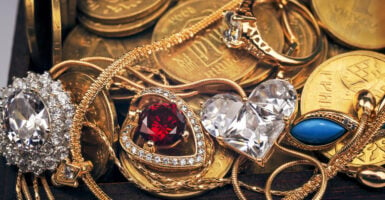
27 Estate Jewelry Finds With Colorful Stones
Estate jewelry sells on a quiet promise: someone wore this before. The stones in an estate case range from familiar to surprisingly obscure, and the colors do not always match the labels. A knowledgeable shopper can walk past dozens of rings and still be stopped by one.
Alexandrite
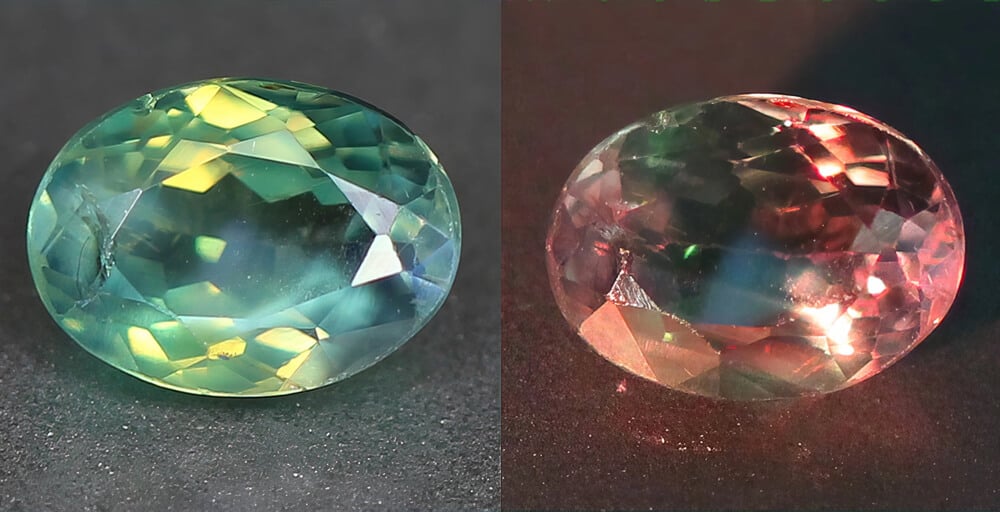
Alexandrite was discovered in the Ural Mountains of Russia in the 1830s and named for the future Tsar Alexander II. The stone looks green in daylight and reddish under incandescent light, a shift that made it a sensation. Lab-created alexandrite has existed since the 1960s, so a laboratory report matters a great deal to price.
Tanzanite
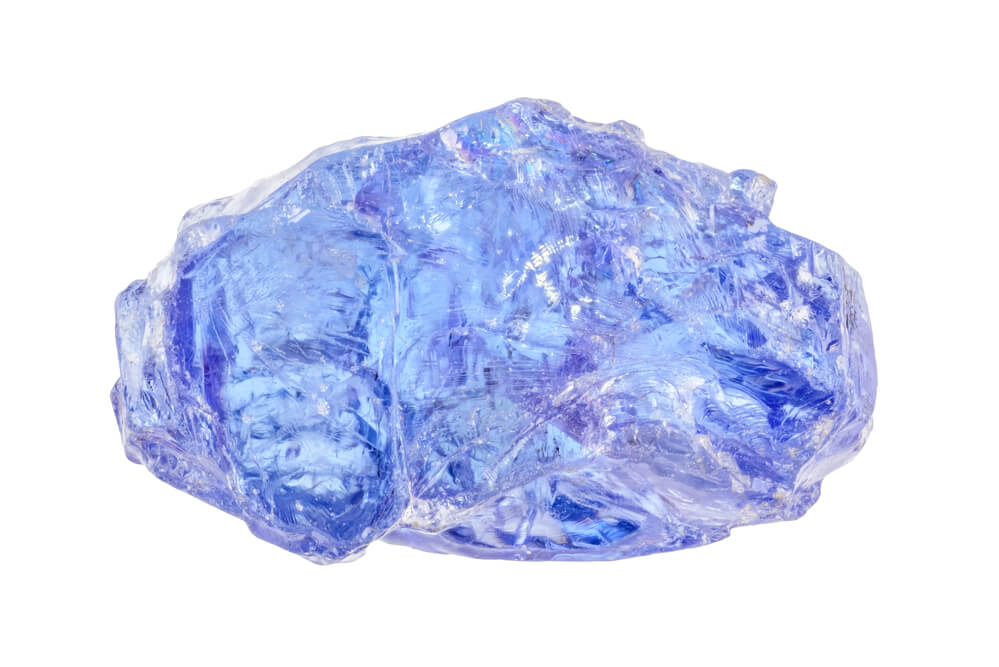
Tanzanite was found in 1967 in the foothills of Mount Kilimanjaro, and Tiffany & Co. introduced it to the public in 1968 under a name chosen to honor its country of origin. The blue-violet stone comes from one small area, which has fed its appeal ever since. Color depth and clarity drive value, and heat treatment is routine.
Kunzite
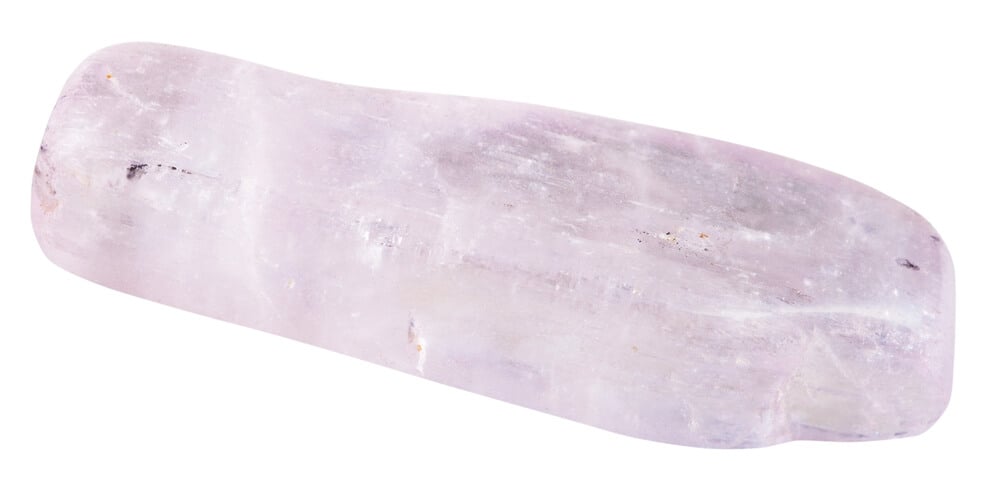
Kunzite is the pink variety of spodumene, named in the early 1900s for George Kunz, Tiffany’s celebrated gemologist. It tends to fade with heat and strong sunlight, which led jewelers to call it an evening stone. Faded color and chips along the edges are the main condition concerns in estate pieces.
Morganite
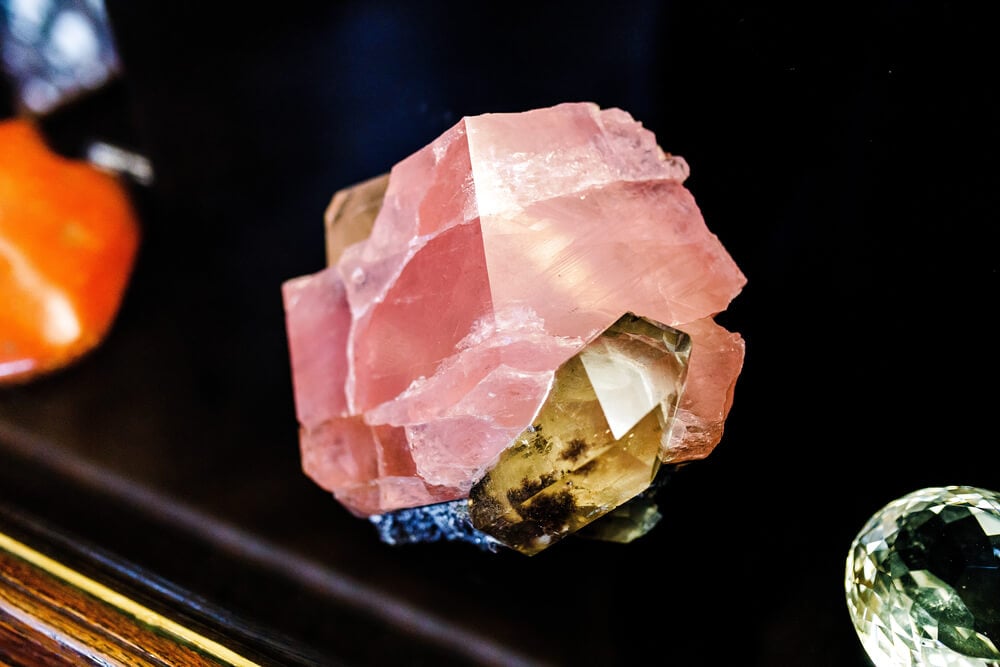
Morganite is pink beryl, and the New York Academy of Sciences named it for financier J. P. Morgan in December 1910 after a suggestion from Kunz. The peachy-pink tone became a favorite in rose-gold settings. Clean stones with an even blush are priced above pale or heavily included ones.
Tsavorite Garnet
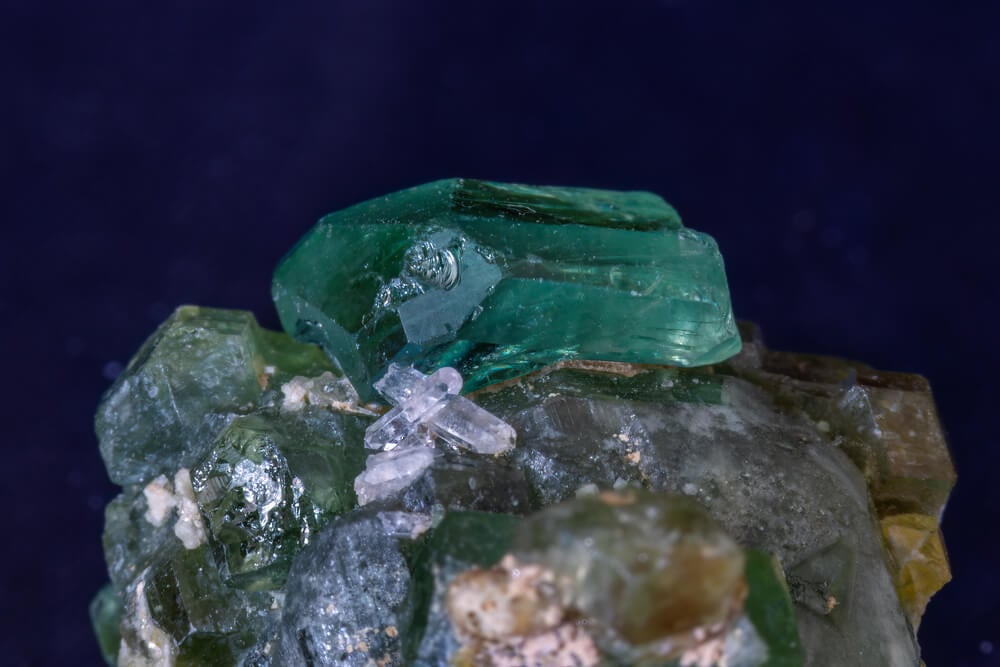
Tsavorite is a vivid green garnet first found in 1967 by the Scottish geologist Campbell Bridges, and its name nods to the Tsavo region of East Africa. It can rival emerald in color while being clearer and more durable. Large, clean tsavorites are scarce, so size and clarity push prices up quickly.
Demantoid Garnet
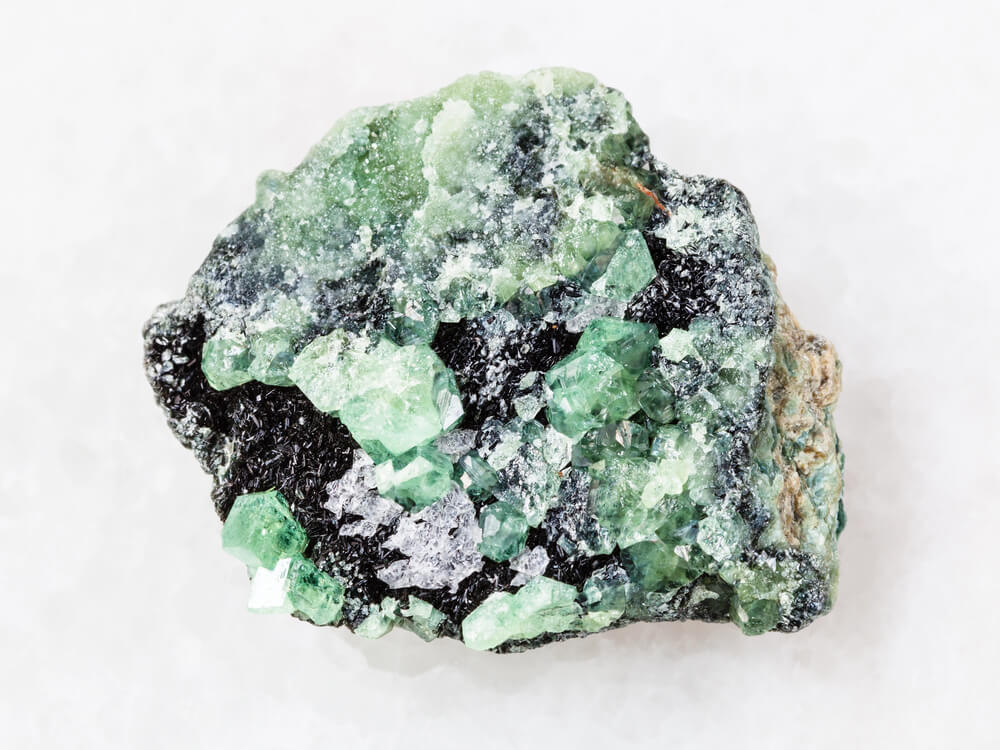
Demantoid is a green garnet associated with Russia’s Ural Mountains, prized for its brilliance and fine, fibrous inclusions often called horsetails. Those inclusions, which would count against most gems, are a mark of Russian origin and can raise value. Chips and heavy wear matter because the stone is softer than many garnets.
Rhodolite Garnet
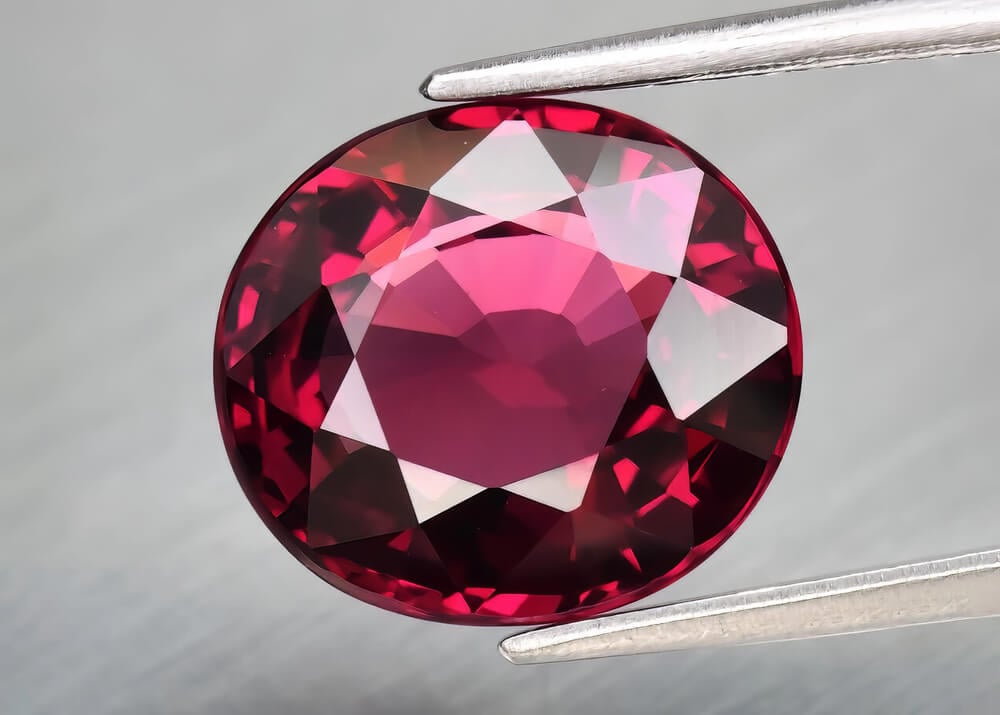
Rhodolite is a raspberry-pink garnet whose name comes from the Greek for rose. It shows up in estate rings from the early twentieth century, often paired with diamonds. Even color and a lively cut matter most, while visible scratches take a bite out of price.
Watermelon Tourmaline
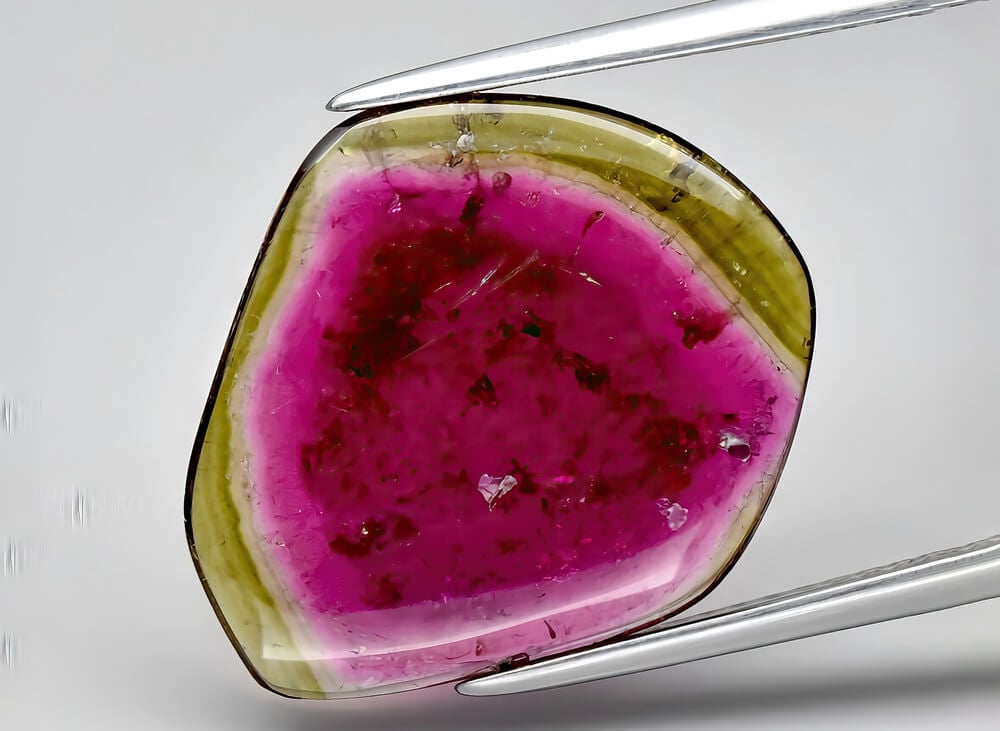
Watermelon tourmaline combines a pink center with a green rim, so a slice of the crystal looks like the fruit. Lapidaries cut thin slabs to show the contrast, and the best examples make a small piece of jewelry look like a painting. The color contrast and clean edges determine value.
Paraíba Tourmaline
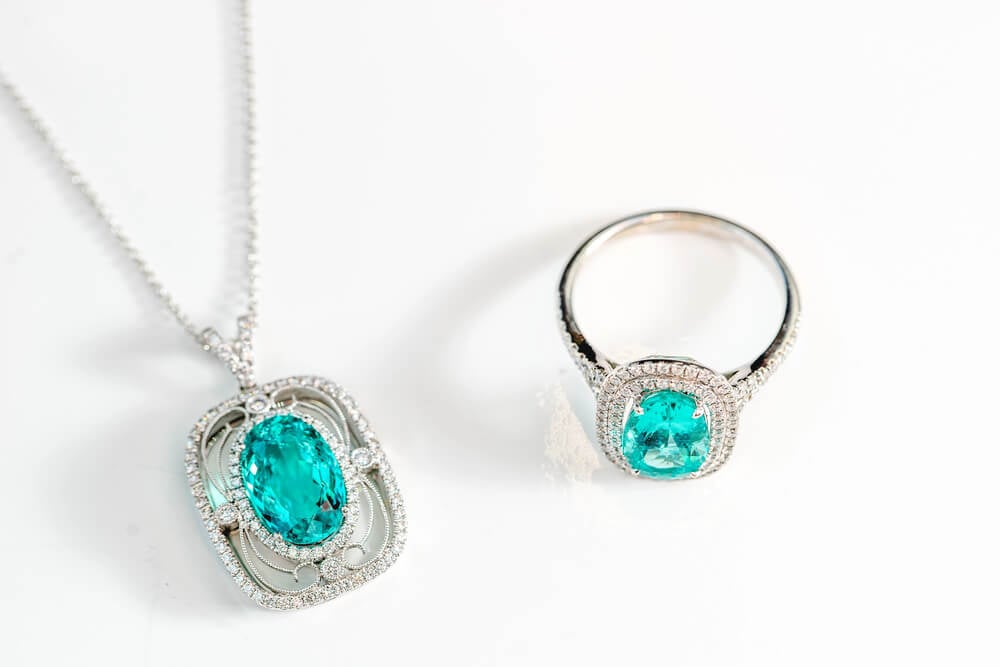
Paraíba tourmaline glows an electric blue-green, a color caused by copper, and it was found in the Brazilian state of Paraíba. The neon color looks almost lit from within. Because genuine stones command high prices, a gem laboratory report on origin and treatment is essential.
Spinel
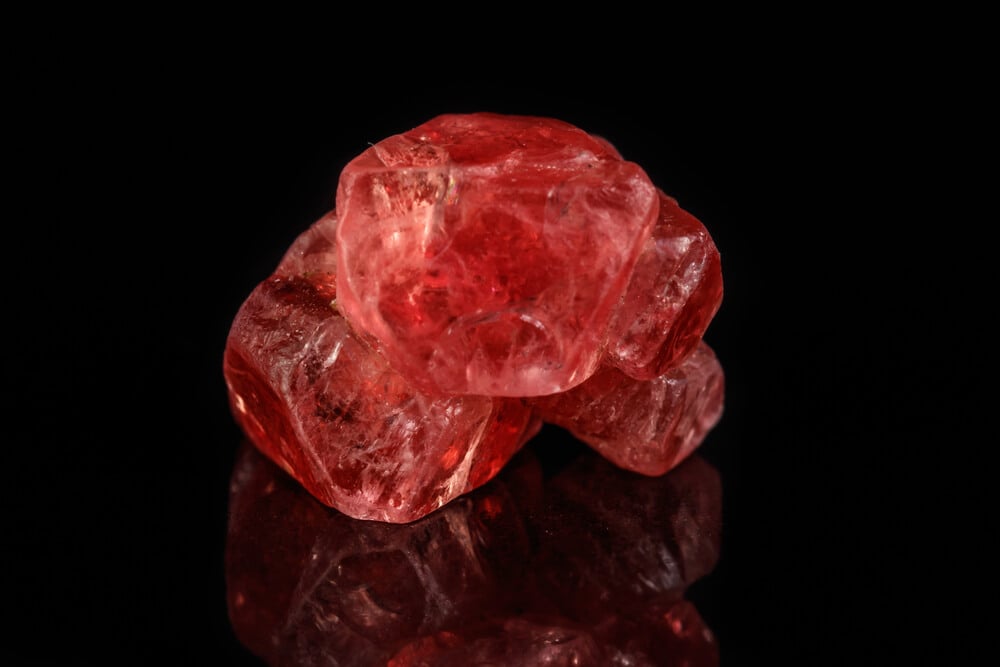
Spinel was long mistaken for ruby, and the famous Black Prince’s Ruby set in the British Imperial State Crown is in fact a spinel. Red spinels, along with pink, blue, and lavender, are now valued on their own terms. Condition, color saturation, and size shape the price.
Padparadscha Sapphire
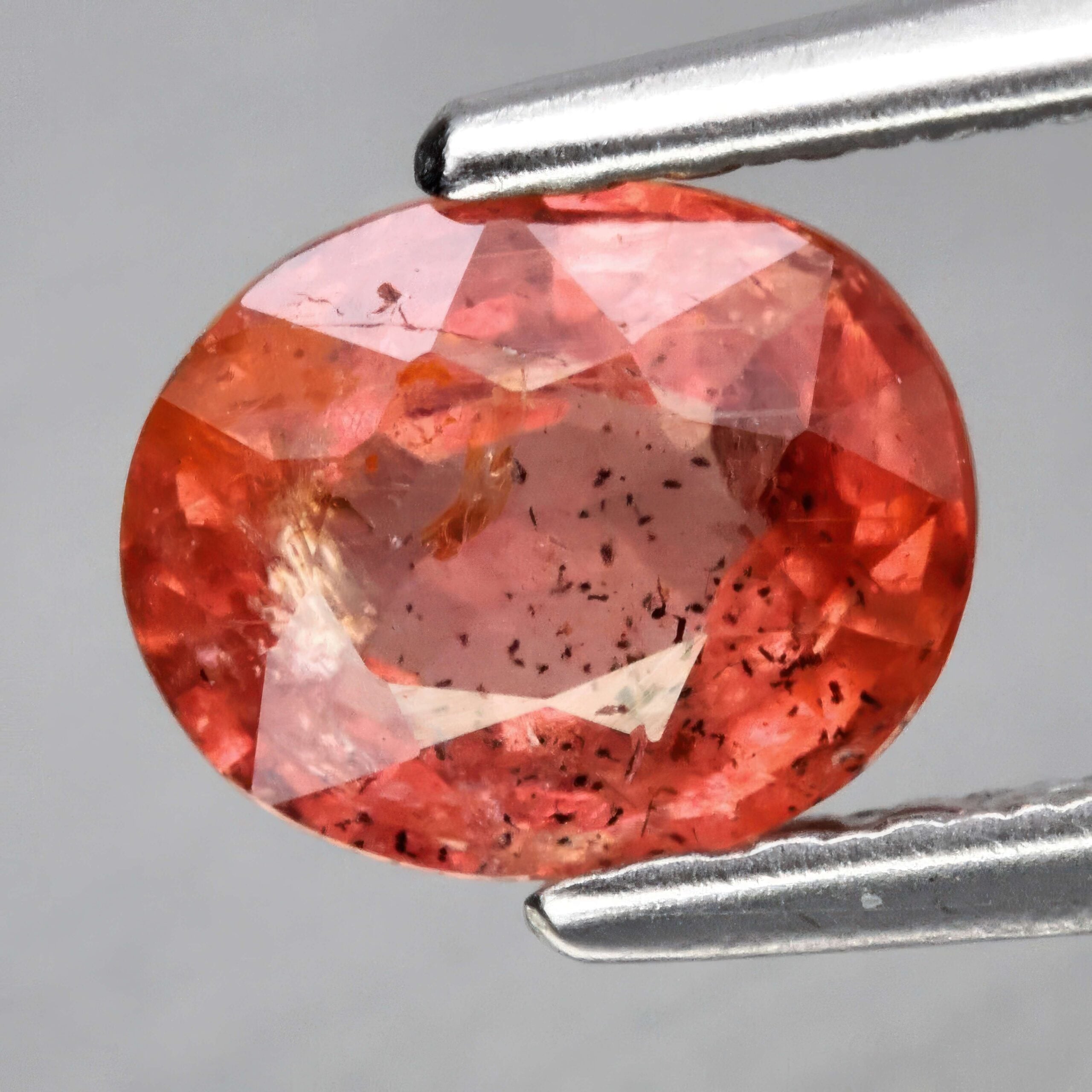
Padparadscha is a delicate pink-orange sapphire, and its name is generally traced to the Sinhalese word for lotus blossom. The stone is associated with Sri Lanka and is judged mainly on how well it balances its two colors. Disagreements over the exact color boundaries make a lab report especially important.
Kashmir Sapphire
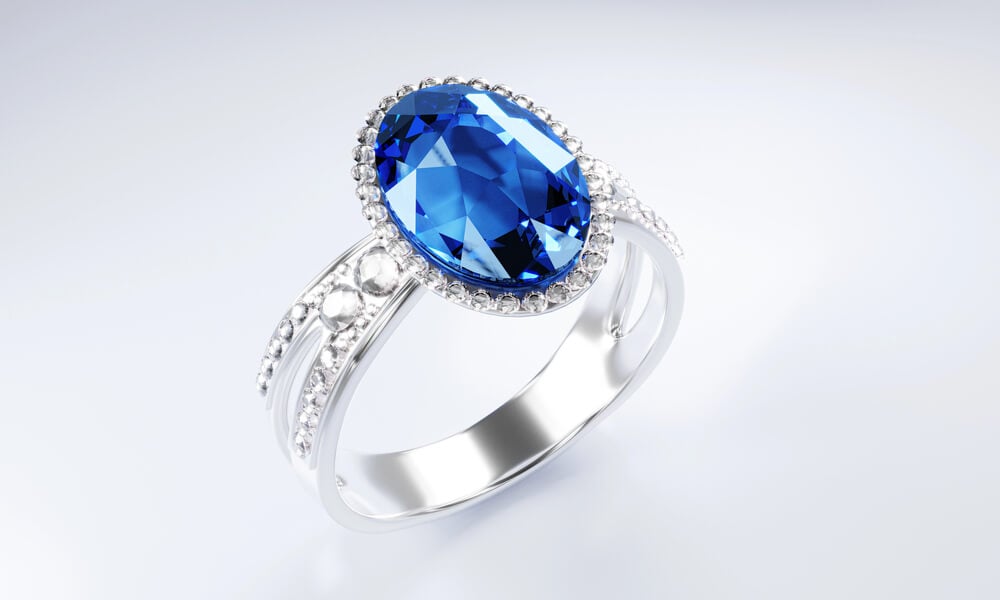
Kashmir sapphires came to light after a landslide in the Himalayas in 1881, and their soft, velvety cornflower blue became a benchmark for the entire gem family. The mines produced for a short period, which has kept supply limited. Origin certificates from a reputable laboratory are central to price.
Burmese Ruby
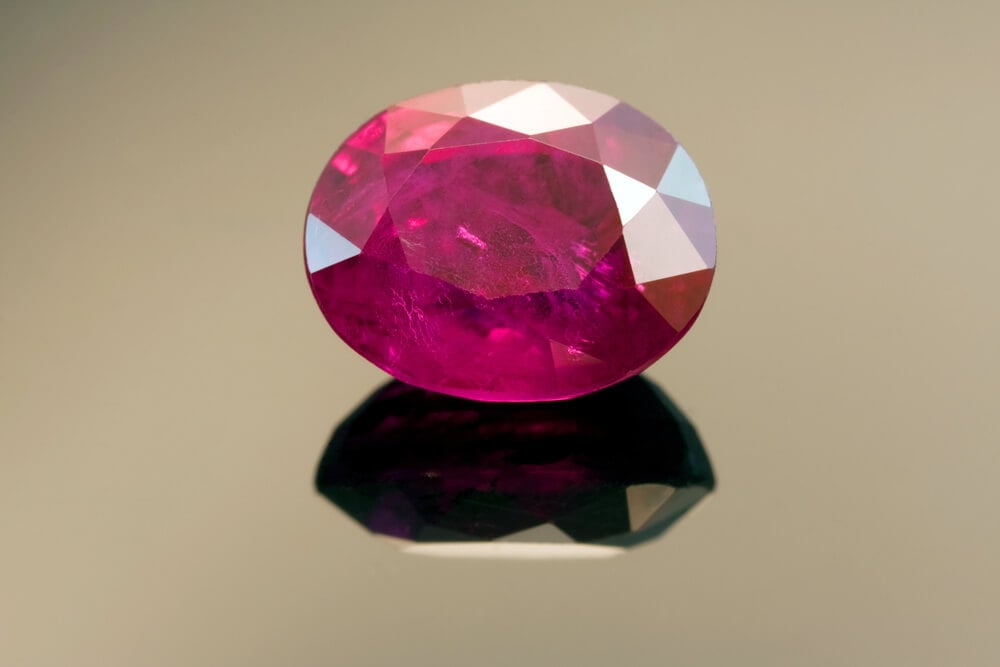
Rubies from the Mogok region of Myanmar are famed for a rich red that glows under daylight thanks to natural fluorescence. Jewelers use the term pigeon’s blood for the finest color, a trade phrase rather than a literal description. Treatment disclosure and origin papers heavily influence value.
Colombian Emerald
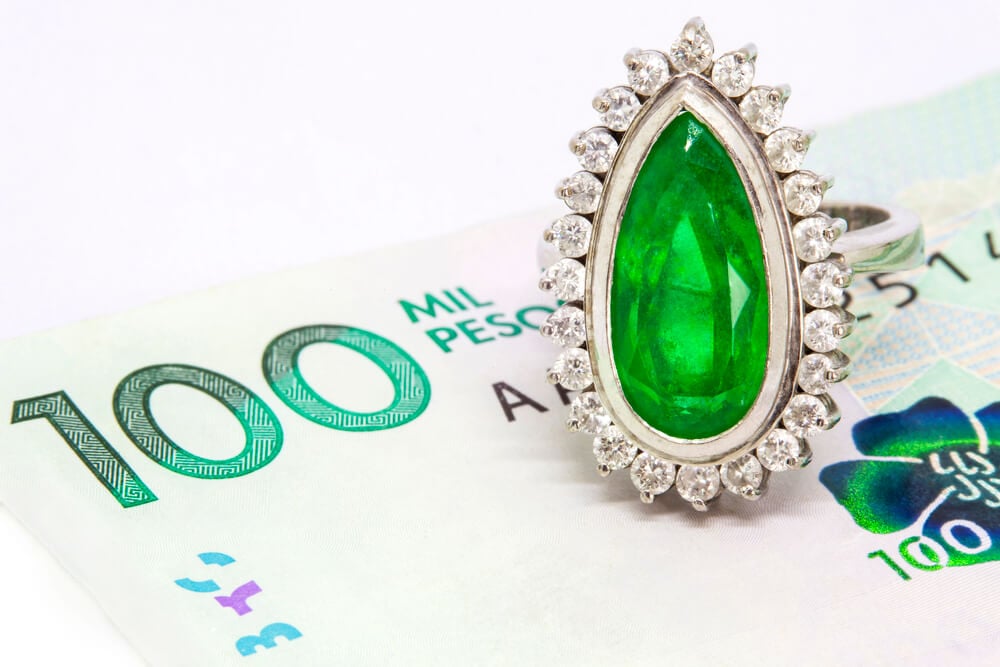
Colombian emeralds, associated with mines such as Muzo, are known for a saturated green and for inclusions that jewelers affectionately call a jardin, French for garden. These inclusions are accepted in emeralds in a way they are not in diamonds. Oil treatment is common, and cracks reaching the surface can lower price.
Black Opal
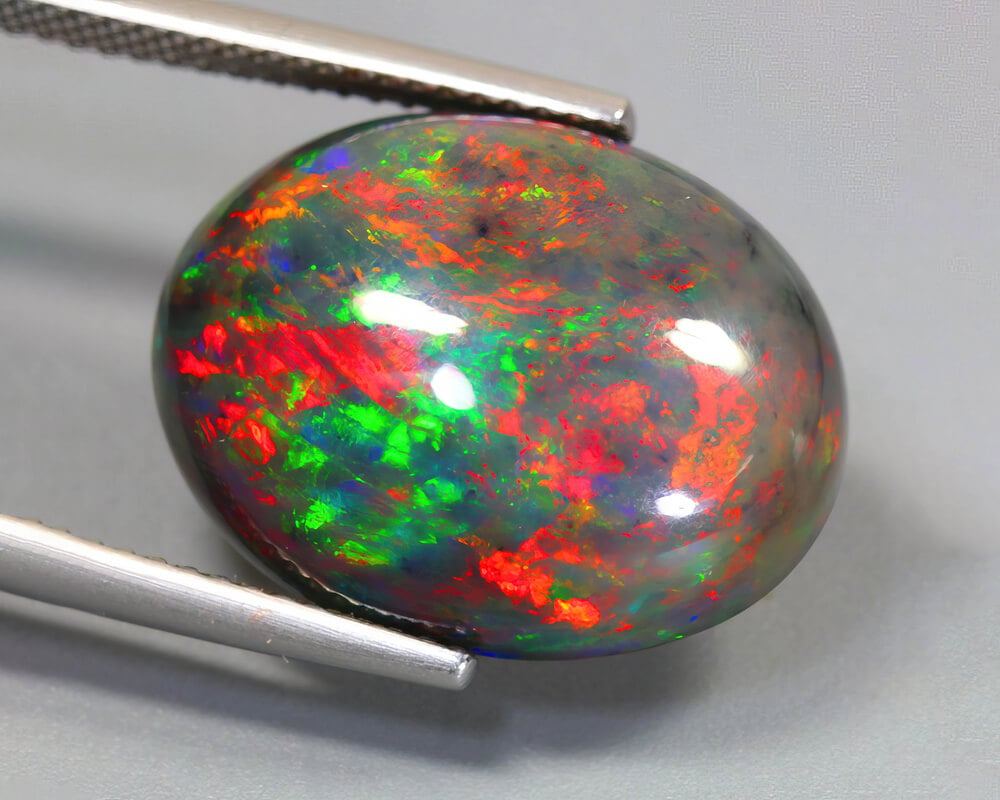
Australian black opal, much of it from Lightning Ridge, shows flashes of color against a dark body that make a small stone look electric. The play of color shifts as the piece moves. Opal can crack or craze if it dries out, so stable, unmarked stones sell best.
Fire Opal
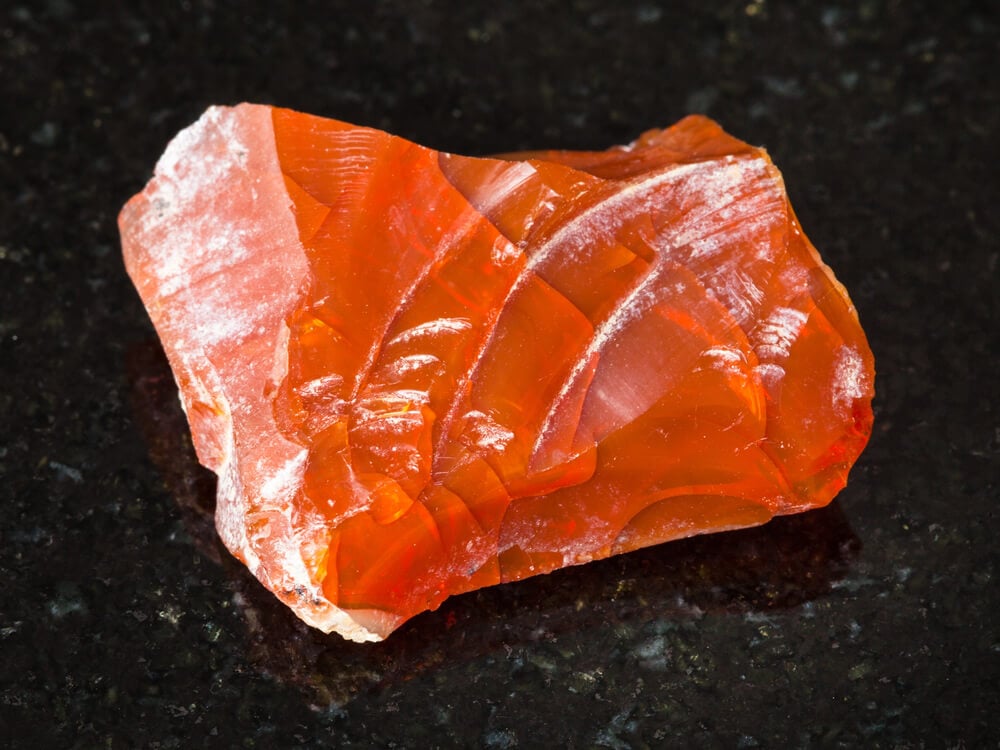
Fire opal is a transparent orange-to-red opal, and Mexico is a classic source. Some stones show flashes of color, while others are prized simply for their warm body color. It is soft and sensitive to knocks, so chips and scratches are the main condition concerns.
Turquoise
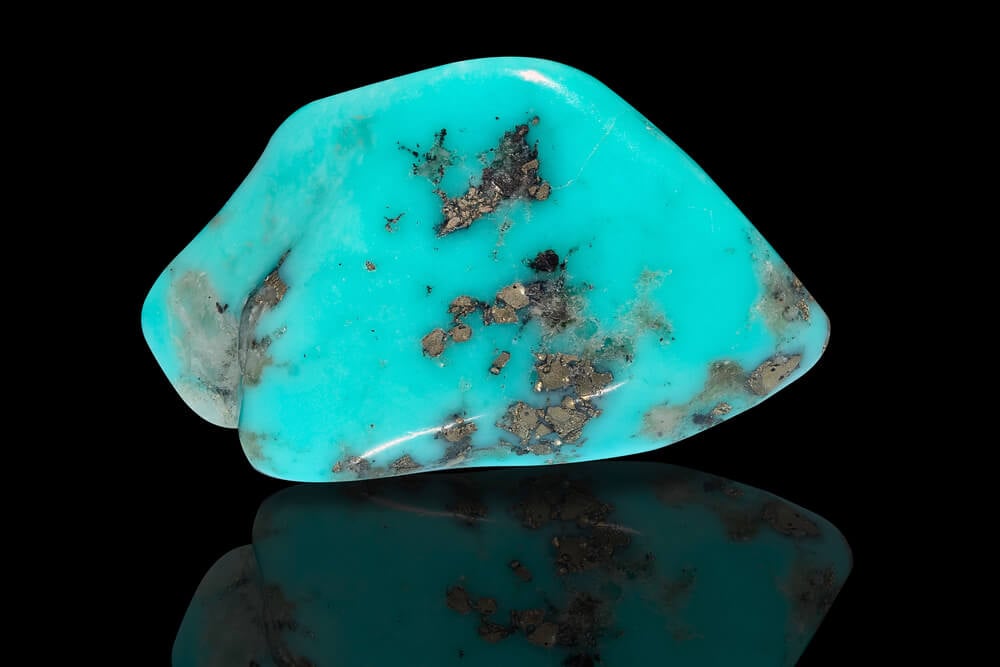
Turquoise has been used for ornaments in Persia and the American Southwest for centuries, and veins of host rock called matrix can add pattern. The stone is porous, so oils from skin and cosmetics can alter its color over time. Stabilized or treated stones are common, and natural untreated pieces are priced higher.
Lapis Lazuli
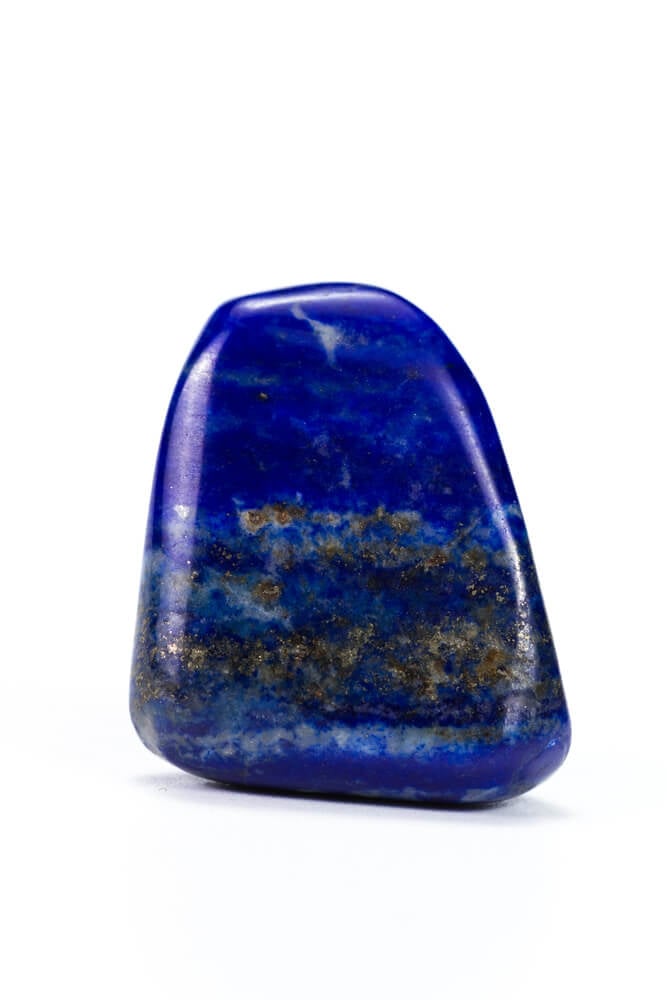
Lapis lazuli has come from mines in Afghanistan for thousands of years, and its deep blue is often speckled with golden flecks of pyrite. It was once ground into ultramarine pigment for painters. The finest stones have an even, intense blue with minimal white veining, and scratches or fractures lower price.
Amethyst
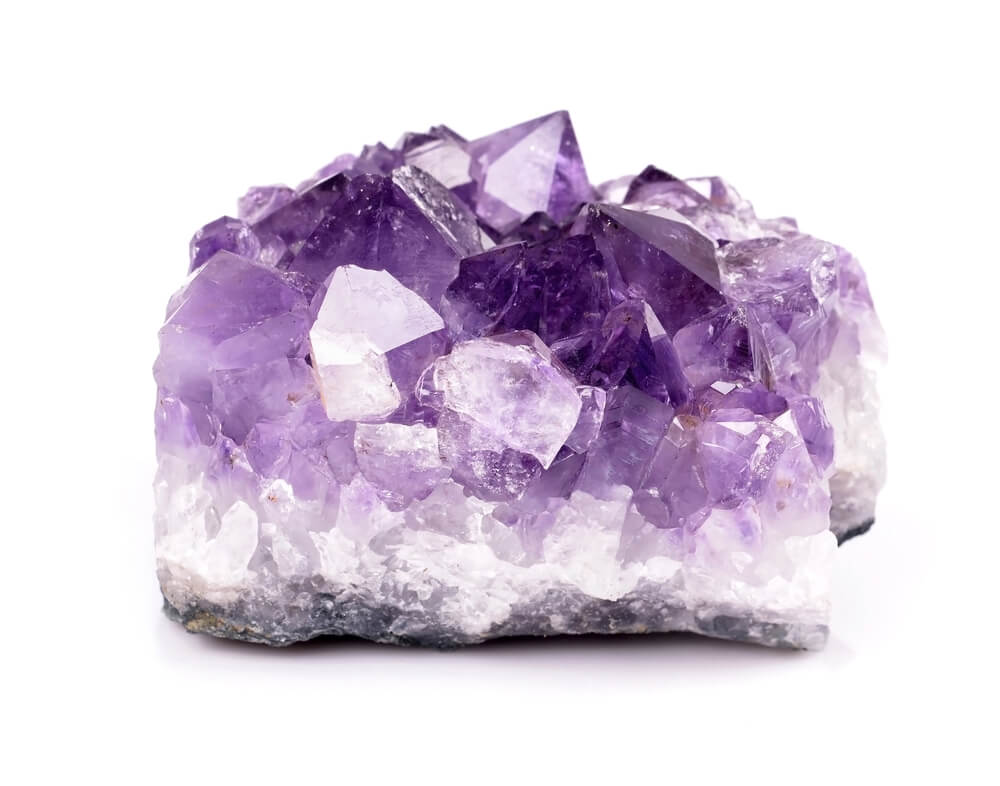
Amethyst is purple quartz, and it was considered as valuable as ruby and emerald until large deposits were found in Brazil. The color ranges from pale lilac to deep violet with red flashes. Depth of color matters most, and stones kept in strong sunlight for years may have faded.
Citrine
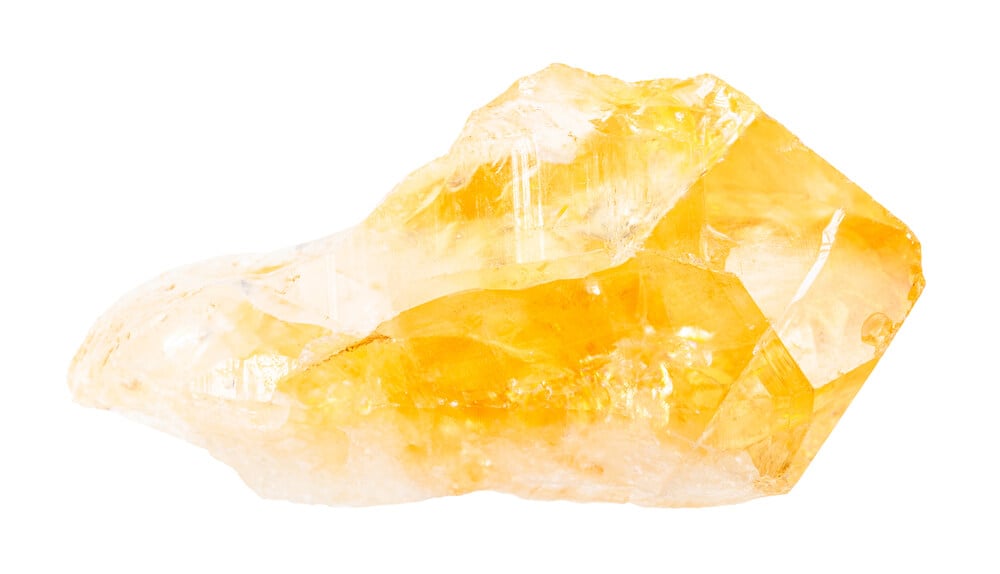
Citrine is yellow-to-orange quartz, and much of it on the market began as heat-treated amethyst. Large rectangular citrines were a hallmark of the cocktail rings of the 1940s. Good color and a clean stone drive the price, and the many lookalikes make a trained eye useful.
Peridot
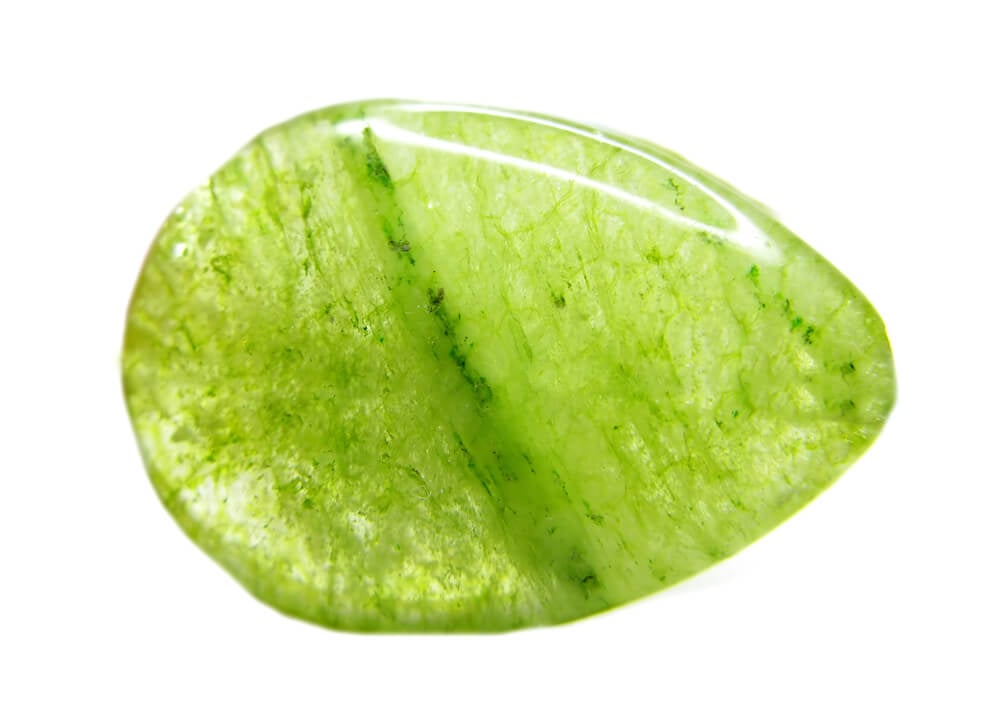
Peridot is an olive-green gem that comes in only one basic color, and a rare type of it has even been found in meteorites. The stone has been worn for thousands of years. It scratches more readily than harder gems, so the quality of the polish is part of the price.
Aquamarine
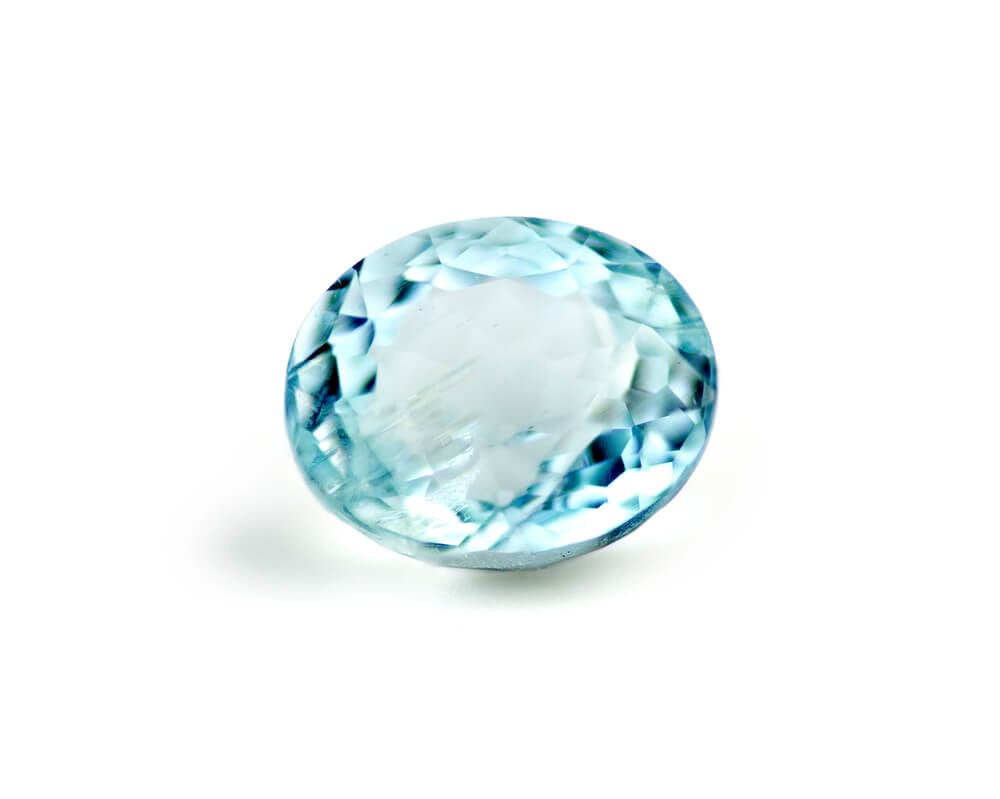
Aquamarine takes its name from the Latin for seawater, and the best stones show a clear, slightly blue-green tone with few inclusions. Jewelers often heat the stone to remove green tinges and deepen the blue. Large, clean stones are comparatively affordable, which makes them a favorite in older cocktail jewelry.
Iolite
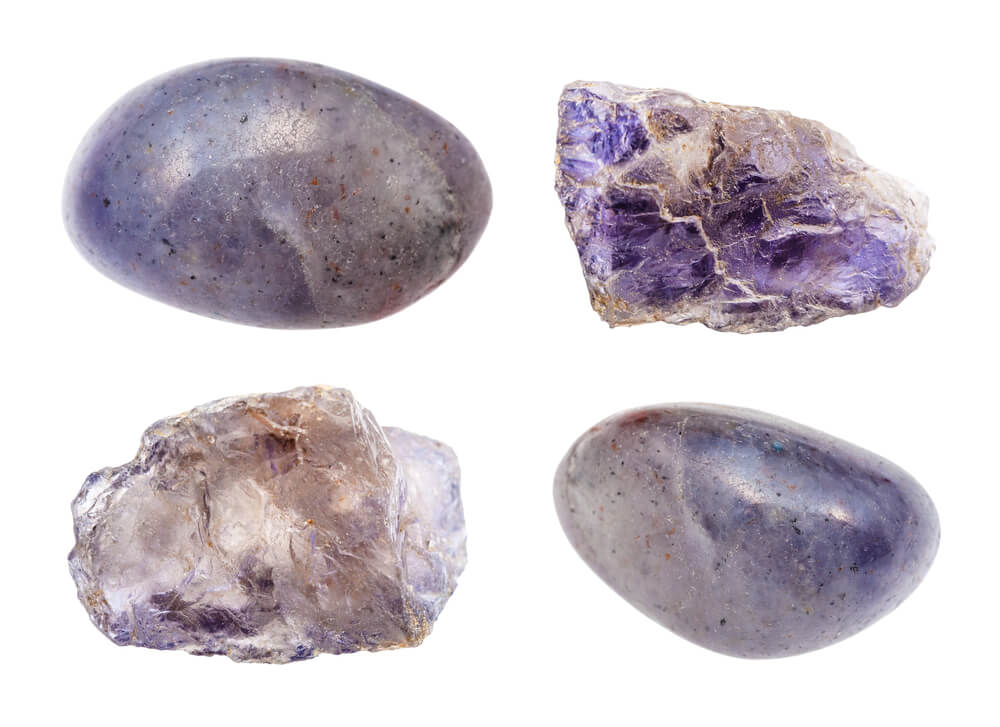
Iolite shows different colors from different angles, appearing violet-blue in one direction and nearly gray in another. Jewelers have to orient the cut carefully to show off the best color. Because the stone is often sold under its trade nickname water sapphire, buyers should look at the actual identification.
Blue Zircon
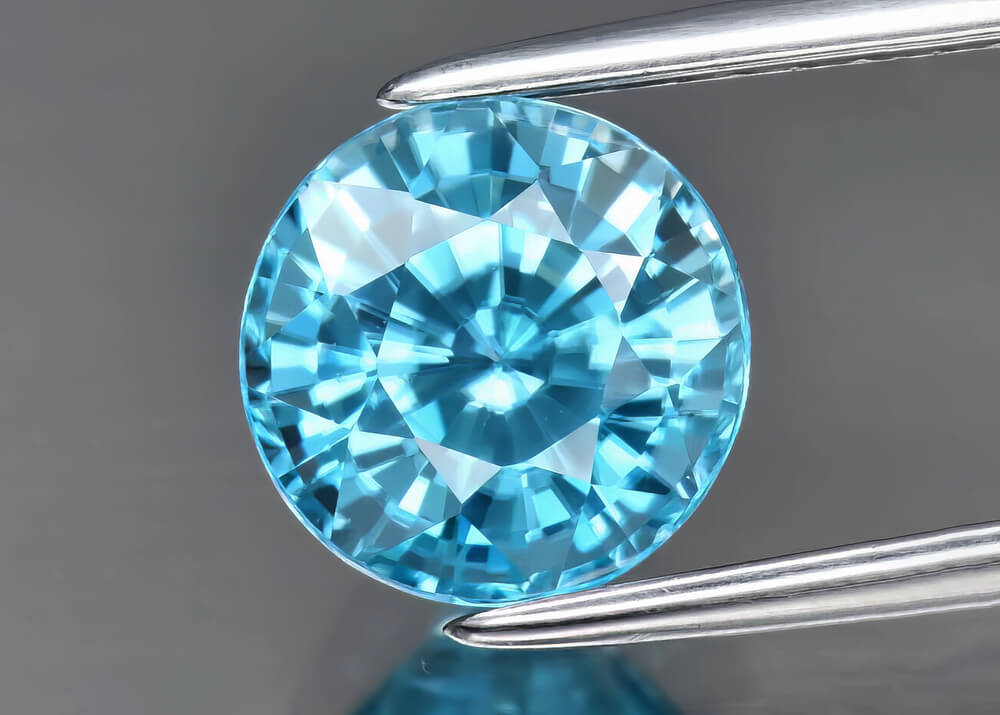
Blue zircon was a Victorian and early twentieth-century favorite, and natural zircon is a distinct mineral, not the lab-grown cubic zirconia. Most blue stones were created through heating. Fine, strongly colored examples are sought after, and chips on the facet edges are the main flaw.
Moonstone

Moonstone shows a soft, floating glow called adularescence, and Arts and Crafts jewelers loved it for the way it seemed to hold light. The effect depends on the stone’s internal layers. Cracks and chips are the main problems, so clean, unbroken stones with a strong glow are the ones that sell.
Imperial Topaz
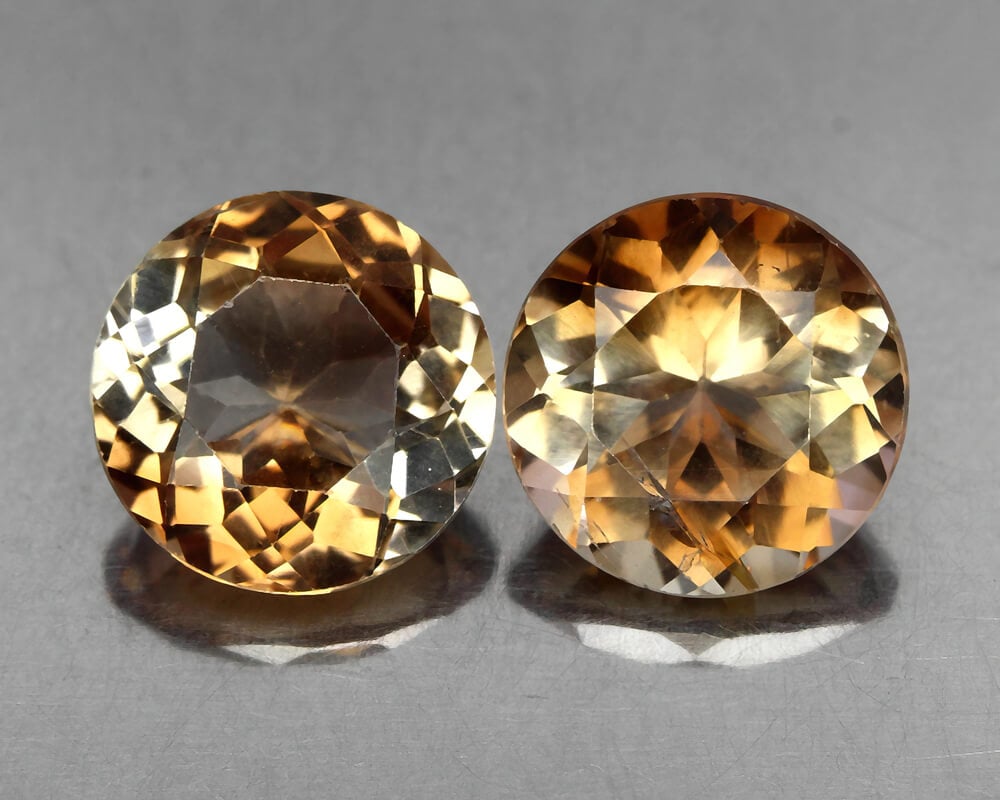
Imperial topaz is a warm orange-pink variety whose name is tied to the Russian tsars, and Brazil is a classic modern source. The stone should not be confused with the pale blue topaz so common today. Rich saturation and a clean body account for most of the price.
Chrysoprase
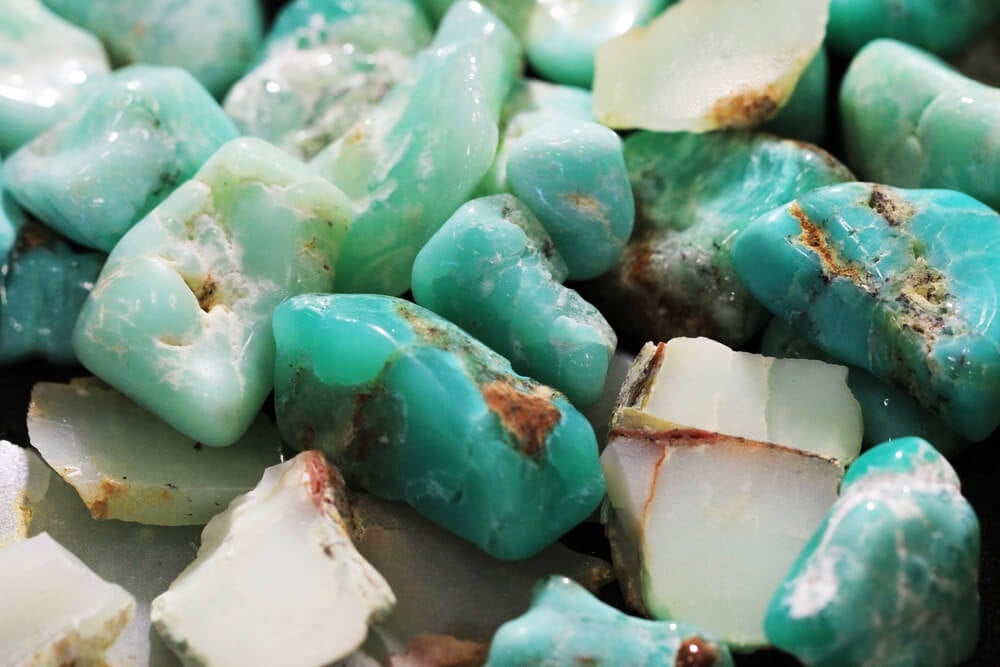
Chrysoprase is a translucent apple-green chalcedony colored by nickel, and its fresh color stands out against yellow gold. It is usually cut into smooth cabochons. The color can fade with strong sun or dry heat, so even tone and unfaded stones are what buyers look for.
Why Color Outlasts Fashion
Estate jewelry shows that settings go in and out of style, but the stones themselves keep a hold on people. A cocktail ring from the 1940s and a nineteenth-century brooch can share the same garnet, and the garnet looks just as good in either. The color is the part that never needs updating.
Still, the best finds require some detective work. Treatments, replacements, and origin claims can change a stone’s value more than its color ever could. A good laboratory report is often the difference between a nice ring and a real discovery.
More from Go2Tutors!

- 27 Silver Dollars and Half Dollars Worth Keeping
- 28 Restaurant Menu Items Nobody Orders Anymore
- 17 Places Built in Seemingly Impossible Spots
- 27 Vintage Rings Worth More Than They Look
- 25 Restricted Sites Tourists Can’t Enter
Like Go2Tutors’s content? Follow us on MS