31 Old Dictionaries and Bibles Dealers Check
Almost every household inherits at least one of these two books, and almost every one of them is worth nothing. A book dealer knows this, which is why the first question is never how old it is but which printing it is, and whether a particular page carries a known error, a signature, or a family name.
The books below are the ones that make a dealer slow down. Prices are broad ranges for genuine copies, and condition, completeness, and an original binding can move a figure by a factor of ten in either direction.
Johnson’s Dictionary of the English Language
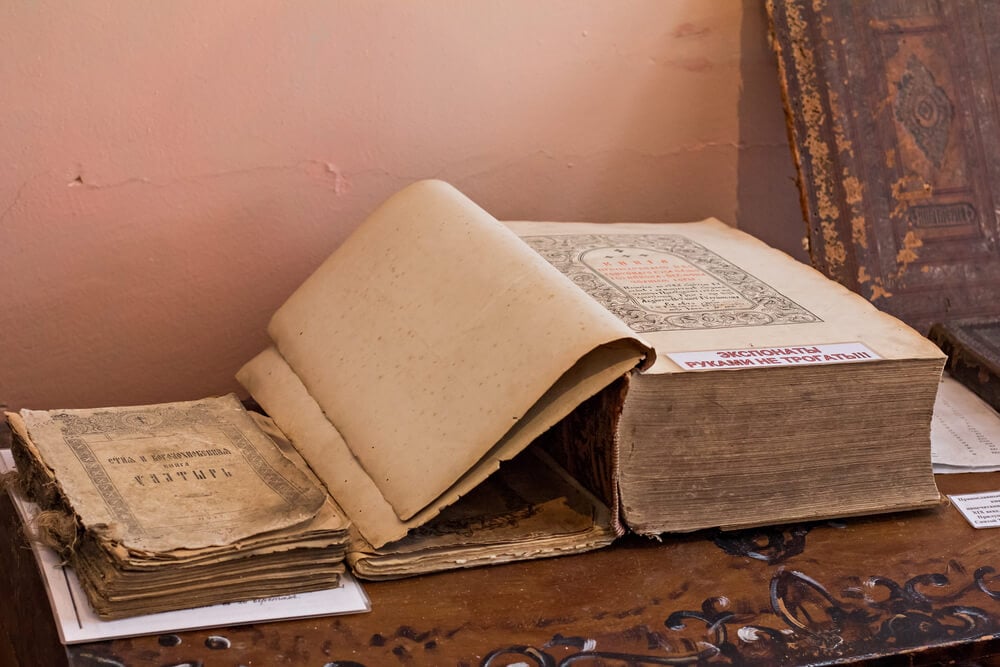
Samuel Johnson signed a contract in 1746, promised the work in three years, and delivered it in 1755 after nine. Working in a Fleet Street garret with six assistants, he defined about 42,000 words and supported them with more than 100,000 quotations from English writers.
The two folio volumes weigh a combined twenty pounds, and Johnson’s definition of a lexicographer as a harmless drudge sits inside. Complete first editions bring $15,000 to $40,000.
The many later abridgments and octavo editions look similar and are worth a small fraction.
Bailey’s Universal Etymological English Dictionary
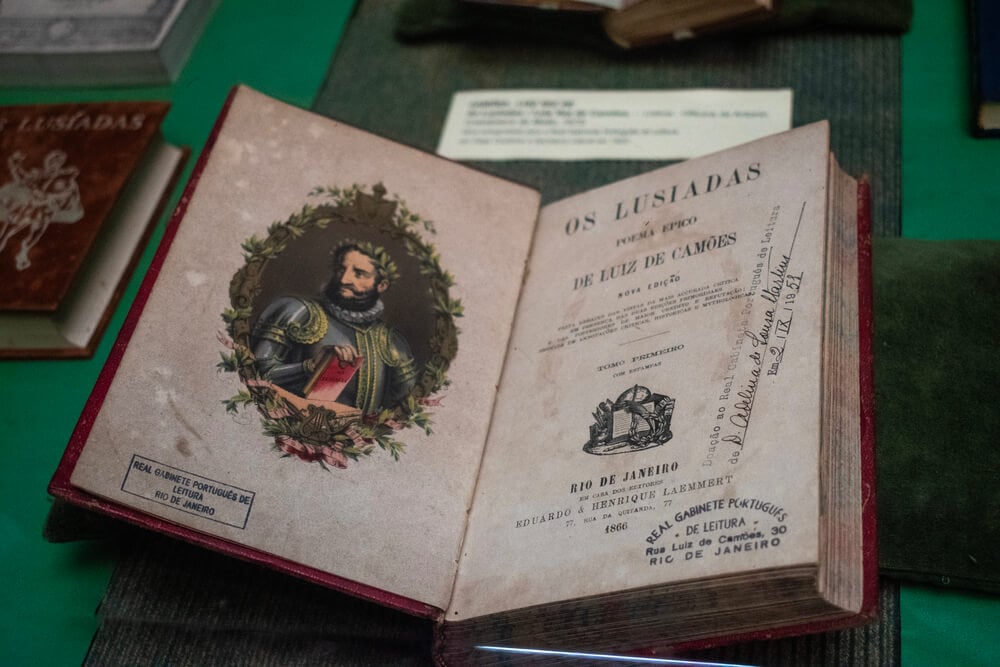
Nathan Bailey published his dictionary in 1721, and it went through some thirty editions over the following century. Its claim on a dealer’s attention is that Johnson worked from an interleaved copy of Bailey while compiling his own dictionary, so the older book underlies the more famous one.
Bailey also included plenty of common and coarse words that Johnson later left out. First editions bring $2,000 to $6,000.
Later editions are common and inexpensive, though any edition with contemporary notes in the margins deserves a second look.
Grose’s Classical Dictionary of the Vulgar Tongue
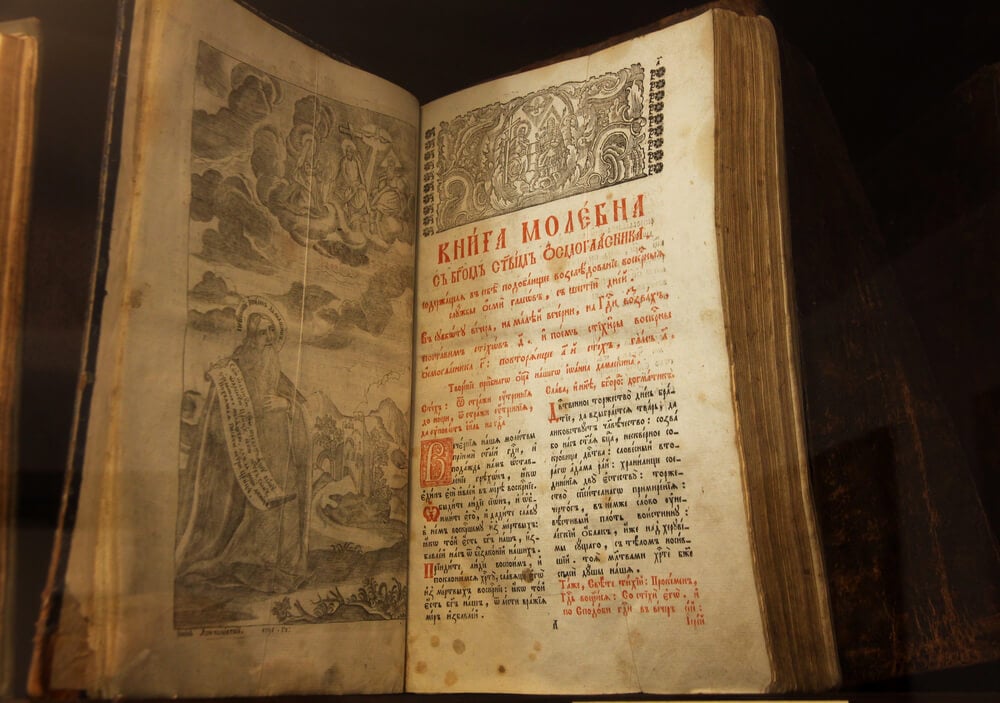
Francis Grose was an antiquary and a heavy man of good humor who collected the slang of soldiers, sailors, criminals, and taverns. His dictionary of 1785 recorded language that polite lexicographers refused to touch, and a great deal of it is still in use.
Grose died suddenly in Dublin in 1791 while gathering material for a book on Irish antiquities. First editions bring $2,000 to $5,000.
The 1811 revision, issued under a different title, is more common but still finds buyers who want the earliest printed record of a phrase.
Webster’s Compendious Dictionary
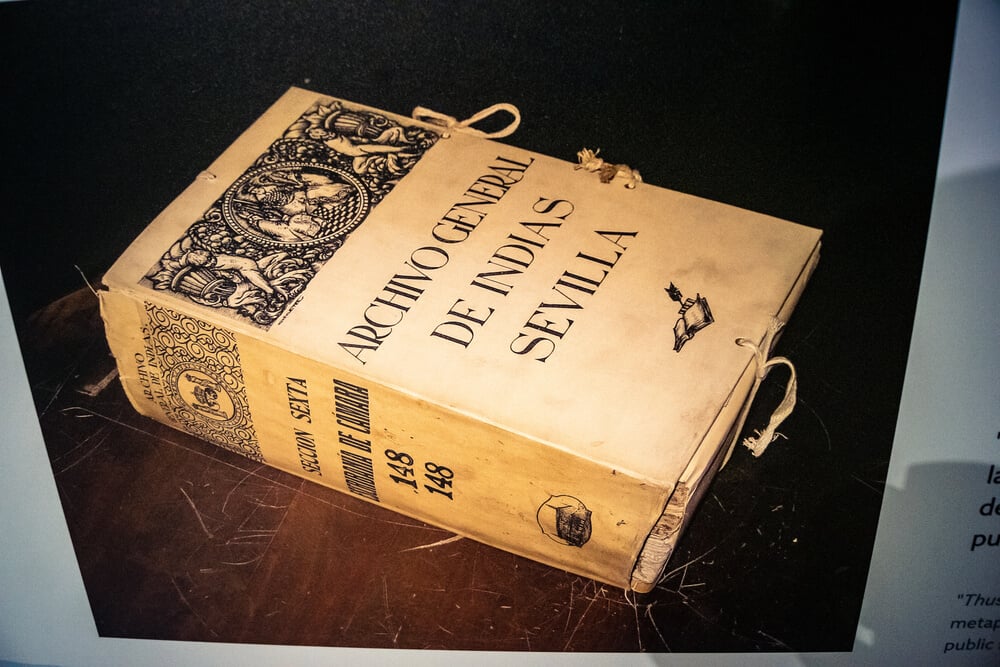
Noah Webster’s first dictionary appeared in 1806, a small volume of roughly 37,000 words that quietly admitted American terms such as skunk, hickory, and chowder. He also began nudging spellings toward color and center, an argument he would pursue for the rest of his life.
The book was a rehearsal for the larger work still two decades away. Copies are scarce, and a clean first edition brings $3,000 to $8,000.
Dealers check the title page carefully, because Webster’s name was borrowed on countless later dictionaries with no connection to him.
Webster’s American Dictionary of 1828
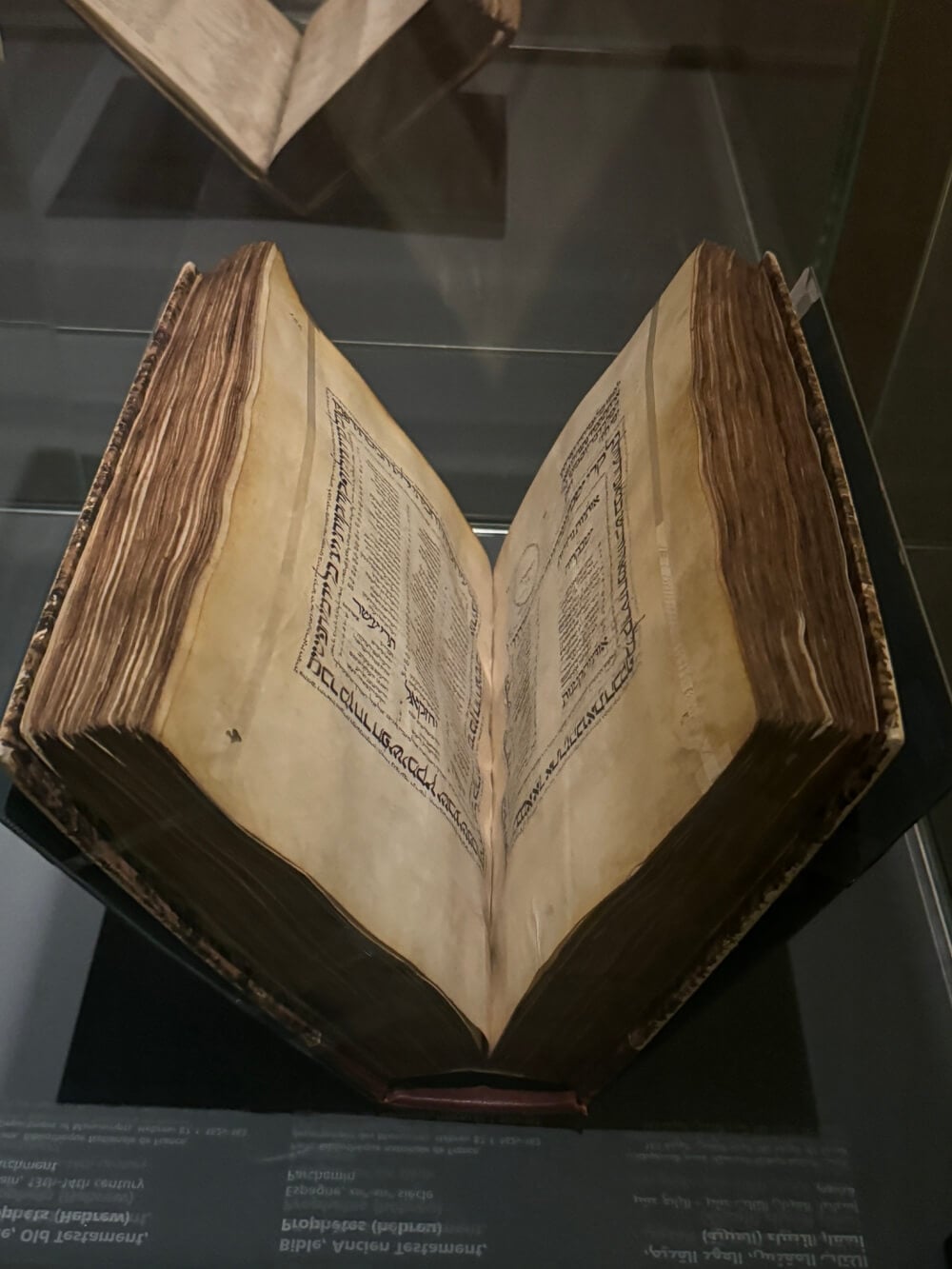
The two quarto volumes of 1828 held about 70,000 entries, and Webster, then aged seventy, had taught himself more than twenty languages to trace their origins. Around 2,500 copies were printed in the United States and the edition took years to sell.
It is the founding document of American spelling, and the book that made the family name a generic word. First editions in original boards bring $8,000 to $25,000.
A rebound or incomplete set brings far less, and dealers watch for the London edition of 1832, which is a different book.
Worcester’s Dictionary of the English Language

Joseph Worcester of Cambridge, Massachusetts, was Webster’s great rival, and the pair fought what newspapers called the war of the dictionaries through the 1830s and 1840s. Worcester favored conservative spelling and British pronunciation, and Webster’s publishers accused him of plagiarism.
His 1860 quarto, with illustrations and a pronouncing key, was the finest American dictionary of its day, and Harvard and many schools preferred it. Webster’s heirs won the war through better marketing.
Worcester’s 1860 edition brings $300 to $1,500, and dealers value it more for the argument it represents than for scarcity.
Bartlett’s Dictionary of Americanisms

John Russell Bartlett published his dictionary in 1848, recording words that Americans used and the English did not, from bunkum to squatter. Bartlett later ran the boundary survey between the United States and Mexico and served as secretary of state of Rhode Island.
His book was reprinted in expanding editions through 1877, each capturing more slang from the West and the war years. First editions bring $400 to $1,200.
It is not the Bartlett’s of familiar quotations, which is a different John Bartlett, and dealers correct that confusion weekly.
Roget’s Thesaurus, First Edition

Peter Mark Roget was a physician who had kept a private list of synonyms since 1805 and finally published it in 1852, at the age of seventy-three. The first edition of about a thousand copies sold out, and he revised it through twenty-eight printings before his death at ninety.
Roget also wrote a paper on the persistence of vision that influenced early motion pictures. First editions bring $2,000 to $6,000 in the original cloth.
The name has never been protected, so most Roget’s on a shelf have no connection to the man.
The Century Dictionary

Published in New York between 1889 and 1891 in six large volumes, the Century Dictionary ran past 7,000 pages and was edited by the Yale philologist William Dwight Whitney. It combined a dictionary with an encyclopedia and carried thousands of wood engravings, some of them small works of art.
The typography, set at the Riverside Press, was admired across the trade. Complete first sets bring $500 to $2,000, mostly for the illustrations and the sheer presence of the books.
Later editions expanded to ten and then twelve volumes and are similarly priced.
Oxford English Dictionary, First Edition

The first fascicle appeared in 1884 and the last in 1928, forty-four years later, under an original schedule of ten. James Murray edited it from a corrugated iron shed in his Oxford garden that he called the Scriptorium, sorting millions of quotation slips sent in by volunteers.
One of the most prolific contributors was William Chester Minor, an American army surgeon writing from Broadmoor asylum. Complete sets of the original fascicles are rare and bring $20,000 and up.
The 1933 reissue in twelve volumes with a supplement brings $1,500 to $4,000.
The Compact OED With Magnifying Glass
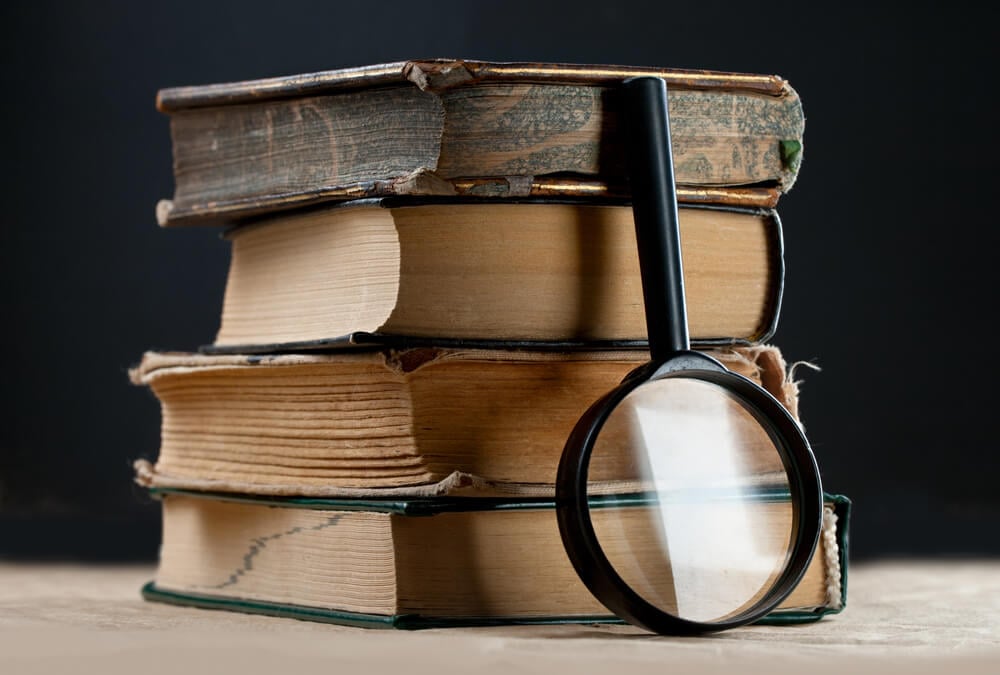
In 1971 Oxford photographically reduced the entire dictionary onto two volumes, printing four pages on each page and supplying a magnifying glass in a drawer at the top of the slipcase. The Book of the Month Club offered it as a premium for years, so hundreds of thousands of American homes acquired one.
It is not rare, and a good set with the glass brings $50 to $150. Dealers check for the glass, the drawer, and the 1987 supplement volume, because a complete set sells and an incomplete one sits.
Webster’s New International, Second Edition
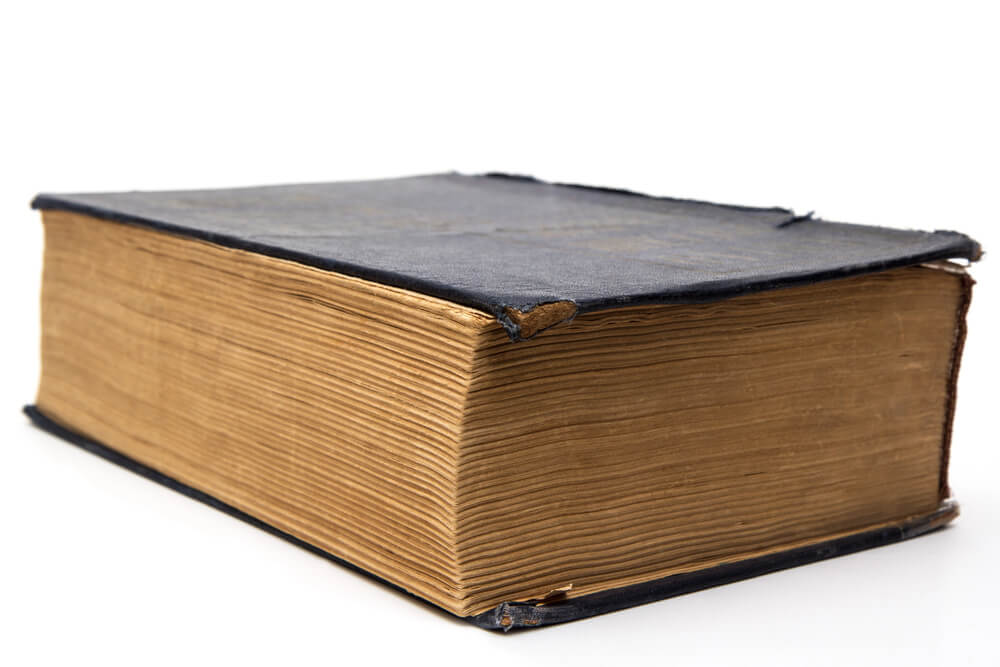
The 1934 unabridged Webster’s is the dictionary of the ghost word. An editor’s slip reading D or d, meant to add the letter as an abbreviation for density, was misread as the word dord, which was duly defined as a noun meaning density and printed on page 771.
Nobody caught it until 1939, and it lingered in some printings until 1947. Copies of this edition are heavy and common, worth $40 to $150.
Dealers open to the page, and a copy with dord present sells to collectors of errors at the top of the range.
The Devil’s Dictionary
Ambrose Bierce published his mock lexicon in 1906 as The Cynic’s Word Book, a title the publisher preferred, and reissued it under his own preferred name in 1911. It defines a bore as a person who talks when a listener wishes him to listen.
Bierce crossed into Mexico in 1913 to observe the revolution and was never seen again. The 1906 first edition brings $500 to $2,000.
The 1911 version inside the collected works is the one most people own, and dealers check the title page for which of the two names it carries.
Gutenberg Bible Leaves
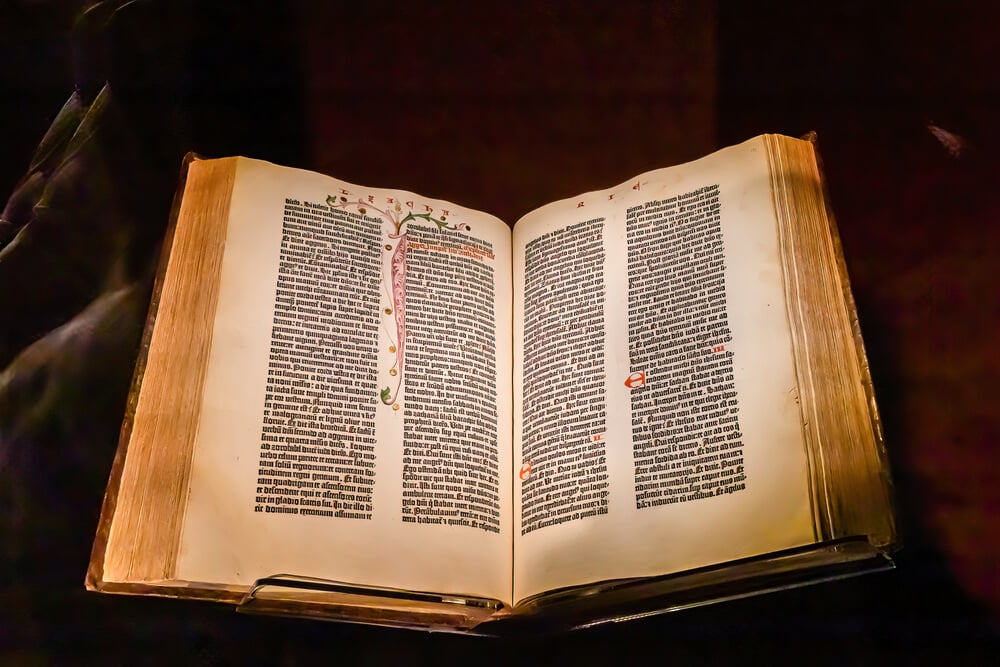
Only about forty-eight copies of the Gutenberg Bible survive, and fewer than half are complete. In 1921 the New York dealer Gabriel Wells broke up an imperfect copy and sold individual leaves in a folder with an essay by A. Edward Newton.
He called the offering A Noble Fragment, and the name stuck. A single leaf from that dispersal now brings $50,000 to $150,000 depending on the text it carries.
Leaves from the Old Testament histories cost less than a leaf of the Ten Commandments or the opening of a Gospel.
The Geneva Bible
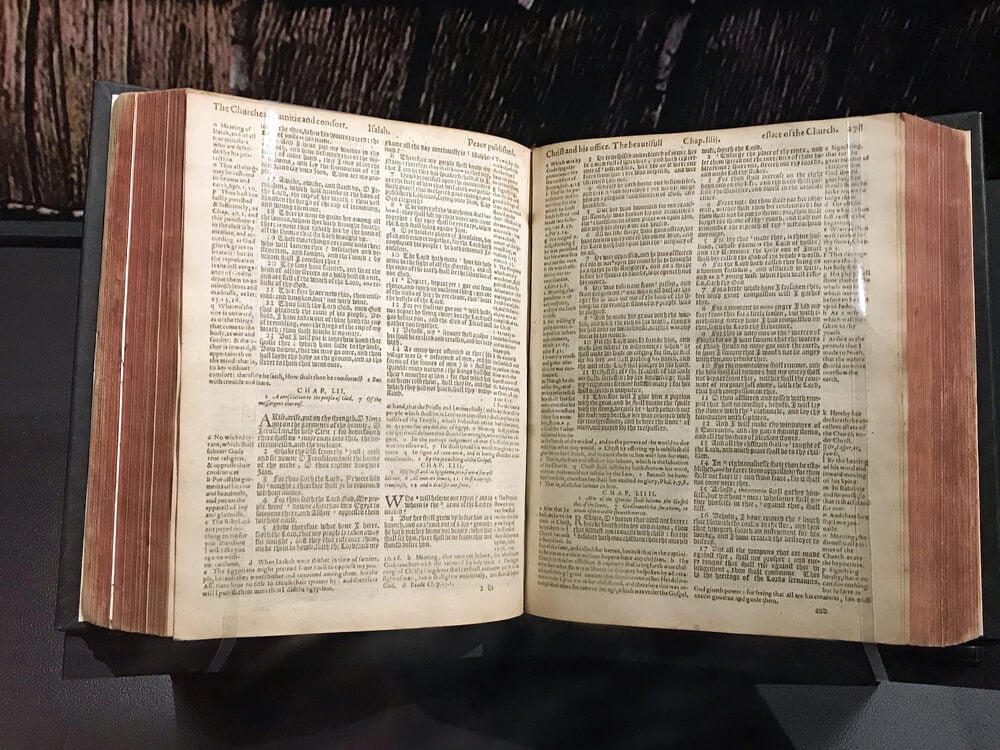
English Protestant exiles in Geneva produced this translation in 1560, and it was the first English Bible to divide chapters into numbered verses. It carried extensive marginal notes that the Stuart kings considered seditious, which is why King James commissioned his own version.
It was the Bible of Shakespeare, of Cromwell, and of the Pilgrims at Plymouth. Its nickname, the Breeches Bible, comes from the garments Adam and Eve sew for themselves in Genesis.
Early editions bring $2,000 to $15,000, and the 1560 first edition far more.
The 1611 King James, He Bible
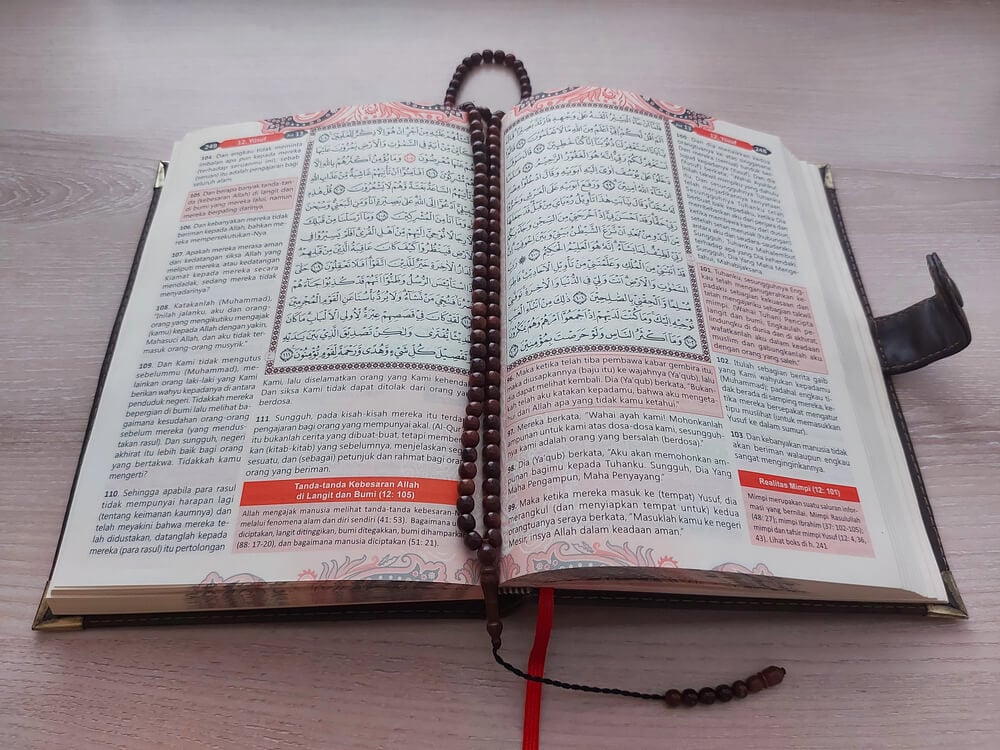
The first printing of the Authorized Version in 1611 misreads Ruth 3:15 to say that he went into the city, while a second printing corrected it to she. Dealers call the two the He and She Bibles, and the He is the true first.
Both are large folios printed by Robert Barker in blackletter type with a famous engraved title page. Complete He Bibles bring $150,000 to $400,000.
Most surviving copies have been rebound, repaired, or made up from several defective copies, and a dealer will check every leaf against the collation.
The Wicked Bible
Robert Barker and Martin Lucas printed an octavo Bible in 1631 in which the seventh commandment lost the word not, and the text instructed readers to commit adultery. Charles I ordered the run of about a thousand copies destroyed and the printers fined 300 pounds, and Barker later died in debtors’ prison.
Perhaps ten copies escaped the fire. Estimates at Bonhams and Sotheby’s in 2015 and 2016 ran between $15,000 and $25,000.
Dealers check Exodus 20 in every 1631 Barker Bible they meet, on the small chance that a family kept one.
The Vinegar Bible
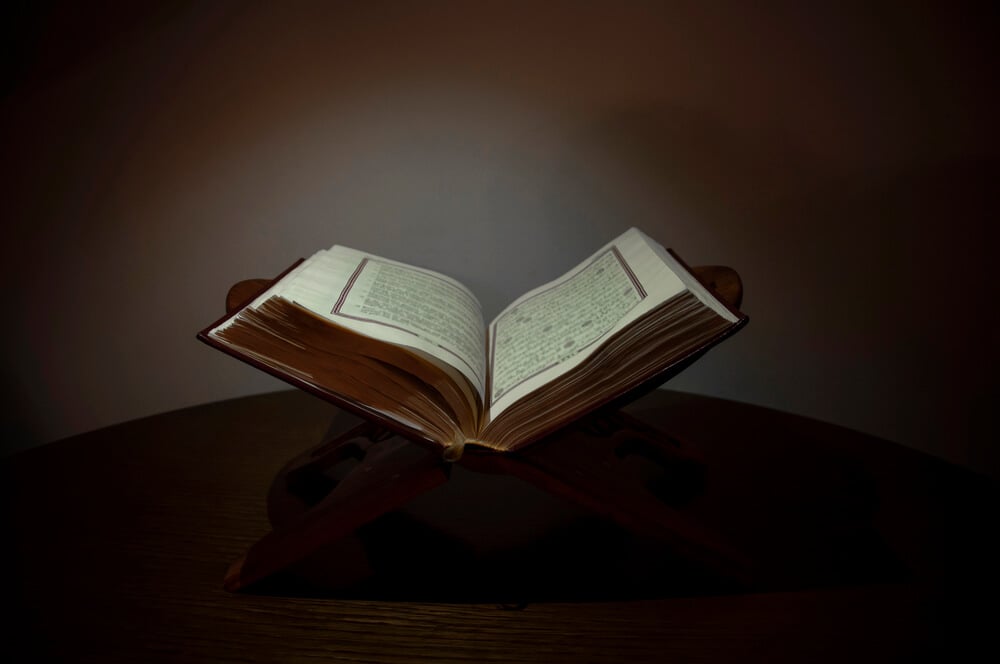
John Baskett printed a magnificent folio Bible at Oxford in 1717, with engraved plates and fine type, and let a page heading in Luke describe the Parable of the Vinegar instead of the Vineyard. Wits called the result a Baskett-ful of errors, since the misprint was one of many.
The book is beautiful regardless, and church lecterns across England held copies for two centuries. Copies bring $3,000 to $10,000, more with the plates intact.
Dealers turn straight to Luke 20 to confirm the heading, since later corrected issues exist.
The Baskerville Bible
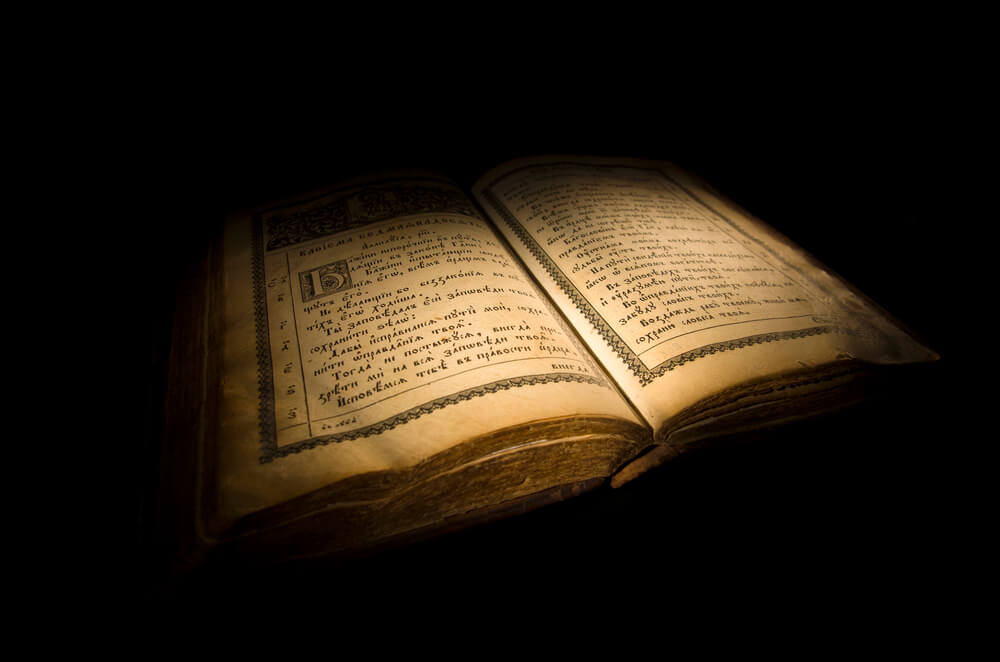
John Baskerville, a Birmingham japanner and writing master, cut his own type and produced a folio Bible at Cambridge in 1763 that printers still regard as one of the handsomest books in English. He used smooth wove paper and his own glossy black ink, and pressed the sheets between hot copper plates.
The edition sold slowly and Baskerville complained bitterly about the losses. Copies now bring $8,000 to $25,000, with sets in contemporary binding at the top.
Dealers watch for the paper, because later Cambridge Bibles in similar type are not the same book.
The Eliot Indian Bible
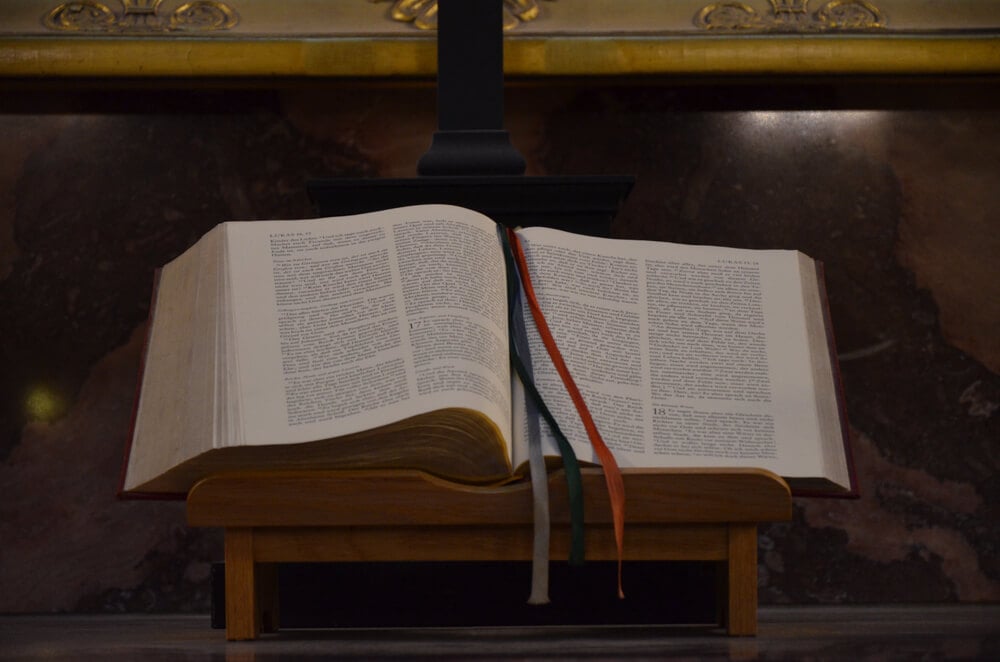
John Eliot’s translation into the Massachusett language was printed at Cambridge, Massachusetts, in 1663, making it the first complete Bible printed in the Americas. Few of the Native readers it was meant for survived the wars and epidemics of the following decades, and few copies survive either.
Most are in institutions, and fewer than fifty are recorded. The rare copy that reaches auction brings well into six figures.
Dealers check for the separate title pages of the Old and New Testaments and for the 1685 second edition, which is also scarce but less so.
The Saur Bible
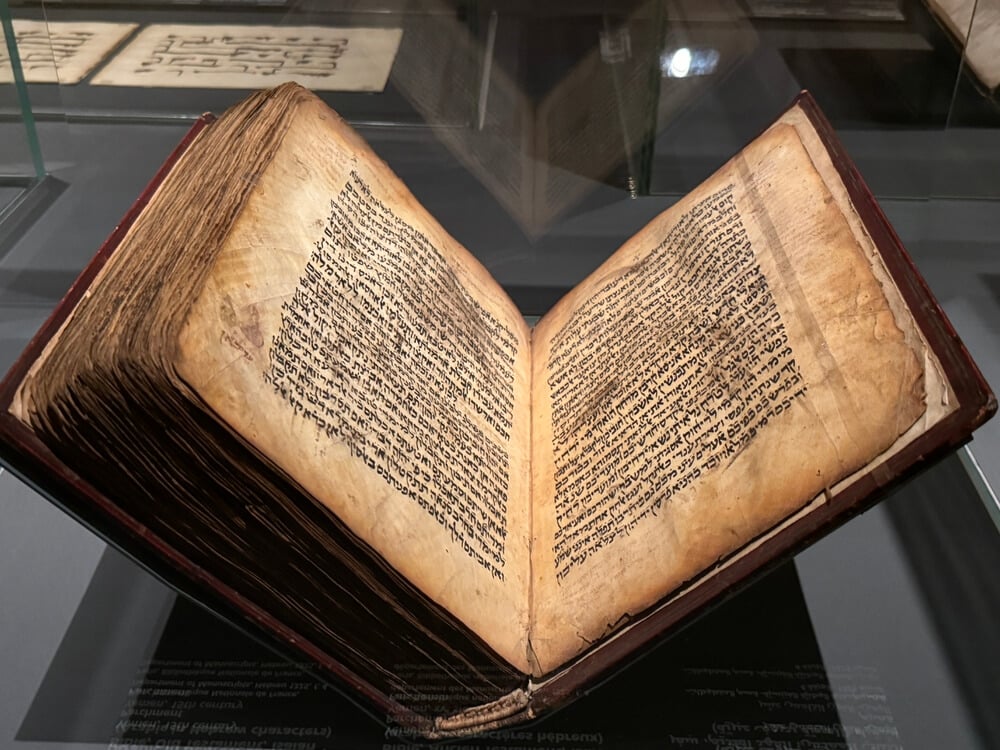
Christopher Saur printed a German Bible at Germantown, Pennsylvania, in 1743, the first Bible in a European language printed in America. Its 1,200 copies used the Luther text and type imported from Frankfurt, and Pennsylvania German families kept them for generations, often recording births on the endpapers.
Saur’s son printed further editions in 1763 and 1776, and legend says the sheets of the 1776 edition became cartridge wadding for British troops. First editions bring $10,000 to $30,000.
Family records inside can raise the price, particularly for genealogists.
The Aitken Bible
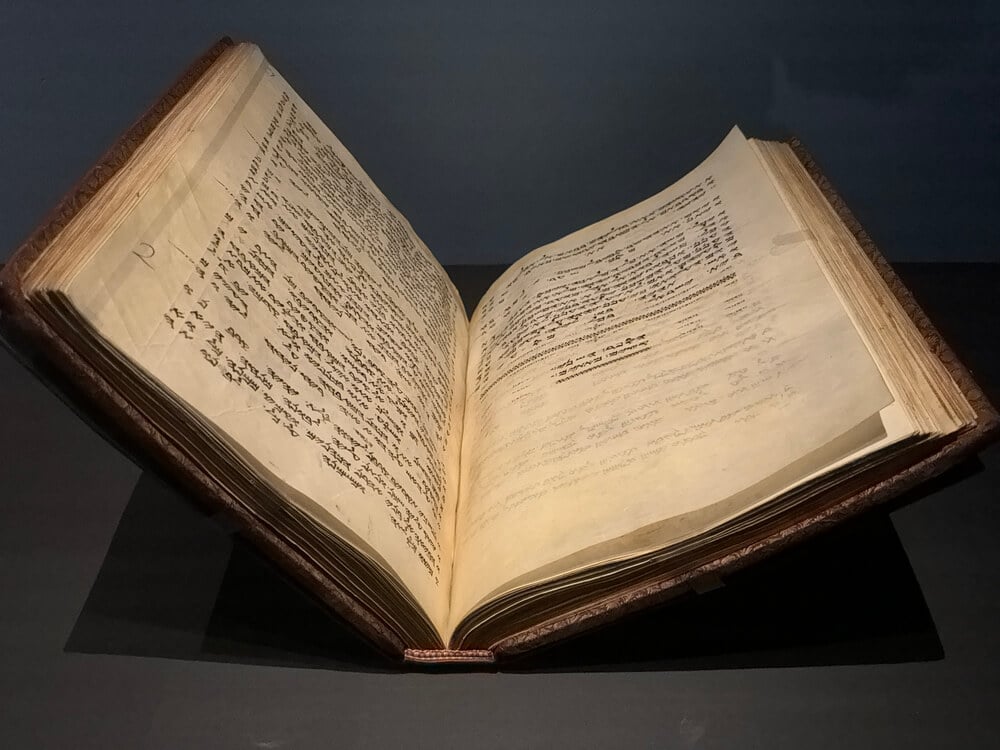
Robert Aitken, a Scottish-born Philadelphia printer, issued the first complete English Bible printed in America in 1782, after the war cut off supplies from London. Congress passed a resolution endorsing it, the only such endorsement in the country’s history, and the resolution was printed inside.
Around 10,000 copies were made, and the venture lost money. Complete copies are scarce, and one brought $30,240 at Freeman’s in 2022 while another reached $67,500 at hammer elsewhere.
It is a small duodecimo, easily mistaken for an ordinary pocket Bible until a dealer sees the imprint.
The Isaiah Thomas Folio
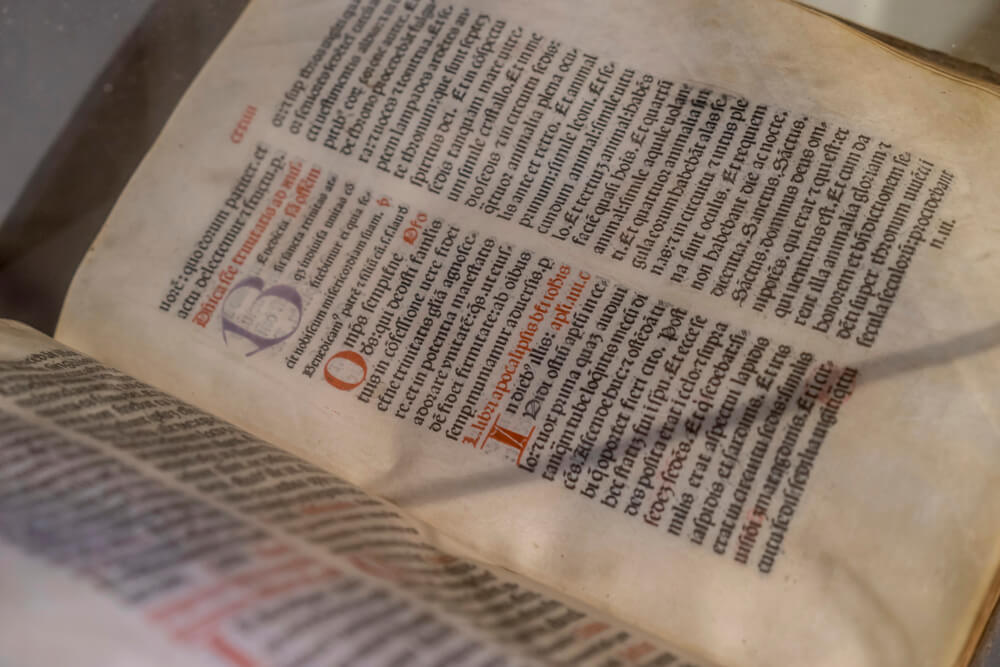
The Worcester, Massachusetts, printer Isaiah Thomas produced the first folio Bible printed in America in 1791, illustrated with fifty copperplate engravings. Thomas had carried his press out of Boston before the British could seize it in 1775, and later founded the American Antiquarian Society.
His Bible was a statement that American printing could match London. Copies bring $5,000 to $20,000, and the engravings are often missing, since families cut them out for framing.
A dealer counts plates before quoting a figure.
The Carey Bible
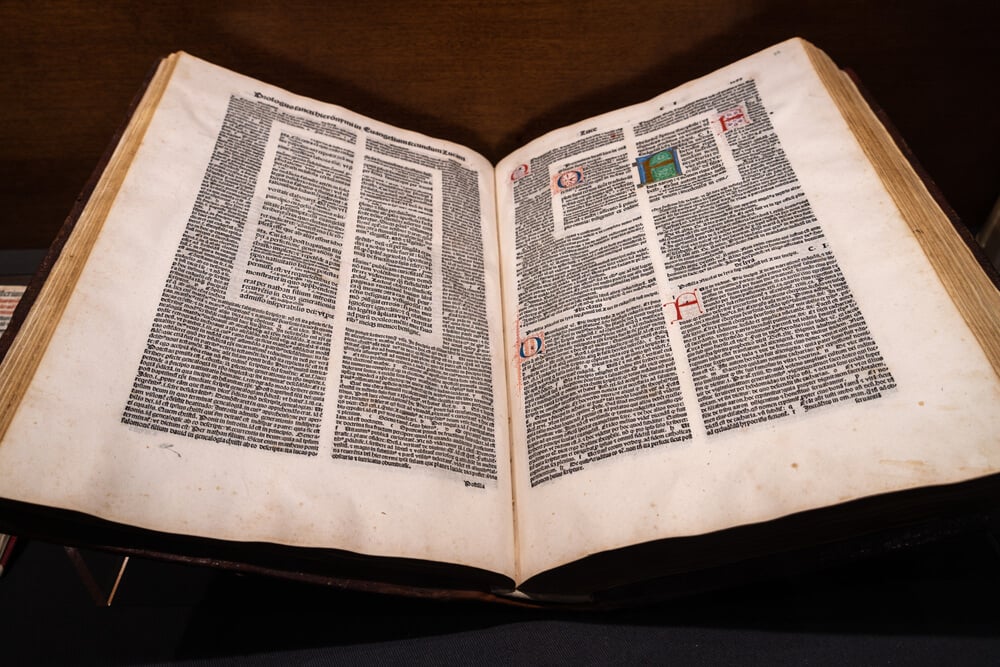
Mathew Carey of Philadelphia printed the first Catholic Bible in America in 1790, a Douay version issued to 471 subscribers. He went on to print King James editions in dozens of formats and became the largest publisher in the young republic.
Carey had fled Ireland after writing a pamphlet the authorities found seditious, and Lafayette lent him the money to open his shop. The 1790 Douay brings $8,000 to $25,000 when complete.
His later quarto family Bibles are common and worth $200 to $800, unless a family register turns out to name someone notable.
The Thomson Bible
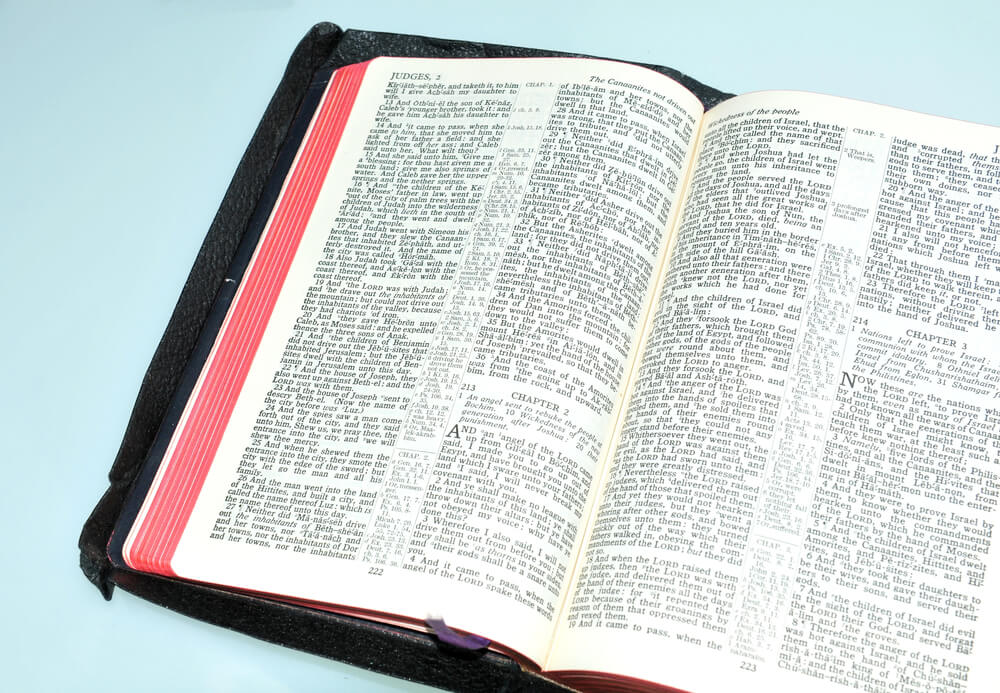
Charles Thomson had been secretary of the Continental Congress, and after retiring he spent nearly twenty years translating the Greek Septuagint into English. His four volumes were printed in Philadelphia in 1808 by Jane Aitken, daughter of Robert, who is usually credited as the first woman to print a Bible in America.
Only about a thousand sets were made. Complete sets bring $4,000 to $12,000.
Dealers check the imprint for Jane Aitken’s name, which is the detail that turns an obscure translation into a book with two good stories.
Harper’s Illuminated Bible
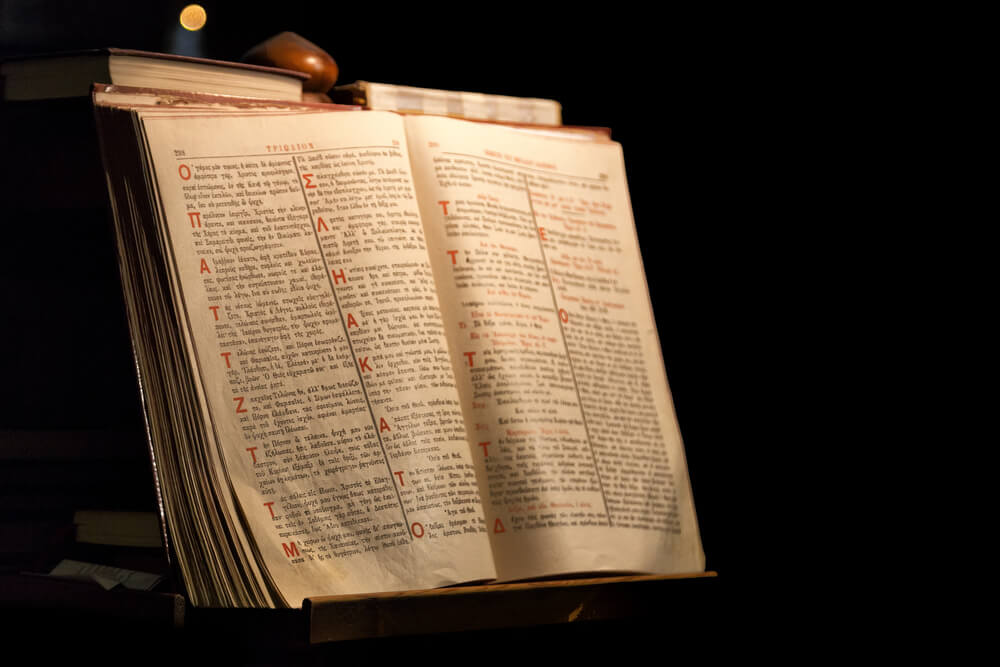
Harper and Brothers issued this in parts from 1843 and as a complete volume in 1846, with some 1,600 wood engravings designed by John Gadsby Chapman and cut by Joseph Alexander Adams. It was the most ambitious illustrated book yet produced in the United States and cost the firm a fortune.
Copies were huge, bound in gilt morocco, and given as wedding presents for decades. Complete copies bring $500 to $2,500.
Dealers check that the original 1846 title page is present, since the plates were reused in later printings that are worth less.
The 1904 Jefferson Bible
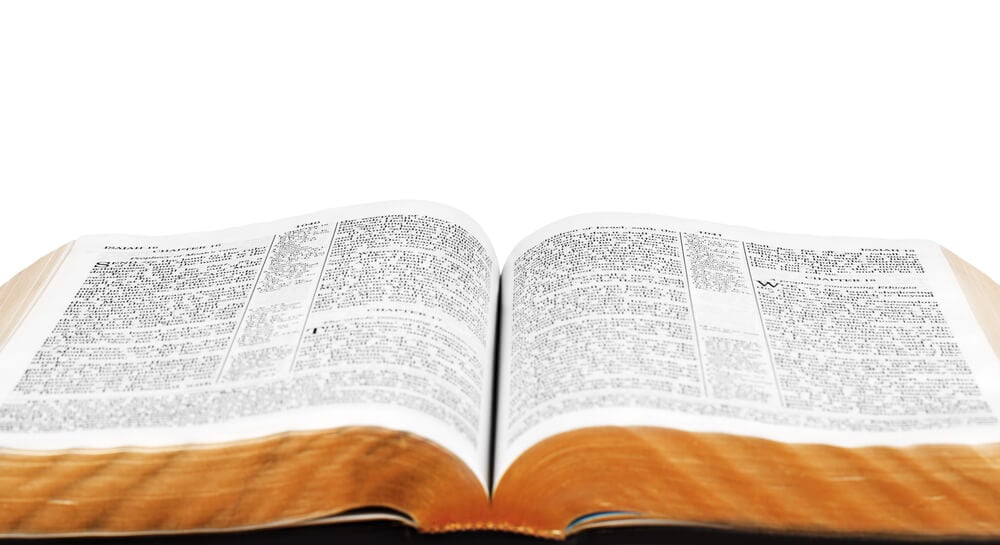
Thomas Jefferson cut passages from the Gospels with a razor and pasted them into a book he called The Life and Morals of Jesus of Nazareth. In 1904 Congress ordered 9,000 lithographic facsimiles printed, and for the next fifty years each new senator and representative received a copy on taking office.
Those copies now surface in estates, often with a member’s bookplate. They bring $300 to $1,500 depending on condition and provenance.
A copy with a documented congressional owner sells fastest, and the original is at the Smithsonian.
The Doves Press Bible
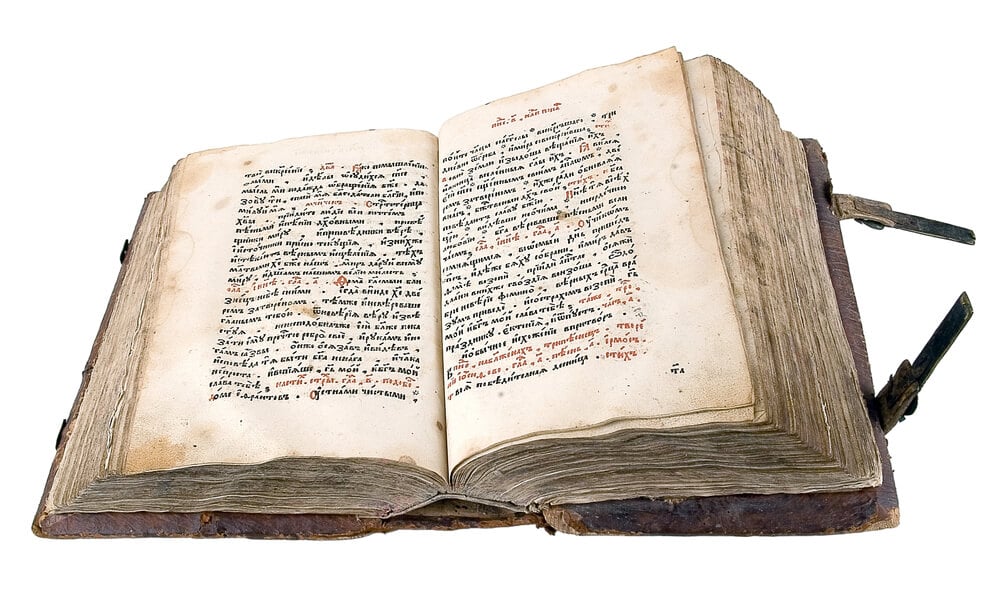
T. J. Cobden-Sanderson and Emery Walker printed the English Bible in five volumes between 1903 and 1905 at their Hammersmith press, using a single typeface and no ornament beyond red initials. Cobden-Sanderson later threw every piece of the Doves type into the Thames from Hammersmith Bridge, over some 170 trips, to keep it from his former partner.
Divers recovered a portion of the type in 2014. Complete five-volume sets in original vellum bring $15,000 to $40,000.
Single volumes, especially Genesis with its famous opening, sell for far less.
The Oxford Lectern Bible
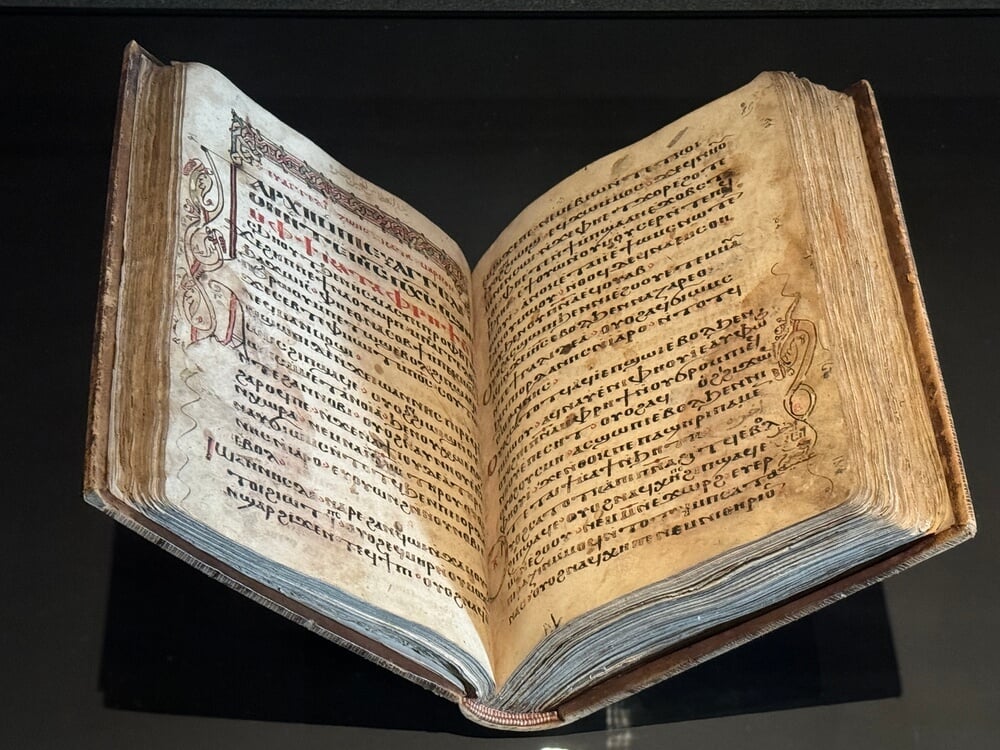
The American designer Bruce Rogers spent much of the early 1930s on this folio for Oxford University Press, which appeared in 1935 in his Centaur type. Rogers regarded it as his finest work and many typographers agree, calling it the last great Bible in the printing tradition of Baskerville.
A few hundred copies were made, most bound for cathedrals and college chapels. Copies bring $10,000 to $25,000.
The sheer size, nearly sixteen inches tall, deters casual buyers. Dealers check that the leaves are unmarked, since church use left many with reading notes.
Victorian Family Bibles
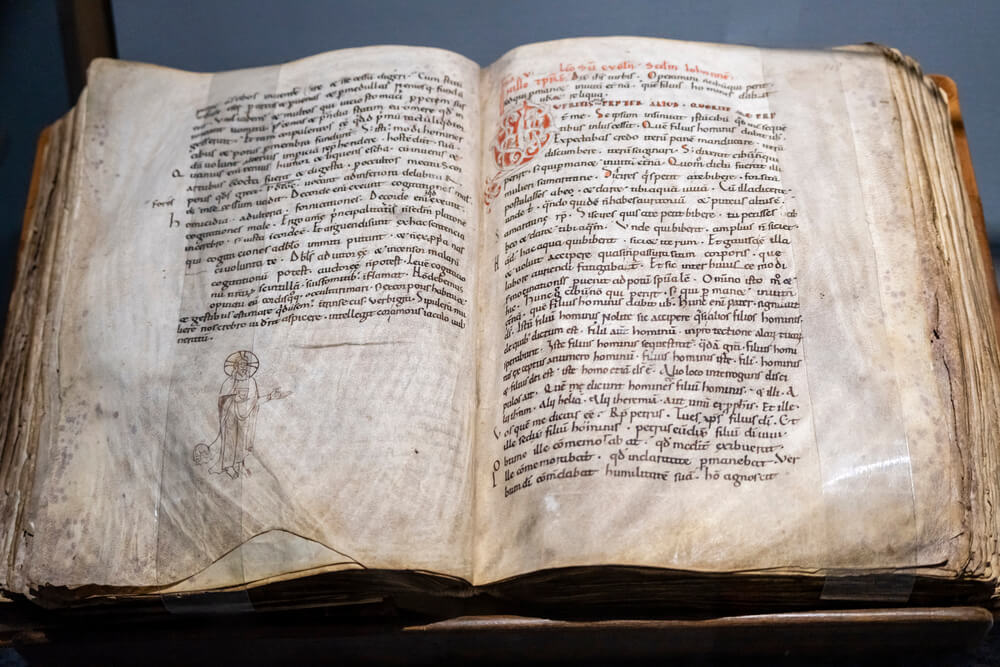
The enormous leather Bible with brass clasps and a family register in the middle is the book dealers see most often, and the one that disappoints most often. Publishers in Philadelphia, Cincinnati, and Toronto turned them out by the hundred thousand in the decades after the Civil War.
Most bring $50 to $300, and the clasps sometimes sell for more than the book. What a dealer actually checks is the register, because a page recording the births of a notable family, an enslaved household, or an early settler can be worth more than a pristine copy with nothing written in it.
Civil War Pocket Testaments
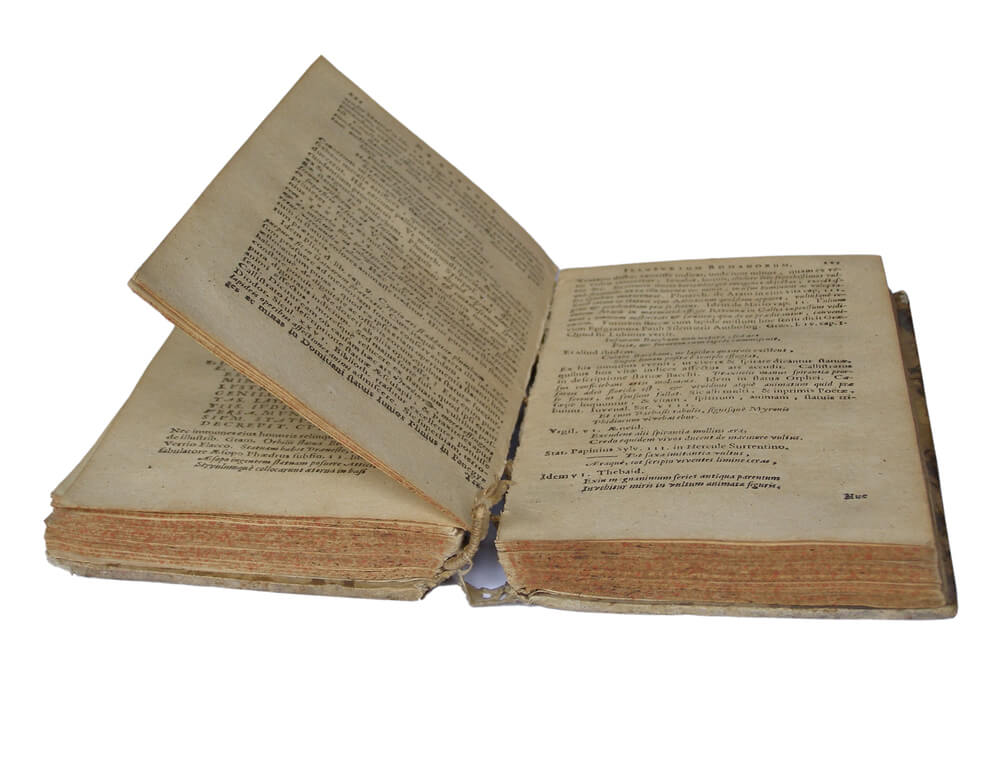
The American Bible Society and its regional branches gave away millions of small New Testaments to soldiers on both sides between 1861 and 1865, with a shorter Psalms often bound in. Plain copies are worth $30 to $100.
The ones that matter carry a soldier’s name, regiment, and company on the flyleaf, and sometimes a note of where the book was carried. Those bring $200 to $1,500, and any story of a bullet stopped by the pages should be treated with polite doubt.
Dealers match the inscription to service records before quoting a price.
Reading the Imprint Before the Text

A dictionary and a Bible are the two books most likely to survive a household, and the two most likely to have been reprinted a thousand times. The words inside barely change from one printing to the next.
So the value lives elsewhere, in a misprinted page, a printer’s name, a date, and whatever a family wrote on the endpapers. That is why a dealer reads the imprint first and the text hardly at all.
The trade is in the mistakes, the firsts, and the human traces. The same book that props up a monitor in one house is the one that pays for a roof in another.
More from Go2Tutors!

- The Romanov Crown Jewels and Their Tragic Fate
- 13 Historical Mysteries That Science Still Can’t Solve
- Famous Hoaxes That Fooled the World for Years
- 15 Child Stars with Tragic Adult Lives
- 16 Famous Jewelry Pieces in History
Like Go2Tutors’s content? Follow us on MSN.