27 Things That Filled Old Hardware Store Counters
An old hardware store counter was never empty. It held tools, tins, and tiny drawers, and every inch of space was arranged by someone who knew exactly where a missing washer was hiding.
Many of these items still exist in some form, but the counter itself has changed. What follows is a look at what once crowded those worn wooden surfaces.
Nails Sold by the Pound
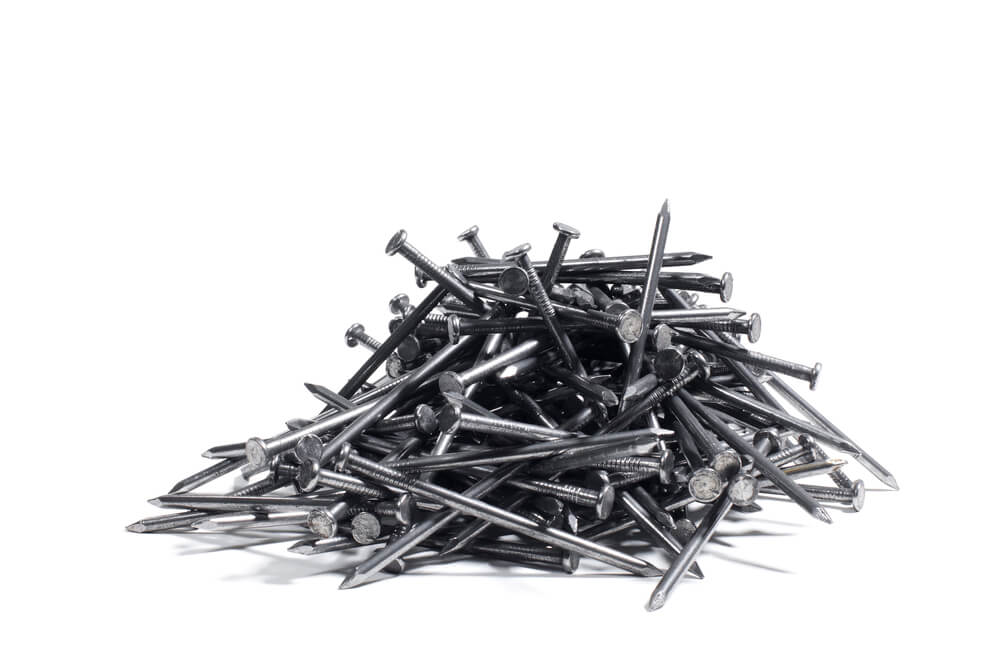
A clerk scooped nails from a wooden bin onto a hanging scale and slid them into a paper bag. The “penny” sizing system, written with a lowercase d, is a leftover from the days when nails were priced per hundred.
Shoppers often left with exactly the number they needed and no more.
Brass Hanging Scale
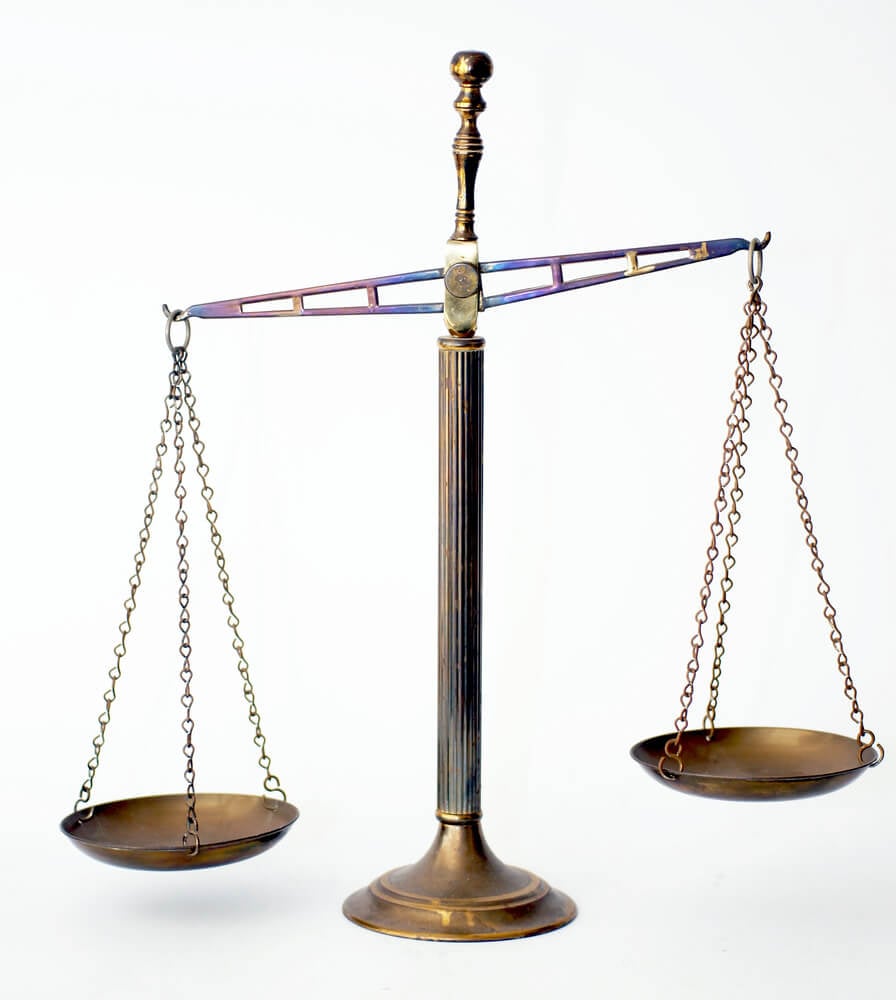
A scale with a swinging pan sat near the register and weighed everything from screws to bolts. The needle settled slowly, and the clerk read the number with a squint.
Many stores kept the same scale for decades, adjusting the zero with a small turn of a screw.
Key Duplicating Machine
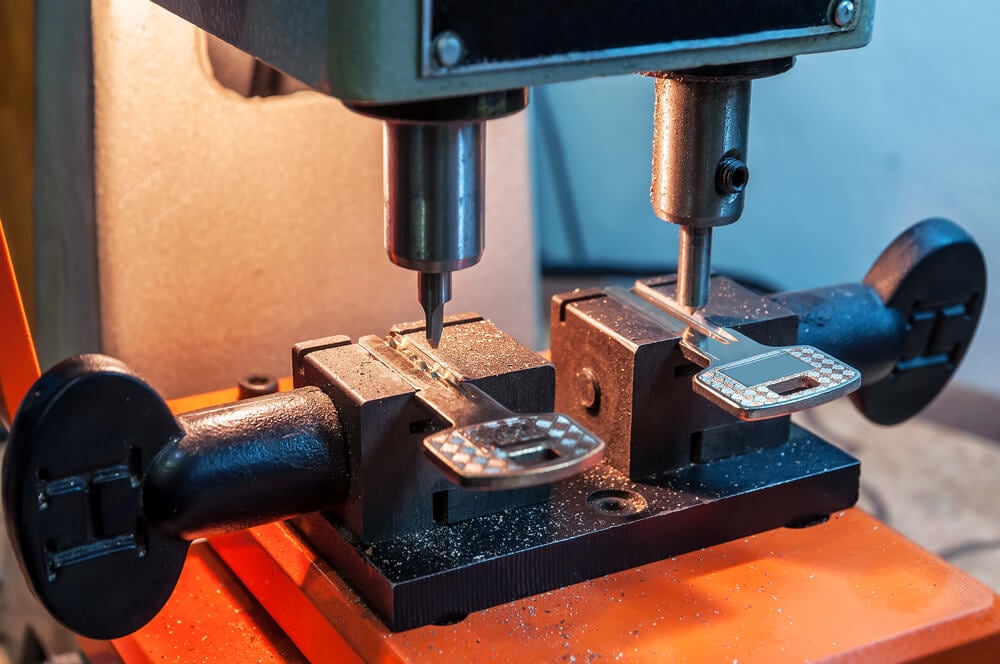
A grinding wheel and a vise cut a copy of a house key while the customer waited. The metal shavings fell into a small tray, and the new key came out warm.
A few strokes with a wire brush removed the burrs.
Wall of Key Blanks
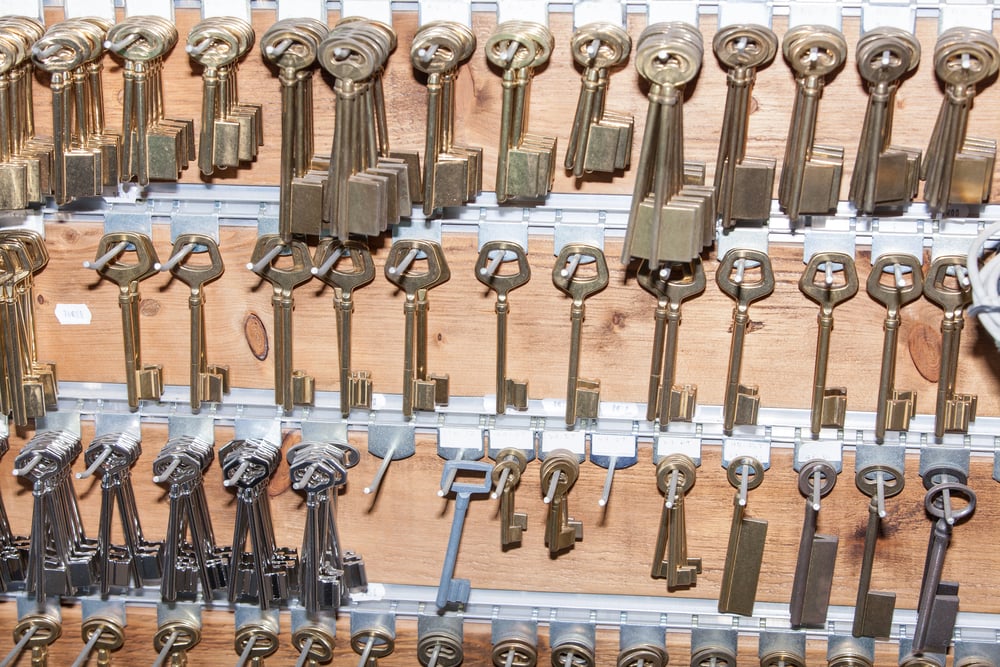
Hundreds of unfinished keys hung on pegs behind the counter, each stamped with a brand and a number. The clerk matched the original against the wall by eye.
Locating the right blank felt like a magic trick.
Glass Cutter and Square
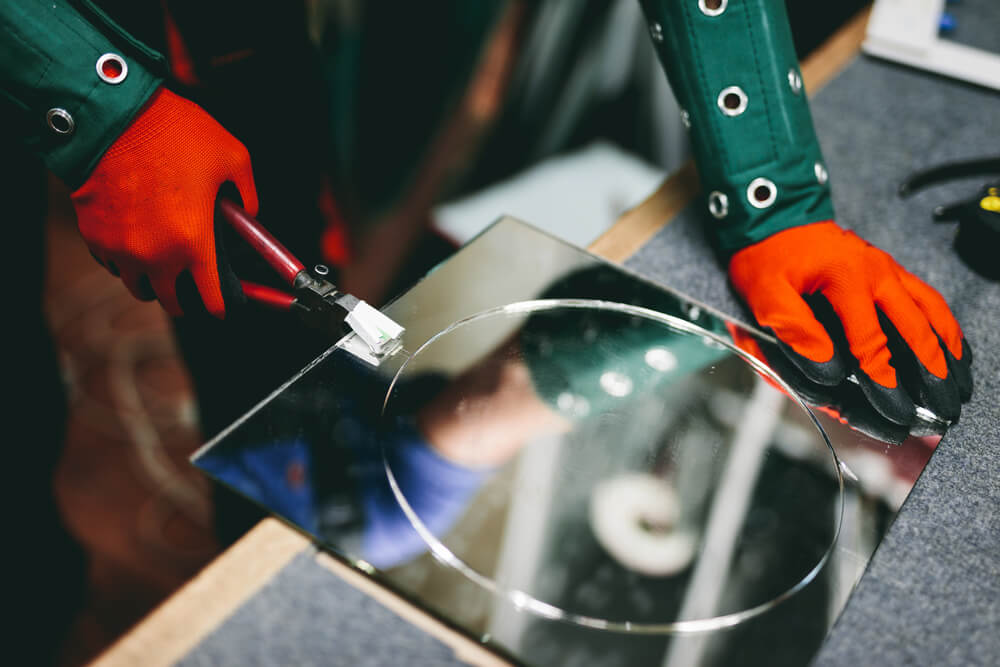
A cutter with a tiny wheel scored the glass, and the sheet snapped cleanly along the line. Windowpanes were cut to order for broken sashes and picture frames.
The edge was sharp enough that clerks ran a thumb along it only once.
Paint Chip Cards

Racks of narrow color strips lined the wall, each with a name like Barn Red or Seafoam. Customers carried handfuls home to hold against walls.
The cards were usually used as bookmarks or shims long after the paint was chosen.
Paint Shaker
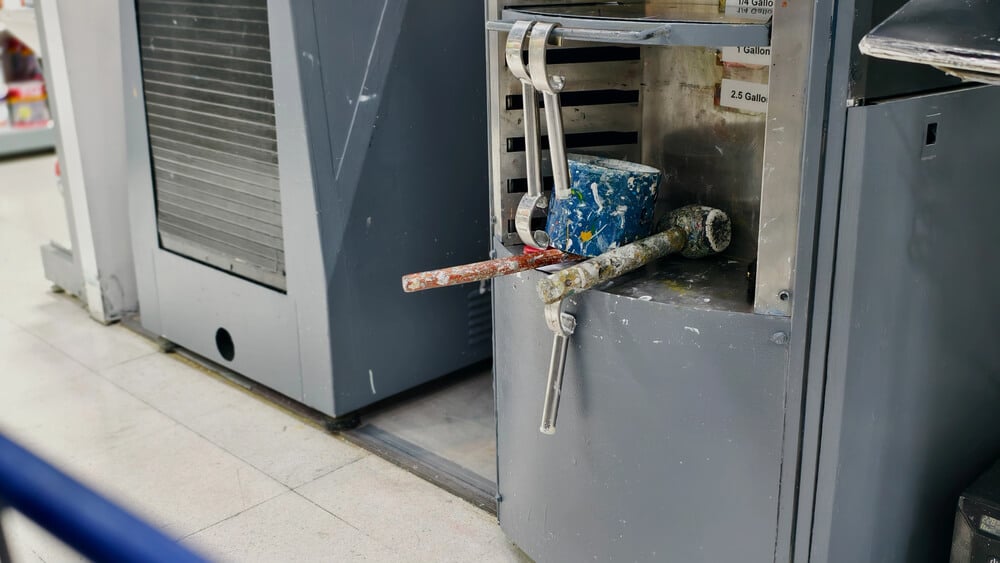
The mixed can was clamped into a metal shaker that rattled the entire counter. The sound announced that someone had just made a decision about a living room.
A dab of the new color was often smeared on the lid for reference.
Colorant Tubes for Tinting Paint

Small metal dispensers of pigment stood near the mixing station. A clerk added exact numbers of squirts to a white base to make a custom shade.
The formulas were jotted on the lid in grease pencil.
Lamp Cord Sold by the Foot
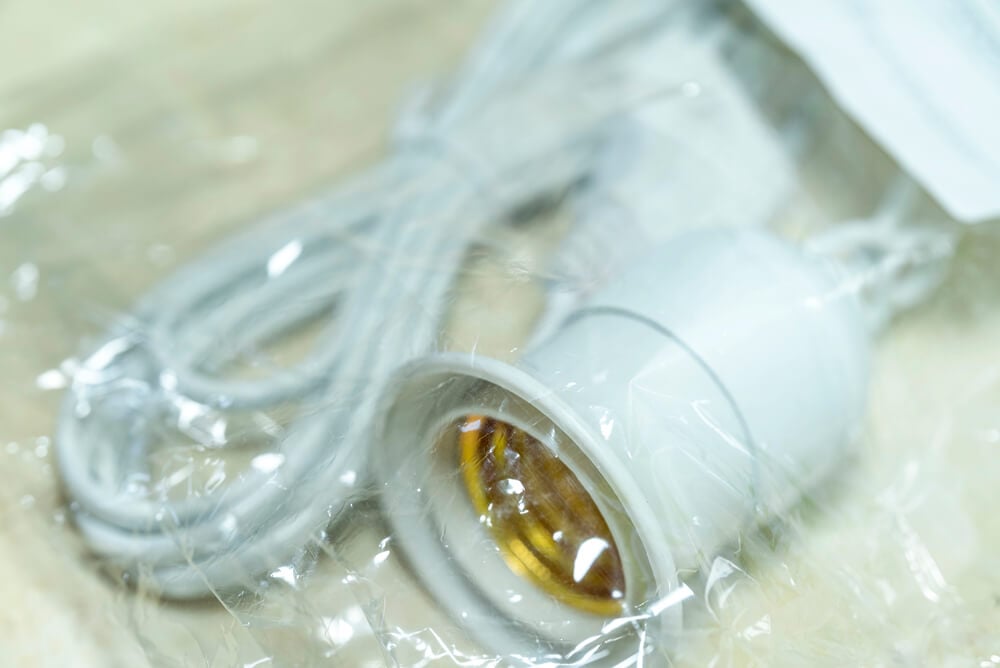
Spools of electrical cord hung on a rack, and the clerk measured it against a ruler built into the counter. Customers rewired lamps with a plug, a socket, and a length of wire.
The cut end was always wrapped around two fingers for the walk to the register.
Rope and Chain by the Foot
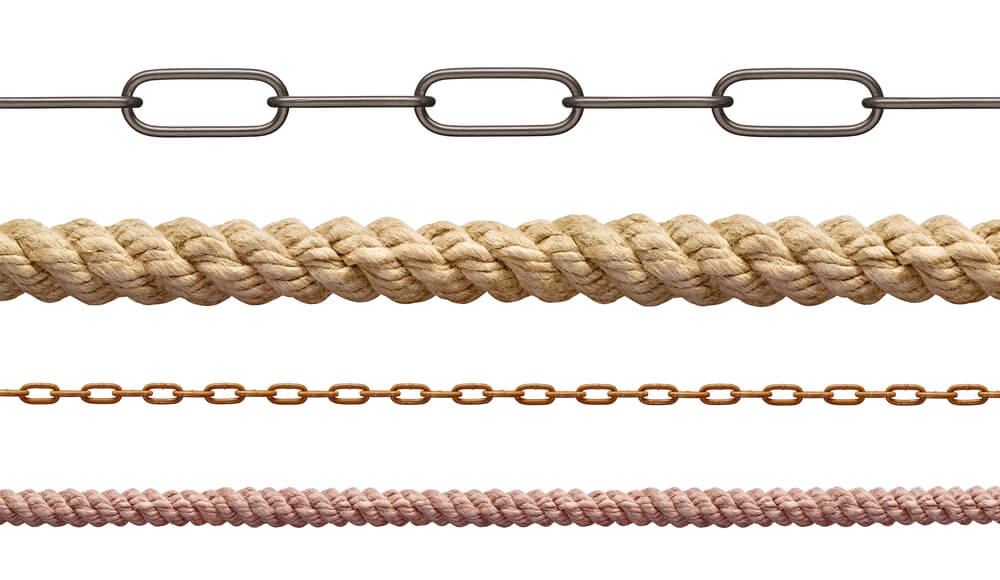
Rope was pulled from a heavy spool and cut with a knife that lived on the counter. Chain was measured link by link along a notched board.
Both smelled of tar and iron.
Mousetraps in a Cardboard Box
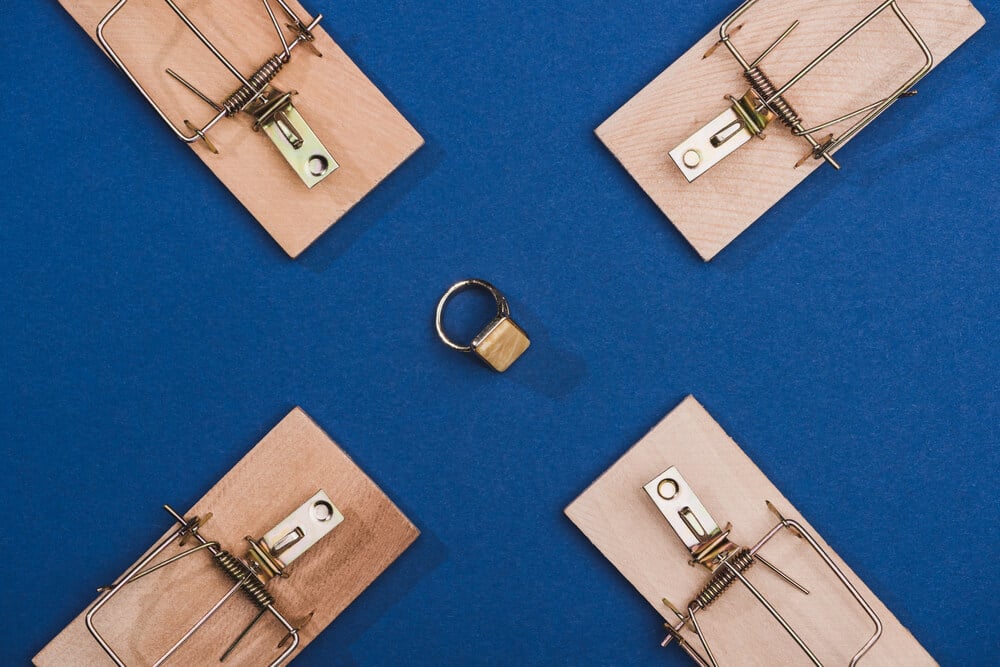
Snap traps in wooden frames were stacked in a box near the register. A bar of cheese or peanut butter was the standard bait.
Customers often bought them in pairs.
Fly Swatters and Sticky Strips
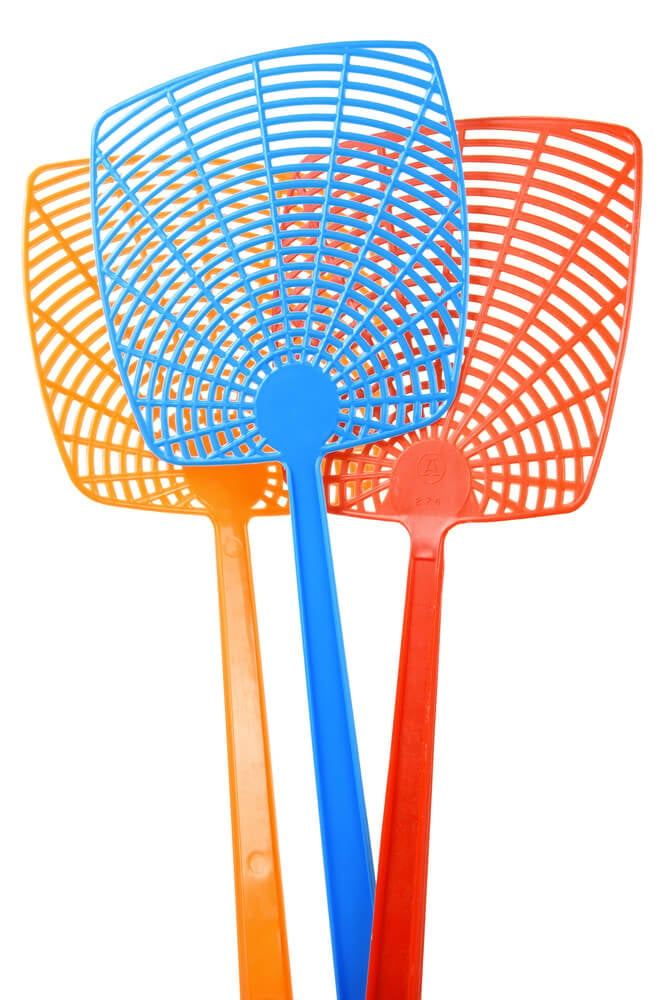
Wire-handled swatters in bright colors hung beside rolls of coiled sticky paper. The paper unwound from a cardboard tube and dangled from kitchen ceilings.
It was effective and unpleasant in roughly equal measure.
Pocketknives in a Glass Case
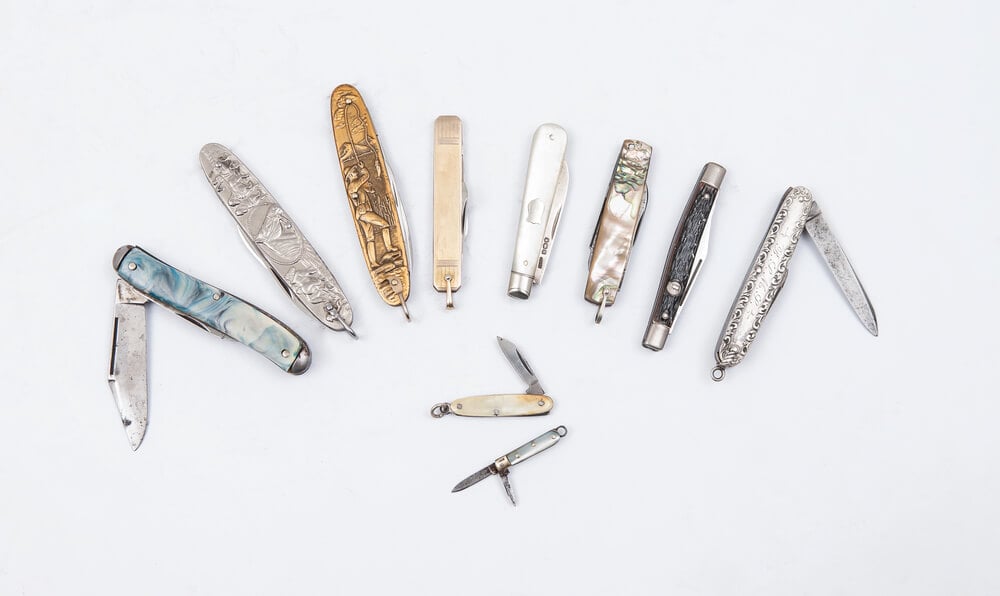
A locked cabinet beside the register held folding knives with bone and wood handles. The clerk unlocked it with a key from a ring on a belt.
Buyers opened every blade and tested the spring.
Seed Packets on a Rack

A spinning display held envelopes with painted pictures of tomatoes and zinnias. The seeds rattled inside the paper like small pebbles.
Gardeners picked their summer vegetables from the rack in early spring.
Mason Jar Lids and Rubber Rings
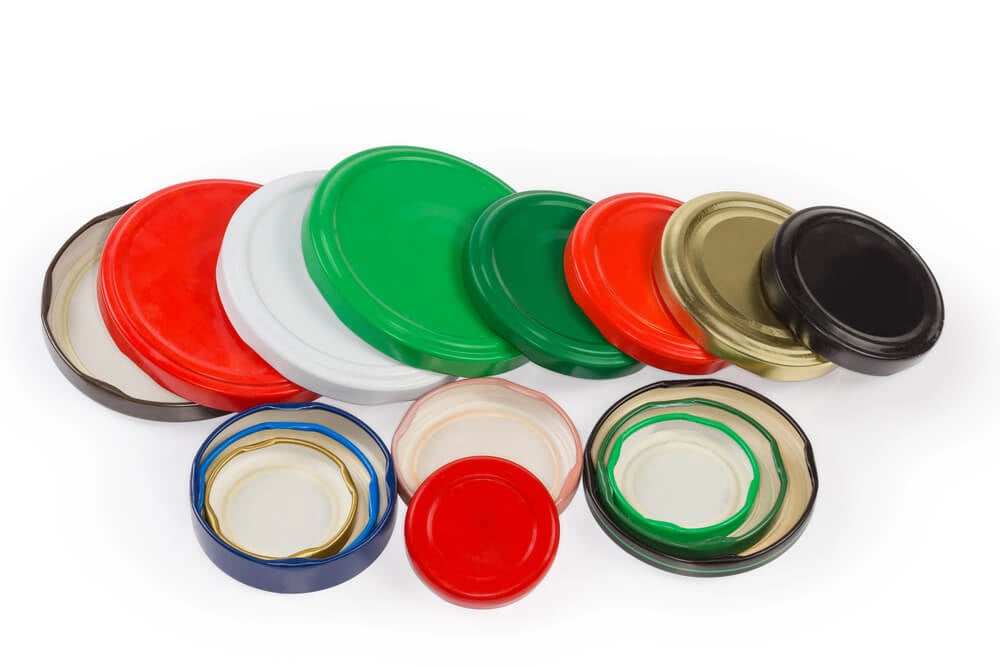
Boxes of two-piece lids sat near the canning supplies, along with spare rubber rings. Late summer brought lines of people stocking up before the harvest.
The counter was usually cleared to make room for cases of jars.
Tube Tester
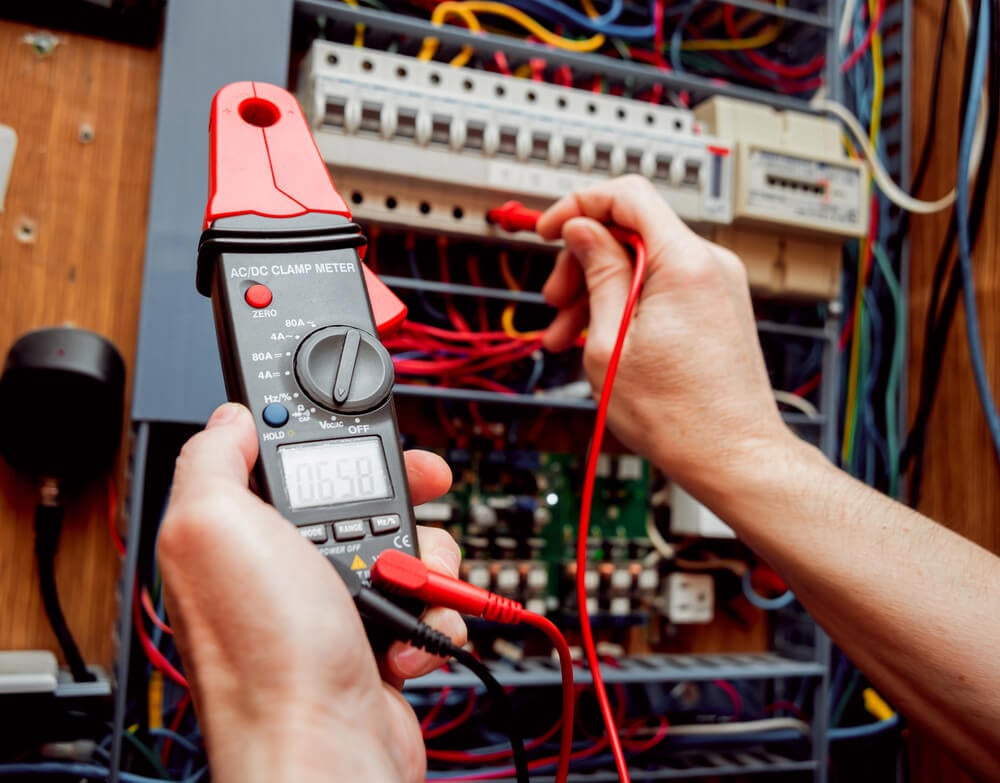
A tester with rows of sockets let customers check radio and television tubes before buying a replacement. The needle on the meter swung to GOOD or BAD.
Many stores kept one near the door for people bringing in a tube from the broken set at home.
Stove Bolts and Machine Screws in Drawers
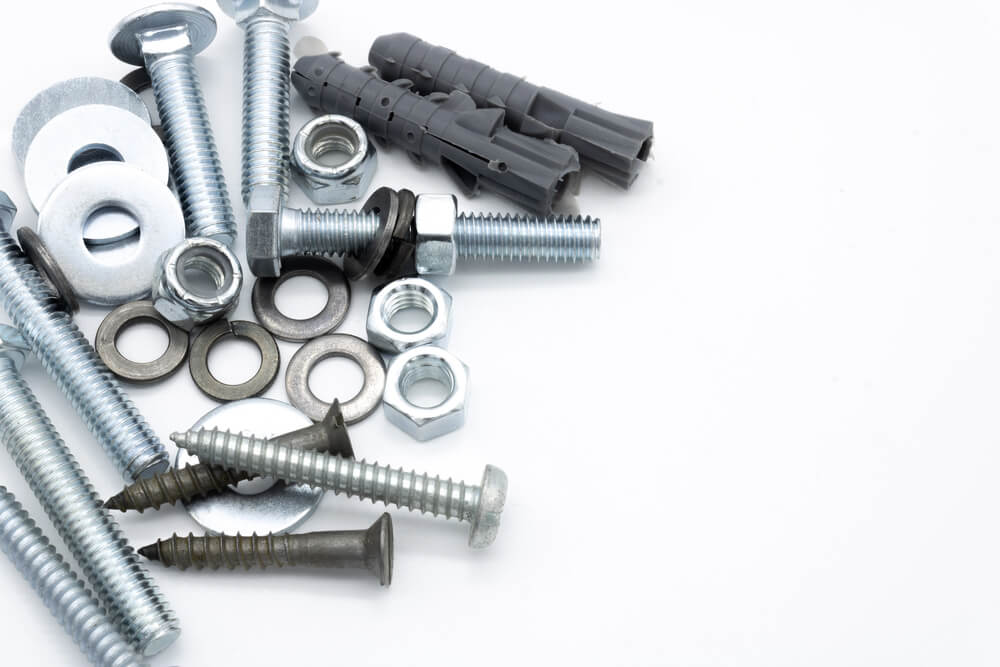
Banks of small wooden drawers held fasteners in sizes most customers could not name. A hand-lettered label on each drawer was the only index.
The clerk pulled the right one without looking.
Cotter Pins and Washers in Bins
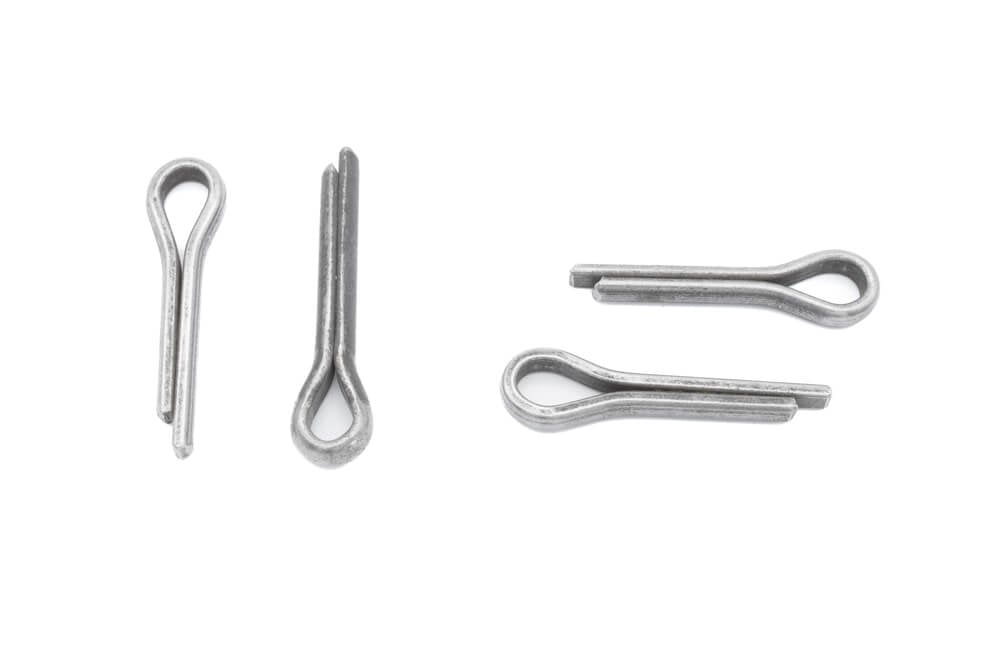
Tiny metal parts were sold by the handful from open trays. They fell through the fingers like coins.
A single cotter pin could rescue a bicycle on a Saturday.
Hacksaw Blades in Paper Sleeves
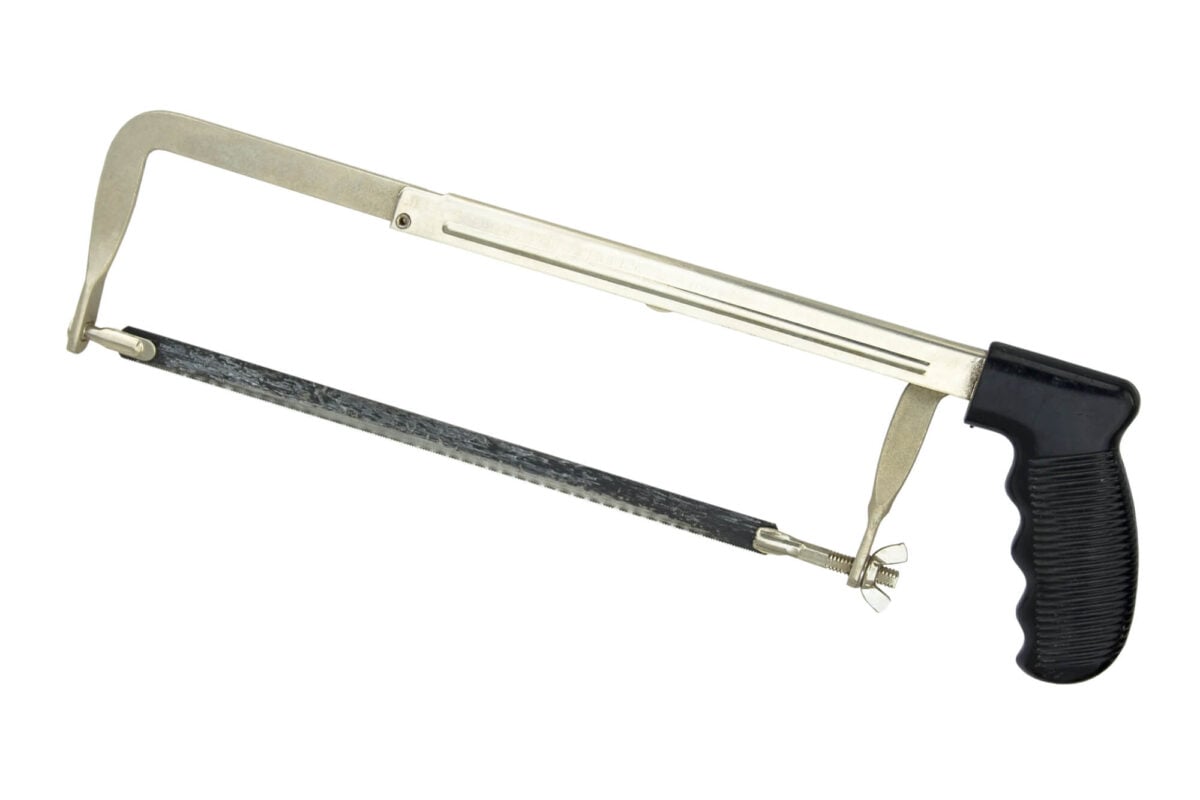
Blades came packed in paper envelopes printed with tooth counts. The finer the teeth, the harder the metal it was meant to cut.
Customers matched the number to the job.
Putty Knives in a Cup

A coffee can held a bristle of knives in different widths. A customer chose by weight and flex.
The cheap ones bent right away, and the good ones lasted for decades.
Kerosene Lamp Wicks
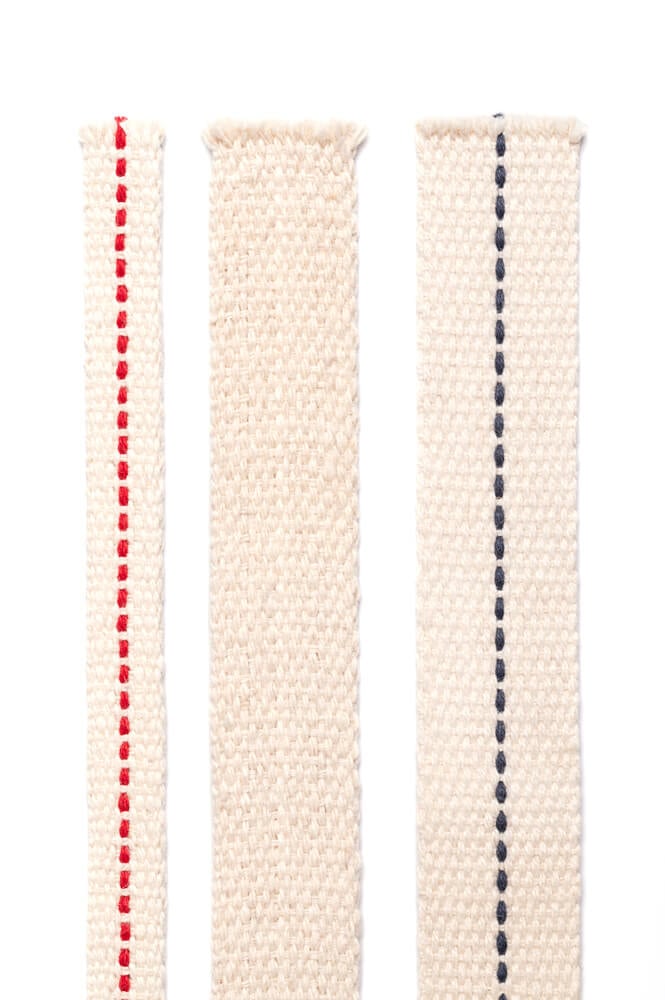
Flat cloth wicks were sold in little rolls for lamps and heaters. The width mattered, and the clerk asked the size of the burner.
Rural stores stocked them well into the age of electricity.
Storm Window Hardware
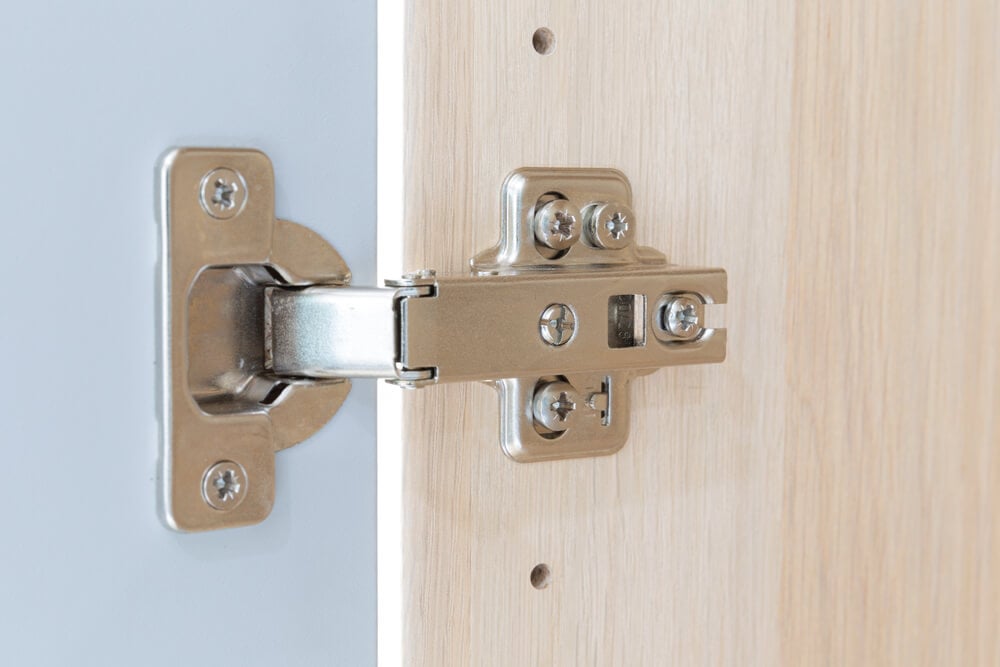
Latches, hooks, and small brackets were piled into trays for the changeover each fall. Every house had a window that needed one specific piece.
The counter was cluttered with them in October.
Weather Stripping Rolls
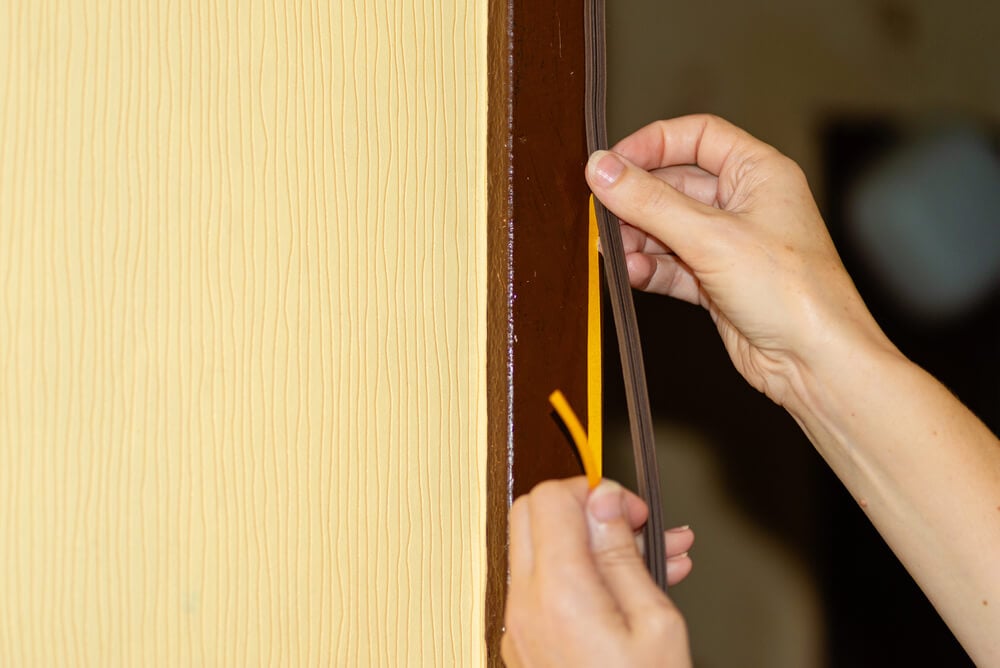
Felt, foam, and rubber strips came in coils, sold by the length needed. Each household measured a door or a sash before buying.
The adhesive-backed kind was the easiest to apply and the first to peel off.
Wooden Folding Rulers
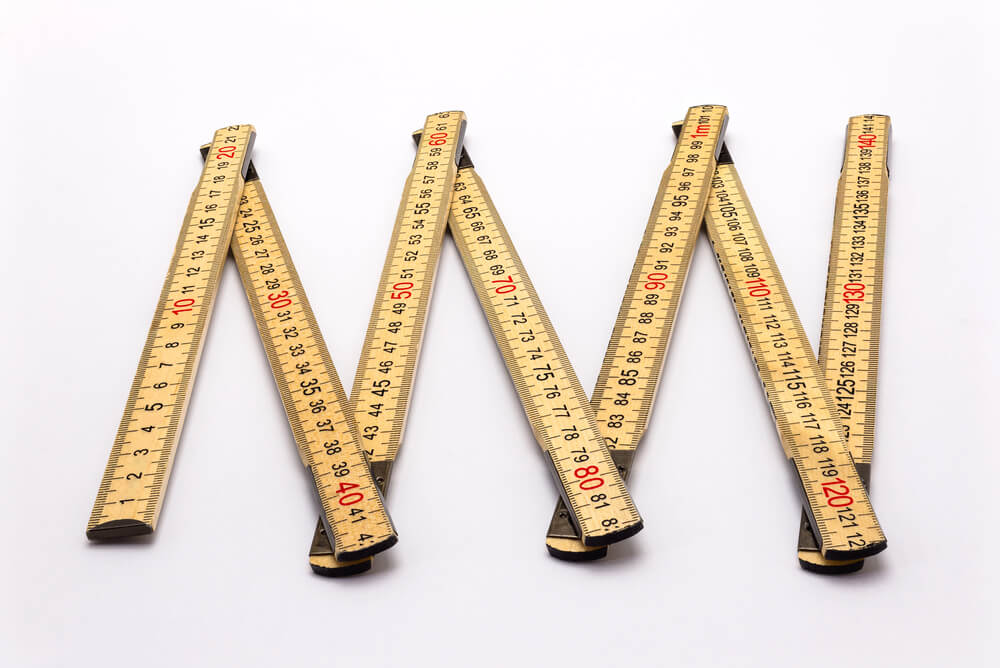
Yardsticks and folding rules hung from a hook, stamped with a hardware store’s name. Many were free giveaways at the register.
A well-worn rule often outlived the store that gave it away.
Hand-Lettered Sale Signs

A cardboard sign propped against a stack of buckets announced a price in marker. The letters were uneven, and the prices were round.
It was a poster, a promise, and a bit of folk art.
Pencil Behind the Ear

The clerk’s flat carpenter pencil lived behind the ear and appeared the moment a number was needed. It wrote on paper bags, receipts, and the counter itself.
Customers sometimes borrowed it to sketch a measurement.
Cash Register With a Brass Bell
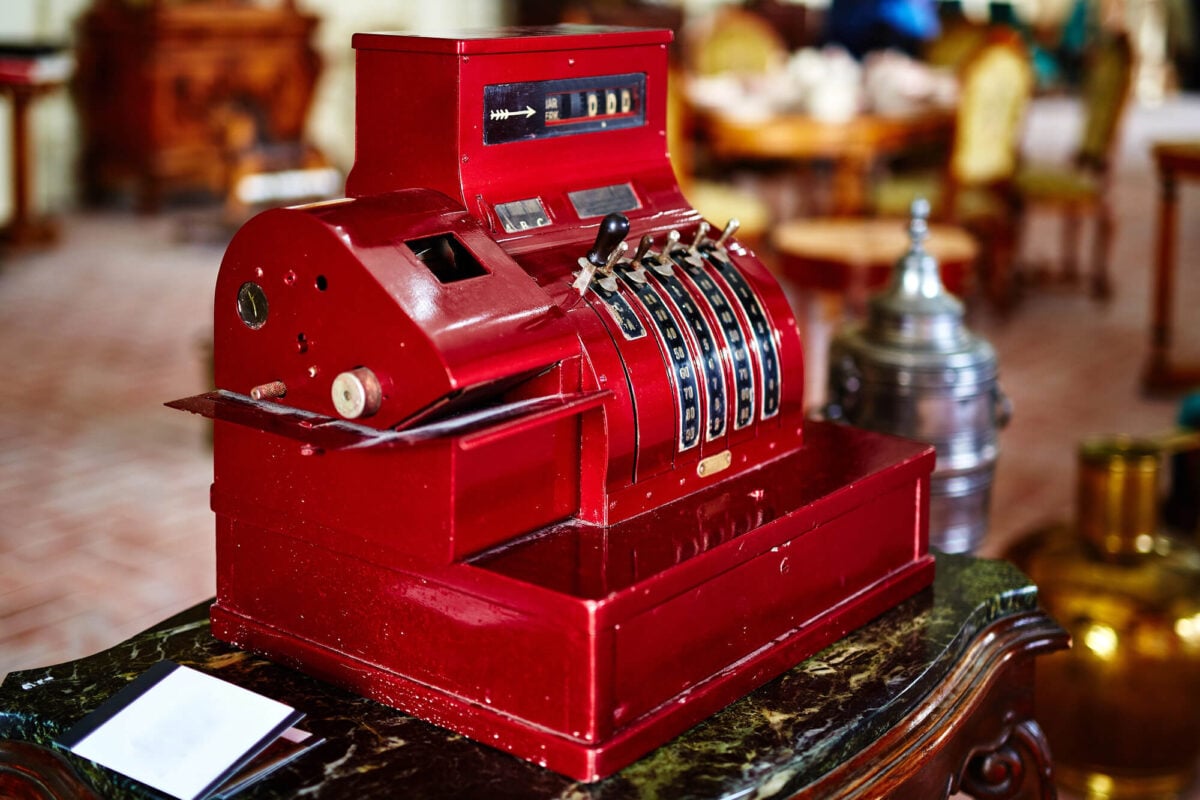
A mechanical register rang when the drawer opened. The keys pressed down with a satisfying clunk, and the amount popped up in a window.
The bell was audible from the back of the store.
A Counter Built to Be Used
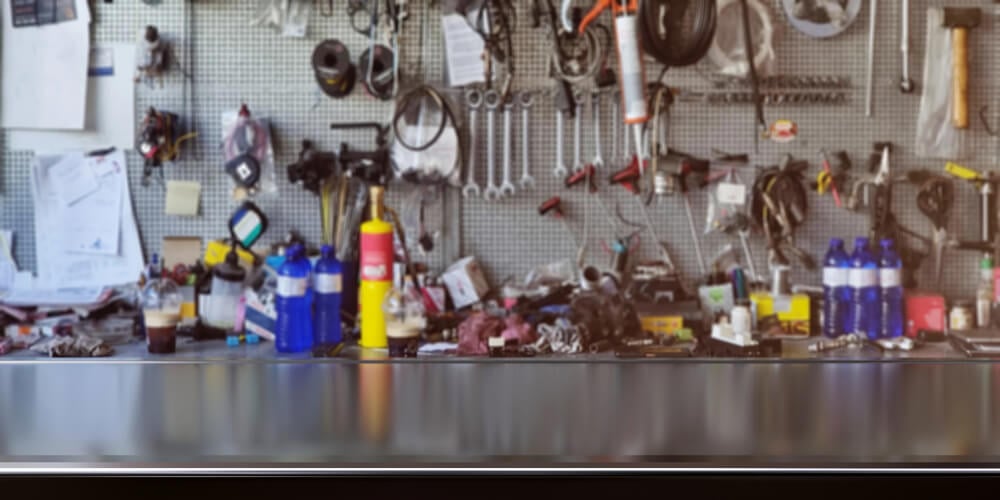
The surface itself was part of the inventory. Decades of nails, blades, and tools left scratches, dents, and stains that told the story of every project that had crossed it.
The wood looked used because it was used. Today a shopper can find nearly everything in a big box store, but few of those aisles leave room for conversation.
The old counter offered advice, a measure of trust, and a person who knew what a leaky faucet needed.
More from Go2Tutors!

- 27 Silver Dollars and Half Dollars Worth Keeping
- 28 Restaurant Menu Items Nobody Orders Anymore
- 17 Places Built in Seemingly Impossible Spots
- 27 Vintage Rings Worth More Than They Look
- 25 Restricted Sites Tourists Can’t Enter
Like Go2Tutors’s content? Follow us on MSN.