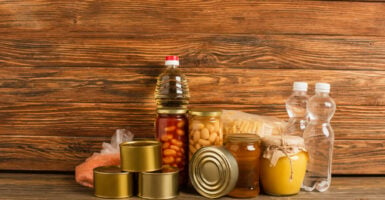
28 Packaging Inventions That Changed American Kitchens
Open any pantry, fridge, or junk drawer and the real stars are rarely the groceries. They are the cans, cartons, wrappers, and lids that carried the food home and kept it edible once it got there. Most of these containers were designed by someone solving a very specific, very annoying problem.
Some of the fixes came from accidents, a few from lawsuits, and one from a newspaper editor tired of broken eggs. Each one quietly rewrote what Americans bought, stored, and cooked.
The Tin Can Gave Food a Shelf Life
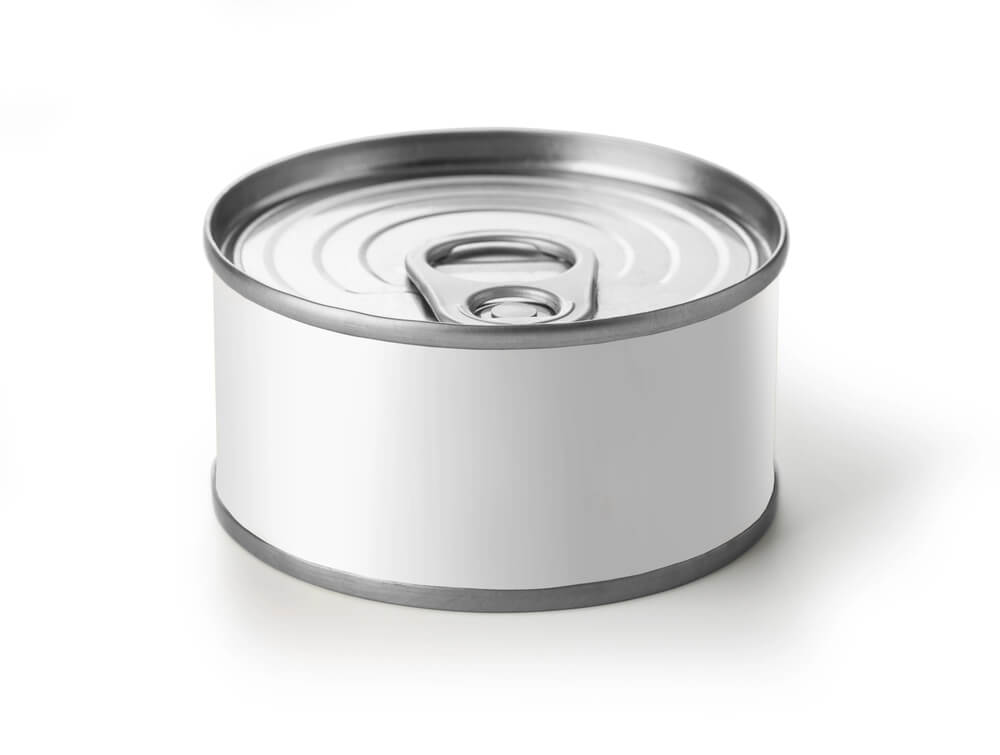
An English merchant named Peter Durand received a British patent in 1810 for preserving food in tin containers, a year after Frenchman Nicolas Appert won a prize for sealing food in glass. In the United States, Thomas Kensett and Ezra Daggett took out a patent on tin canisters in 1825. Early cans were soldered by hand and built so heavy that opening one took a hammer and chisel. That stubborn metal shell was the first step toward a pantry full of food that could wait.
The Can Opener Arrived Decades Late
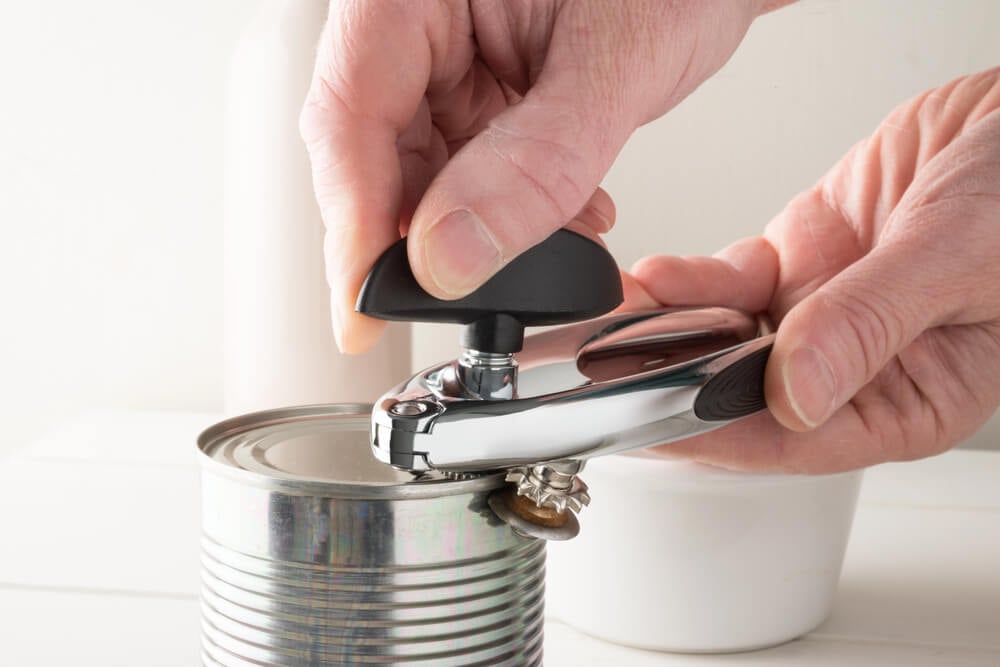
The tin can existed for nearly half a century before anyone patented a dedicated tool to open it. Ezra Warner of Waterbury, Connecticut, received a patent for one in 1858, a curved blade meant for grocers rather than home cooks. In 1870, William Lyman patented a rotating wheel design that looked far more like the openers still found in kitchen drawers. Until then, plenty of households simply attacked the lid with whatever sharp object was nearby.
The Mason Jar Sealed Summer Into Winter
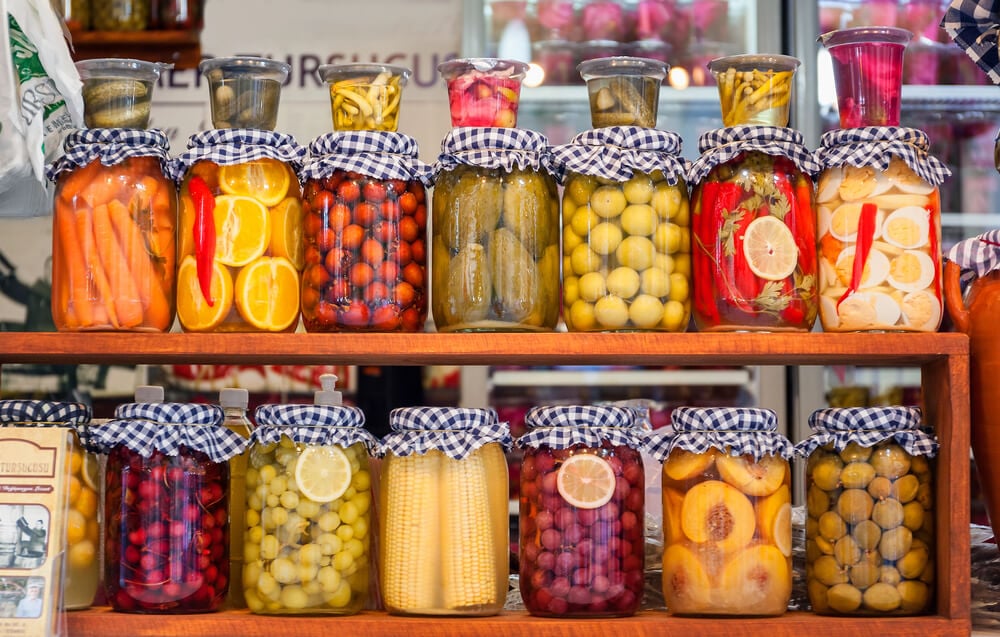
John Landis Mason, a New York tinsmith, patented a jar with a threaded neck and a screw-on metal lid in 1858. The design gave home canners a tight seal they could trust, and it let families preserve a garden harvest for the cold months. The jars were so useful that they outlived the habit that created them, turning up as drinking glasses, storage containers, and flower vases. The name on the glass is still the inventor’s.
Vacuum-Packed Coffee Rescued the Morning Cup
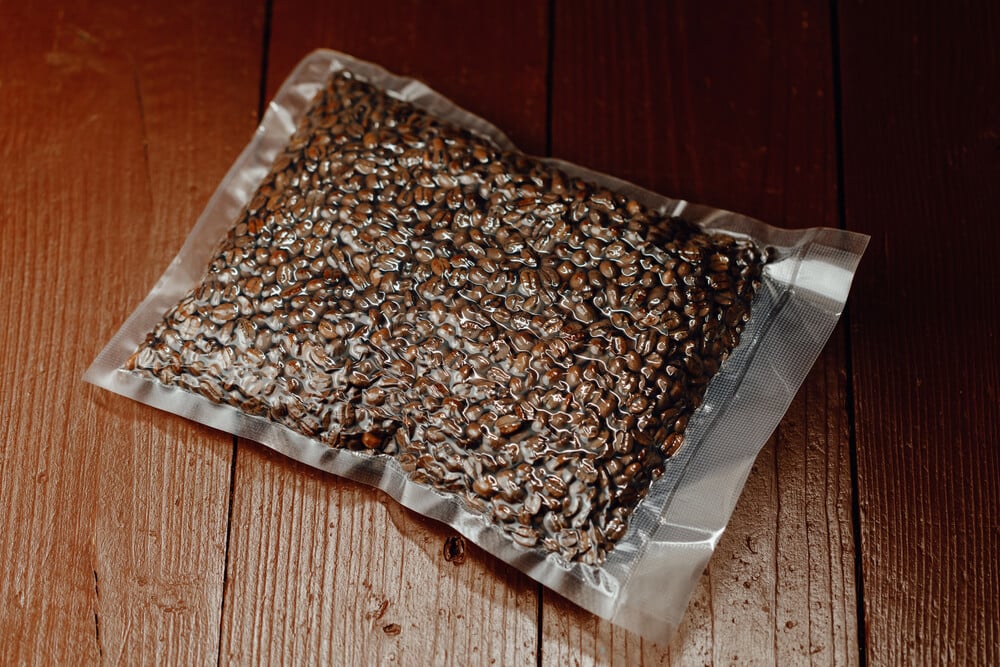
Before 1900, most Americans bought coffee scooped from open barrels at the grocery store, where it went stale quickly. The Hills Bros. company of San Francisco changed that by packing roasted coffee in vacuum-sealed cans. The can carried a trademark of a robed figure and sold fresh coffee to buyers far from the roaster. A can of the stuff on a shelf in Ohio now tasted much like one in California.
Condensed Soup Shrank the Can
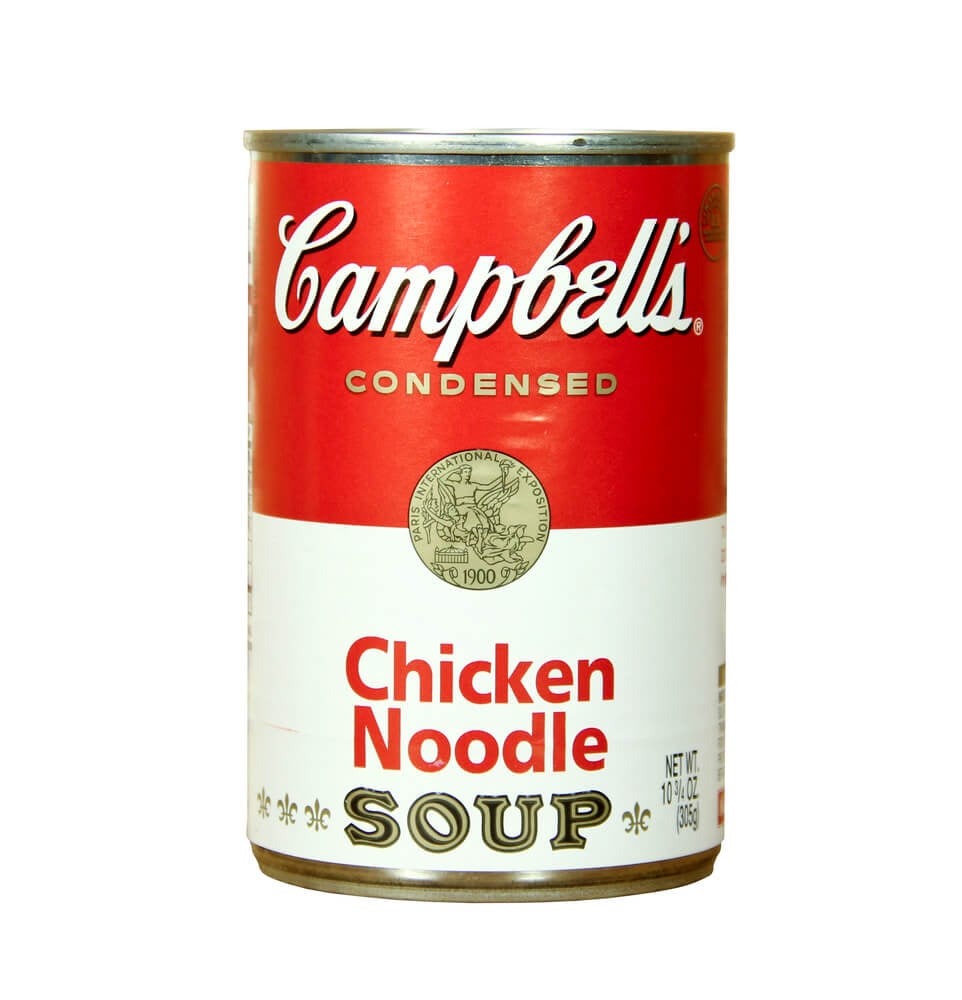
— Photo by dcwcreations
Chemist John T. Dorrance joined the Campbell company of Camden, New Jersey, and in 1897 perfected a way to remove most of the water from soup. A condensed can was cheaper to ship and cheaper to store than a full-strength one, and it sold for ten cents. The shopper added a can of water at home, which made the empty can double as a measuring cup. Few packaging tricks have saved so much freight space by simply leaving out the heavy part.
The Crown Cap Tamed the Soda Bottle
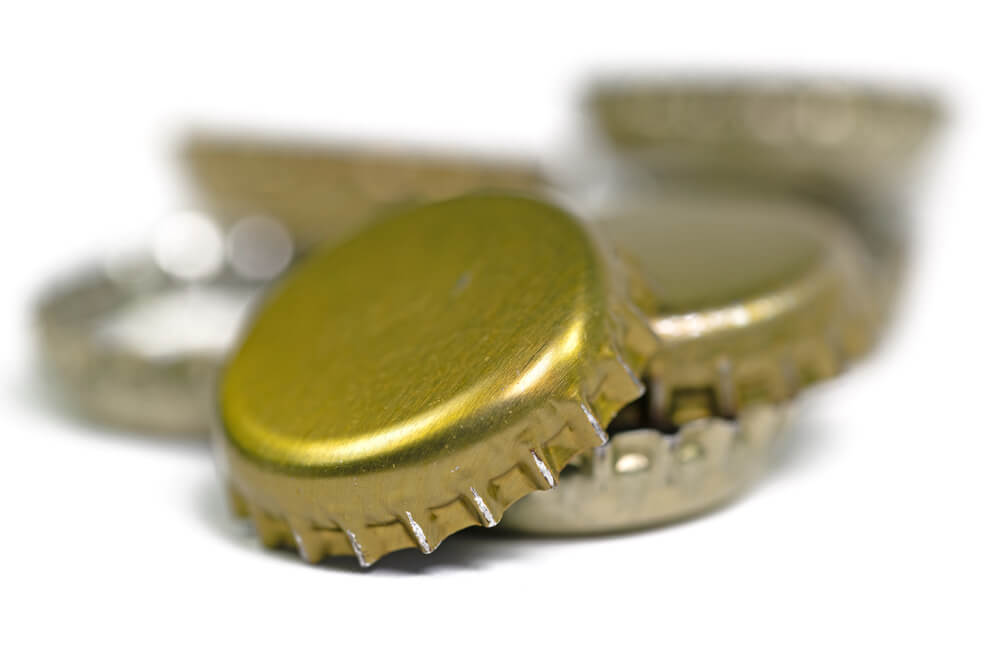
William Painter of Baltimore patented the crown cork bottle cap in 1892 after watching earlier stoppers leak and lose their fizz. The crimped metal cap sealed carbonated drinks far better than the wire and rubber contraptions it replaced. Its fluted edge is a signature feature, and modern crown caps carry 21 teeth. The church key hanging on kitchen hooks for decades existed to pry off Painter’s invention.
The Glass Milk Bottle Ended the Dipper
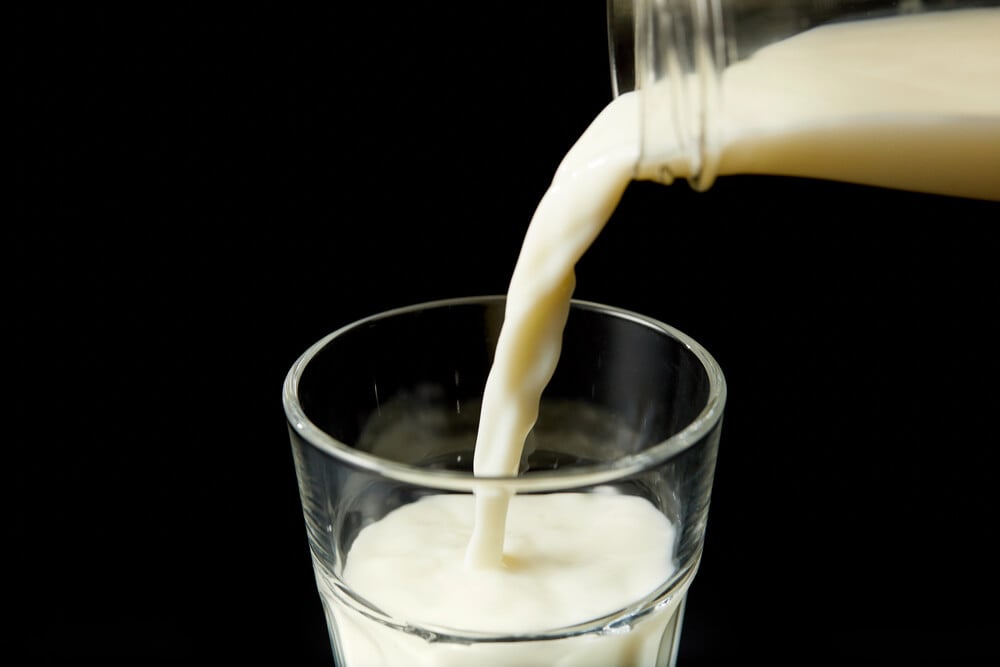
Dr. Hervey Thatcher of Potsdam, New York, introduced the Thatcher’s Common Sense Milk Jar in 1884. Before it, milk was commonly ladled from open cans into a customer’s own pitcher, an arrangement that invited dirt and spoilage. Thatcher’s bottle used a sealed lid and a standard size, which let dairies deliver milk to the front porch in a predictable, sanitary package. The milkman and his wire carrier were built around that small glass container.
The Flat-Bottomed Paper Bag Made Groceries Portable
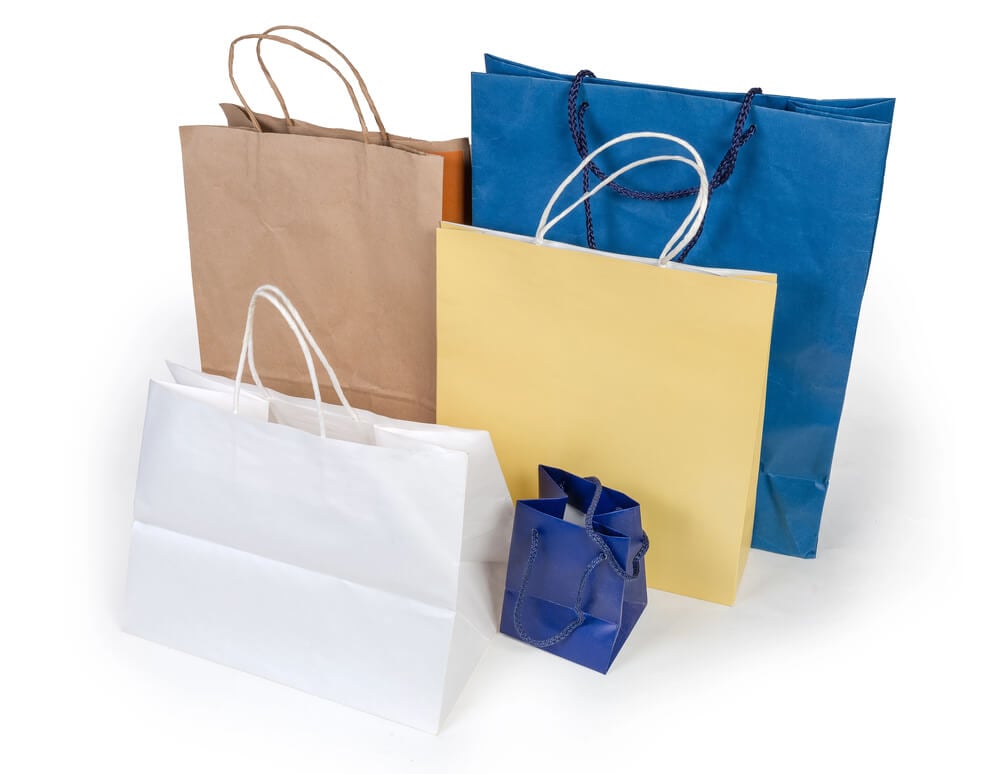
Margaret Knight invented a machine in 1871 that folded and glued paper into bags with square, flat bottoms. Earlier paper bags were envelope-shaped and could not stand up, which made them awkward for anything bulky. Knight worked in a Massachusetts paper bag factory, and when a rival claimed her idea, she contested the patent and won. The bag that sits upright on a countertop, ready to be unloaded, traces back to her machine.
The Folding Carton Began as a Printing Mistake
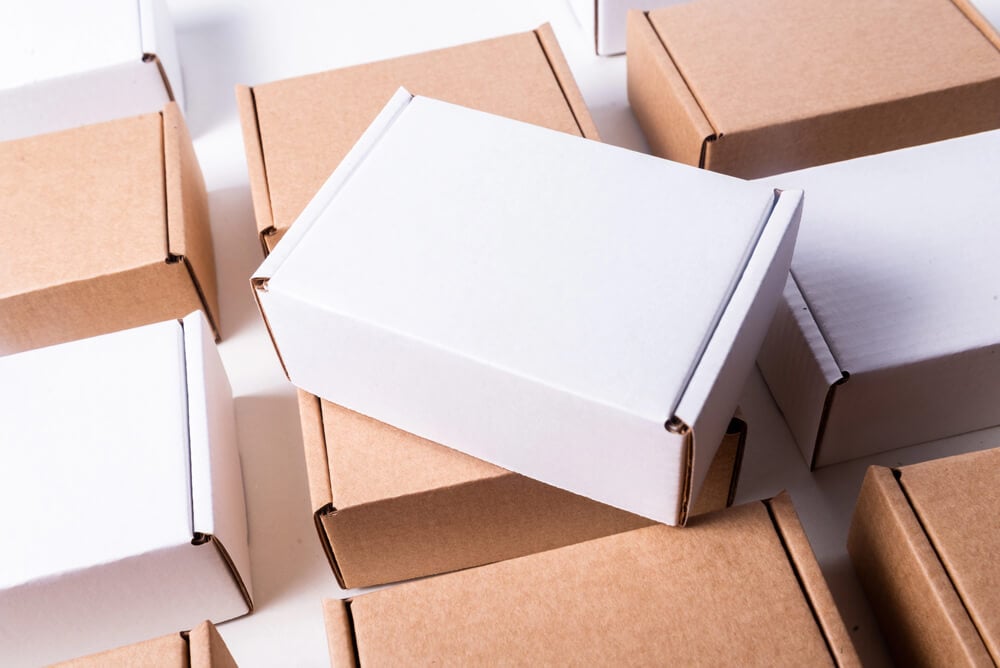
Robert Gair was a Brooklyn printer who made paper bags, and the familiar story says a metal ruler in his press slipped one day and cut straight through a batch of bags instead of just creasing them. Gair realized that cutting and creasing could happen in a single step, and he built the folding carton industry on that idea. Manufacturers could then buy flat, pre-cut boxes by the thousands and fold them up at the factory. Nearly every cereal, cracker, and pasta box in the American kitchen descends from that slip.
Cellophane Brought See-Through Wrapping
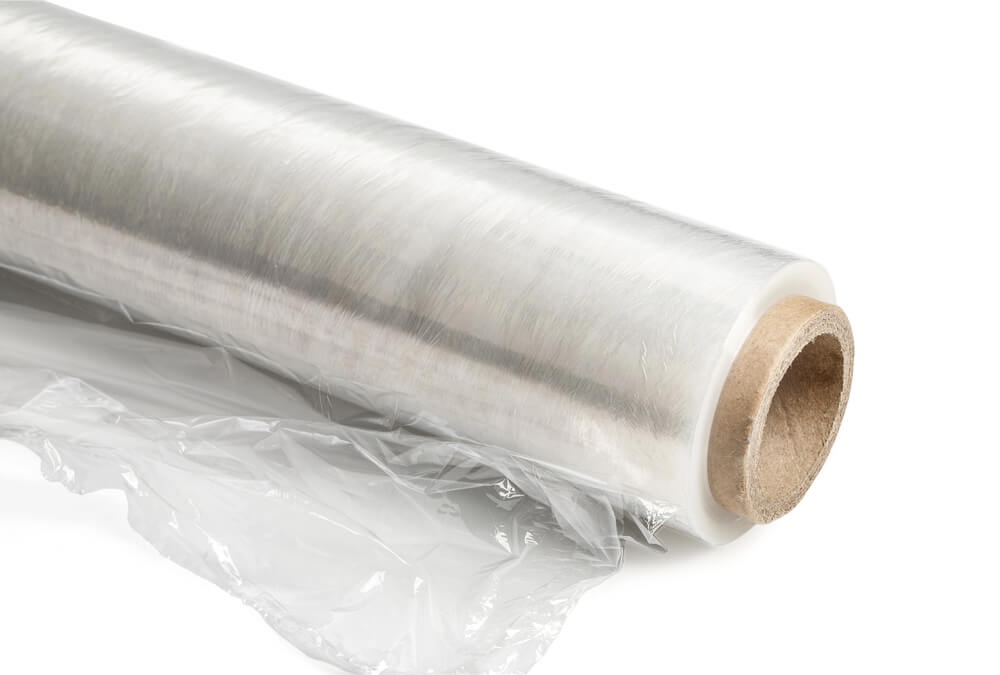
Swiss chemist Jacques Brandenberger developed cellophane in 1908 after seeing wine spill on a restaurant tablecloth and wanting a coating that would repel liquid. His first attempt proved too stiff for cloth, but the clear film it left behind was the actual product. In 1927, DuPont introduced a moisture-proof version that could protect bread, candy, and meat from drying out. Shoppers could finally look at what they were buying without opening the package.
The Oatmeal Canister Made a Hearth Staple Round
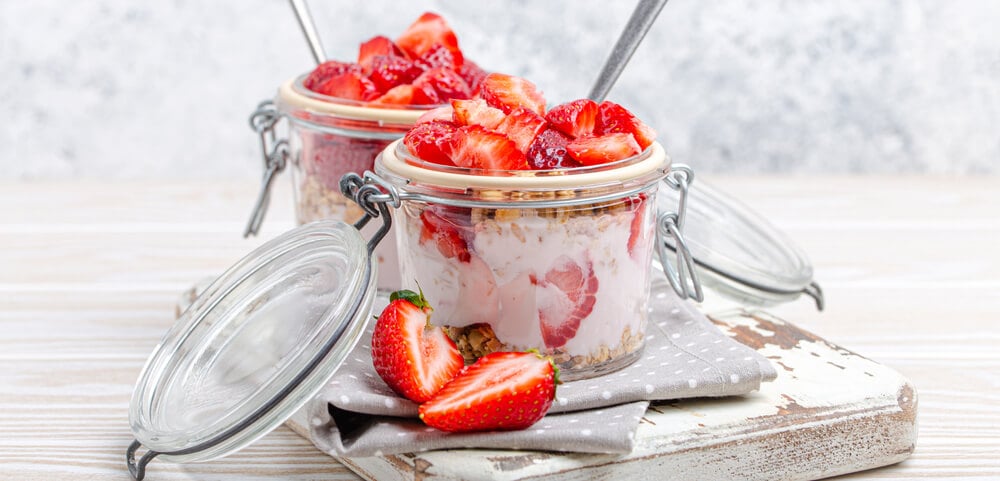
The Quaker brand registered its trademark in 1877, early in the era of branded breakfast cereals sold in packages instead of scooped from open barrels. In 1915, Quaker introduced the round cardboard canister that cooks recognize today. The cylinder was cheap to make, stacked well on a grocery shelf, and resealed with a paper-backed lid. Generations of kitchens then reused the empty tubes to hold string, crayons, and craft supplies.
The Waxed Liner Kept Corn Flakes Crisp
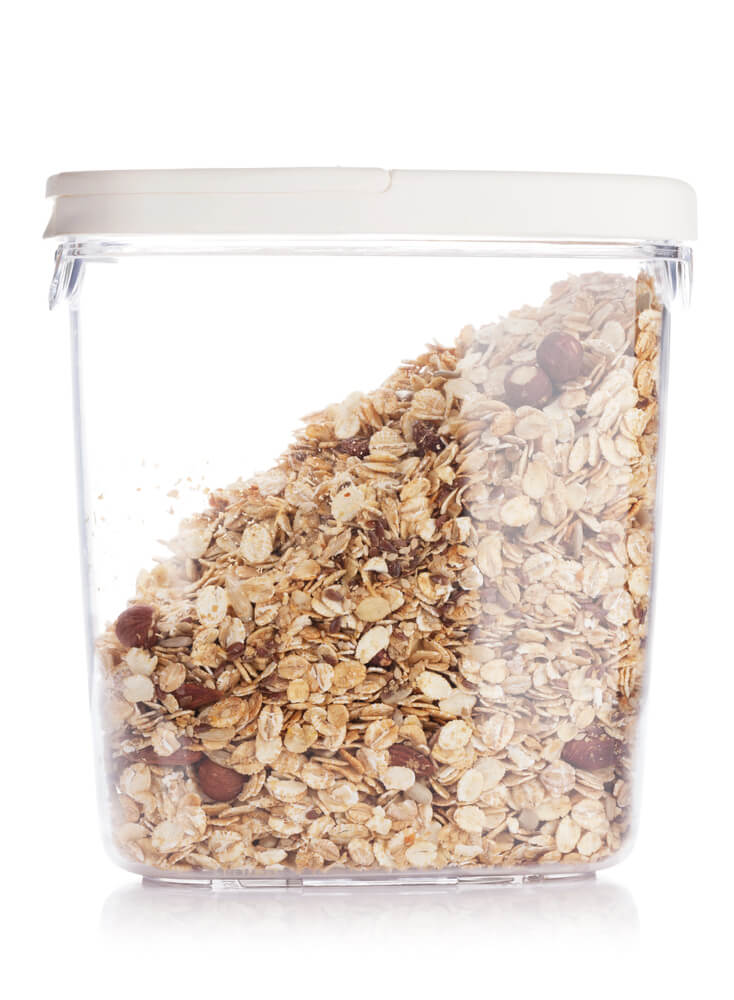
W.K. Kellogg began selling his Corn Flakes in 1906 from Battle Creek, Michigan. The product had a problem, since flakes went soggy in humid air, so the box included an inner bag made from waxed paper. That sealed liner became the model for the cereal box, a paperboard carton with a bag tucked inside. The crinkly sound of opening one is the sound of a century-old solution.
Morton Salt Put a Spout on the Shaker
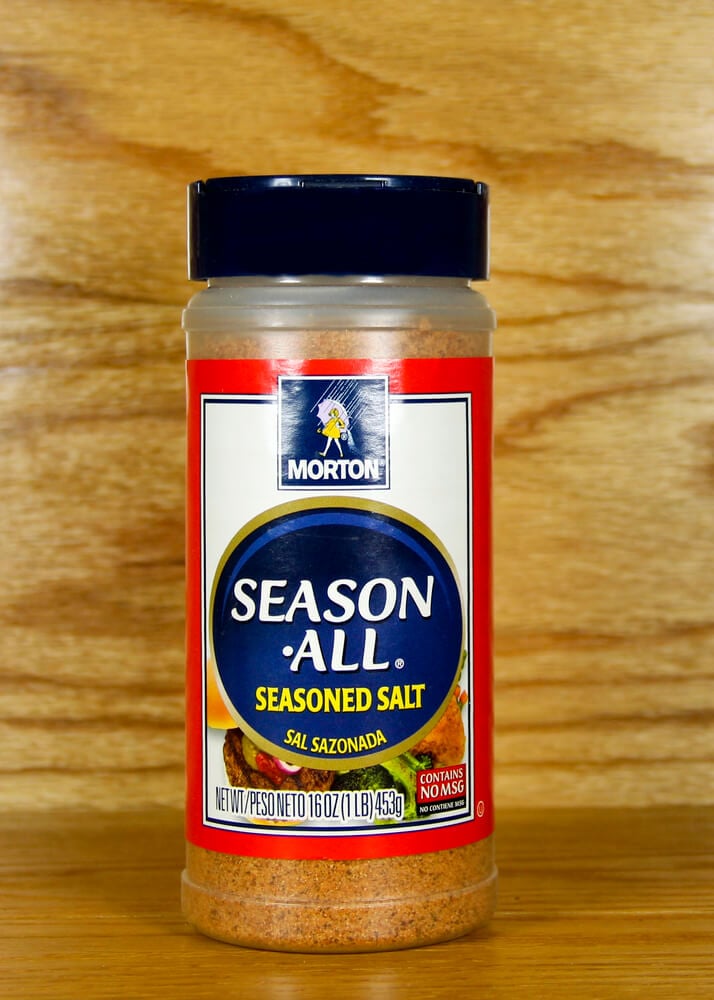
— Photo by dcwcreations
Morton Salt introduced its round container with a metal pouring spout in 1914. The company added an anti-caking agent to its salt, which was unusual at a time when table salt clumped badly in damp weather. An advertising slogan, “When it rains it pours,” had appeared in 1911 and became the line stamped on the package beside a little girl with an umbrella. The cylindrical box with its folded spout is still a fixture in American kitchens.
The Paper Milk Carton Replaced the Glass Bottle
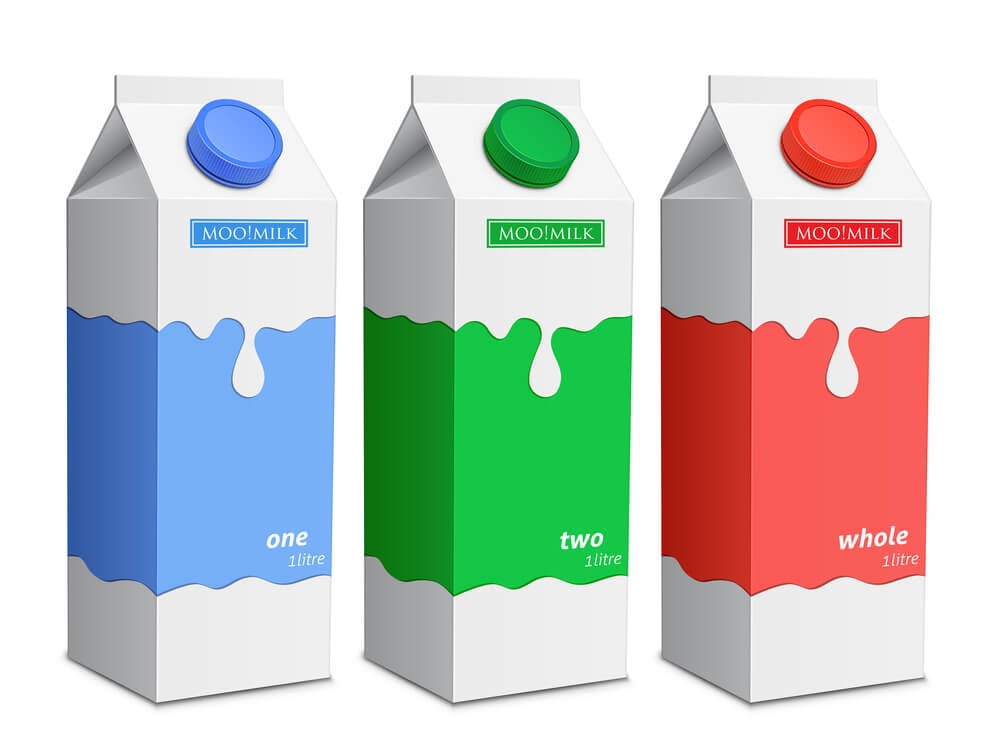
John Van Wormer of Toledo, Ohio, patented a folding paperboard milk container in 1915. The idea was cheaper, lighter, and disposable, which spared dairies the cost of collecting and washing glass bottles. Wax coating kept the liquid from soaking through, and the gable-top shape came to define the supermarket dairy case. School cafeterias later adopted a smaller, squared-off version.
The Egg Carton Came From a Small-Town Newspaper Editor

Joseph Coyle, editor of the Interior News in Smithers, British Columbia, designed an egg carton in 1911. Local farmers delivering eggs to a hotel were reportedly losing many to breakage, and the quarrel inspired Coyle to create a tray with separate cups for each egg. His design cushioned the eggs and let shopkeepers stack them safely. Americans now buy their eggs in cartons without a second thought, and no one had to dip a hand into a basket.
Frozen Food Packaging Debuted in Springfield
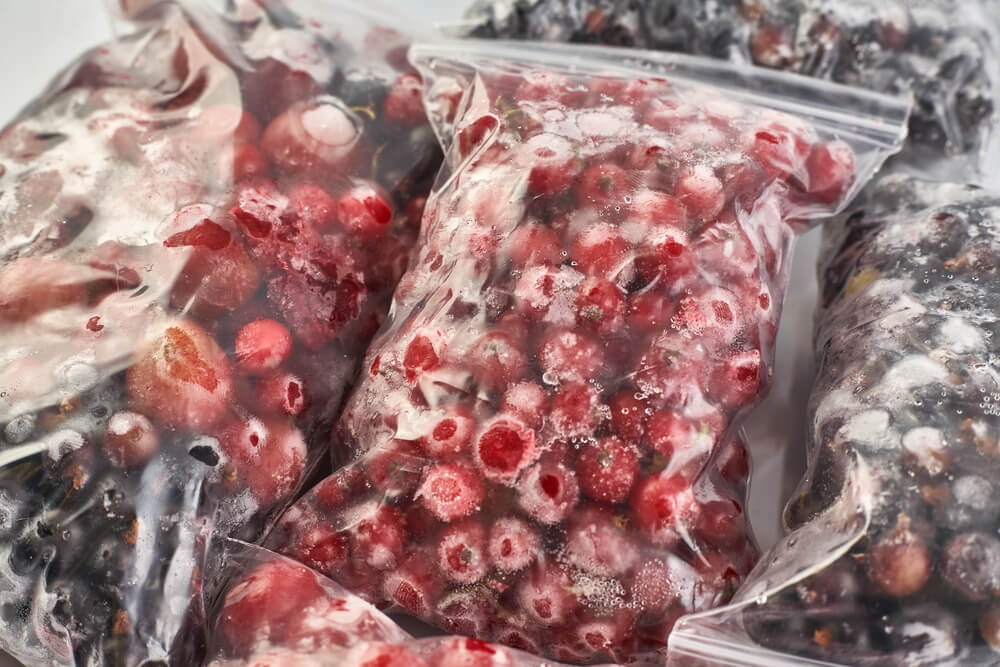
Clarence Birdseye first noticed quick freezing while working in Labrador, where he saw fish freeze nearly instantly in frigid air. He then developed a method of packing food into flat cartons and freezing it between metal plates. In 1930, his company tested frozen foods in grocery stores in Springfield, Massachusetts. The cartons were wrapped in moisture-proof cellophane, which kept food fresh and made frozen dinners possible.
Wrapped Sliced Bread Made the Sandwich Easy
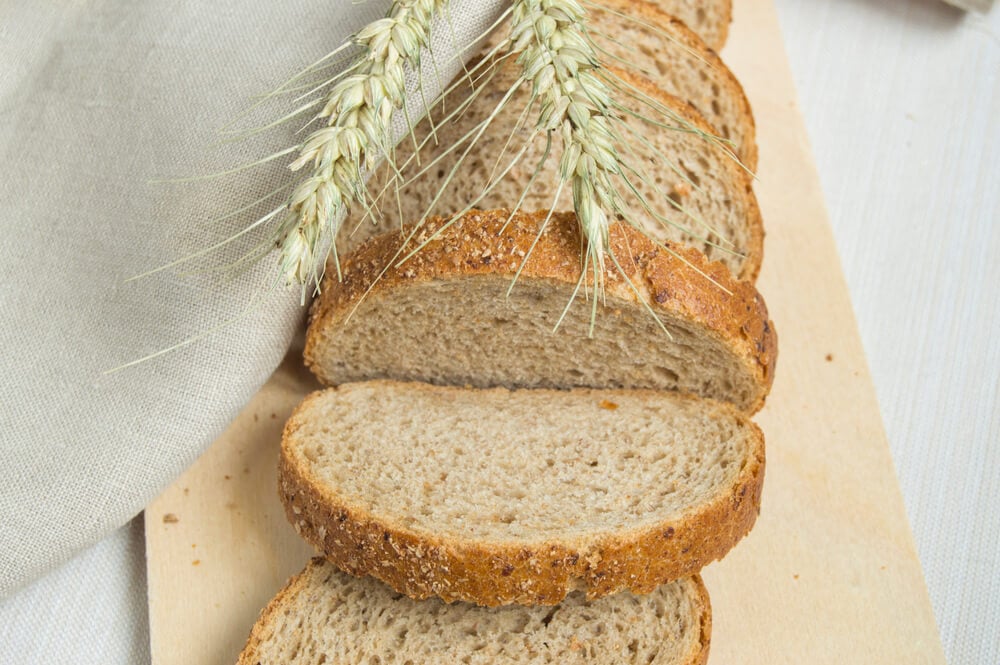
Otto Rohwedder spent years perfecting a machine that sliced bread and wrapped each loaf. On July 7, 1928, the Chillicothe Baking Company in Missouri became the first bakery to sell his sliced bread. Rohwedder insisted on wrapping, since sliced bread dried out quickly without protection. The wrapper had a job as big as the slicer itself, and it made the loaf a ready-to-use staple.
The Bread Clip Closed the Bag
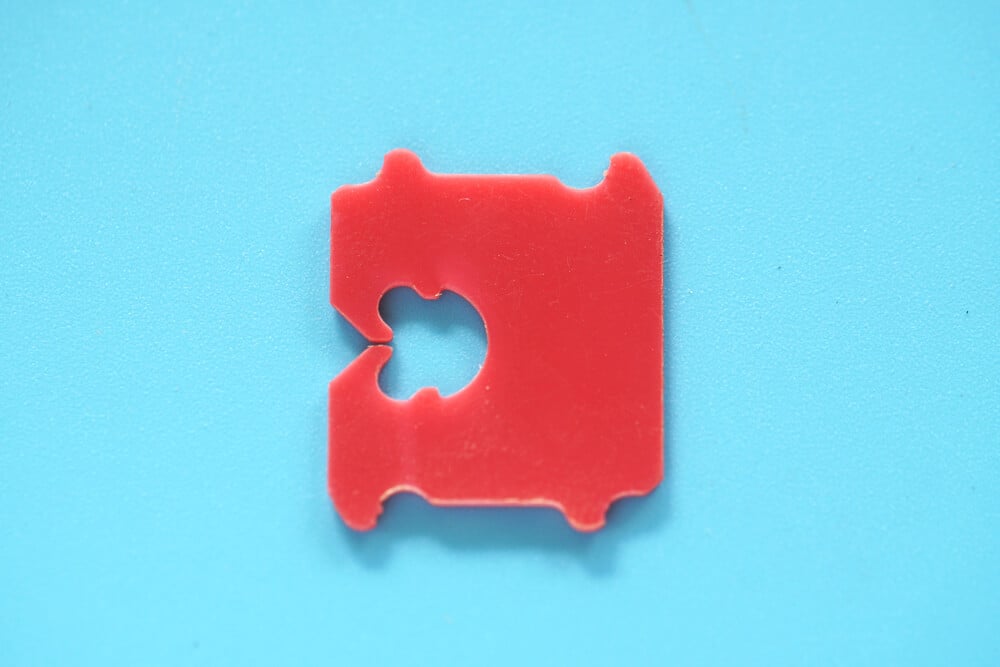
Floyd Paxton of Yakima, Washington, developed a flat plastic closure for bread bags in 1952. The little tag replaced twist ties and string, and it clamped around the gathered neck of the bag with a firm grip. The invention became the foundation of the Kwik Lok company. Millions of loaves now carry the clip, and a kitchen drawer without a few spares is rare.
Aluminum Foil Went From Factory to Kitchen Drawer
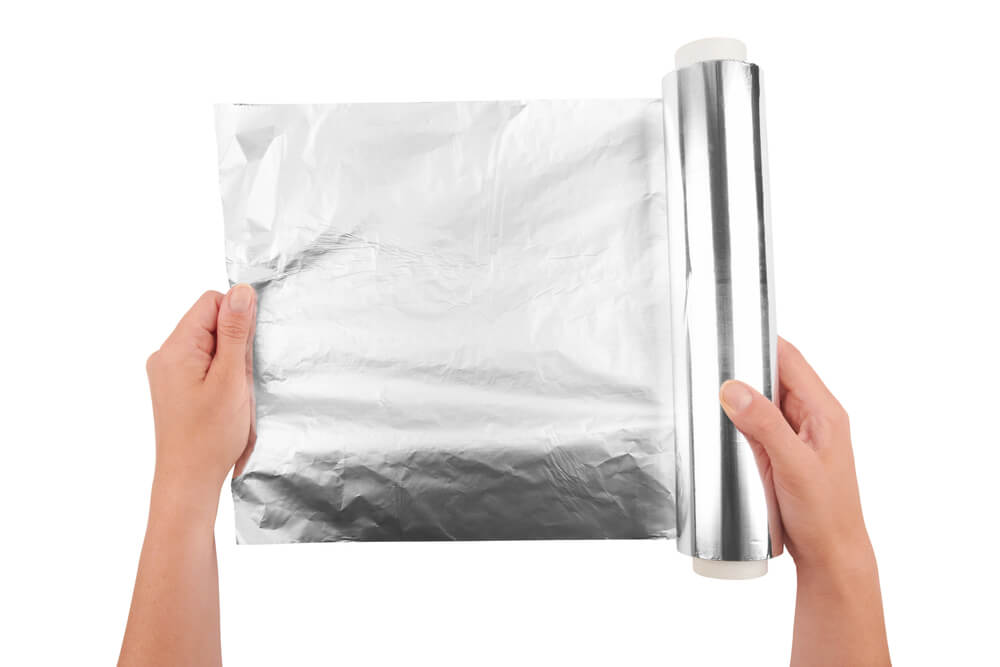
Reynolds Metals of Richmond, Virginia, introduced Reynolds Wrap in 1947 as a household product. Aluminum foil already existed in industrial and candy packaging, but a convenient roll with a cutting edge gave home cooks a new tool. It wrapped leftovers, lined baking pans, and sealed potatoes for the oven. The shiny roll became so common that many cooks reach for it before any other kitchen supply.
Saran Wrap Grew Out of a Lab Mistake
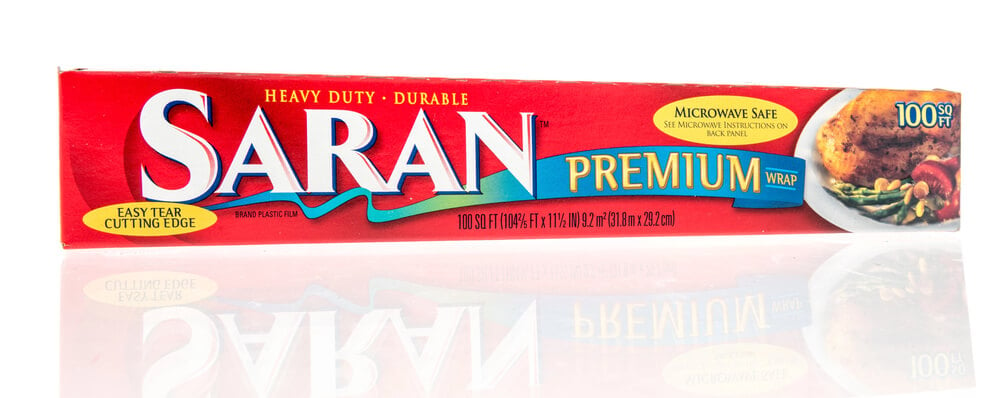
Dow Chemical lab worker Ralph Wiley discovered in 1933 a stubborn film that clung to glassware he was trying to clean. The material was first used to protect military equipment, and it was not designed for food at all. In 1953, Dow introduced Saran Wrap for household use, and its clinginess let cooks cover bowls without a rubber band. The accident turned a lab nuisance into a pantry essential.
Tupperware Added the Burp
— Photo by novephotocom.gmail.com
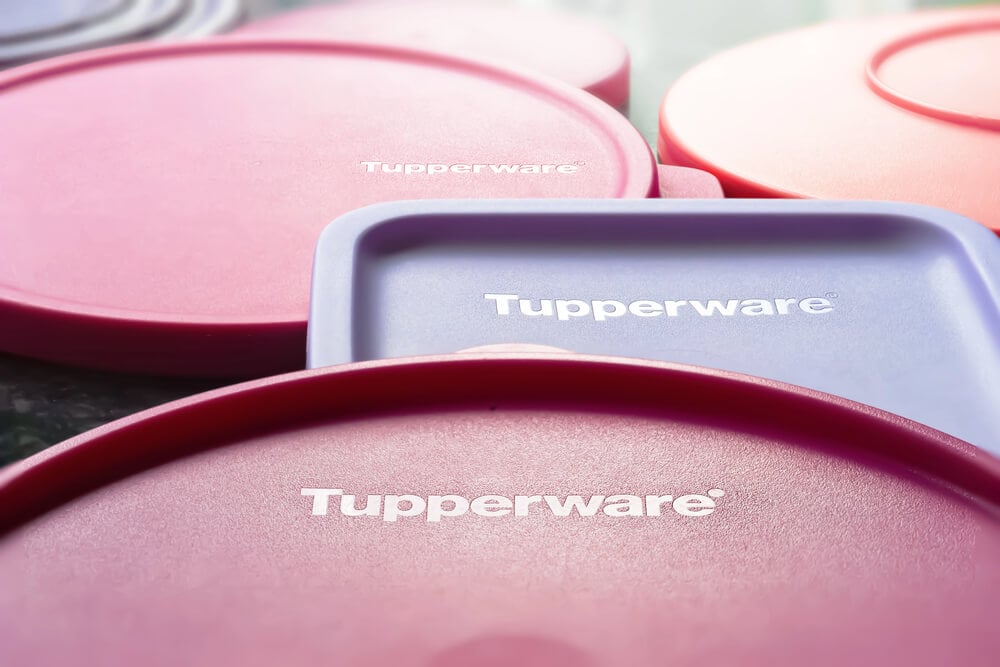
Earl Tupper, who had worked for DuPont, introduced his plastic food containers in 1946. He modeled the airtight seal on the inverted lid of a paint can, creating a lid that could be pressed down and burped to push air out. The containers were sold mostly through home parties, a system promoted by Brownie Wise after retail stores proved a poor fit in 1951. Leftovers in the refrigerator have been tidier ever since.
The Ziploc Bag Made Storage Resealable
— Photo by homank76
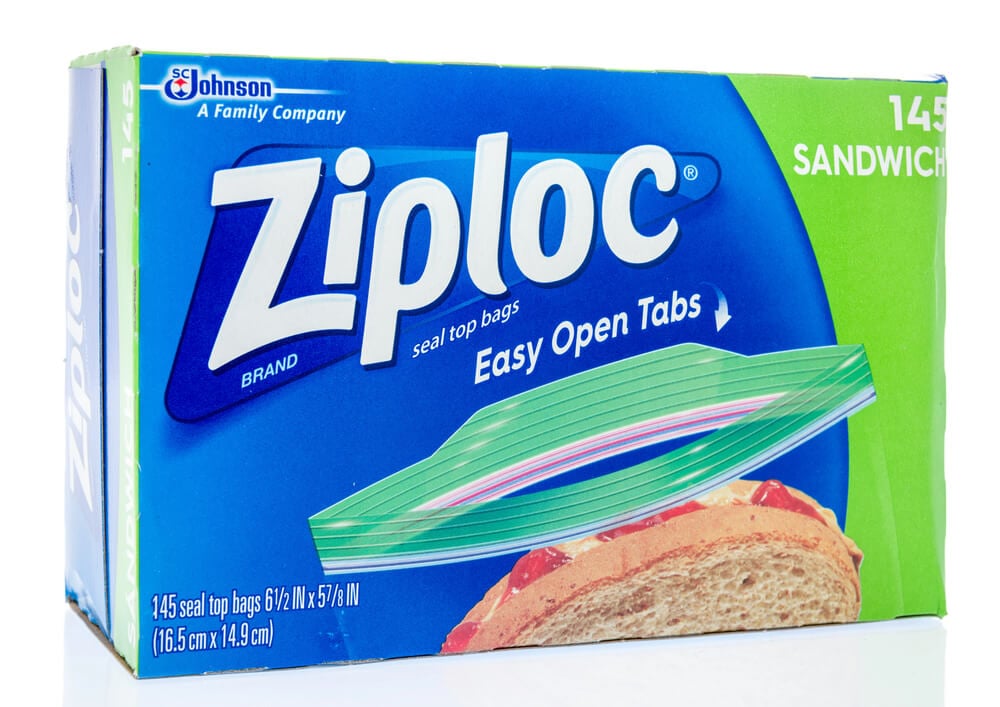
Dow Chemical introduced Ziploc bags in 1968, bringing a resealable plastic zipper to the kitchen. The seal let cooks store sandwiches, marinate meat, and freeze leftovers without a twist tie. Dow sold its consumer brands, including Ziploc, to S.C. Johnson in 1997. The bag remains one of the most recognizable pieces of plastic in the refrigerator door.
Individually Wrapped Cheese Slices Went Sandwich Ready
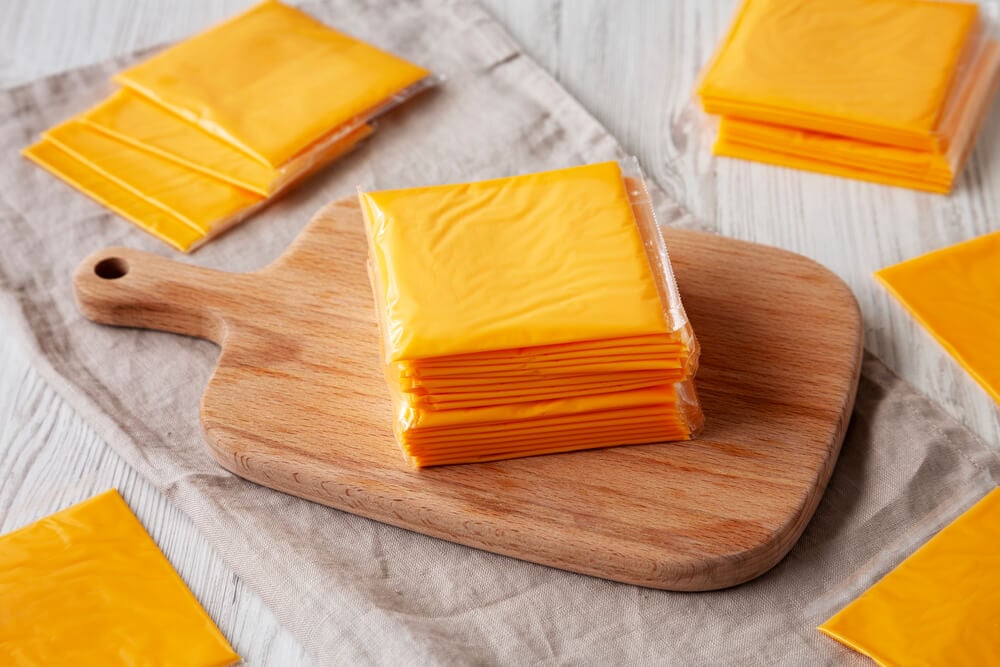
James L. Kraft won a patent in 1916 for a pasteurized process cheese that would not spoil as quickly as natural cheese. Around 1950, the Kraft company began selling slices that were wrapped one at a time. Each wrapper kept the slice from sticking to its neighbor, which solved a problem that had plagued pre-sliced cheese. The peel-and-stack wrapper turned a kitchen job into something a child could handle.
The Pull-Tab Retired the Church Key
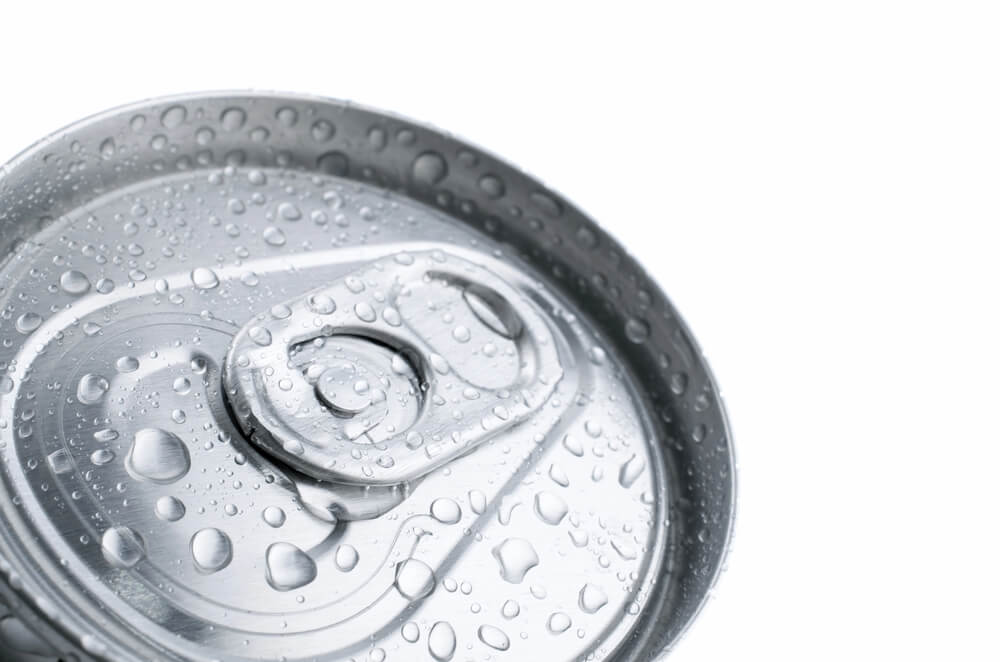
Ermal Fraze, a tool-and-die maker in Dayton, Ohio, invented the pull-tab can end in 1959. The story goes that he was at a picnic without a can opener and had to pry open a beer on his car bumper. Iron City beer of Pittsburgh was among the first to use the design in 1962. The tabs worked well, but the detached rings littered beaches, lawns, and parking lots for years.
The Stay Tab Fixed the Litter Problem
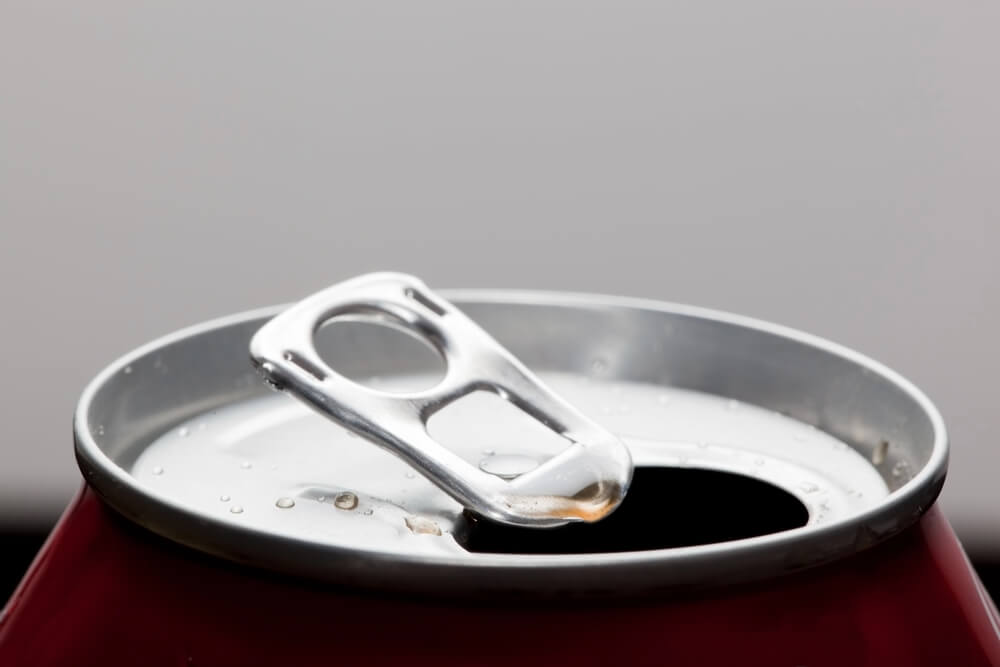
Daniel Cudzik, an engineer at Reynolds Metals, invented a stay-on tab for beverage cans in 1975. His design kept the tab attached to the can end, so it pushed inward to open the can instead of tearing free. The change solved the litter problem the pull-ring had created and ended the sight of loose aluminum tabs underfoot. The little rivet on every soda can today traces back to that fix.
The Aluminum Can Changed the Beverage Aisle
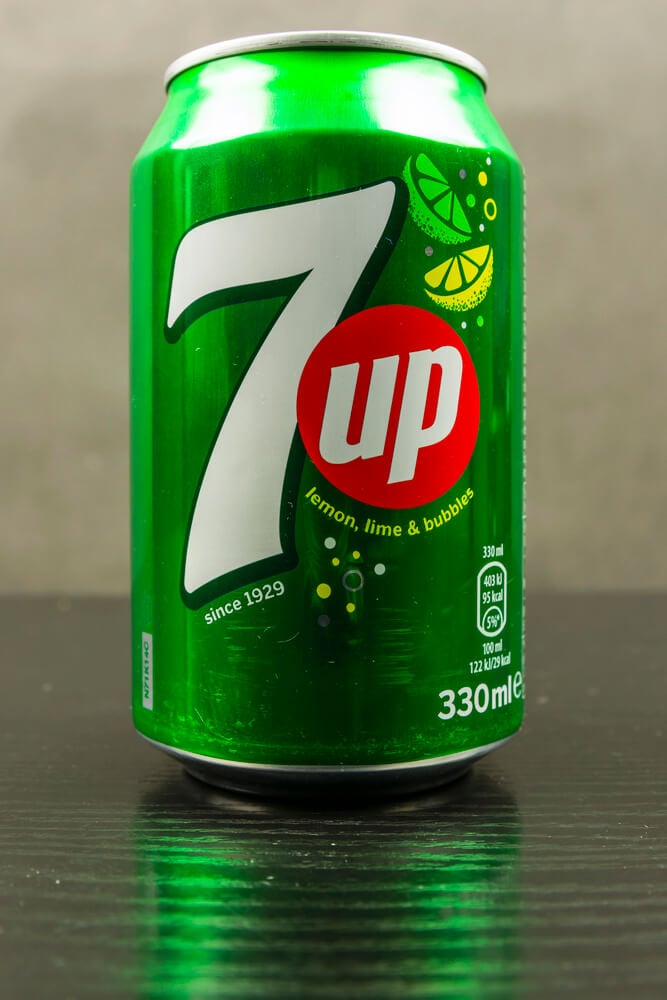
Coors began selling beer in a seven-ounce aluminum can in 1959 from its brewery in Golden, Colorado. Aluminum was lighter than steel and could be recycled, and a can crushed easily when empty. Other drink makers soon adopted the material for soda and beer alike. Today, the can is arguably the most common container in an American refrigerator.
Whipped Cream Learned to Spray
— Photo by Sheilaf2002
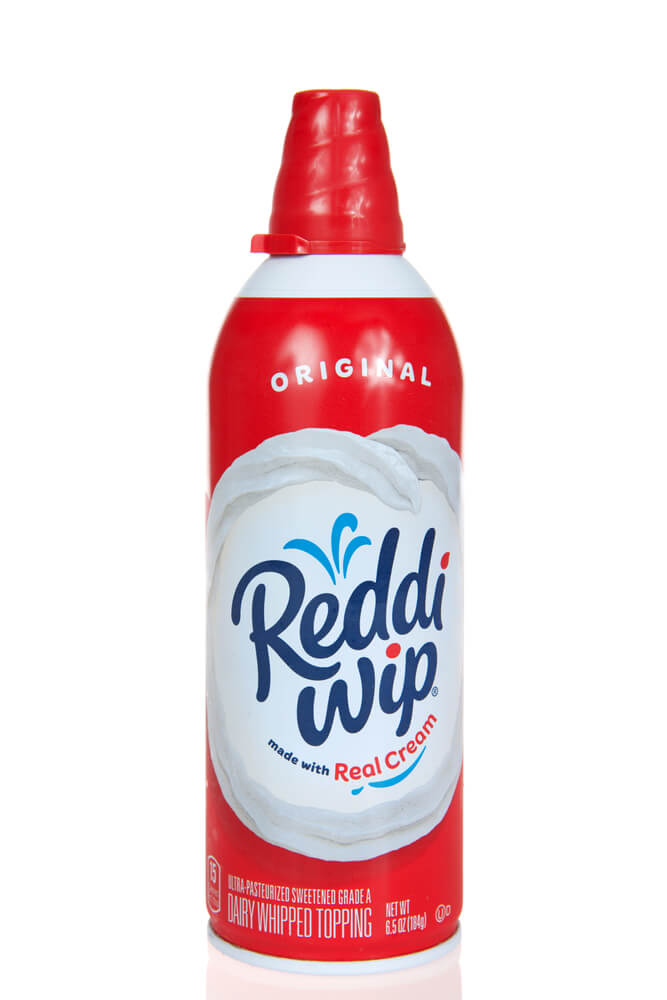
Aaron “Bunny” Lapin, a St. Louis businessman, introduced Reddi-wip in 1948. The aerosol can used nitrous oxide to turn liquid cream into a foam on demand, so no one had to whip cream by hand. It sold well to home cooks and was delivered along with milk to the front door at first. The can still sits on the refrigerator shelf waiting for pie.
The Pringles Can Gave Chips a Home
— Photo by Mehaniq
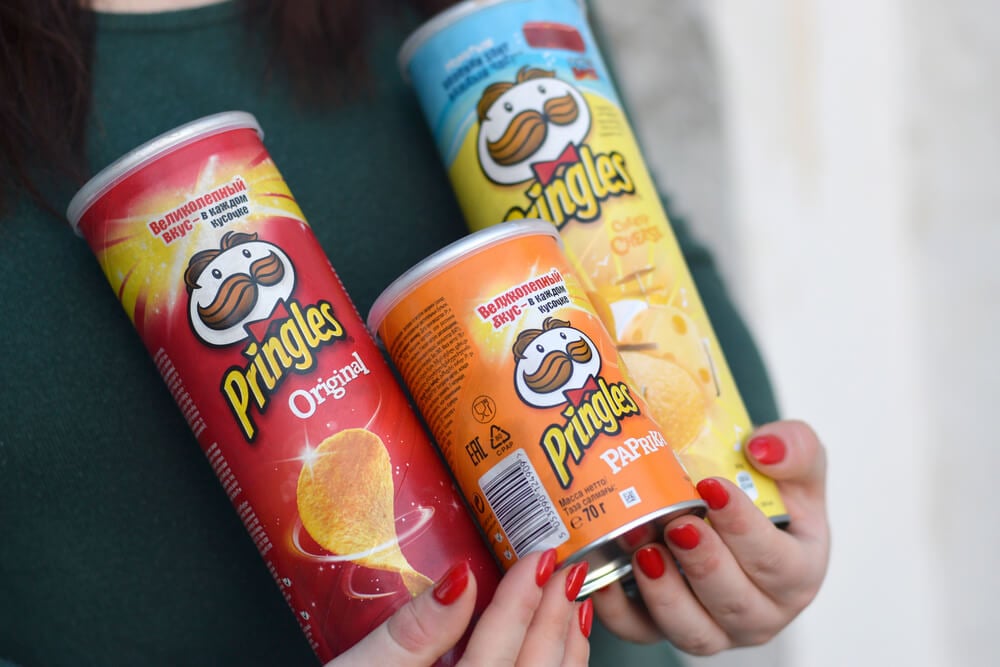
Fredric Baur, a Procter and Gamble chemist, designed the tall cylindrical canister to hold stacked, uniformly shaped chips without crushing them. Loose potato chips in a bag arrived as broken shards, but these chips nested neatly, and the tube protected them. Baur died in 2008, and some of his ashes were reportedly buried in a Pringles can at his request. Few packaging designers have been honored in quite so literal a way.
When the Wrapper Became the Product
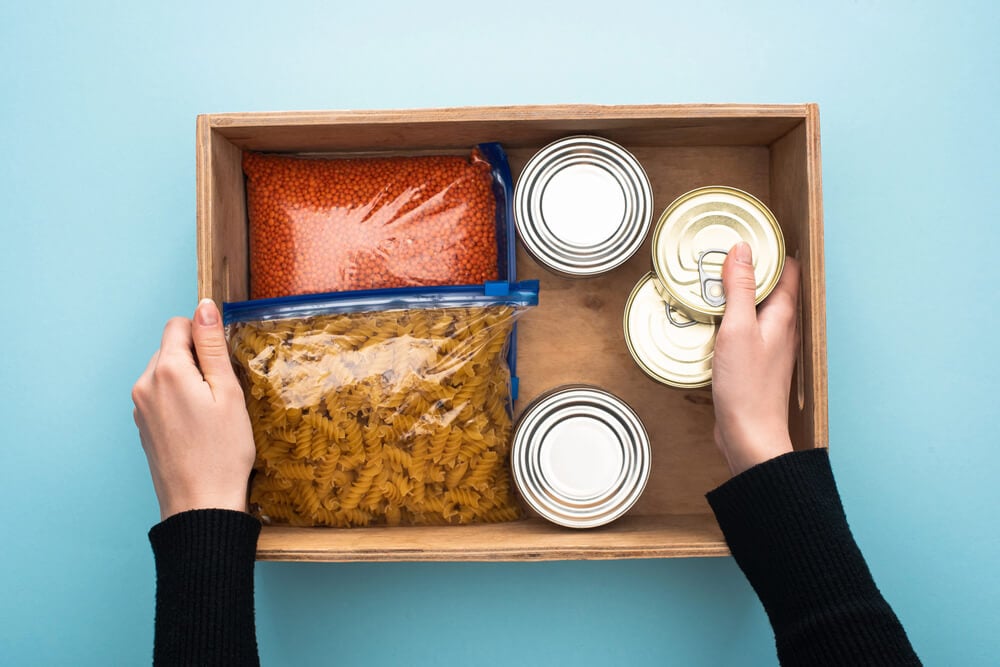
Across the entries above, the same pattern repeats. Someone noticed that food spoiled, broke, spilled, or went stale, and then built a container that dealt with it. The container often mattered more than the food inside, since it decided how far a product could travel and how long it could last. A tomato soup, a dozen eggs, or a loaf of bread could only reach most kitchens because someone first solved the packaging.
The same inventions also changed how Americans cooked and shopped. Meals built around cans, cartons, and wrappers moved from special occasions to Tuesday night, and kitchens filled with things designed to be opened and thrown away. That convenience came with real costs, from litter to landfills, and some fixes took decades to arrive. Still, the humble wrapper deserves credit as one of the quiet engines of the modern American kitchen.
More from Go2Tutors!

- 27 Silver Dollars and Half Dollars Worth Keeping
- 28 Restaurant Menu Items Nobody Orders Anymore
- 17 Places Built in Seemingly Impossible Spots
- 27 Vintage Rings Worth More Than They Look
- 25 Restricted Sites Tourists Can’t Enter
Like Go2Tutors’s content? Follow us on MSN.