Television Souvenirs Once Sold to Devoted Fans
When television moved into American living rooms, the shows followed children into every part of their day. Lunch boxes, hats, rings, and games turned a half hour of programming into something a fan could carry to school.
The items below cover about two decades, from the earliest licensed merchandise of 1950 to the Dark Shadows craze of the late 1960s. Collector values depend heavily on condition, completeness, and original packaging.
The Hopalong Cassidy Lunch Box
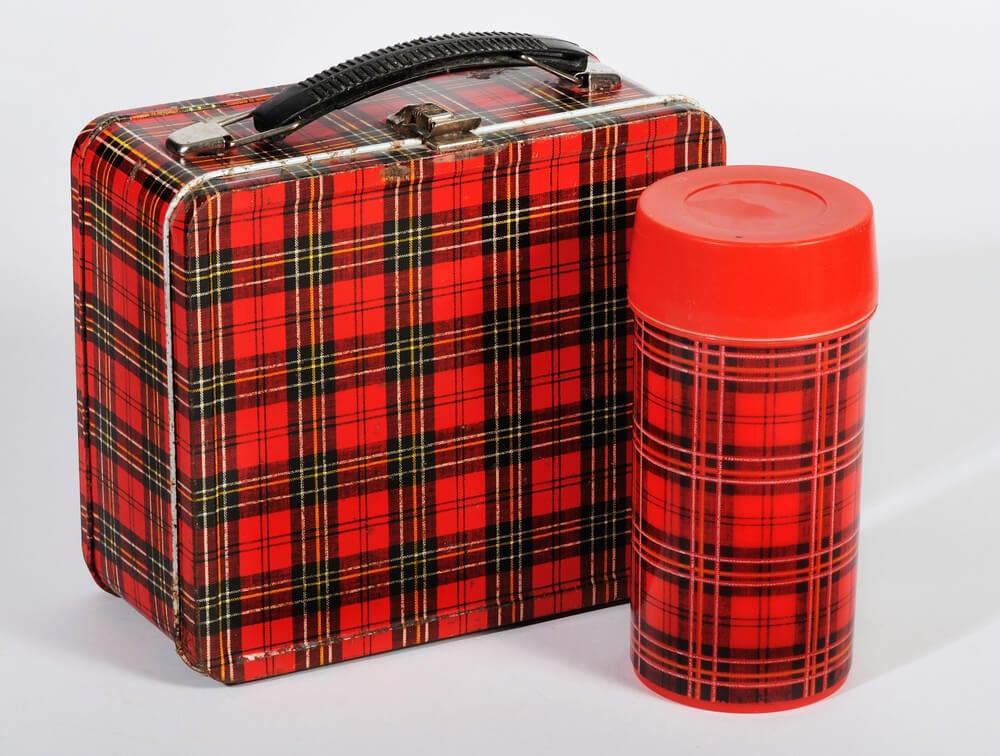
In 1950 Aladdin Industries put a picture of cowboy star Hopalong Cassidy on a steel lunch box with a matching thermos, the first pictorial lunch box. Sales jumped from 50,000 units to 600,000 in one year.
More than 100 companies produced Hopalong Cassidy products that year, worth about $70 million, and one collector says a 1950 original can fetch up to $2,000 today.
Davy Crockett Coonskin Caps

After Disney’s Davy Crockett episodes aired in 1954 and 1955, coonskin caps sold at about 5,000 per day and more than 10 million were eventually sold. The price of raccoon fur climbed from about a quarter a pound to well over five dollars.
Disney licensed upward of 3,000 Crockett products, and the craze reportedly produced about $300 million in sales in 1955.
Mickey Mouse Club Mouse Ears
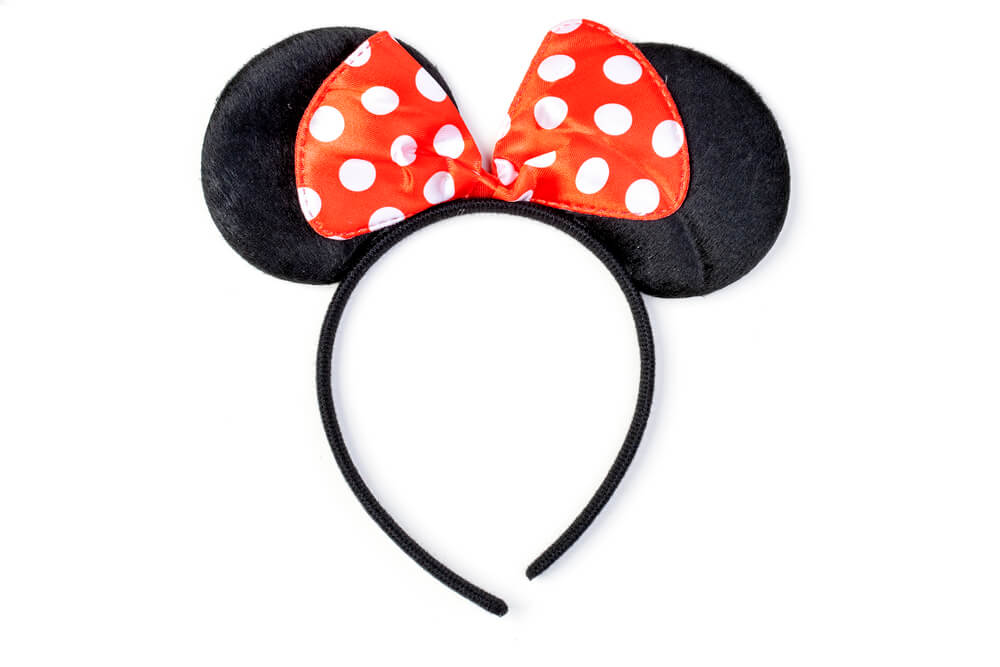
The Mickey Mouse Club debuted on October 3, 1955, and its Mouseketeers wore the felt mouse-eared caps designed by Roy Williams, the show’s adult “Big Roy.” Williams reportedly drew the idea from a 1929 cartoon in which Mickey tips his ears to Minnie.
The ears were first sold at Disneyland in 1955, and a 1950s felt hat with a mouse mask on the back appeared in a dealer listing for $250.
Howdy Doody Merchandise
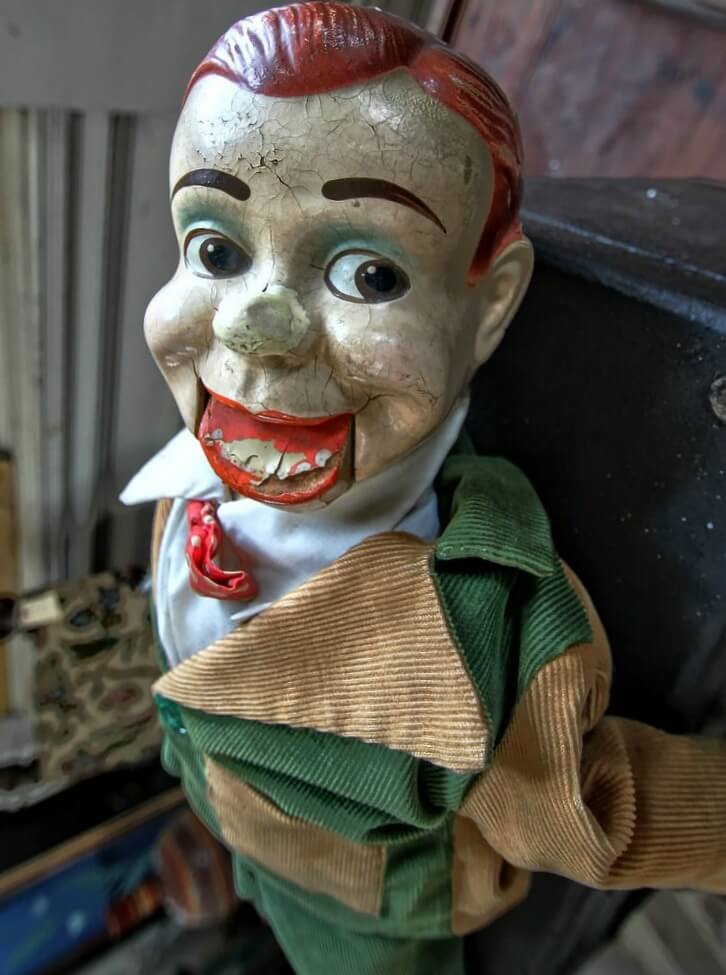
Howdy Doody first aired on December 27, 1947, and a Howdy Doody record released in 1949 sold 30,000 copies in its first week. A 1955 merchandise catalog in the Smithsonian’s collection runs 24 pages, filled with puppets, toys, and clothing.
The marionette himself had 48 freckles, one for each state, and vintage toys in excellent condition are hard to find.
Captain Video Premiums
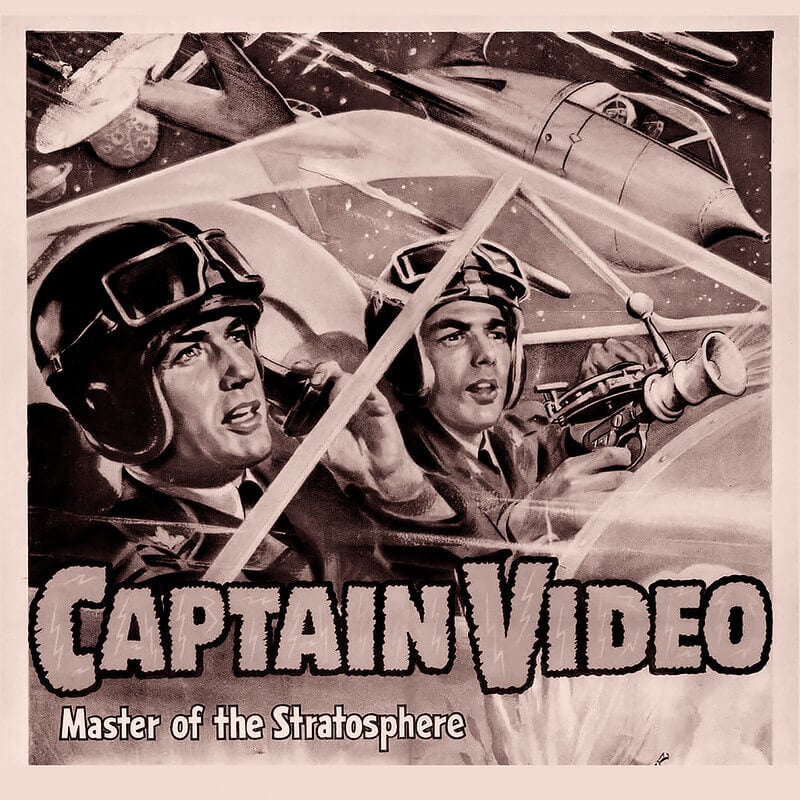
Captain Video and His Video Rangers premiered June 27, 1949, on the DuMont network and was the first science fiction series on American television. The show offered premiums through sponsors, including a photo ring from Power House candy bars featuring actor Richard Coogan and a decoder called the Mysto-Coder issued in 1951.
Other items included flying saucer rings, decoder badges, and space helmets. Intact decoder dials and bright finishes make the better examples worth more.
Sky King Premium Rings
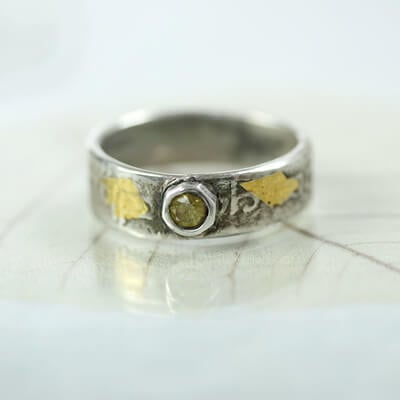
Sky King began on radio in the 1940s and moved to television in the 1950s, and Peter Pan Peanut Butter sponsored a stream of clever rings. The 1949 Tele-Blinker is described as the largest metal premium ring ever made.
The 1948 Mystery Picture Ring revealed an image of Sky King through a rotating polarizing disk, but on about 98 percent of surviving examples the image has faded away, which makes working rings remarkably scarce.
Roy Rogers Lunch Boxes
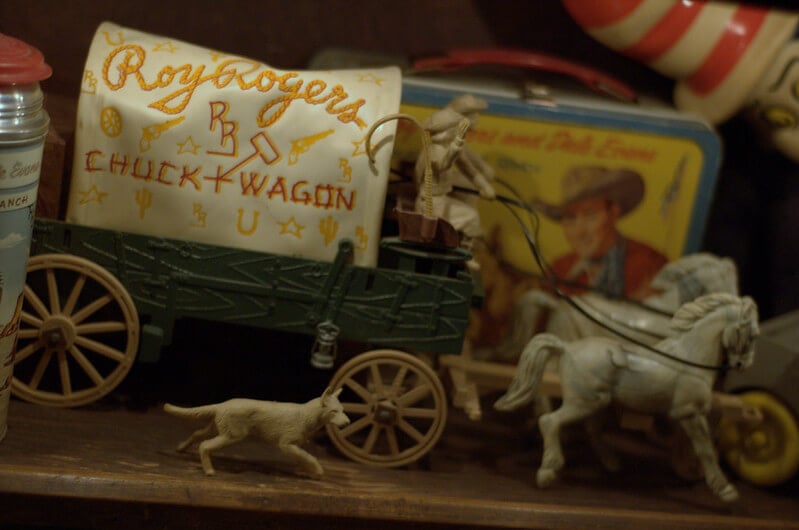
American Thermos introduced the Roy Rogers lunch box in 1953 with full-color lithography instead of a single decal, and it reportedly sold two and a half million in a year. The Double R Bar Ranch design showed Roy on Trigger, Dale Evans waving her hat, and their dog Bullet.
A lunch box with its thermos sells for roughly $75 to $100 today, while the box alone typically brings $50 to $80.
The Lone Ranger Atomic Bomb Ring
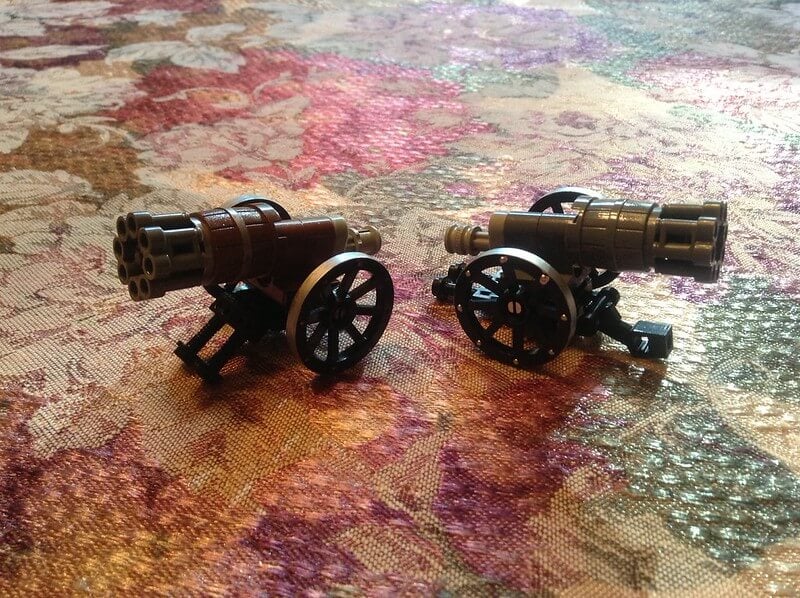
The Lone Ranger ran on ABC from 1949 to 1957 and became a merchandising juggernaut with premiums, toys, games, home furnishings, and costumes. Among the best remembered was the Atomic Bomb Ring, offered through Kix cereal in 1947.
The Smithsonian holds the black mask worn by Clayton Moore, molded to his face.
Zorro Merchandise
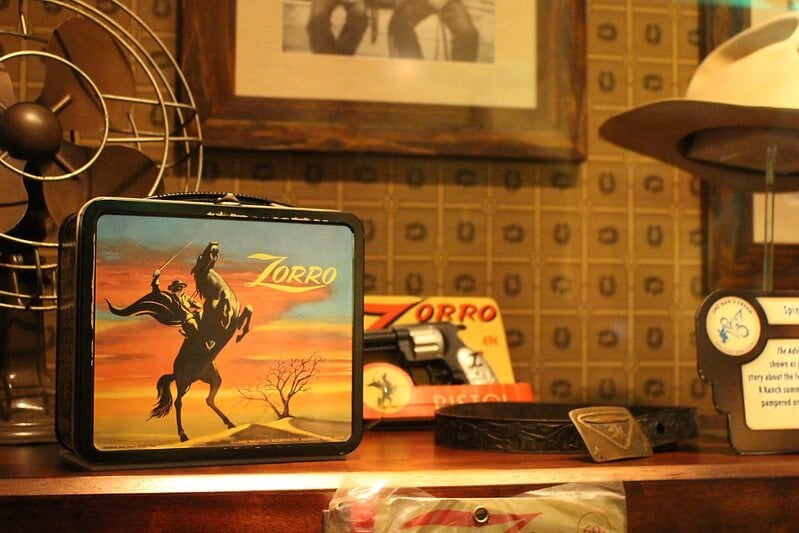
Disney’s Zorro debuted October 10, 1957, and more than 500 licensed items followed, including books, toys, puzzles, dinnerware, and clothing. Retailers had already sold large volumes of merchandise six months before the premiere.
Star Guy Williams was paid $2,500 a week plus royalties from merchandise, and complete charm bracelets with all their tiny charms are hard to find.
Tom Corbett Space Cadet Gear
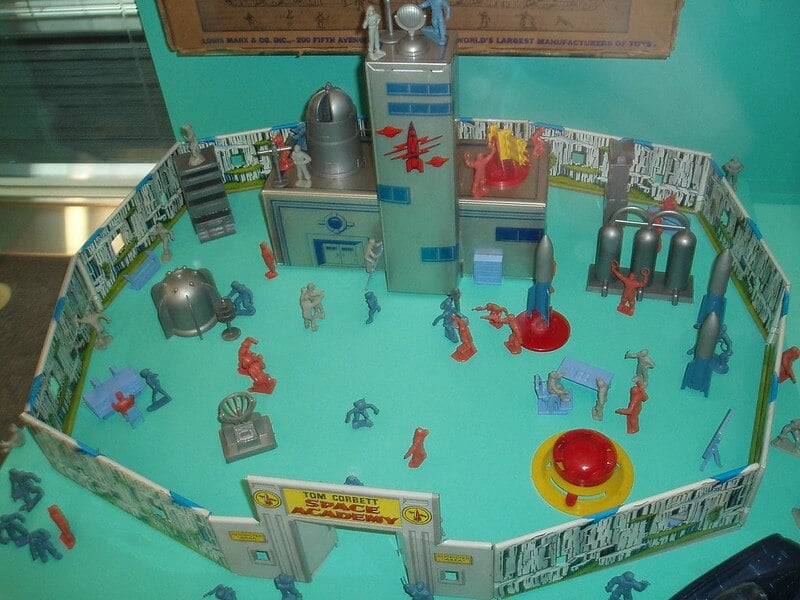
Tom Corbett, Space Cadet appeared on radio, television, and in comics during the 1950s, and its merchandise included a 1954 lunch box with matching thermos now held by The Henry Ford. A silvered brass Tom Corbett ring was offered through Kellogg’s cereal in 1952.
The show competed in a crowded field of space heroes whose mail-order premiums were among the best-remembered toys of 1949 through 1955.
The AMT Star Trek Enterprise Model
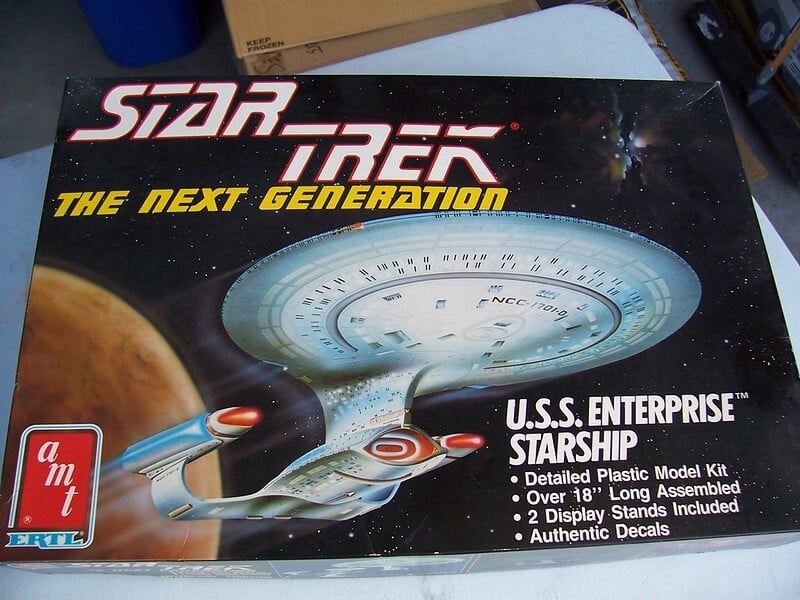
AMT acquired the license to produce Star Trek model kits on August 1, 1966, in exchange for help building sets and models for the studio. The 18-inch, 1:650-scale USS Enterprise kit, with 25 molded plastic parts, reportedly sold over a million copies according to its designer Matt Jefferies.
A roughed-up AMT model even stood in for the damaged starship Constellation in one episode.
Batmania Merchandise
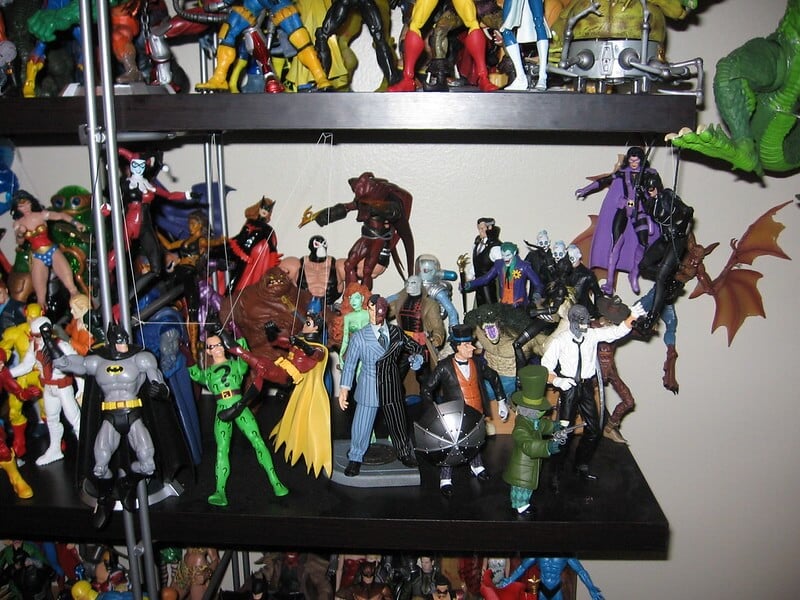
Batman premiered January 12, 1966, and sales of Batman merchandise that year exceeded $75 million, about 60 percent more than any year of James Bond merchandise. The Corgi Batmobile, introduced in 1966, sold almost five million between 1966 and 1983.
The original television Batmobile itself sold at auction in January 2013 for $4.62 million.
The Monkees Collection
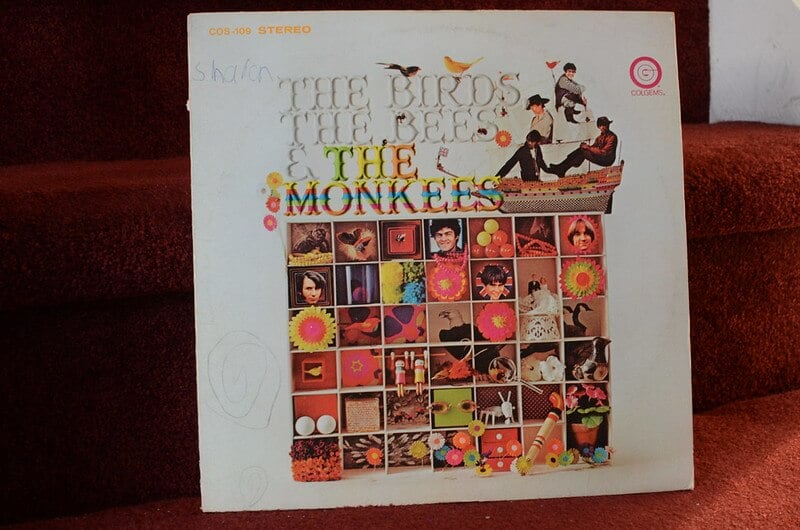
Photo by slgckgc, via Flickr, licensed CC BY 2.0
The Monkees arrived in 1966 with a flood of merchandise, including Mattel’s guitar with a crank-powered music box, a Mattel talking doll, lunch boxes, games, and toy Monkeemobiles. Donruss issued four series of 44 trading cards each across 1966 and 1967.
Complete card sets and boxed items cost far more than loose examples with creased corners.
The Beverly Hillbillies Lunch Box
Aladdin produced a Beverly Hillbillies lunch box and thermos in 1963. One example with edge wear sold for $276.71 in March 2024, while another sold for $447.44 in April 2025.
The spread reflects the usual rule for metal lunch boxes: a bright, dent-free box with its original thermos commands a premium over a scuffed one.
The Show You Could Carry to School
The thread running through these souvenirs is portability. A lunch box, a ring, or a hat let a child extend a program beyond the half hour it was on the air, and manufacturers learned quickly that character licensing could outsell the shows themselves.
That discovery shaped how entertainment has been sold ever since. The cardboard boxes and tin handles are reminders of a moment when a television hero first became something a child could buy.
More from Go2Tutors!

- 27 Silver Dollars and Half Dollars Worth Keeping
- 28 Restaurant Menu Items Nobody Orders Anymore
- 17 Places Built in Seemingly Impossible Spots
- 27 Vintage Rings Worth More Than They Look
- 25 Restricted Sites Tourists Can’t Enter
Like Go2Tutors’s content? Follow us on MSN.