17 unusual horse breeds you didn’t know existed
Most people only know a few common horse breeds, but the equine world is much wider than that. Hidden across different continents are horses that developed in isolation, shaped by unique environments and cultural needs.
Here are 17 horse breeds that rarely show up in typical stables but possess remarkable characteristics that set them apart.
Falabella
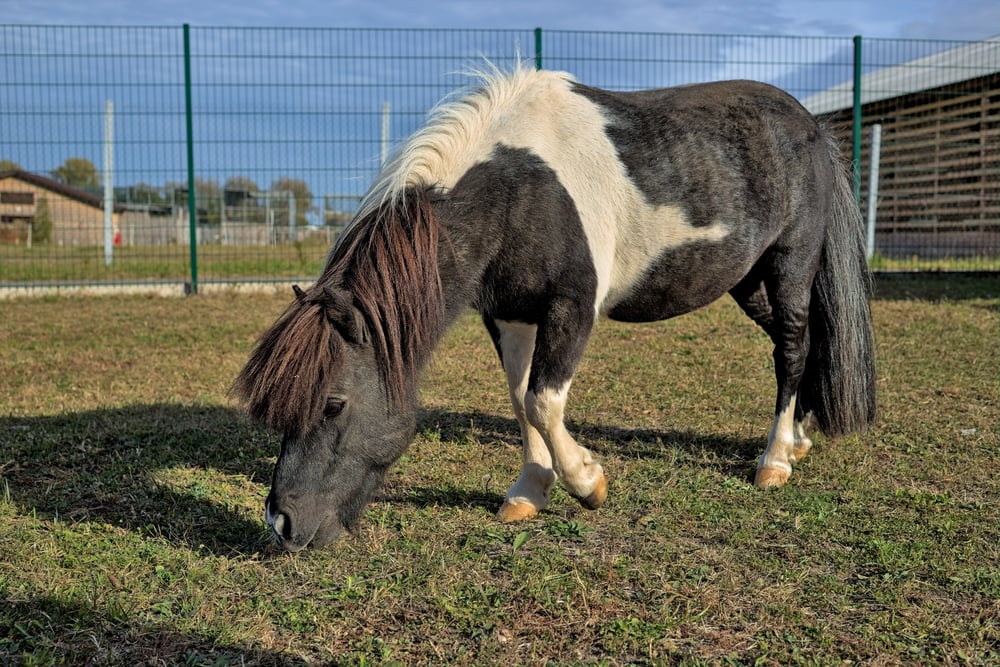
Argentina’s tiny Falabella maxes out at 28 inches tall — smaller than many dogs. Though often mistaken for ponies, they maintain proper horse proportions in miniature form.
Their gentle nature makes them perfect companions for families with children.
Konik

Poland’s konik carries ancient wild horse genetics in its compact frame. That dark stripe down its back hints at primitive ancestry, while its rough coat shows centuries of surviving harsh conditions.
These hardy animals thrive in nature reserves where they help manage landscapes through natural grazing.
Like Go2Tutors’s content? Follow us on MSN.
Icelandic horse

Iceland’s native horse packs incredible strength into its small body. Centuries of isolation created a genetically pure breed with the unique tölt gait — a smooth four-beat movement so comfortable riders can carry liquid without spilling.
Their thick winter coats and sure-footedness make them perfect for Iceland’s challenging terrain.
Nakhi pony

High in China’s mountains, the Nakhi people depend on these small but capable ponies for transportation through treacherous terrain. Their compact size becomes an advantage on narrow paths and steep climbs.
These ponies handle dangerous trails with calm confidence, making them essential for local transport and farming.
Cleveland bay

England’s Cleveland bay sports a distinctive reddish-brown coat, though their calm temperament and work ethic made them farm favorites long before looks mattered. Fewer than a few hundred remain worldwide, making them critically endangered.
Conservation efforts focus on maintaining their excellent disposition and strength.
Like Go2Tutors’s content? Follow us on MSN.
Karabakh horse

The Caucasus region produced this golden horse that shimmers in sunlight. Karabakh horses combine speed with elegance, once symbolizing nobility throughout Azerbaijan.
Political conflicts nearly drove them extinct, yet dedicated breeders work to restore their numbers. Their spirited nature reflects their homeland’s pride in this cultural treasure.
Paso fino
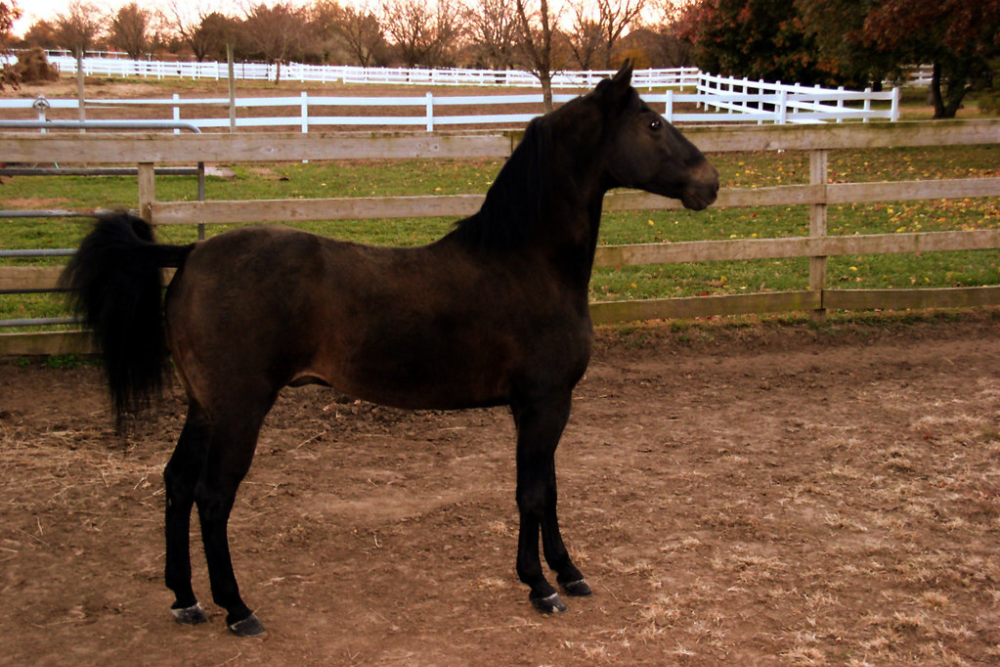
Latin American breeders developed the paso fino for comfort. Their natural four-beat gait eliminates bouncing that makes long rides uncomfortable on other horses.
Riders describe it as floating rather than riding — the smooth movement prevents fatigue even over extended distances.
Marwari

Those curved ears that nearly touch at the tips make Marwari horses instantly recognizable. India’s warrior history lives in their bloodlines — these horses carried nobles through countless battles.
Heat tolerance and bravery define this breed, while modern uses include ceremonial duties and police work.
Like Go2Tutors’s content? Follow us on MSN.
Caspian horse

Scientists thought this breed vanished until a 1960s rediscovery in Iran. Despite their small size, Caspians possess full horse characteristics rather than pony traits.
Their intelligence and gentle nature make them exceptional with children and beginning riders. The rediscovery added crucial pieces to equine evolutionary history.
Fjord horse

Norway’s fjord horse looks like it stepped from a Viking saga. That unique mane — trimmed to display the dark stripe through lighter hair — creates a distinctive mohawk effect.
Centuries of farming shaped these stocky animals that can pull heavy loads yet remain gentle enough for inexperienced riders.
Akhal teke
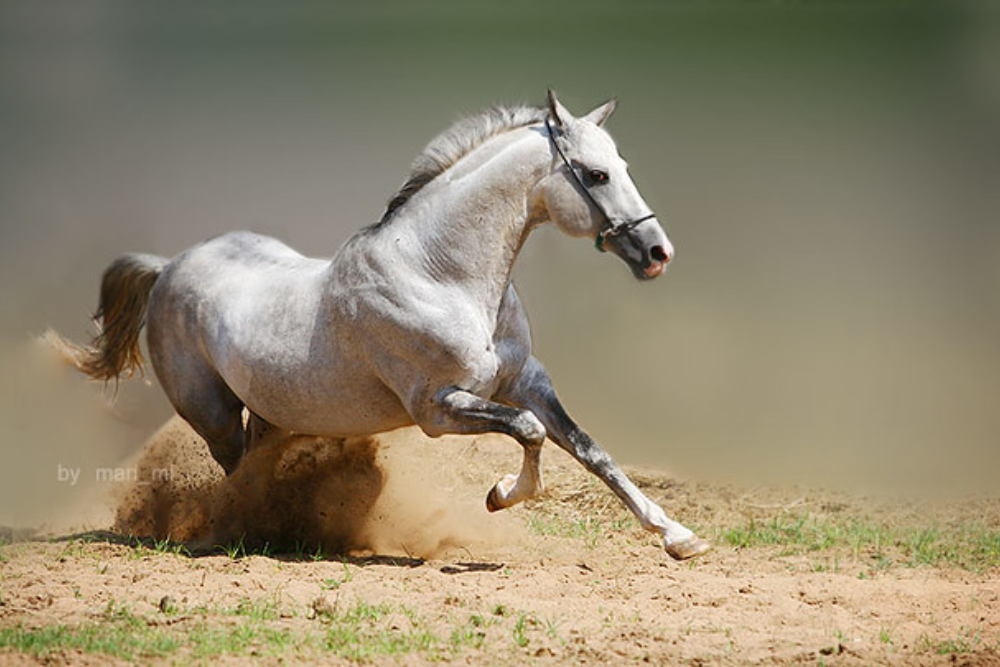
Turkmenistan’s Akhal-Teke appears crafted from precious metal with its supernatural metallic coat sheen. This ancient breed’s real value lies in endurance capabilities — they can travel incredible distances while forming strong bonds with humans.
Their lean build makes them natural choices for endurance competitions.
Like Go2Tutors’s content? Follow us on MSN.
Gypsy vanner
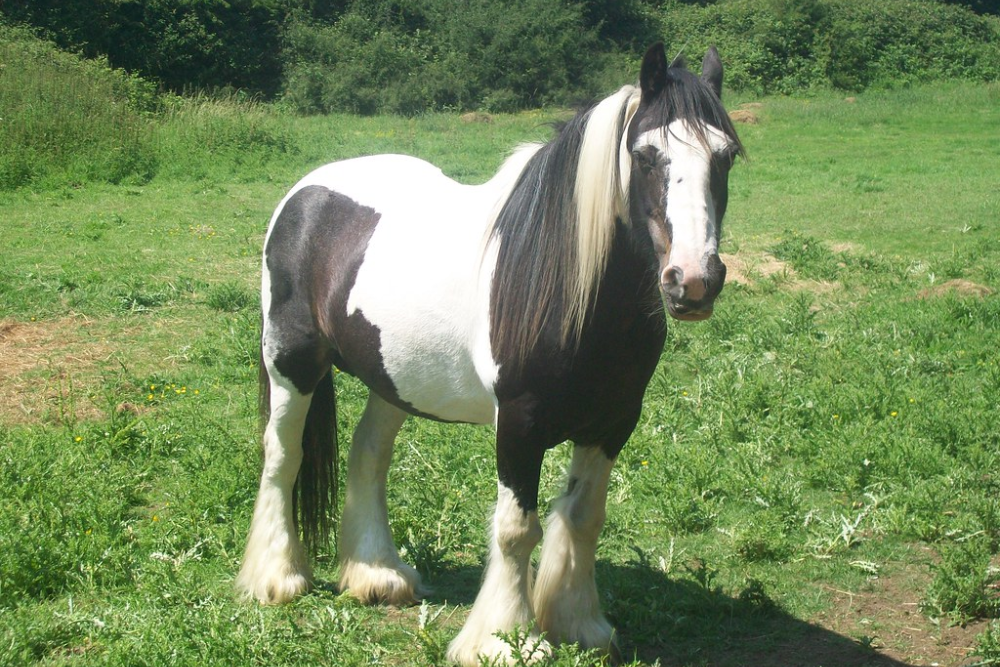
Romani families created this breed to pull wagons across Britain. Heavy leg feathering and flowing manes give them a fairy-tale appearance that matches their gentle temperament.
Their calm nature and striking looks have made them popular for therapeutic riding programs.
Gotland pony

Sweden’s Gotland Island has housed these lively ponies for over a thousand years. As one of Europe’s oldest native breeds, they’ve developed traits that help them thrive in harsh Scandinavian climate.
Their playful spirit and reliability make them favorites in riding schools.
Canadienne horse

French colonists brought ancestors of this breed to Canada in the 1600s, where harsh winters shaped them into hardy animals. They handle cold better than most breeds while requiring less feed.
Though their role in Canadian history was significant, conservation programs now work to preserve this rare breed.
Like Go2Tutors’s content? Follow us on MSN.
Shagya arabian

Hungarian breeders combined Arabian beauty with European practicality to create this versatile breed. The result exceeded expectations, producing horses that excel in both show rings and demanding competitions.
Their intelligence and willingness to learn keep them popular with riders needing reliable partners.
Ardennes horse

This heavy draft breed spans France, Belgium, and Luxembourg. Ardennes horses built their reputation through centuries of war, carrying supplies across battlefields with remarkable composure.
Modern uses focus on logging and agriculture where their patient nature proves invaluable despite their impressive size.
Camargue horse
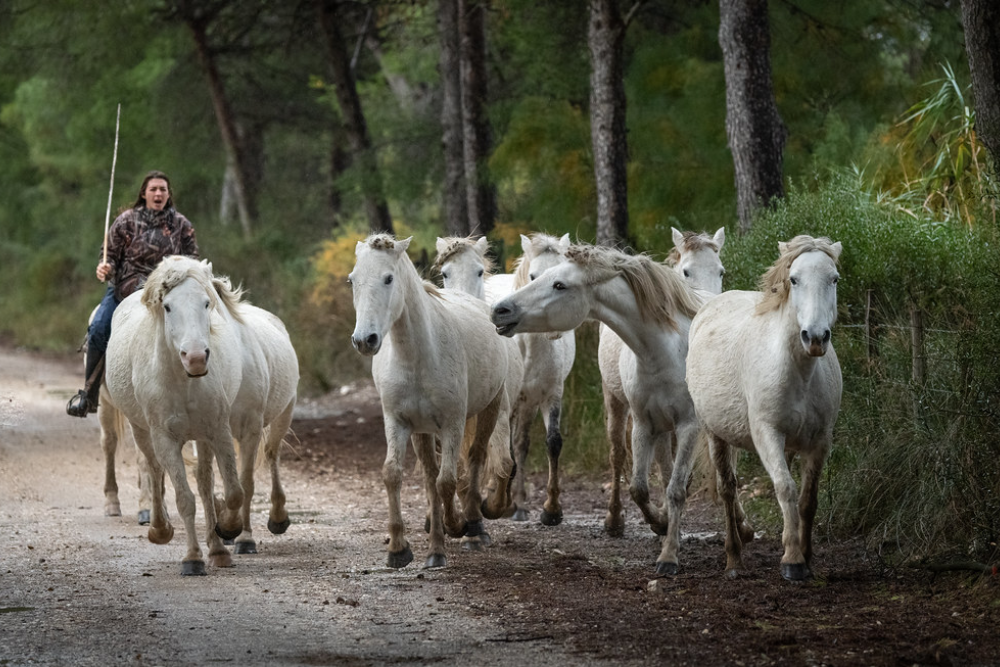
Southern France’s wetlands produced these tough white horses that grow up semi-feral before local cowboys train them. Their ability to work in waterlogged conditions makes them perfect for herding cattle through challenging marsh terrain.
Living outdoors year-round doesn’t faze these completely adapted animals.
Like Go2Tutors’s content? Follow us on MSN.
Living heritage in modern times

These remarkable breeds show how geography and culture shaped horses perfectly suited to their environments. From Argentina’s miniature Falabellas to France’s marsh-dwelling Camargues, each carries centuries of adaptation and partnership between humans and horses in their bloodlines.
More from Go2Tutors!

- 16 Historical Figures Who Were Nothing Like You Think
- 12 Things Sold in the 80s That Are Now Illegal
- 15 VHS Tapes That Could Be Worth Thousands
- 17 Historical “What Ifs” That Would Have Changed Everything
- 18 TV Shows That Vanished Without a Finale
Like Go2Tutors’s content? Follow us on MSN.



