Saturday Morning Cartoons That Defined the 90s
Saturday mornings in the 90s were pure magic. Kids across America would wake up early, grab their favorite cereal, and plant themselves in front of the TV for hours of animated bliss.
This wasn’t just mindless entertainment—these shows shaped childhoods, introduced complex themes, and created cultural touchstones that still resonate today. The 90s marked a golden era when animation studios took risks, networks competed fiercely for young viewers, and cartoons ranged from silly slapstick to surprisingly mature storytelling.
The decade gave us everything from superhero epics to zany comedies, from anime imports to homegrown classics. Here is a list of Saturday morning cartoons that defined the 90s.
Batman: The Animated Series
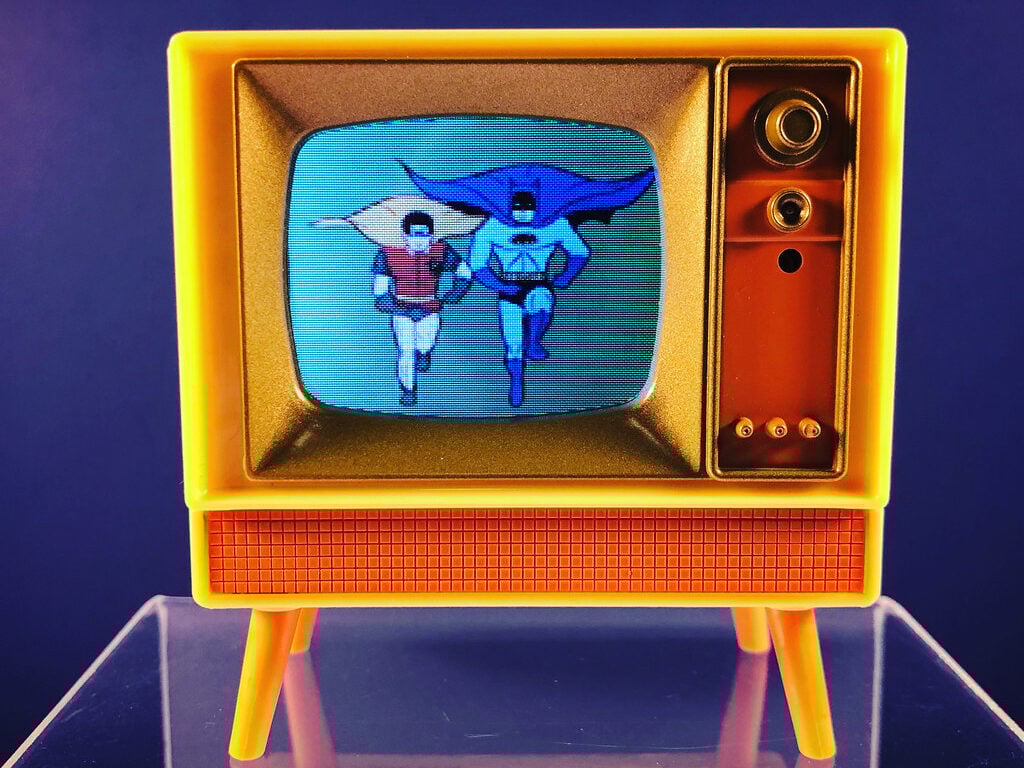
This groundbreaking show changed the superhero genre forever with its film noir-inspired animation style and dark, mature storytelling that captivated audiences of all ages. Kevin Conroy and Mark Hamill became the definitive voices of Batman and the Joker respectively, and the show’s success inspired several other incredible DC animated series including Batman Beyond and Justice League.
The series proved that cartoons could tackle serious themes without talking down to their audience, setting a new standard for animated superhero shows.
X-Men: The Animated Series
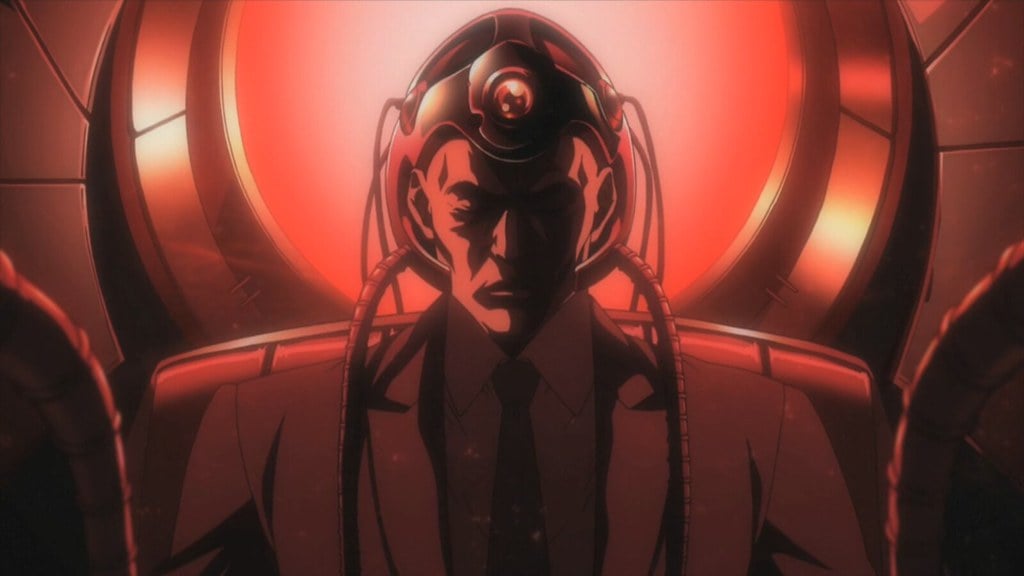
Starting in 1992, X-Men respected the intelligence and maturity of its audience by telling dark stories about prejudice, genocide, and world-ending threats that made these comic book characters a pop culture phenomenon. The show introduced a generation of kids to characters like Wolverine, Storm, and Gambit while blending action with real-world issues of prejudice and acceptance.
Its epic theme song still gets stuck in people’s heads decades later, and the show was so beloved it recently earned a sequel series on Disney+.
Animaniacs
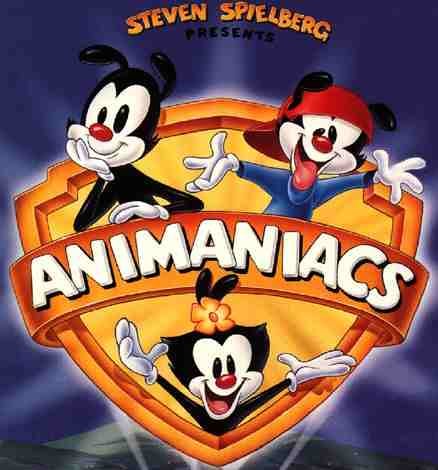
Steven Spielberg’s studio was unstoppable with this show that featured adult humor and pop culture references, making it beloved by the whole family rather than just kids. The Warner siblings—Yakko, Wakko, and Dot—delivered rapid-fire jokes, educational songs about geography and history, and satirical sketches that worked on multiple levels.
Parents could watch alongside their kids and catch references that flew right over younger viewers’ heads, making it one of the smartest cartoons of the decade.
Pinky and the Brain
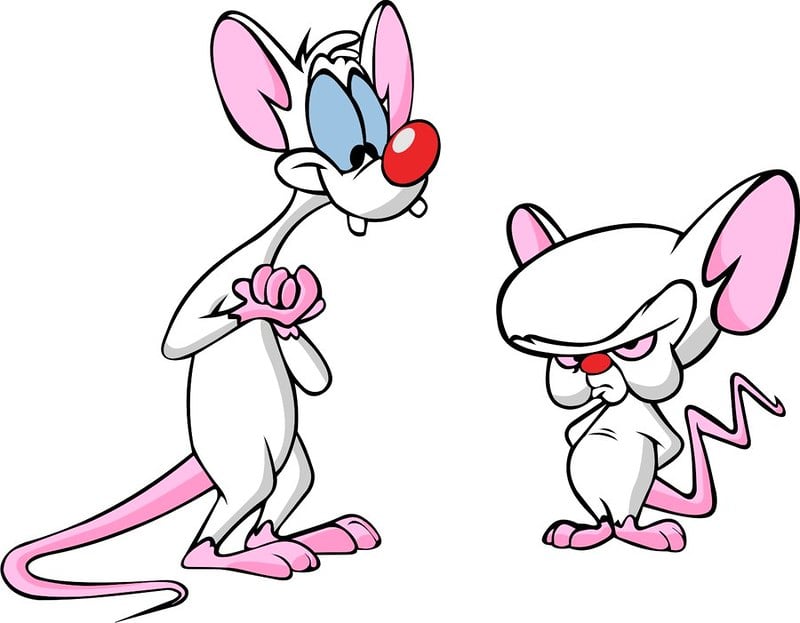
This duo first appeared on Animaniacs before getting their own spin-off show, with Pinky’s goofiness and Brain’s overconfidence making them an instant Saturday morning classic. Many adult jokes found their way into the show, with SAT-level vocabulary words appearing along with their definitions in the end credits, making it one of the few Saturday morning cartoons that was ahead of its time.
The simple premise—two lab mice trying to take over the world every single night—never got old thanks to Brain’s increasingly elaborate schemes and Pinky’s cheerful incompetence.
Rugrats
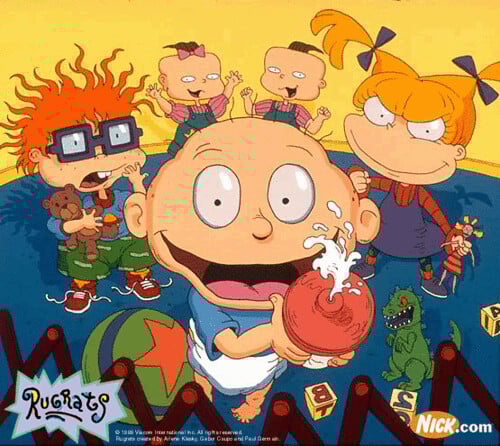
Following the imaginative adventures of Tommy Pickles and his baby friends, Rugrats showed the world from a baby’s hilarious perspective with a mix of humor and heart that made it a staple of Saturday morning and early Nickelodeon. The show turned mundane household activities into epic adventures through the eyes of toddlers who didn’t quite understand how the world worked.
Babies crawling through vents, escaping their playpens, and misinterpreting adult conversations became the foundation for genuinely creative storytelling that resonated with kids and adults alike.
Hey Arnold!
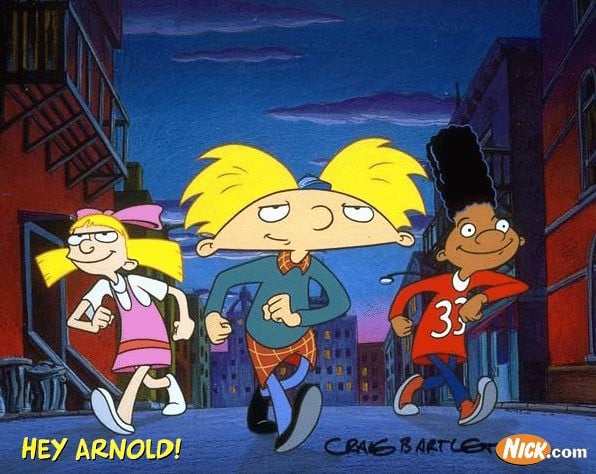
This show didn’t shy away from teaching kids that every family has problems, tackling the difficulties of dealing with poverty, addiction, and neglect while Arnold’s altruistic personality showed that we should be kind to everyone. The show was so popular during its original run from 1996 to 2004 that it saw two films based on the cartoon, including Hey Arnold!: The Jungle Movie in 2016.
Set in a diverse urban neighborhood, the series felt more real than most kids’ shows, dealing with issues like homelessness, broken families, and social anxiety without being preachy.
Dexter’s Laboratory
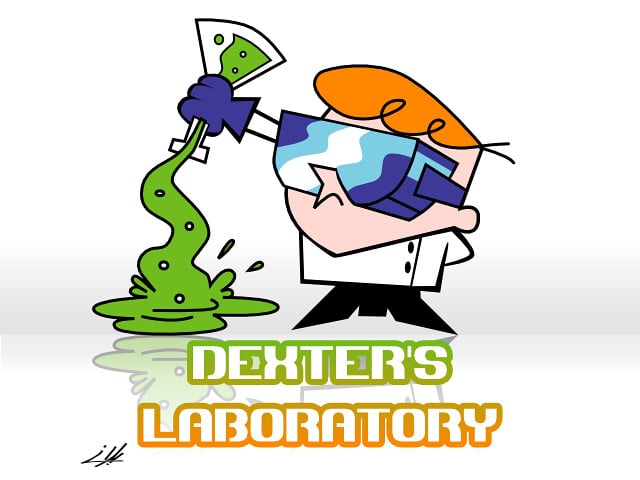
The show followed the adventures of the brilliant young scientist Dexter and his curious and mischievous sister Dee Dee, and his thick accent—which was imitated by many fans—added to the show’s charm and made it all the more enjoyable to watch. The dynamic between the genius boy with a secret laboratory and his annoying sister who constantly ruins his experiments created perfect comedy.
Dexter represented every kid who felt smarter than the adults around them, while his elaborate inventions sparked imaginations about what you could do with your own hidden lab.
Recess
This long-running animated series explored schoolyard politics among a group of elementary school kids at Third Street School, with each member of the gang representing a different type—the leader, the tough one, the egotist, the genius, the big teddy bear, and the insecure one. The show glorified breaktimes and made kids wish for a playground with the jungle gym they had, while teaching the lesson to never be like slimy Randall because no one likes a tattletale.
The show treated the elementary school playground like a miniature society with its own rules, hierarchies, and traditions.
Spider-Man: The Animated Series
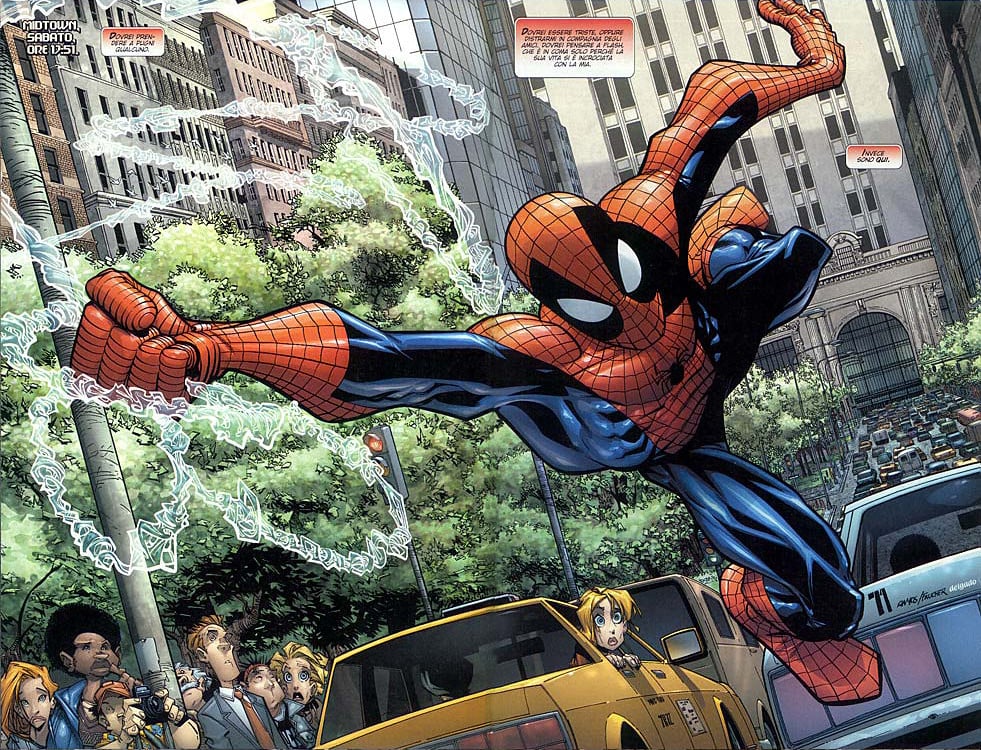
This animated series had a more significant cultural impact than the later films, bringing us more memes than any other 90s cartoon. A notable episode called ‘The Mutant Agenda’ saw Peter Parker cross paths with the X-Men, and while the crossover between the two franchises was exciting, Peter’s first meeting with them proved that the show was as funny as it was dramatic.
The series balanced action, humor, and genuine stakes while introducing kids to Spider-Man’s entire rogues’ gallery from Venom to the Green Goblin.
Gargoyles
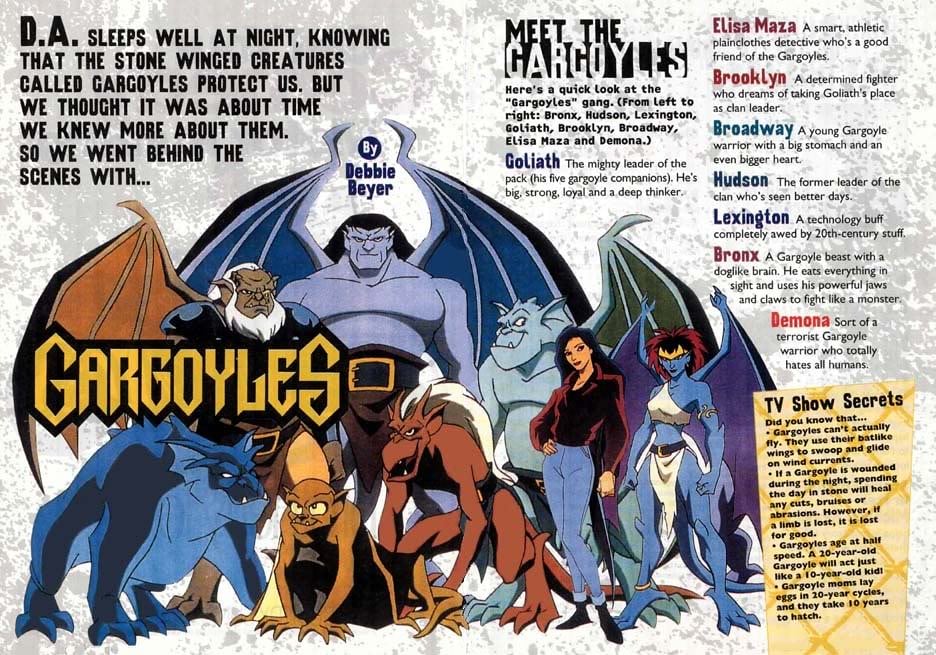
This darker Disney cartoon followed a group of ancient gargoyles awakened in modern-day New York City after being cursed to sleep in stone for a thousand years following a betrayal by their human allies. With complex characters, epic storytelling, and a gothic tone, it became a cult classic among 90s kids.
The show took mythology seriously, weaving in Shakespeare references and exploring themes of loyalty, revenge, and finding your place in a world that’s moved on without you.
The Tick
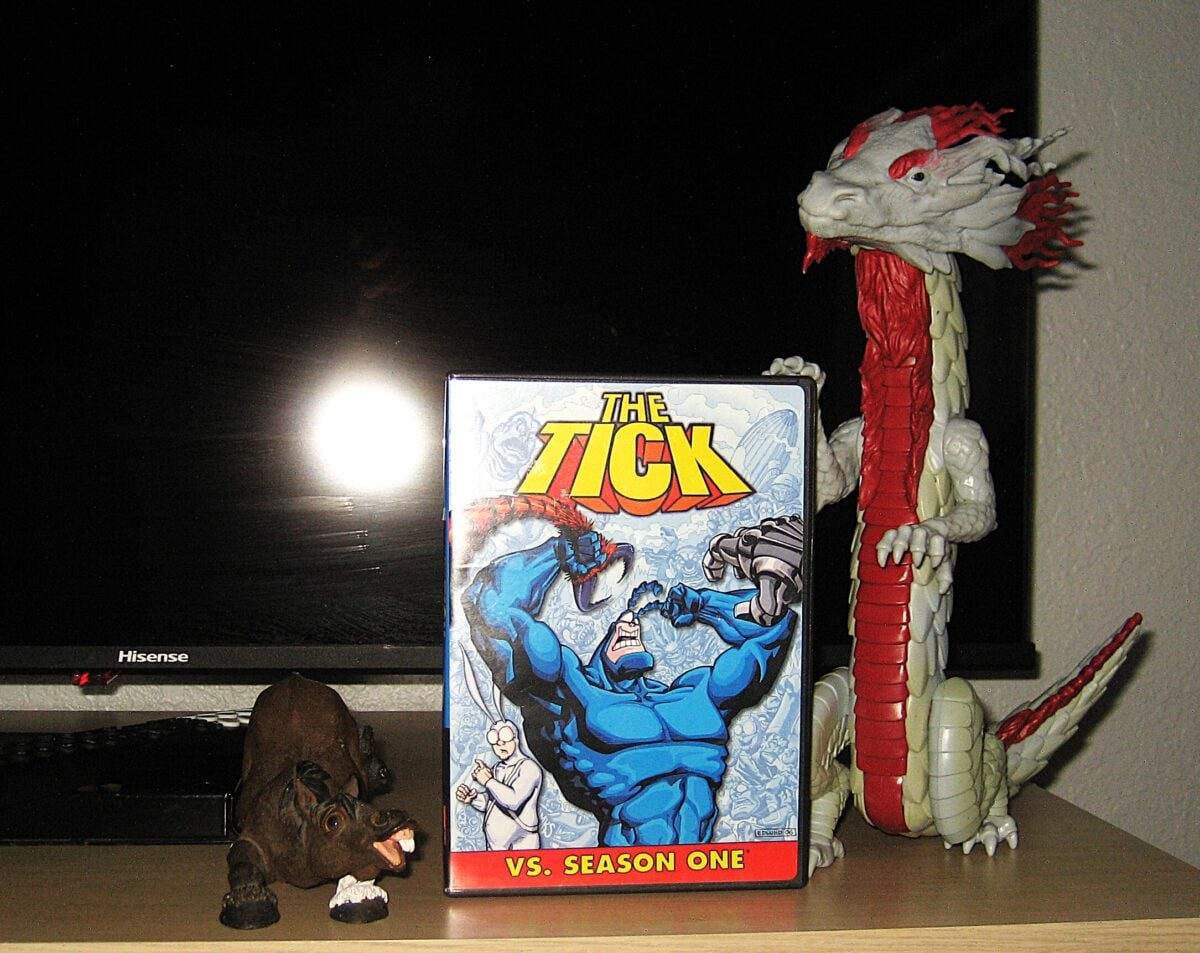
This show was famous for its satire and parodic focus on superhero culture, mocking nearly every aspect of superhero storytelling with villains plotting ridiculous crimes like writing their name on the moon with a heat ray. The show stood out amidst the X-Men and Batman series that aired alongside it, as The Tick was purely comedic and subverted the tropes comic book fans had come to expect.
The indestructible blue hero with the intelligence of a golden retriever delivered absurdist humor that worked because everyone played it completely straight.
Pokemon
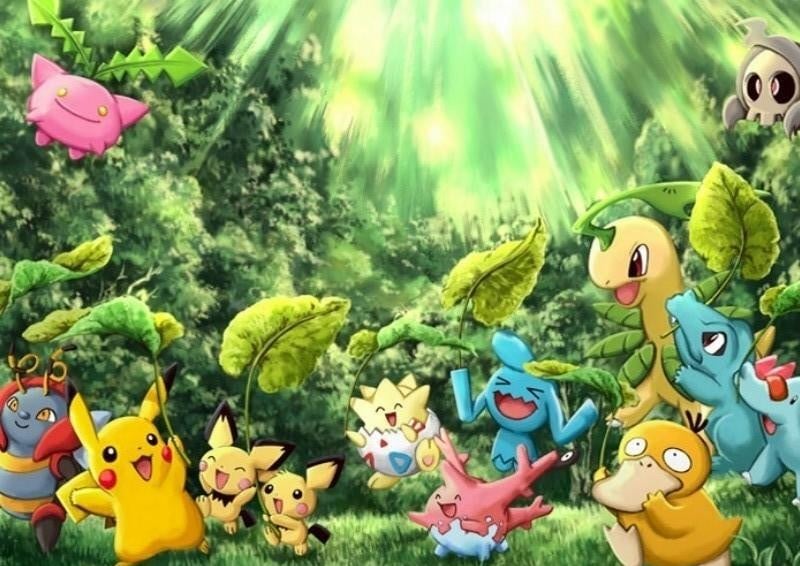
The adventures of Ash, Pikachu, and their friends trying to catch ’em all became a global phenomenon, with kids rushing from their cereal bowls to the TV each Saturday to see battles with Team Rocket. The anime didn’t just launch a cartoon—it sparked a merchandising empire that included video games, trading cards, toys, and movies.
Kids everywhere memorized the names of hundreds of creatures and debated which starter Pokemon was best, turning the show into a cultural movement.
Garfield and Friends
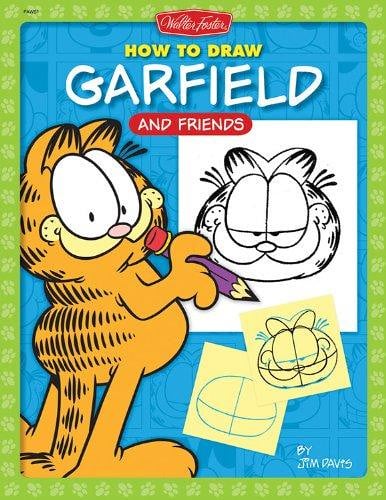
The lazy orange cat transitioned from comic strips to Saturday morning TV with style, bringing his sarcastic humor and hatred of Mondays to animated life. The show actually featured two segments—Garfield’s suburban adventures with Jon and Odie, and U.S. Acres, which followed barnyard animals in their own silly situations.
Garfield’s dry wit and relatable laziness made him the perfect cartoon character for kids who just wanted to sleep in and eat lasagna.
Power Rangers
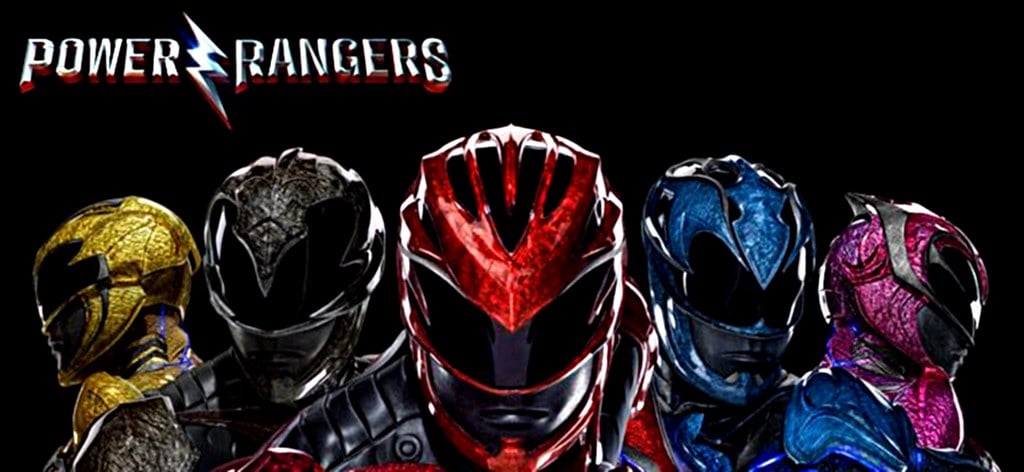
The Power Rangers phenomenon started in the early 1990s with Mighty Morphin Power Rangers and has endured for over three decades. The show blended live-action martial arts sequences with Japanese monster footage, creating something completely unique on Saturday mornings.
Five teenagers with attitude morphing into color-coded superheroes to fight rubber-suited monsters became an instant obsession, spawning countless toys, Halloween costumes, and playground karate moves.
CatDog
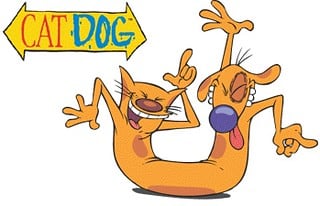
This cartoon was released later in the decade but still encapsulates that 90s spirit, with a bonkers synopsis that is an excellent example of how cartoons can break the conventional. The premise was simple but weird—a conjoined animal that’s half cat and half dog, sharing one body with a feline head on one end and a canine head on the other.
The physical comedy alone was worth watching, but the show also explored how two completely opposite personalities navigate life when they’re literally stuck together.
Sailor Moon
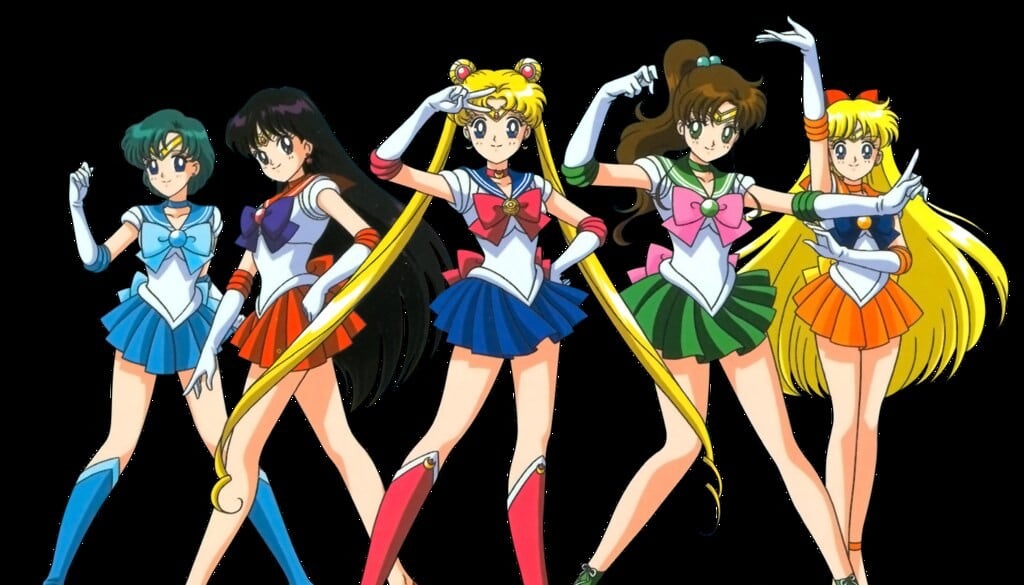
The magical girl series introduced many American kids to anime with its mix of friendship, romance, and battles against evil, with transformation sequences and catchy theme songs that became Saturday morning staples. Running from 1991-1997, the original series was so popular among fans that it spawned a decades-long franchise including sequel series, reboots, a hit toy line, and collectible manga volumes.
The show brought Japanese animation style to mainstream American audiences and featured strong female characters saving the world, which felt revolutionary at the time.
When Cartoons Ruled the Morning

The Saturday morning cartoon era didn’t just fade away—it was systematically dismantled by changing regulations, competition from cable networks, and the rise of streaming services that made scheduled programming obsolete. By the 2010s, major networks abandoned the format entirely, with The CW airing its last non-educational cartoon in 2014.
These shows represent more than just entertainment—they were shared cultural experiences that shaped how an entire generation viewed storytelling, humor, and even social issues. The kids who woke up early to watch these cartoons are now adults who stream them for their own children, proving that great animation transcends its original timeslot.
More from Go2Tutors!

- The Romanov Crown Jewels and Their Tragic Fate
- 13 Historical Mysteries That Science Still Can’t Solve
- Famous Hoaxes That Fooled the World for Years
- 15 Child Stars with Tragic Adult Lives
- 16 Famous Jewelry Pieces in History
Like Go2Tutors’s content? Follow us on MSN.