18 Archaeological Finds Beneath Familiar Public Places
Some of the most important archaeological discoveries were never planned digs. They surfaced while crews were laying subway lines, pouring foundations for offices, or clearing space for a new building, and the people working above had to decide what came next.
The sites below sit under squares, stations, courthouses, and car parks that millions of people cross without noticing. In several cases, a building project was redesigned, delayed, or reshaped to keep the finds in place.
Mexico City’s Templo Mayor
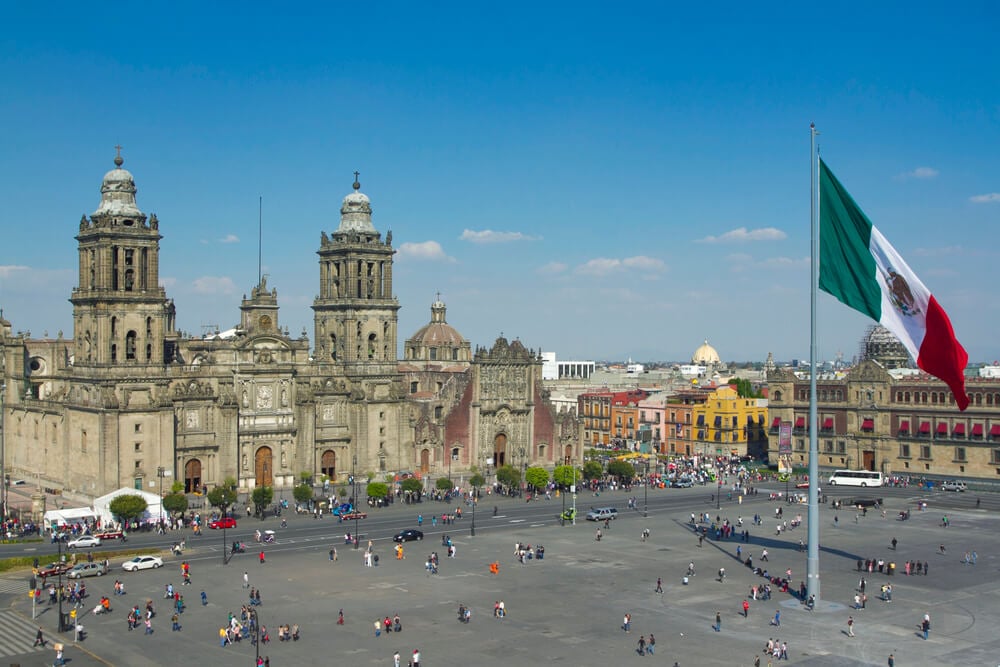
On February 21, 1978, electrical workers digging in downtown Mexico City uncovered a huge carved stone disk showing the dismembered goddess Coyolxauhqui. The find led to a major excavation of the Aztec Templo Mayor, directed by the archaeologist Eduardo Matos Moctezuma.
The ruins now sit beside the Metropolitan Cathedral, a few steps from the Zócalo.
A Wind Temple Inside Pino Suárez Station
Builders of the Mexico City metro found the base of a temple dedicated to Ehécatl, the Aztec wind god, in 1967, and the line was redesigned around it. Pino Suárez station opened on September 5, 1969, with the circular temple preserved inside.
Commuters pass it on the way to the trains.
Kraków’s Underground Market Square
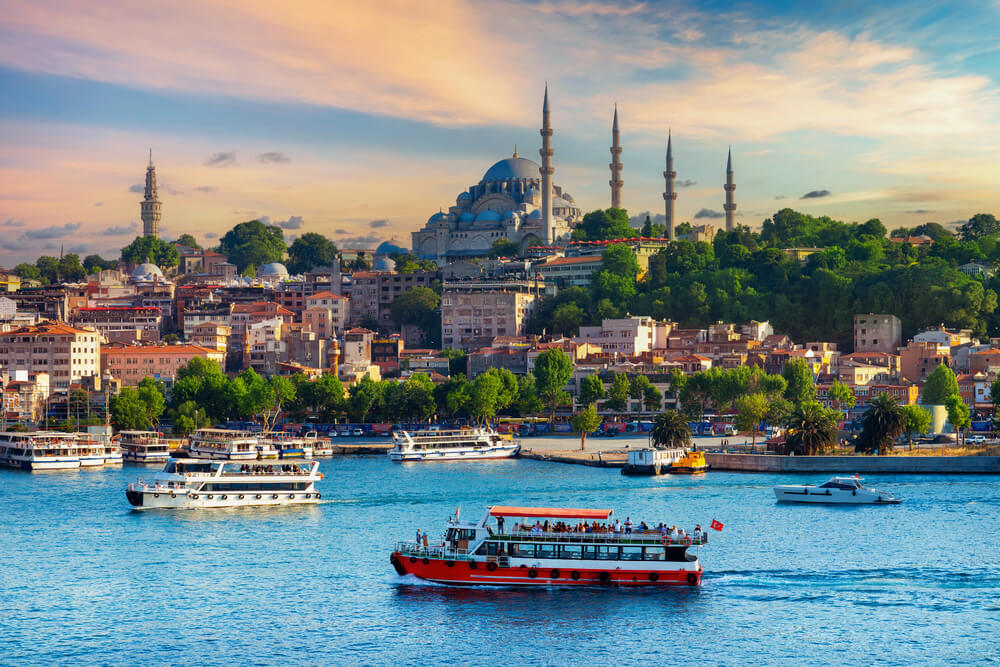
Excavations beneath Kraków’s Main Market Square ran from 2005 to 2010 and uncovered medieval market stalls, roads, and trade goods about four meters below the cobblestones. The finds cover roughly 4,000 square meters.
The Rynek Underground museum opened on September 24, 2010, with a walkway through the preserved trading town.
Istanbul’s Yenikapı Harbor
Work on the Marmaray rail tunnel at Yenikapı led to excavations that began in 2004 and exposed a Byzantine harbor with 37 shipwrecks dating from the fifth to the eleventh century. Beneath the harbor layers lay Neolithic remains about 8,500 years old, among the oldest traces of settlement in the city.
The discovery forced major delays to the transit project.
New York’s African Burial Ground
In 1991, construction of a federal office building in lower Manhattan struck a colonial-era cemetery, and workers recovered 419 sets of remains. Historians estimate that as many as 15,000 enslaved and free Africans were buried at the site.
The remains were reburied in October 2003, and the site was named a National Monument on February 27, 2006.
A Colonial Ship at the World Trade Center
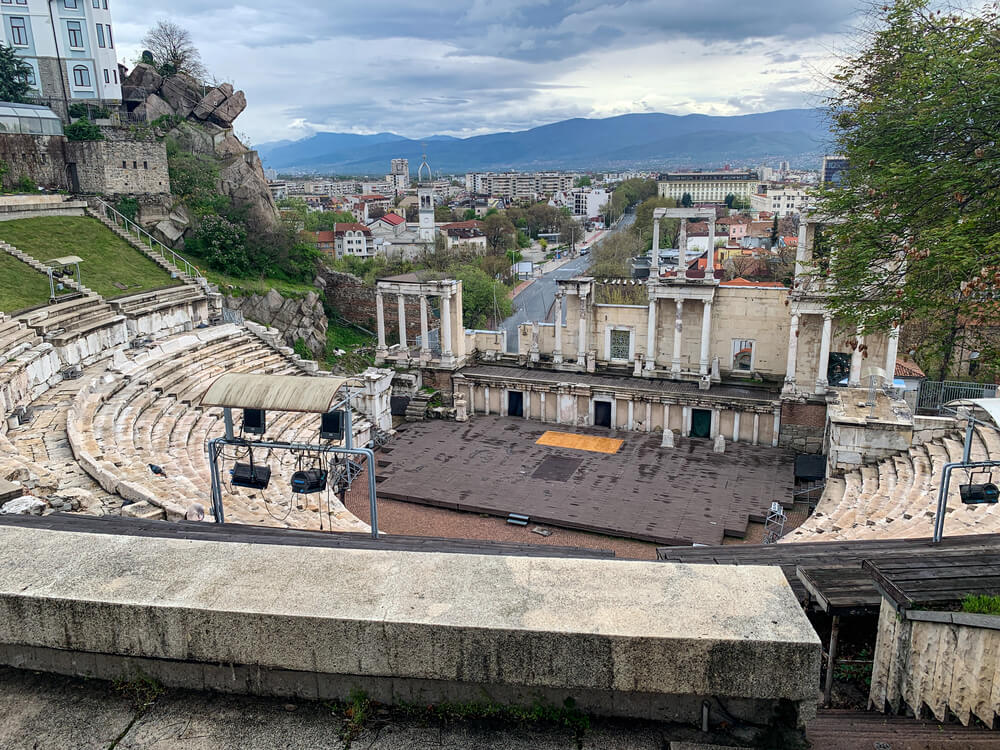
In July 2010, excavators digging for a security center at the World Trade Center site uncovered a 32-foot section of a wooden ship’s hull. Analysis showed it to be a sloop built around 1773 near Philadelphia.
A vessel that once sailed colonial waters had ended up buried beneath lower Manhattan.
London’s Roman Amphitheatre Below the Guildhall
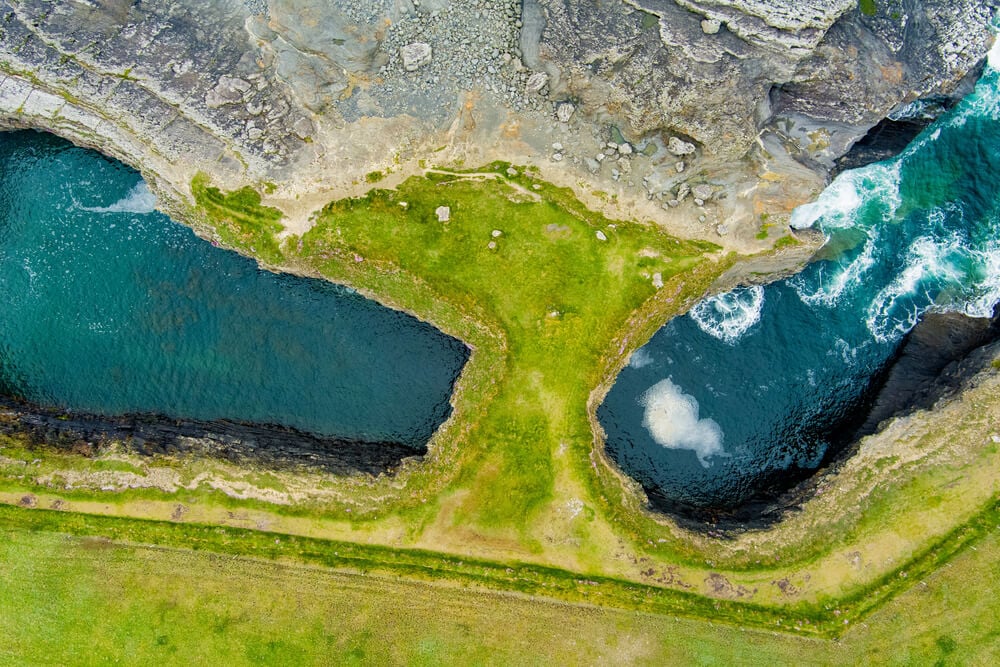
Builders working on the Guildhall Art Gallery in 1988 found the remains of the Roman amphitheatre of Londinium about eight meters below the street. The discovery changed the plans for the gallery’s basement.
The remains opened to the public in 2002, inside the gallery.
Dublin’s Wood Quay
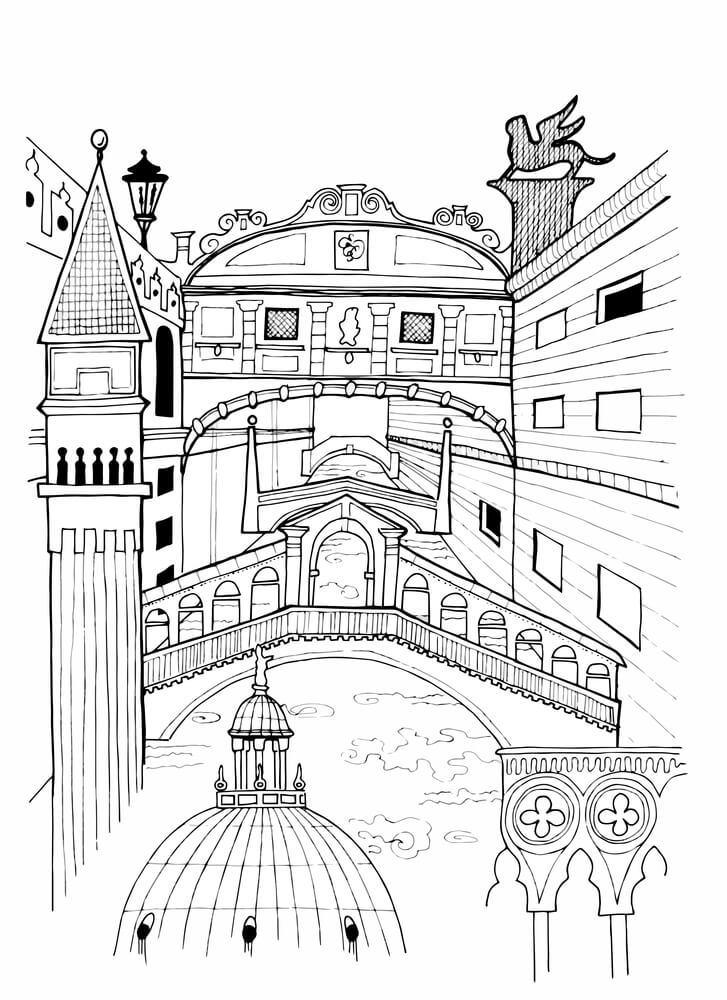
Excavations at Wood Quay in the 1970s uncovered a Viking-age settlement in the heart of Dublin. On September 23, 1978, about 20,000 people marched in protest against plans to build city offices on the site.
The excavation ended in March 1981, and the offices opened in 1986.
London’s Rose Theatre
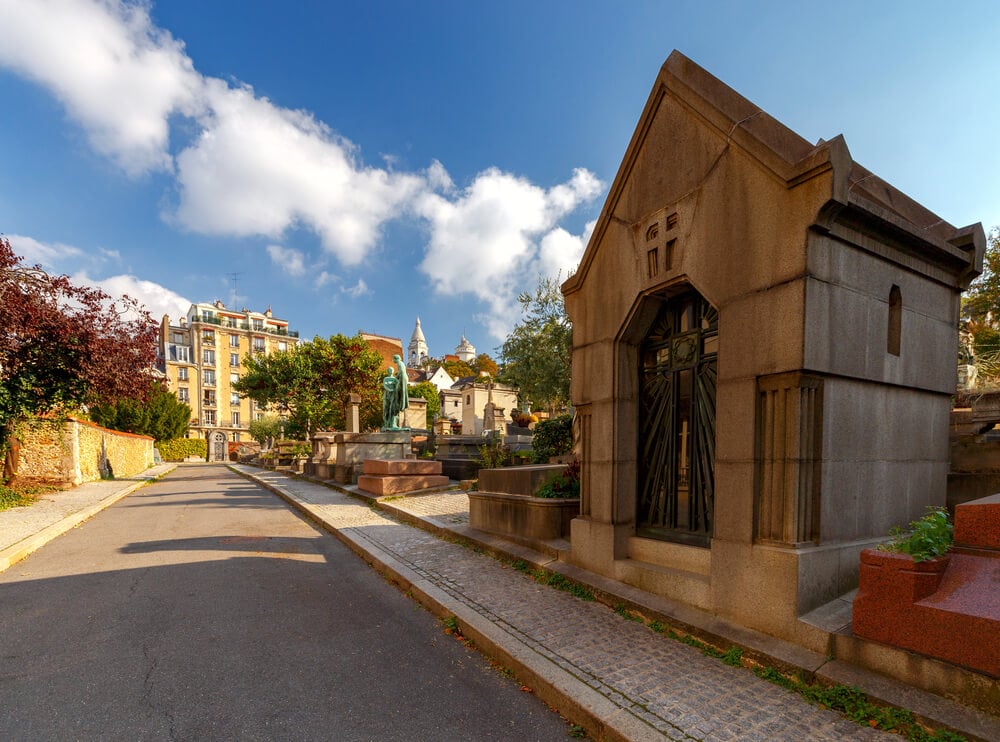
Philip Henslowe built the Rose Theatre on the Southwark bankside in 1587, and it became an early venue for the plays of Christopher Marlowe. Its remains were found in 1989 during construction of an office block.
A public campaign, supported by well-known actors, pressed to save the site, and the developer redesigned the building to leave the foundations preserved.
Marseille’s Jardin des Vestiges
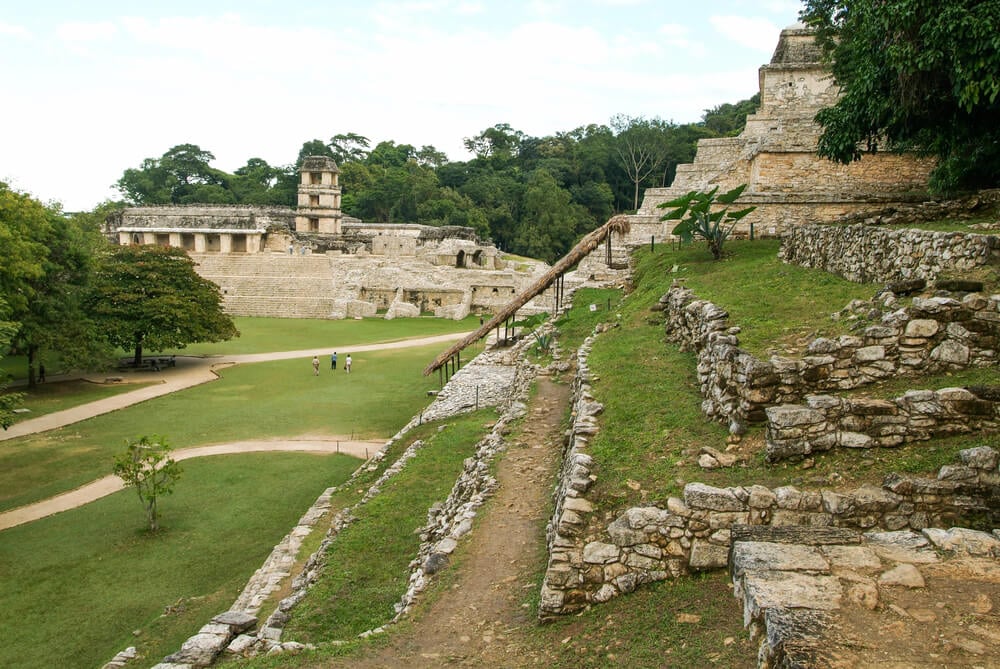
Construction of the Centre Bourse shopping center in 1967 exposed the remains of the ancient Greek harbor of Massalia, founded around 600 BC by Greek colonists from Phocaea. The excavated quay now forms an archaeological garden beside the shopping center.
Visitors can walk past the ancient docks while shoppers pass above.
Barcelona’s El Born
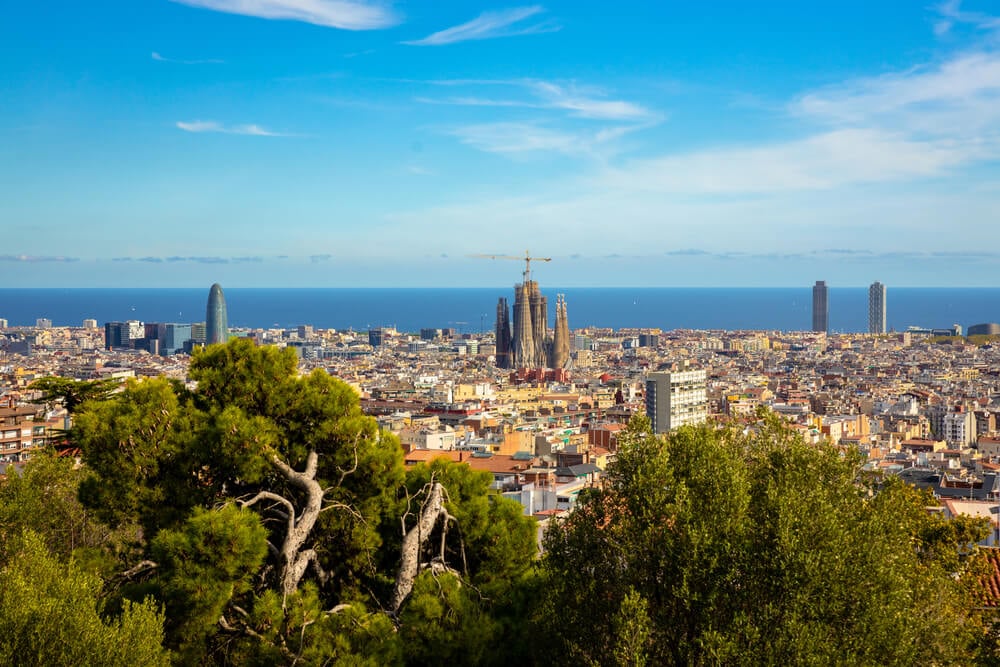
Workers renovating a nineteenth-century iron market hall in 2001, a building planned to become a library, uncovered the streets and houses of the Ribera quarter. The district was demolished after the siege of 1714, when Philip V’s forces captured the city.
The site opened in 2013 as a cultural center.
Rome’s Largo di Torre Argentina
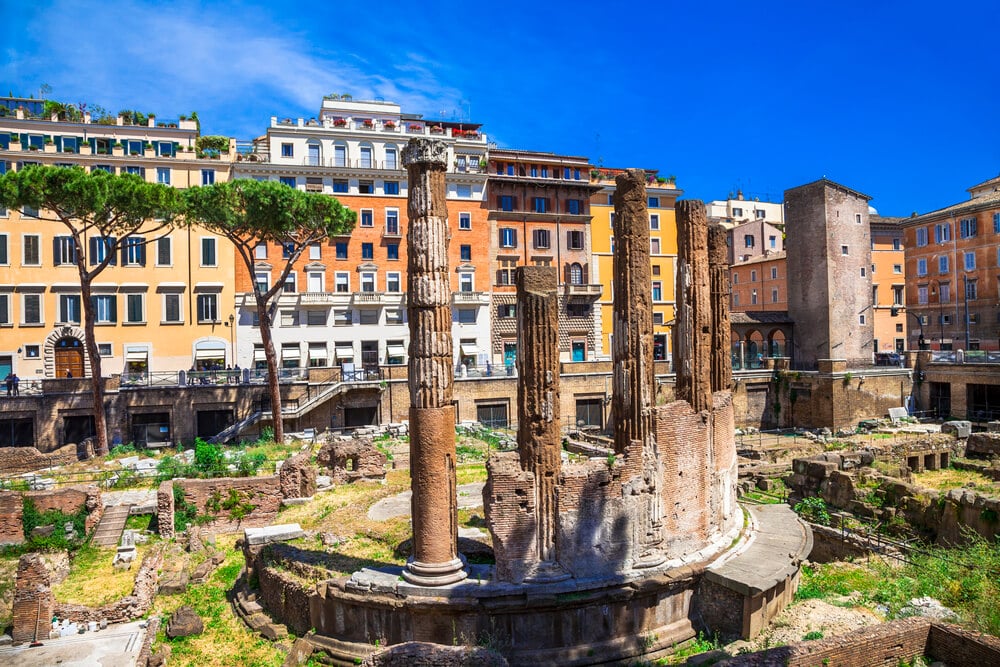
Four Republican-era temples emerged in the late 1920s while crews cleared the area for new construction. The site also holds remains of the Curia of Pompey, the place traditionally linked to the assassination of Julius Caesar in 44 BC.
It opened to visitors in June 2023 with funding from Bulgari, and stray cats have long lived among the ruins.
Vienna’s Michaelerplatz
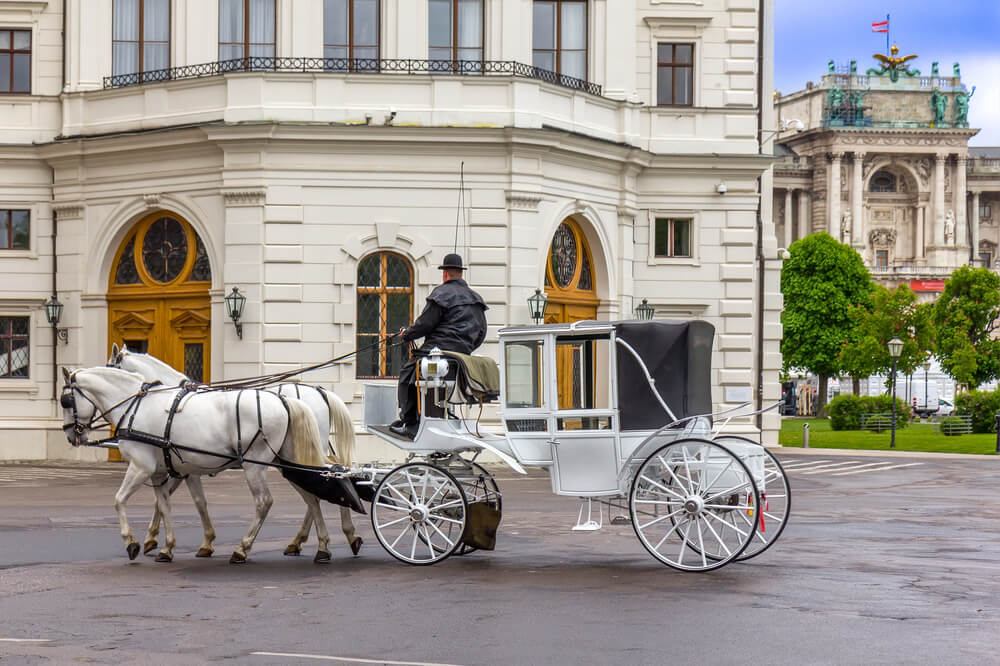
Excavations at Michaelerplatz between 1989 and 1991 exposed the ruins of Roman and medieval buildings in the middle of the square near the Hofburg palace. Visitors can look down into the excavated area through a viewing opening at street level.
The remains sit in the open, beside the traffic and the tourists.
Paris’s Archaeological Crypt
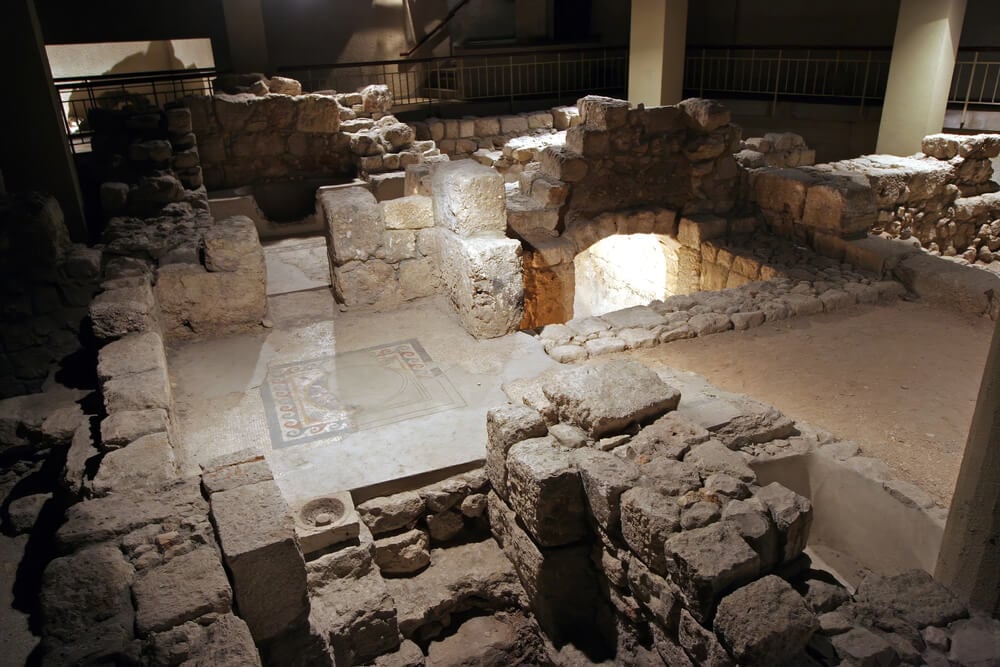
Between 1965 and 1972, crews digging beneath the forecourt of Notre-Dame for a planned underground parking garage uncovered the remains of Roman Lutetia. The parking plan was dropped, and the site opened in 1980 as the Archaeological Crypt.
It holds Gallo-Roman walls and later foundations just below the pavement.
Leicester’s King in the Car Park
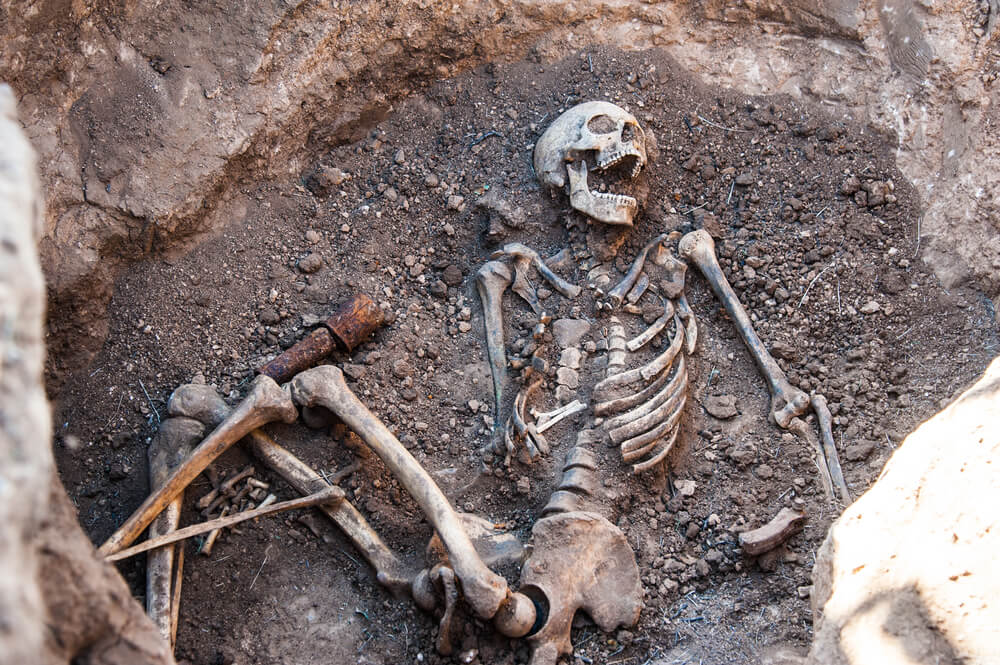
In August 2012, archaeologists began digging beneath a Leicester City Council car park on the former site of the Greyfriars friary, and they found a skeleton on the first day. DNA from a living descendant confirmed on February 4, 2013, that the remains were those of King Richard III.
He was reburied at Leicester Cathedral on March 26, 2015.
York’s Coppergate
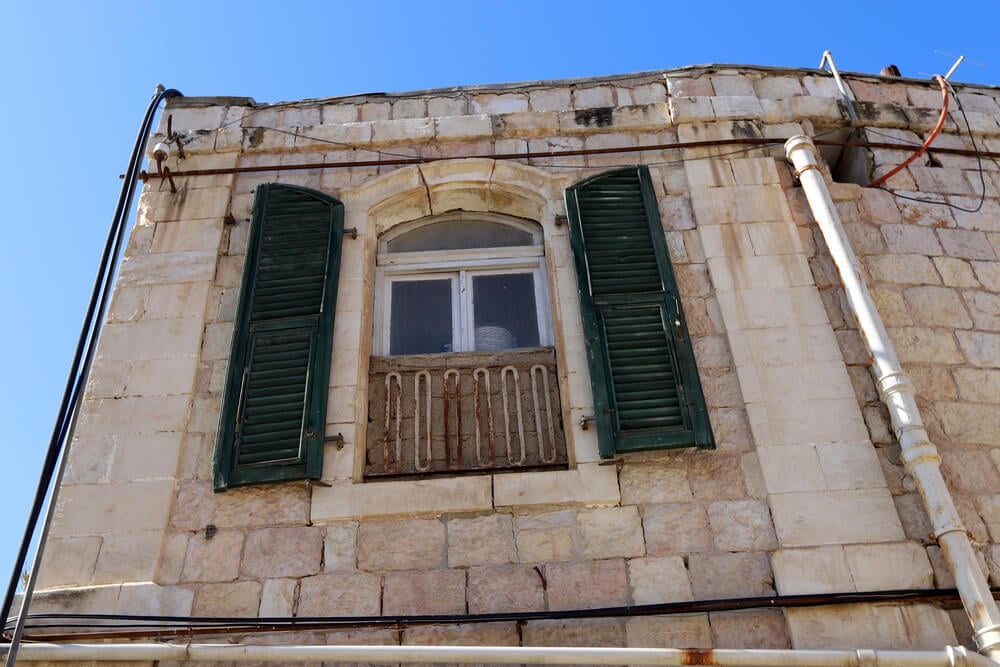
Excavations at Coppergate in York from 1976 to 1981, carried out ahead of a shopping development, found wood-lined Viking-age buildings preserved by waterlogged soil. An Anglo-Saxon helmet from the eighth century turned up in a pit in 1982.
The Jorvik Viking Centre opened on the site in 1984.
Athens and Its Metro
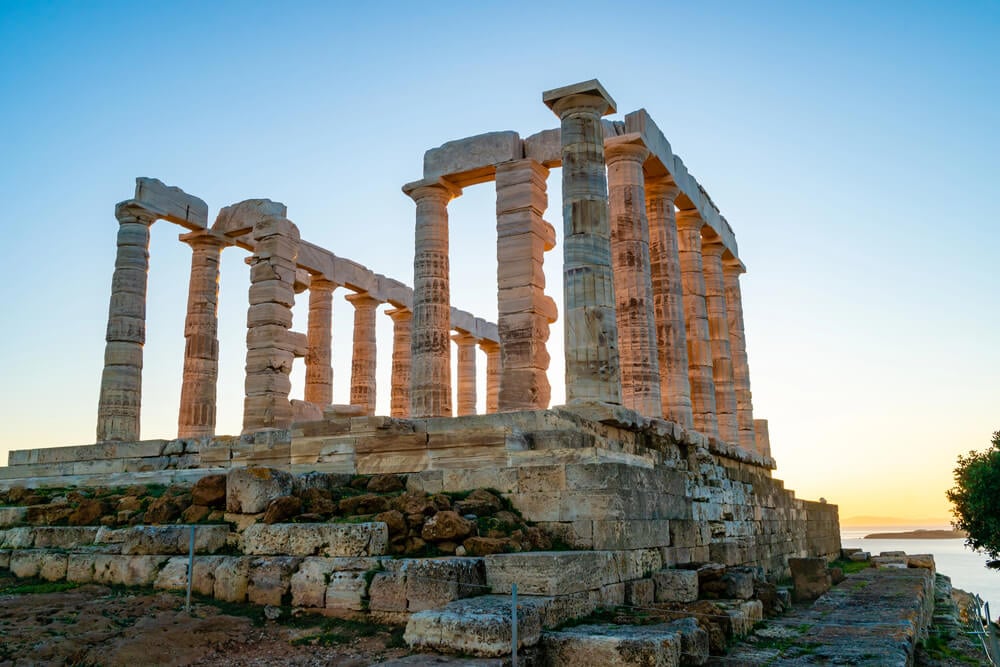
Digging for the Athens metro, which opened in 2000, turned the project into a vast urban excavation that exposed layers of the ancient city. Several stations now display finds from the dig.
Passengers can see pieces of the city’s past on their way to work.
Philadelphia’s President’s House
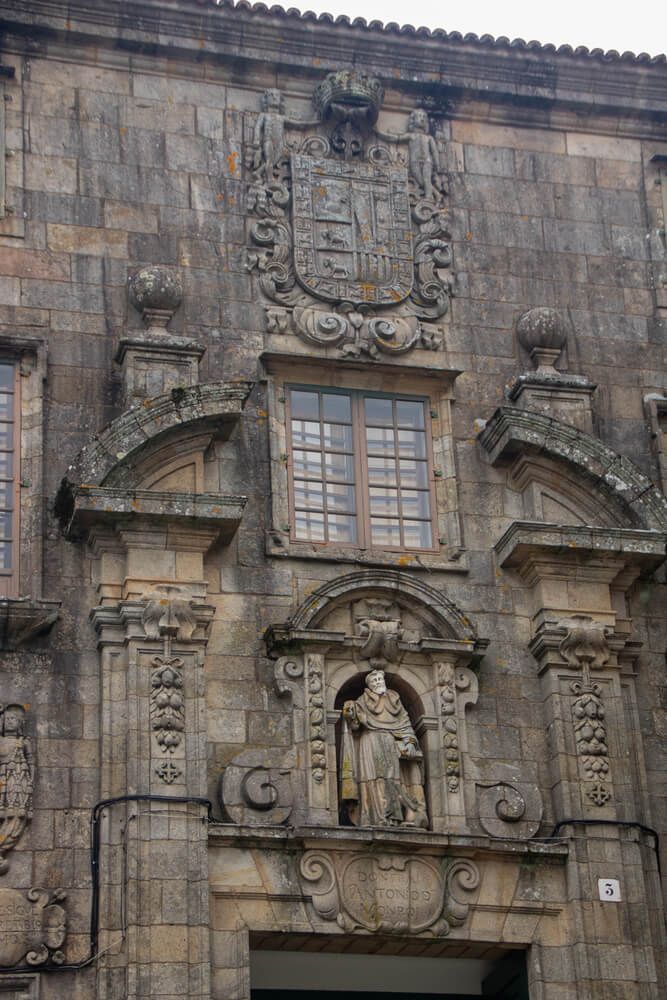
Excavations in 2007 exposed the foundations of the house where George Washington lived during his presidency in Philadelphia. The dig also revealed the area where nine enslaved Africans held by Washington lived and worked.
A memorial opened on the site on December 15, 2010, near Independence Hall.
Ground That Keeps Its Own Records
Cities rarely leave their past behind. They build on top of it, and the older layers remain just a few feet below the surface, waiting for a utility crew or a foundation to reveal them.
The sites above show how often ordinary construction turns into history.
The outcomes vary. Some projects were rerouted, some were redesigned, and a few simply carried on after the finds were recorded.
What they share is the realization that the ground beneath a busy street can hold something worth protecting.
More from Go2Tutors!

- 27 Silver Dollars and Half Dollars Worth Keeping
- 28 Restaurant Menu Items Nobody Orders Anymore
- 17 Places Built in Seemingly Impossible Spots
- 27 Vintage Rings Worth More Than They Look
- 25 Restricted Sites Tourists Can’t Enter
Like Go2Tutors’s content? Follow us on MSN.