14 Historic Buildings Designed for Entirely Different Purposes
Buildings tend to outlast the reasons they were built. A temple becomes a church, a power station becomes a museum, and a grain silo becomes a gallery for contemporary art.
The buildings below each began with one purpose and ended with another. In several cases the old use shaped the new one in ways visitors can still see.
The Pantheon in Rome
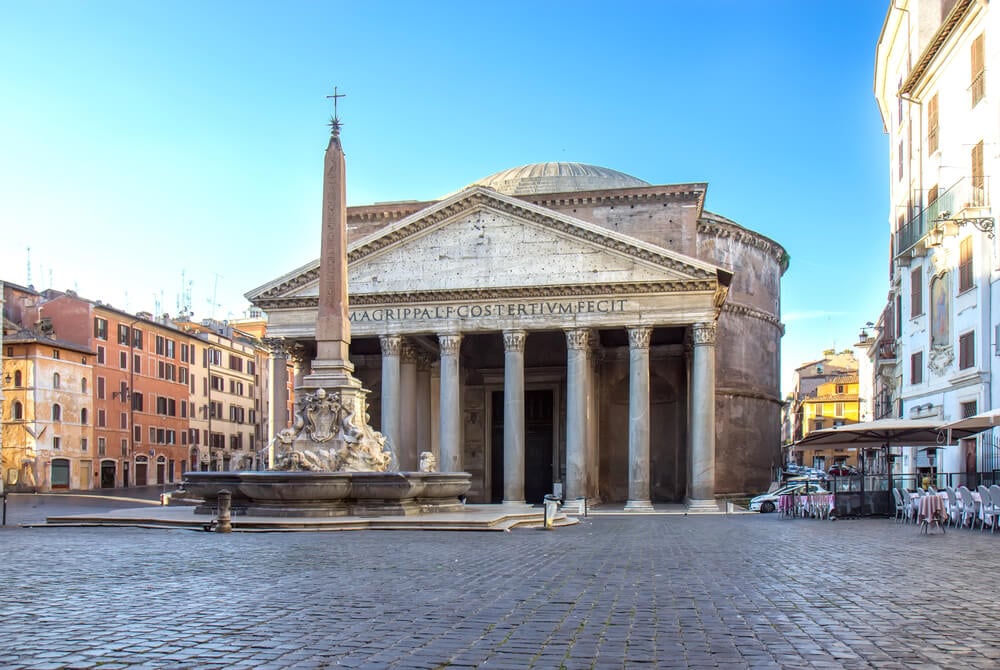
The Pantheon was built as a Roman temple and completed under the emperor Hadrian around AD 126. In 609 it was consecrated as the Church of Santa Maria ad Martyres, which saved it from the fate of many ancient buildings. Its concrete dome, about 43 meters wide, is still the largest unreinforced concrete dome in the world.
Hagia Sophia in Istanbul
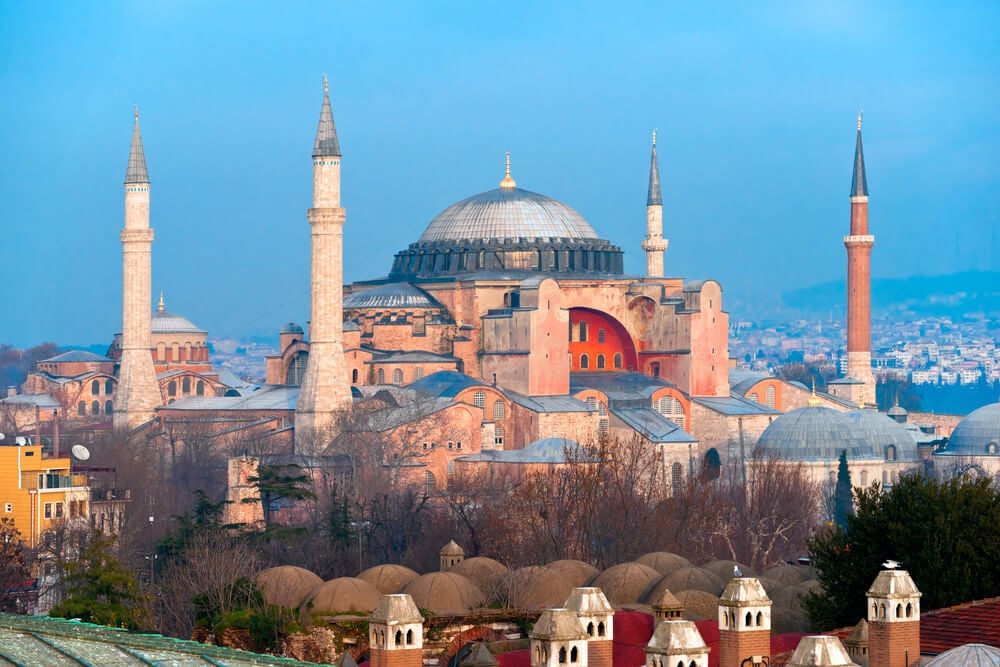
Emperor Justinian built Hagia Sophia as a cathedral between 532 and 537. It became a mosque after the Ottoman conquest of Constantinople in 1453, and a museum in 1934. In July 2020, it was reconverted to a mosque.
The Mezquita of Córdoba
— Photo by Bareta
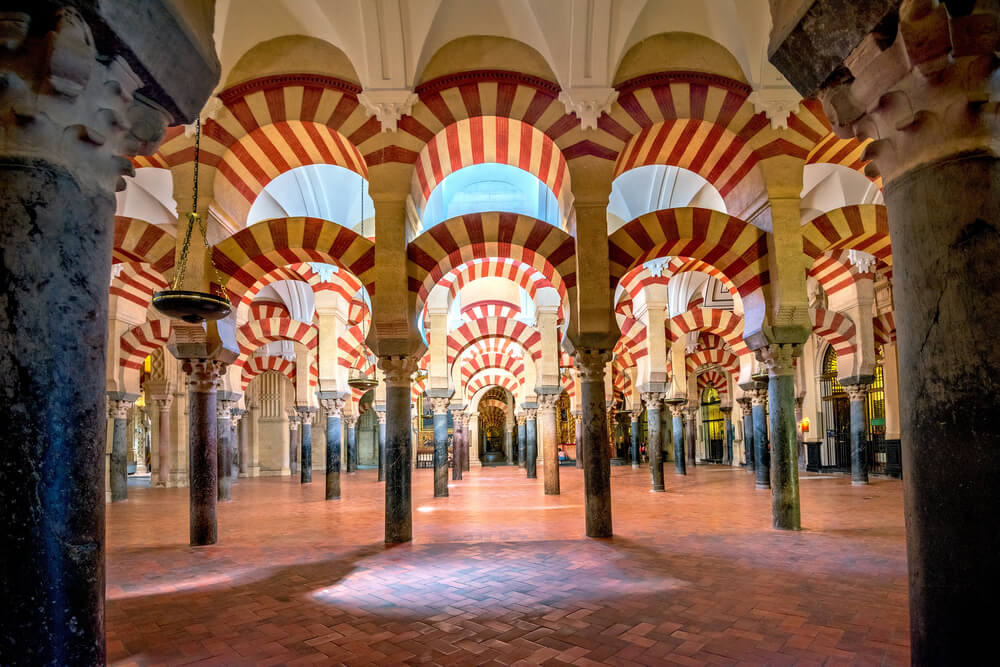
Construction of the Great Mosque of Córdoba began around 785 under Abd al-Rahman I, and its forest of red-and-white arches became one of the signature sights of Islamic architecture. After Córdoba fell in 1236, the building was consecrated as a cathedral. A Renaissance cathedral nave was built inside the mosque from 1523, and Charles V is said to have regretted approving it.
The Louvre in Paris
— Photo by TTstudio
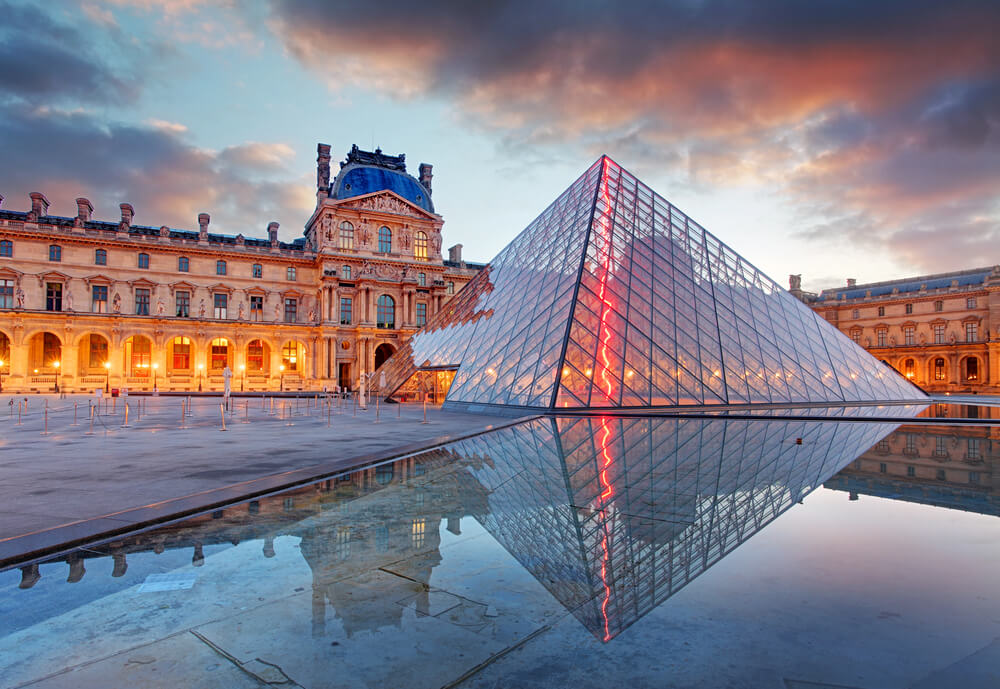
The Louvre began as a fortress built by Philip II around 1190, and it later became a royal palace. Louis XIV moved the court to Versailles in 1682, leaving the building to other uses. It opened as a public museum on August 10, 1793, during the French Revolution.
Alcatraz Island
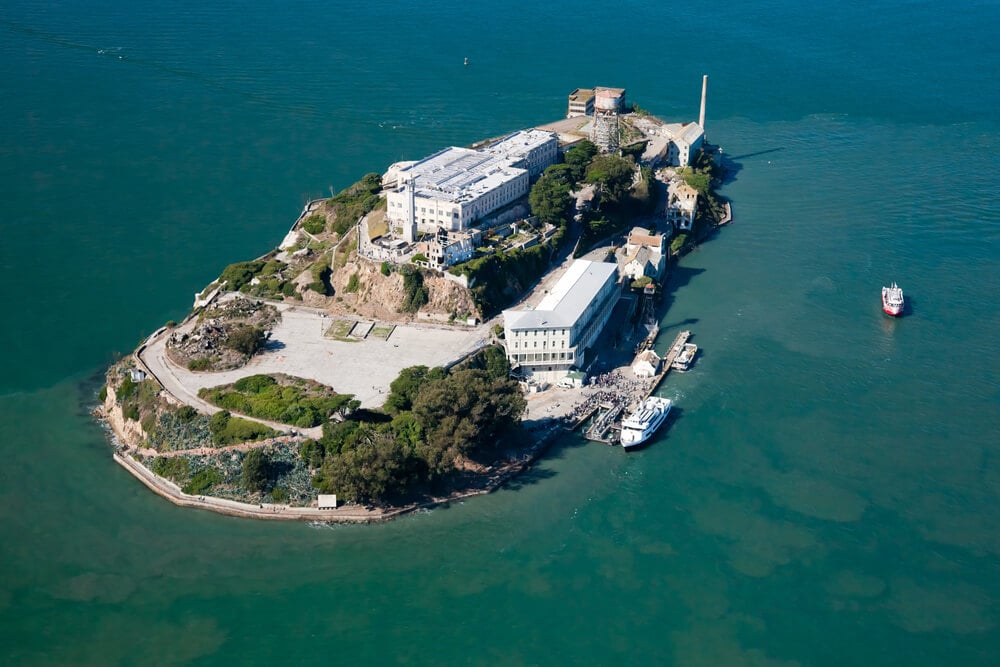
Alcatraz was first developed in the 1850s as a fortress and lighthouse site guarding San Francisco Bay. It became a military prison during the Civil War, and then a federal penitentiary from 1934 to 1963. In 1972, it was added to the Golden Gate National Recreation Area, and it now draws visitors rather than inmates.
The Musée d’Orsay in Paris
— Photo by wjarek
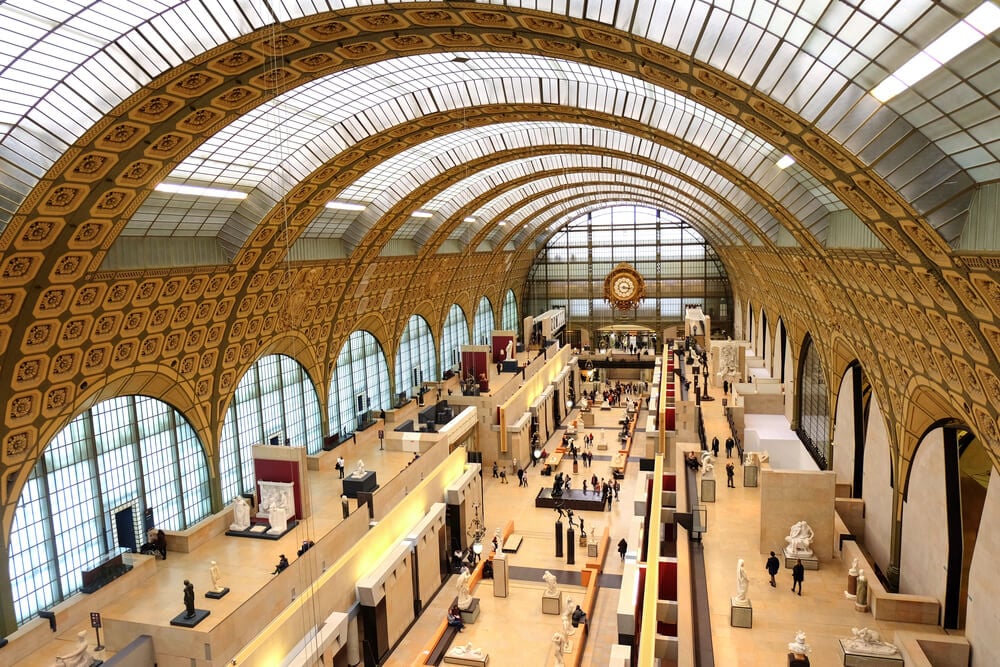
The Gare d’Orsay was built for the 1900 Exposition Universelle, with an ornate iron-and-glass hall designed by Victor Laloux. The station’s platforms proved too short for modern trains, and it stopped serving mainline traffic in 1939. The building reopened in December 1986 as the Musée d’Orsay, with galleries arranged beneath the old station clock.
Tate Modern in London
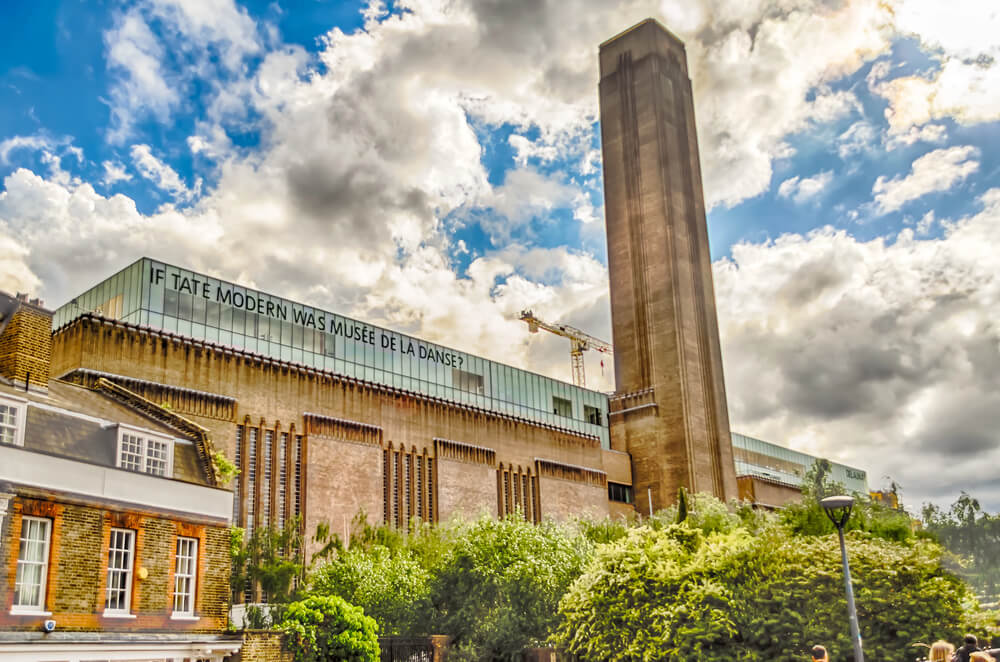
Giles Gilbert Scott designed the Bankside Power Station, which was built in phases between 1947 and 1963. The plant closed in 1981, and the building reopened as Tate Modern in May 2000. Its enormous Turbine Hall, where generators once stood, became the museum’s grand entrance.
Zeitz MOCAA in Cape Town
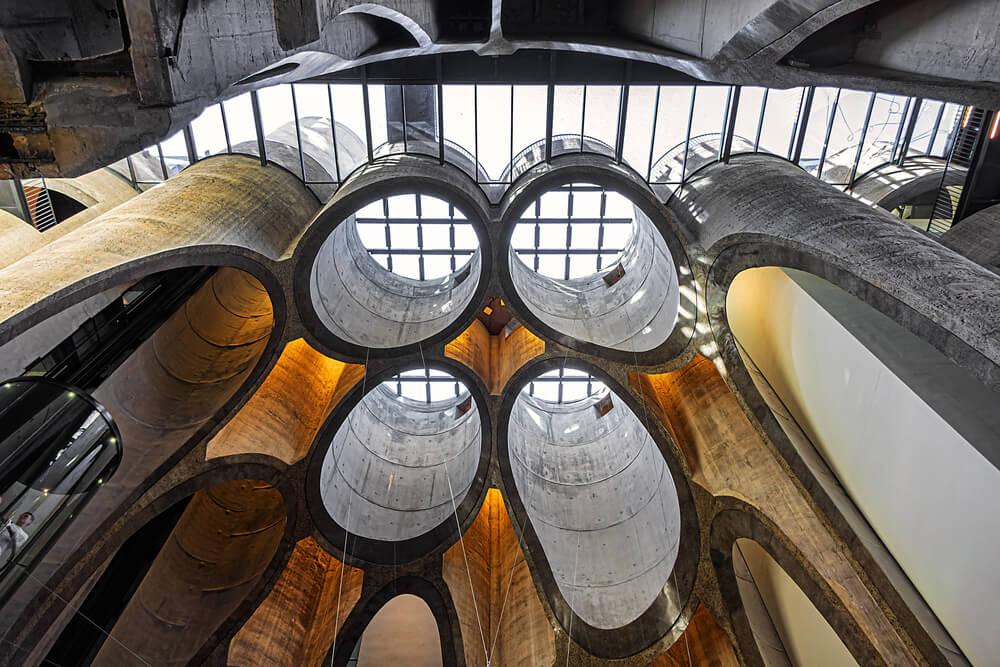
— Photo by dbrnjhrj
Built in 1924, the grain silo on Cape Town’s waterfront was once the tallest building in sub-Saharan Africa. Heatherwick Studio carved an atrium out of the concrete tubes, shaping the space from the geometry of a single grain of corn. The Zeitz Museum of Contemporary Art Africa opened there on September 22, 2017.
Dia Beacon in New York
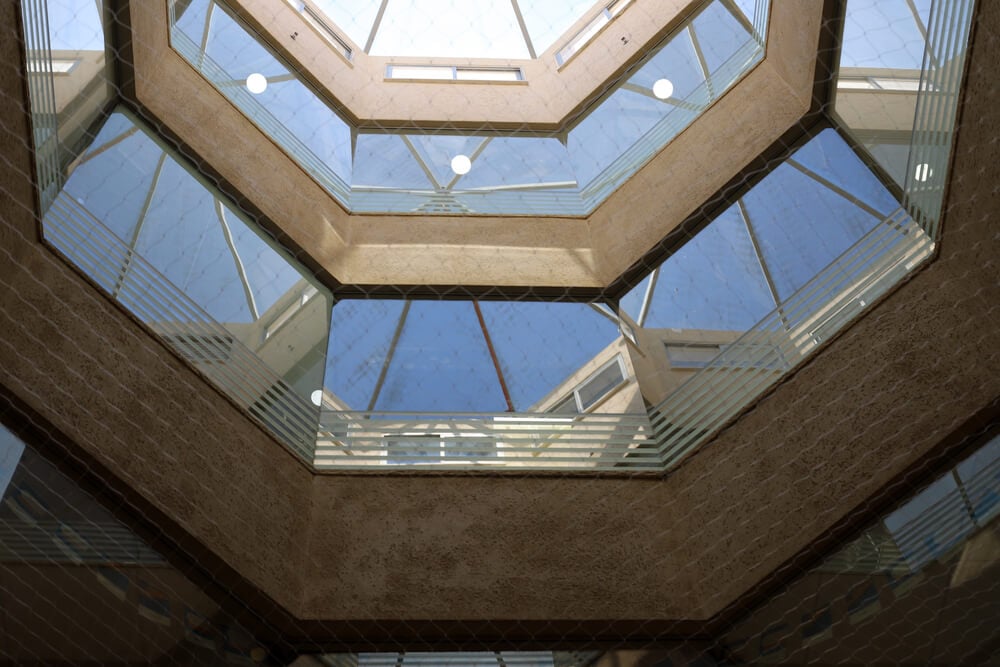
The Dia Beacon museum occupies a former Nabisco box-printing factory in Beacon, New York, built in 1929. The building’s large, daylit rooms proved ideal for oversized contemporary artworks. Dia opened the museum in May 2003.
The Gasometers of Vienna
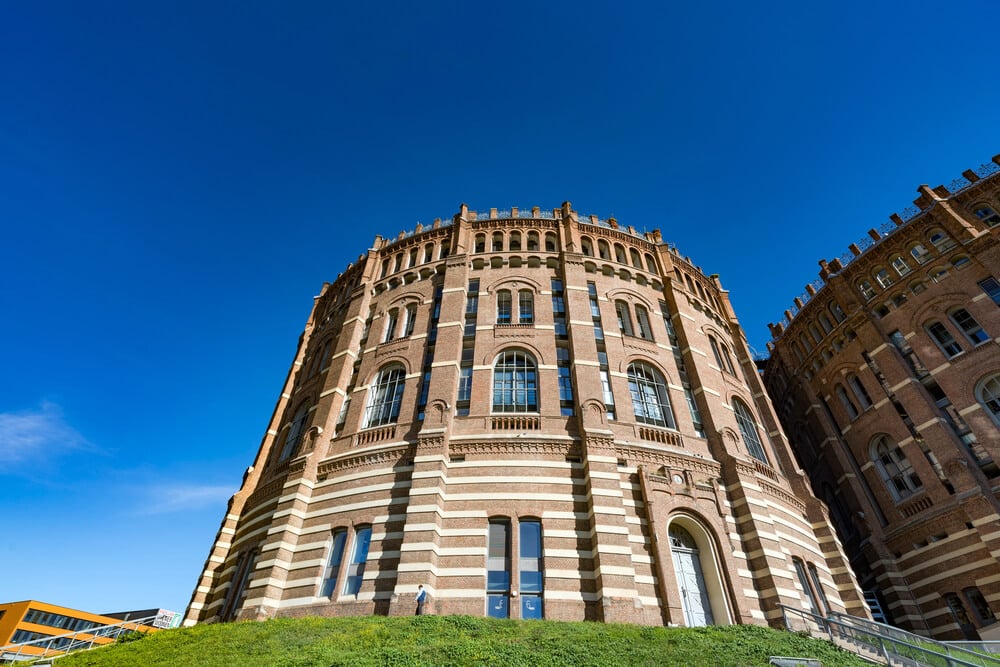
— Photo by posztos
Four enormous brick gasometers were built in Vienna between 1896 and 1899 to store gas for the city. They closed in 1984 and were converted in 2001 into apartments, shops, and an events venue. The brick exteriors were preserved while the interiors were rebuilt.
Lingotto in Turin
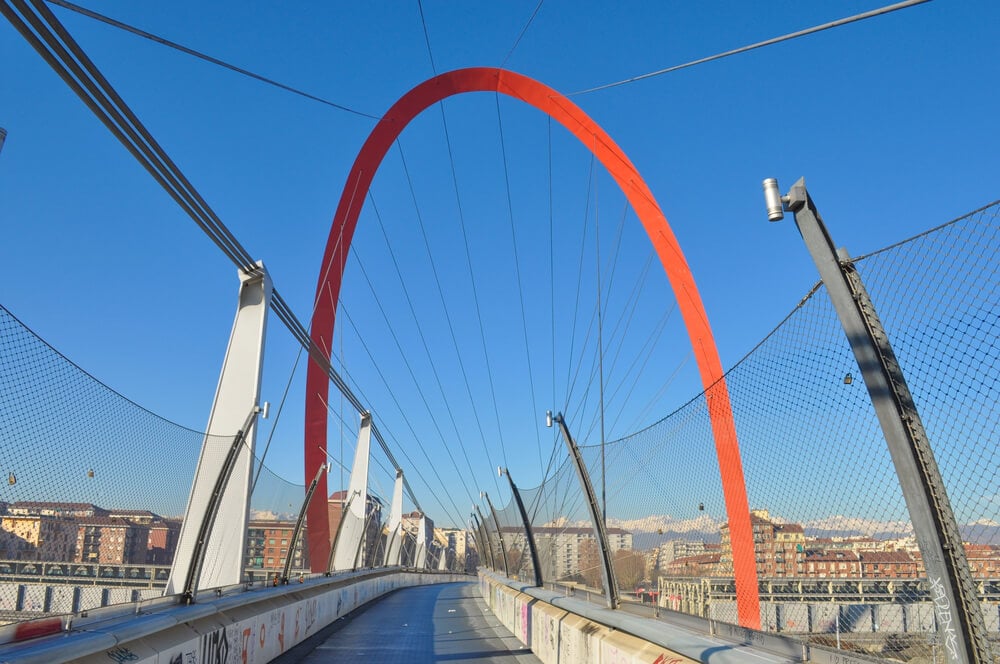
The Lingotto factory in Turin was completed in 1923 as Fiat’s flagship plant, with a test track on the roof where finished cars could be tried out. Car production ended in 1982, and the building was later converted to include a concert hall, shops, and a hotel. The rooftop track still runs above the city.
Battersea Power Station in London
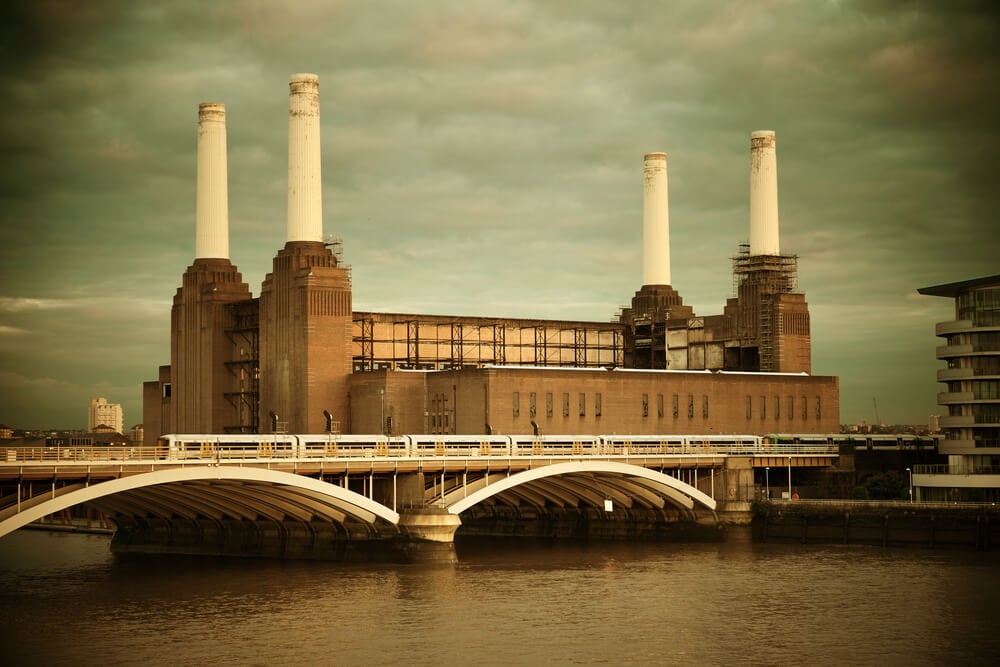
The first part of Battersea Power Station opened in 1933, and the building stopped generating electricity in 1983. After decades of uncertainty, it reopened in October 2022 as a mix of shops, offices, and apartments. Its four chimneys remain among the most recognizable shapes on the London skyline.
The Mill City Museum in Minneapolis
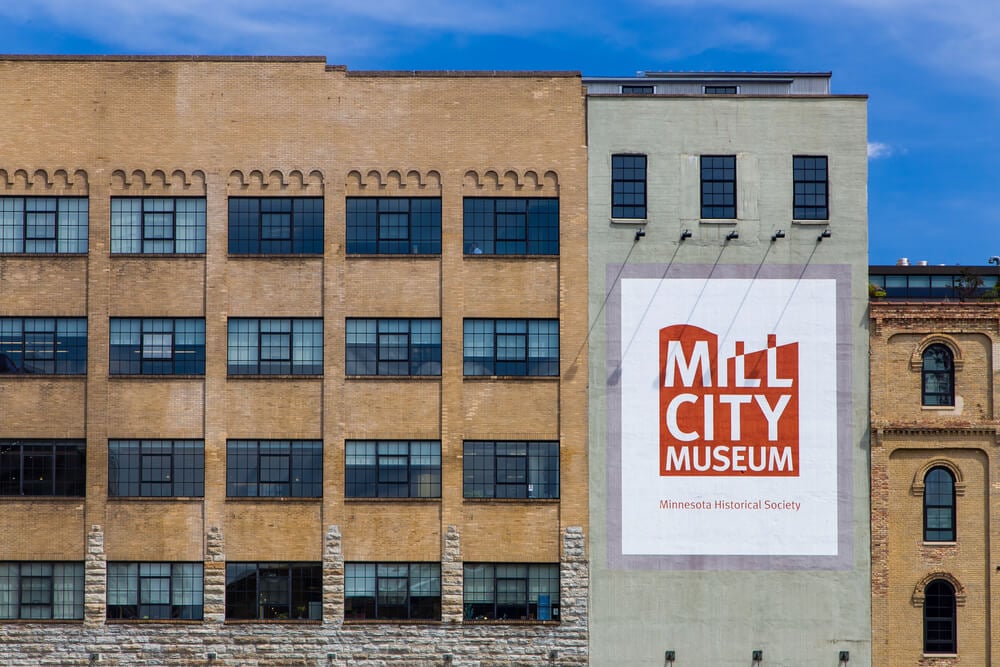
— Photo by wolterke
The Washburn A Mill was built in 1874 and rebuilt after a flour dust explosion in 1878 that killed 18 people. A fire gutted the building in 1991, and the Mill City Museum opened within the ruins in 2003. Visitors ride an elevator that tells the story of flour milling as it rises through the old structure.
The Reina Sofía in Madrid
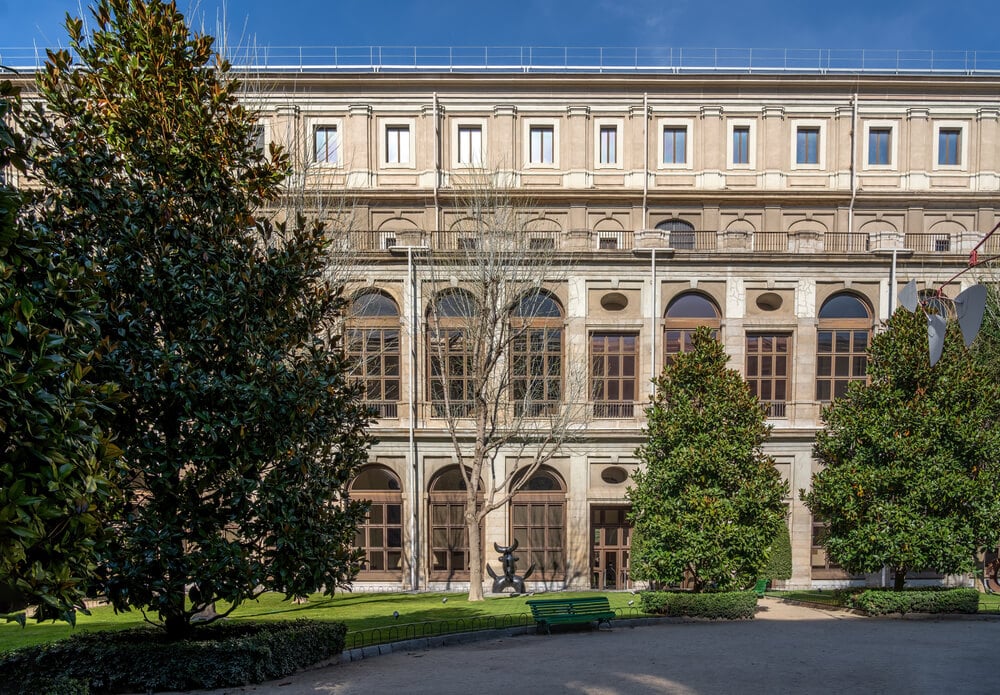
— Photo by diegograndi
The building that houses Madrid’s Museo Reina Sofía began as the General Hospital in the eighteenth century, with construction beginning in 1756. The hospital later closed, and the building was converted into a national art museum. Picasso’s Guernica moved there in 1992.
Walls That Outlive Their Reasons
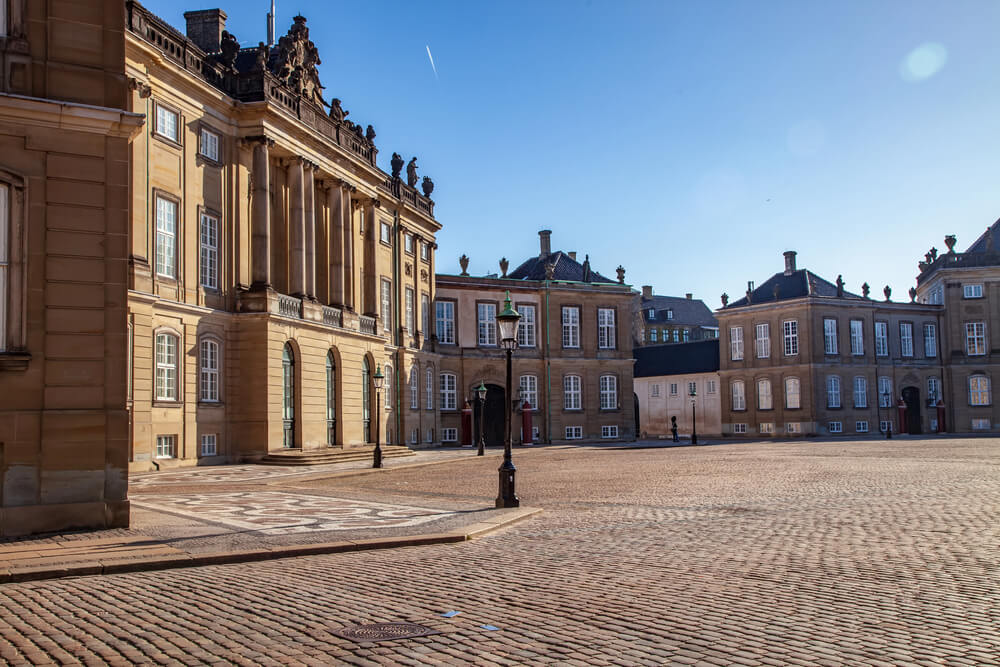
Buildings last longer than their purposes because walls, roofs, and foundations cost so much to replace. When the original use disappears, a good structure often finds a second life. The sites above show that the second life can look nothing like the first.
The best conversions keep something of the original. A turbine hall, a rooftop test track, or a station clock reminds visitors what the building once did. That memory adds meaning to the new use.
More from Go2Tutors!

- 27 Silver Dollars and Half Dollars Worth Keeping
- 28 Restaurant Menu Items Nobody Orders Anymore
- 17 Places Built in Seemingly Impossible Spots
- 27 Vintage Rings Worth More Than They Look
- 25 Restricted Sites Tourists Can’t Enter
Like Go2Tutors’s content? Follow us on MSN.