Video Games That Caused Lawsuits
Games usually seem like just fun, yet their rise has pulled them into courtrooms across continents. When fights happen, they’re sometimes about bloodshed on screen, sometimes about stolen ideas or someone using a face without asking.
Trouble shows up not only in how things play out inside the game, but what people fear might follow afterward. Courts wrestle less with pixels and more with unease toward what feels unfamiliar.
Laws react slowly, often aiming at shadows cast by fast-moving change. Lawsuits about video games almost never turn on just one thing.
Where creativity meets money, rules, and what people think – that is where these fights live. A few got tossed out fast; different ones changed everything from design to advertising.
Some still shape who owns a game, how it sells, long after court doors closed. A fresh peek into famous video games tangled in court battles reveals the true heart of their conflicts, along with ripples felt across gaming.
Some sparked outrage over stolen ideas, others over broken promises behind the screen. Each case shifted how developers approach rules and rights today.
Surprises emerged when players became plaintiffs, challenging giants once thought untouchable. These moments didn’t just settle in courtrooms – they changed studio hallways.
Grand Theft Auto

Few video game franchises have faced as much legal scrutiny as Grand Theft Auto. Over the years, the series has been blamed in lawsuits for encouraging criminal behavior, with plaintiffs arguing that players were influenced to commit real-world acts after playing the games.
Most of these lawsuits were dismissed, with courts repeatedly ruling that video games are protected forms of expression. Judges found no direct causal link between gameplay and real-world actions.
Even so, the cases cemented Grand Theft Auto as a lightning rod in debates over media influence. Beyond behavioral claims, the franchise also faced lawsuits over alleged use of real locations, people, and brands.
These disputes forced developers to become more cautious about how closely fictional worlds resemble reality.
Mortal Kombat

Mortal Kombat became the center of controversy in the early 1990s due to its graphic depictions of violence. While it was not sued directly for causing harm, its content played a key role in legal and governmental scrutiny that followed.
Public backlash and legal pressure contributed to hearings that ultimately led to the creation of the video game rating system in the United States. Parents and advocacy groups argued that games needed clearer labeling to prevent minors from accessing inappropriate content.
Although no major lawsuit shut the game down, Mortal Kombat fundamentally changed the regulatory environment around video games. Its legacy lives on in how games are classified and sold today.
Manhunt

Manhunt faced lawsuits after being linked by plaintiffs to violent incidents in the real world. Families argued that the game’s content inspired criminal acts, pointing to its disturbing themes and mechanics.
Courts rejected these claims, citing lack of evidence that playing the game directly caused harm. Judges reaffirmed that fictional media cannot be held responsible for individual actions without clear causation.
Despite legal victories, the controversy damaged the game’s reputation and led to bans or restrictions in several countries. The case highlighted how legal outcomes and public perception can diverge sharply.
Bully

Bully encountered legal challenges and political pressure even before its release. Critics argued that the game promoted harassment and harmful behavior in school settings, prompting calls for lawsuits and bans.
In response, the publisher defended the game as satire that condemned harmful behavior rather than encouraging it. Courts and regulators ultimately allowed the game to be sold, finding no evidence it promoted real-world harm.
The controversy surrounding Bully demonstrated how misunderstanding a game’s narrative can fuel legal threats. Even when the courts ultimately side with creative freedom.
Call of Duty
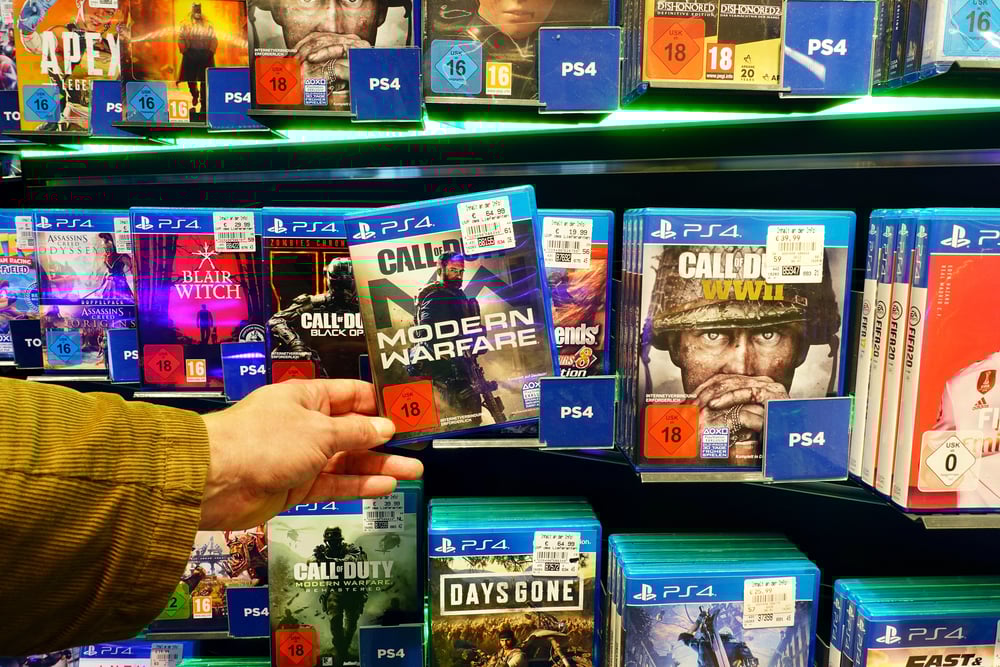
The Call of Duty series has faced lawsuits over likeness rights and alleged use of real individuals without permission. Some plaintiffs claimed characters were based too closely on them, including former military figures.
In several cases, courts ruled in favor of the developers, stating that the characters were sufficiently fictionalized. These rulings reinforced protections for creative interpretation in interactive media.
The franchise has also been named in lawsuits following real-world incidents, though such cases have consistently failed. Like other violent media, the courts have maintained that entertainment does not equate to liability.
No Man’s Sky

No Man’s Sky faced legal trouble not because of violence, but due to allegations of false advertising. After launch, players claimed that the final product did not match features shown in promotional materials.
Consumer complaints escalated into investigations by advertising authorities. While no major court judgment ruled against the developers, the case sparked industry-wide discussion about transparency in marketing.
The situation influenced how games are advertised, pushing developers to be more cautious about pre-release claims and demonstrations.
Red Dead Redemption

Red Dead Redemption became the subject of a lawsuit when a musician claimed the game used his name and likeness without consent. The dispute centered on whether the character was a clear reference or a fictional creation.
The case was ultimately dismissed, with courts ruling that the character was protected as creative expression. The decision reinforced that historical and cultural references can be used artistically if they are not direct representations.
This lawsuit clarified how far developers can go when drawing inspiration from real people and eras.
Assassin’s Creed
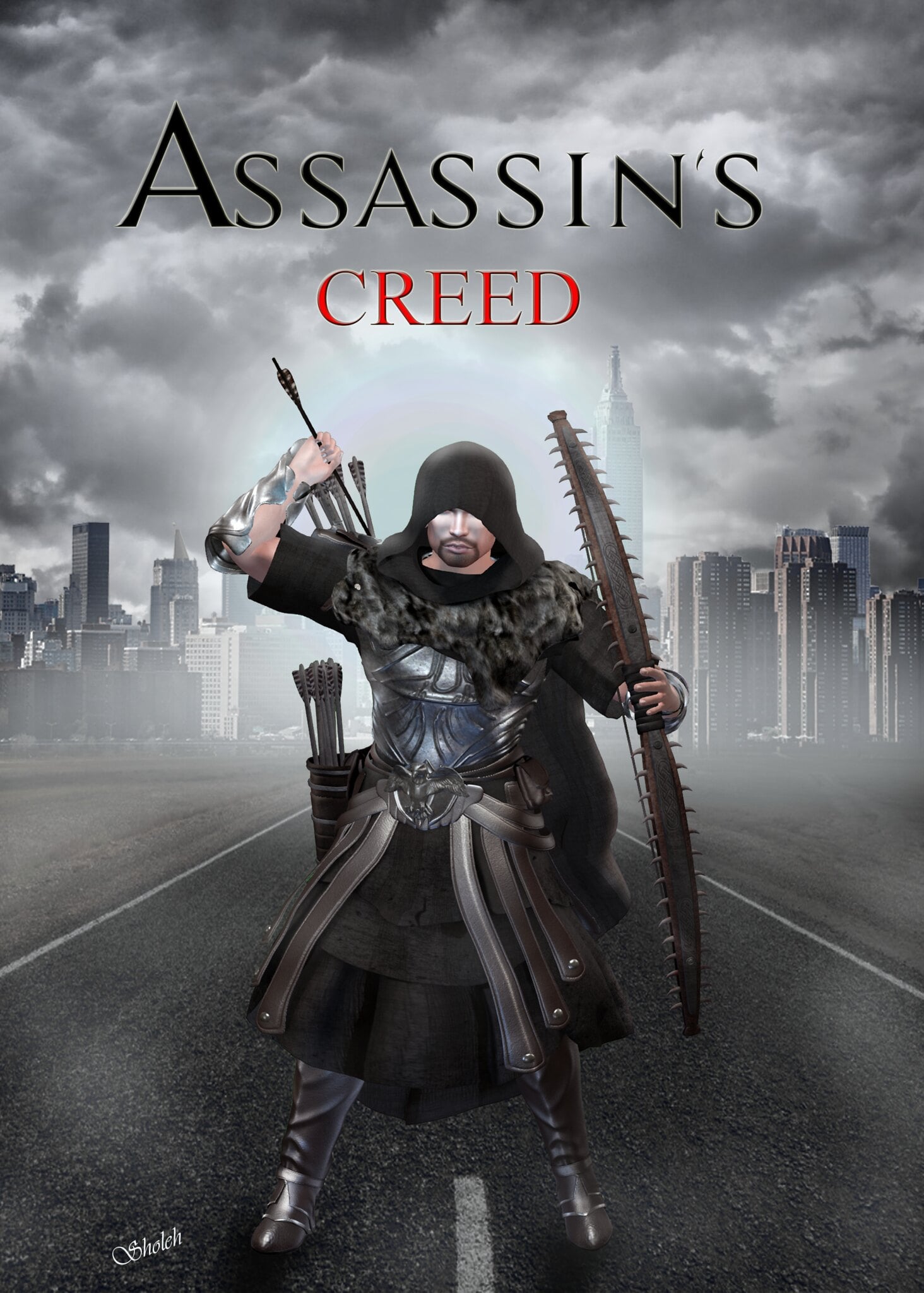
The Assassin’s Creed franchise has faced legal challenges related to portrayal of historical figures and locations. In one notable case, a religious group objected to how a historical site was depicted.
While not all disputes reached court, the controversy raised questions about cultural sensitivity and historical interpretation in games. Developers defended their work as fictional narratives inspired by history, not literal recreations.
These disputes highlight how global releases must navigate differing legal and cultural expectations across regions.
Fortnite
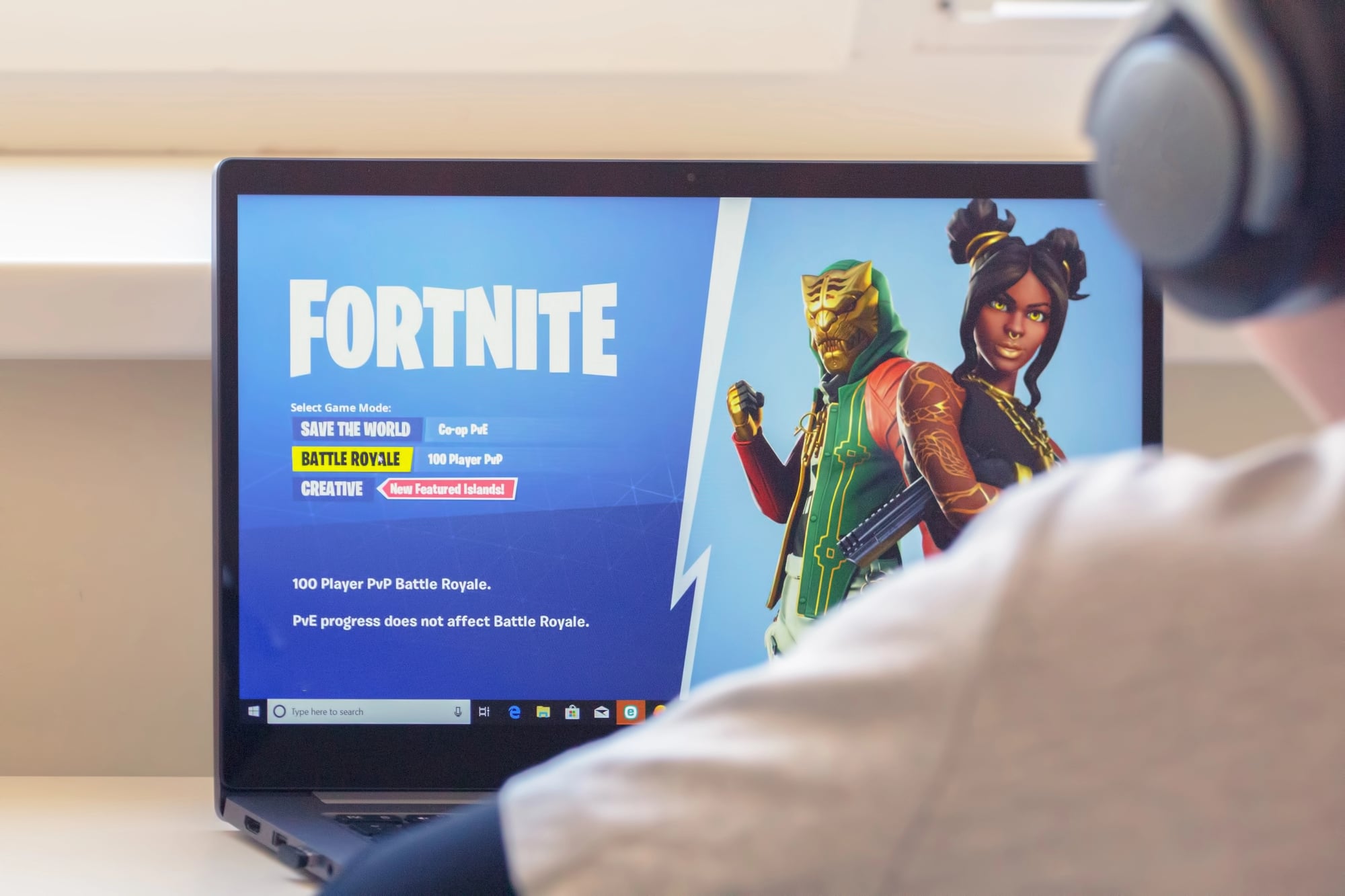
Fortnite faced lawsuits over dance emotes, with plaintiffs claiming the game used signature moves without permission. The cases raised complex questions about whether dance moves can be copyrighted.
Most of these lawsuits were dismissed, with courts ruling that individual dance movements are not protected intellectual property. The outcomes clarified important boundaries around creative ownership in digital spaces.
Despite winning legally, the developers later adjusted practices. Showing how lawsuits can influence behavior even when courts rule in favor of games.
Pokemon

The Pokemon franchise has been involved in various legal disputes, including trademark and patent claims related to gameplay mechanics and branding. As one of the largest franchises in the world, it has been both plaintiff and defendant.
These cases helped establish how game mechanics and character designs are protected under intellectual property law. The franchise’s legal history illustrates how growth brings increased scrutiny.
While none of these cases threatened the franchise’s existence. They shaped how companies protect their creations.
Why Video Games Attract Legal Action

Video games combine storytelling, technology, and interactivity, which makes them legally complex. Unlike films or books, they invite participation, leading some critics to assume a stronger influence on behavior.
Courts have consistently rejected this assumption, treating games as protected creative works. Still, lawsuits continue to emerge because games touch on violence, realism, and personal identity in ways that provoke strong reactions.
Legal challenges often reflect cultural anxiety more than legal weakness. As games became mainstream, they inherited the same scrutiny once directed at films, music, and television.
How Lawsuits Changed the Industry

Even unsuccessful lawsuits have had lasting effects. They pushed developers to adopt clearer content ratings, tighten marketing language, and consult legal teams earlier in development.
They also helped establish legal precedents that protect creative expression in interactive media. Each case reinforced that games are not exceptions to free speech protections.
Over time, these rulings helped legitimize video games as a serious cultural medium. Rather than a novelty.
Why It Still Matters
Games hitting legal trouble often shift how people see them. These moments show fresh ideas pushed back on, then slowly welcomed.
Out of court fights came new rules for video games – how they’re watched over, stood up for, seen. It turns out change usually shows up hand in hand with argument.
Fresh legal puzzles pop up as games change over time. Still, earlier court rulings shaped the way these talks will go ahead.
Past decisions quietly set the path forward.
More from Go2Tutors!

- The Romanov Crown Jewels and Their Tragic Fate
- 13 Historical Mysteries That Science Still Can’t Solve
- Famous Hoaxes That Fooled the World for Years
- 15 Child Stars with Tragic Adult Lives
- 16 Famous Jewelry Pieces in History
Like Go2Tutors’s content? Follow us on MSN.