13 Early Panoramic Photographs That Show American Cities
Early photographers had a problem: a single plate could not hold an entire city. Their solution was to rotate the camera, expose a series of plates, and join the images into one sweeping view.
The panoramas below cover American cities from the 1840s to the early 1900s, and each one preserves streets, rooftops, and waterfronts that no longer exist. Original prints in good condition are rare, and the best-known examples sit in libraries and museums.
Cincinnati, 1848
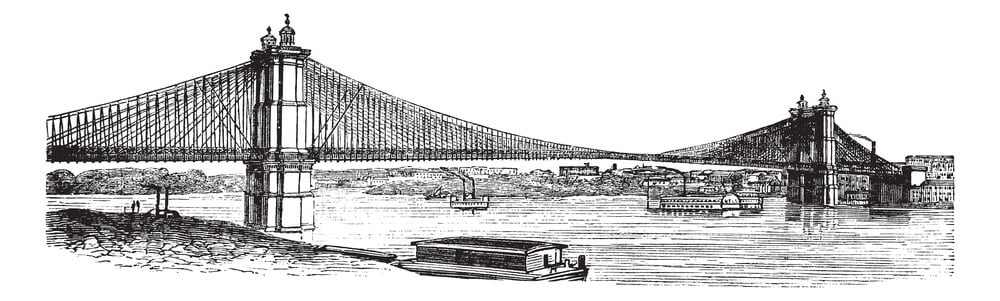
Charles Fontayne and William Porter made eight daguerreotype plates of Cincinnati on September 24, 1848, from a rooftop on the Kentucky side of the Ohio River. Together the plates span about two miles of riverfront and run roughly five and a half feet long.
Curators have enlarged the image to 3,400 square feet without losing clarity, which shows how much detail the daguerreotype process captured.
Boston, 1857
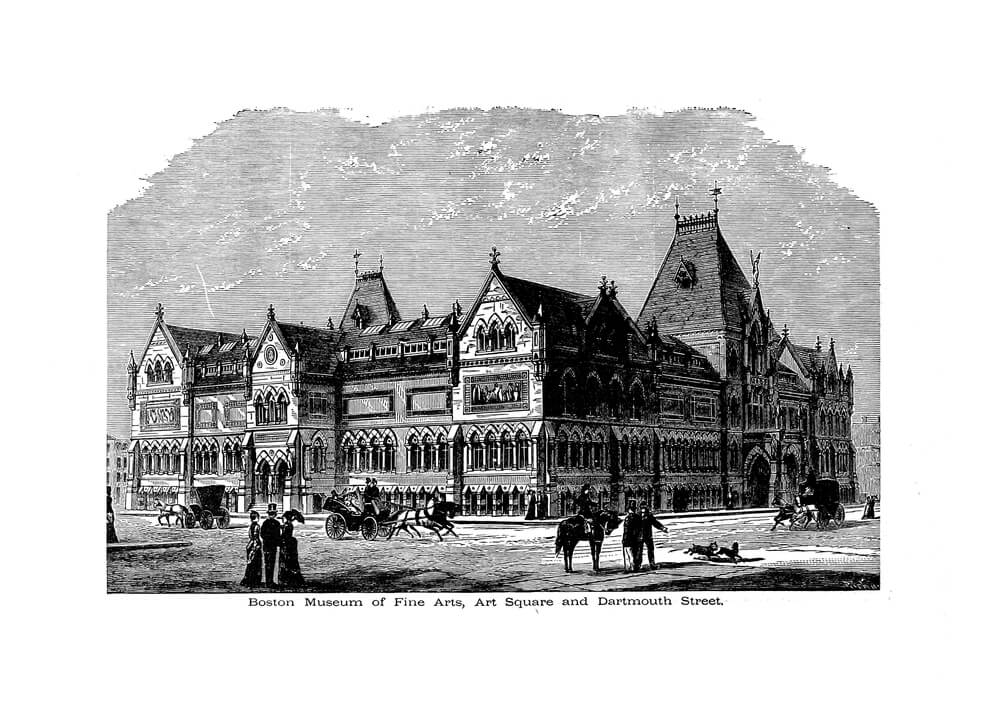
The Boston studio of Southworth and Hawes, active from 1843 to 1863, was one of the leading photography studios in the country in the 1850s. In 1857, the partners made salted paper views from the Massachusetts State House, including one looking south over Boston Common.
Other views from the same vantage point look west, east, and northeast.
San Francisco, 1863
Carleton Watkins turned giant prints into multi-plate panoramas, and his five-plate view of San Francisco in 1863 is an early example. Watkins arrived in San Francisco in 1853 and learned photography almost by chance when he was asked to fill in at a studio.
Other Western photographers followed his lead in the years that followed.
San Francisco, 1877 and 1878
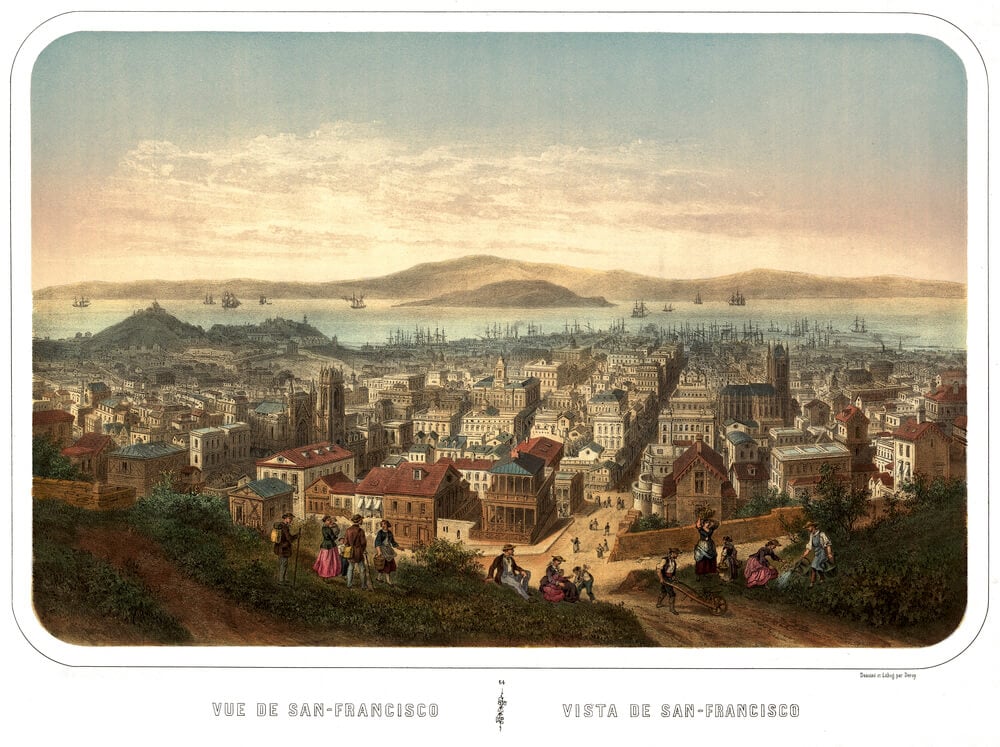
Eadweard Muybridge made an 11-plate panorama of San Francisco in 1877 and followed it in 1878 with a 13-plate, 360-degree view from the tower of the Mark Hopkins mansion on Nob Hill, nearly 400 feet above the bay. The 1877 version took about five hours to expose.
The two views show the city’s hills, harbor, and rooftops in extraordinary detail.
Chicago, 1858
Alexander Hesler climbed to the cupola of the Chicago Court House in 1858 and made eleven photographs that join into a 360-degree view of the city. The panorama shows the streets around Randolph, Clark, and LaSalle in a city of wood and brick buildings.
Hesler also photographed Abraham Lincoln in 1860.
Atlanta, 1864
George N. Barnard, the official photographer for Sherman’s Military Division of the Mississippi, was summoned to Atlanta in September 1864, right after Union forces captured the city. He made a panorama of Atlanta labeled with important landmarks, and the Army used his work to survey roads, rail lines, and topography.
Sherman ordered the city razed on November 12, and Barnard left with the army on November 15.
Portland, Oregon, 1878
Albert H. Wulzen photographed Portland in 1878 from the tower of the Central School, producing a panoramic album image of the downtown area. The original is one of only four known copies.
Wulzen followed it in 1879 with a companion panorama of Oakland.
Seattle, 1878
The brothers Henry and Lewis Peterson, who arrived in Seattle in 1876 and ran the Seattle Photograph Gallery, made a panorama of the town in 1878. It shows the waterfront as a small timber port, with wharves and schooners loading logs.
Later photographer Theodore Peiser copied the prints, which helped the images survive.
Washington, D.C., Late 1870s
Francis Hacker made a five-part panorama of Washington from the Smithsonian Castle between 1877 and 1879. The unfinished Washington Monument rises at the left, and the Capitol dome sits at the far right.
A train on the tracks that once crossed the Mall appears in the view.
Washington, D.C., Early 1900s
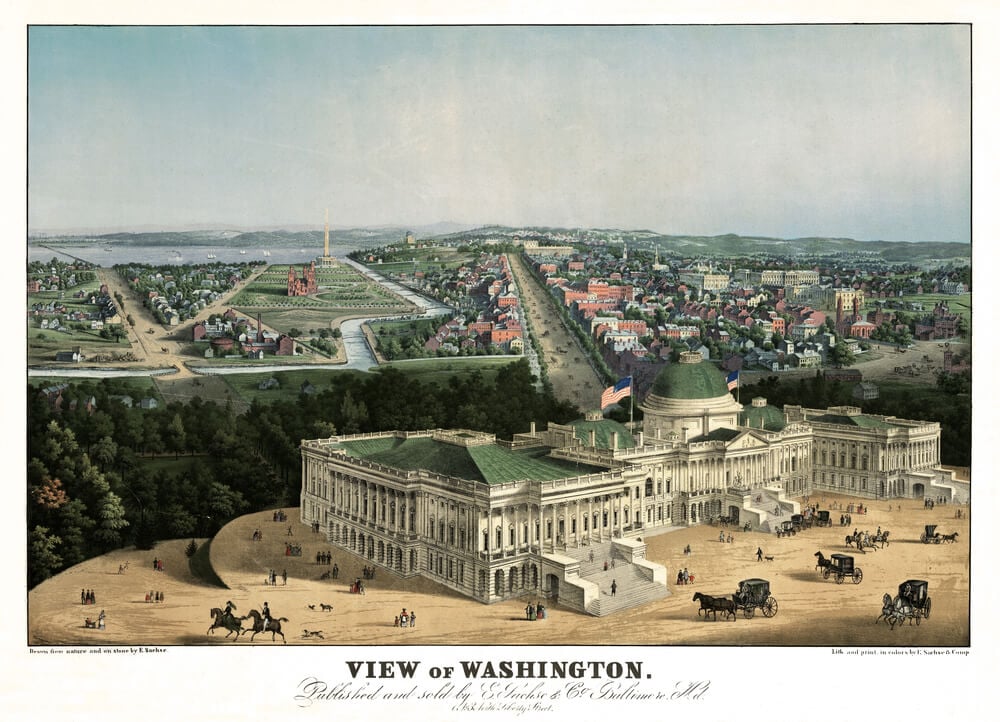
Frederick W. Brehm, who is credited with helping to develop the Cirkut panoramic camera, made a 360-degree panorama of Washington in the early 1900s. The Cirkut camera rotated on a tripod while the film moved past a narrow slit.
The result was a negative about 20 feet long.
Denver, 1880s
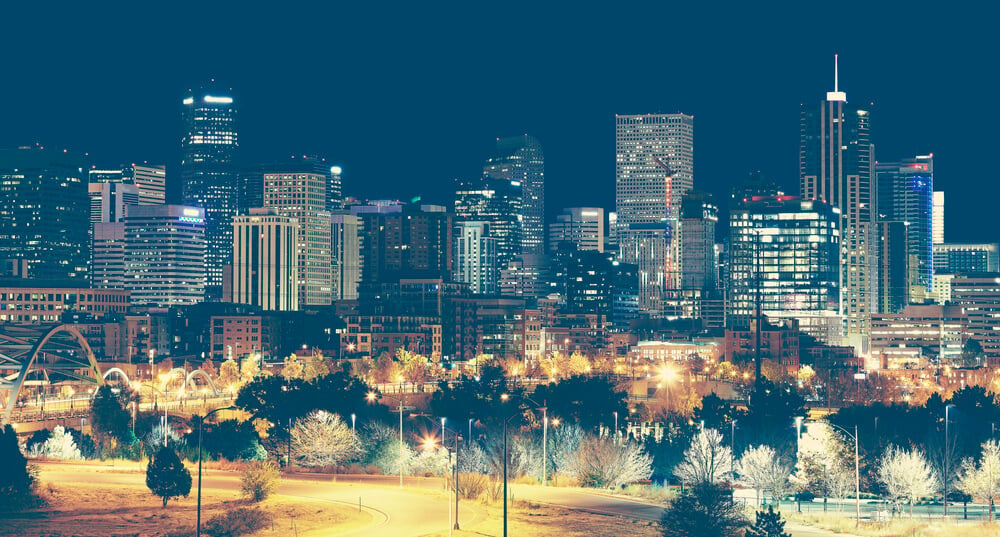
William Henry Jackson photographed Denver in the 1880s and numbered his panoramas, such as Panorama of Denver No. 5 and No. 112. One view shows the Horace Tabor house at 17th Street and Broadway, with its large lot, carriage house, and curved driveway.
The series captures Denver as a boomtown on the high plains.
Detroit’s Campus Martius

The photography firm of Hughes and Lyday made a 180-degree panorama of Detroit’s Campus Martius, showing the old City Hall and the Majestic Building along Woodward Avenue at Cadillac Square. The view was probably taken in the early morning, using a camera with a pivoting lens.
It shows the busy heart of a city on the verge of the automobile age.
San Francisco, 1906
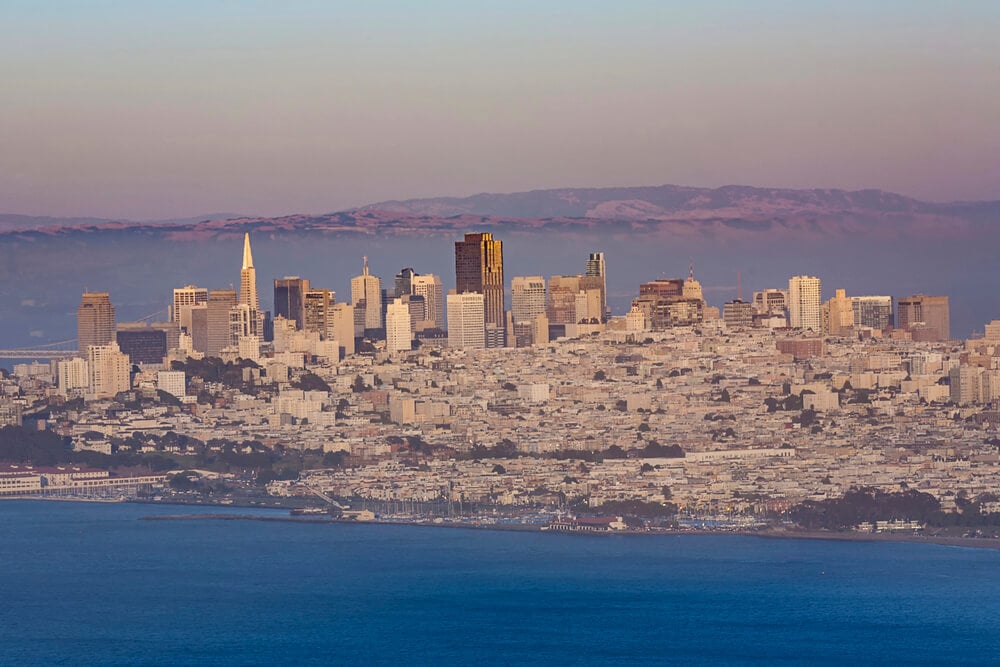
George R. Lawrence photographed San Francisco in ruins on May 28, 1906, using a 49-pound camera hoisted about 2,000 feet on a rig of kites. The panorama was made on an 18-by-48-inch plate.
Lawrence sold prints for $125 each and reportedly earned about $15,000 from the image.
Cities That Held Still for the Camera
Every panorama on this list asked a city to hold still for hours, and the results show how much a city changes when no one is watching. Daguerreotype plates, wet-plate negatives, and rotating cameras each solved the same problem in a different way.
The streets, rooftops, and waterfronts they recorded now serve as a baseline for historians. The images also reveal the choices photographers made.
Most climbed a tower, a courthouse cupola, or a hill, and the highest point in town became a studio. A high vantage point still shapes how cities are photographed.