13 Household Purchases Recorded in Surviving Historical Receipts
A receipt is a small, dull document until enough time passes. Centuries later, a list of purchases can reveal what people wore, ate, ordered and worried about, in a way no formal history can.
The thirteen records below survived by luck, habit or obsessive bookkeeping. Each one preserves the ordinary buying of a household, from Roman Britain to Victorian Kent.
Socks and Underpants at a Roman Fort

A letter found at Vindolanda in northern England, written on a wooden tablet, promises a soldier pairs of socks, sandals and underpants. Other tablets from the site record payments for pepper, oil, towels, boots and beer. Excavations beginning in 1973 turned up hundreds of the thin ink tablets.
Auction Receipts in Pompeii

In July 1875, excavators in Pompeii found a chest of wax tablets in the house of the banker Lucius Caecilius Iucundus. The 153 tablets include receipts for auction sales, in which goods were sold for third parties and the banker took a commission. His records end a few days before the earthquake of February 5, 62.
A Fruit Seller’s Receipt From Egypt

Papyri found at Oxyrhynchus include receipts, accounts and lists of household goods. One document records payment for fruit sold by a gardener to a fruit-seller in the city. These scraps survived because ancient residents threw them in a rubbish heap that stayed dry in the desert.
The Household Roll of Eleanor de Montfort

Eleanor de Montfort’s 1265 household roll is the earliest surviving private English household account. It covers the period from February 19 to August 29 and is held in the British Library. It records food, travel and daily expenses while her family was caught up in political turmoil.
The Merchant of Prato’s Paper Trail
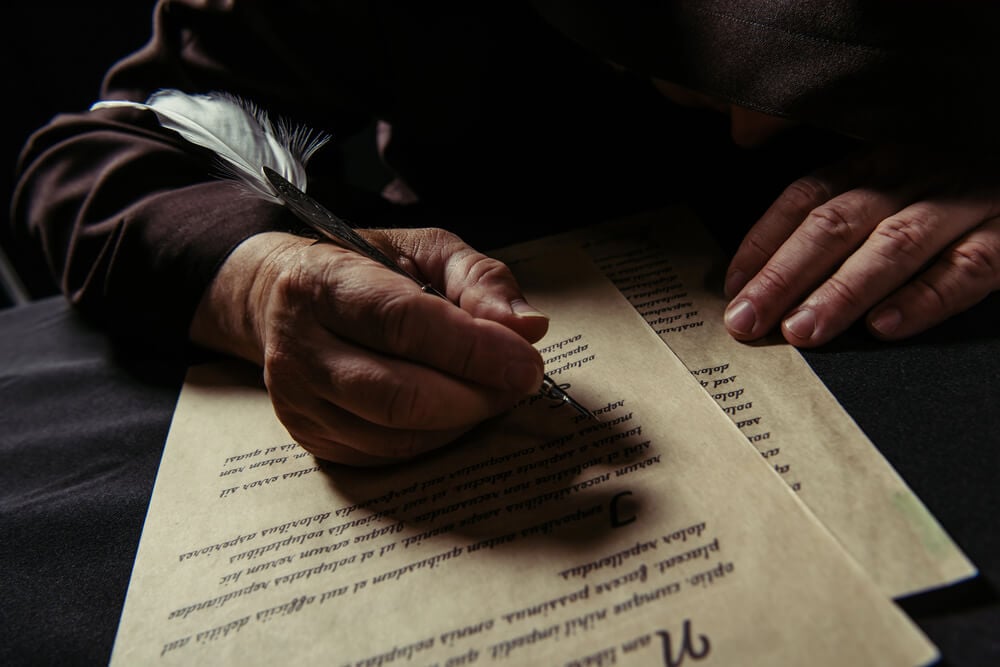
When the merchant Francesco Datini died in 1410, his house in Prato held around 500 account books and some 150,000 letters. The papers sat unnoticed in a stairwell until they were found in 1870. They include household accounts that show how his wife Margherita ran their home.
Elizabeth of York’s Black Velvet
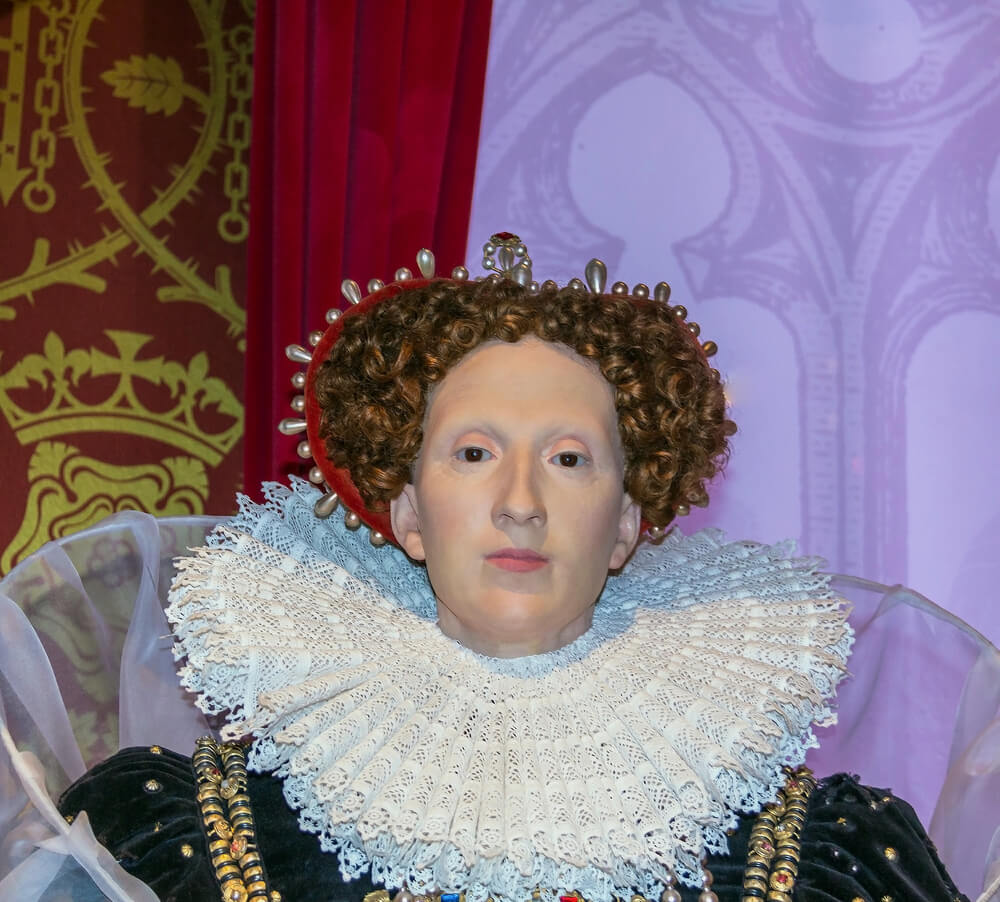
— Photo by Flik47
The privy purse accounts of Elizabeth of York for 1502 record small royal purchases. One entry lists six yards of black velvet at nine shillings and eight pence the yard for a gown. The year was marked by the death of her eldest son, Arthur, in April.
Washington’s Order for a Bride
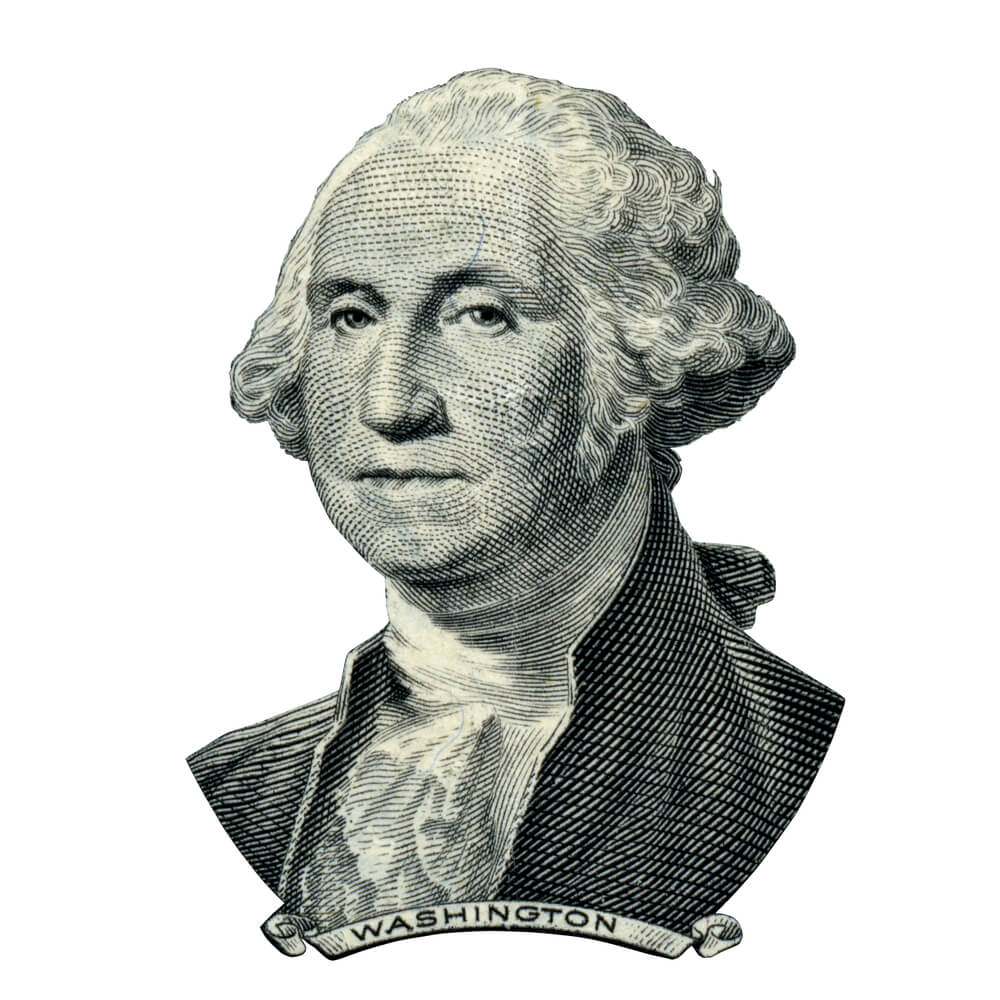
In September 1759, George Washington sent an invoice to Robert Cary and Company in London listing goods for his household. It included a light summer suit and two beaver hats, each costing a guinea. Another invoice, headed “Sundry Goods for a Bride,” was prepared for Martha.
The Cost of Boycotting in 1769

George Washington reduced his orders from Robert Cary and Company in 1769, in line with a colonial agreement not to import British goods. The company’s total charges for that year were about 85 pounds, against more than 315 pounds in 1768. The ledgers show a political protest recorded through shopping.
The Mount Vernon Ledgers
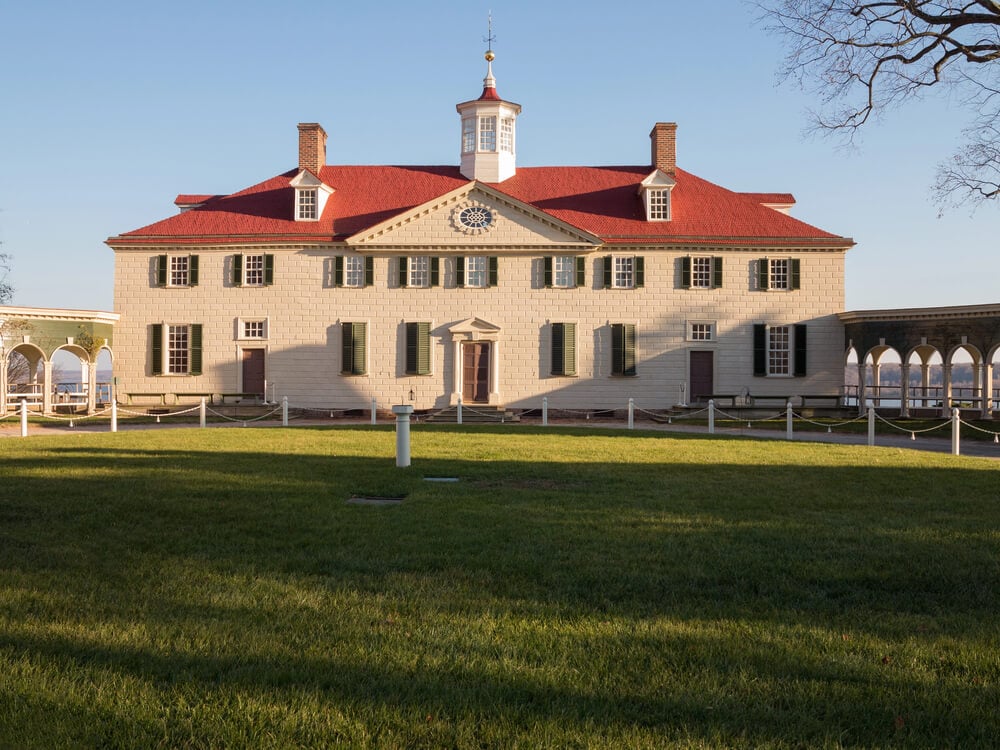
Washington kept two general ledgers covering 1750 to 1793, now at the Library of Congress. They list sales of farm products, purchases, and work done on the estate. Even shipping and handling charges are recorded.
Jefferson’s Memorandum Books
Thomas Jefferson recorded his expenditures in memorandum books for roughly six decades. The entries are brief: a barber’s fee, books ordered, thirteen glass pens for $2.43. His meticulous listing makes each day’s spending visible.
The Monticello Kitchen Accounts
Anne Cary Randolph, Jefferson’s granddaughter, kept kitchen accounts at Monticello from 1805 to 1808. The accounts record purchases from enslaved people who sold vegetables, poultry and other goods. They show an economy that operated alongside the plantation’s official one.
Lady Grisell Baillie’s Household Book
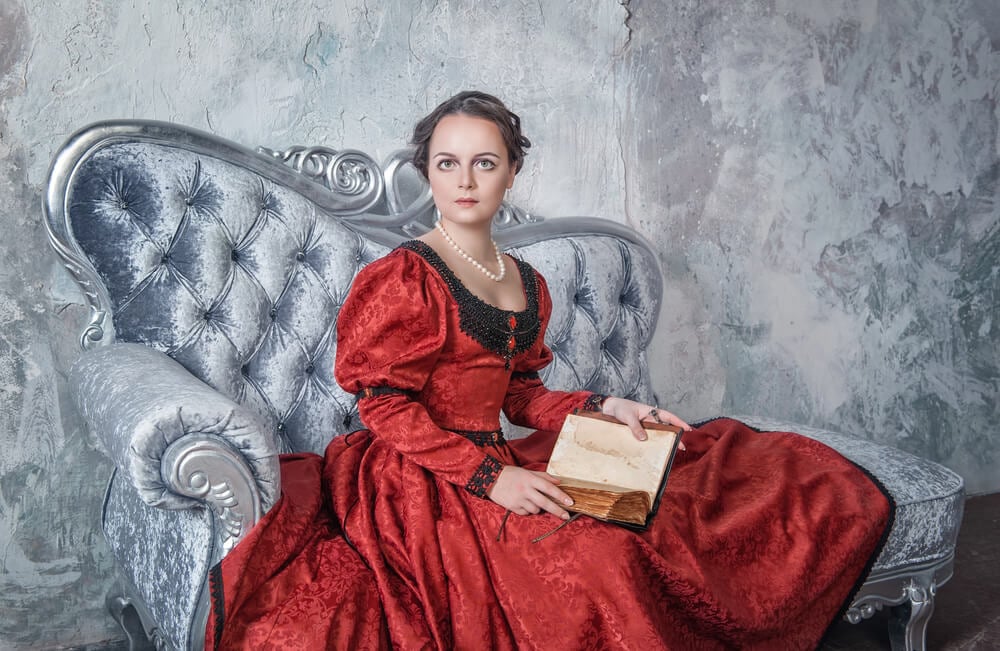
A Scottish noblewoman, Lady Grisell Baillie, kept a detailed household book for more than forty years. An edition published in 1911 covers 1692 to 1733 and includes accounts of foreign travel. It is treasured by historians of domestic life.
Darwin’s Billiard Table
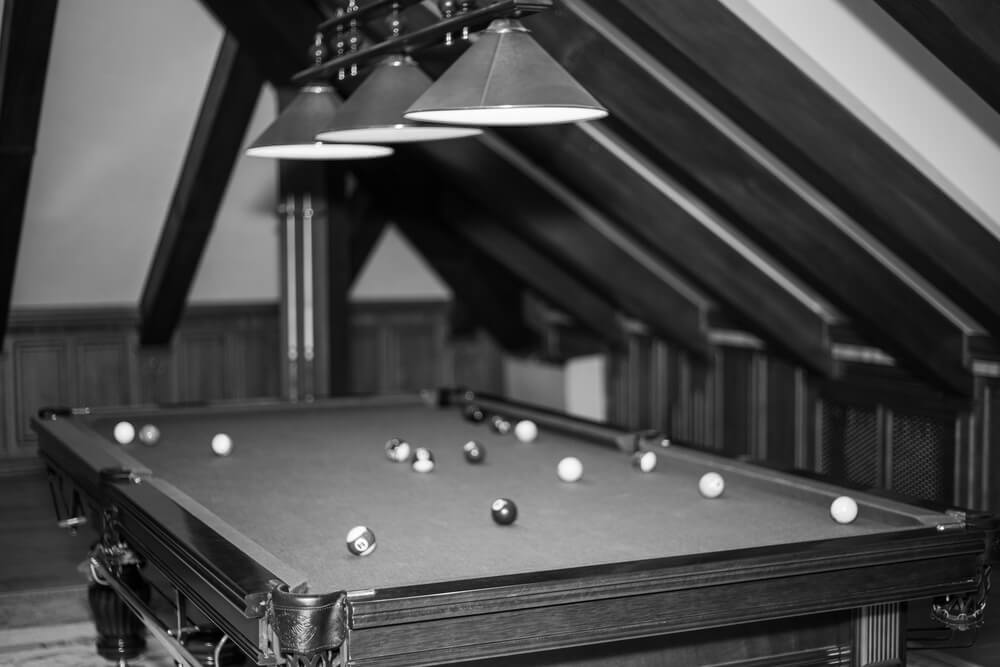
Charles Darwin bought a billiard table for Down House in February 1859, ordering it from a London firm for 53 pounds and 18 shillings. The money came partly from the sale of Wedgwood slate reliefs and his father’s gold watch. The table arrived and was assembled in a day.
The Paper Behind the Past
Ordinary purchases rarely make headlines, yet they carry the texture of an era. A pair of socks, a hat or a billiard table can say more about daily life than a decree.
The survival of these records depended on clerks, wives, merchants and chance. Most receipts have vanished, which makes the few that remain especially valuable.
More from Go2Tutors!

- 27 Silver Dollars and Half Dollars Worth Keeping
- 28 Restaurant Menu Items Nobody Orders Anymore
- 17 Places Built in Seemingly Impossible Spots
- 27 Vintage Rings Worth More Than They Look
- 25 Restricted Sites Tourists Can’t Enter
Like Go2Tutors’s content? Follow us on MSN.