23 Sewing Items Collectors Buy in Bulk
Vintage sewing supplies attract a devoted following of stitchers, collectors, and restoration specialists who understand that the tools matter as much as the skill. A sewing basket full of old notions—needles, threads, buttons, fasteners—might seem trivial until a collector recognizes its contents as scarce and organized.
Many items, once mass-produced, are now difficult to find or have been reformulated into inferior versions, making original stock valuable and desirable.
Bakelite Buttons (Pre-1945)
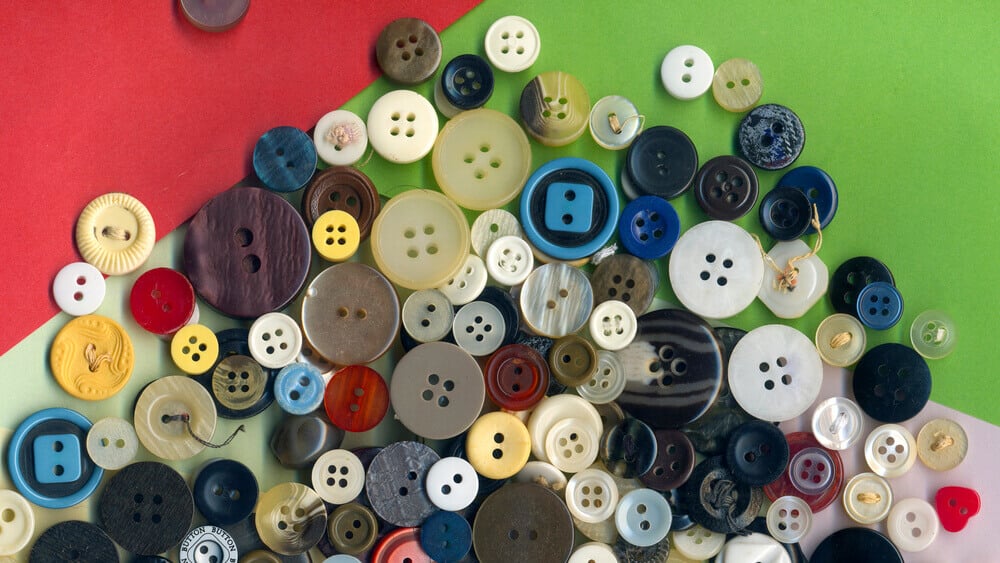
Bakelite buttons, made from early plastic and prized for their weight, color saturation, and durability, are collected and sought for restoration of vintage garments. A single exceptional bakelite button in a rare color or unusual shape reaches five to twenty dollars; a set of matching buttons for a dress or coat reaches fifty to two hundred dollars.
The material’s distinctive feel and the limitation of color options in early production drive value. Buttons with maker marks or design patents command premiums among specialists in pre-war notions.
Spool of Silk Thread from Guterman or Coats
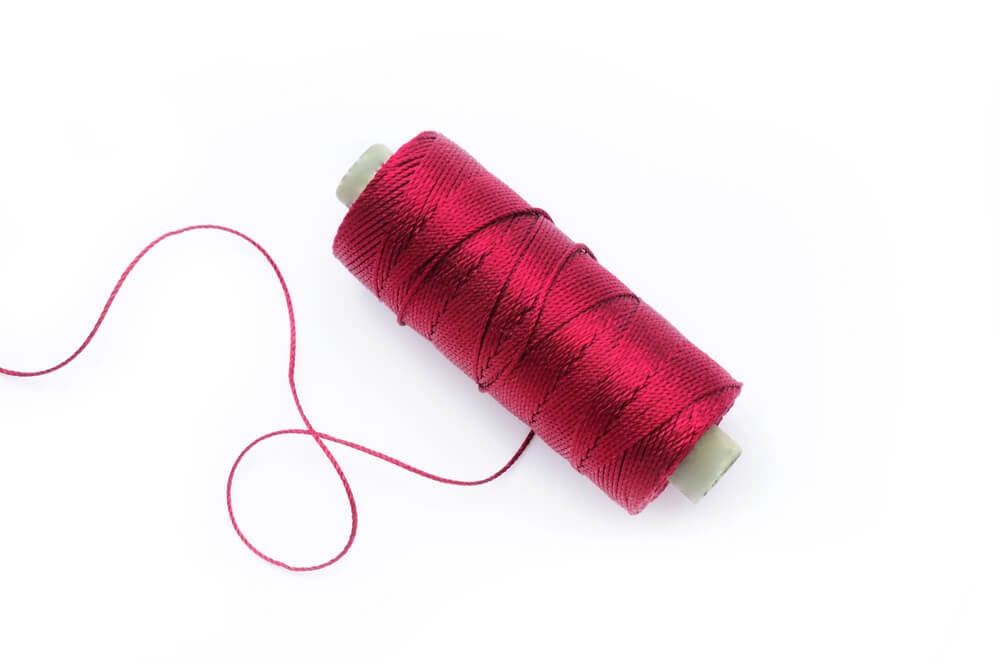
Vintage silk thread, particularly from German Guterman or British Coats, represents a quality now difficult to find in modern thread. A sealed vintage spool of Guterman silk in an unusual color or labeled with a pre-1960 German address reaches five to fifteen dollars; a collection of assorted sealed spools reaches fifty to one hundred fifty dollars.
The thread itself is superior for hand sewing, and vintage spools represent a supply of material that cannot be replaced. Collectors preserve these as both functional supplies and ephemera.
Thimbles: Simons Bros, Size Markers, and Rare Materials
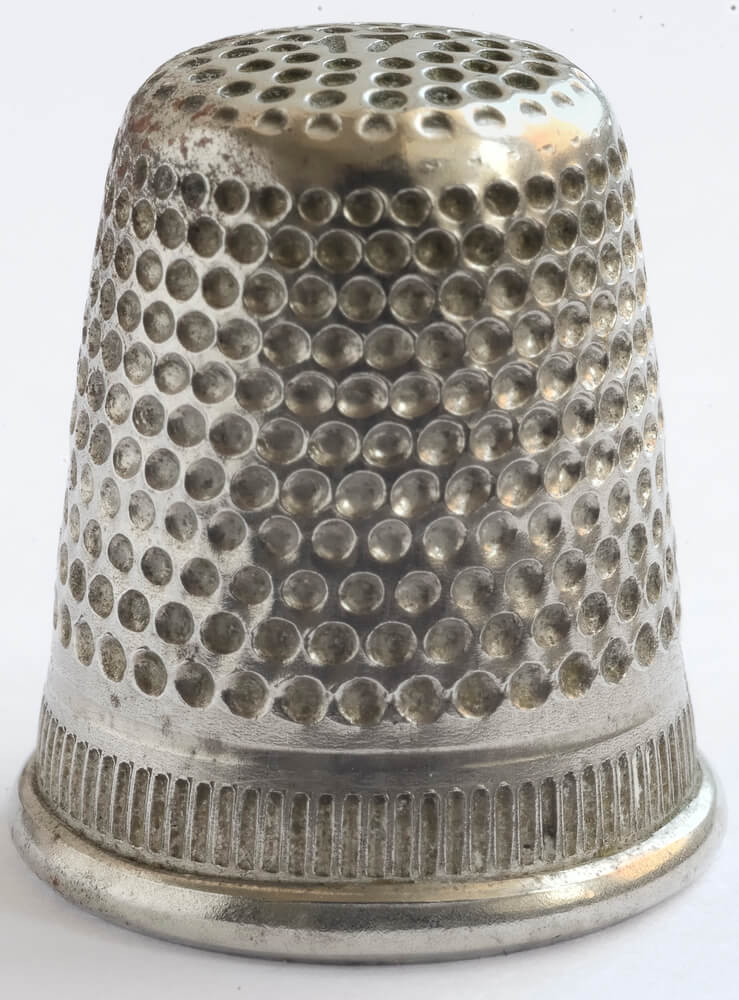
Simons Bros thimbles from Philadelphia, especially those with size markers inside or made from unusual materials, are collected actively. A single Simons Bros thimble in good condition reaches ten to thirty dollars; a complete set of sizes reaches one hundred to three hundred dollars.
Thimbles made from gold, silver, or tortoiseshell reach substantially higher. The precision manufacturing and the practical beauty of the design mean these are both functional and decorative objects, attracting multiple collector bases.
Advertising Needle Packages
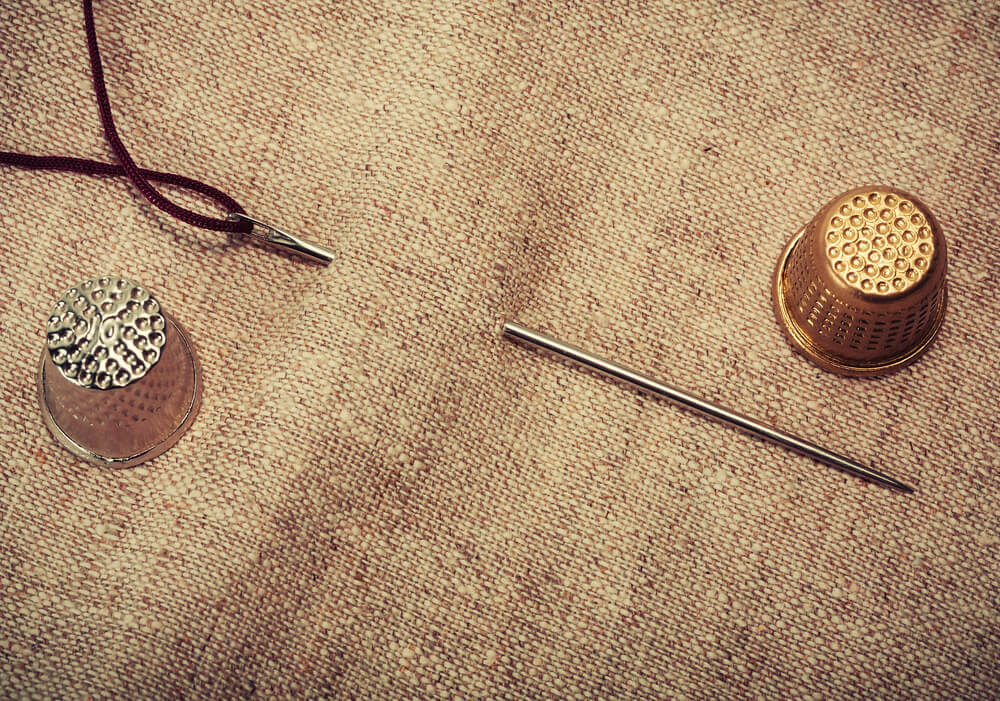
Needle packages with ornate Victorian advertising graphics—for thread or sewing notions companies long defunct—are collected as ephemera and sewing history. A single decorated needle package in good condition reaches three to ten dollars; a collection of assorted vintage needle packages from multiple companies reaches thirty to one hundred dollars.
The graphic design and the obsolete company names document a vanished market. These are frequently found in old sewing baskets but rarely recognized for their value.
Tape Measures: Celluloid and Cloth
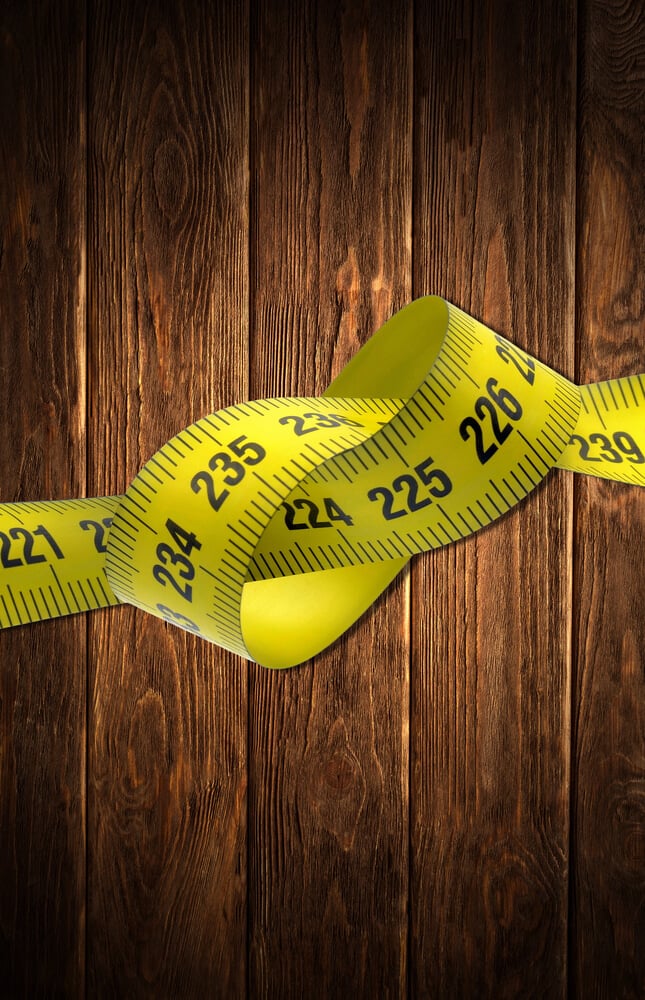
Vintage tape measures in cases decorated with celluloid, cloth, or printed graphics are collected and range widely in value. A tape measure in a decorative case from the 1920s-1940s in good condition reaches five to twenty dollars; a rare or unusual design reaches up to fifty dollars.
The material quality and the fact that many were discarded mean survivors are scarcer than production numbers suggest. Collectors prize working mechanisms and intact markings.
Pincushions: Figural and Cloth
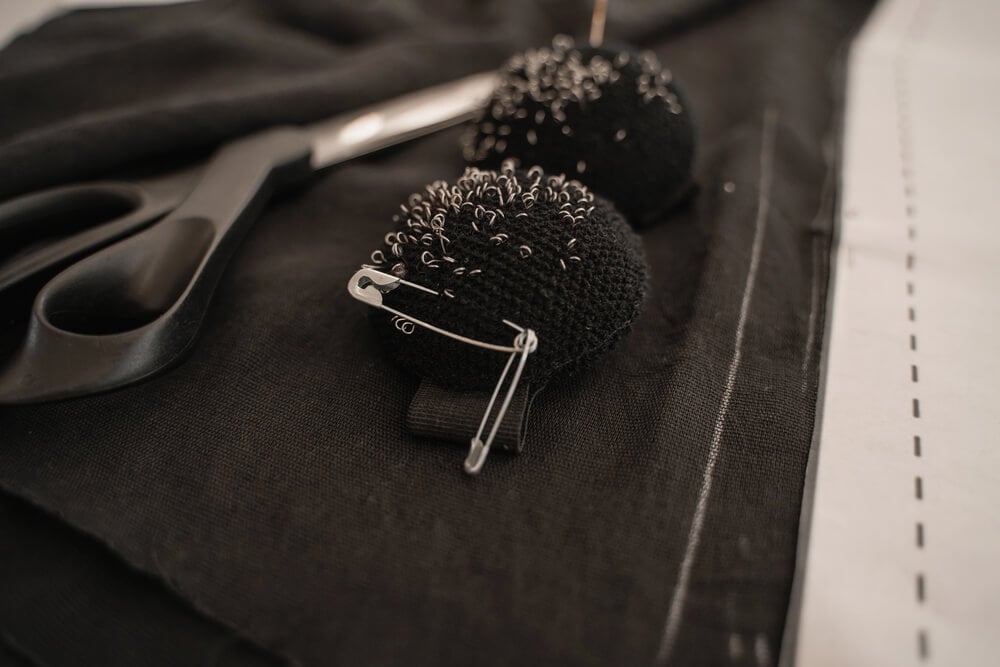
Vintage pincushions, especially figural ones shaped like animals, vegetables, or characters, are folk-art collectibles with a devoted following. A ceramic or cast-iron figural pincushion in good condition reaches ten to forty dollars; rare or unusual designs reach one hundred dollars or more.
Cloth pincushions with embroidery or decorative stitching reach five to twenty dollars. The whimsy and utility combine to make these objects both functional and charming, driving prices among stitchers and folk-art collectors.
Bobbins and Shuttle Hooks for Sewing Machines
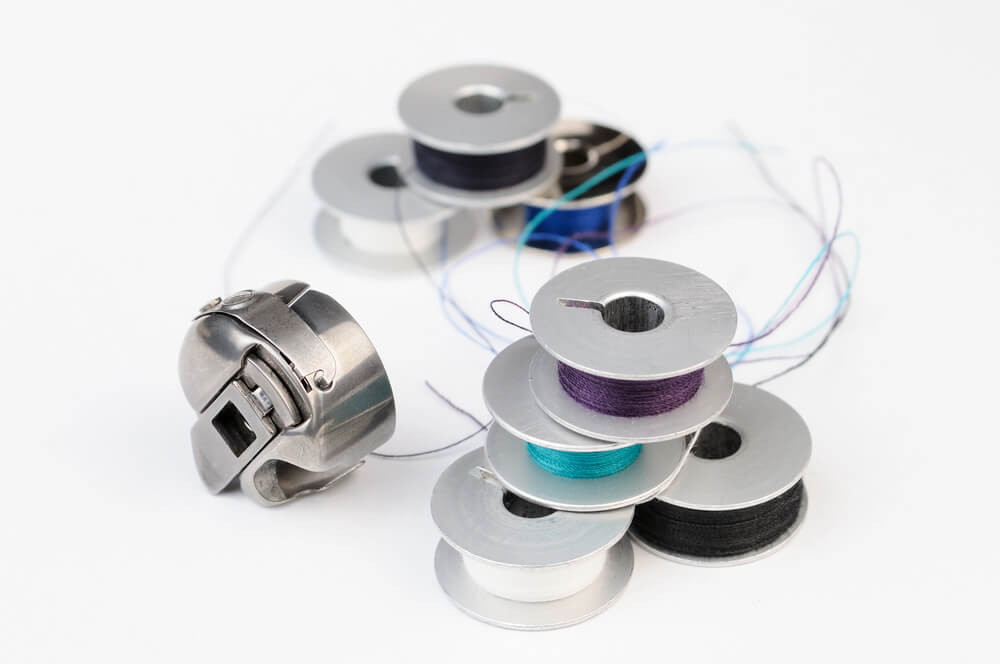
Original bobbins and shuttle hooks for specific sewing machine models are sought by machine restorers and thread enthusiasts. A set of original bobbins for a vintage machine reaches ten to thirty dollars; a rare shuttle hook for a scarce machine model reaches twenty to fifty dollars.
The specificity of these items means they are valuable only to people restoring that particular model, but those people search diligently. Incomplete collections of these items attract restorers planning to bring machines back to use.
Seam Ripper and Specialized Embroidery Scissors
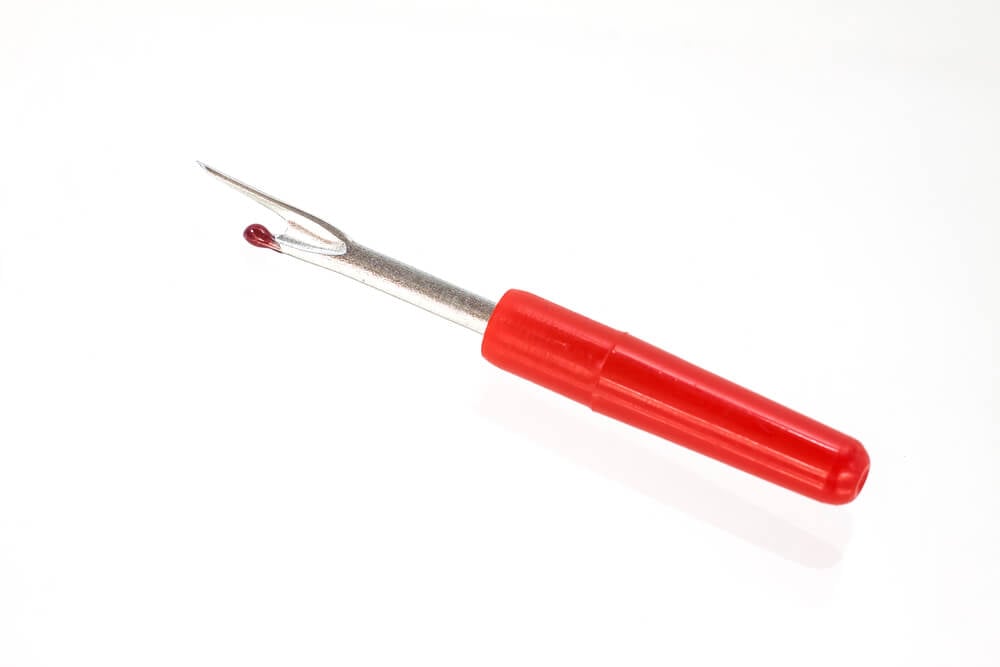
Well-made vintage seam rippers and embroidery scissors from Sheffield, Germany, or Switzerland in working condition reach five to fifteen dollars each. A matched set of seam rippers and scissors in their original case reaches twenty to fifty dollars.
The precision engineering and the durability of these tools mean they remain superior to modern equivalents, and embroidery specialists actively seek them. Collectors assemble working collections for actual use, not display.
Ric-Rac and Trim Samples

Vintage ric-rac trim, decorative braid, and ribbon samples on cards or in original packaging from the 1950s-1970s reach five to twenty dollars for a large collection of assorted designs. Individual sealed spools or rolls of unusual trim reach two to five dollars each.
The color saturation and the specific design options available in earlier decades drive value; modern trim does not match the visual richness. Collections are sought by garment restorers and craft enthusiasts.
Pattern Envelopes from McCall’s, Simplicity, or Vogue
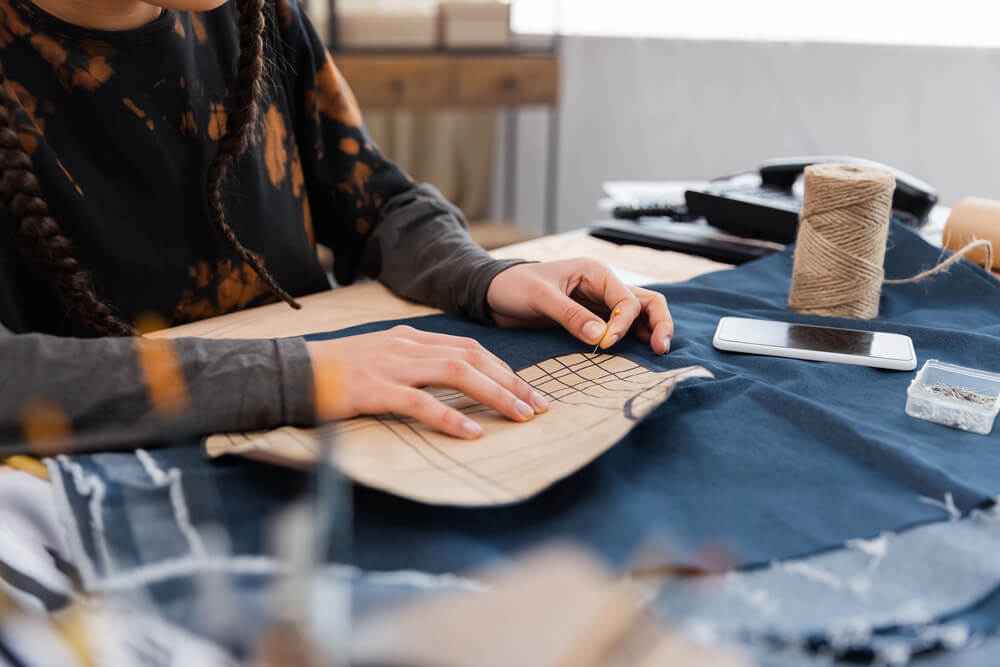
Vintage sewing pattern envelopes with 1950s-1970s cover art, unopened or with original tissue patterns inside, reach two to ten dollars each depending on rarity and design appeal. A collection of assorted patterns from a single company reaches twenty to one hundred dollars.
The graphic design and the fashion illustration on the envelope are as valuable as the pattern itself; collectors frame these as mid-century design ephemera. Unopened envelopes with original unused patterns command premiums.
Seam Guides and Ruler Attachments
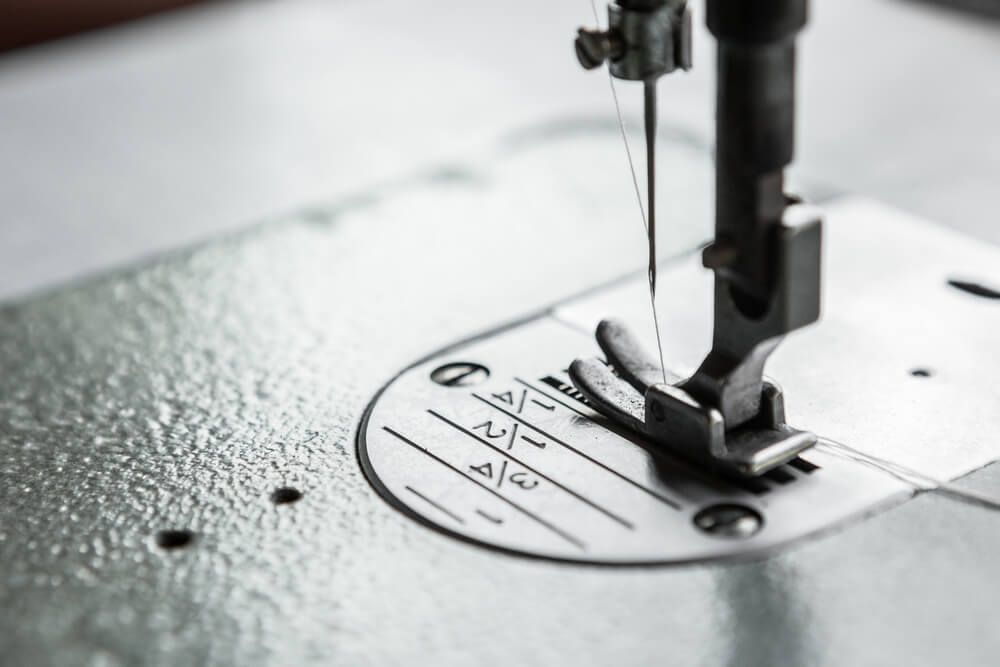
Vintage seam guides and ruler attachments for sewing machines are small brass or aluminum pieces that help operators maintain consistent seam width. A single guide in good condition reaches two to five dollars; a collection of assorted guides for different machine types reaches fifteen to forty dollars.
These items are functional and often corroded or lost, making survivors valuable to restorers. Specialists in vintage machines hunt these actively.
Thread Stands and Spool Holders
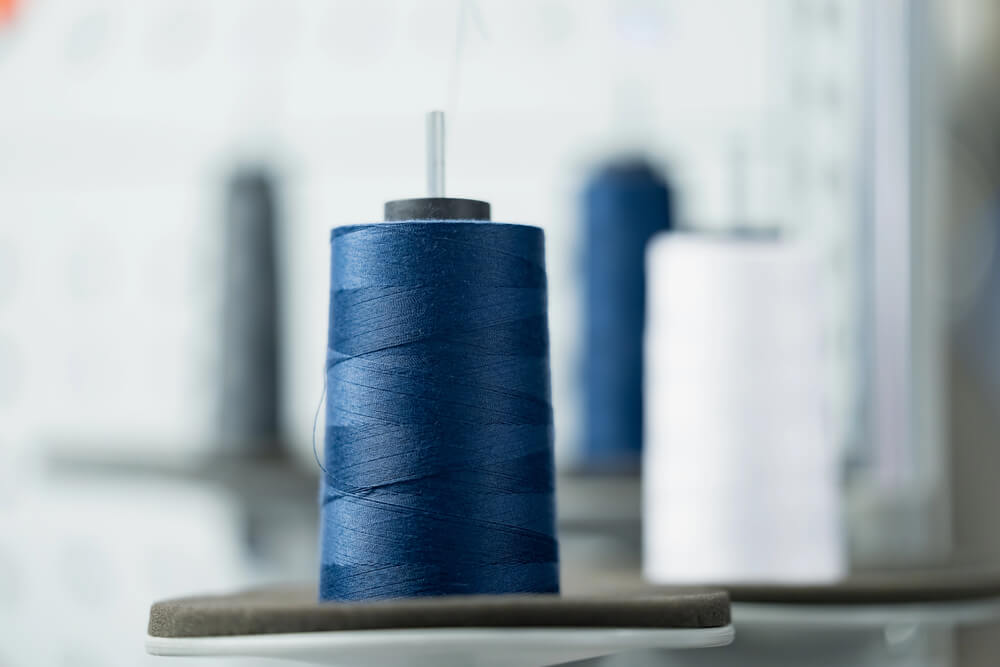
Vintage wooden or metal spool holders designed to stand beside a sewing machine reach ten to thirty dollars if in good condition with working mechanisms. A collapsible spool stand from the early-to-mid 20th century in wood or metal reaches fifteen to forty dollars.
These items improve the function of vintage machines and are actively sought by people restoring them to use. Condition and functionality drive value more than aesthetic appeal.
Needle Threaders and Auto-Threading Devices
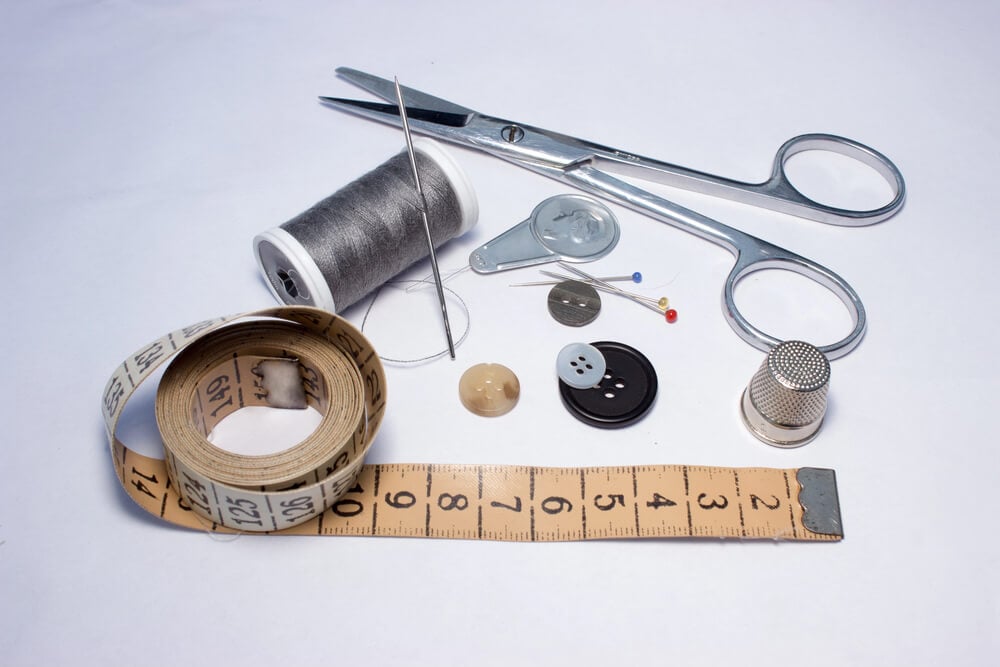
Vintage mechanical needle threaders and early auto-threading devices reach five to fifteen dollars in working condition; a collection of assorted threaders and threading aids reaches twenty to fifty dollars. These small tools demonstrate the ongoing problem of needle threading and how different companies attacked it.
Collectors appreciate the ingenuity and the historical evidence of user frustration.
Cloth Labels and Sewing Instructions
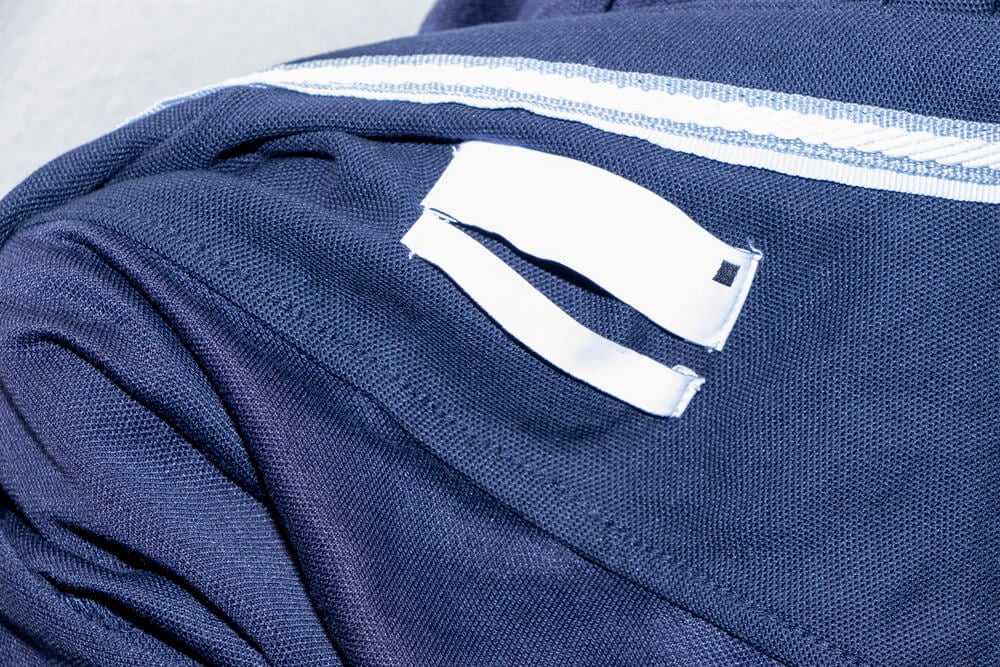
Vintage cloth labels intended for affixing to the inside of finished garments reach two to five dollars; a large collection of assorted labels in original packaging reaches thirty to seventy-five dollars. The graphic design, the company names, and the instructions for attachment document the expectations for finishing a garment.
Crafters seeking authentic period details hunt these actively, particularly for historical costume reproduction.
Vintage Buttons by Material: Celluloid, Lucite, Coconut Shell
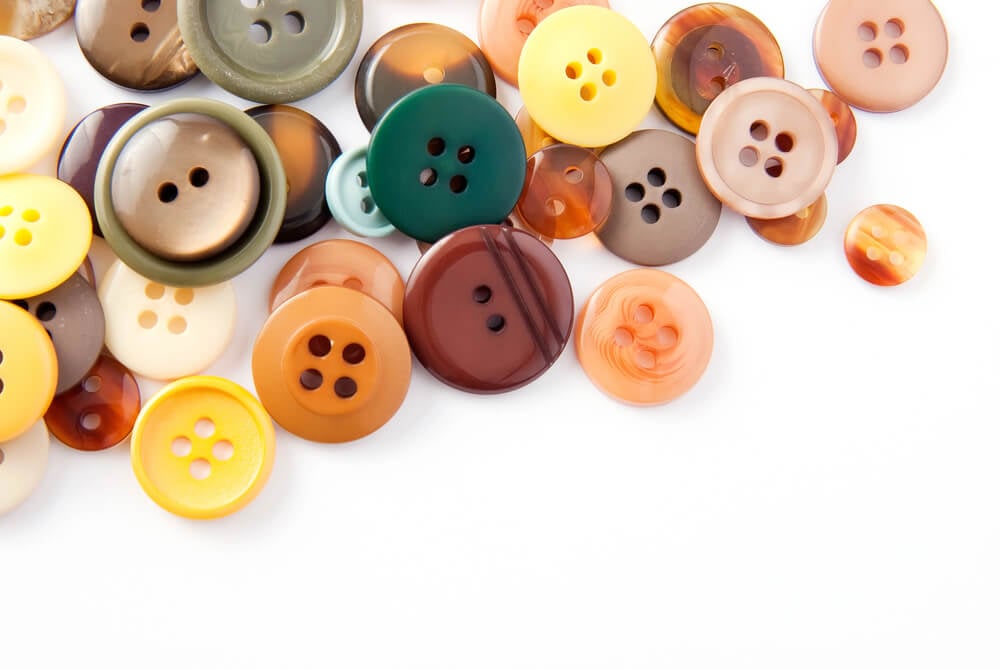
Beyond bakelite, celluloid buttons, Lucite buttons, and buttons made from natural coconut shells or tagua nuts are collected. A single unusual button in a rare color or distinctive design reaches two to eight dollars; a collection of assorted vintage buttons organized by material or color reaches fifty to two hundred dollars.
The transition from natural materials to early plastics to synthetics is visible in button history; collectors document this progression.
Snap Fasteners and Grommet Setting Tools
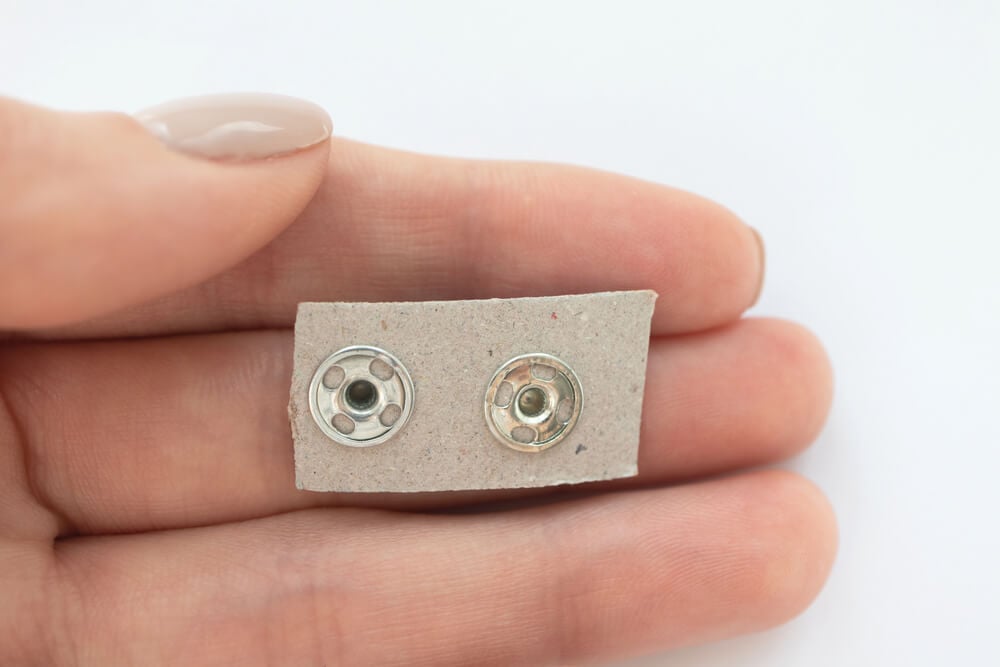
Vintage snap fasteners in their original packaging and the hand-operated grommet-setting tools reach five to twenty dollars per set depending on rarity and completeness. A collection of assorted fastener types and sizing tools reaches thirty to eighty dollars.
These items are functional and sought by people making historical costumes or leather goods. Complete original sets with instructions are especially valued.
Embroidery Hoops and Frames
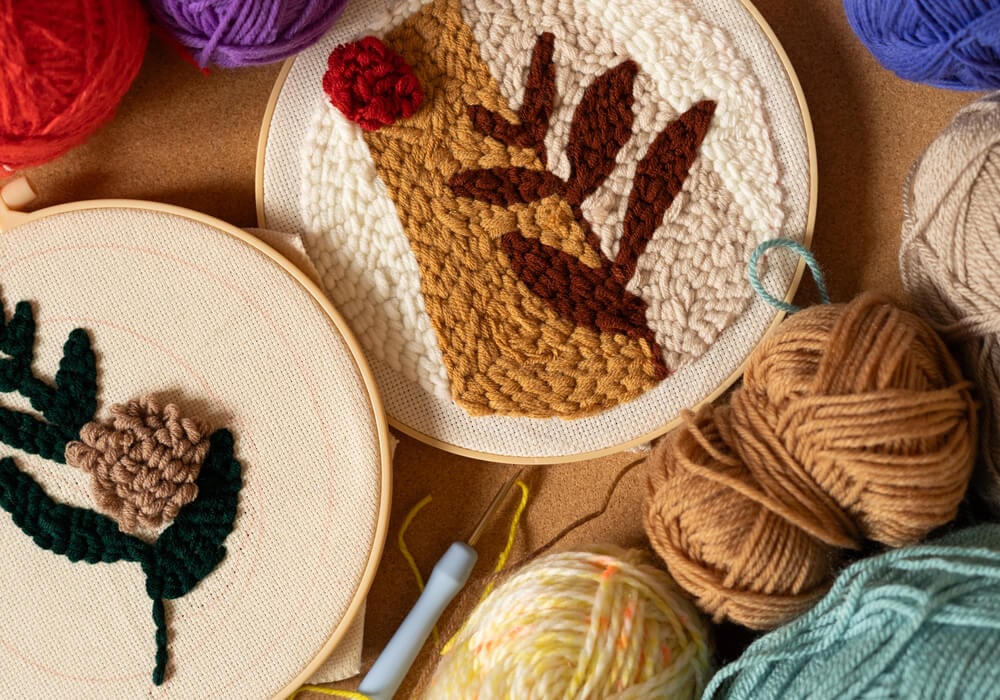
Vintage wooden embroidery hoops with adjustable tension screws and metal frames for stretching work reach ten to thirty dollars in good condition. A collection of assorted sizes and styles reaches fifty to one hundred fifty dollars.
The wooden hoops, particularly those from European makers, are superior to modern equivalents, and embroiderers actively seek them. Condition (no splits in wood, functioning screws) determines value.
Pattern Weights (for Pinning Patterns to Fabric)
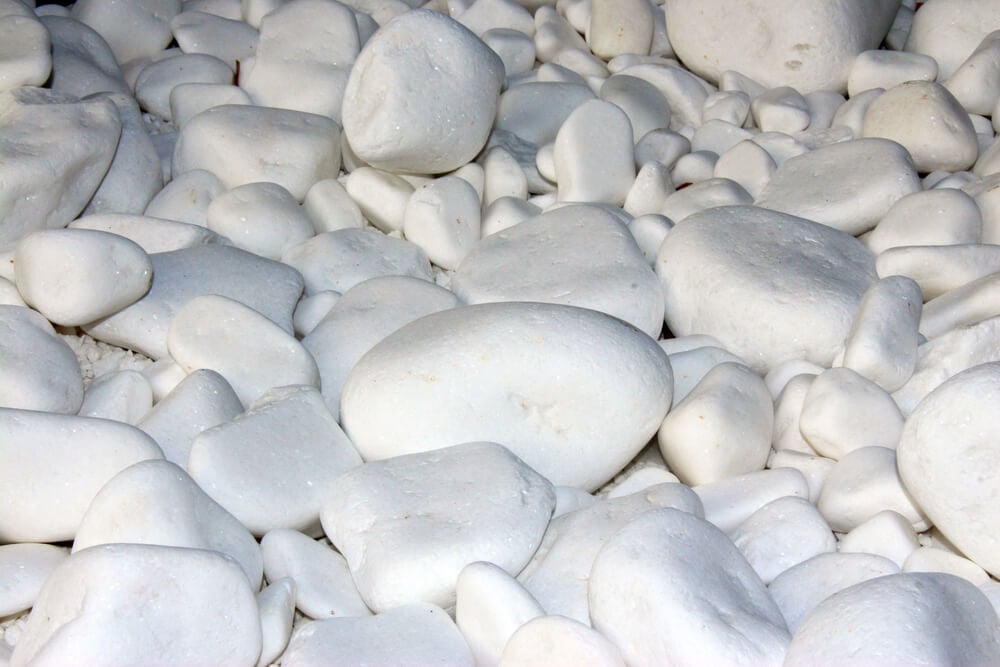
Vintage pattern weights—often decorative ceramic, glass, or brass pieces used to hold pattern pieces flat—reach five to fifteen dollars individually; a collection of assorted weights reaches twenty to fifty dollars. These are less common than one might expect, and many were discarded as useless.
Crafters appreciate the utility and the decorative appeal; quilters and garment makers actively seek them.
Vintage Yarn in Original Packaging
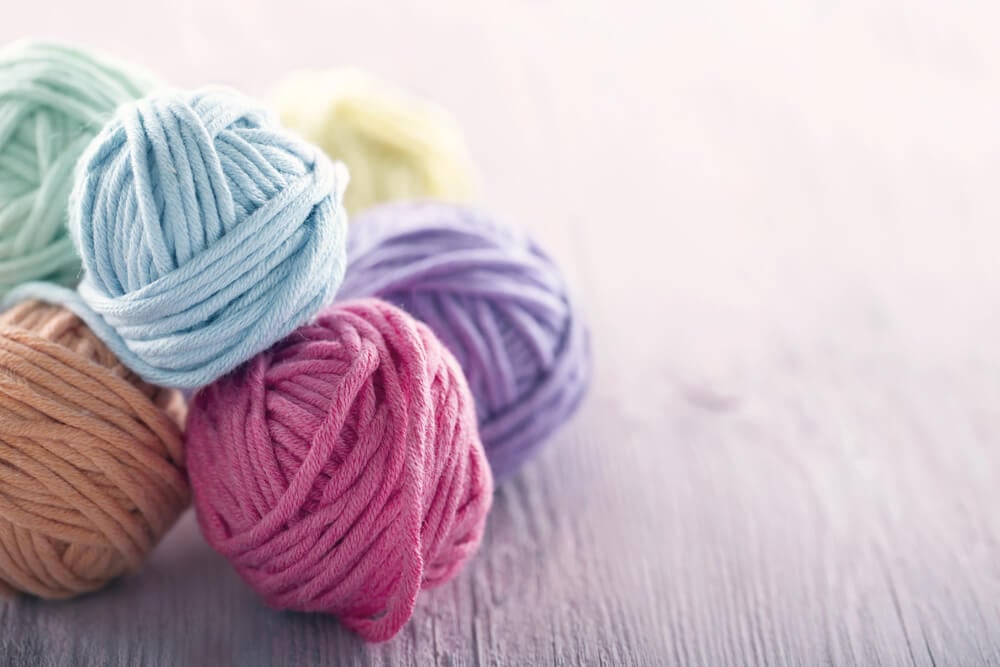
Sealed vintage yarn in wool or cotton from discontinued mills reaches two to five dollars per round or skein; a large collection of assorted colors and fibers reaches fifty to one hundred fifty dollars. The dye lots, the fiber content (often higher quality than modern equivalents), and the unavailable colors drive value.
Knitters and crocheters preserve these as both functional supplies and design history.
Sewing Basket Kits and Notions Sets
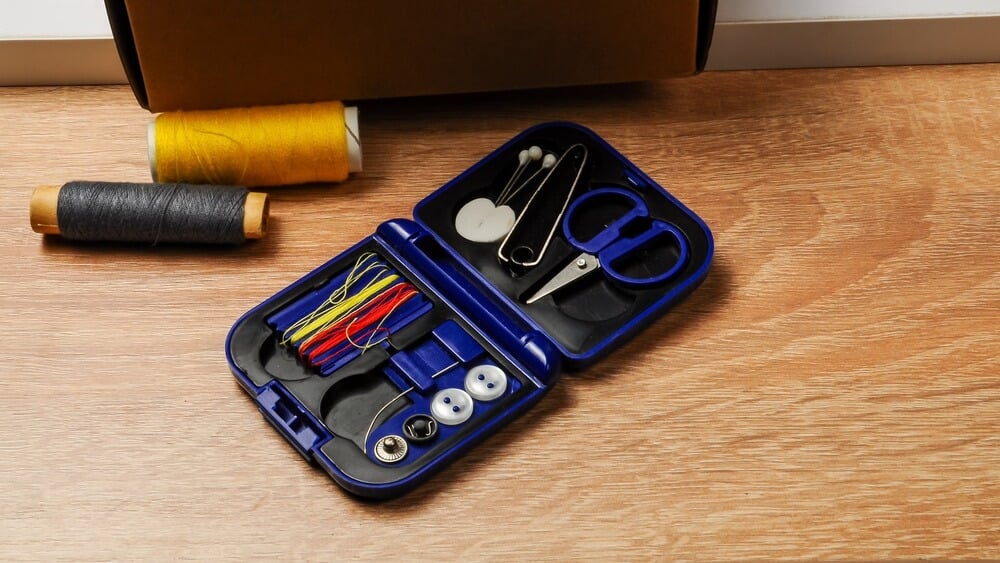
Complete vintage sewing baskets or organized notions sets with many of the above items still inside reach fifty to two hundred dollars depending on completeness and rarity. An intact mid-century sewing basket with organized compartments, original thread, needles, buttons, and tools is a treasure.
These collections are often found in estate cleanouts intact and undervalued; careful evaluation will identify the components.
Transferred-Design Needlework Kits
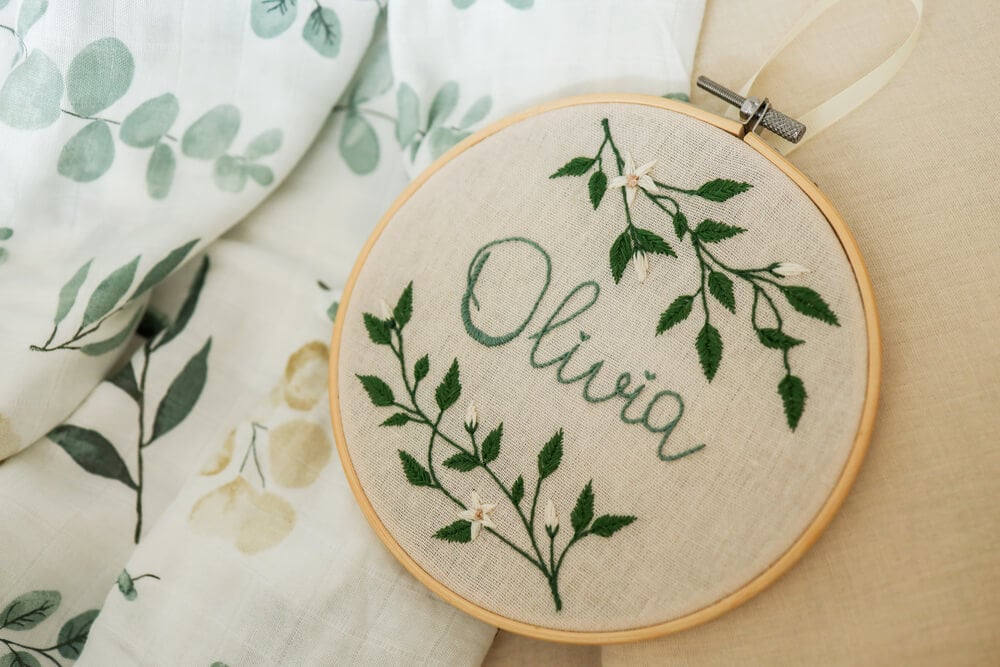
Vintage embroidery and needlework kits with transferred designs on linen or cotton, complete with thread and needles, reach five to twenty dollars per kit. A collection of assorted kits in original packaging reaches fifty to one hundred dollars.
The design aesthetics and the specific thread colors available document mid-century craft trends. Crafters completing these projects seek the original kits to match the intended colors.
Buttonhole and Stitch Guides
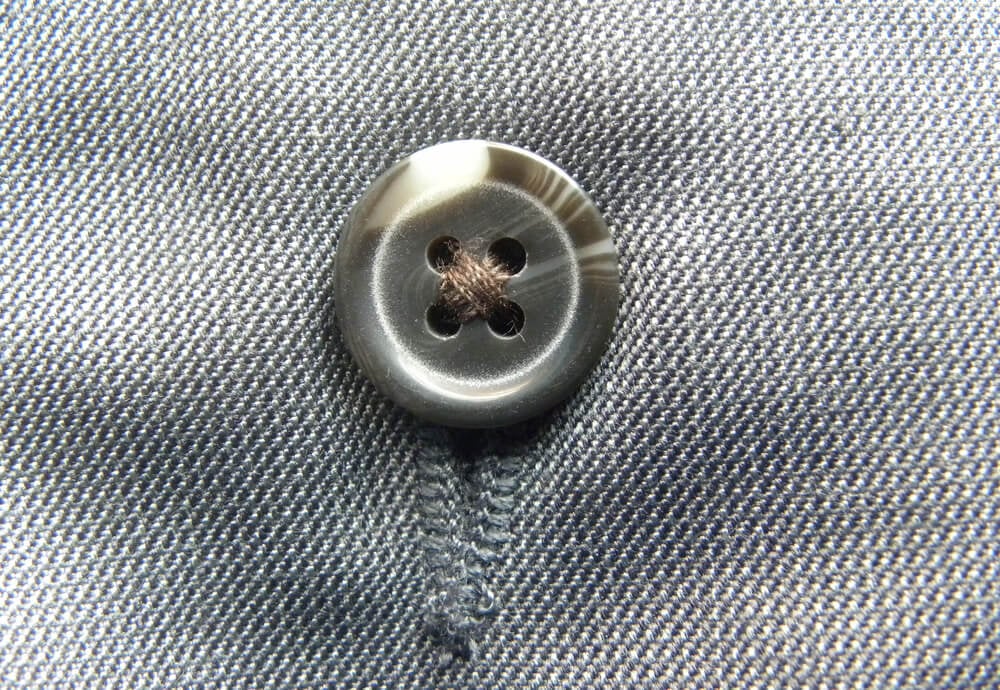
Vintage printed guides for making different stitches and buttonhole styles reach three to eight dollars; a collection of these instructional items reaches fifteen to forty dollars. The historical documentation of technique and the hand-drawn or early-printed illustrations are valued by stitchers and craft historians.
These guides often came with machines or pattern packages and were frequently discarded.
Sewing Machine Manuals and Instruction Booklets

Original manuals and instruction booklets for vintage sewing machines, particularly for models still in use, reach ten to thirty dollars depending on rarity and condition. Manuals for uncommon models or those with diagrams and color illustrations reach higher.
These are actively sought by people restoring and using vintage machines; an original manual makes operation and maintenance possible. Condition (legibility, binding, completeness) matters significantly.
The Invisible Economy of Making

Sewing notions are the forgotten economy. The thread, the buttons, the fasteners, the guides—these are the materials that finish the garment and secure its function, and they are so cheap and abundant that casual sellers dismiss them as worthless.
A collector of sewing items is not sentimental but practical: she understands that these components represent obsolete production, discontinued formulations, and design choices that vanished into the digital age. A sewing basket found in an estate is not merely nostalgia; it is a library of materials and techniques, and the pages are searchable if someone has spent the time to learn their language.
More from Go2Tutors!

- 27 Silver Dollars and Half Dollars Worth Keeping
- 28 Restaurant Menu Items Nobody Orders Anymore
- 17 Places Built in Seemingly Impossible Spots
- 27 Vintage Rings Worth More Than They Look
- 25 Restricted Sites Tourists Can’t Enter
Like Go2Tutors’s content? Follow us on MSN.