Office Tech That Vanished in the 2000s
Heavy silence now replaces what once clattered daily. Back then, paper stacked high on desks you could barely see across.
Machines hummed through every afternoon, needing constant care just to keep going. Messages moved slowly, carried by hand or trapped inside fax tones.
Each task followed a path laid out by the tools around you – no choice, just routine. Presence mattered because nothing worked unless someone made it work.
Even thinking felt different when surrounded by gears turning and buttons blinking. This stretch lived caught between old rhythms and new signals.
Even as fingers stayed trained on clunky machines, screens began moving quick enough to keep up. So gear didn’t vanish with noise – it slipped away, ignored, swapped without ceremony.
What got left behind tells more than progress charts ever could. Flick through old desks, dusty corners reveal gadgets once essential.
Machines hummed where silence now sits. Their quiet speaks louder than function ever did.
Absence paints progress without words. Tools vanished, yet traces remain in habits we keep today.
Fax Machines
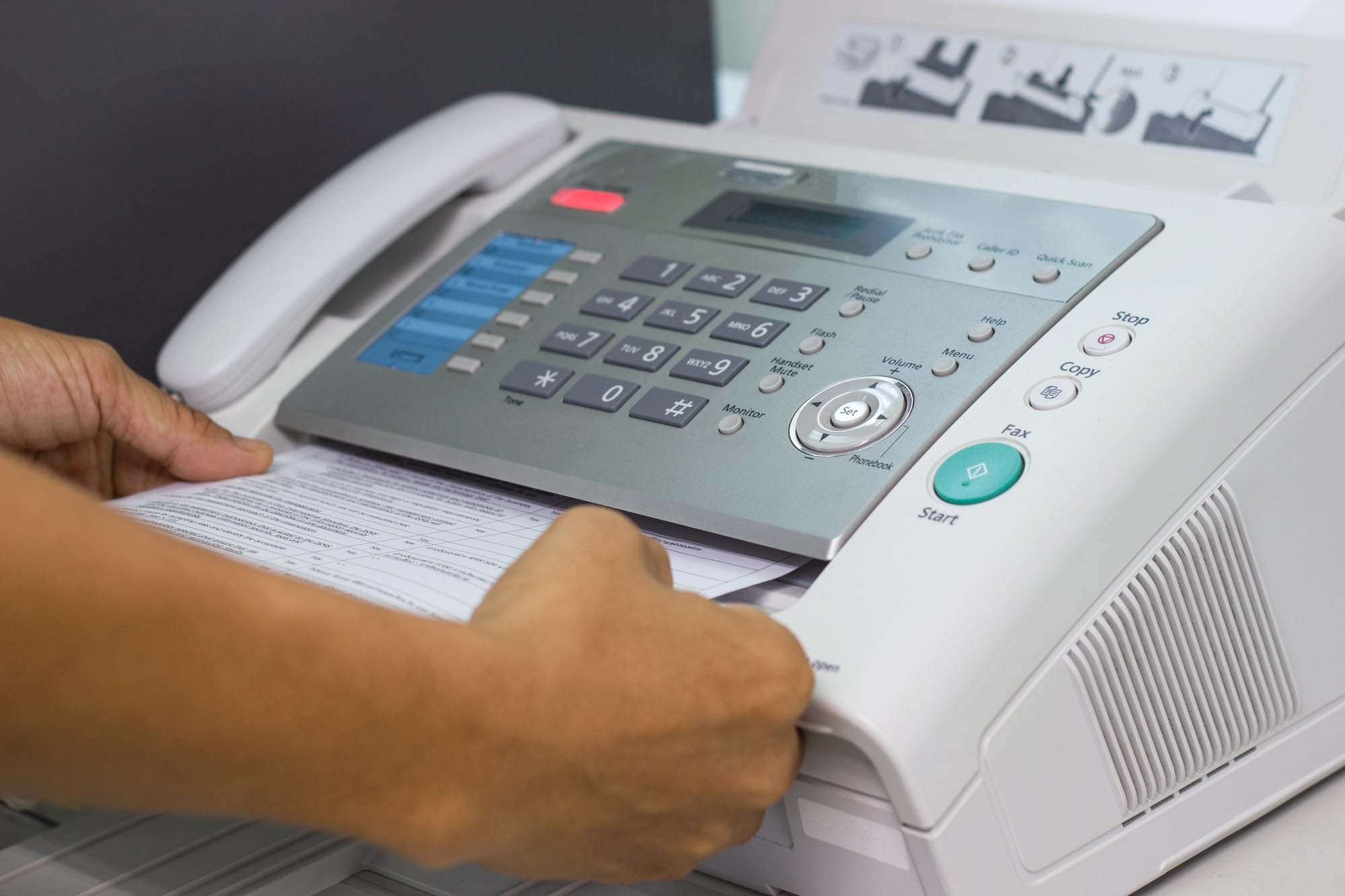
Fax machines once acted as gatekeepers of official communication. A document sent by fax carried a sense of legitimacy that early email could not match.
Offices often gathered around the machine, waiting for pages to emerge, checking headers for timestamps and sender details. The process demanded patience and physical presence.
As internet speeds improved and email became standardized, faxing began to feel inefficient. Scanning documents and attaching files removed the need for dedicated machines and specialty phone lines.
Over time, fax machines became background fixtures, used only when required by tradition rather than practicality. Their eventual disappearance marked a turning point, when digital communication fully replaced mechanical trust.
Rolodexes
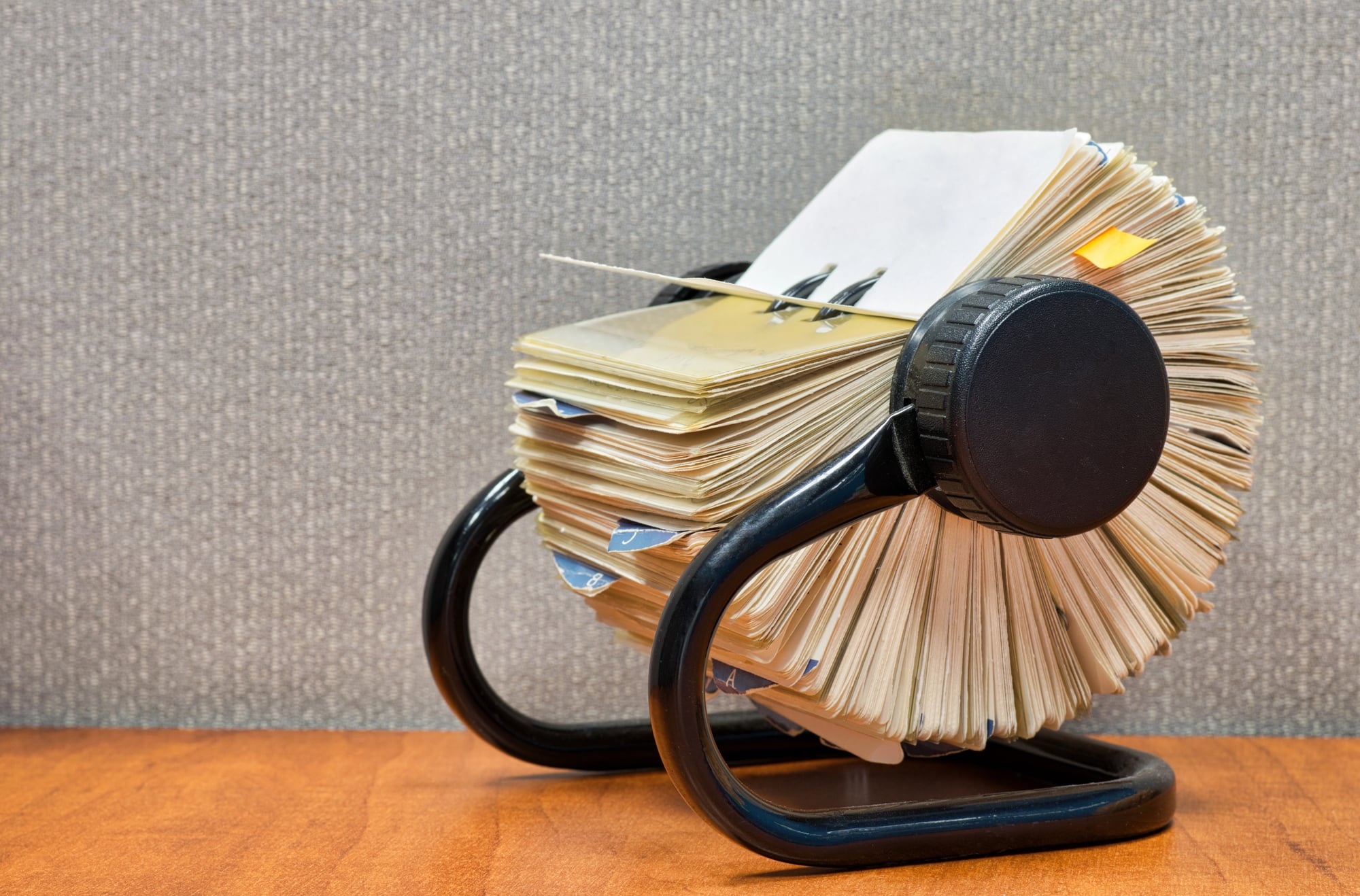
Before digital contact lists, the Rolodex was an extension of professional identity. It held client numbers, supplier details, and handwritten notes that captured tone and context.
Maintaining it required regular updates, careful organization, and personal attention. It was both a tool and archive.
As digital address books became searchable and shareable, the Rolodex lost its advantage. Contacts could be synced across devices, backed up automatically, and updated without rewriting anything by hand.
The disappearance of the Rolodex reflected a broader shift toward centralized, collective memory rather than individual record-keeping.
Overhead Projectors
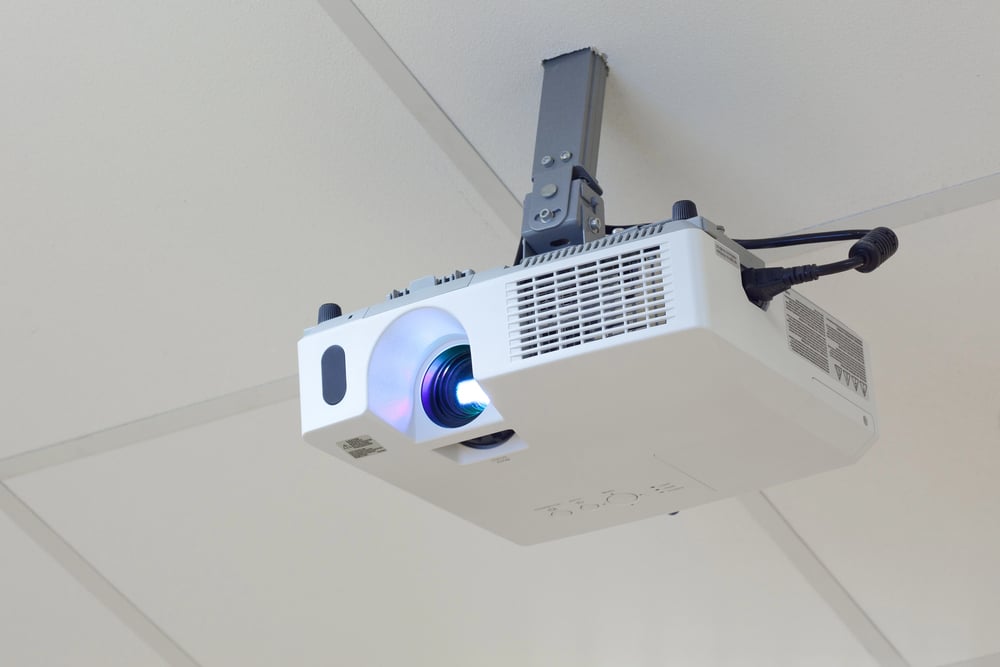
Overhead projectors once dominated meeting rooms. Presentations were planned well in advance, with transparencies arranged carefully to avoid confusion.
Any error was visible immediately, often forcing presenters to improvise in front of colleagues. Digital projection replaced this entire ritual.
Slides could be edited moments before meetings, duplicated instantly, and shared electronically. As flexibility increased, the bulky machines became obsolete.
Overhead projectors did not fail; they were simply outpaced by tools that demanded less preparation and offered more control.
Floppy Disks And Zip Drives
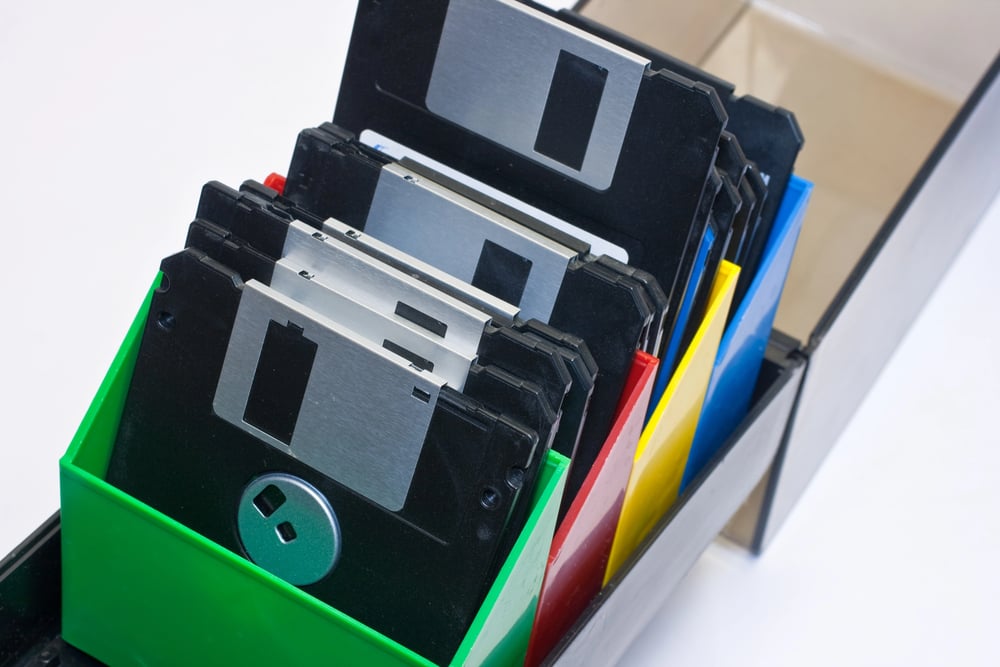
Early digital storage relied on removable media that now feels impossibly limited. Floppy disks required careful labeling and frequent swapping, while Zip drives promised convenience but introduced compatibility concerns.
Offices kept drawers of disks, each one representing fragile pieces of work. The arrival of USB drives and cloud storage transformed file handling completely.
Storage capacity expanded rapidly, transfers became faster, and physical media disappeared from daily use. With them went the anxiety of corrupted disks and misplaced files.
The office grew quieter as spinning drives gave way to silent data movement.
CRT Monitors
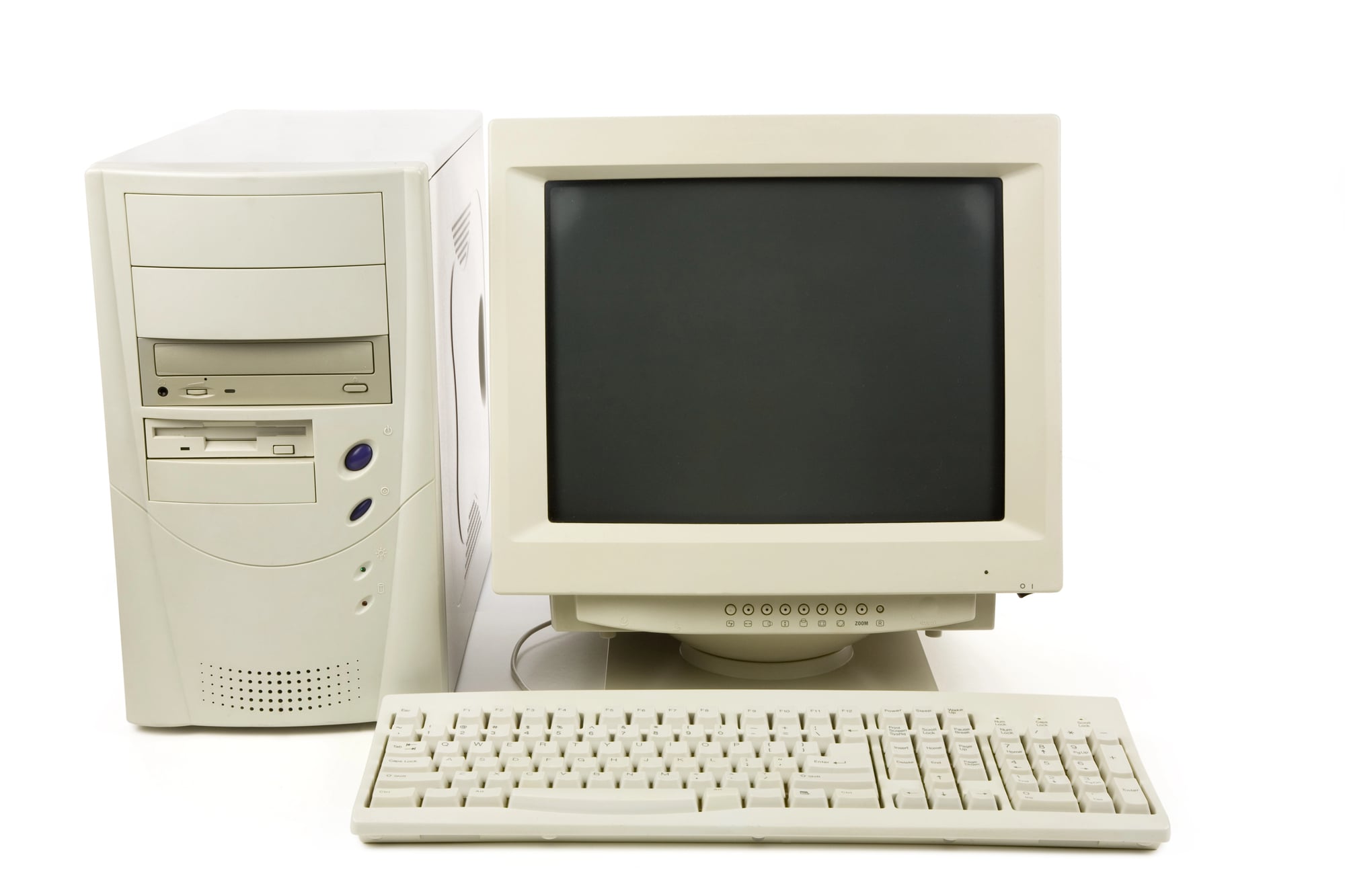
CRT monitors shaped desk layouts for decades. Their weight and depth dictated furniture choices and limited flexibility.
Adjusting one often meant rearranging an entire workstation, and prolonged use contributed to eye strain and fatigue. Flat-panel displays offered an immediate alternative.
They were lighter, sharper, and far easier to position. As prices dropped, offices replaced CRT monitors en masse.
Their disappearance changed not only how desks looked, but how space was used, enabling cleaner layouts and more adaptable work environments.
Dedicated Dictation Machines
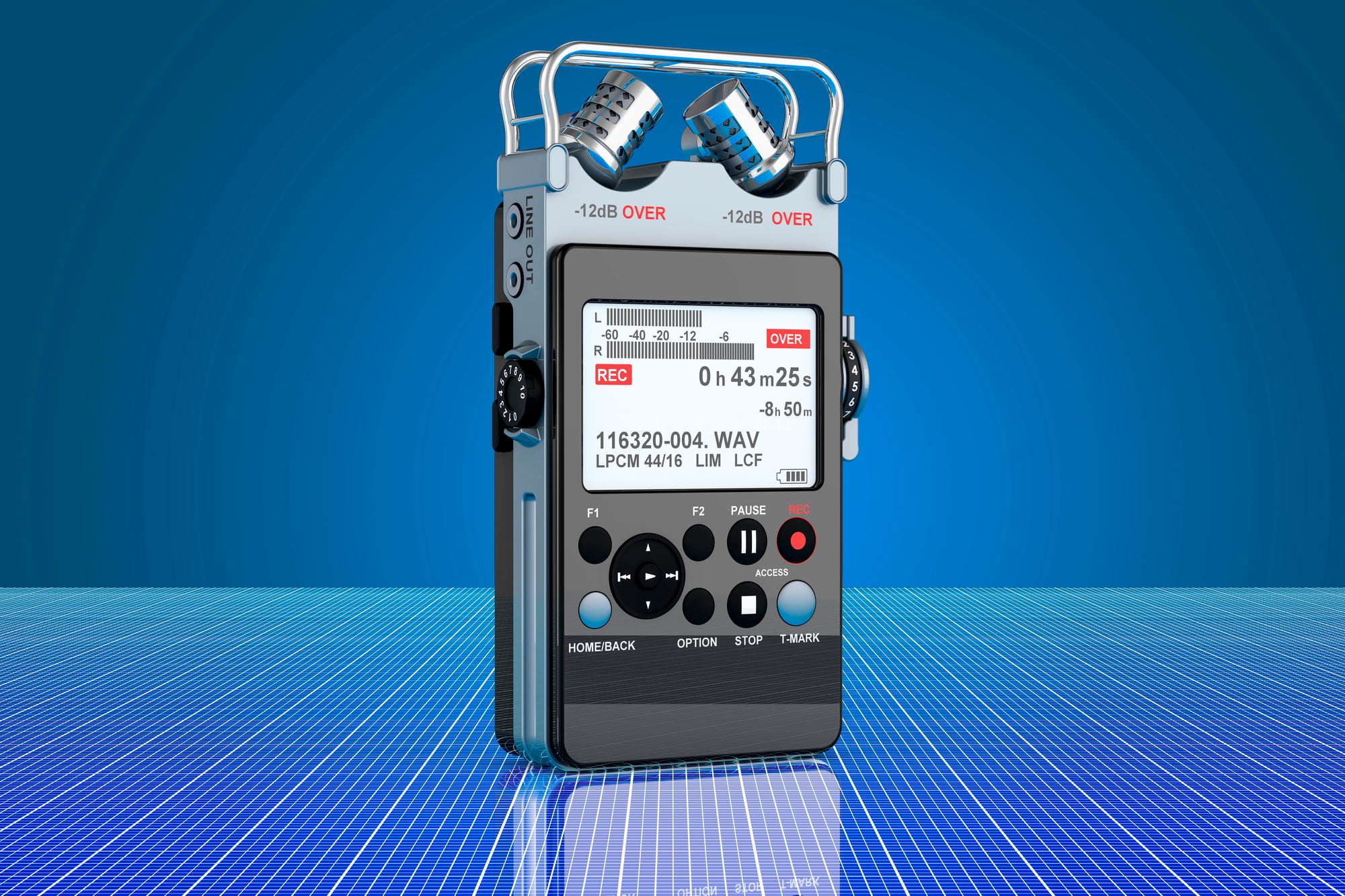
Dictation machines structured communication in hierarchical offices. Spoken notes traveled from recorder to transcription staff before becoming official documents.
This process added time, but also control and formality. As word processing improved and recording tools became standard features on computers, this workflow dissolved.
People typed directly or recorded digitally, removing layers of mediation. Dictation machines vanished along with the roles that supported them, signaling a move toward flatter, more self-sufficient workplaces.
Standalone Time Clocks
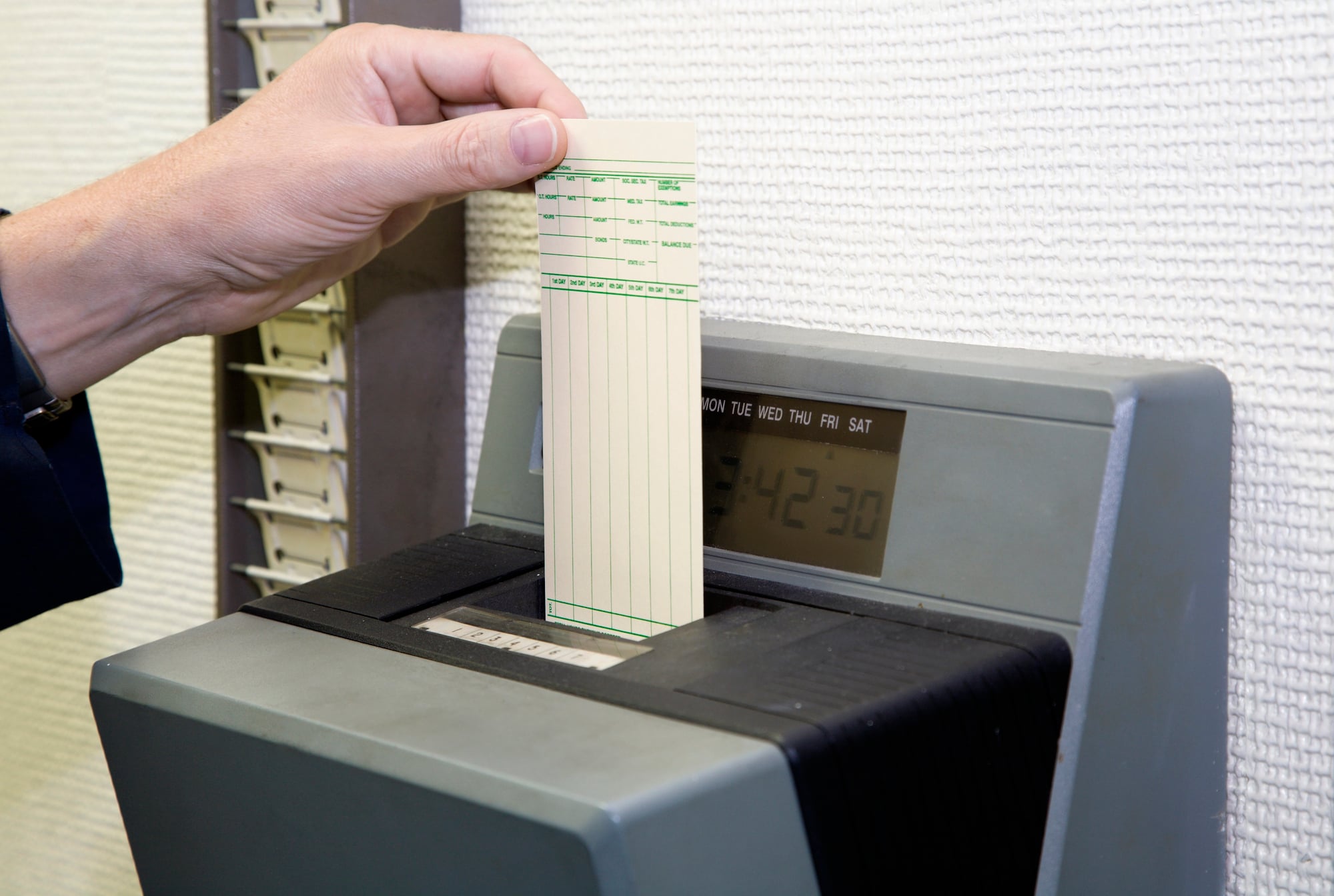
Time clocks reinforced structure and routine. Punching in and out was a physical act that marked the workday’s boundaries.
Cards were reviewed, stamped, and filed, creating tangible records of attendance. Digital systems replaced these devices with automated tracking and flexible scheduling.
Work hours became data rather than actions. While efficiency improved, the ritual of marking time faded away, reflecting changing attitudes toward presence and productivity.
Desk Phones With Handwritten Message Slips
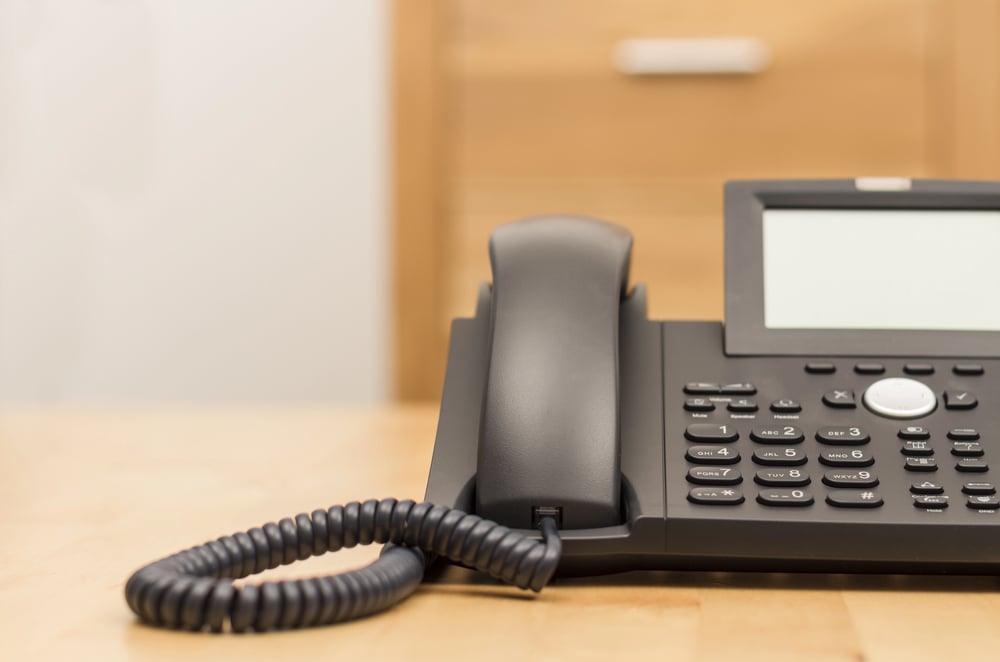
Desk phones once came with pads of paper for recording missed calls. Messages were handwritten, passed along, and sometimes delayed by availability.
These notes carried tone through handwriting and emphasis. Voicemail and unified messaging systems eliminated this process.
Information moved faster, but lost some of its human texture. The disappearance of message slips marked a shift toward efficiency over personal nuance.
Filing Cabinets As Primary Storage
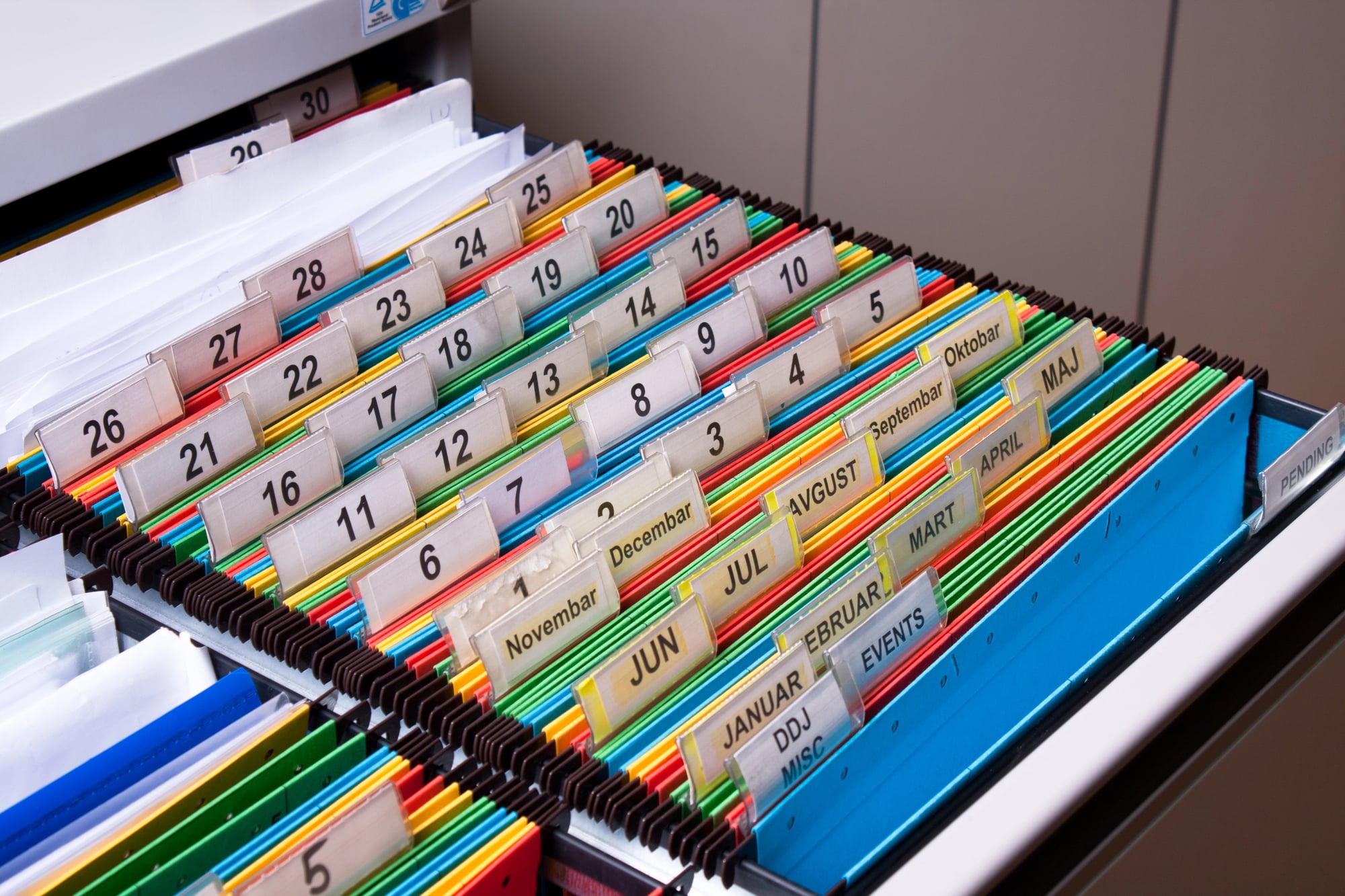
Filing cabinets used to store every piece of a company’s past. Inside row after row of drawers sat agreements, letters, and summaries – each slotted into rigid order.
Getting to them meant showing up in person, moving things slowly. Each pull of a drawer carried weight.
Out of nowhere, digital files made metal drawers obsolete. Search functions replaced paper trails, sharing jumped across desks without moving a thing, copying took seconds flat.
Once essential, those gray boxes slipped into corners – support roles at best – before vanishing like old habits. The room opened up where they stood, while data moved faster than anyone expected.
Offices started breathing differently once the clatter stopped.
Why It Still Matters
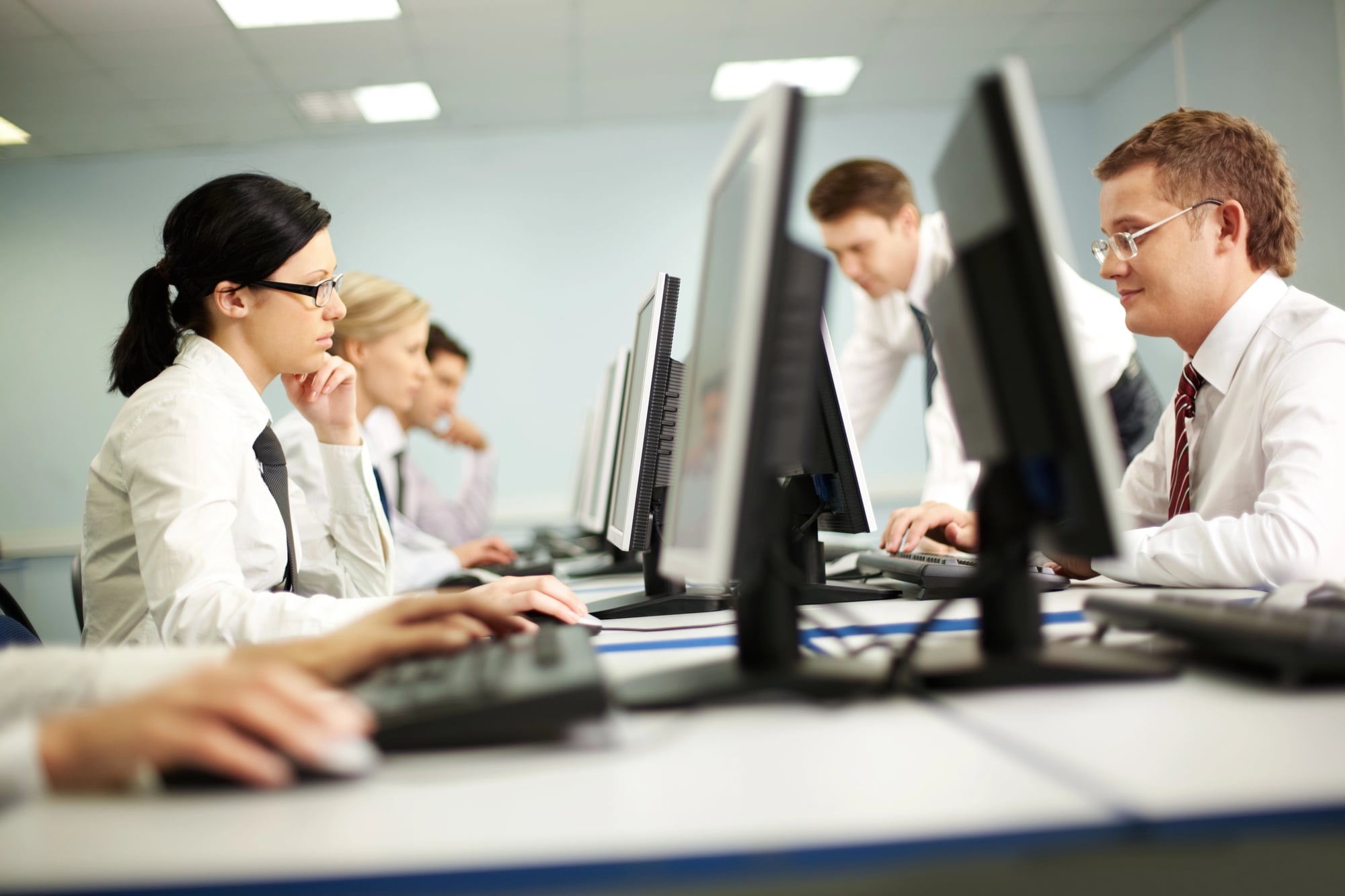
Out of sight, those old office gadgets from the 2000s still echo in how we connect today. Because routines changed, so did conversations, schedules, even what counted as moving forward.
Yet faster, looser, unseen ways of working took their place without much fanfare. Though gone, they left traces – not in museums, but in muscle memory and quiet realizations.
While forgotten on shelves, their influence lingers each time someone pauses before clicking send.
More from Go2Tutors!

- The Romanov Crown Jewels and Their Tragic Fate
- 13 Historical Mysteries That Science Still Can’t Solve
- Famous Hoaxes That Fooled the World for Years
- 15 Child Stars with Tragic Adult Lives
- 16 Famous Jewelry Pieces in History
Like Go2Tutors’s content? Follow us on MSN.