Famous Monuments Built From Materials Reused Elsewhere
Builders have always raided older buildings. Stone is heavy, quarrying is expensive, and a ruined temple makes a very convenient supply yard.
The practice is called spolia, and it shaped some of the most famous monuments in the world. Some of these reuse projects were practical, some political, and a few were acts of restoration.
The thirteen below show how a single block can have more than one life.
The Arch of Constantine in Rome
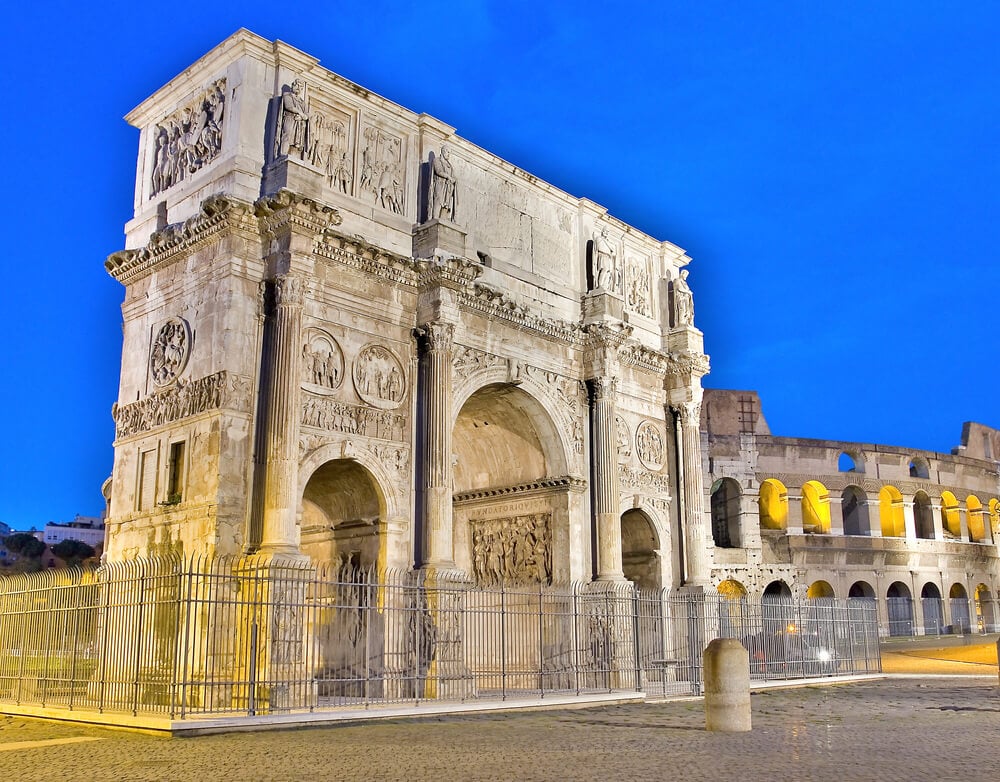
Dedicated in 315 AD, the Arch of Constantine incorporates reliefs taken from earlier monuments to Trajan, Hadrian, and Marcus Aurelius. The effect placed the new emperor in the company of Rome’s most admired rulers.
Viewers can still spot the older carvings, which are sharper in style than the work made for Constantine himself.
Karnak’s Ninth Pylon
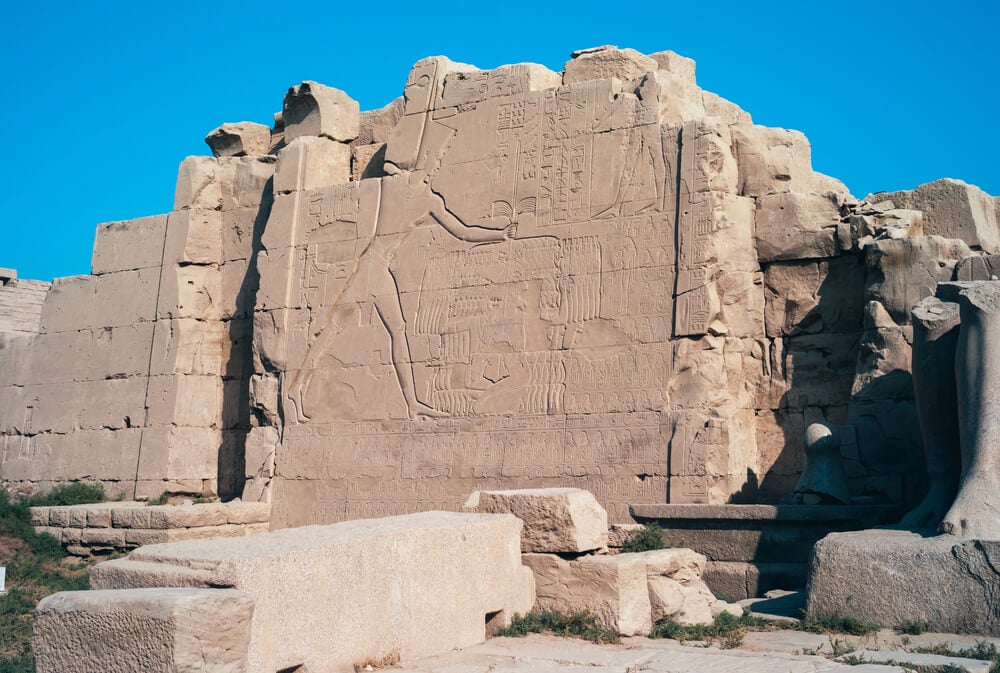
The Ninth Pylon at Karnak was filled with talatat blocks, small sandstone pieces taken from temples to the Aten built under Akhenaten. After his reign, successors dismantled his monuments and reused the stones as rubble fill.
The blocks later helped archaeologists reconstruct the lost temples.
The Crypt at Hexham
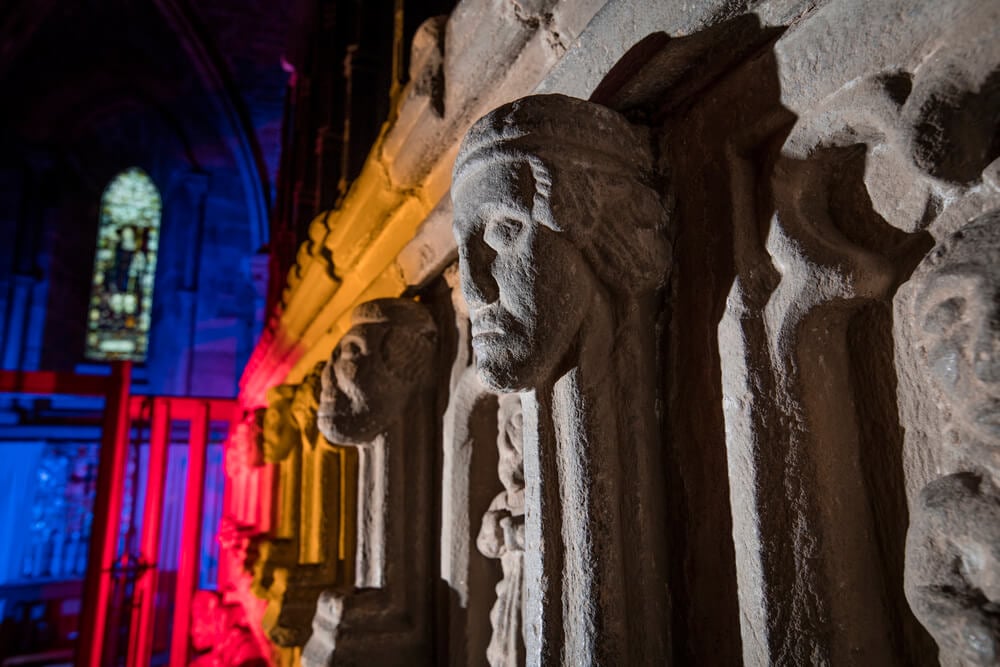
The seventh-century crypt at Hexham Abbey in England was built with Roman stone brought from Corbridge. Some of the blocks still carry Roman inscriptions, visible to visitors.
The crypt shows how early English builders treated ruined Roman sites as quarries.
The Palatine Chapel at Aachen
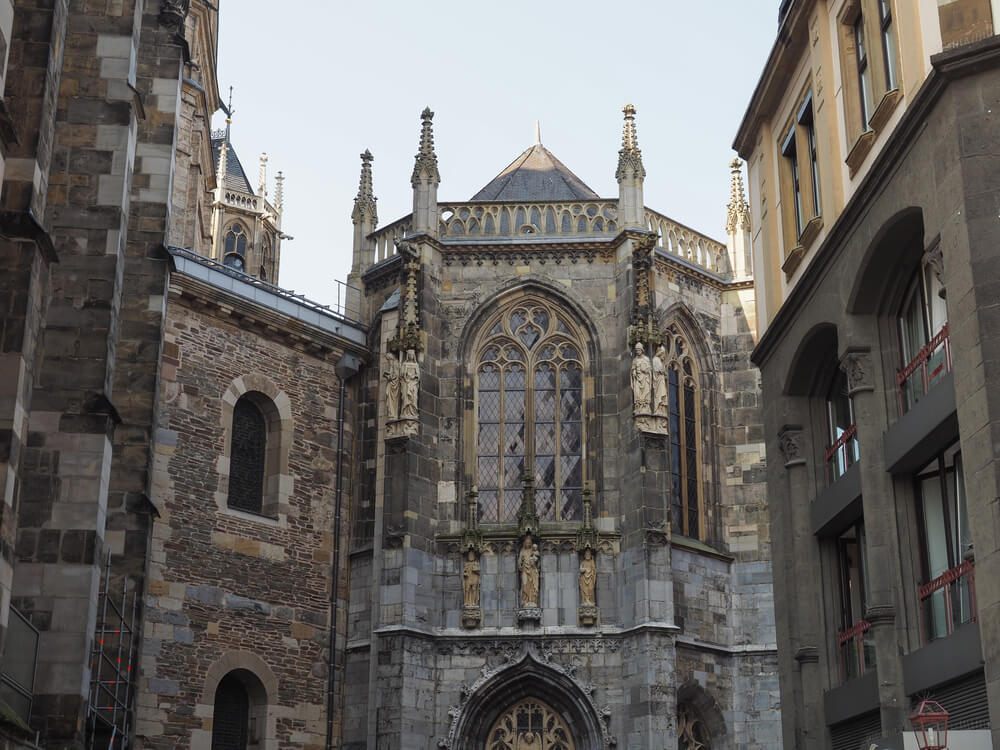
Charlemagne’s chapel at Aachen used columns and marble from Ravenna, obtained with the permission of Pope Hadrian I. The imported materials linked the new Frankish capital to the prestige of late Roman Italy.
Many of those columns remain in place today.
The Great Mosque of Kairouan
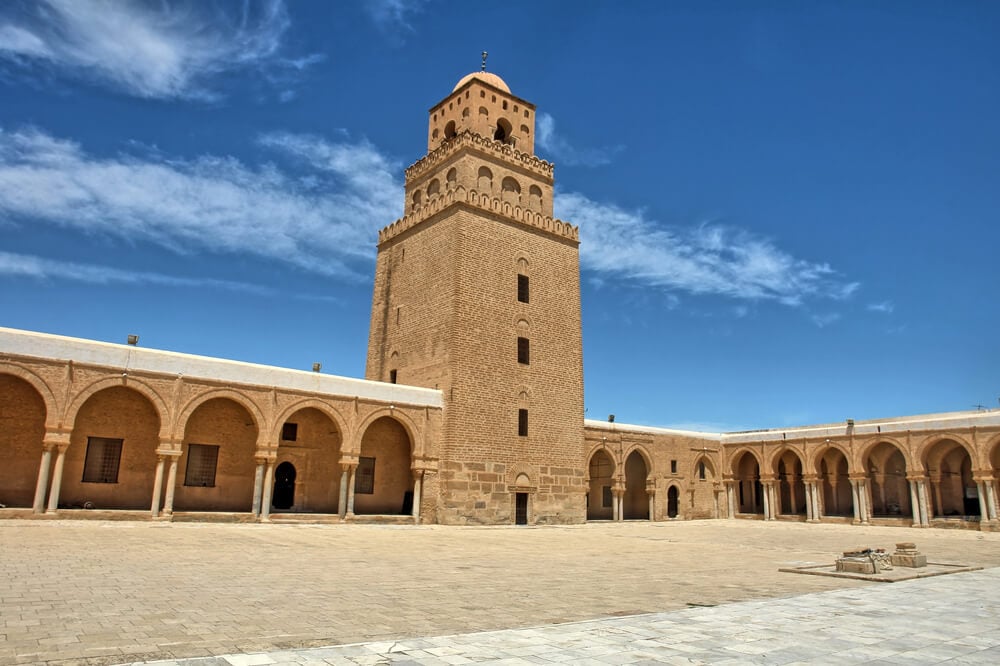
The Great Mosque of Kairouan in Tunisia contains columns taken from earlier Roman and Byzantine buildings. The mismatched shafts and capitals give the prayer hall a distinctive forest-like rhythm.
The mosque is one of the oldest in North Africa.
The Mosque-Cathedral of Córdoba
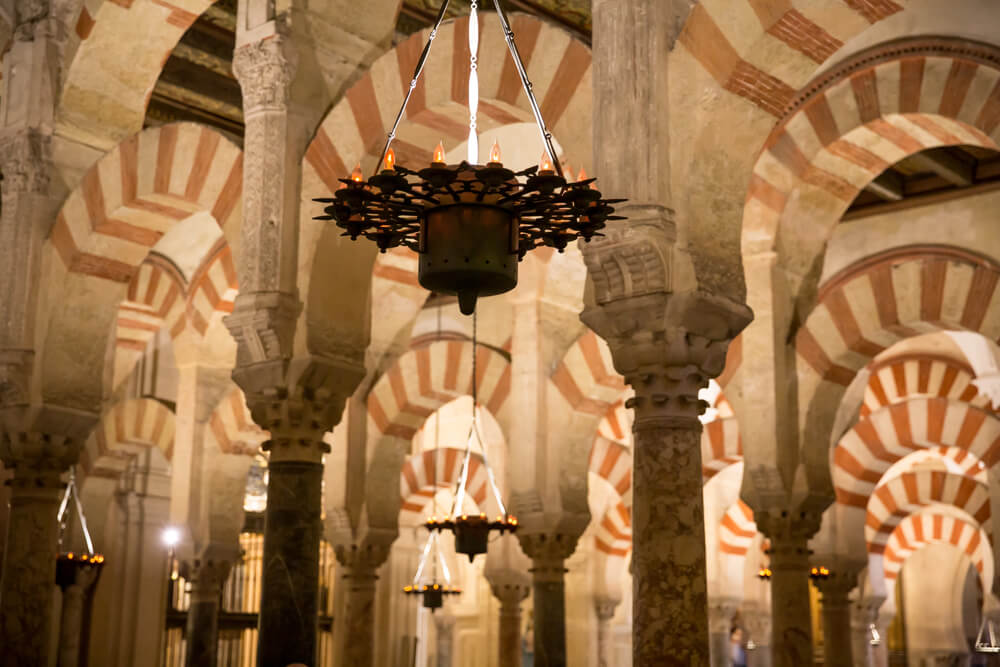
Córdoba’s Mosque-Cathedral rests on hundreds of columns, many of them reused from Roman and Visigothic buildings. The red-and-white arches above them became an architectural signature of the structure.
The varied columns reveal the layered history of the city.
Quwwat-ul-Islam in Delhi
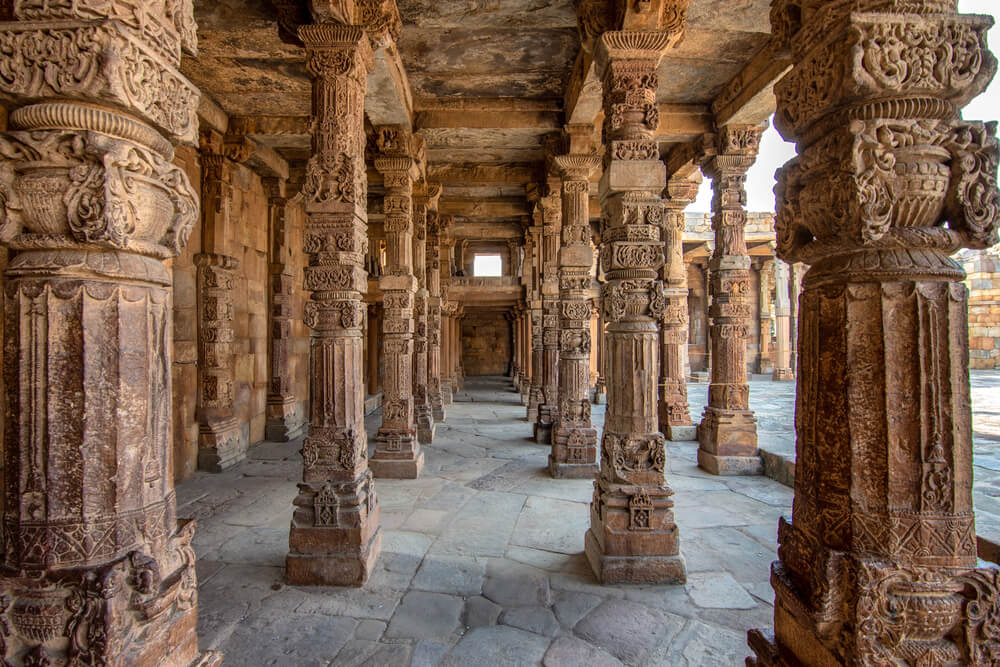
The Quwwat-ul-Islam mosque in the Qutb complex was begun in 1193 using materials taken from earlier temples. The pillars retain carved figures from their original context, mixed with later Islamic work.
The complex remains one of Delhi’s most visited historic sites.
St Mark’s Basilica in Venice
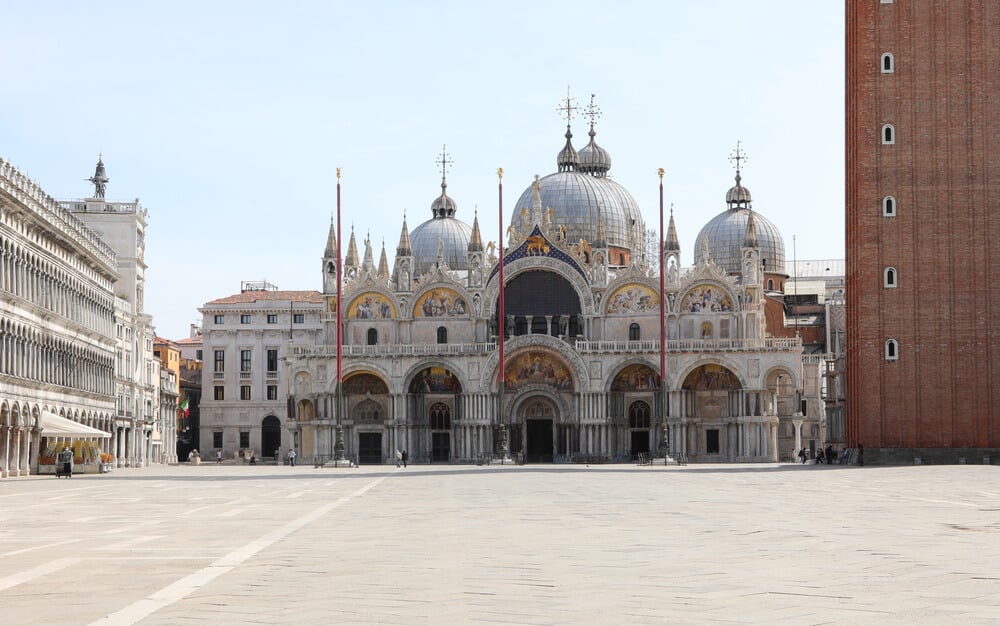
Venice brought the bronze horses of St Mark’s from Constantinople after the sack of 1204, along with sculptures such as the Tetrarchs, carved in porphyry. The loot declared the city’s power and gave its church an air of imperial grandeur.
The original horses are now kept indoors, with copies on the facade.
The Leptis Magna Ruins at Windsor Great Park
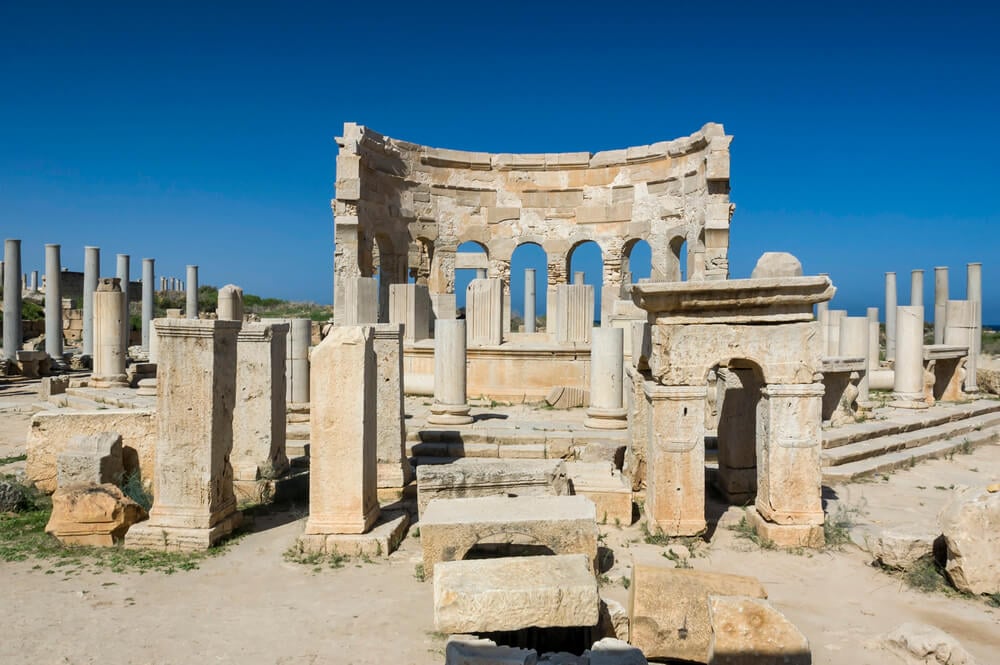
In 1816, Hanmer Warrington sent Roman columns from Leptis Magna in Libya to Britain, and some stones went to the British Museum. The rest were moved in 1826 and erected between 1827 and 1828 by Jeffry Wyatville at Virginia Water in Windsor Great Park.
Libya has since requested their return.
The Pont de la Concorde in Paris
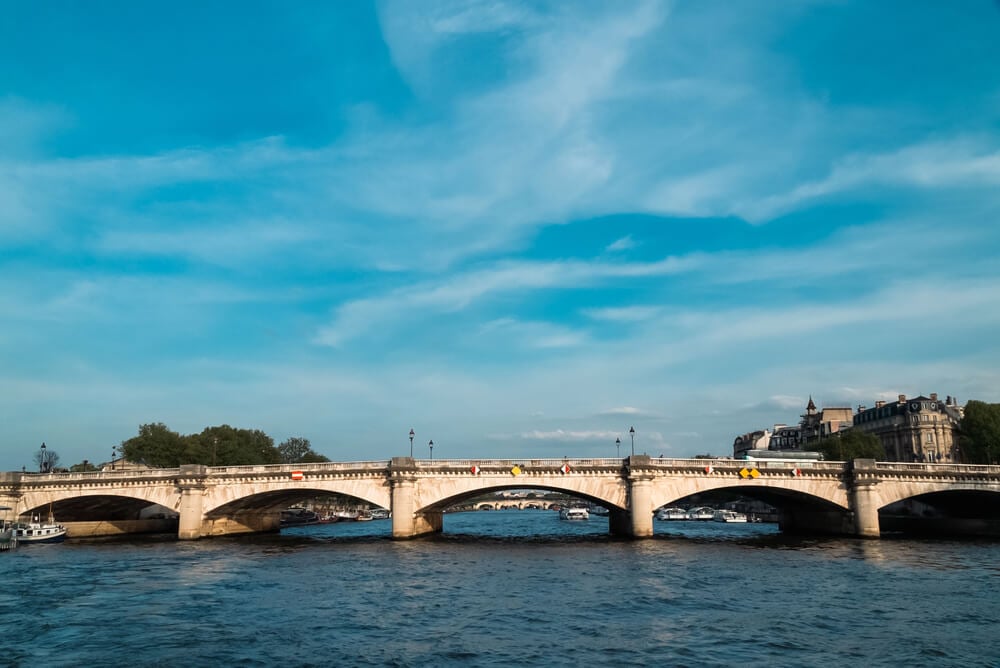
Paris built the Pont de la Concorde with stones from the demolished Bastille, turning the fortress that symbolized royal tyranny into a bridge for ordinary citizens. The bridge now crosses the Seine in front of the National Assembly.
It stands as an example of political reuse.
London Bridge at Lake Havasu
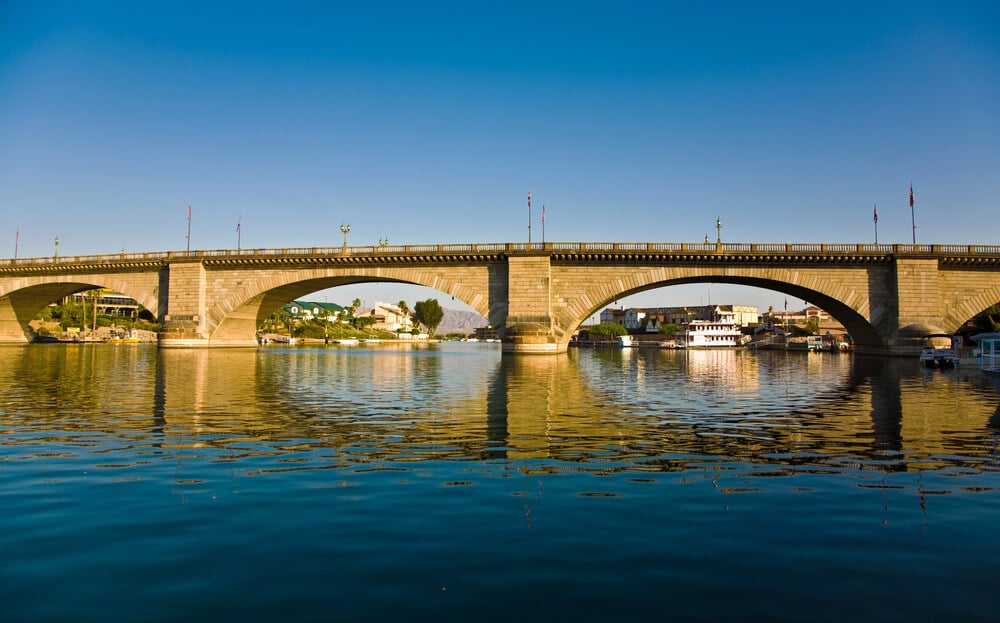
In 1968, the entrepreneur Robert McCulloch bought London Bridge, which was being replaced, and had it rebuilt in Arizona. It reopened at Lake Havasu City in 1971.
The numbered blocks were reassembled over a new structure.
The Frauenkirche in Dresden
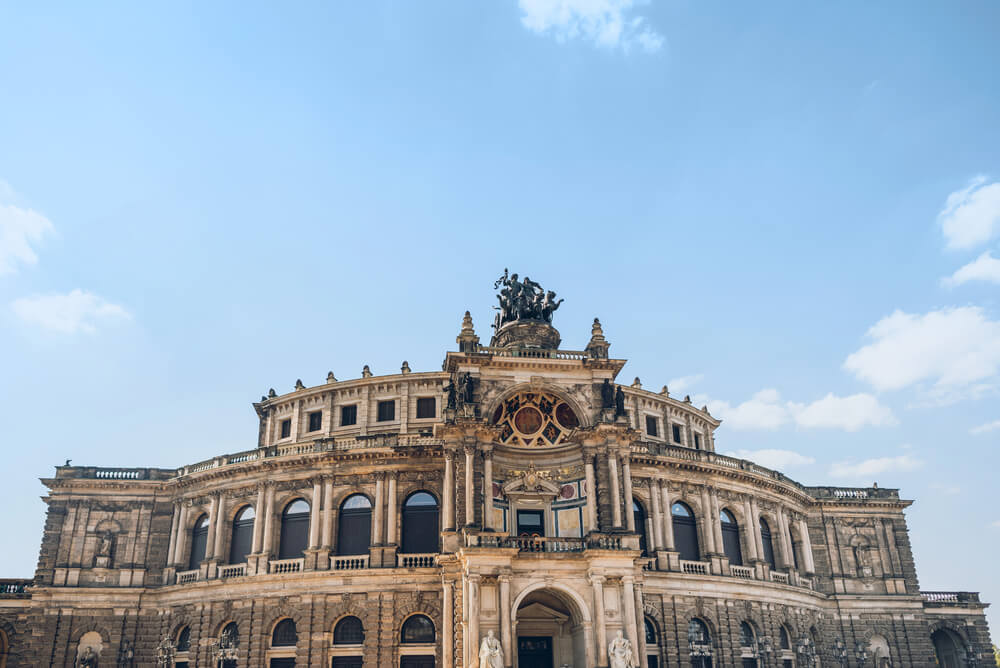
Dresden’s Frauenkirche collapsed after the 1945 bombing, and its rebuilding began in 1993. It was reconsecrated on October 30, 2005, with original blackened stones worked back into the new walls.
The dark blocks stand out against the lighter new stone.
The Stari Most in Mostar
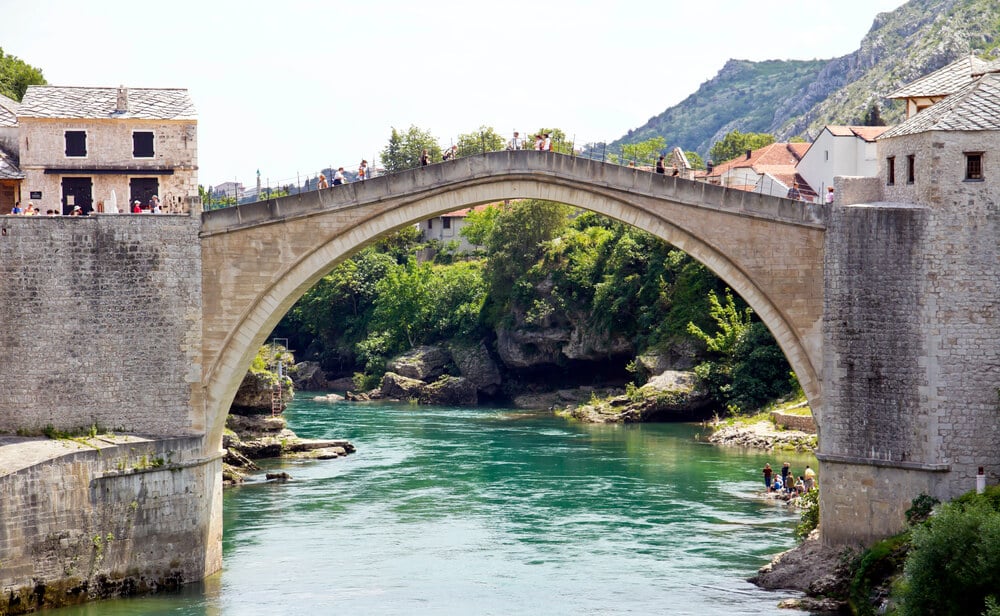
Mostar’s Stari Most, the old bridge destroyed in 1993, was rebuilt and reopened in 2004 using stones recovered from the river. The reconstruction restored a landmark that had stood for centuries.
The project became a symbol of postwar recovery.
Stones With Second Lives
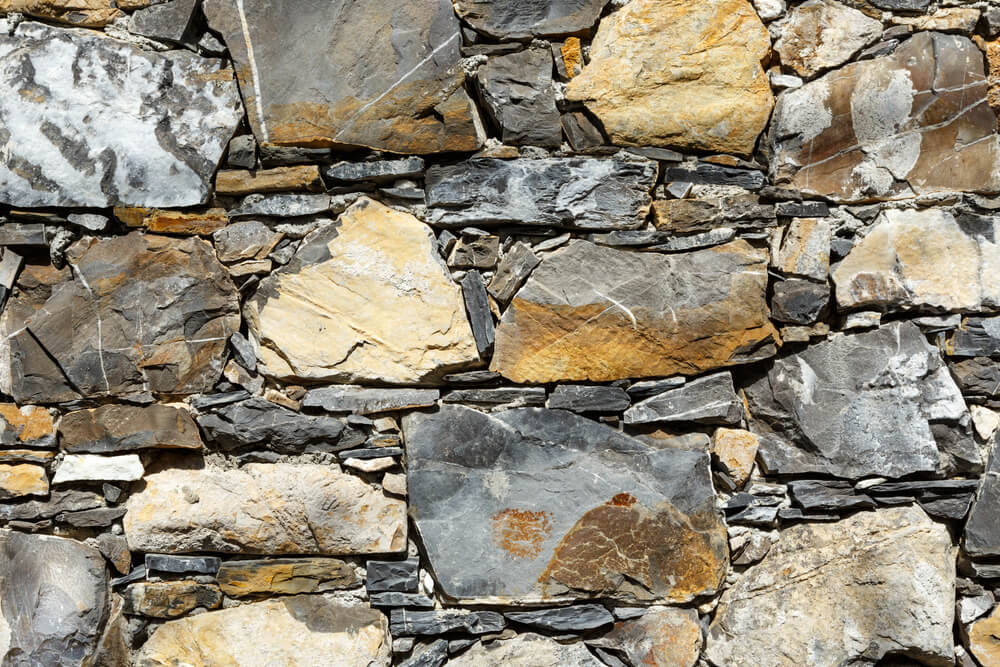
Reuse is not simply thrift. Builders have taken old materials to claim a lineage, to humiliate a rival, or to rebuild what was lost, and the meaning of a reused block depends entirely on who carries it and why.
The monuments above hold their own histories in their walls. A visitor who looks closely can often see the seam where one era ends and another begins.
More from Go2Tutors!

- 27 Silver Dollars and Half Dollars Worth Keeping
- 28 Restaurant Menu Items Nobody Orders Anymore
- 17 Places Built in Seemingly Impossible Spots
- 27 Vintage Rings Worth More Than They Look
- 25 Restricted Sites Tourists Can’t Enter
Like Go2Tutors’s content? Follow us on MSN.