Body language signals people use subconsciously
People communicate far more than they realize without saying a word. The way someone crosses their arms, shifts their weight, or glances away reveals thoughts and feelings they might not even know they’re having.
These unconscious movements happen faster than conscious thought, making them surprisingly honest indicators of what’s really going on inside someone’s head. Understanding these signals helps decode what people truly mean beyond their words.
Reading body language isn’t about catching people in lies or playing detective, though it certainly helps spot when something feels off. It’s more about connecting with others on a deeper level and recognizing the unspoken emotions that shape every interaction.
The body has its own language, and it speaks volumes. Here are the signals people send without even knowing it.
Feet pointing toward the exit
When someone’s feet angle toward a door or away from a conversation, their body is already halfway gone. The conscious mind might stay engaged and polite, but the feet reveal true intentions.
This happens during boring meetings, uncomfortable conversations, or when someone desperately wants to leave but feels trapped by social obligations. The upper body might face forward with a smile, but those rebellious feet tell the real story.
People rarely think about controlling their feet because they focus energy on managing facial expressions and hand gestures instead.
Mirroring movements

Watch two people deeply engaged in conversation and you’ll notice they start moving in sync. One person leans in, the other follows.
Someone crosses their legs, their companion does the same moments later. This unconscious mimicry signals connection and agreement, like the body’s way of saying ‘we’re on the same wavelength.’
It happens with friends, romantic partners, and even during successful business negotiations. The phenomenon runs so deep that people mirror others they like or want to build rapport with, completely unaware they’re doing it.
Skilled salespeople and therapists sometimes use intentional mirroring, but most people do it naturally when they feel comfortable.
Covering the neck

The neck contains vital blood vessels and airways, making it one of the body’s most vulnerable spots. When people feel threatened, uncertain, or uncomfortable, hands drift upward to touch or cover the neck.
Women might play with necklaces or adjust their collars. Men often rub the back of their neck or loosen their ties.
This protective gesture happens during stressful conversations, when receiving bad news, or when someone feels exposed or judged. The movement provides psychological comfort by shielding a vulnerable area, even though there’s no actual physical danger.
Dilated pupils
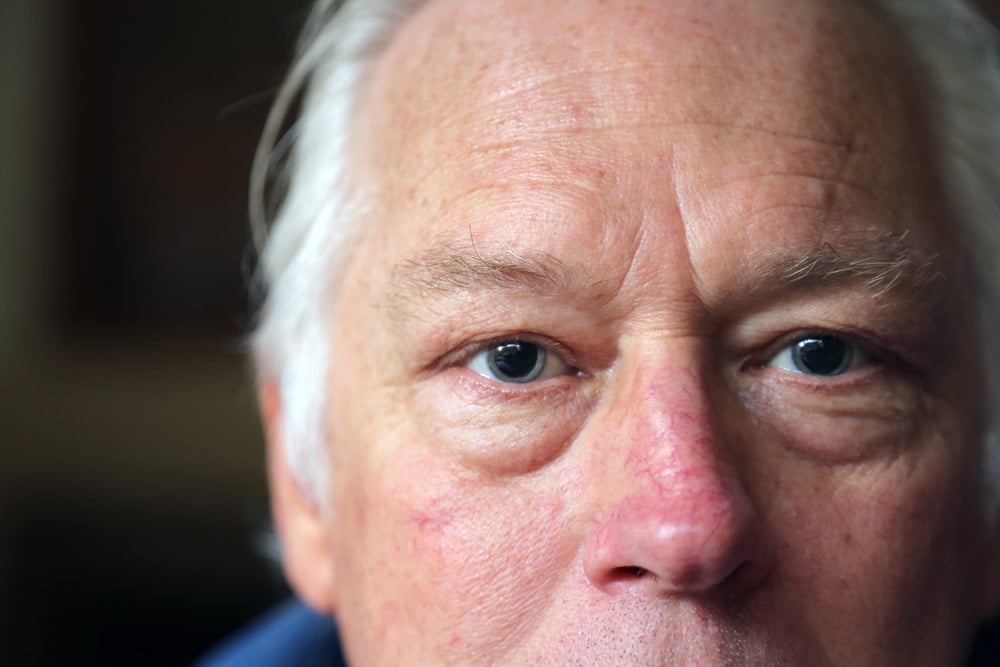
The eyes really do give things away, though not in the way most people think. Pupils expand and contract based on lighting, but they also respond to emotional states.
Excitement, attraction, and interest cause pupils to dilate noticeably. Fear and disgust make them constrict.
Ancient gem traders knew this secret and watched buyers’ eyes to gauge genuine interest in stones. Modern research confirms that people unconsciously find dilated pupils more attractive, which might explain why candlelit dinners create such romantic atmospheres beyond just the soft lighting.
The dim light causes natural pupil dilation that makes both people appear more appealing to each other.
Lip compression

Pressed lips that disappear into a thin line signal disagreement or stress. This happens when people hear something they don’t like but don’t want to voice their objection.
The mouth literally seals shut to prevent unwanted words from escaping. You’ll see this during tense negotiations, family arguments, or when someone receives criticism they think is unfair.
The tighter the lips press together, the stronger the internal disagreement or discomfort. Children do this when parents give instructions they don’t want to follow, and adults do it in professional settings where speaking up feels risky.
Touching the face

Hands gravitate toward the face during moments of stress, concentration, or deception. Rubbing the nose, touching the ear, or stroking the chin all indicate internal processing or discomfort.
Some researchers suggest face touching increases when people lie, though the science remains debated. What’s certain is that stress triggers self-soothing behaviors, and the face contains many nerve endings that provide comfort when touched.
People rub their eyes when tired, touch their lips when anxious, and scratch their head when confused. These movements happen automatically as the brain seeks physical comfort during mental strain.
Sudden stillness

When people freeze mid-movement, their nervous system has activated an ancient defense mechanism. This happens when someone hears something shocking, feels caught in wrongdoing, or senses danger.
The body goes completely still as the brain processes the threat and decides whether to fight, flee, or play dead. You’ll notice this when someone realizes they’ve been overheard gossiping or when a child gets caught sneaking cookies.
The freeze response evolved long before humans developed complex language and still kicks in automatically during high-stress moments. Movement resumes only after the brain finishes its threat assessment.
Torso rotation

The direction someone’s torso faces reveals their true focus and interest level. During conversations, people unconsciously angle their chest toward those they like or find interesting and away from those they want to avoid.
This happens even when the head stays politely directed at the speaker. In group settings, watch whose torso points where to understand the real social dynamics beyond who’s talking to whom.
The torso movement is harder to fake than head positioning, making it a more reliable indicator of genuine interest or discomfort.
Rapid blinking

Eyes normally blink around 15 to 20 times per minute, but stress and anxiety can triple that rate. Fast blinking signals internal discomfort, cognitive overload, or deception.
Politicians caught in difficult questions often blink rapidly while formulating responses. People blink faster during lying because the brain works harder to construct false narratives than to recall true events.
This also happens during intense concentration or when processing unexpected information. The eyelids flutter like window shades caught in a storm, betraying the mental turbulence underneath.
Crossed arms

Folded arms create a physical barrier between the body and the external world. This classic defensive posture signals disagreement, discomfort, or emotional withdrawal.
People cross arms when they feel criticized, when they disagree with what’s being said, or when they want to create psychological distance from others. Cold temperatures also cause arm crossing for warmth, so context matters.
But in normal temperature settings, crossed arms generally indicate someone has mentally checked out or is protecting themselves from the conversation. The gesture becomes even more telling when someone starts a conversation with open arms and crosses them partway through in response to specific comments.
Preening gestures

When attracted to someone, people unconsciously adjust their appearance. Women smooth their hair, adjust their clothes, or touch their jewelry.
Men straighten their posture, adjust their ties, or run fingers through their hair. These grooming behaviors happen automatically when someone wants to look their best for a person they find appealing.
It’s the modern equivalent of birds fluffing their feathers during mating displays. The movements happen so naturally that people usually don’t realize they’re doing it until someone points it out.
Watch for sudden preening when someone specific enters the room to spot unspoken attractions.
Leaning away

Physical distance reflects emotional distance more accurately than words ever could. When someone leans backward or creates space during conversation, they’re withdrawing from the interaction.
This happens when people hear information they don’t like, feel uncomfortable with the topic, or want to escape the conversation. The lean might be subtle, just a few inches, but it signals retreat.
Conversely, leaning in shows engagement and interest. The body positions itself closer to things it likes and farther from things it doesn’t.
This spatial adjustment happens faster than conscious thought can control it.
Palm hiding

Open palms historically signaled ‘I carry no weapons’ and remain a gesture of honesty and openness. Hidden palms, whether tucked in pockets, behind the back, or under a table, suggest concealment or discomfort.
People hide their hands when they feel nervous, guilty, or uncertain. Poker players know this tell well and watch opponents’ hands for signs of bluffing.
Job interviewers notice when candidates suddenly hide their hands after certain questions. The gesture doesn’t necessarily indicate lying, but it does reveal internal discomfort or a desire to hide something, even if that something is just nervousness itself.
Eyebrow flashes

A quick eyebrow raise lasting about one-sixth of a second happens when people recognize someone they know or see something interesting. This universal gesture occurs across all cultures and appears in everyone from isolated tribes to modern city dwellers.
The flash signals friendly recognition and openness to interaction. It happens so fast that most people never notice themselves doing it.
Watch someone’s eyebrows when they spot a friend across a room or hear an intriguing piece of information. That brief upward movement is the body’s way of saying ‘I see you and I’m happy about it’ before the conscious mind even forms the thought.
Shoulder shrugging

Raised shoulders that stay elevated signal uncertainty, stress, or submission. This differs from the quick shrug that means ‘I don’t know.’
When shoulders creep upward and remain there, the body is literally trying to protect the neck by shortening it. This happens during anxiety, when someone feels threatened, or when trying to make themselves appear smaller and less threatening.
Children do this when being scolded. Adults do it during uncomfortable work evaluations or tense personal conversations.
The shoulders might stay raised for several minutes before the person consciously realizes their body has tensed up.
Toe tapping

Feet that bounce, tap, or jitter reveal excess energy that needs release. This happens when people feel impatient, anxious, or excited.
The movement redirects nervous energy into physical action, providing an outlet for feelings that can’t be expressed verbally in the moment. Some people bounce their legs during tests, tap their toes during boring meetings, or jiggle their feet when eager for something to happen.
The pattern differs from person to person, but the underlying message stays the same: internal energy seeking external release. Athletes do this before competitions, students do this before exam results, and just about everyone does it while waiting for important news.
Chin tilting

A tilt here, a shift there – how someone holds their head speaks volumes without words. Raised too high, and it reads as bold, almost daring, like an unspoken stand.
Lowered just slightly, it suggests listening, accepting, even yielding ground. People do this without thinking, adjusting based on who they face.
Up goes the boss, steady and firm. Down dips the newcomer, careful, quiet.
A tiny lift of the chin often arrives just before resistance takes shape mid-argument. When that small shift occurs, it hints at an unspoken decision to hold position.
Sometimes instead, the jaw slips downward – barely noticeable – and that quiet dip tends to come right before yielding begins. These shifts are measured in fractions of a centimeter.
Yet each one carries deep clues about confidence or retreat. Posture speaks even when words pause.
Voice pitch changes

What you hear might say more than what is seen. When tension builds, voices tend to climb in tone – muscles tightening without thought.
A steady moment often brings that sound down, smoother, quieter. These shifts slip out before minds catch up.
Watch how speech moves throughout talk, rising at times, falling at others. What changes in voice reveal tends to mirror true feelings much closer than spoken answers ever do.
These subtle cues get noticed by interviewers, cops, even counselors – since they slip past the mind’s filters easier than most signs out there.
The honest messenger

Truth hides in how people move, not just what they say. Carefully picked phrases mean less than shoulders that tense when someone walks into a room.
Long before talking began, bodies already spoke through tilt, shift, pause. Signals like crossed arms or steady eye contact survive because they serve a purpose.
Safety, honesty, intent – they leak out whether we want them to or not. Words can lie. Posture rarely does.
Body language reveals what words hide. Noticing it adds another way to understand others, one many overlook.
Truth shows through gestures, regardless of speech. A person who pays attention gains access to honest cues, silent yet clear.
More from Go2Tutors!

- The Romanov Crown Jewels and Their Tragic Fate
- 13 Historical Mysteries That Science Still Can’t Solve
- Famous Hoaxes That Fooled the World for Years
- 15 Child Stars with Tragic Adult Lives
- 16 Famous Jewelry Pieces in History
Like Go2Tutors’s content? Follow us on MSN.