20 Hotel Room Features From Analog Vacations
A hotel room used to be a small world of objects that worked without a screen. Guests carried a metal key, dialed a phone on the nightstand, and flipped a sign on the doorknob instead of tapping an app.
The room itself told a traveler what to do, with notes, hangers, and little printed cards. Many of these features were routine only a few decades ago.
They disappeared as keycards, smartphones, and cable boxes took over, and a few survive only in older motels along the highway.
The Key With an Oversized Tag
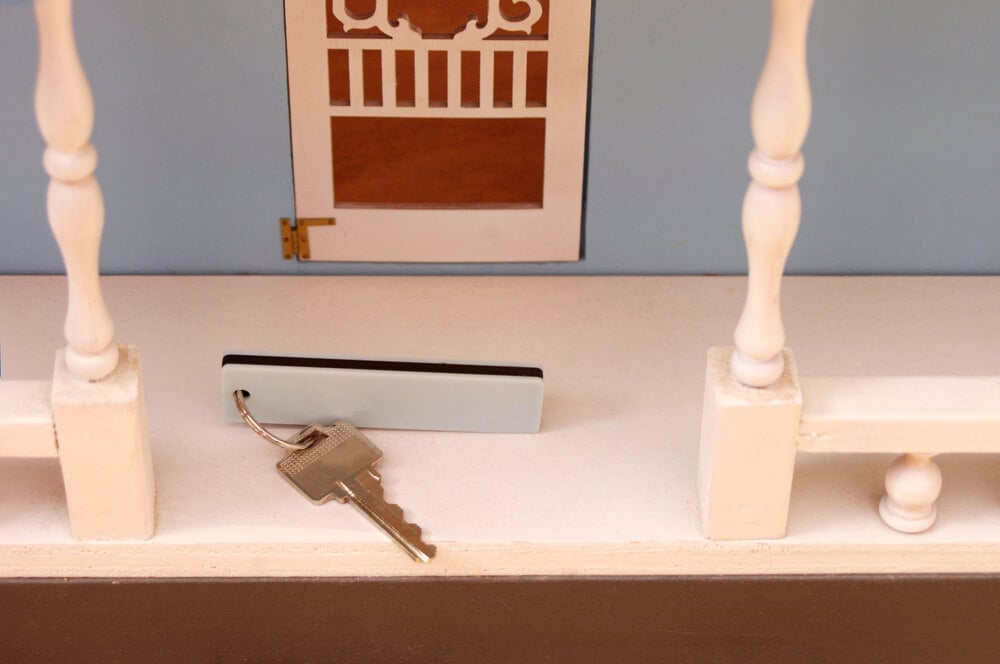
Room keys came attached to heavy plastic or metal tags stamped with the room number and the hotel’s name and address. Many carried a line promising return postage was guaranteed, so a guest who left with the key in a pocket could drop it in any mailbox.
The size of the tag made the key hard to forget in a coat, and a guest who found it at home had an easy fix.
The Rotary Phone
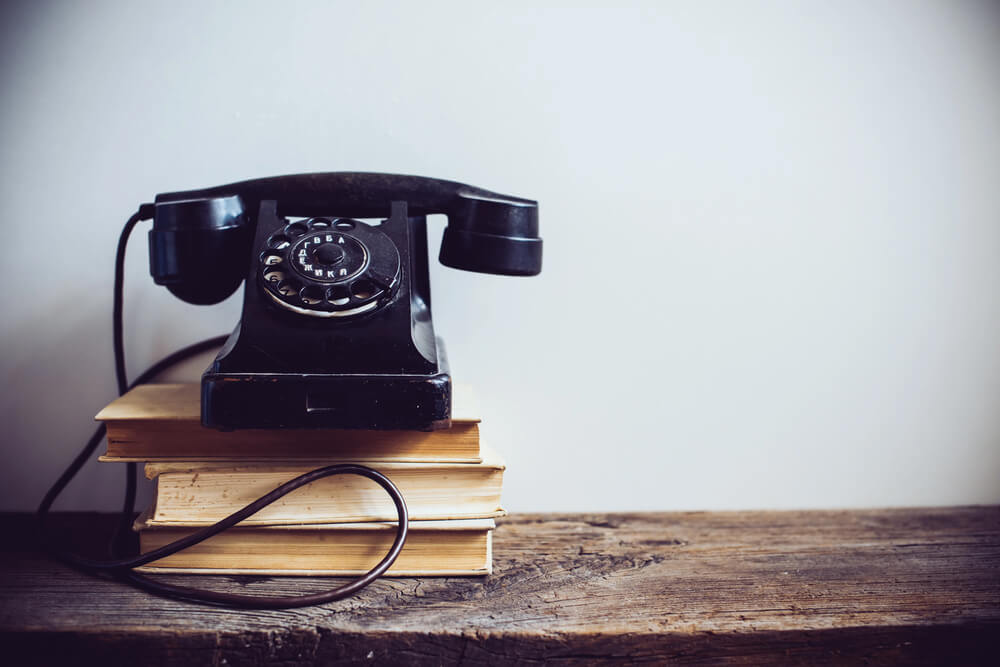
A rotary phone sat on the nightstand, connected to the front desk and to an operator who placed outside calls. Guests dialed a single digit to reach the desk and a different digit for room service.
The slow spin of the dial gave every call a moment of delay, and a small red light on the phone body blinked when a message was waiting at the front desk.
The Wake-Up Call
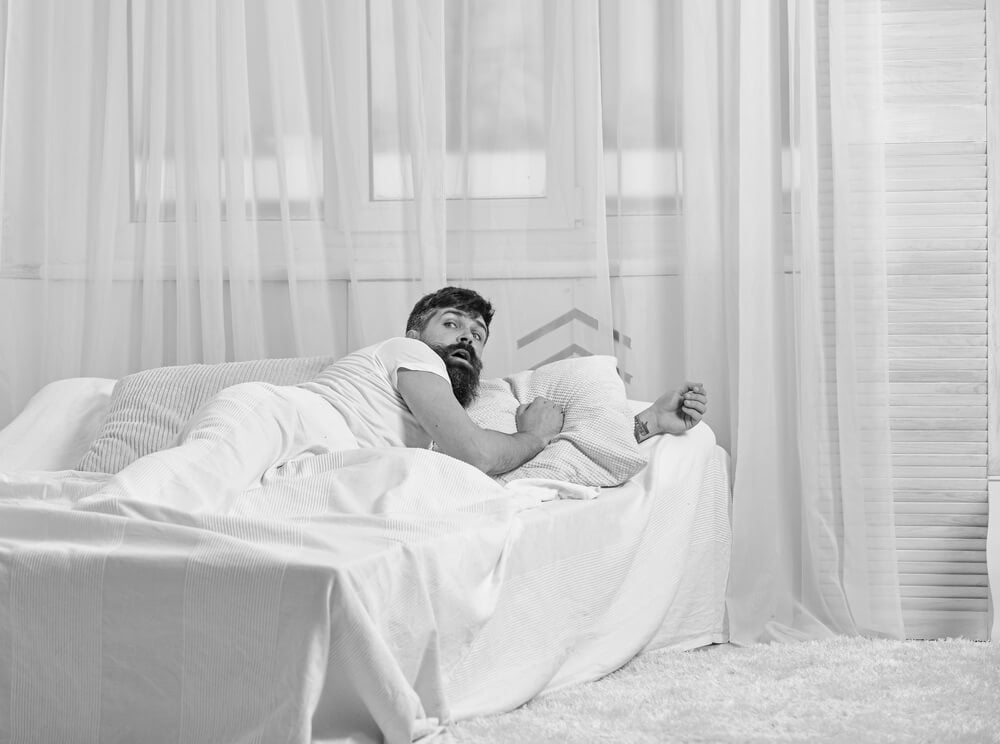
Guests asked the front desk to ring their room at a set time, and a human voice or a recording rang the phone at exactly that hour. The call replaced the alarm for travelers who did not trust the clock radio.
Missing the call was rare, since the phone was loud and sat only an arm’s length from the pillow.
The Do Not Disturb Hanger
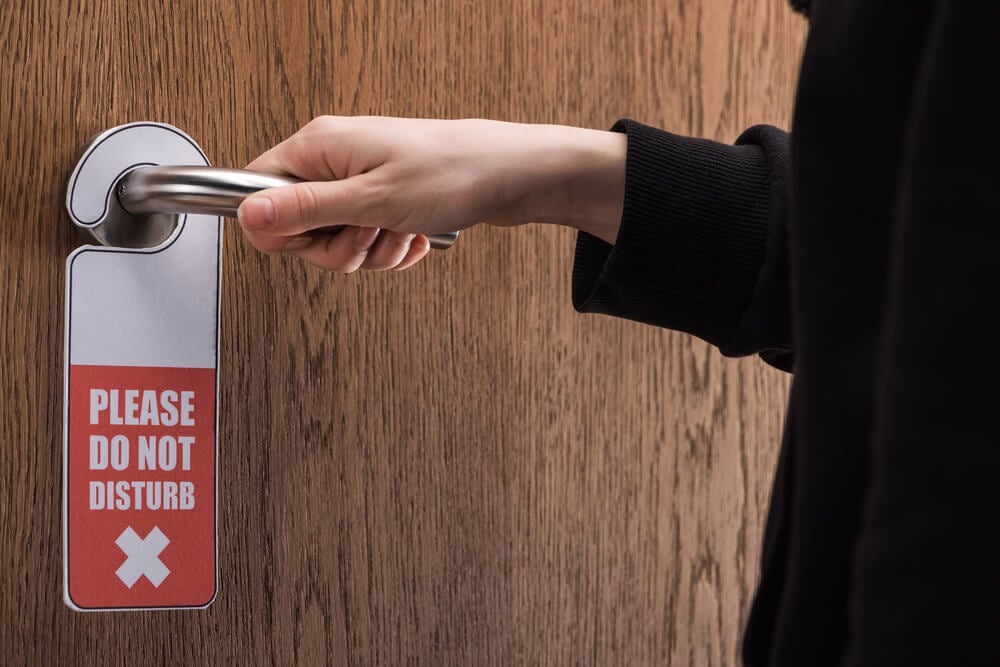
A cardboard sign hung on the door handle with Do Not Disturb on one side and Please Make Up the Room on the other. The sign was the only form of messaging a guest could send housekeeping without a phone call.
Flipping it was a small act of control over the room.
The Magic Fingers Bed
John Houghtaling developed Magic Fingers in 1958, a motor that attached to any bed and vibrated the mattress for 15 minutes in exchange for a quarter. He patented it in 1962, and by the 1970s roughly 250,000 units were installed in motels across the country.
Best Western banned coin-operated devices from its rooms in 1967, singling out Magic Fingers by name as an example that cheapened the accommodation.
The Gideon Bible
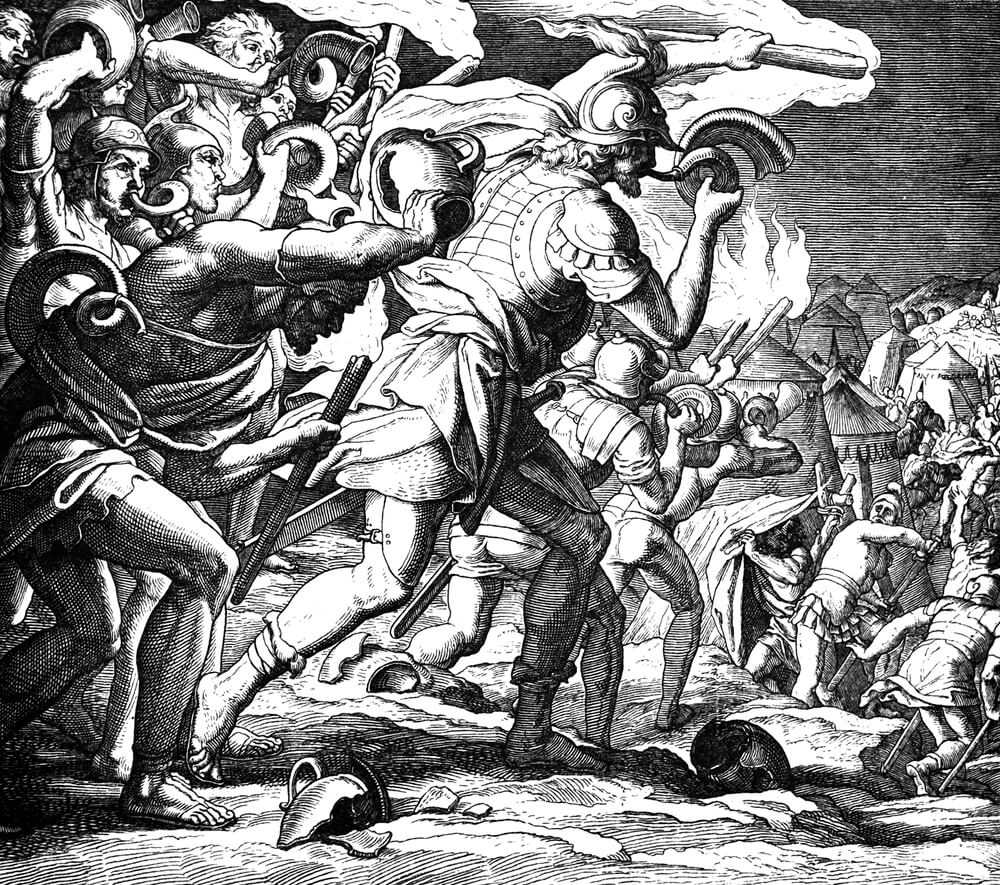
The Gideons placed their first Bibles in the Superior Hotel in Superior, Montana, in 1908, when 25 copies were delivered after a Gideon named Archie Bailey paid for them himself. The plan to put a Bible in every hotel room was adopted at the group’s convention in Louisville that year.
A copy in the nightstand drawer was a standard fixture of hotel rooms for most of the century.
The Hotel Stationery
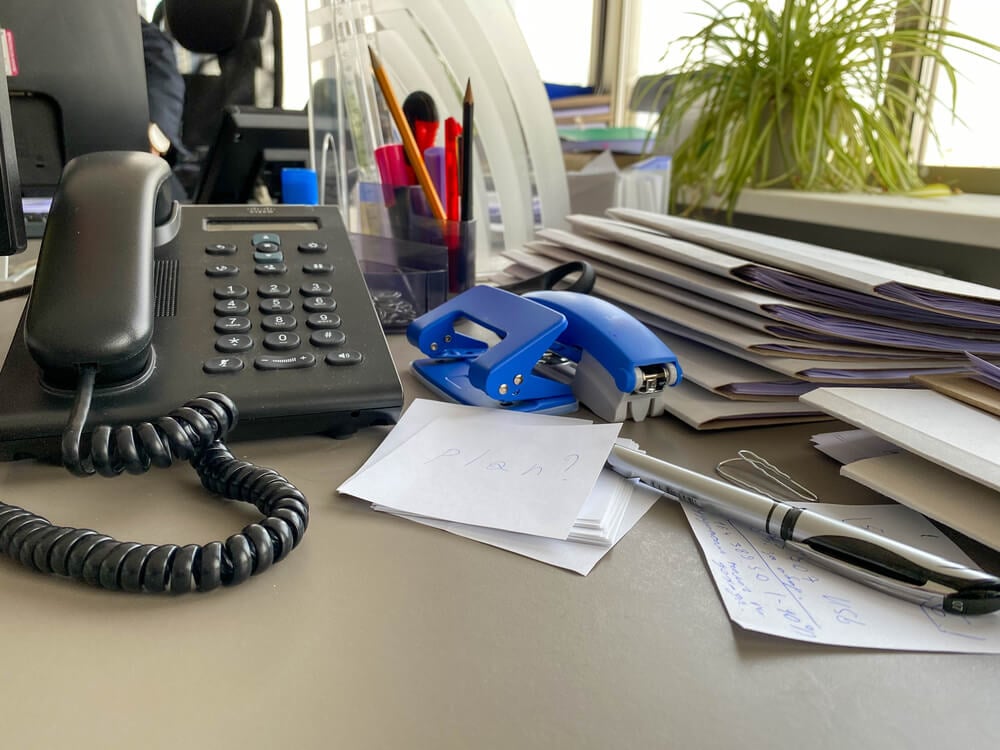
A desk drawer held sheets of paper and envelopes printed with the hotel’s name and address, along with a postcard or two. Guests wrote home on the letterhead, and the postcards carried a color picture of the building.
The stationery was free advertising, and it gave a traveler a reason to write to friends from a distant city.
The Ashtray and the Matchbook
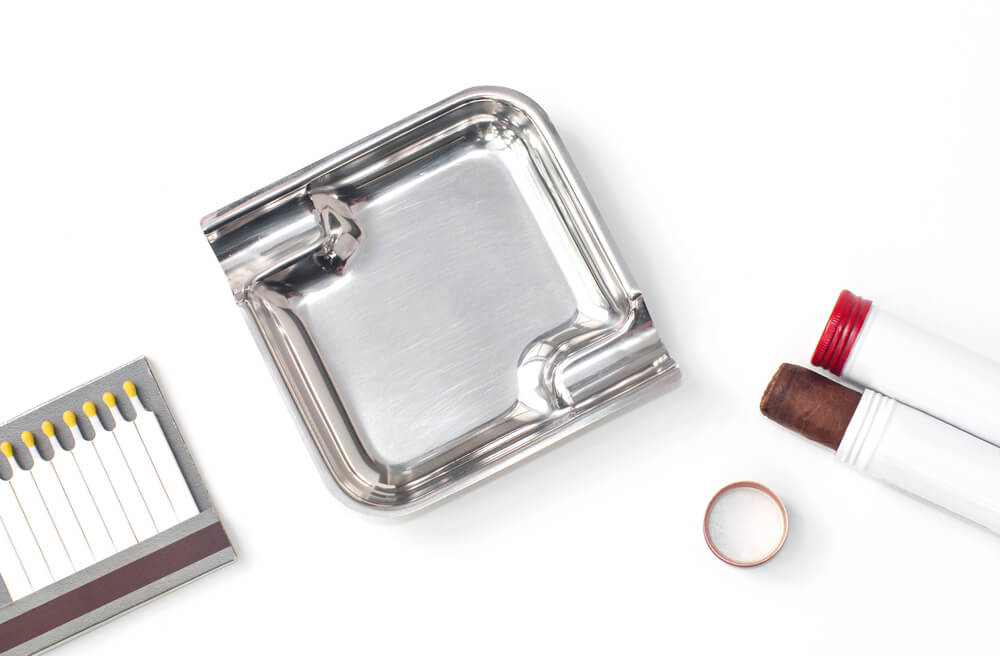
An ashtray sat on the nightstand and another on the desk, and matchbooks printed with the hotel’s name and address lay beside them. Matchbooks were cheap advertising that guests carried home.
Collectors still trade them, and condition matters, because crushed covers and water stains lower what a buyer will pay.
The Ice Bucket and the Ice Machine
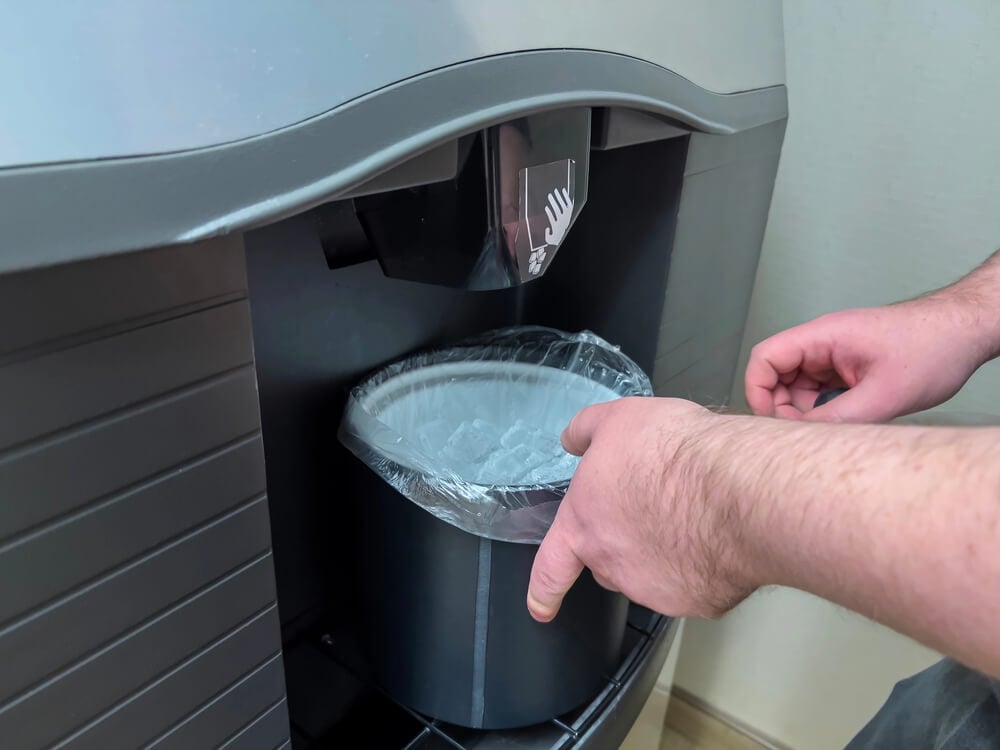
A plastic ice bucket with a clear liner sat on the dresser, and the ice machine was down the hall in a small alcove. Guests carried the bucket along the corridor in slippers and listened to the machine thunder out a load of cubes.
The trip was a routine of the evening, and the sound of ice rattling in a bucket meant a drink was on the way.
The Color TV Sign
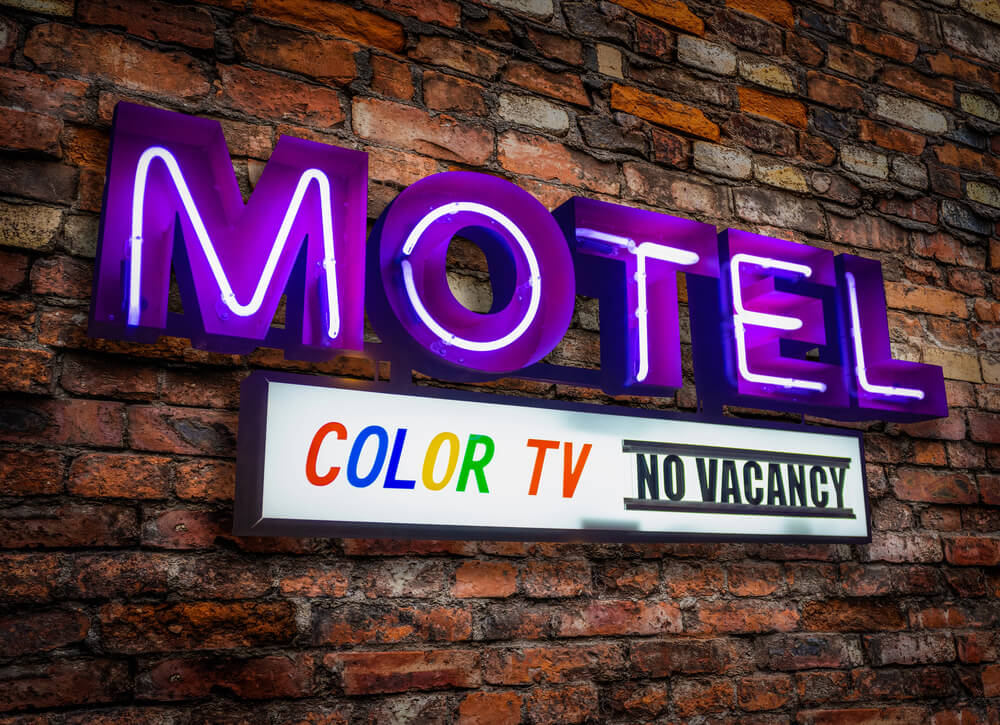
Roadside motels advertised Color TV on their signs when a color set was still a luxury, and later added Free HBO to the same sign. The television in the room had a dial for channels and a small antenna on top.
A guest who flipped through a handful of stations felt that the hotel had delivered a modern comfort.
The Clock Radio
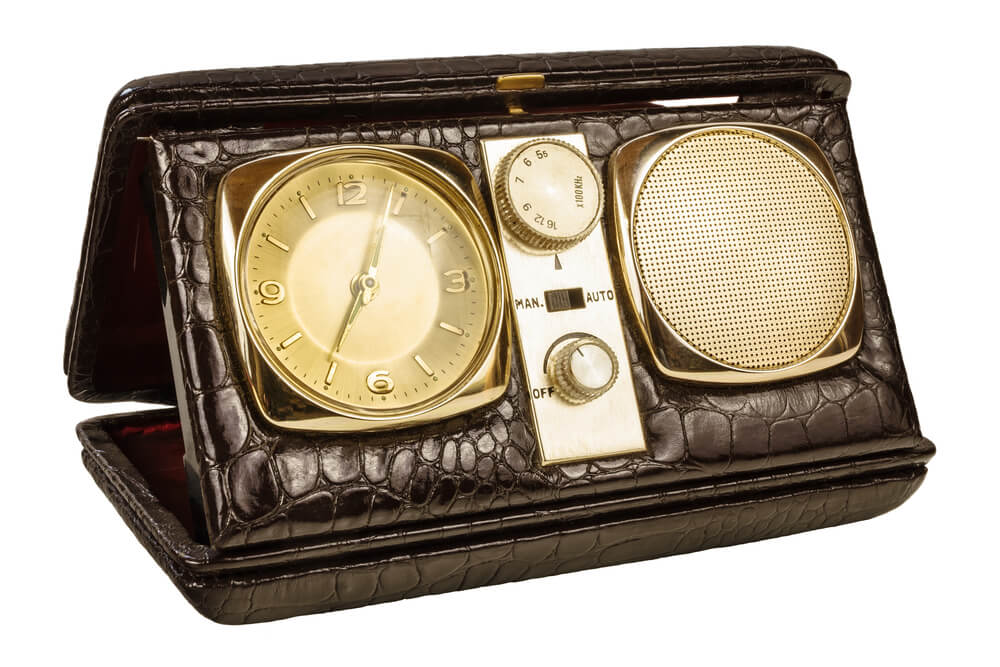
An AM/FM clock radio sat on the nightstand with flip numbers or a red digital display, and it doubled as a source of local music. Guests set the alarm and tuned the dial to a station they had never heard before.
Waking up to a regional morning show was a quiet sign of being somewhere new.
The Key Cubbies Behind the Front Desk
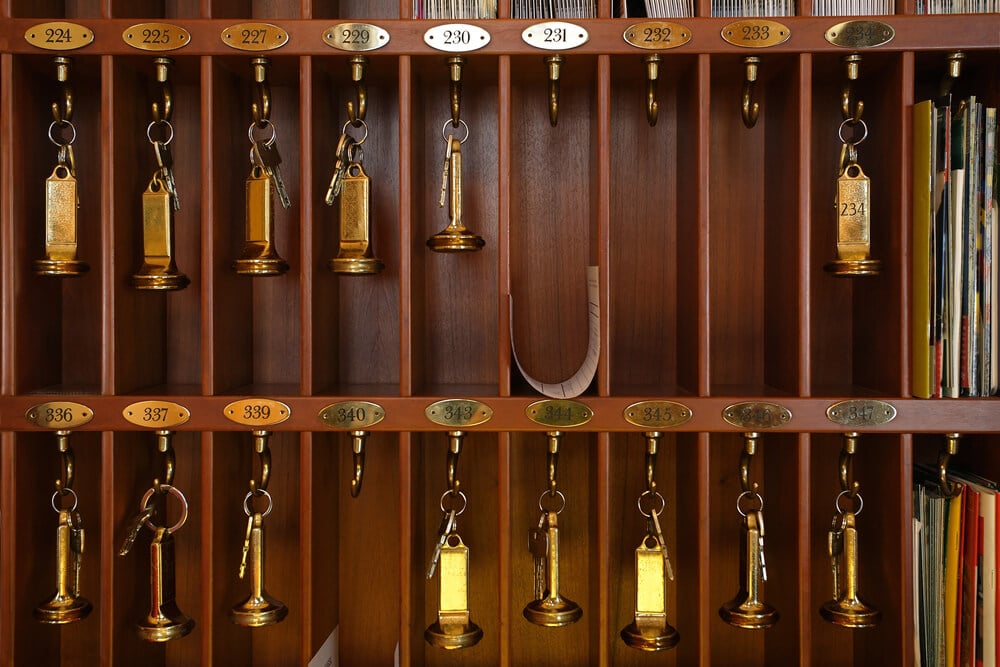
Behind the front desk, rows of wooden cubbies held room keys and handwritten messages, one slot for every room. A clerk glanced at the wall to see whether a guest was in, and a key left in its cubby meant the room was out.
The system was a low-tech database that worked without a power outlet.
The Guest Register
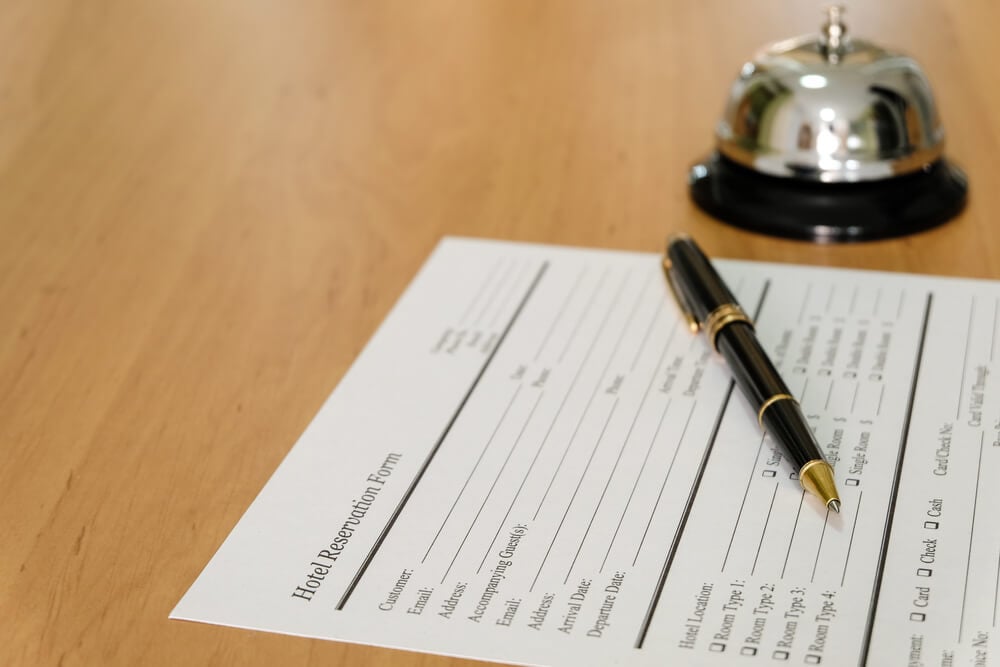
Guests signed a large ledger at check-in, writing their name, home address, and sometimes a license plate number. The clerk handed over a pen and turned the book around.
Old registers have survived in local history museums, and they are a record of who stayed in a town on a given night.
The Sanitized Strip

A paper strip across the toilet seat announced that it had been sanitized, and drinking glasses in the bathroom were wrapped in paper caps or cellophane. The signals were meant to reassure guests that the room had been cleaned for their arrival.
The strip tore easily, and it became a small ritual for a guest to rip it open.
The Breakfast Door Hanger
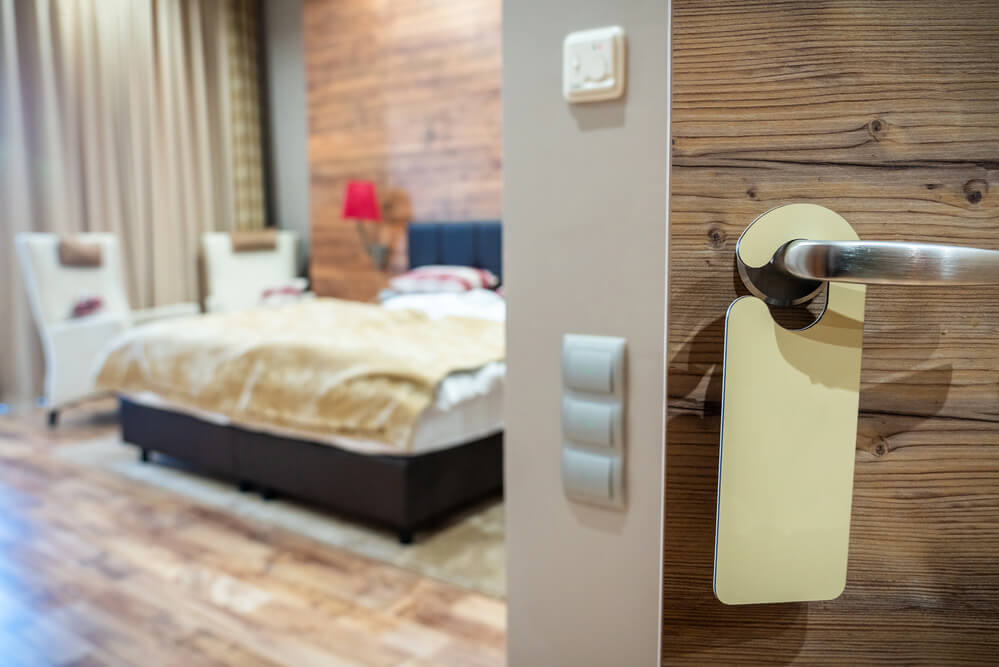
A card hung from the doorknob listed breakfast items with checkboxes and a time slot. Guests filled it out before bed, hung it outside, and woke to a tray delivered at the chosen time.
The system saved a phone call, though a missed checkbox meant a breakfast without the orange juice.
The Heart-Shaped Tub
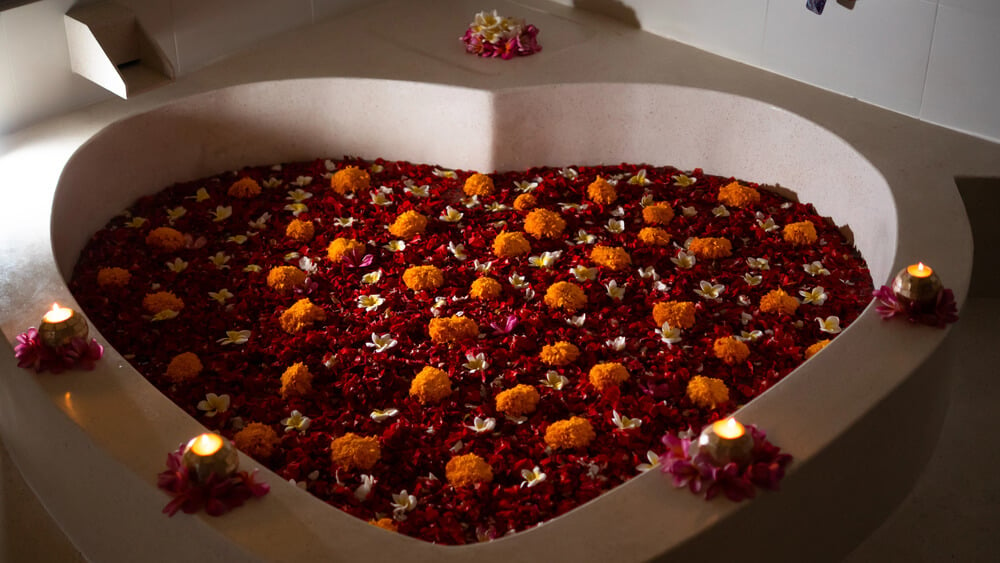
Morris Wilkins introduced the heart-shaped tub at the Cove Haven resort in the Pocono Mountains in 1963, and the resort became known for honeymoon suites with oversized whirlpools. Couples traveled to the Poconos for the tub itself.
The shape became shorthand for a kind of vacation that took itself both seriously and lightly.
The Bellhop and the Luggage Cart
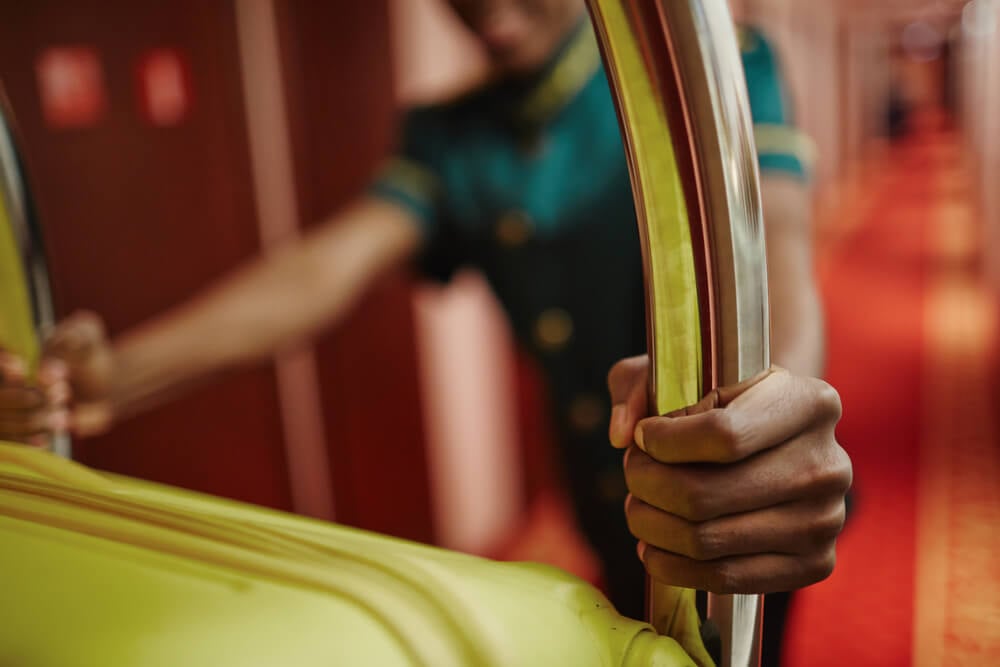
A uniformed bellhop met arriving guests, loaded their suitcases onto a brass luggage cart, and rolled them to the room. The guest followed with a tip ready in hand.
The cart’s squeaking wheels were part of the sound of the lobby, and a polished brass frame was proof that the hotel had standards.
The Vacancy Sign
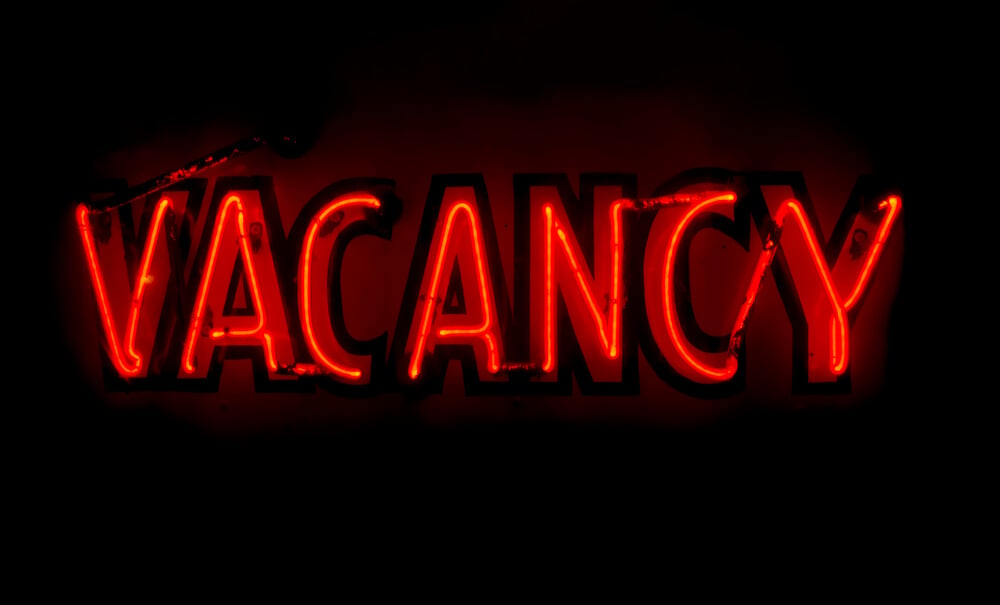
Motels hung neon signs reading Vacancy, with the word No lit separately when the rooms were full. Travelers looked for the sign as the sun set and pulled into the lot when it was lit.
A glowing sign in the dark was an invitation, and an unlit No was a relief.
The Folding Luggage Rack
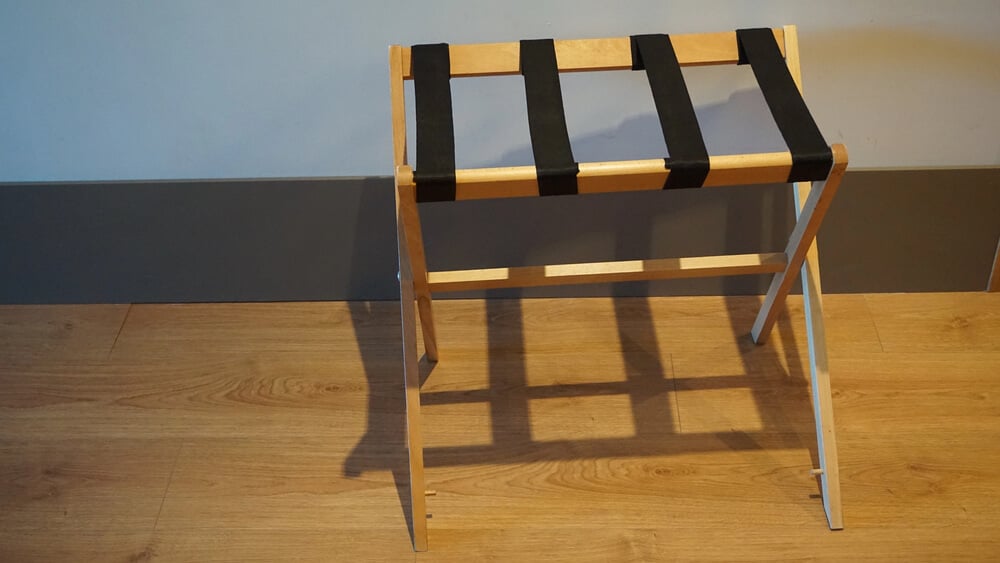
A wooden or metal rack with straps unfolded at the foot of the bed to hold an open suitcase, so travelers did not have to place a bag on the bedspread. It folded flat against the wall when not in use.
A guest who forgot to use it left a suitcase print on the bedspread by morning.
The Motel Pool
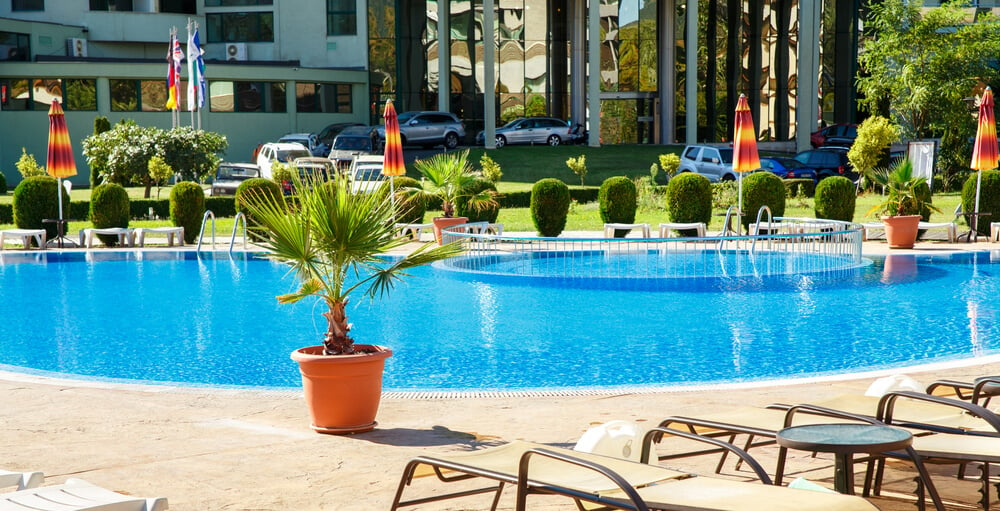
A kidney-shaped pool with a diving board sat in the courtyard, usually with a sign warning guests to swim at their own risk because no lifeguard was on duty. Children stayed in the water until their fingers wrinkled, and parents watched from a plastic lounge chair.
The pool was often the highlight of a trip for a child.
Souvenirs of a Slower Check-In
Every one of these features required a human to make it work. A clerk turned a register, a bellhop pushed a cart, and an operator connected a call.
The result was a stay that felt personal, even when the room was identical to hundreds of others. Technology made travel faster, but it removed a lot of small rituals.
Few guests miss the ice machine in the corridor, yet many remember the weight of a room key in a pocket. The analog hotel room belongs to a time when going on vacation meant leaving the screen behind.
More from Go2Tutors!

- 27 Silver Dollars and Half Dollars Worth Keeping
- 28 Restaurant Menu Items Nobody Orders Anymore
- 17 Places Built in Seemingly Impossible Spots
- 27 Vintage Rings Worth More Than They Look
- 25 Restricted Sites Tourists Can’t Enter
Like Go2Tutors’s content? Follow us on MSN.