20 Childhood Clothing Features Modern Kids Would Question
Children’s clothing used to be designed around a different set of problems. Garments had to survive a decade of hand-me-downs, keep small hands attached to their mittens, and make sense to a parent who had no spare minute in the morning.
The result was a wardrobe full of tricks that look strange to anyone who did not grow up with them. Some of these features were clever, some were uncomfortable, and a few seem baffling now.
All of them were once so ordinary that nobody thought to ask why.
Garanimals Hang Tags
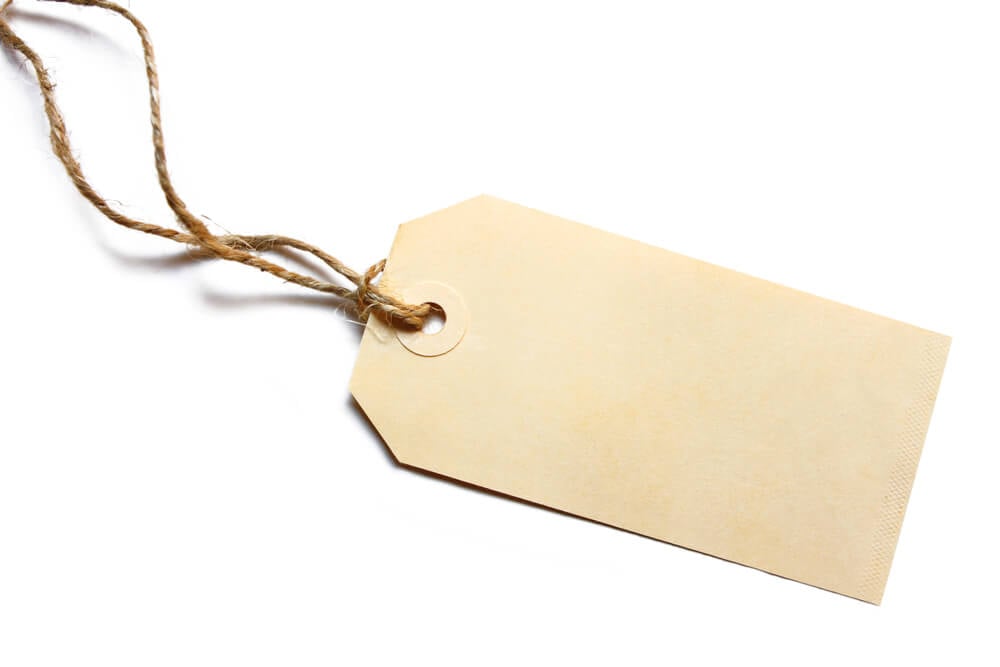
Garanimals launched in 1972, created by Seymour Lichtenstein for Garan Incorporated. Each top and bottom carried a hang tag showing the same animal, so a child who could match a giraffe to a giraffe could dress without help from a parent.
The line was relaunched in February 2008 and is now sold at Walmart, where the animal tags still do the coordinating.
Underoos
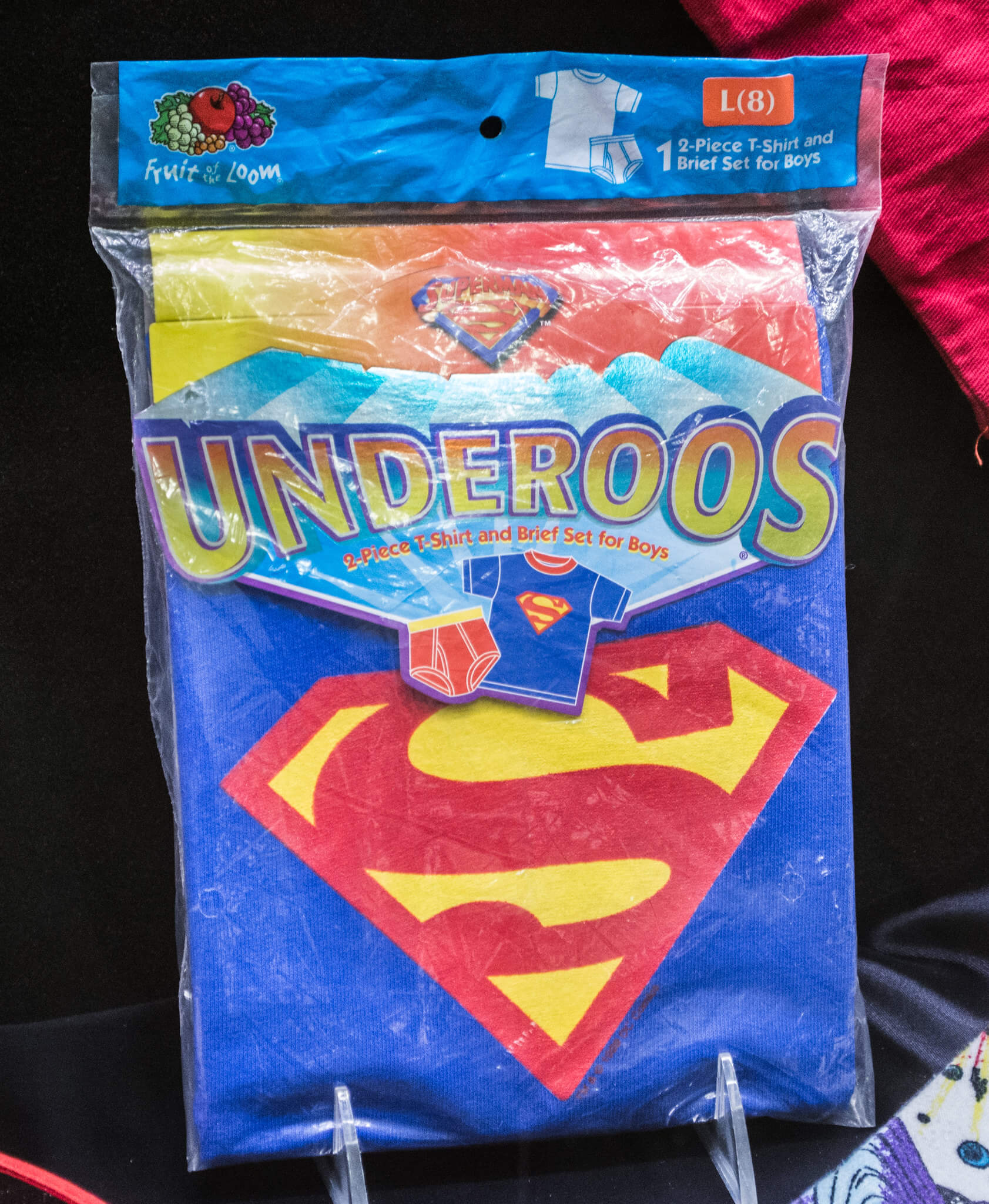
Larry Weiss conceived the idea in 1977 for matching underwear and undershirt sets that looked like superhero costumes, with licenses from DC Comics, Marvel, Hanna-Barbera, and Archie Comics. Union Underwear, later part of Fruit of the Loom, bought the concept and released the line in 1978.
By 1979 Sears carried them in its catalog, and the slogan promised underwear that was fun to wear.
Mitten Strings and Clips
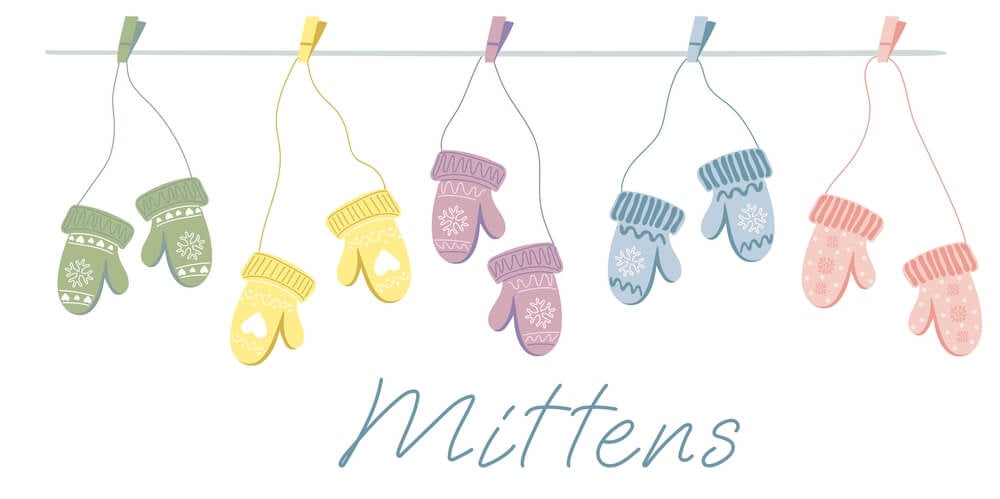
A string threaded through both coat sleeves, with a mitten tied to each end, meant a lost mitten dangled at a child’s side instead of vanishing in a snowbank. Plastic and metal mitten clips did the same job for children whose coats had no sleeve channel.
The system looked a little like a puppet rig, and it worked well enough that many kids wore it through entire winters.
Footed Pajamas
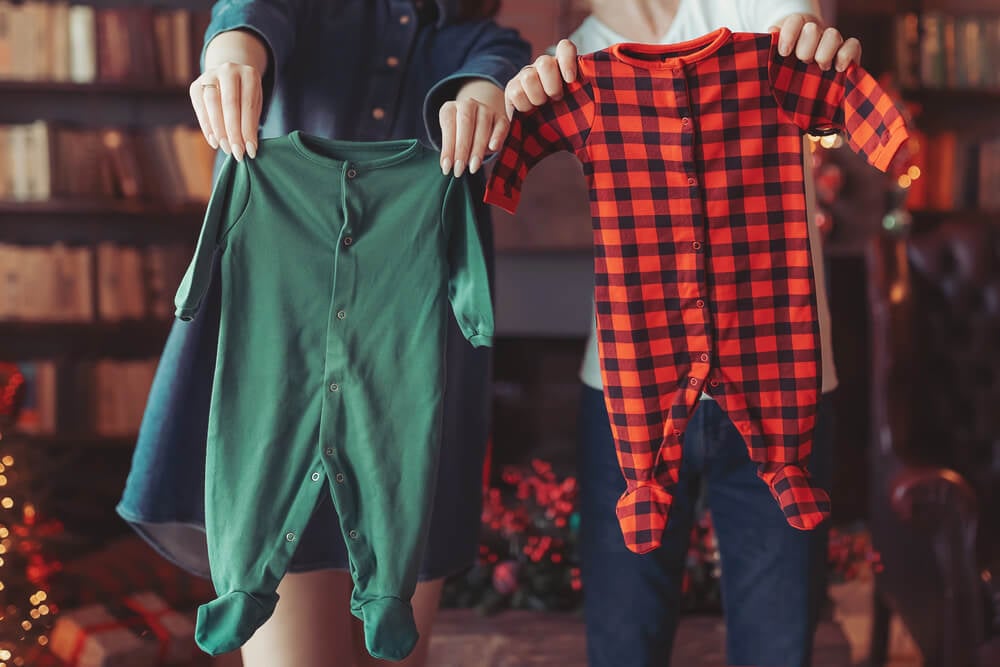
Blanket sleepers had feet sewn into the legs, a zipper up the front, and often a flame-resistant polyester knit. Federal flammability standards for children’s sleepwear took effect in 1972 for sizes 0 through 6X, which is one reason polyester dominated the pajama drawer.
The design kept cold toes covered all night, though anyone who has met a sweaty, overheated toddler in a fleece sleeper knows its limits.
Velcro Sneakers
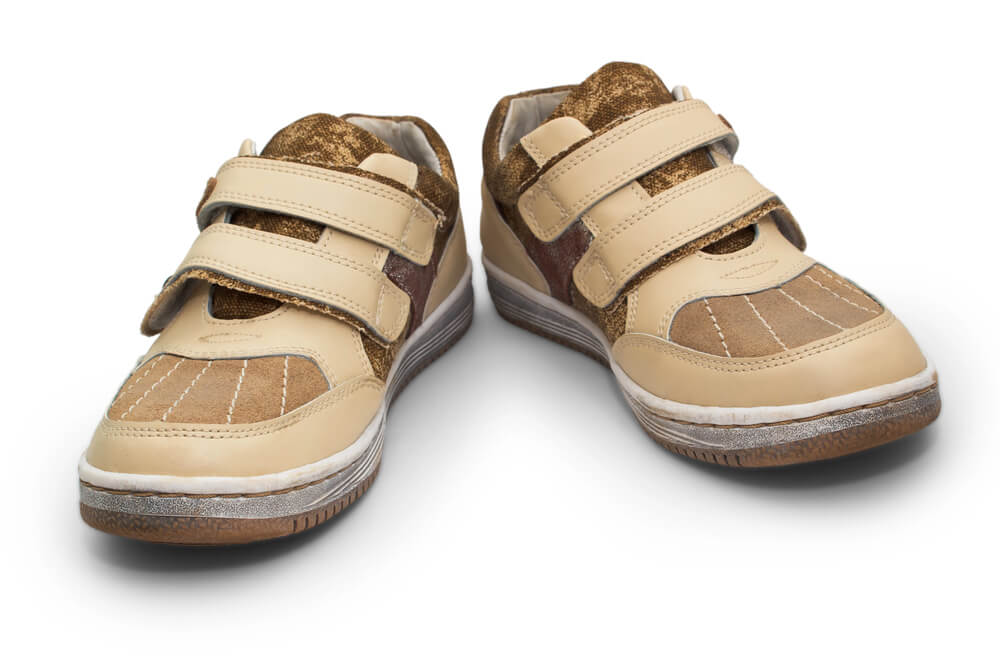
Swiss engineer George de Mestral conceived hook-and-loop fastening after a hunting trip in 1941, when burrs clung to his clothing and his dog’s coat, and he patented it in 1955. Kids who could not yet tie laces got shoes with wide straps that closed with a rip.
The loud tearing sound became a minor playground event, and it gave parents a way to get a five-year-old out the door in time.
Light-Up Sneakers
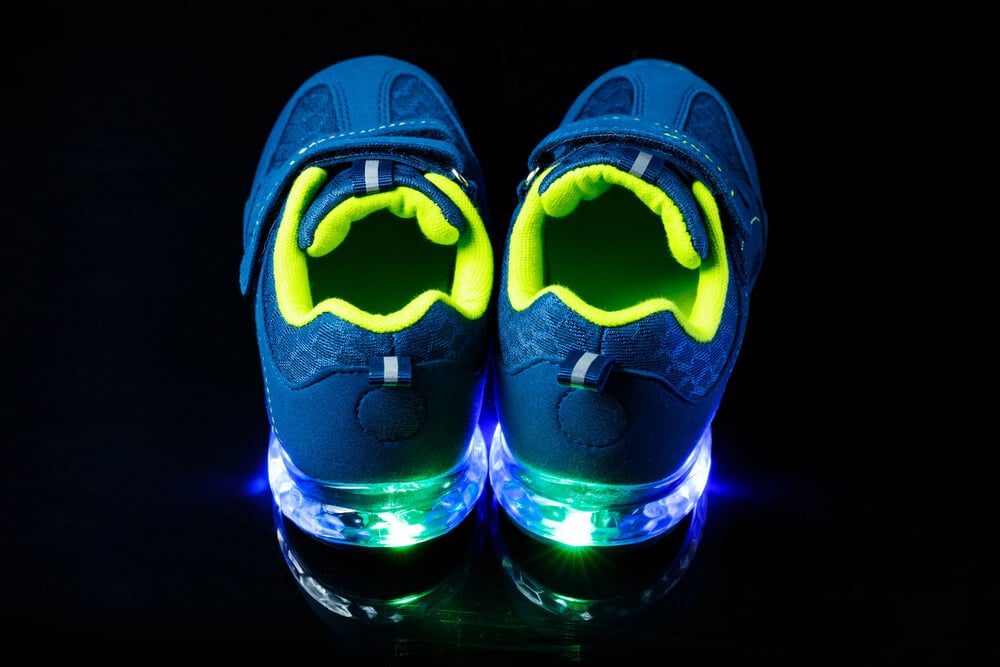
Sneakers with small lights in the sole that flashed on each step became a craze in the early 1990s, with L.A. Gear’s Light Gear line among the best-known examples. Parents discovered that a child wearing them was easy to spot in a crowded store or a dark parking lot.
Dead batteries ended the magic, and a pair with a burned-out light felt like an ordinary shoe with a secret missing.
Jelly Sandals
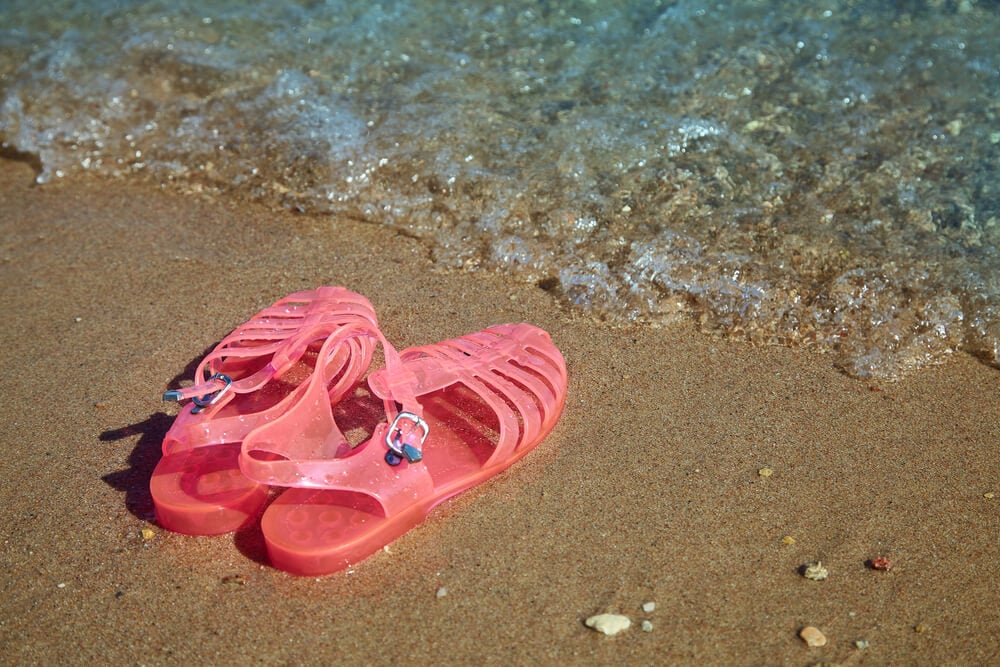
Clear plastic jelly shoes became a summer staple in the 1980s, modeled on plastic sandals long worn by fishermen along the French coast. They came in every color and glittered in the sun.
They also trapped sweat, rubbed blisters on bare feet, and shed a faint plastic smell that anyone who wore them can still recall.
Buster Brown Shoes
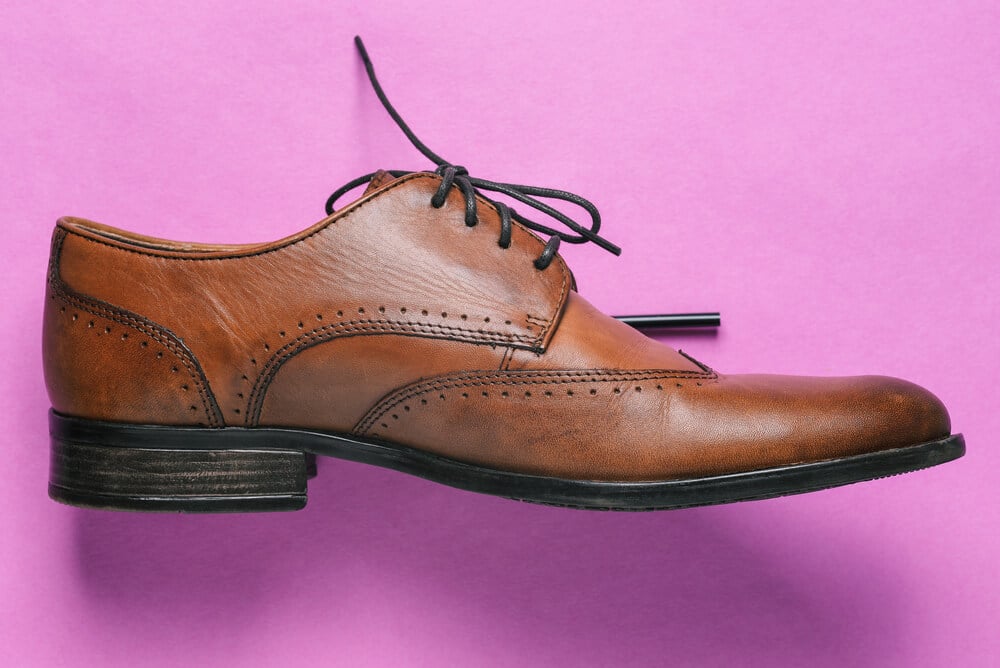
Brown Shoe Company licensed Buster Brown, a comic strip character created by R. F. Outcault, at the 1904 St. Louis World’s Fair and built a children’s shoe empire around his image. His sister Mary Jane gave her name to the strapped, rounded-toe shoes that are still called Mary Janes.
A shoe store visit meant standing on a metal measuring device and hearing a clerk announce that the child had grown another half size.
Keds
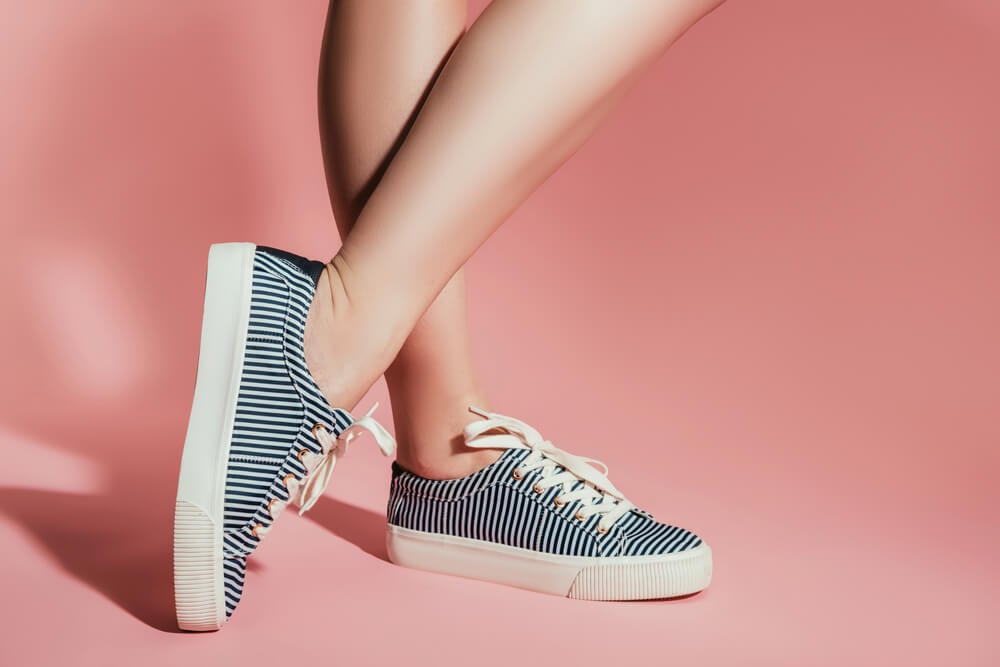
The United States Rubber Company introduced Keds in 1916 as one of the first mass-marketed canvas shoes with rubber soles. Parents bought them for playground use, school gym class, and the first day of summer vacation.
A fresh white pair rarely stayed white past the first week, which made the day they came out of the box a small event.
PF Flyers
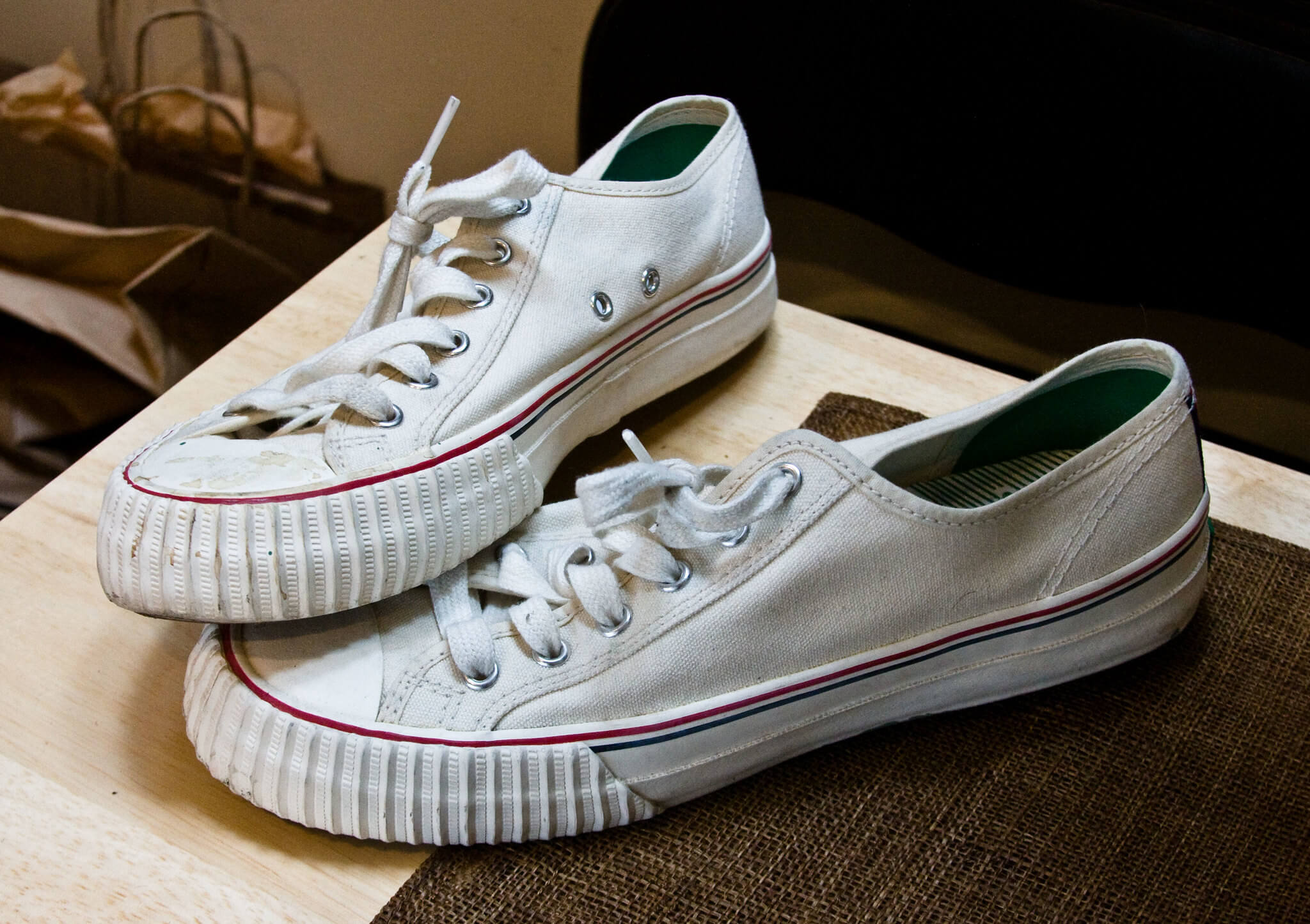
B.F. Goodrich introduced PF Flyers in 1937, and the initials stand for Posture Foundation, a reference to a built-in arch support. Advertising claimed the shoes would help boys run faster and jump higher, and the pitch worked for generations.
Many children believed they could, which may count as the shoe’s most effective feature.
Iron-On Knee Patches
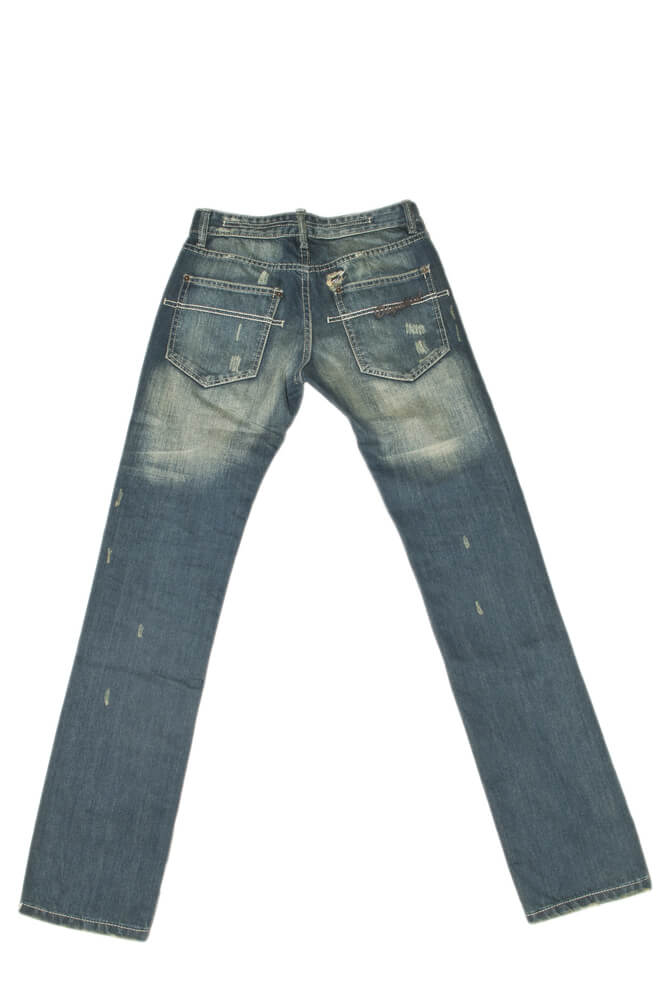
Sewing notion aisles sold pairs of iron-on patches in denim, corduroy, and plain cotton, with heat-activated adhesive on the back. Parents pressed them over worn knees before a tear even appeared, and Sears marketed Toughskins jeans with reinforced knees for the same reason.
A patched pair of pants was a sign of thrift, and wearing one did not carry the embarrassment it might today.
Name Tapes Sewn Into Collars
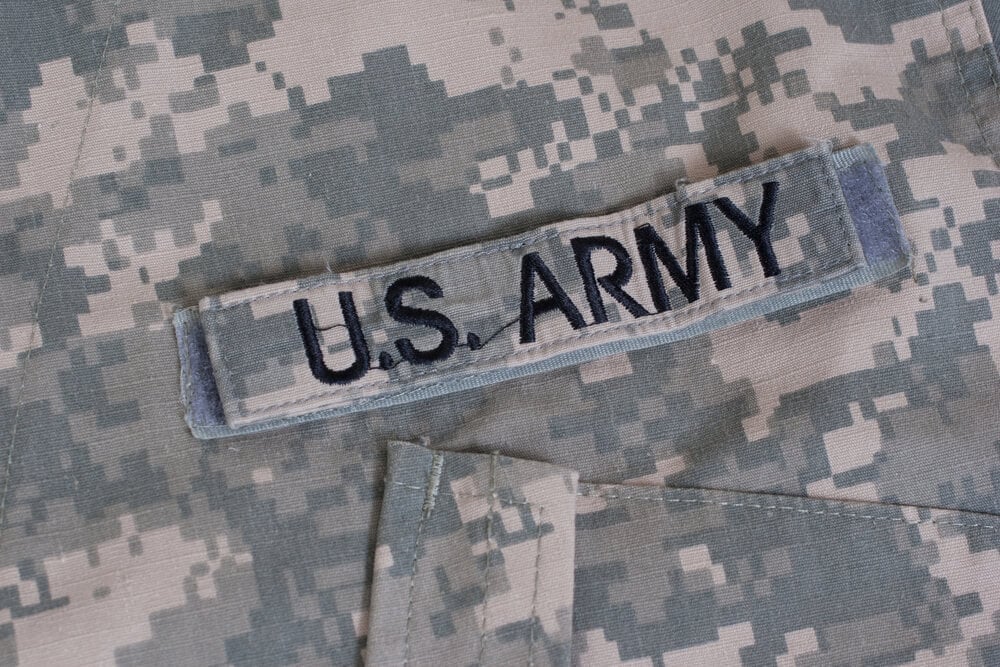
Woven name tapes, a product made by J. & J. Cash of Coventry, England, since the nineteenth century, were stitched into collars and waistbands so clothes could find their way home from school, camp, or a sleepover. Parents spent evenings sewing them one at a time.
A sweater with a sewn-in name was a small act of insurance, and anyone who inherited a hand-me-down often found a stranger’s name inside the neck.
Sailor Suits

A portrait of Queen Victoria’s son, Prince Albert Edward, dressed in a sailor suit in 1846 helped set off a fashion that put boys and girls in navy tunics with square collars for the next century. The outfits were worn to church, to photograph studios, and to birthday parties.
A sailor collar framed a child’s face neatly, which may be why photographers loved it.
Clip-On Ties
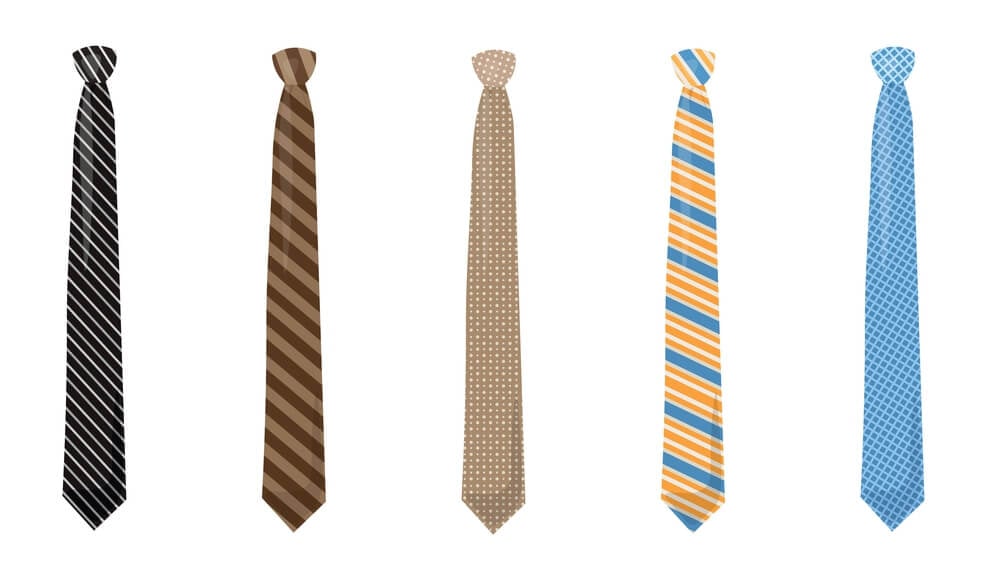
Boys dressed for church or school pictures wore miniature ties on a metal clip that snapped onto the collar. The clip spared a parent the lesson in knotting, and it came off with a single tug at the end of the service.
A tie that slid halfway down a shirt during a hymn was a common sight.
Bread Bags Over Socks
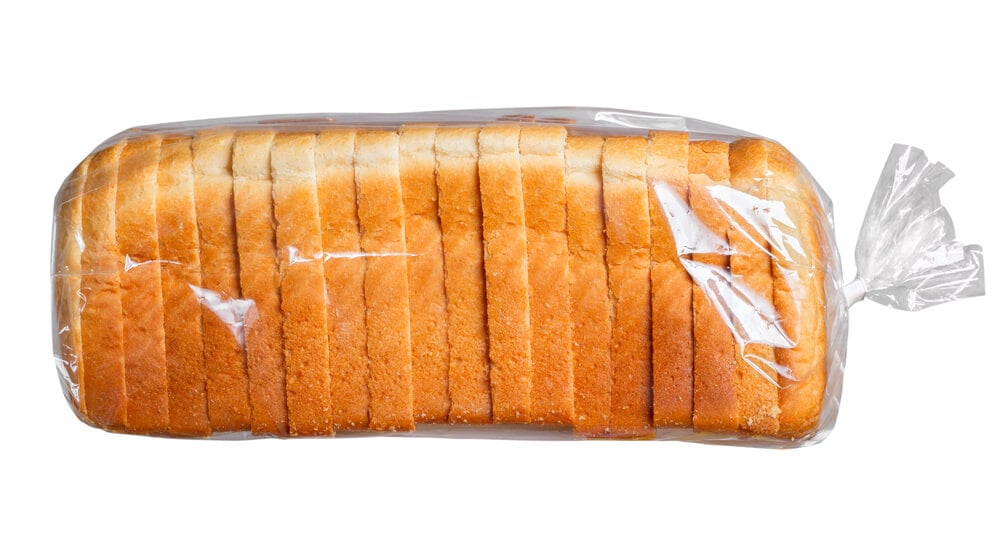
Parents slid plastic bread bags over their children’s socks before pushing them into snow boots, a folk trick for keeping feet dry when boots leaked or were too tight to fit over bulky socks. A twist tie at the ankle kept the bag from slipping.
The method turned a loaf wrapper into winter gear, and the bag crinkled with every step down the hallway.
Rubber Galoshes With Buckles
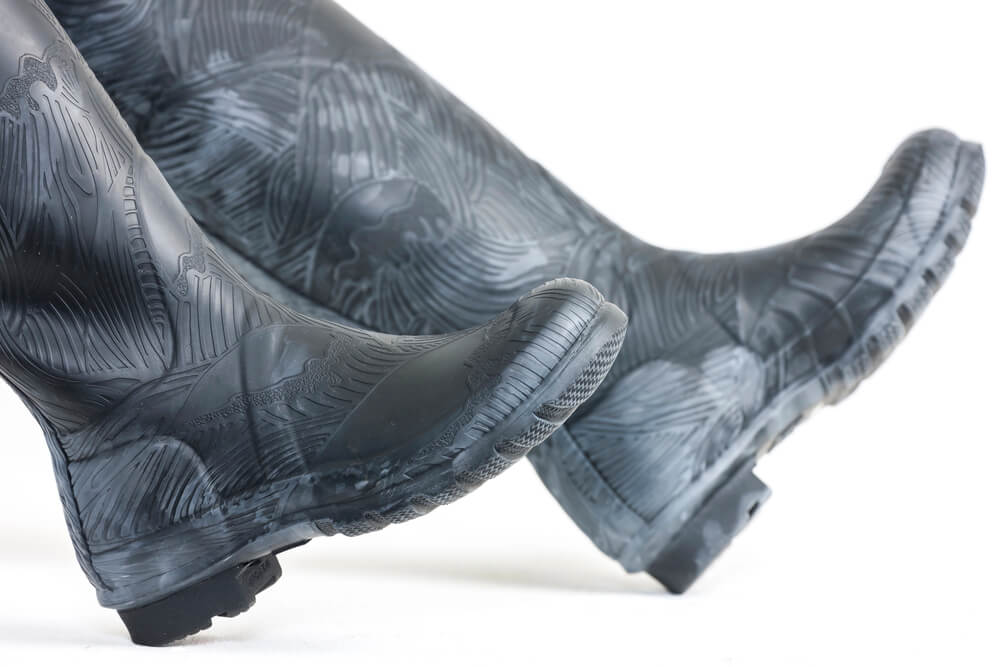
Rubber overshoes with metal buckles were pulled over school shoes on rainy days and lined up on a mat in the cloakroom. The buckles clanked against each other with every step, and a pair left behind at school was easy to identify by the name inked inside the cuff.
They were stiff and heavy, but nobody walked home with soaked shoes.
One-Piece Snowsuits
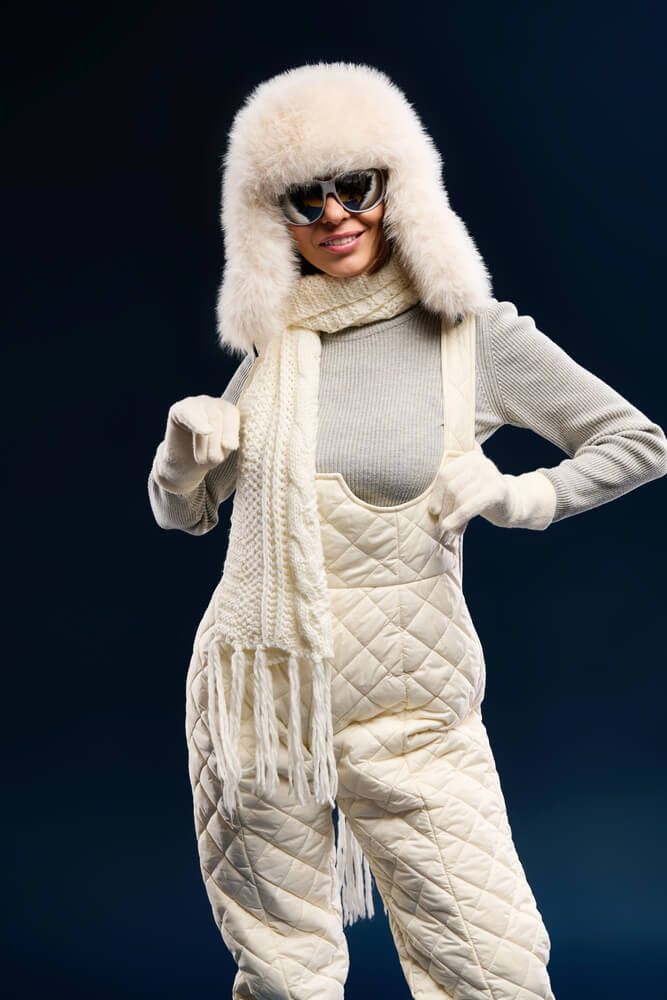
A single zippered snowsuit covered a child from neck to ankle, sometimes with attached mittens and a hood. Getting a toddler into one required wrestling skill, and a bathroom visit once dressed became a major project.
Children wearing them could barely bend their arms, and they walked like tiny astronauts across the schoolyard.
Plastic Rain Bonnets

Clear plastic rain hats folded into small pouches tucked into a purse or a coat pocket, then tied under a child’s chin when the sky opened. They protected a fresh hairstyle on a Sunday morning and kept raindrops off the forehead.
A bonnet caught by the wind flapped like a tiny flag, and its thin plastic rarely survived a full season of folding and unfolding.
Rubber Pants Over Cloth Diapers
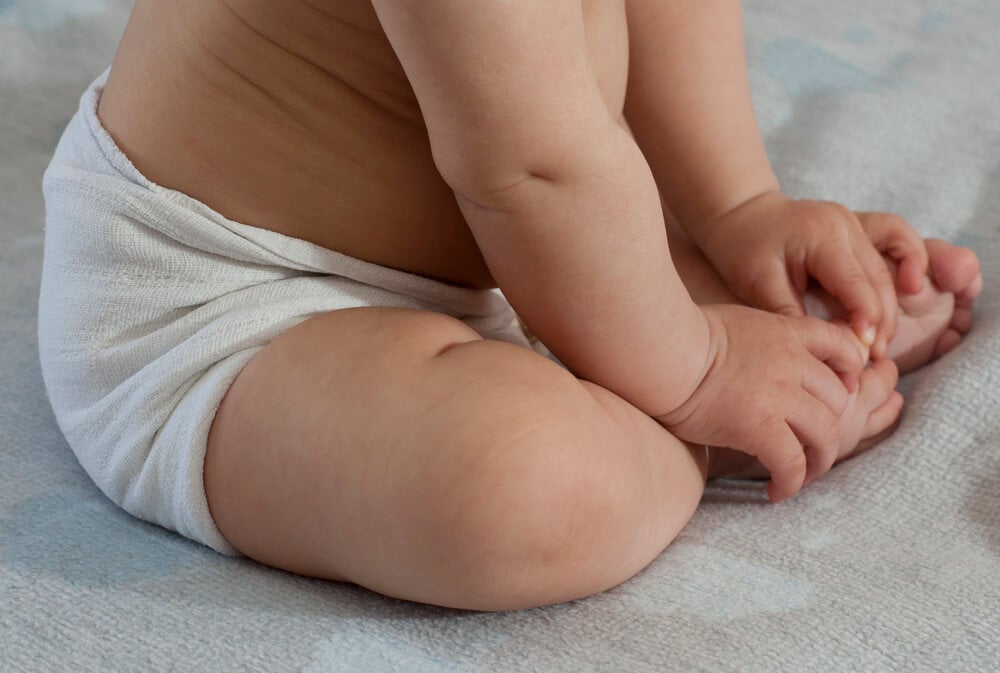
Before disposable diapers became the default, babies wore cloth diapers held with safety pins, topped with vinyl or rubber pants to keep a wet diaper from soaking through. Disposable diapers were first test-marketed in the early 1960s and took years to win over parents.
A baby in rubber pants had a distinct crinkle and rubbery smell, and the pants were washed along with everything else.
Rolled Cuffs and Let-Down Hems
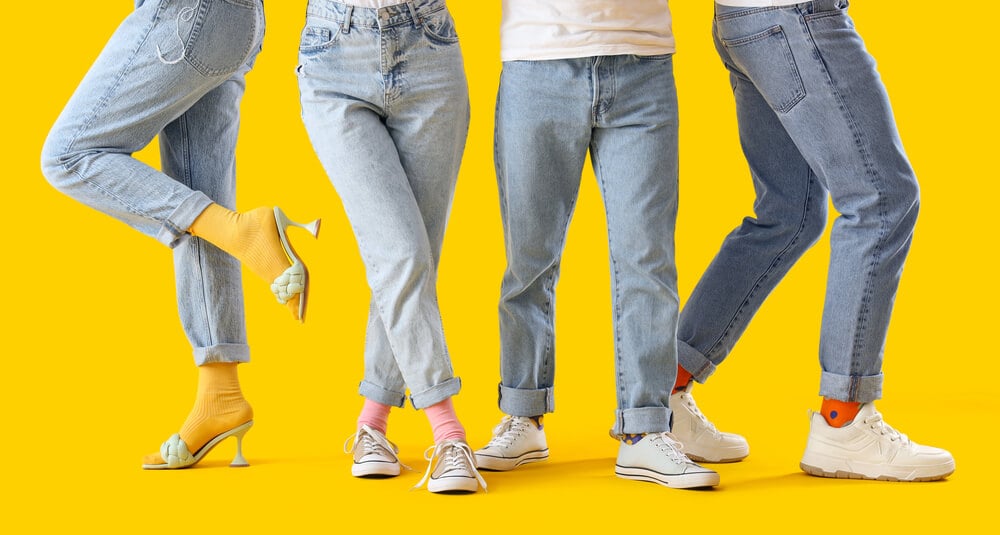
Parents bought pants one or two sizes large, folded the cuffs up several inches, and let them down as the child grew. A faint crease line often marked the old hem, and a pair of jeans might show three generations of cuffs.
The practice made sense when clothing was expensive, and it explains why so many school pictures show children swimming in their pants.
Clothes Built for Growing Out
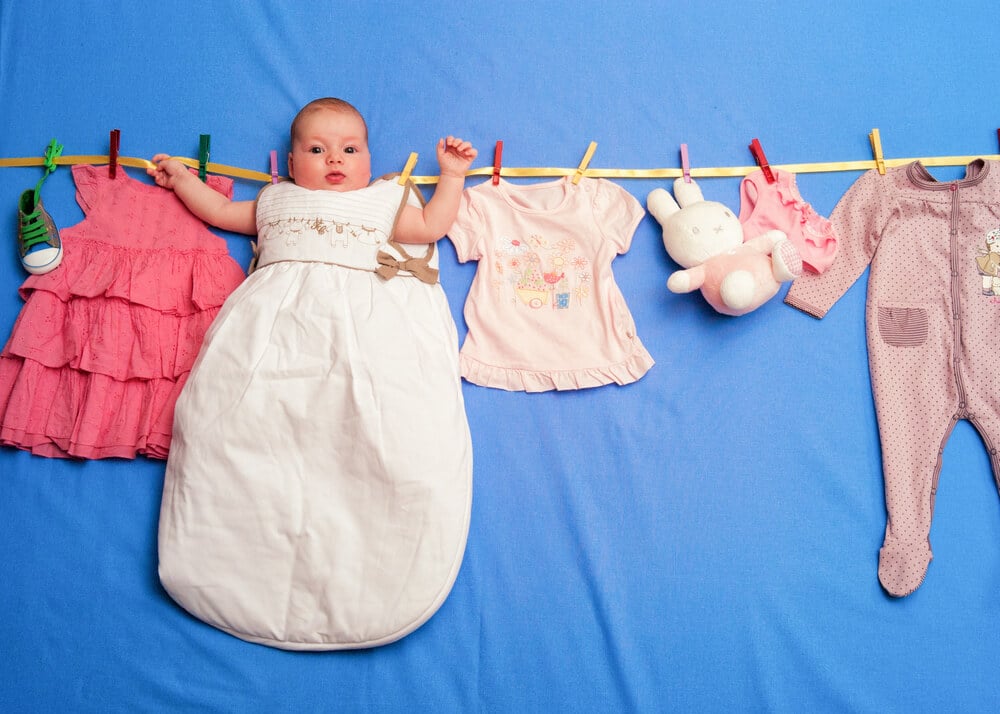
These features all answered the same question: how do you dress a child who will outgrow everything in six months? Parents solved it with hems that dropped, patches that extended a pair of pants, and tags that let a four-year-old dress without help.
The solutions were frugal, and they were often charming. Modern clothing solves the problem differently, with cheaper garments and faster replacement.
A child today might never wear a sewn-in name tape or a pair of pants with a let-down hem. That does not make the older approach foolish, since a lot of ingenuity went into making one wardrobe last.
More from Go2Tutors!

- 27 Silver Dollars and Half Dollars Worth Keeping
- 28 Restaurant Menu Items Nobody Orders Anymore
- 17 Places Built in Seemingly Impossible Spots
- 27 Vintage Rings Worth More Than They Look
- 25 Restricted Sites Tourists Can’t Enter
Like Go2Tutors’s content? Follow us on MSN.