14 After-School Snacks from the ’80s That Every Kid Fought Over
The afternoon bell rang and suddenly every kid in America became a snack strategist. Lunch boxes emptied, pantries raided, and the real battle of the day began — securing the good stuff before your siblings got home.
The ’80s delivered snacks that were part sugar rush, part status symbol, and entirely worth the inevitable food fight that followed. These weren’t just snacks.
They were currency, conversation starters, and the difference between being the cool kid with the goods or the one left staring longingly at someone else’s lunch. Every bite came with bragging rights.
Fruit Roll-Ups
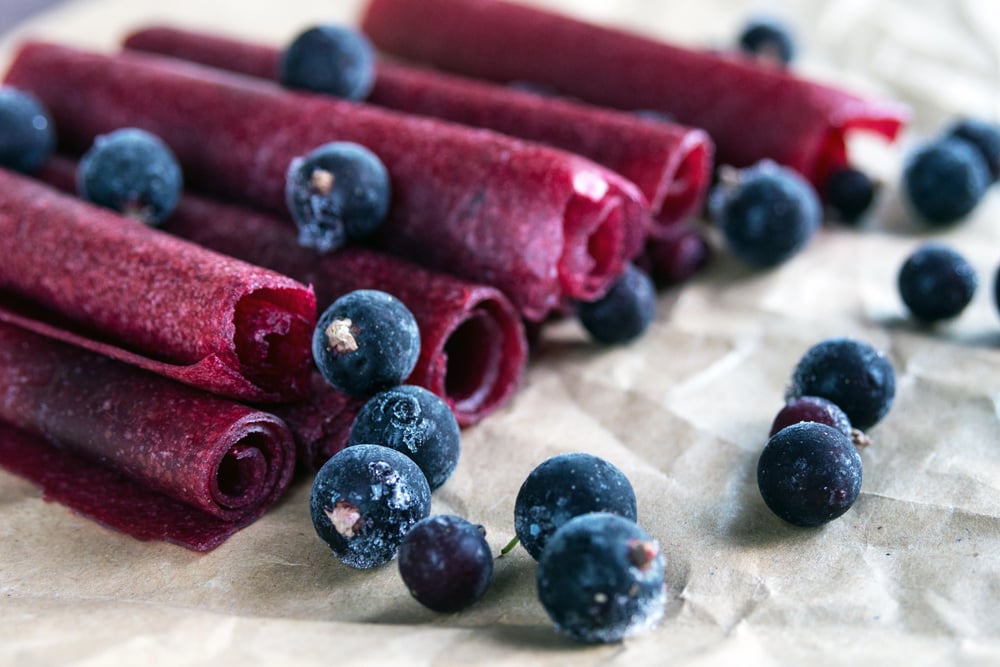
Fruit Roll-Ups disappeared from lunch boxes faster than weekend allowances. Kids peeled them like stickers, rolled them into rounds, or stretched them across their tongues.
The strawberry flavor always went first.
Dunkaroos
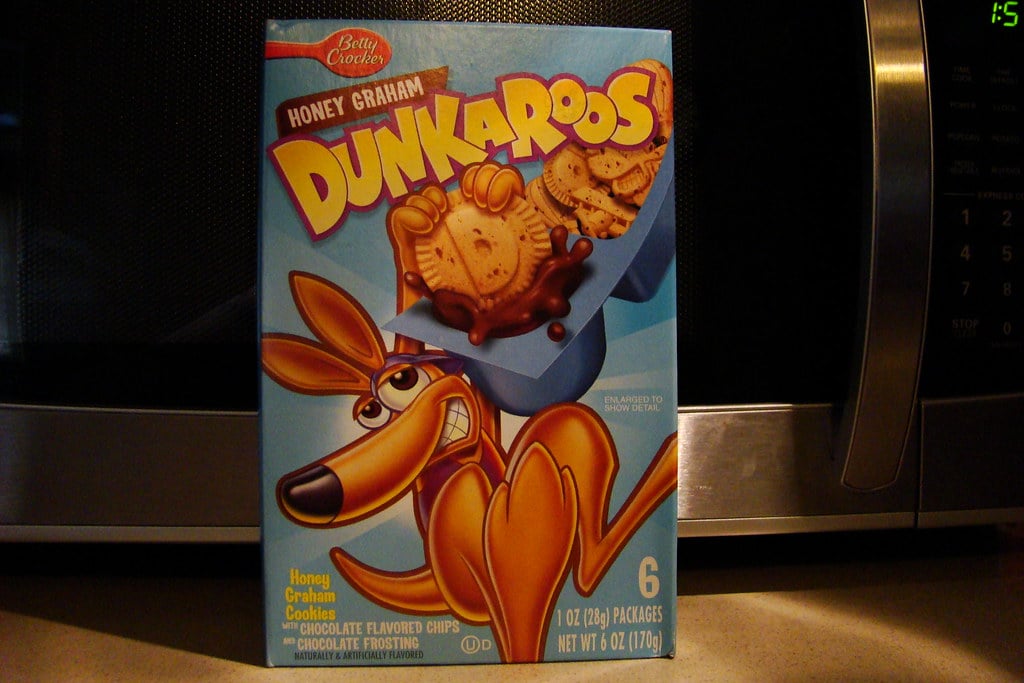
The graham cookies were just delivery vehicles for the rainbow sprinkle frosting. Smart kids saved the frosting container and used pretzels when the cookies ran out.
Some battles require creative solutions.
Pop Rocks
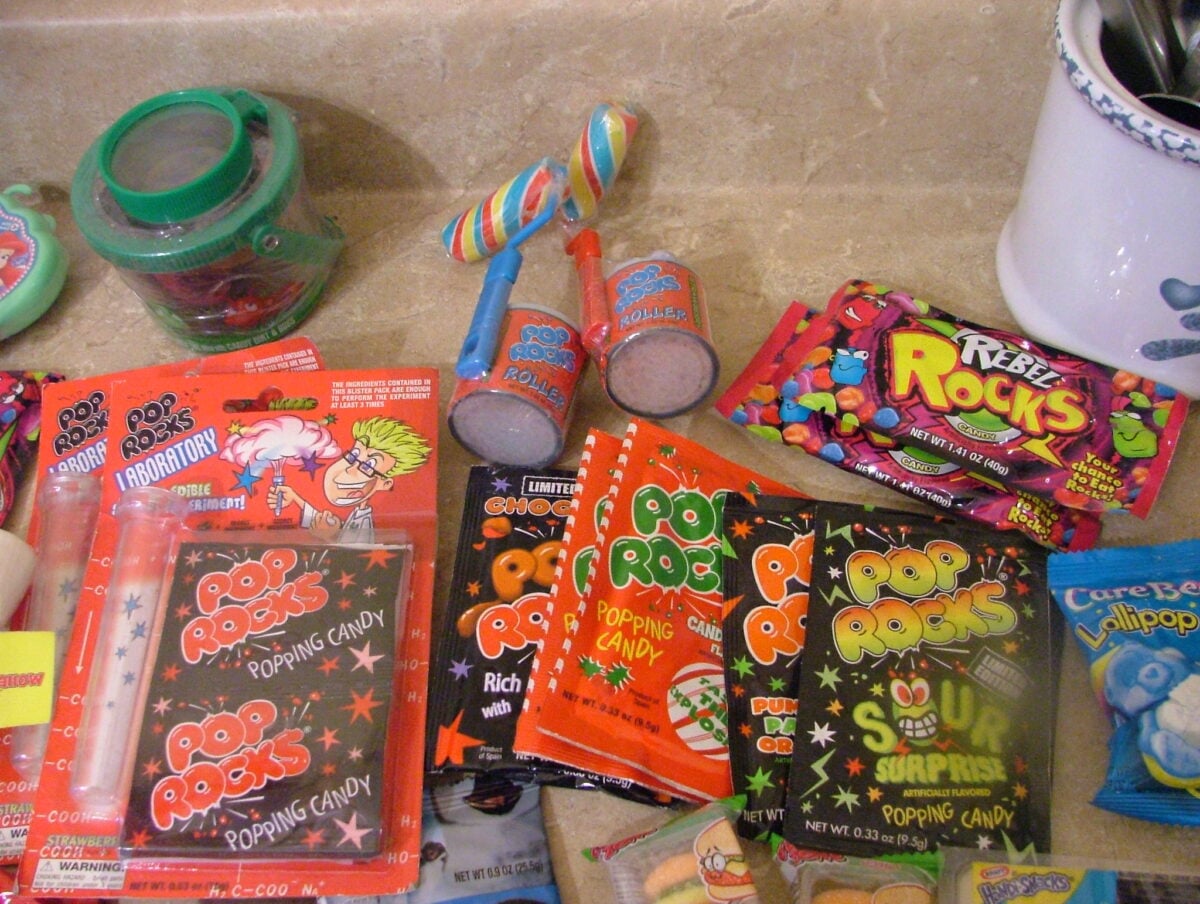
Pop Rocks were edible fireworks that turned every mouth into a small celebration, crackling and snapping like tiny celebrations happening behind your teeth (and the myth that they’d explode your stomach if mixed with soda only made them more appealing, not less dangerous). Kids would pour entire packets onto their tongues just to hear the symphony of miniature explosions. Pure theater.
And yet every parent acted like they were handing out actual dynamite instead of carbonated sugar crystals that dissolved in seconds, which only made them more irresistible to a generation raised on the idea that if adults were worried about it, it was probably worth trying at least once.
Bagel Bites
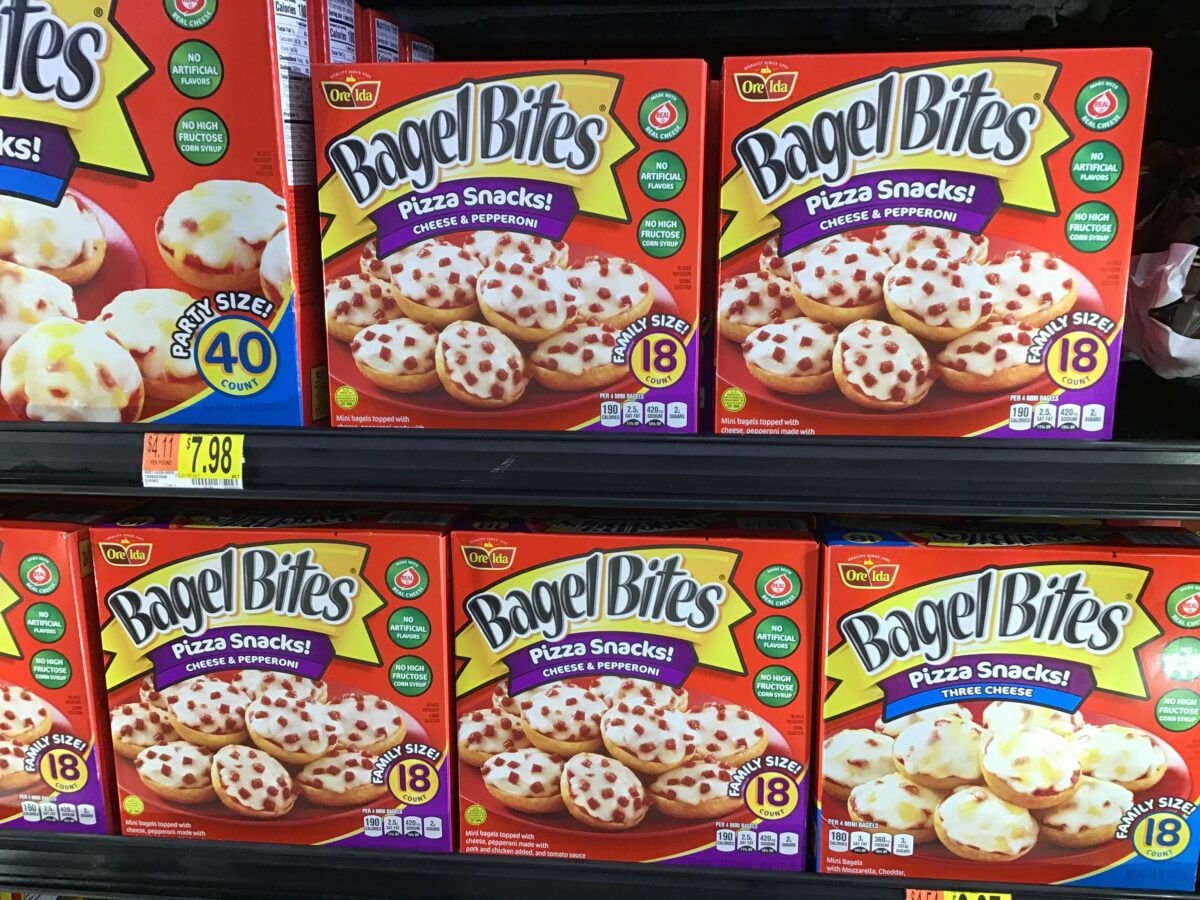
Bagel Bites were pizza’s scrappy younger brother who showed up uninvited but somehow became the life of the party. They burned your tongue with molten cheese and left you coming back for more.
Nobody pretended these were actual pizza, but nobody cared either. They were hot, cheesy, and ready in three minutes.
Sometimes convenience beats authenticity by a mile.
Fruit by the Foot
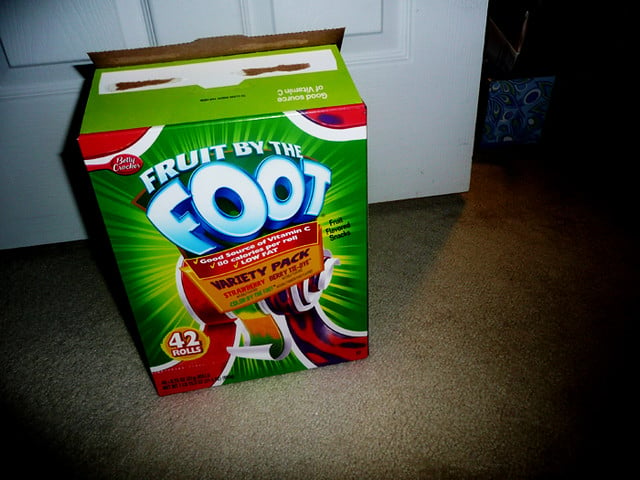
Three feet of fruit-flavored tape that had about as much connection to actual fruit as astronaut ice cream had to a dairy farm, but somehow that artificial cherry flavor became the taste of summer afternoons and shared secrets. Kids measured them against rulers, used them as edible jump ropes, or carefully unrolled each section like they were reading ancient scrolls written in high fructose corn syrup.
The length was the point — not the flavor, not the nutrition label that parents squinted at with growing concern, but the sheer impractical joy of eating something that required strategy to finish. It was food that demanded performance, and every kid became a performer the moment they tore open that wrapper.
Teddy Grahams
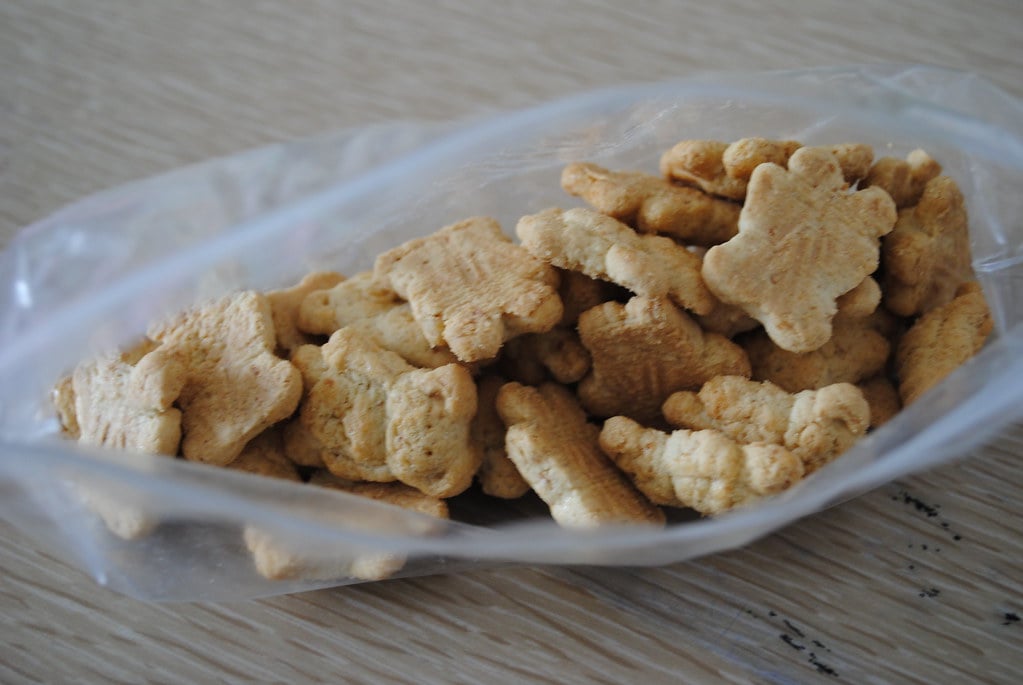
Teddy Grahams came in three flavors and sparked the same debates as presidential elections. Honey was reliable, chocolate was indulgent, cinnamon brought the heat. Kids bit off heads first or saved them for last.
The tiny bear shapes made eating feel less like snacking and more like conducting a very small, very sweet puppet show. Some traditions start simple.
Shark Bites
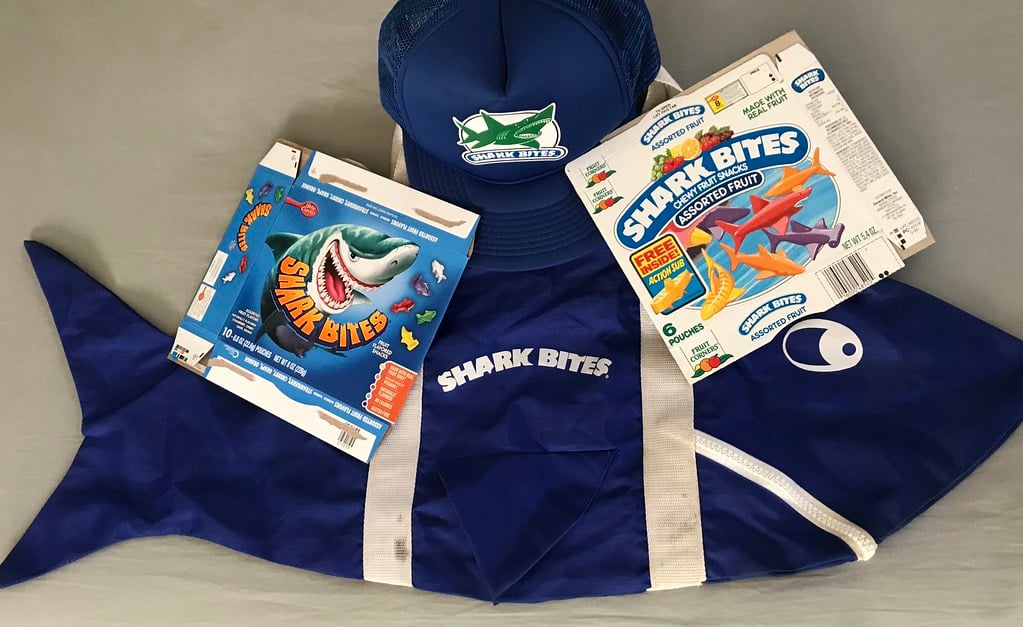
Shark Bites were fruit snacks shaped like marine life, but everyone knew the white shark was the prize. Kids dug through entire pouches hunting for that one translucent piece.
The rest were just practice. The white shark tasted exactly like the others, but scarcity creates value.
Even in elementary school, economics mattered.
Capri Sun
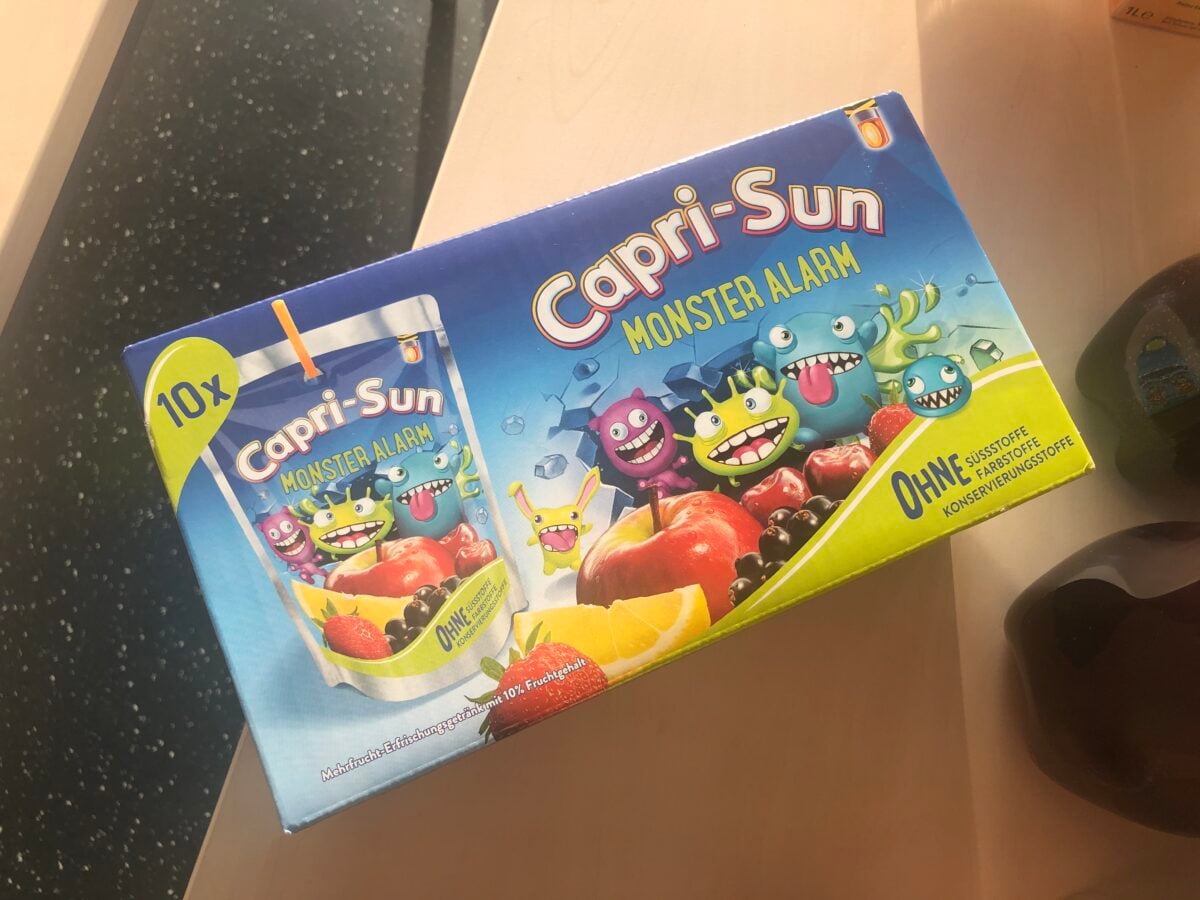
That silver pouch held liquid gold, though getting to it required the precision of a surgeon and the patience of someone who definitely didn’t have soccer practice in twenty minutes. The straw either punched through clean or sent tropical fruit punch spraying across lunch tables like some kind of sugary crime scene.
No middle ground existed — you either mastered the technique or wore your lunch. And yet every kid kept trying, kept jamming that pointed yellow straw toward the designated spot, because the alternative was asking someone else to open it for you, which ranked somewhere below eating cafeteria fish sticks on the elementary school social hierarchy.
Hot Pockets
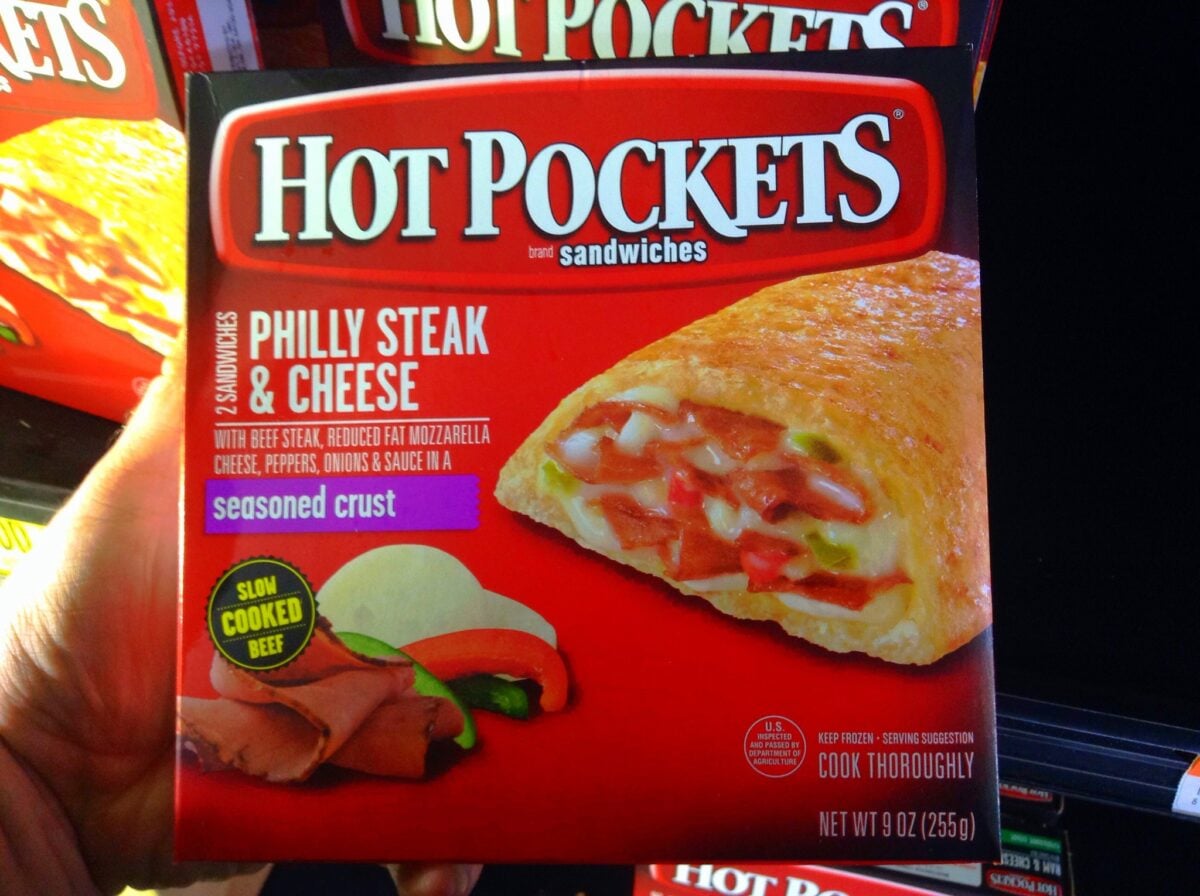
Hot Pockets were molten lava wrapped in pastry that somehow stayed frozen in the middle. They defied physics and common sense.
Kids ate them anyway because rebellion often tastes like pepperoni and regret. The cooking instructions were suggestions at best.
Every microwave in America had its own interpretation of what “two minutes on high” actually meant.
Pop-Tarts
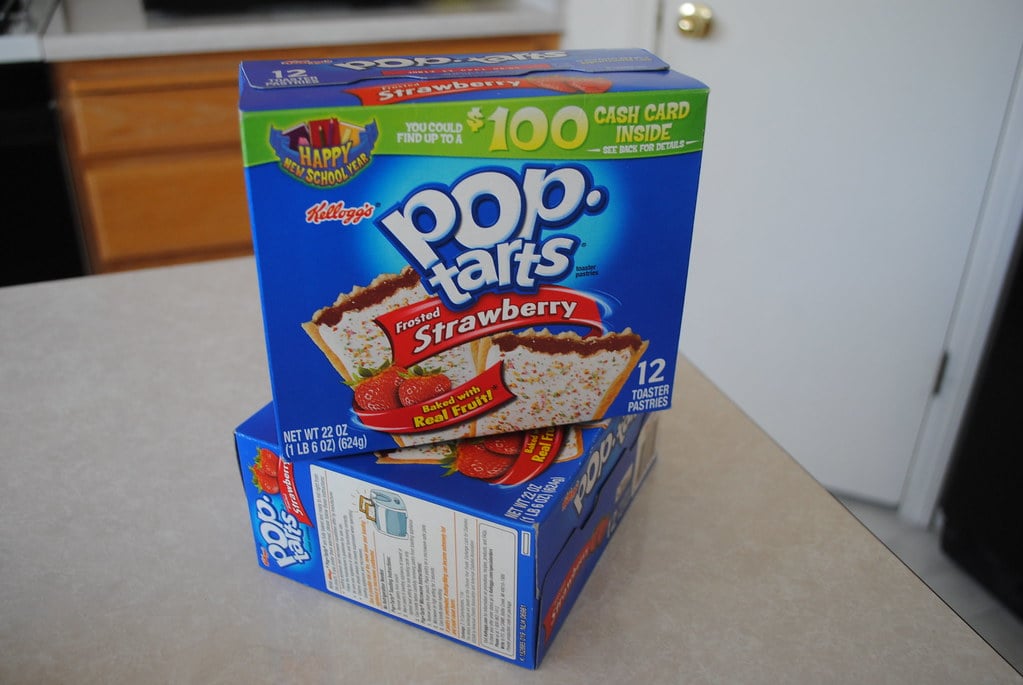
Pop-Tarts were breakfast pastries that moonlighted as afternoon contraband. Brown sugar cinnamon was classic, but strawberry with frosting separated the players from the pretenders.
Eating them straight from the package was acceptable. Toasting them was optional.
The real debate centered on whether you ate the edges first or saved them for last.
Cheetos
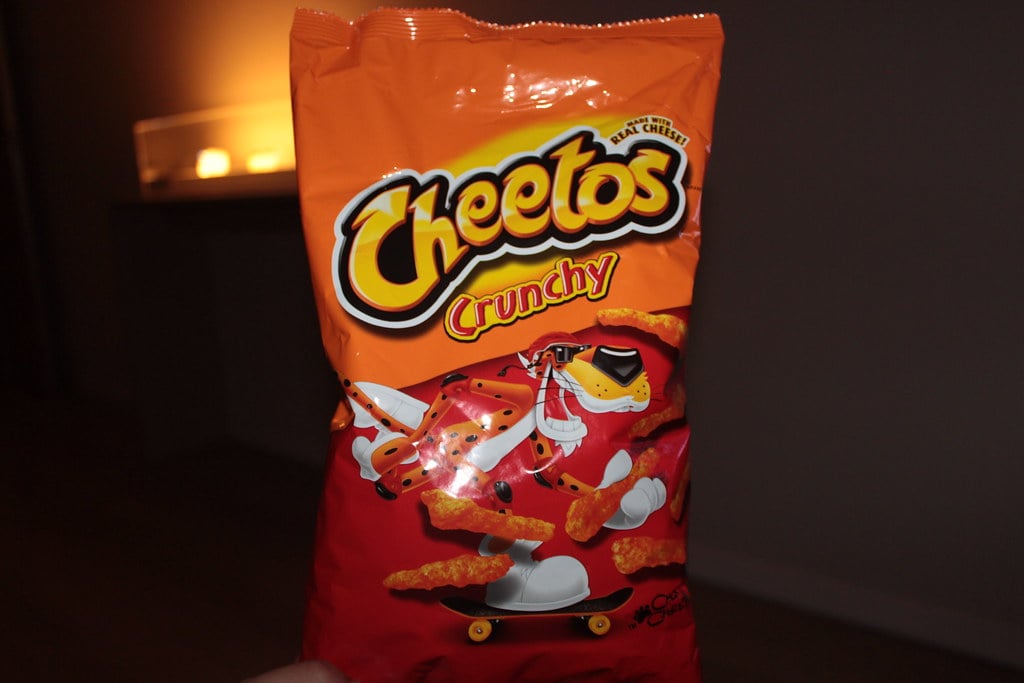
Those orange fingerprints were battle scars from the snack that turned every surface into evidence. Kids wore the dust like war paint and licked their fingers clean with zero shame.
Regular Cheetos were fine. Some challenges are worth the orange fingers.
Hostess Fruit Pies
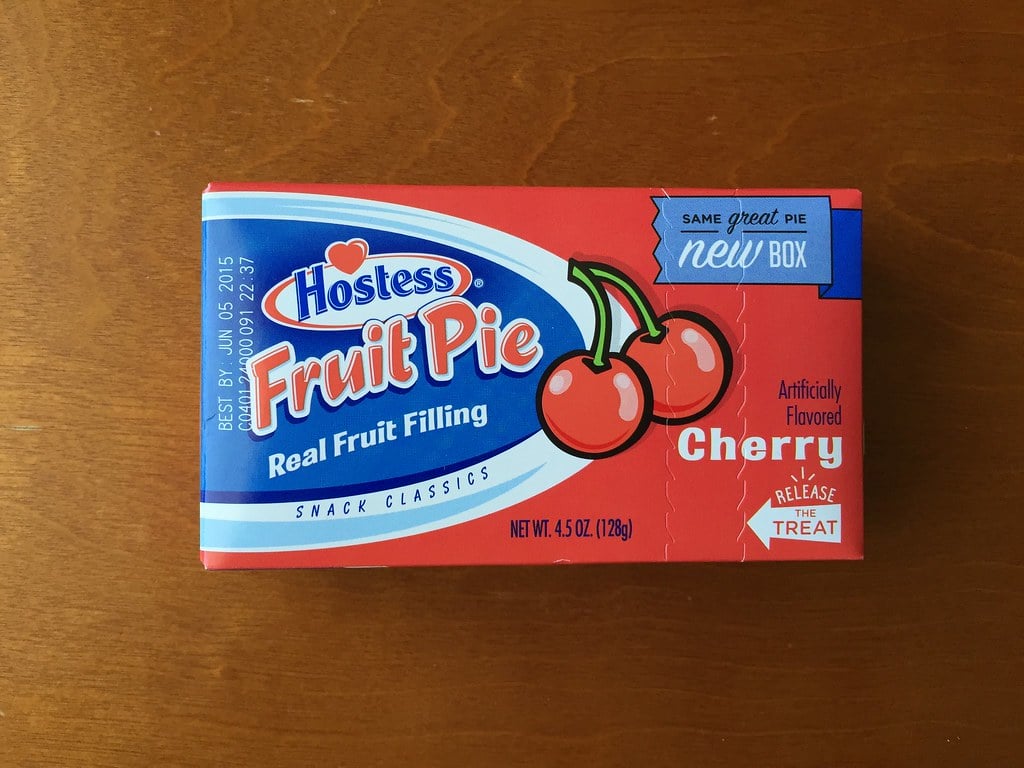
Hostess Fruit Pies were handheld experiments in controlled chaos, where scalding fruit filling waited beneath flaky pastry crusts like sugary landmines designed to burn the roof of your mouth on first contact. The apple version was reliable, cherry felt dangerous, and lemon was for risk-takers who lived life on the edge of citrus-induced regret.
Every bite required strategy — do you nibble the corners first to release steam, or commit fully and hope your taste buds survive the molten fruit lava that inevitably followed? These weren’t just snacks; they were lessons in patience disguised as dessert, teaching an entire generation that good things come to those who wait for their food to cool down to merely dangerous temperatures.
String Cheese

String cheese turned eating into performance art. The goal was perfect strings, not efficient consumption. Kids who bit straight into it missed the entire point.
Each piece could be separated into dozens of thin strands if approached with proper technique and infinite patience. Most kids had the technique down but ran short on patience around string number three.
Kool-Aid Bursts
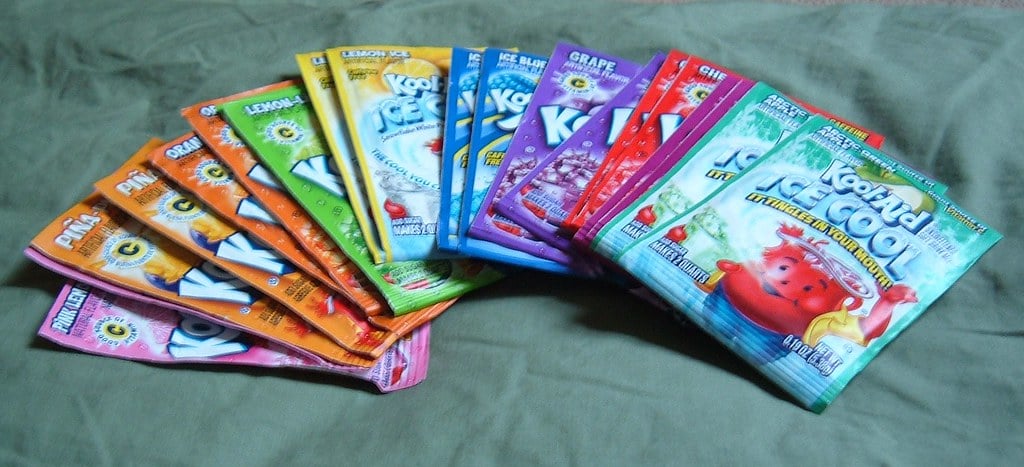
Kool-Aid Bursts came in plastic bottles shaped like tiny space capsules that required twisting off the top with the determination of someone defusing a very colorful bomb. The liquid inside was blue, red, or green — flavors that existed nowhere in nature but somehow tasted exactly like childhood summer afternoons.
Kids squeezed the soft bottles too hard and sent streams of artificial fruit flavor shooting across kitchen counters, creating abstract art that parents discovered hours later when the sugar had crystallized into sticky evidence. The bottles were reusable, which meant they became water guns, miniature bowling pins, or whatever other creative purposes kids could imagine for small plastic containers that refused to break no matter how many times they got dropped, thrown, or forgotten under beds for months at a time.
The Sweet Taste of Victory
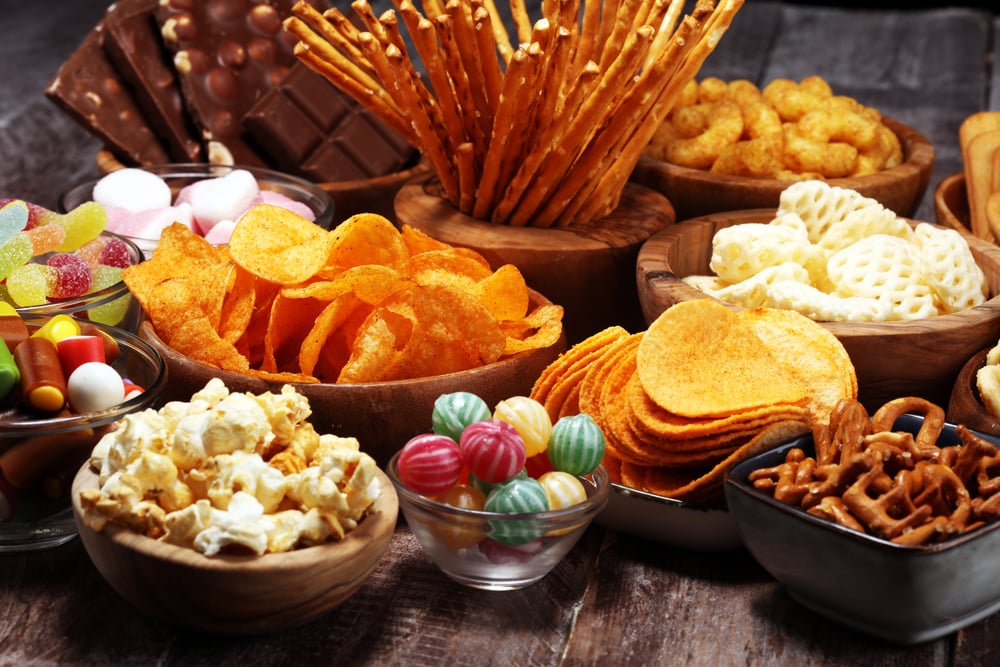
Those afternoon snack battles shaped more than just childhood memories — they taught negotiation skills, supply and demand economics, and the fine art of strategic sharing. Every trade was a lesson in diplomacy, every successful snack acquisition a small victory in the complex social ecosystem of elementary school politics.
The snacks themselves were often more sugar than substance, more marketing than nutrition, but they carried weight beyond their ingredients. They were the currency of friendship, the spoils of successful bartering, and the comfort food that bridged the gap between school stress and home relief.
Looking back, the real treasure wasn’t the snacks themselves, but the fierce joy of being a kid who knew exactly what they wanted and wasn’t afraid to fight for it.
More from Go2Tutors!

- The Romanov Crown Jewels and Their Tragic Fate
- 13 Historical Mysteries That Science Still Can’t Solve
- Famous Hoaxes That Fooled the World for Years
- 15 Child Stars with Tragic Adult Lives
- 16 Famous Jewelry Pieces in History
Like Go2Tutors’s content? Follow us on MSN.



