19 Cursed Treasures That Brought Misfortune to Those Who Found Them
Humans are fascinated by treasure hunting—the thrill of discovery, the promise of wealth, and the allure of possessing something rare. Yet some treasures seem to carry darker consequences for those who find them. Tales of cursed artifacts have persisted across cultures, often blending historical facts with supernatural beliefs.
Here is a list of 19 allegedly cursed treasures that supposedly brought misfortune to their discoverers and owners. Whether you believe in curses or not, the strange coincidences surrounding these items might make you think twice about what you’d wish to find.
The Hope Diamond
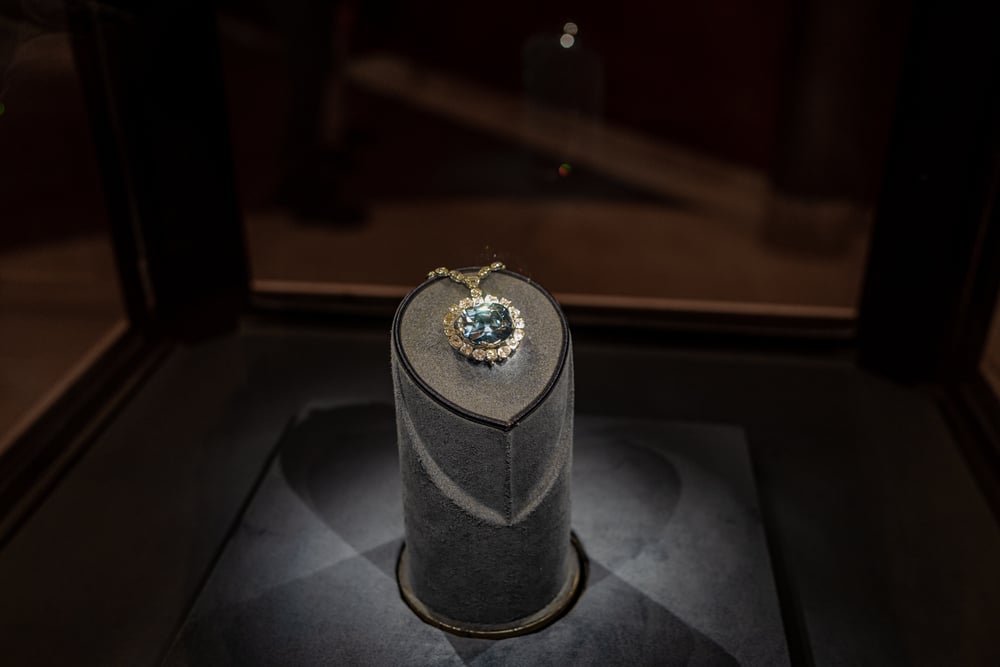
The magnificent 45.52-carat deep blue diamond has left a trail of tragedy in its wake. After being stolen from a Hindu temple in India, it passed through the hands of King Louis XVI and Marie Antoinette before they were beheaded during the French Revolution.
Later owners reportedly experienced financial ruin, suicide, and murder. Even when jeweler Harry Winston donated it to the Smithsonian in 1958, the mailman who delivered it suffered a crushed leg, his wife’s death, and his house burning down.
The Tomb of Tutankhamun
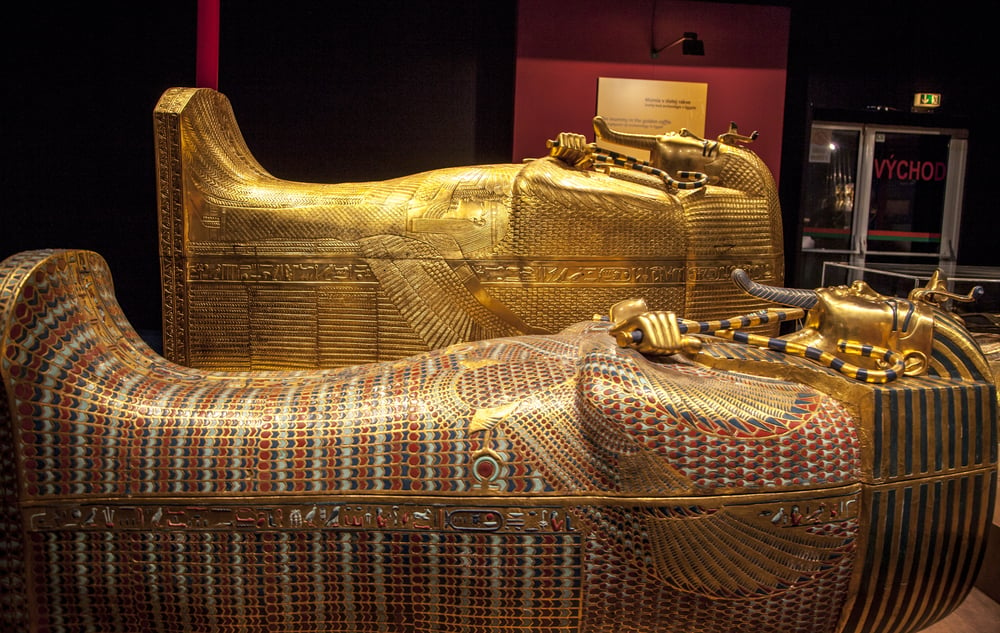
When Howard Carter discovered King Tut’s tomb in 1922, he unleashed what many consider the most famous curse in archaeological history. Lord Carnarvon, the expedition’s financial backer, died from an infected mosquito bite months after the tomb’s opening.
Several other team members died prematurely in the following years. Newspapers sensationalized these deaths, though statistical analysis later suggested the “curse” was mostly coincidental—still, the legend persists as powerfully as ever.
The Koh-i-Noor Diamond
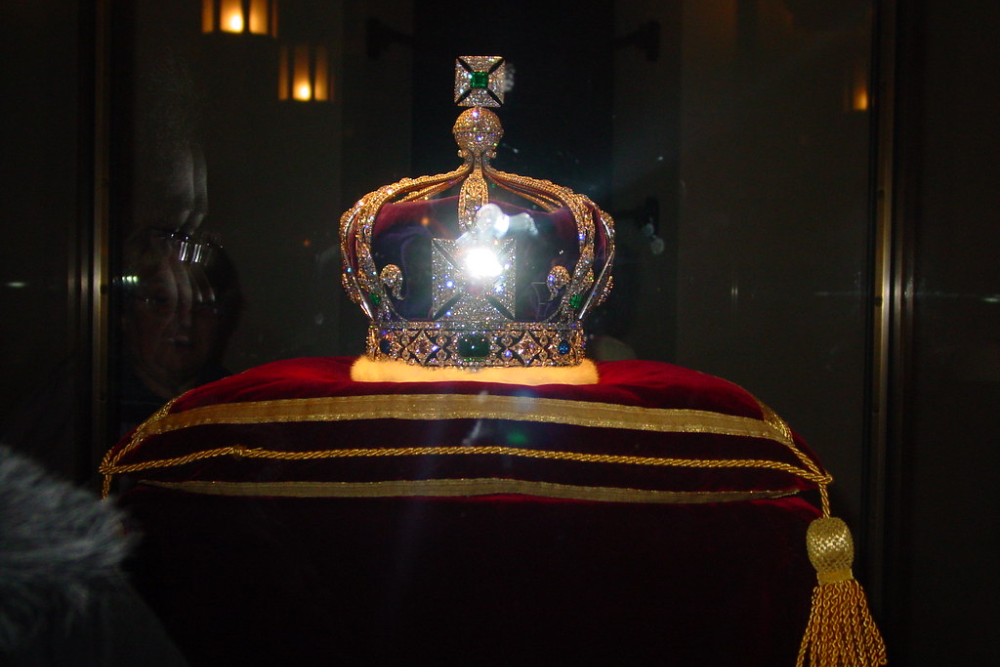
Currently part of the British Crown Jewels, this 105.6-carat diamond carries a warning that “only God or a woman can wear it with impunity.” Male owners throughout history have lost their thrones, their freedom, or their lives.
The diamond changed hands repeatedly through bloodshed and conquest before coming into British possession. Queen Victoria wore it without incident, seemingly confirming the gender-specific nature of its curse.
The Crying Boy Paintings
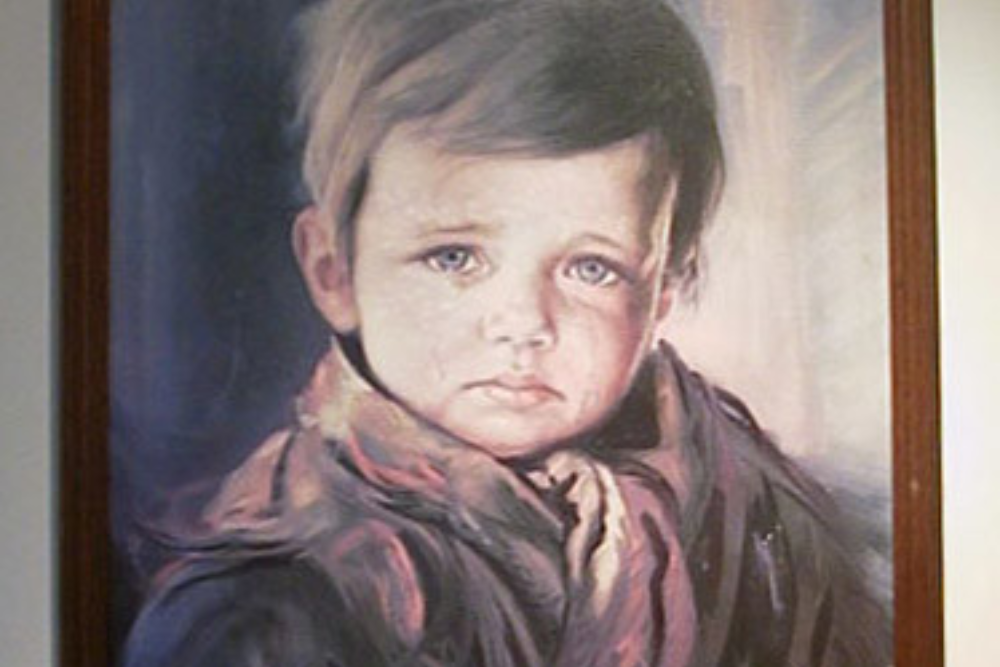
Mass-produced portraits of a crying child became bizarrely linked to house fires in 1980s Britain. Firefighters noticed these paintings often survived completely untouched while homes burned around them.
After tabloid coverage, people reported more instances of fires in homes with the paintings. The fire brigade eventually received so many unwanted paintings that they held a mass burning.
Some attribute the paintings’ fire resistance to their varnish rather than supernatural forces.
The Amen Stone
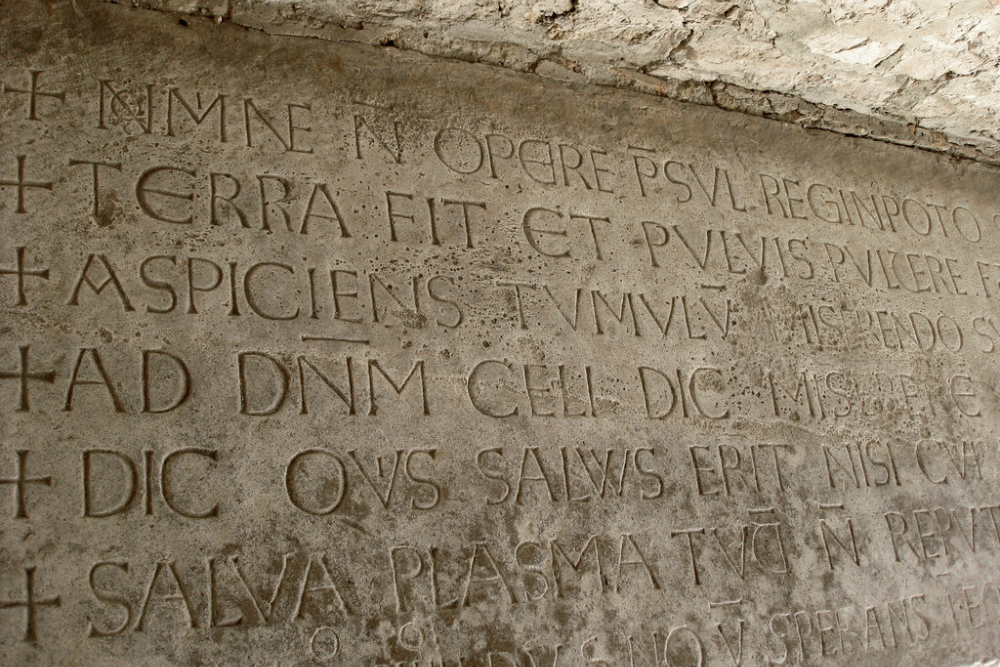
This ancient artifact from Jerusalem bears an inscription warning against disturbing the bones of the dead. The archaeologist who removed it from its original setting reportedly experienced a series of misfortunes.
Workers refused to keep the stone in museums due to the strange occurrences around it, including equipment failures and unexplained noises. Eventually, it was returned to Jerusalem where it remains today, the curse apparently dormant once its warning was heeded.
The Delhi Purple Sapphire
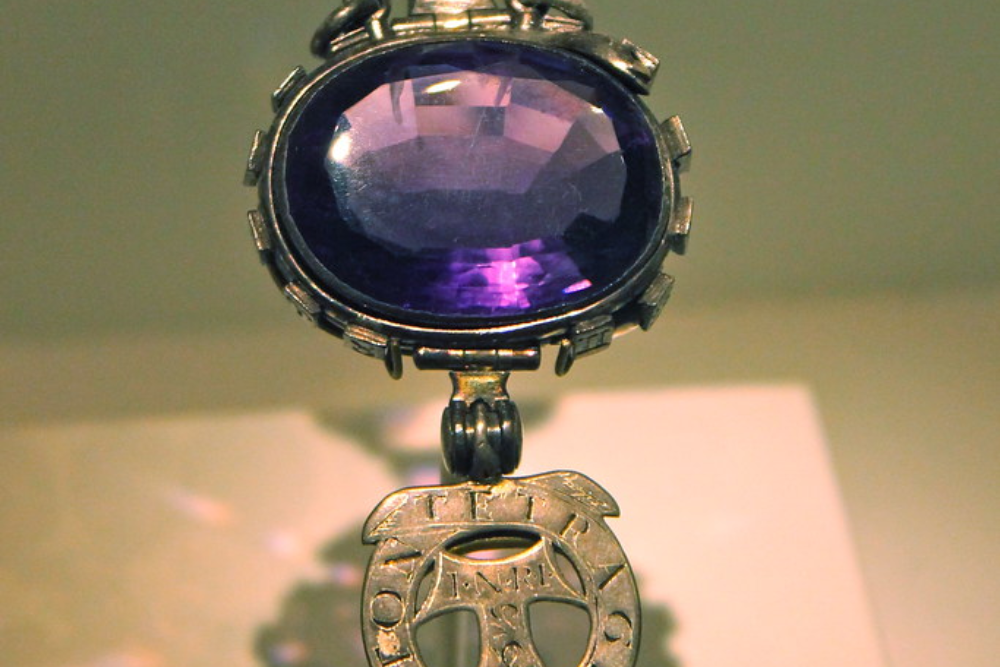
Despite its name, this gem is actually an amethyst stolen from an Indian temple in 1857. Its first owner, Colonel W. Ferris, claimed it brought financial and health disasters to his family.
Subsequent owners reported similar misfortunes, including depression and suicide attempts. Edward Heron-Allen, who received it next, kept it locked in seven boxes and warned that the gem was “trebly accursed and is stained with the blood of anyone who shall bring it into a house.”
The Basano Vase
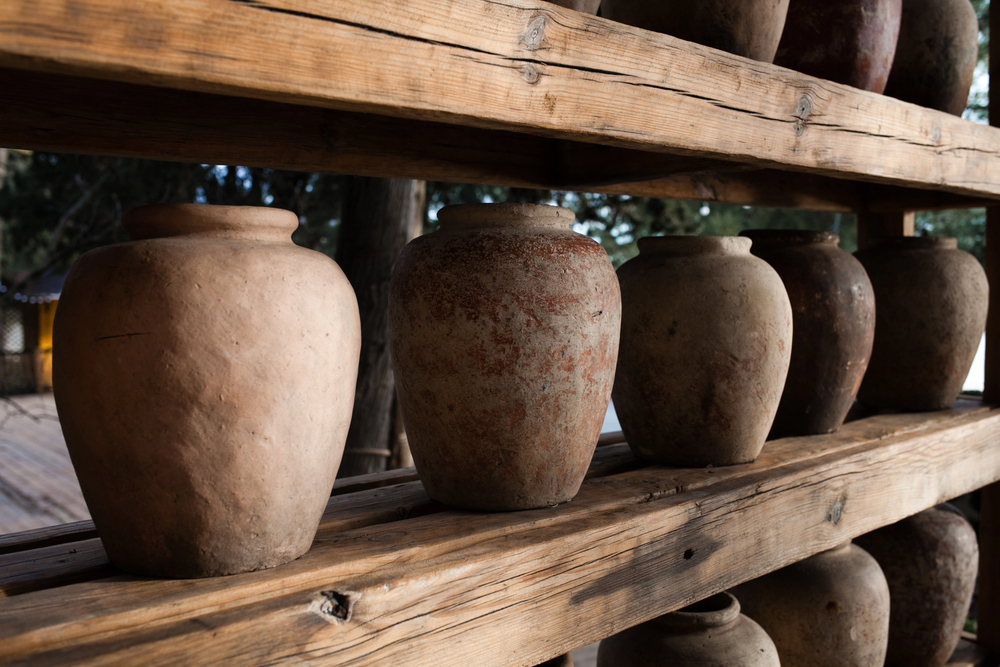
This 15th-century Italian silver vase was allegedly created for a bride who died on her wedding night clutching the vessel. A note found inside warned “Beware… this vase brings death.” Each family who subsequently owned it reportedly experienced unexpected deaths soon after receiving it.
The last known owners attempted to discard it by throwing it from a window, but it hit and killed a passing policeman. The vase reportedly disappeared after being sealed in a lead box.
The Busby Stoop Chair
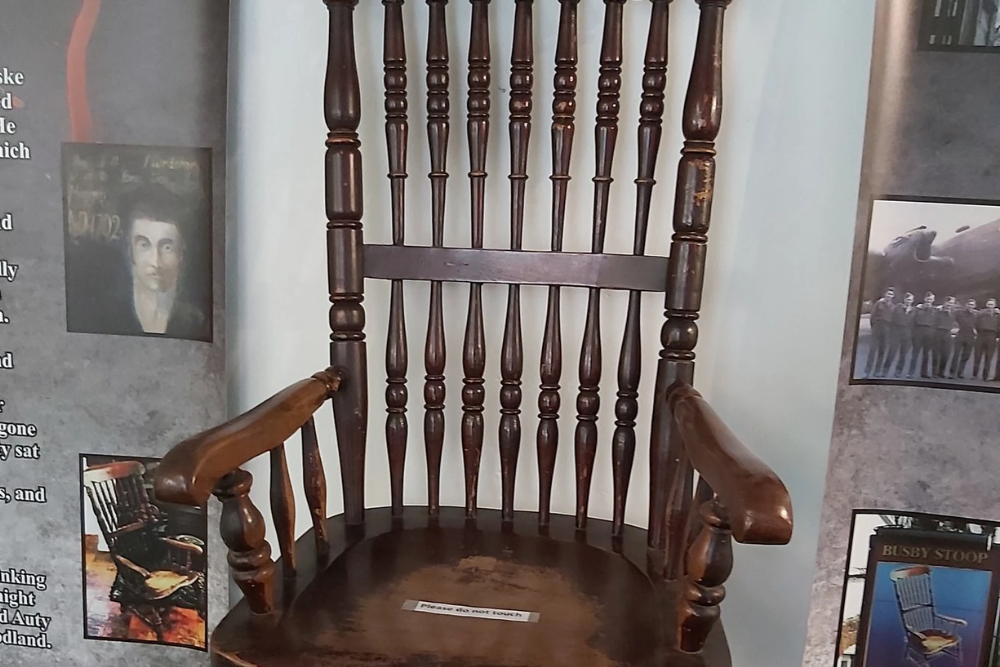
This seemingly ordinary wooden chair from England belonged to murderer Thomas Busby, who was executed in 1702. Before his death, Busby allegedly cursed anyone who sat in his favorite chair.
Multiple deaths were attributed to people who dared sit in it throughout the 20th century. Eventually, the pub owner donated it to a museum where it hangs from the ceiling, preventing anyone from testing the curse.
The Unlucky Mummy
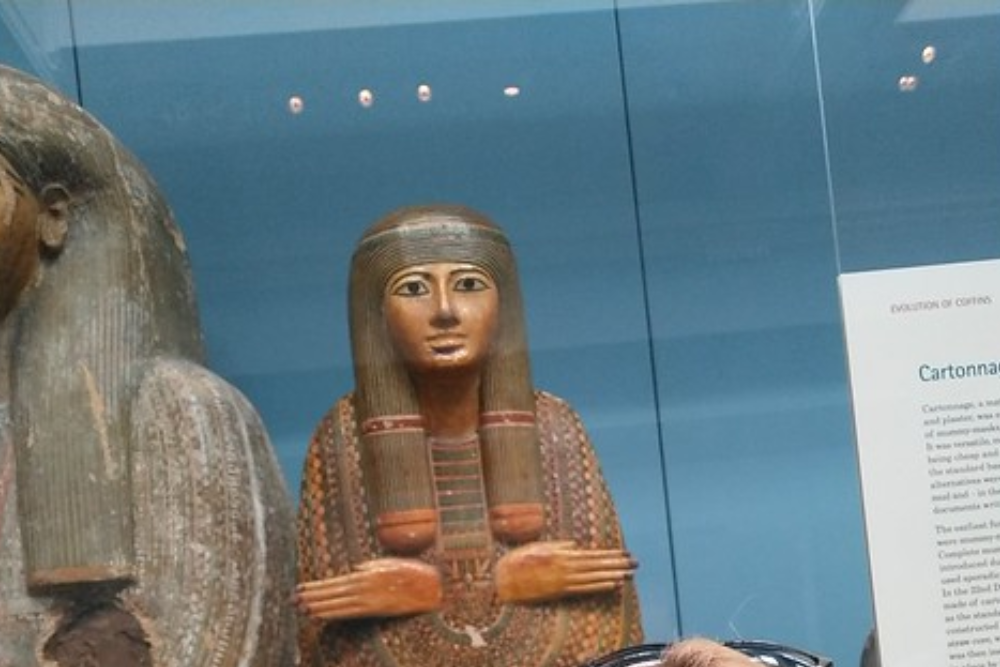
A coffin lid displayed at the British Museum has been blamed for numerous disasters, including the sinking of the Titanic (though it was never aboard despite popular myths). Photographers reported strange markings appearing in photos of the artifact, and owners experienced accidents and illness.
The Egyptian artifact was actually the coffin lid of a priestess of Amen-Ra, though supernatural lore continues to follow it despite museum experts’ attempts to debunk the stories.
The Otzi Curse
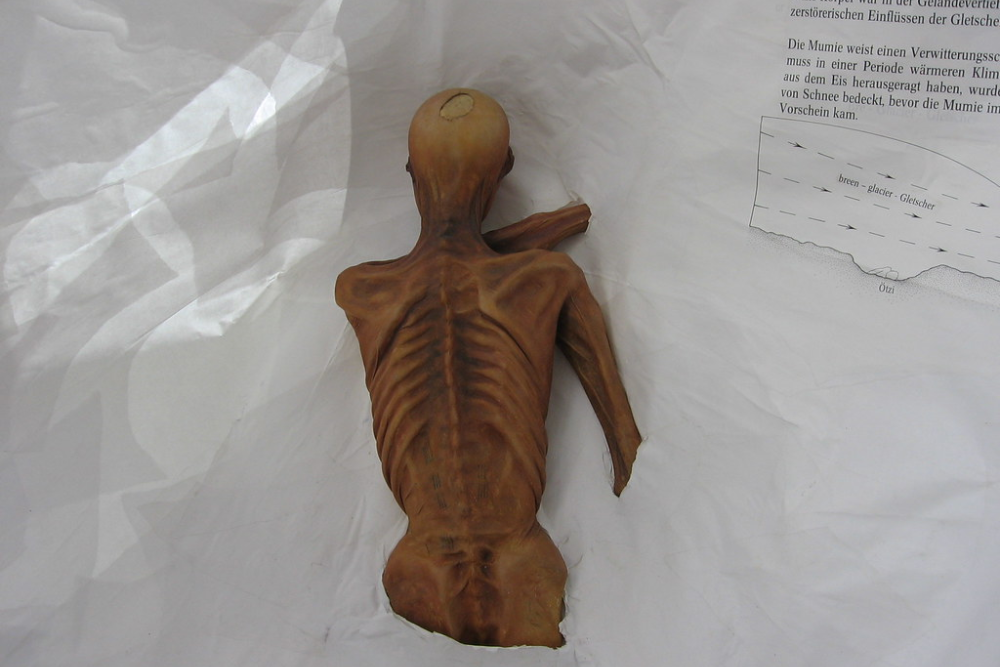
The discovery of a 5,300-year-old mummified man in the Alps in 1991 allegedly triggered a deadly curse. Seven people connected to Otzi’s discovery or recovery died under unusual circumstances within years of their involvement.
The deaths included heart attacks, accidents, and even murder. Some scientists suggest these deaths are statistically unremarkable given the number of people involved with the mummy, but the pattern has nonetheless fueled speculation.
The Terracotta Army Curse
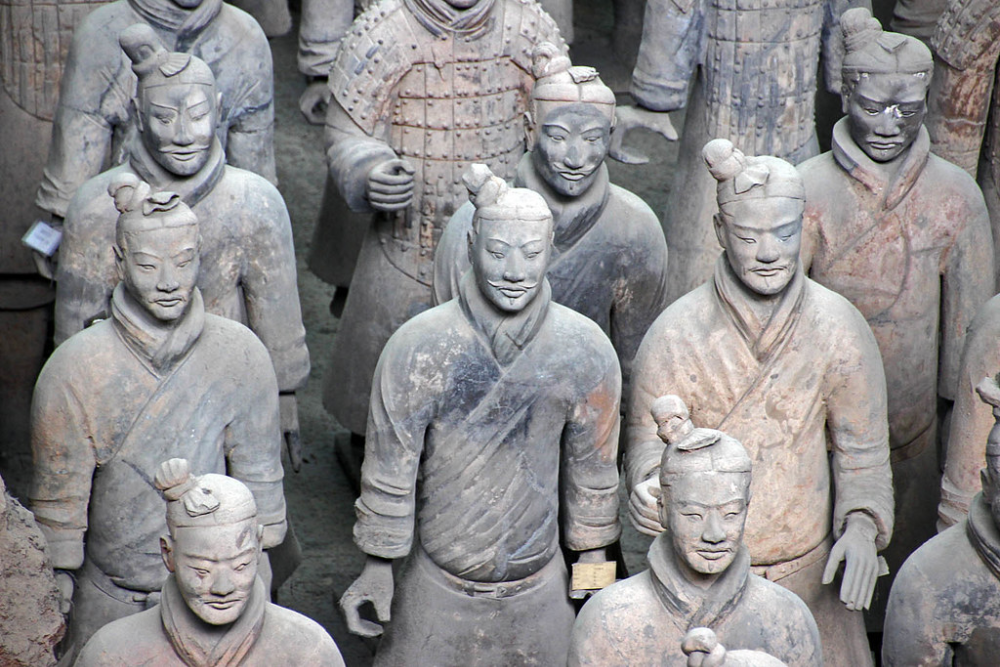
When farmers discovered China’s Terracotta Army in 1974, local superstitions warned of dire consequences for disturbing the Emperor’s eternal guard. Several workers and archaeologists involved in the early excavations reportedly died young or experienced tragedies.
Chinese authorities downplay these stories, but they persist among locals who believe the First Emperor’s legendary quest for immortality somehow imbued his clay soldiers with protective powers.
The Maori Warrior Masks
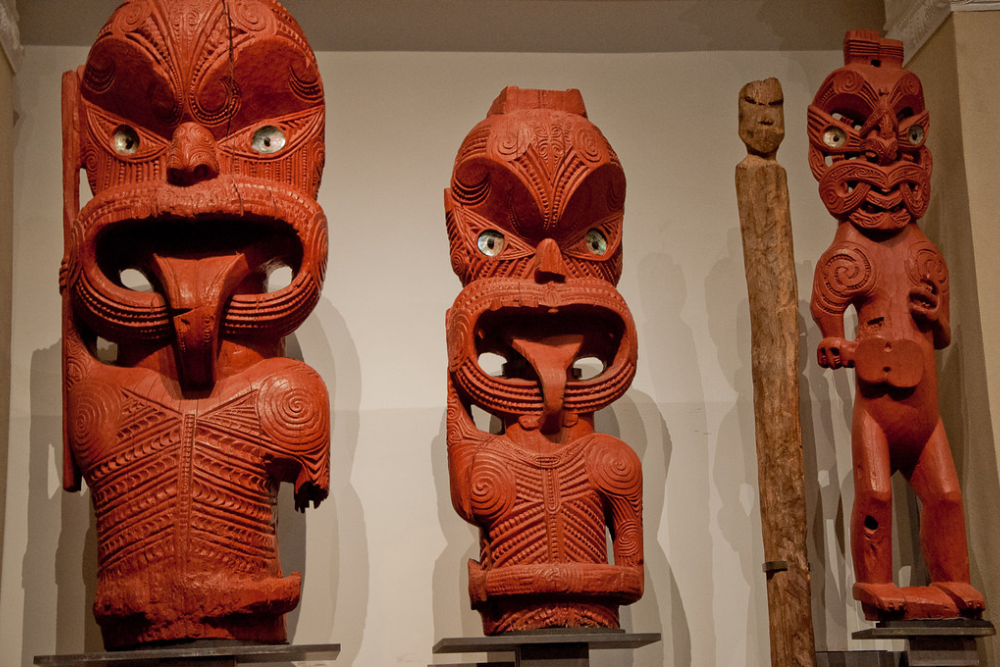
Several museums housing traditional Maori masks from New Zealand have reported strange occurrences, from staff experiencing nightmares to unexplained movement of the artifacts. The masks, called whakairo, were traditionally believed to house the spirits of ancestors.
Museum employees handling these artifacts without proper cultural protocols have reportedly suffered accidents and illness. Some institutions now work with Maori elders to perform blessing ceremonies for the artifacts.
The Ring of Senicianus

This Roman gold ring discovered in a farmer’s field in England inspired J.R.R. Tolkien’s “One Ring” concept. Inscribed with a curse against anyone who stole it from its original owner, the ring was found near a temple dedicated to the god Nodens.
Archaeological evidence suggests the original owner, Silvianus, believed someone named Senicianus had stolen his ring and placed a curse on the thief. The ring’s discovery centuries later near a temple of healing may indicate Senicianus sought divine protection from the curse.
The Regent Diamond
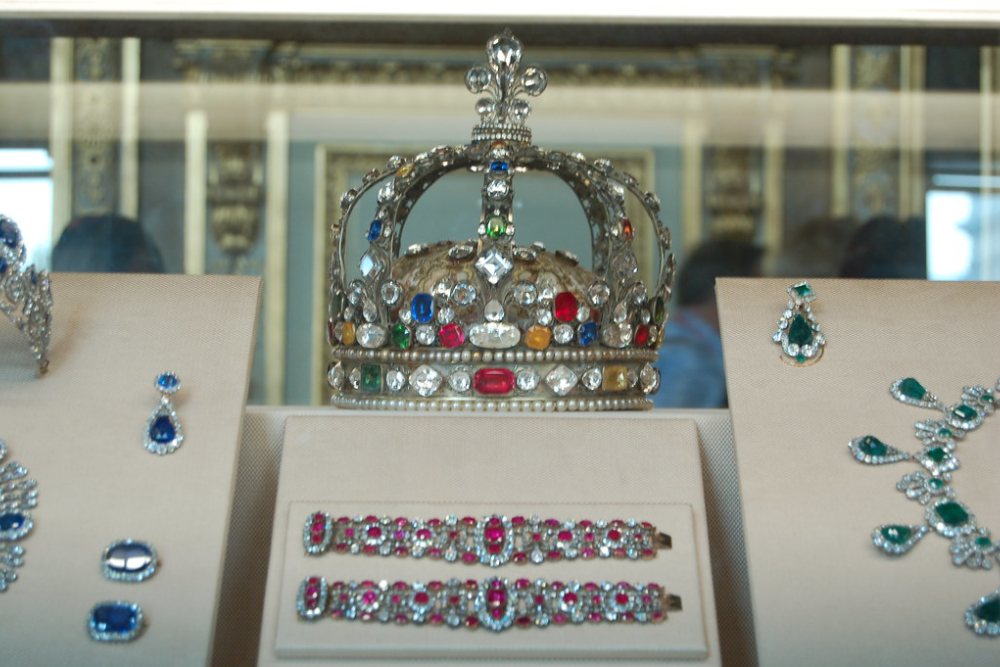
This 140.64-carat diamond from India was allegedly stolen by a slave who hid it in a wound in his leg, then was murdered by a sailor who sold the gem. Subsequent owners included French royalty who met their end at the guillotine.
Napoleon Bonaparte set it in his sword hilt, but after his defeat at Waterloo, the diamond passed to the Prussians. Today it sits in the Louvre, apparently dormant but still carrying its bloody history.
The Iceman Mirror
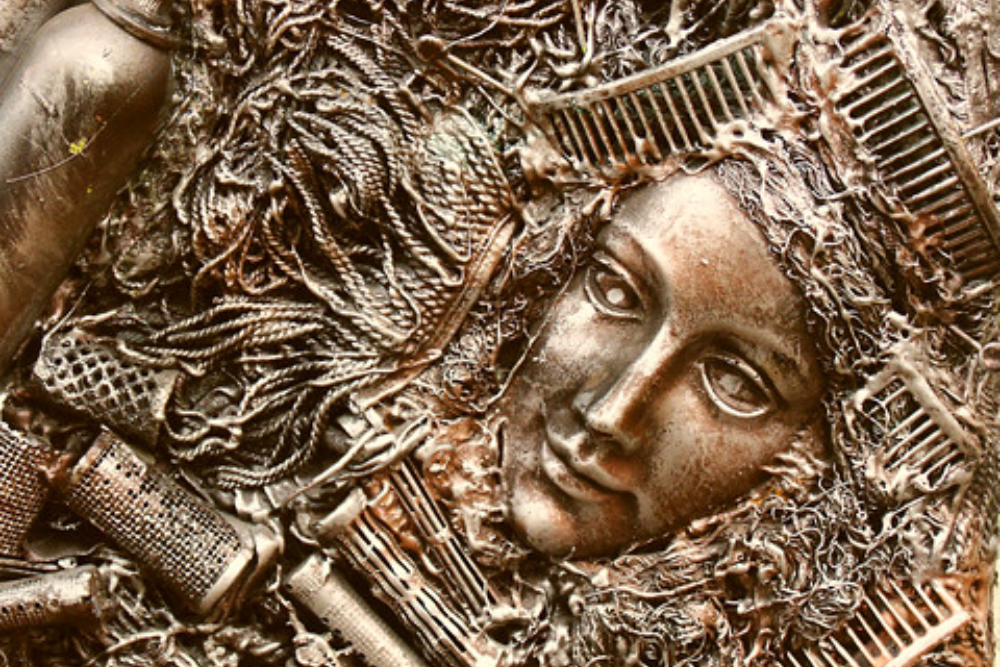
This bronze mirror from the Han dynasty was reportedly found in a 2,000-year-old tomb and caused its discoverers to develop mysterious frost-like symptoms regardless of the temperature. Owners claimed the mirror would become ice-cold at night and couldn’t be warmed.
Archaeological experts suggest the mirror’s copper content and possible mercury contamination might explain some of the physical symptoms reported by handlers, though this doesn’t account for all the phenomena.
The Carlisle Jewels
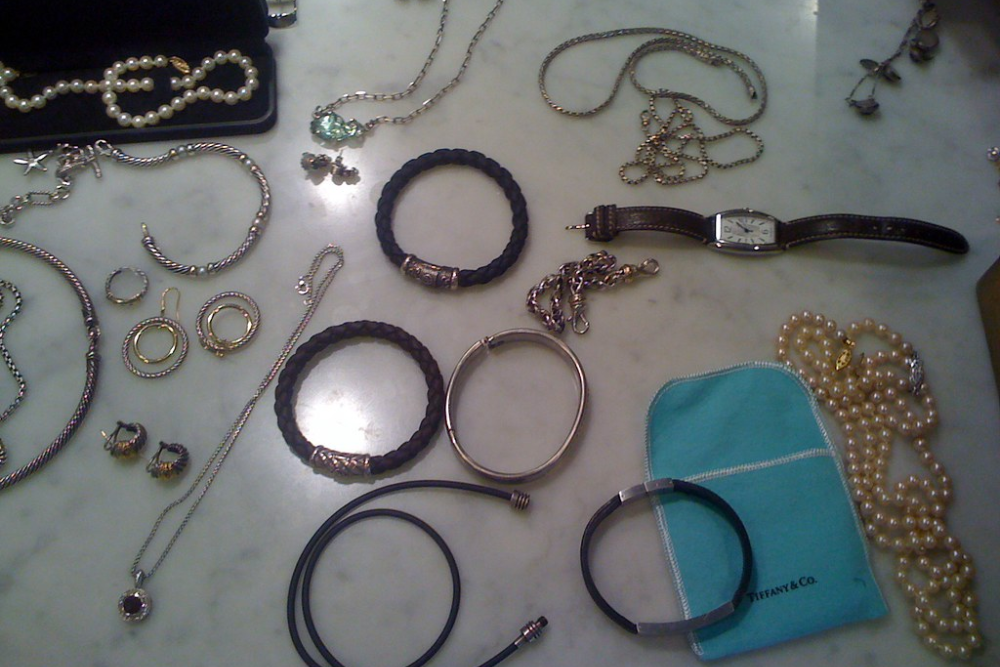
These 16th-century gems have been associated with the downfall of multiple aristocratic Scottish families. Each family that possessed them eventually lost their lands, titles, or lives under tragic circumstances.
Local legends claim the jewels were originally blessed by a pagan priest for protection but were later cursed when used in Christian ceremonies against their intended purpose. The remaining jewels now reside in a museum where their influence seems contained.
The Shah Diamond

This 88.7-carat yellow diamond bears the names of three Shah rulers who possessed it. Each ruler inscribed his name on the diamond, and each died violently shortly after.
The diamond passed through conquest from India to Persia to Russia. It currently resides in the Kremlin Diamond Fund, where some guards reportedly refuse to be left alone with it overnight due to unexplained sensations of being watched.
The Black Orlov Diamond
Also known as the Eye of Brahma, this black diamond was allegedly stolen from a Hindu idol in India. Three of its owners committed suicide by jumping from tall buildings. J.W. Paris, one owner, leaped to his death from a skyscraper in 1932.
Two Russian princesses who owned it later also jumped to their deaths. The current owner had the diamond cut into three pieces, claiming this would break the curse—so far, no further tragedies have been reported.
The Dead Sea Scrolls Curse

Multiple scholars who worked with these ancient manuscripts died prematurely or suffered career destruction. Roland de Vaux, who led much of the early research, died before publishing his findings. Another prominent researcher ended up in a psychiatric hospital.
Others experienced professional disgrace or sudden illness. Some attribute this to natural academic competition and stress, while others point to the scrolls’ warnings about those who would misinterpret sacred texts.
Final Thoughts: Between Myth and Reality
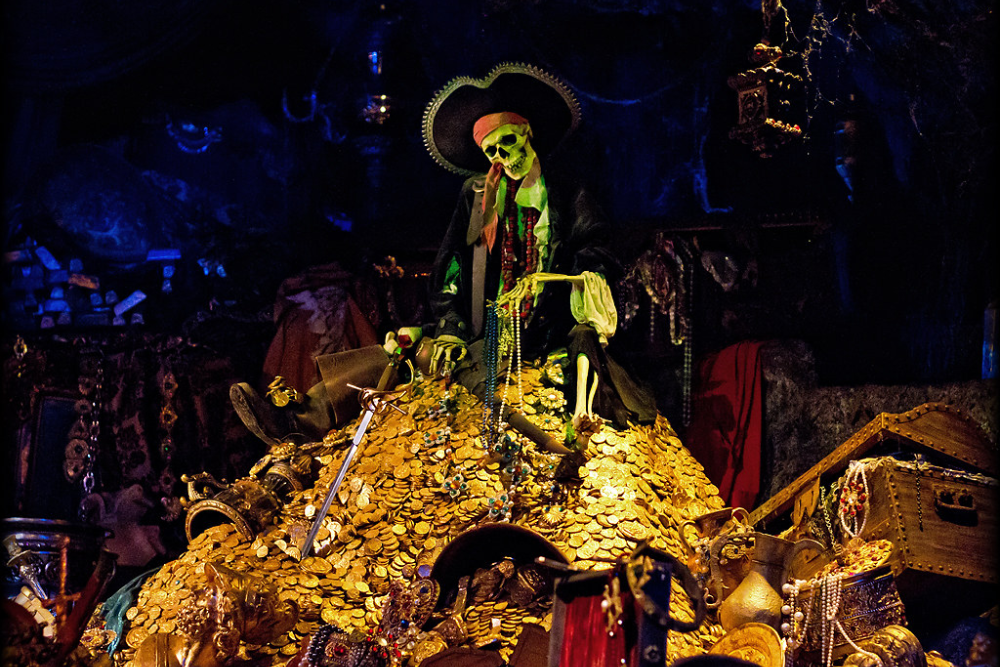
The stories of these cursed treasures exist in the fascinating space between documented history and folklore. While many of these accounts can be explained by confirmation bias—we notice and remember the tragedies while overlooking the uneventful periods—they remind us of humanity’s complex relationship with valuable objects.
Perhaps these curses serve as moral tales about greed or warnings against disturbing the past. Whatever the truth, they continue to captivate our imagination and remind us that sometimes the most valuable things come with the heaviest price.
More from Go2Tutors!

- The Romanov Crown Jewels and Their Tragic Fate
- 13 Historical Mysteries That Science Still Can’t Solve
- Famous Hoaxes That Fooled the World for Years
- 15 Child Stars with Tragic Adult Lives
- 16 Famous Jewelry Pieces in History
Like Go2Tutors’s content? Follow us on MSN.



