17 Unexpected Ways Artificial Intelligence Is Changing the Workforce
Artificial intelligence has transcended science fiction and is now a crucial component of our work lives. Even though automation is frequently discussed in relation to job loss, the reality is much more complex and nuanced.
AI’s introduction into workplaces across industries has brought about changes that few could have predicted even ten years ago, changing not only what we do but also how we do it. Here is a list of unexpected ways that artificial intelligence is transforming our professional world and the workforce.
Collaborative Robotics
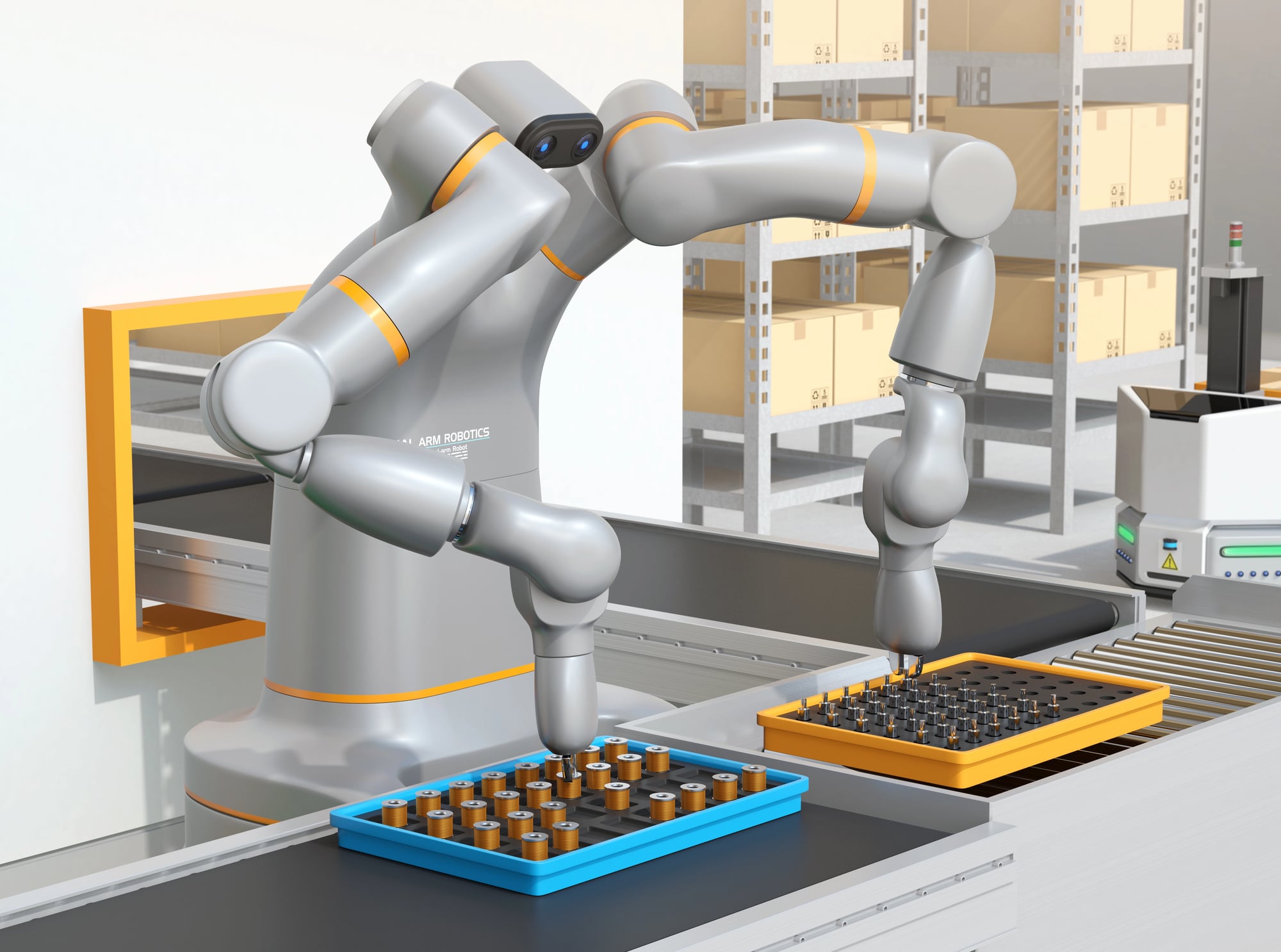
These days, collaborative robots, or “cobots,” are used on factory floors to assist human employees rather than completely replace them. While humans concentrate on making decisions and fine-tuning processes, these computers manage repetitive or physically taxing jobs.
Instead of the competition that many thought would result in the loss of industrial jobs, the relationship is more like a collaboration.
Algorithmic Management
As scheduling, resource allocation, and performance monitoring are increasingly handled by AI systems, middle management positions are changing. Nowadays, managers devote more of their time to staff development and innovative problem-solving than to administrative duties.
As their computational competitors handle the numbers, executives must adapt by strengthening their interpersonal skills.
Predictive Hiring

Recruitment has been transformed through AI systems that scan resumes and predict candidate success based on patterns from previous hires. This technology helps identify promising applicants who might otherwise be overlooked due to unconventional backgrounds or education paths.
Companies using these tools report more diverse hiring outcomes when the systems are properly designed to avoid historical biases.
Remote Work Enablement

AI-powered collaboration tools have made remote work more viable across industries previously considered impossible to take virtual. Smart scheduling, automated transcription, and real-time translation allow global teams to coordinate across time zones and language barriers.
This shift extends beyond the pandemic-era necessity to a permanent restructuring of work locations and hours.
Continuous Learning Systems

Professional development now includes AI systems that track employee work patterns and automatically suggest personalized learning resources. These tools identify skill gaps and deliver microlearning opportunities exactly when needed rather than through scheduled training sessions.
Workers receive bite-sized knowledge precisely when relevant to their current projects.
Creative Augmentation

AI is now used by writers, designers, and artists as enhancers rather than substitutes for their creative processes. While humans maintain creative direction and emotional intelligence, AI systems manage technical issues, provide draft possibilities, and offer changes.
Creative professionals can explore more options in less time thanks to this collaboration.
Legal Document Analysis

Law firms employ AI to review thousands of documents in a fraction of the time previously required by junior associates. Paralegals and lawyers now focus on strategy and client interaction while algorithms handle initial document review and flagging of relevant information.
The profession emphasizes human judgment and relationship skills that machines cannot replicate.
Medical Diagnosis Support

Healthcare professionals increasingly work alongside AI diagnostic tools that identify patterns in medical images and patient data. Doctors maintain their critical thinking roles while using AI insights as a complementary resource to confirm suspicions or catch easily missed details.
Patient face time has actually increased in some practices as administrative work decreases.
Customer Service Triage

While human reps handle difficult or emotionally charged exchanges, AI handles regular consumer requests. By directing situations to the best service level, the technology makes sure that human attention is directed where it may be most useful.
Instead of following a script, service agents today need to be more emotionally intelligent and capable of solving problems.
Agricultural Precision
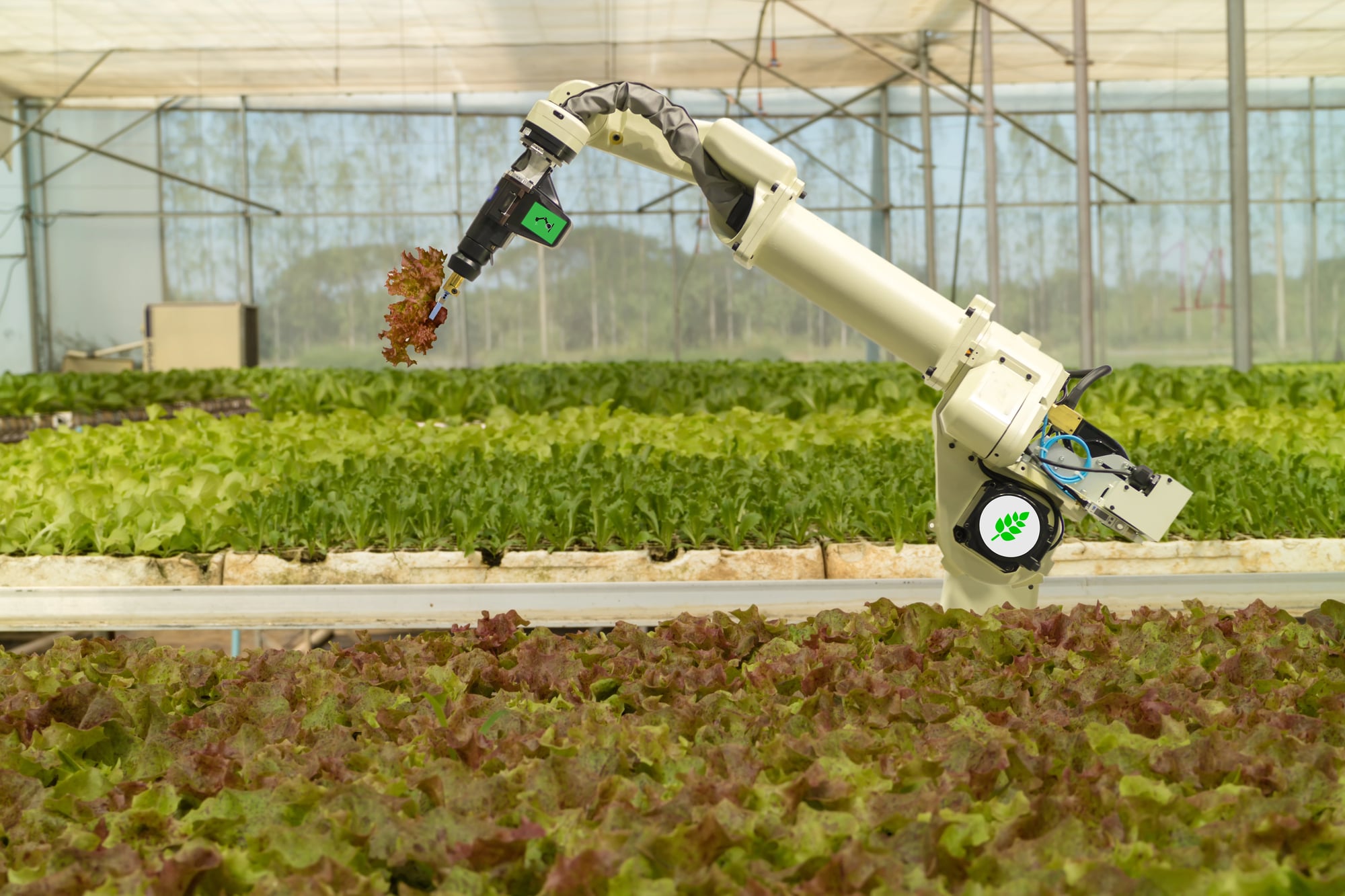
With previously unheard-of accuracy, farmers use AI-powered systems to focus resources, regulate irrigation, and monitor crop health. Through efficiency gains rather than scale, these methods enable smaller agricultural operations to compete with larger ones.
The modern farmer blends traditional wisdom with data interpretation skills that were unnecessary for earlier generations.
Financial Advising Hybridization

Financial advisors now partner with AI to handle portfolio analysis while focusing their own expertise on client relationships and life planning. The technology performs scenario modeling and investment research that previously consumed most of an advisor’s preparation time.
Successful professionals emphasize trust-building and emotional intelligence that algorithms cannot provide.
Workplace Safety Monitoring

Industrial environments use AI vision systems to detect safety violations and potential hazards before accidents occur. These technologies provide real-time alerts rather than the retrospective analysis of traditional safety programs.
Safety managers spend more time on proactive improvements instead of incident investigations.
Translation Economy Growth
A new translation economy has emerged as AI handles routine conversions while human translators focus on cultural nuance and creative content. Professional translators now specialize in fields requiring cultural sensitivity or industry-specific knowledge that general algorithms miss.
Language experts increasingly serve as cultural consultants rather than word-for-word converters.
Personalized Education Delivery

Teachers partner with AI systems that track student progress and automatically adjust difficulty levels for individual learners. Educators focus more on mentorship and motivation while algorithms handle assessment and content customization.
Classroom time increasingly features discussion and application rather than standardized instruction.
Real Estate Valuation

Property professionals employ their market knowledge to make final adjustments after establishing baseline pricing using AI valuation tools. Agents focus more on client relationship management, negotiation, and property staging than they do on comparative market analysis.
Even when data processing becomes more automated, local knowledge is still useful.
Fraud Detection Networks

Teams of financial security professionals collaborate with AI technologies that spot questionable trends in millions of transactions. Instead of manually going over mundane tasks, human investigators concentrate on complicated instances that are detected by algorithms.
The collaboration has given rise to new positions that call for both technical know-how and investigative instinct.
Supply Chain Optimization

These days, AI systems anticipate inventory needs and any delays before they impact delivery or manufacturing schedules. In order to predict shortages or transportation problems weeks before human analysts would notice them, these technologies examine patterns in worldwide data.
Supply chain experts now use AI-generated projections to inform their strategic planning rather than reactive problem-solving.
Enhanced Creativity Through Constraints
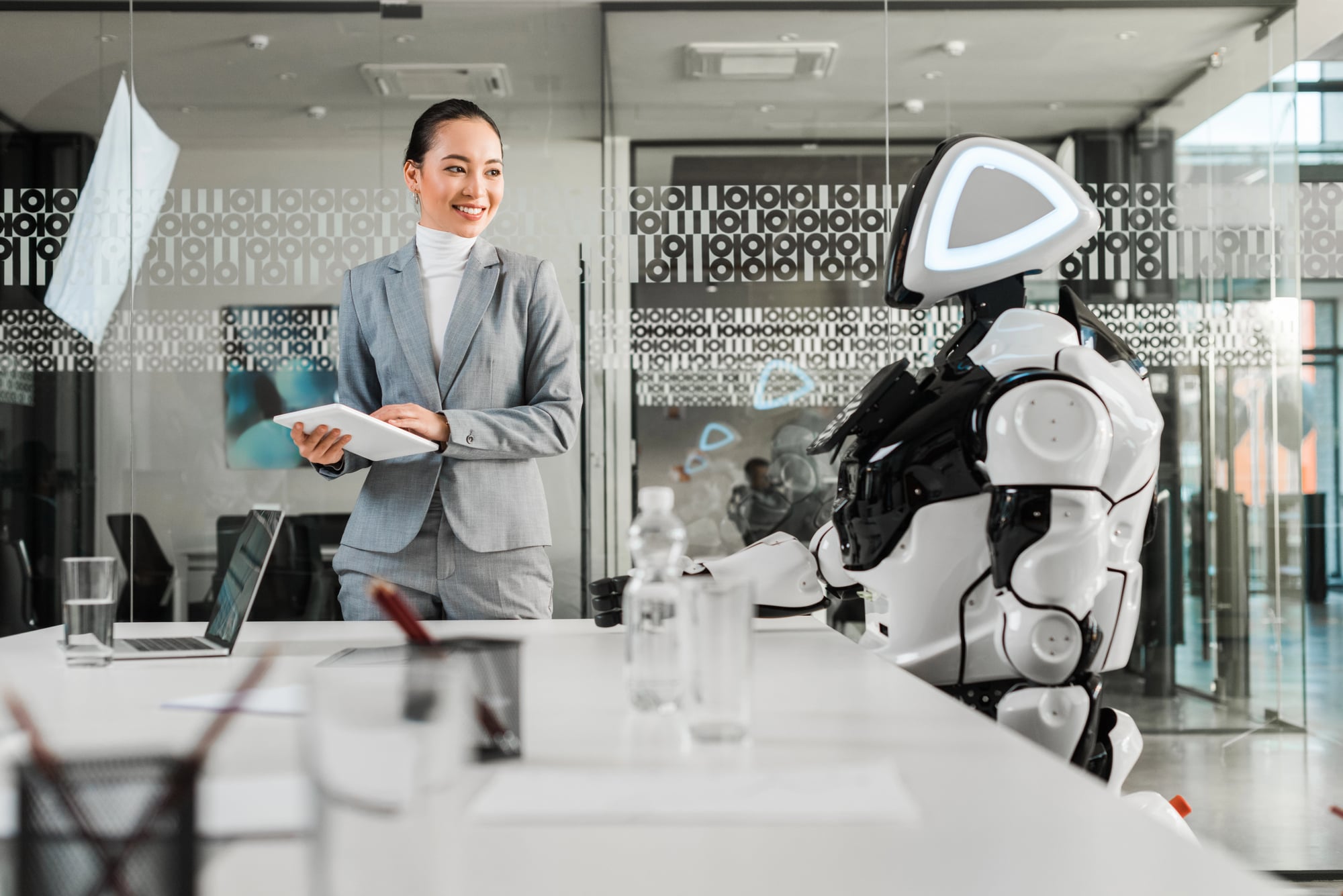
The integration of AI into professional environments has demonstrated how technology constraints can paradoxically enhance human creativity and specialization. As machines handle routine aspects of various fields, humans increasingly focus on uniquely human contributions involving empathy, ethical judgment, and creative thinking.
The workforce continues evolving toward roles that combine technical knowledge with distinctly human qualities that machines cannot replicate. The relationship between artificial intelligence and human workers represents less a replacement narrative and more a complex partnership reshaping the nature of work itself.
As these technologies continue developing, the most successful professionals will be those who understand how to collaborate effectively with AI systems while developing the interpersonal and creative skills that remain uniquely human domains.
More from Go2Tutors!

- The Romanov Crown Jewels and Their Tragic Fate
- 13 Historical Mysteries That Science Still Can’t Solve
- Famous Hoaxes That Fooled the World for Years
- 15 Child Stars with Tragic Adult Lives
- 16 Famous Jewelry Pieces in History
Like Go2Tutors’s content? Follow us on MSN.