18 Publicity Stunts That Got Out of Hand — Fast
Publicity stunts have long been a staple of marketing strategies, designed to grab attention and generate buzz around products, services, or personalities. When executed well, these stunts can dramatically boost brand awareness and create memorable moments in popular culture.
However, the line between brilliant marketing and complete disaster is remarkably thin, as countless companies and individuals have discovered when their carefully planned spectacles spiraled wildly out of control. Here is a list of 18 publicity stunts that quickly transformed from clever marketing ideas into full-blown public relations nightmares, emergency situations, or unintended cultural phenomena.
Balloon Boy Hoax
In 2009, the Heene family claimed their six-year-old son had accidentally floated away in a homemade silver balloon, triggering a massive rescue operation that included military helicopters and the temporary shutdown of Denver International Airport. The saga, broadcast live on national television, ended when the boy was found hiding in the family’s attic, having never been in the balloon at all.
What was intended as an attention-grabbing stunt to secure a deal for a reality TV show instead resulted in jail time for the parents and fines exceeding $36,000.
Snapple’s Giant Popsicle
In June 2005, Snapple attempted to break the world record for the largest popsicle by erecting a 25-foot-tall, 17.5-ton frozen treat in downtown Manhattan during a summer heatwave. Engineers drastically miscalculated how quickly the massive strawberry-kiwi ice pop would melt in the 80-degree weather, sending sticky pink slush flooding through Union Square Park and forcing emergency responders to close several streets.
Pedestrians fled the area as the sugary tidal wave created hazardous conditions, transforming a refreshing publicity stunt into a civic emergency.
Cartoon Network’s Mooninite Panic
In 2007, Cartoon Network placed electronic LED displays resembling characters from its show ‘Aqua Teen Hunger Force’ around Boston to promote an upcoming movie. Authorities mistook the blinking devices for explosive devices, triggering a massive terrorism scare that shut down major bridges, highways, and transit systems across the city.
The marketing company responsible paid $2 million in compensation to emergency response agencies, while the head of Cartoon Network was forced to resign over what became known as the “Boston Mooninite Panic.”
Cleveland Balloonfest

In 1986, the United Way of Cleveland released 1.5 million balloons into the sky to break a world record and generate publicity for the charity. The massive balloon cloud collided with an approaching storm front, causing millions of balloons to descend on the city and surrounding areas.
The environmental disaster caused car accidents, temporarily shut down a runway at Cleveland Hopkins Airport, interfered with Coast Guard search and rescue operations, and resulted in multiple lawsuits against the organization.
The falling balloons were also blamed for the deaths of two fishermen whom rescuers couldn’t locate amid the floating debris.
The Who Concert Disaster

In 1979, radio station WKRQ in Cincinnati promoted a first-come, first-served seating policy for a concert by The Who, inadvertently creating a dangerous crowd situation outside Riverfront Coliseum. When fans heard the band performing a soundcheck, they mistakenly thought the show had started, triggering a deadly stampede that killed 11 people and injured dozens more.
The tragedy, which began as routine concert promotion, led to nationwide changes in event management practices and bans on festival seating at many venues for years afterward.
Paramount’s Mission Impossible Newspaper Boxes
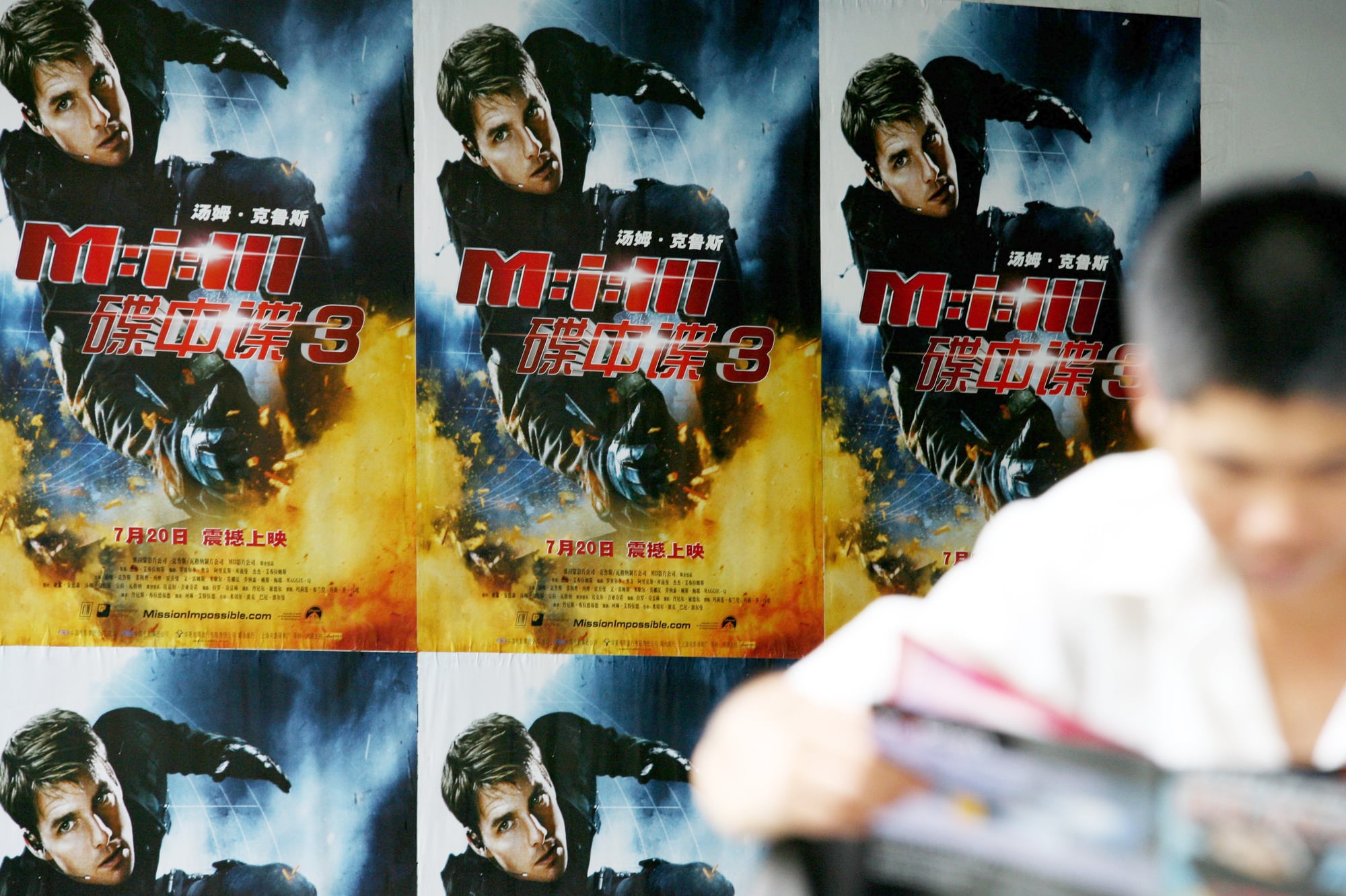
To promote ‘Mission: Impossible III’ in 2006, Paramount Pictures installed digital devices in 4,500 newspaper boxes that played the movie’s theme song when opened. Unfortunately, some Los Angeles residents mistook the small devices with visible wires for bombs, leading to the L.A. County Sheriff’s Department dispatching its bomb squad to destroy one of the newspaper boxes.
The studio apologized for the “confusion and disruption,” while media reports estimated the botched stunt cost Paramount over $1 million in settlement fees.
Lifelock’s Social Security Challenge

In 2006, identity theft protection company LifeLock began running advertisements featuring CEO Todd Davis confidently displaying his actual Social Security number, challenging identity thieves to try stealing his identity. Predictably, criminals accepted the challenge, successfully using Davis’s personal information at least 13 documented times to obtain fraudulent loans and services.
The marketing disaster was compounded when the Federal Trade Commission fined the company $12 million for deceptive advertising, demonstrating the dangers of absolute claims in marketing.
Domino’s Pizza Tattoo Promotion
In 2018, Domino’s Pizza in Russia launched what seemed like a fun promotion offering 100 years of free pizza to anyone who tattooed the company logo on their body. Marketing executives expected minimal participation, but the promise of lifetime pizza proved irresistibly tempting to hundreds of Russians who quickly inked themselves with the company’s branding.
Overwhelmed by the response and facing a potential liability worth millions of dollars, Domino’s abruptly ended the promotion after just days, capping participation at the first 350 customers.
KONY

In 2012, the nonprofit organization Invisible Children released a 30-minute video about Ugandan warlord Joseph Kony that became one of the fastest-spreading viral videos in internet history, garnering 100 million views in just six days. The campaign’s unexpected viral success quickly overwhelmed the small organization and led to intense media scrutiny of their finances and messaging.
The pressure culminated in a public breakdown by co-founder Jason Russell, who was detained after witnesses reported him running through streets undressed and behaving erratically, effectively ending what had begun as a well-intentioned awareness campaign.
Cartoon Network’s Adult Swim Shutdown

In 2021, Cartoon Network’s Adult Swim programming block announced that beloved show ‘Rick and Morty’ would air a surprise episode—only to air the same Family Guy clip for an entire hour instead. What was intended as a quirky April Fools’ prank triggered a massive backlash, with furious fans flooding social media and overwhelming the network’s customer service lines.
The stunt even affected parent company Warner Media’s stock price temporarily, demonstrating how pranking dedicated fan bases can backfire dramatically in the social media era.
Jagermeister’s Pool Party
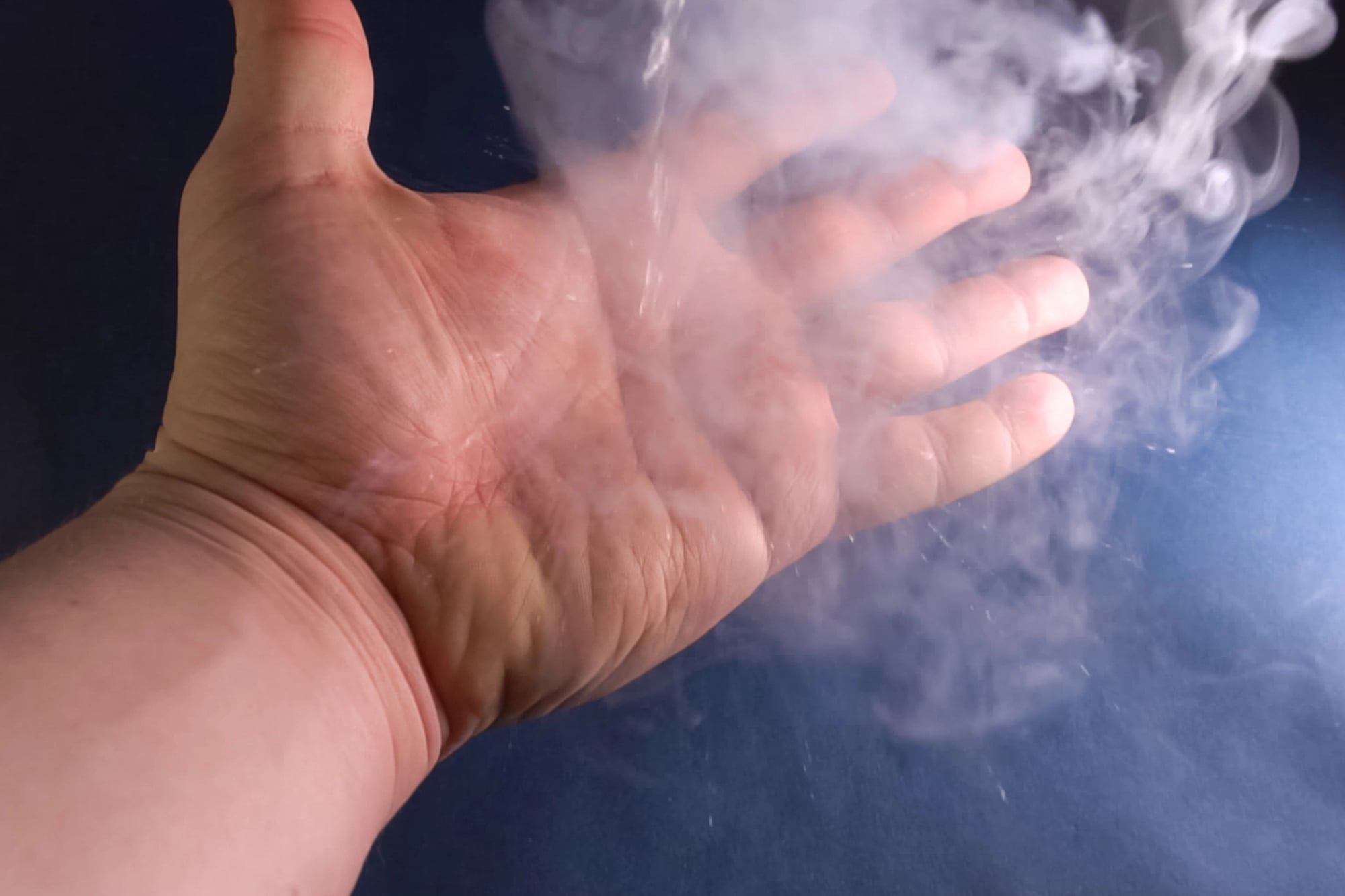
In 2013, a Jagermeister promotional event at a Mexican resort featured liquid nitrogen being poured into a swimming pool to create a cool fog effect over the water. The nitrogen reacted with the chlorine to create nitrogen trichloride, a toxic gas that caused swimmers to lose consciousness underwater, resulting in eight hospitalizations including one person in a coma.
The dangerous chemical reaction transformed what was meant to be an Instagram-worthy promotional moment into a hazardous material emergency requiring full evacuation of the venue.
Pepsi’s Philippines Contest Disaster
In 1992, Pepsi launched a promotion in the Philippines offering a million-peso prize (about $40,000) to anyone finding the number “349” printed inside bottle caps. Due to a computer error, 800,000 caps with the winning number were accidentally produced instead of the intended single winning cap.
When Pepsi refused to honor all claims, violent riots erupted across the country, with protesters firebombing Pepsi trucks and bottling plants.
The marketing disaster resulted in numerous lawsuits, at least five deaths connected to the riots, and damages exceeding $10 million, transforming a simple promotion into what locals still refer to as the “349 Incident.”
Pontiac’s Oprah Giveaway

In 2004, Pontiac partnered with The Oprah Winfrey Show to give every audience member—276 people—a brand new G6 sedan in what became the famous “You get a car!” moment. While initially celebrated as marketing genius, recipients were shocked to learn they owed between $6,000 and $7,000 in taxes on their “free” cars.
The resulting backlash overshadowed Pontiac’s generous giveaway and highlighted the problems with prize taxation, while creating a PR challenge for both Oprah and the car manufacturer, who had failed to consider the full implications of their spectacular giveaway.
Hoover’s Free Flights Disaster
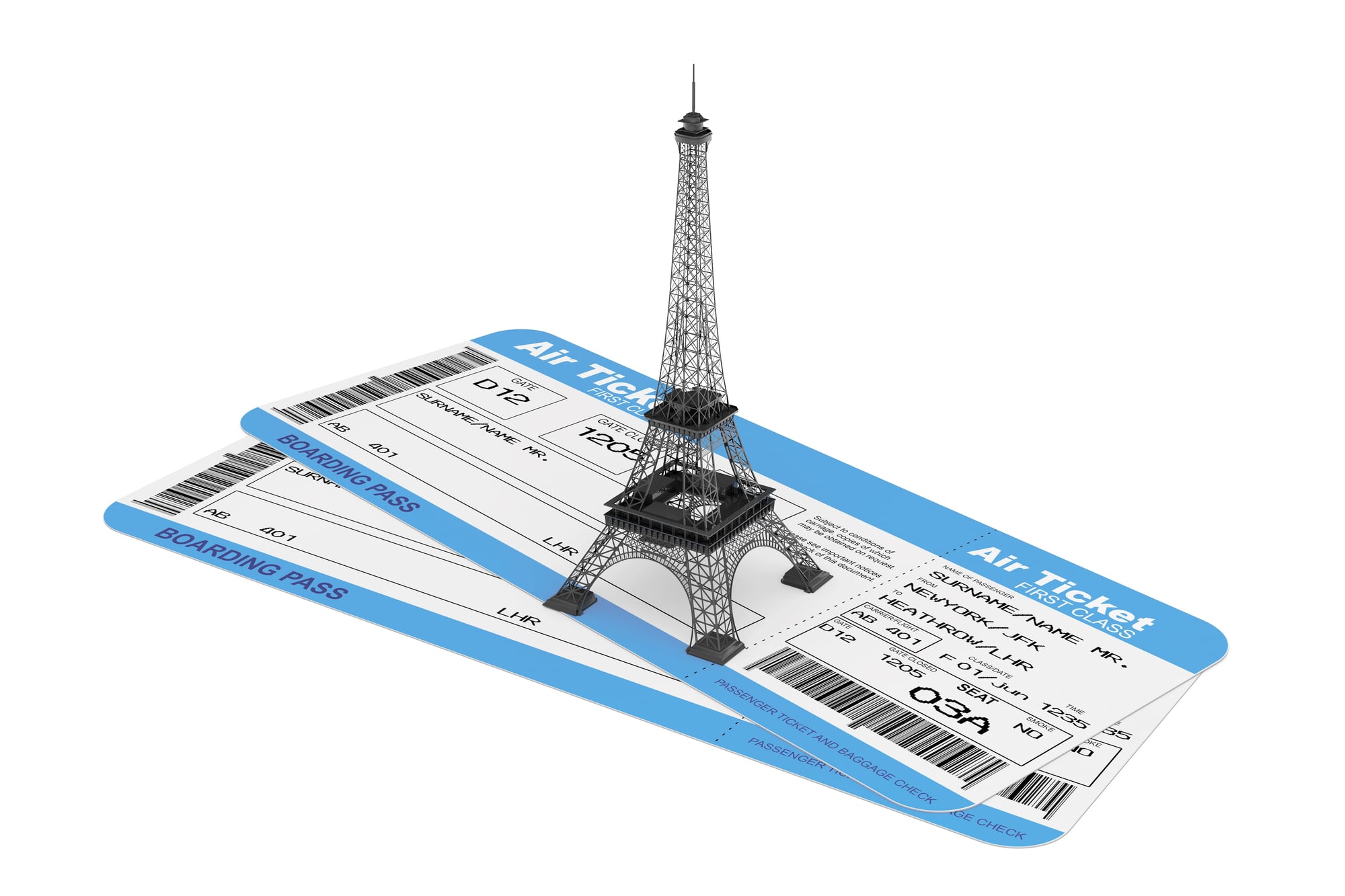
In 1992, Hoover UK offered two free round-trip flights to Europe or the United States with any purchase of £100 or more, drastically underestimating consumer response to the promotion. Over 200,000 customers qualified for the offer, creating a potential liability of £50 million when the company had budgeted just £1 million for the entire campaign.
Hoover’s eventual refusal to honor many of the vouchers led to lawsuits, executive firings, and consumer boycotts, ultimately contributing to the sale of Hoover Europe to Italian manufacturer Candy for a fraction of its previous value.
Ghost Town in the Sky Gunfighters

A North Carolina theme park called “Ghost Town in the Sky” regularly staged Wild West gunfight shows as publicity for the attraction. In 2002, one performance went horribly wrong when real bullets were mistakenly loaded instead of blanks, resulting in two actors being shot and seriously wounded in front of horrified tourists.
The accident led to criminal charges, lawsuits, and contributed to the park’s eventual closure, transforming routine entertainment into a real-life emergency that permanently damaged the attraction’s reputation.
LifeWater’s L.A. Marathon Mystery
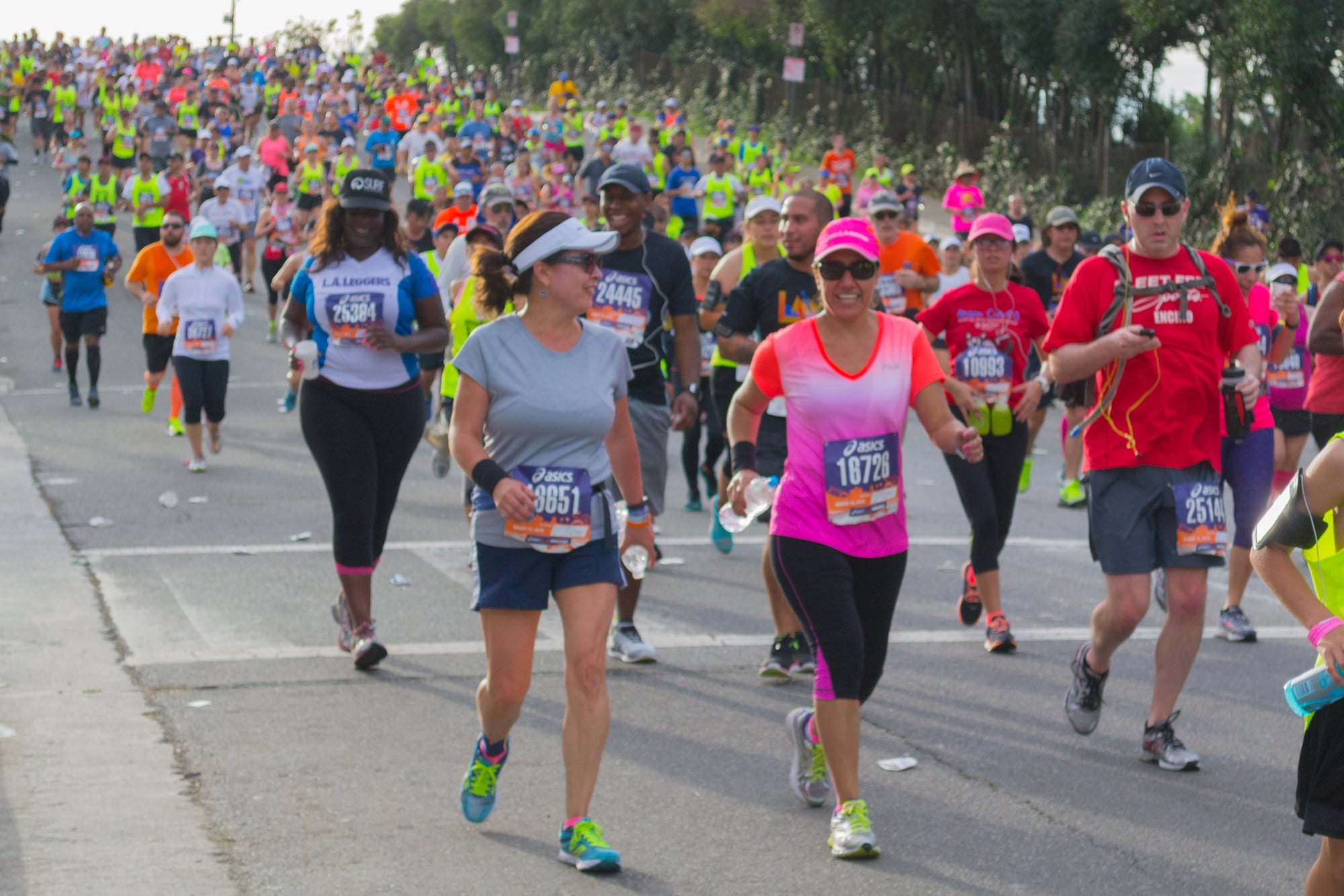
In 2007, beverage brand LifeWater planned to create buzz by having a mystery marathon runner break the world record at the Los Angeles Marathon. They hired a runner who jumped into the race at the halfway point, seemingly on pace to shatter the record, generating massive media attention.
Race officials quickly spotted the deception, creating embarrassing headlines worldwide and forcing LifeWater to apologize for the stunt that undermined the integrity of marathon racing.
The exposure of the hoax overshadowed the product launch entirely.
Hold Your Wee for a Wii

In 2007, radio station KDND in Sacramento held a contest called “Hold Your Wee for a Wii,” challenging contestants to drink water continuously without urinating, with the last person holding out winning a Nintendo Wii console. Participant Jennifer Strange died hours after the contest from water intoxication, leading to a $16.5 million wrongful death judgment against the station.
The deadly publicity stunt also resulted in multiple employees being fired, the cancellation of the morning show, and eventually, the revocation of the station’s license by the FCC.
Faster Than Light Neutrinos

In 2011, CERN scientists announced they had observed neutrinos traveling faster than light, potentially upending Einstein’s theory of relativity. The announcement generated worldwide headlines and excitement, but further investigation revealed the extraordinary finding was due to a loose fiber optic cable creating timing errors in their measurements.
What began as a carefully planned scientific announcement turned into an embarrassing incident that highlighted the dangers of publicity before thorough verification, even in the normally cautious world of physics research.
When Publicity Burns Too Bright

These publicity disasters reveal a common pattern: stunts designed to capture attention often succeed beyond their creators’ wildest expectations—just not in the way intended. The most spectacular failures typically stem from inadequate risk assessment, underestimation of public response, or failure to consider all potential outcomes.
As media landscapes become increasingly fragmented and attention more valuable, organizations face growing pressure to create memorable moments, while social media ensures that any miscalculations spread faster and wider than ever before.
Perhaps the most valuable marketing lesson these cautionary tales offer is that sometimes the line between brilliant publicity and complete catastrophe is much thinner than we imagine.
More from Go2Tutors!

- The Romanov Crown Jewels and Their Tragic Fate
- 13 Historical Mysteries That Science Still Can’t Solve
- Famous Hoaxes That Fooled the World for Years
- 15 Child Stars with Tragic Adult Lives
- 16 Famous Jewelry Pieces in History
Like Go2Tutors’s content? Follow us on MSN.



