14 Facts About Famous Historical Events That No One Ever Mentions
The greatest moments of tragedy and victory are frequently highlighted in history books, but underlying these well-known stories are intriguing nuances that are rarely covered in required readings. These little-known details frequently offer a deeper, more complex perspective on what we previously believed to be fully understood.
The majority of people are unaware of these 14 startling facts concerning well-known historical occurrences.
The Titanic Had Fire Damage Before Sailing
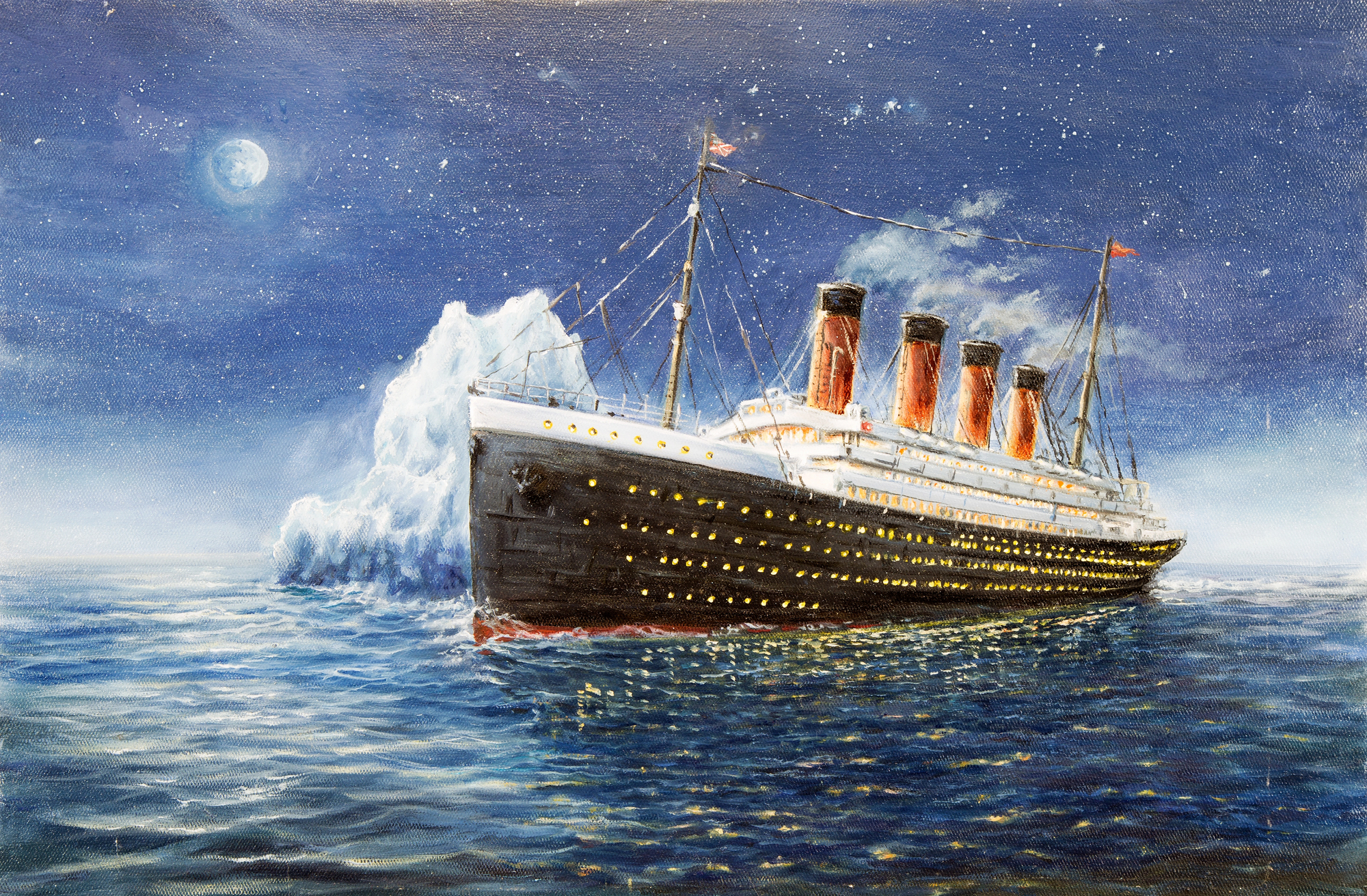
Before its ill-fated voyage, the Titanic had been battling an internal fire in its coal bunker. This blaze burned unnoticed by passengers for weeks and weakened the ship’s hull—right where the iceberg later struck. The fire, kept secret by the crew, may have played a critical role in the disaster.
Moon Landing Astronauts Were Quarantined

After returning from the Moon, Apollo 11 astronauts were placed in quarantine for three weeks. NASA wasn’t taking any chances with unknown lunar pathogens, so the crew was isolated in a converted Airstream trailer while scientists monitored them for signs of alien contagion.
The Eiffel Tower Was Supposed To Be Temporary
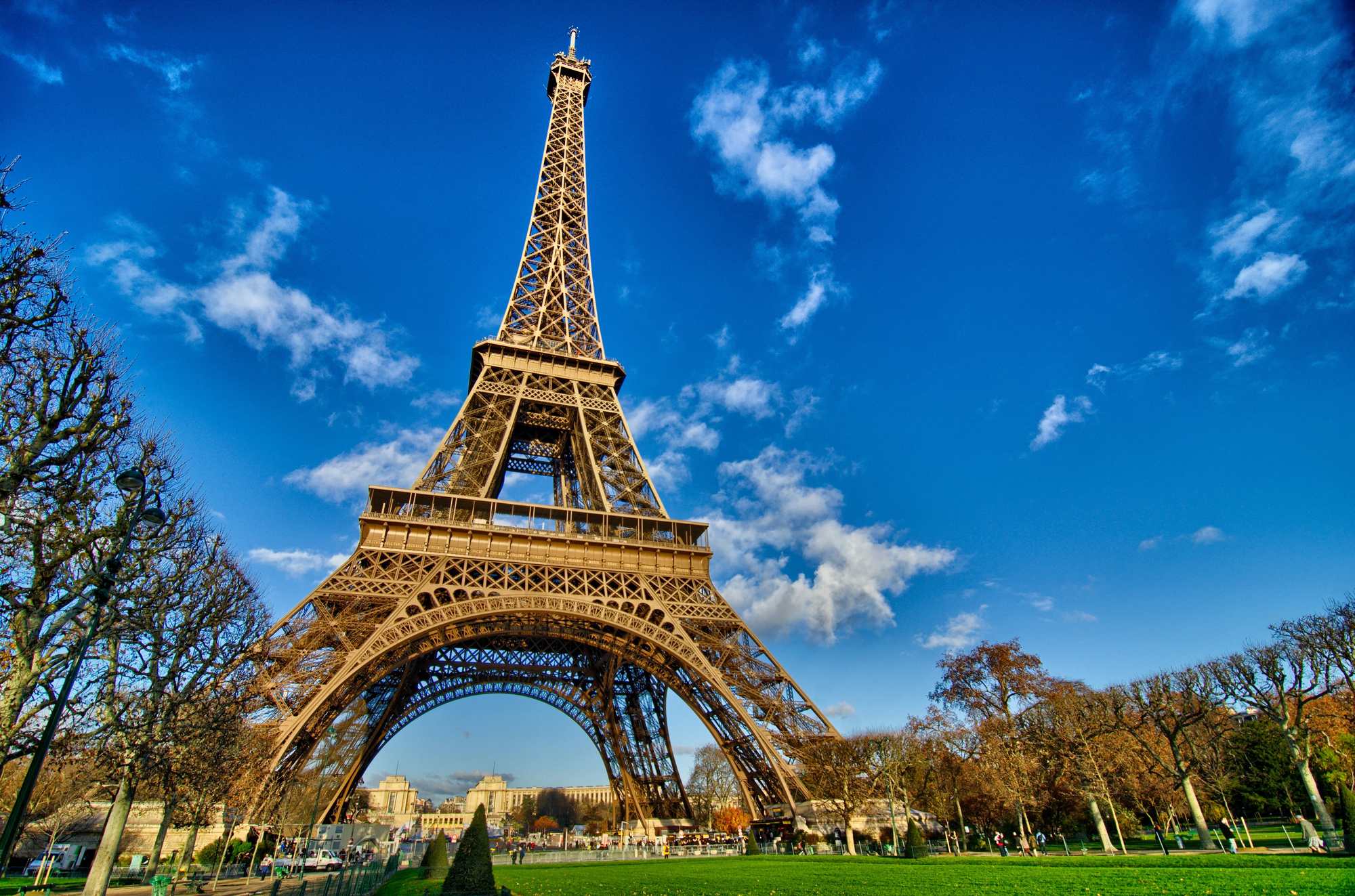
Originally built for the 1889 World’s Fair, the Eiffel Tower was meant to be dismantled after just 20 years. It was widely disliked at first, mocked as an eyesore. But its height proved perfect for radio transmissions—saving it from demolition and turning it into a beloved symbol of Paris.
Cleopatra Lived Closer to Pizza Hut Than the Pyramids
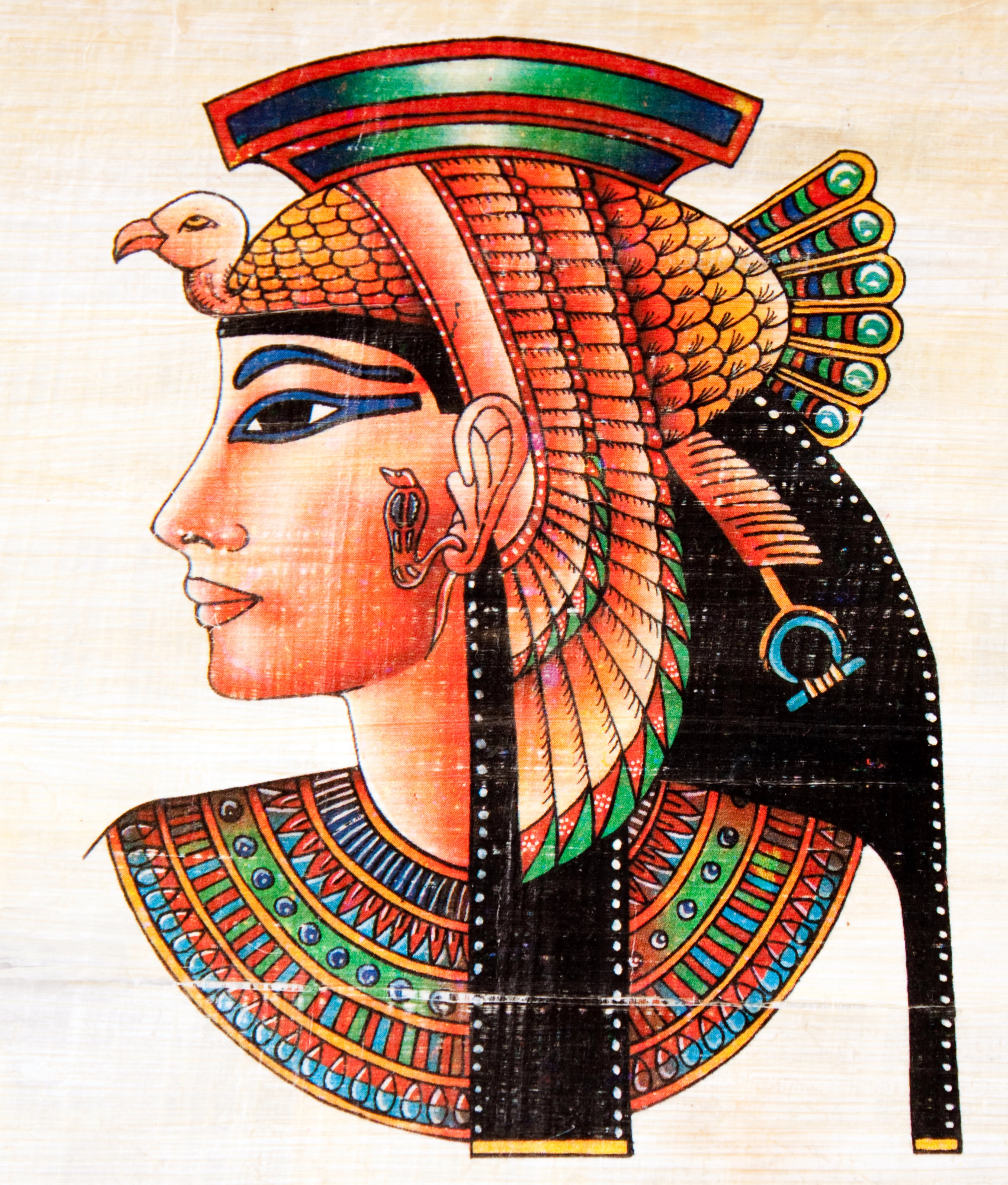
Cleopatra ruled Egypt roughly 2,500 years after the Great Pyramid of Giza was built—yet only 2,000 years before the first Pizza Hut opened. The scale of time is mind-bending; to Cleopatra, the pyramids were already ancient wonders.
Einstein’s Brain Was Stolen After His Death
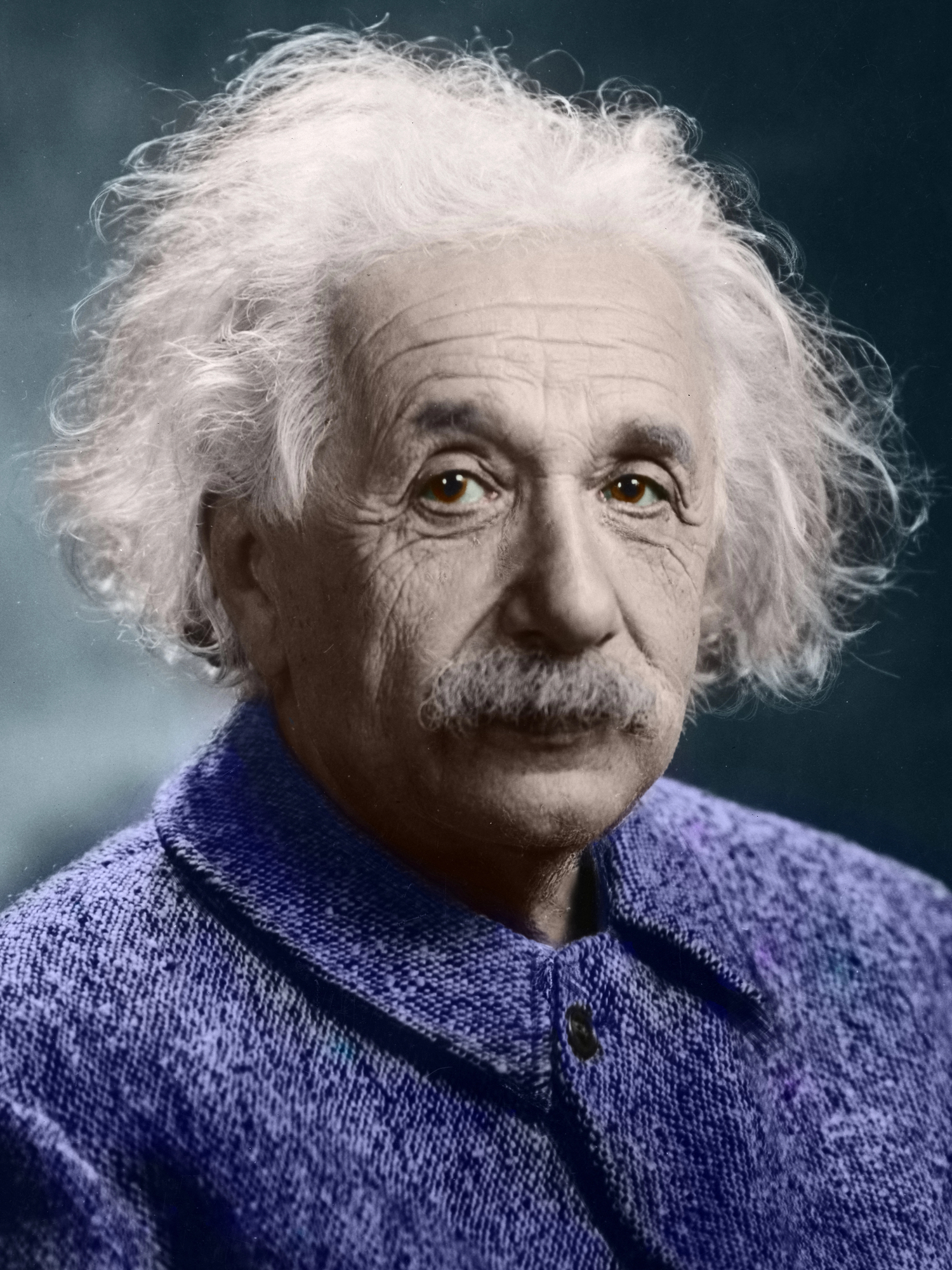
After Albert Einstein’s death, the pathologist conducting his autopsy took his brain without permission. He kept it for decades, distributing small pieces to researchers in hopes of unlocking the secret to genius—defying Einstein’s wish for cremation and privacy.
Lincoln Created the Secret Service the Day He Was Shot
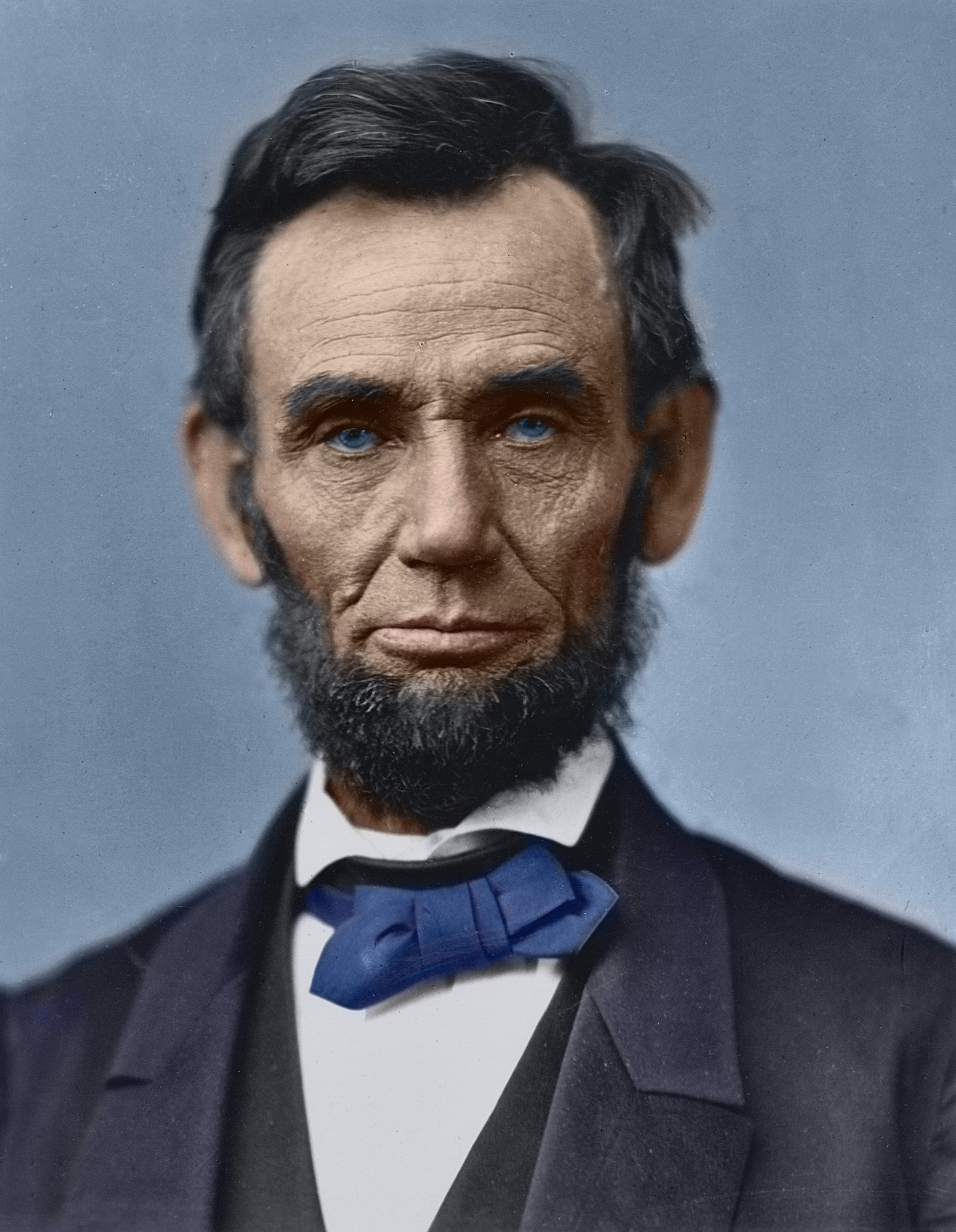
On the very day he was assassinated—April 14, 1865—President Abraham Lincoln signed the legislation establishing the Secret Service. Ironically, the agency’s original mission was to combat counterfeiting. It wouldn’t protect presidents until decades later.
Teddy Bears Were Named After a Presidential Hunting Trip

In 1902, President Theodore Roosevelt refused to shoot a bear that had been tied up during a hunting trip. The moment was immortalized in a political cartoon, inspiring a toy store owner to create “Teddy’s bear.” With Roosevelt’s blessing, a toy legend was born.
The Real Lone Ranger Was Likely African American
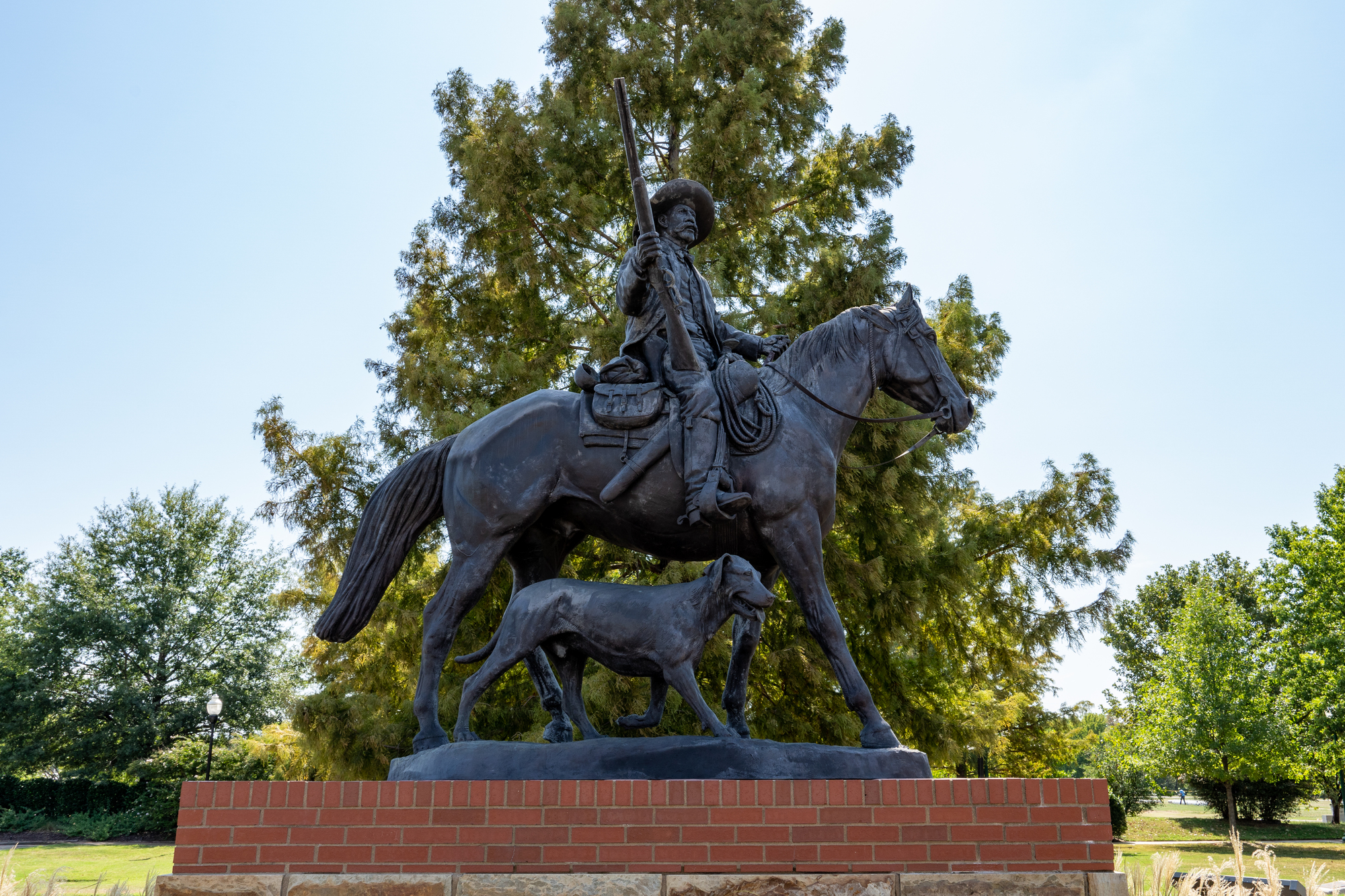
The legendary lawman Bass Reeves, a former slave turned U.S. Marshal, may have inspired the Lone Ranger. Known for his marksmanship, disguises, and over 3,000 arrests, Reeves’ real-life story mirrors the famous fictional hero—minus the Hollywood gloss.
Vikings Used Crystals for Navigation
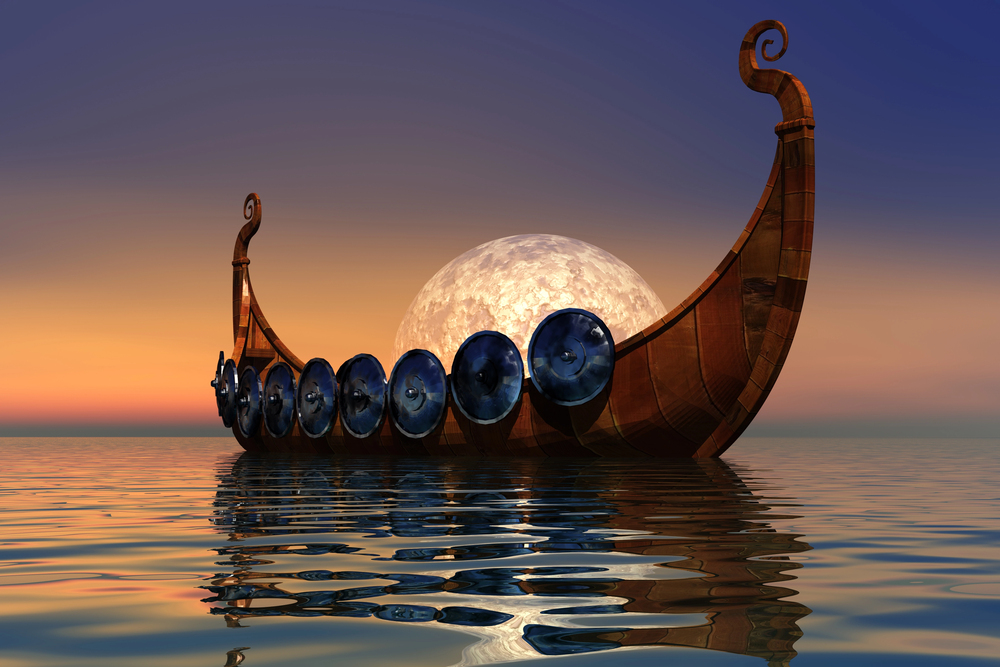
Vikings navigated cloudy seas using ‘sunstones’—crystals like Iceland spar that helped locate the sun’s position. This early form of polarizing navigation let them sail vast distances with astonishing accuracy long before compasses became common.
Napoleon Was Once Attacked by Thousands of Rabbits
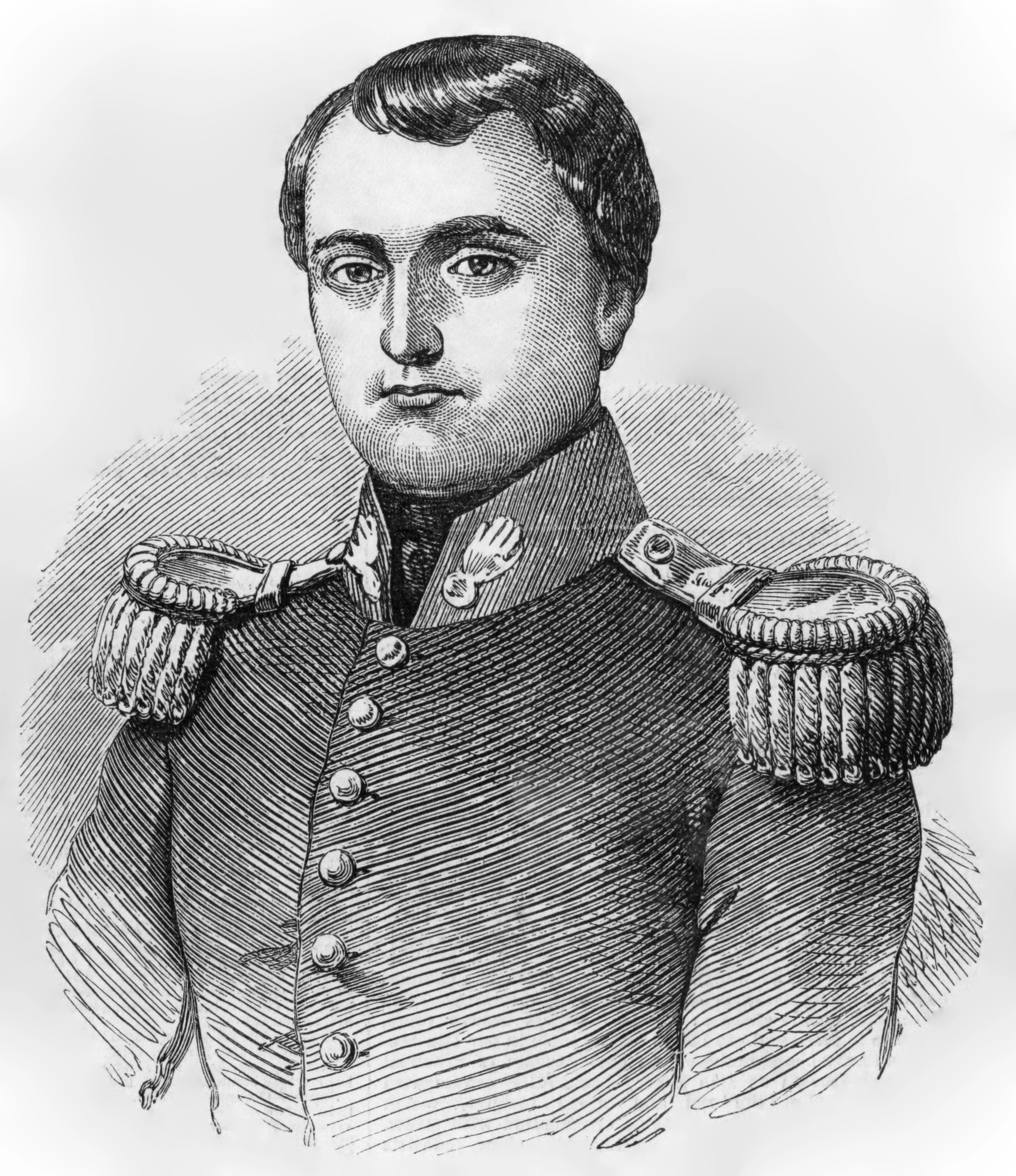
In 1807, Napoleon organized a rabbit hunt to entertain his men. But instead of fleeing, the released rabbits swarmed toward him—likely mistaking him for their feeder. The emperor had to retreat, humiliated by a stampede of fluff.
Mozart Had a Pet Starling That Inspired His Music
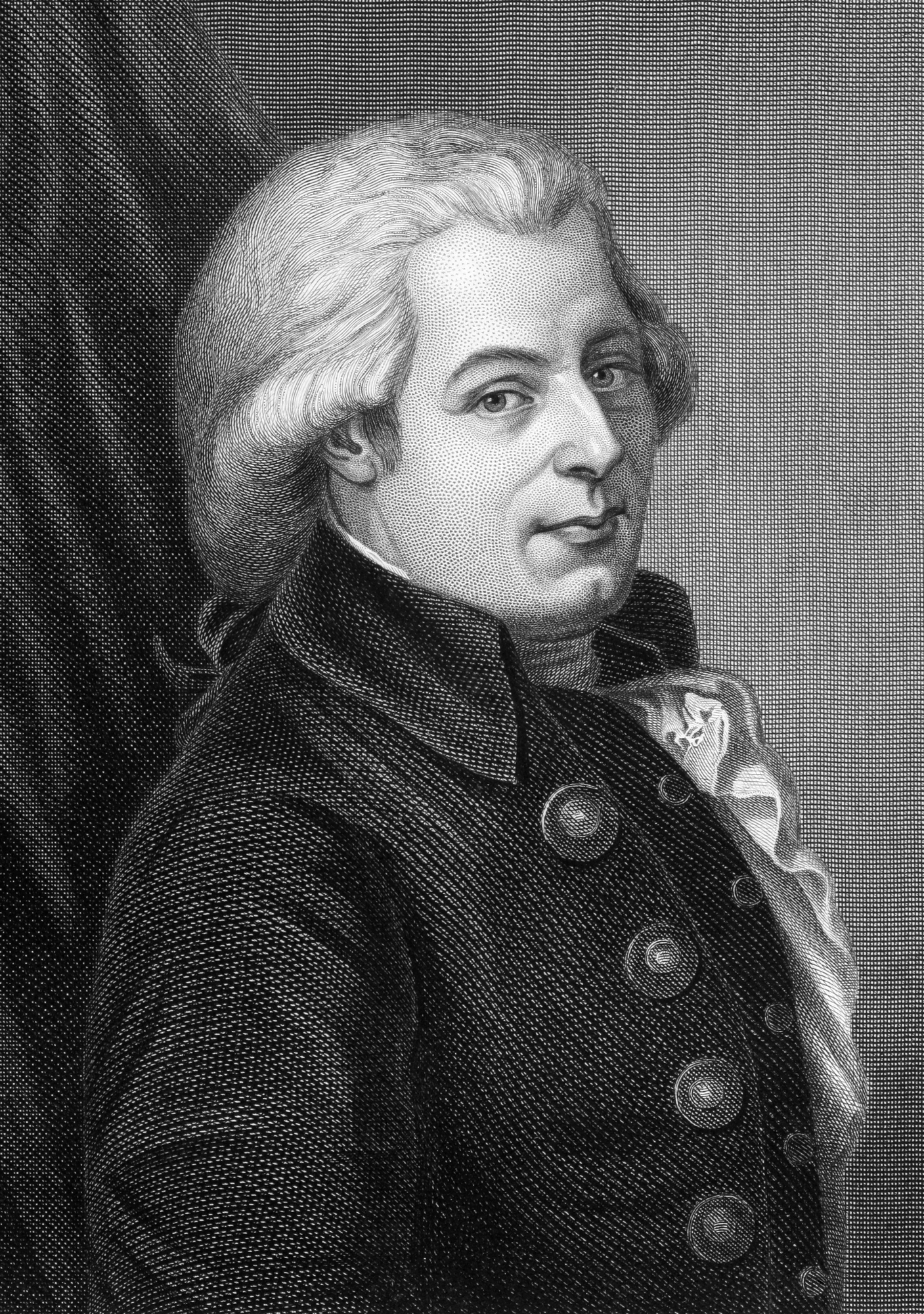
Mozart once kept a pet starling that could mimic his Piano Concerto No. 17. When it died, he held a full-blown funeral and wrote a poem in its honor. The bird’s playful variations may have inspired Mozart’s own musical experimentation.
The Olympic Flame Has Gone Out Multiple Times

Despite the ceremony around it, the Olympic flame has gone out several times by accident—sometimes due to weather, other times by technical faults. Organizers keep backup flames lit from the original source in Olympia, just in case.
Gandhi Was Not Always Non-Violent
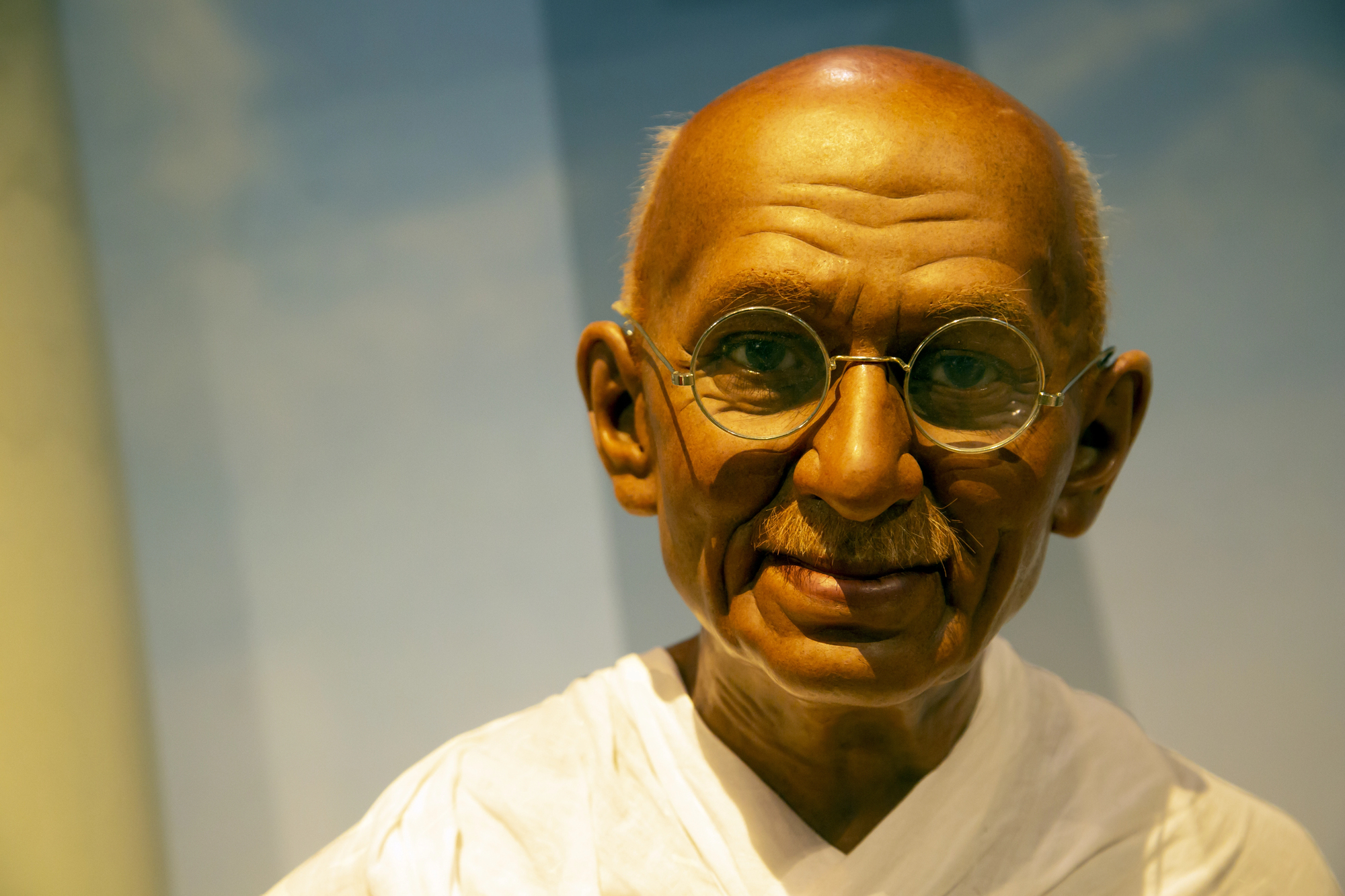
Before becoming a pacifist icon, Mahatma Gandhi served in the British Army during the Boer War. He even formed an Indian ambulance unit. His commitment to nonviolence emerged slowly, shaped by personal experiences with injustice.
Harriet Tubman Was a Civil War Spy and Military Leader
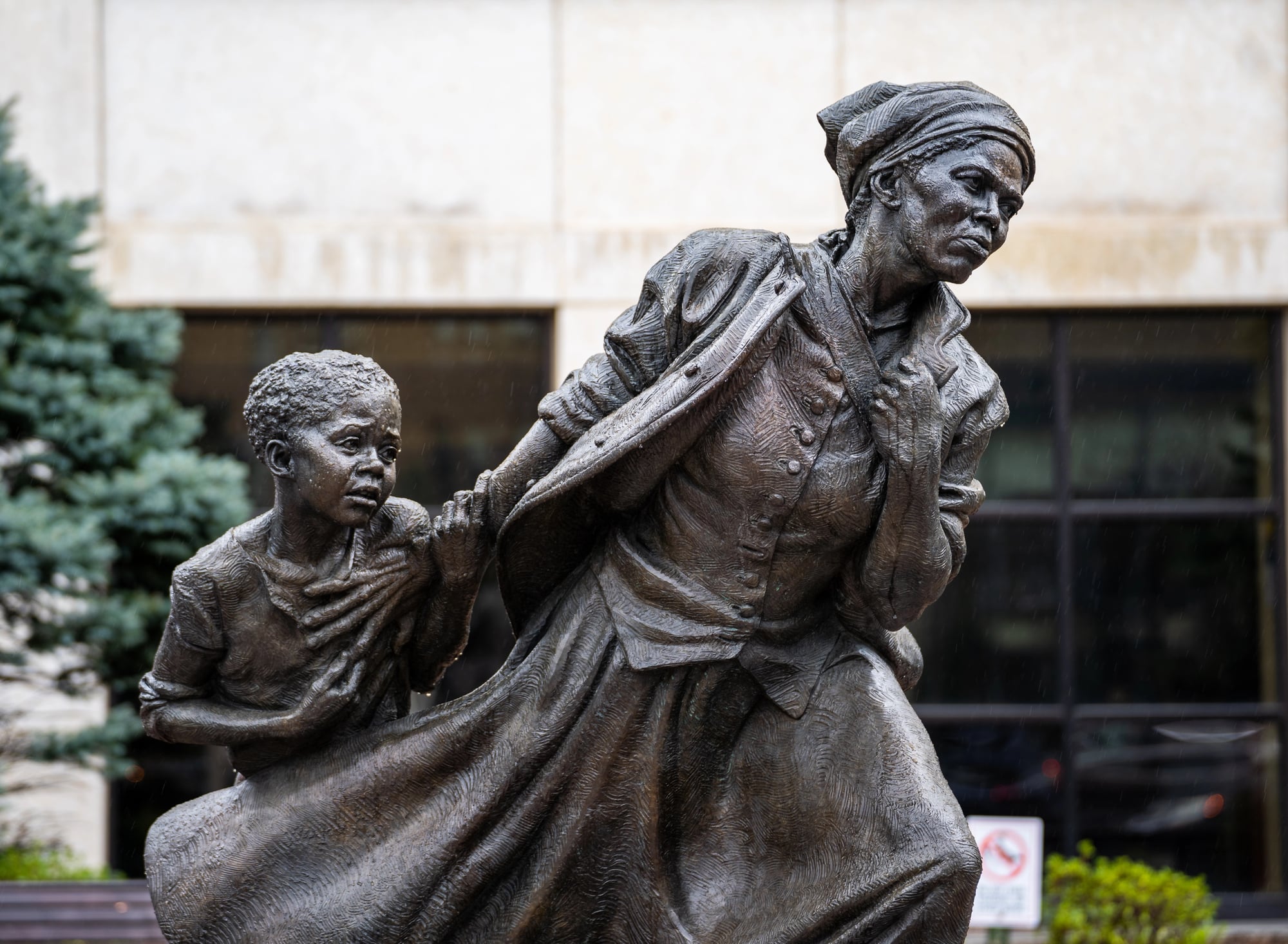
Beyond the Underground Railroad, Harriet Tubman worked as a spy and scout for the Union Army. In 1863, she led the Combahee River Raid, freeing over 700 enslaved people. Tubman was a fearless military strategist and American hero.
History’s Hidden Dimensions

History isn’t just grand battles and famous speeches—it’s full of strange twists, quiet moments, and incredible characters. These little-known stories reveal the depth and humanity of the past, reminding us that the people behind history were just as complicated, curious, and surprising as we are.
More from Go2Tutors!

- The Romanov Crown Jewels and Their Tragic Fate
- 13 Historical Mysteries That Science Still Can’t Solve
- Famous Hoaxes That Fooled the World for Years
- 15 Child Stars with Tragic Adult Lives
- 16 Famous Jewelry Pieces in History
Like Go2Tutors’s content? Follow us on MSN.