20 Times a Product Took Off in One Country (but Failed Everywhere Else)
The global marketplace often behaves in unpredictable ways. What consumers adore in one region might completely miss the mark just a short distance away. Cultural nuances, timing, and local preferences create fascinating case studies of products that dominated their home markets yet couldn’t replicate that magic elsewhere.
Here’s a list of 20 products that found remarkable success in specific countries while falling flat internationally.
Vegemite

This thick, dark food paste isn’t just popular in Australia – it’s practically written into the national identity. Found in approximately 80% of Australian households, Vegemite’s intensely savory flavor has nonetheless proven too overwhelming for most international palates.
Despite decades of marketing attempts by Kraft Foods across America and Europe, this iconic spread remains a distinctly Australian passion that outsiders just can’t seem to acquire a taste for.
Google+ in Russia

Though Google+ failed to gain traction worldwide, it experienced a surprising period of popularity in Russia between 2011-2013. Russian users particularly valued the platform’s Circles feature – which allowed precise control over content visibility during a time of heightened government surveillance.
This regional success couldn’t ultimately save the doomed social network, yet it demonstrated how local political environments sometimes create unexpected product adoption patterns.
Mitsuoka Motors

This eccentric Japanese automaker thrives domestically with its peculiar neo-classic designs – combining modern Japanese car platforms with styling inspired by vintage British automobiles. Their models like the Viewt and Galue sell thousands annually in Japan, where quirky automotive design enjoys cultural appreciation.
Attempts to export these vehicles to European markets fell flat, though, as international consumers found the fusion vehicles impractically expensive compared to either modern cars or authentic classics.
Root Beer
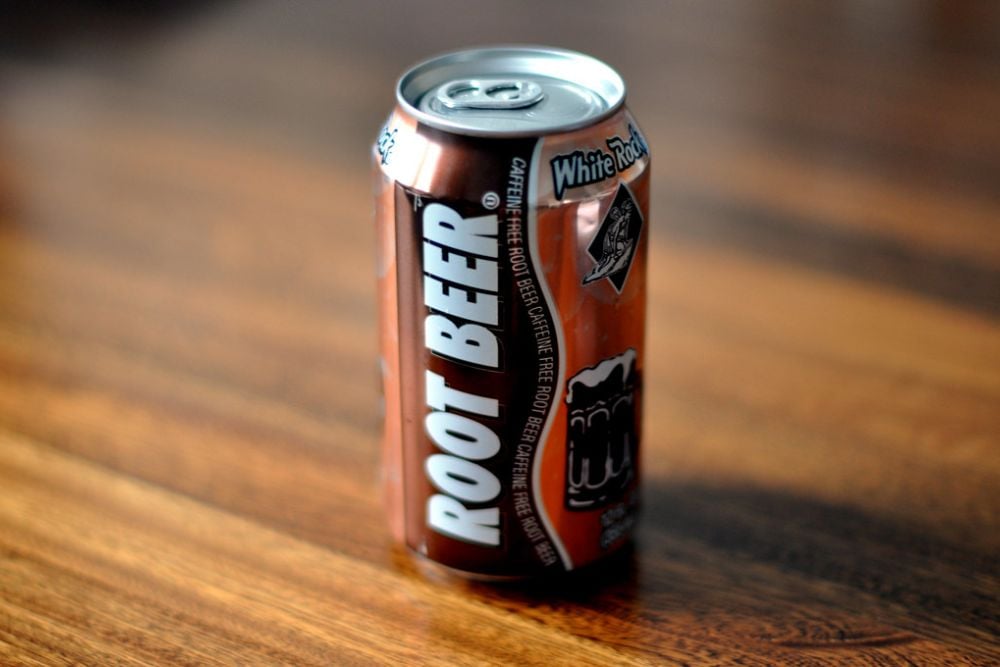
An American beverage staple since the 19th century – root beer remains almost exclusively popular within U.S. borders. Major brands like A&W and Barq’s have repeatedly struggled with international expansion because the distinctive sassafras and wintergreen notes register to non-American palates as medicinal rather than refreshing.
This beloved American soda is routinely compared to cough syrup or dental products throughout Asia and Europe instead of being recognized as a desirable beverage.
QQ in China

While WhatsApp and Facebook Messenger conquered most global markets, Tencent’s QQ messenger service captured an astonishing 800+ million Chinese users at its peak. Despite this massive domestic foothold, QQ’s cartoon penguin mascot and feature-heavy interface struck Western users as juvenile and unnecessarily complex.
The platform continues dominating Chinese digital communication – yet remains virtually unknown beyond Asia despite numerous internationalization attempts.
Frito-Lay’s Savory Yogurt Chips
Launched in Turkey back in 2013, these yogurt-flavored potato chips became an immediate national sensation – moving over 30 million bags within their first year. When Frito-Lay attempted to export this success story, consumers in American and European markets couldn’t reconcile the conflicting flavor profiles of tangy yogurt combined with salty potato chips.
The product continues to be a top seller exclusively in Turkey, where the yogurt-chip fusion perfectly matches local culinary preferences.
Irn-Bru
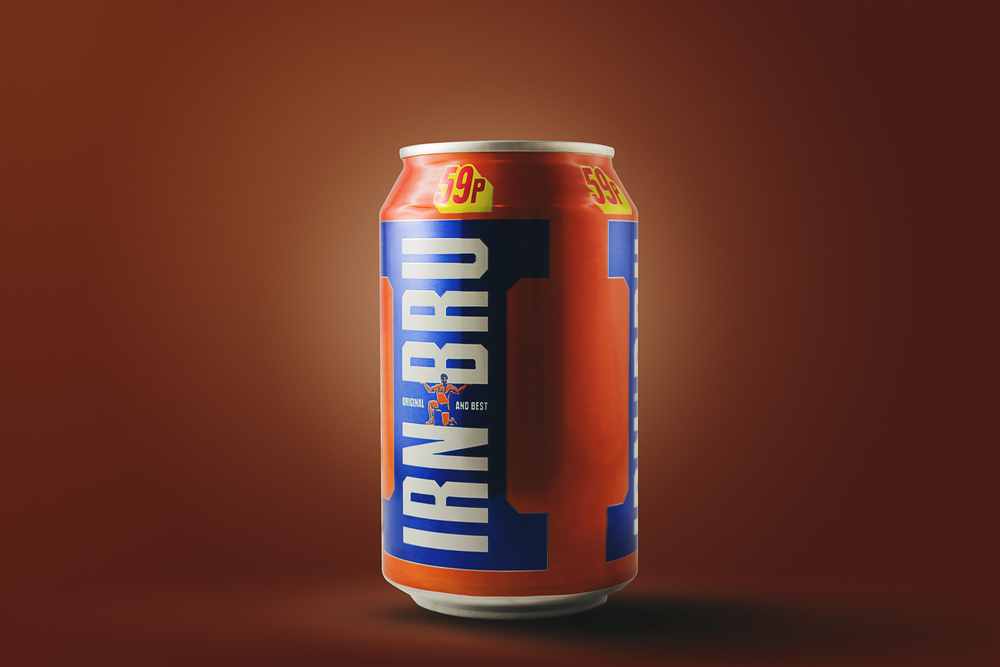
This vibrantly orange carbonated beverage outsells even Coca-Cola in Scotland – making it one of the rare markets worldwide where Coke doesn’t hold the top position. Despite iconic status as Scotland’s unofficial “second national drink” after whisky, Irn-Bru’s unique bubble-gum-meets-metallic flavor profile hasn’t translated successfully to international consumers.
AG Barr has made multiple attempts to crack the American market with minimal success, as the distinctive taste remains primarily appreciated within Scottish borders.
LINE Messaging App

While most global consumers use WhatsApp or Messenger, LINE dominates the Japanese mobile messaging landscape with over 80% market penetration. Following the devastating 2011 Tohoku earthquake, LINE became an essential communication infrastructure throughout Japan.
Despite offering innovative features like seamless payment integration and expansive sticker collections, LINE’s international expansion efforts have gained significant traction only in Thailand, Taiwan, and Indonesia – remaining overshadowed elsewhere by established competitors.
Jollibee Fast Food

This Filipino fast-food chain commands greater market share than McDonald’s throughout the Philippines, famous for its uniquely sweet spaghetti and tropical-inspired desserts. Despite establishing locations across the United States and other countries, Jollibee struggles to attract non-Filipino customers who often find its signature sweet-savory flavor combinations jarring compared to conventional Western fast food profiles.
The chain thrives primarily by targeting Filipino expatriate communities rather than mainstream international consumers.
Krating Daeng (Original Red Bull)
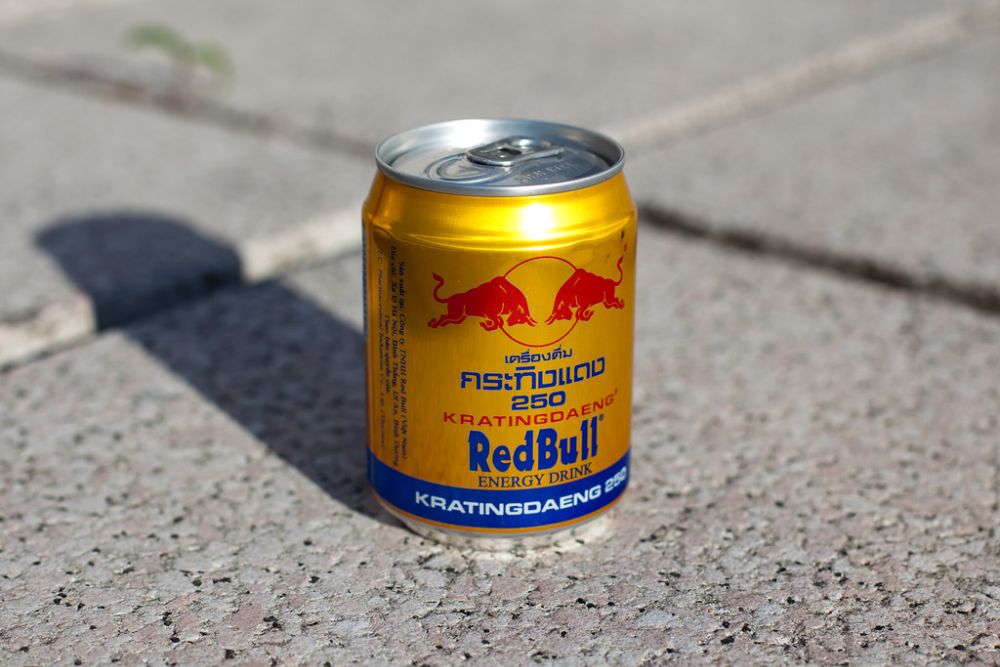
The original formulation of Red Bull began in Thailand as Krating Daeng, a non-carbonated, significantly sweeter energy drink popular among working-class Thais. Austrian entrepreneur Dietrich Mateschitz later adapted this formula for Western preferences by adding carbonation and reducing sweetness levels.
Curiously, while the modified version conquered global markets, the original Thai product never gained popularity beyond Southeast Asia despite its historical primacy.
Ford Falcon

Despite Ford’s international presence, its Falcon model achieved legendary status exclusively in Australia over its 56-year production run. Perfectly adapted to Australia’s vast distances and varied terrain, the Falcon consistently ranked among the country’s best-selling vehicles for decades.
Ford never successfully marketed this model in North America or Europe, where different driving conditions and fuel economy expectations favored smaller vehicles. The Falcon remains uniquely embedded in Australian automotive culture even after production ceased in 2016.
BlackBerry in Indonesia

Long after BlackBerry devices disappeared from Western markets, they maintained remarkable market dominance in Indonesia well into the 2010s. The combination of free BlackBerry Messenger communications and the status associated with owning an international smartphone brand created extraordinary loyalty among Indonesian consumers.
At its height, this single Southeast Asian nation accounted for nearly 15% of BlackBerry’s global user base despite representing just one market in the company’s international portfolio.
Cherikoff Rainforest Foods
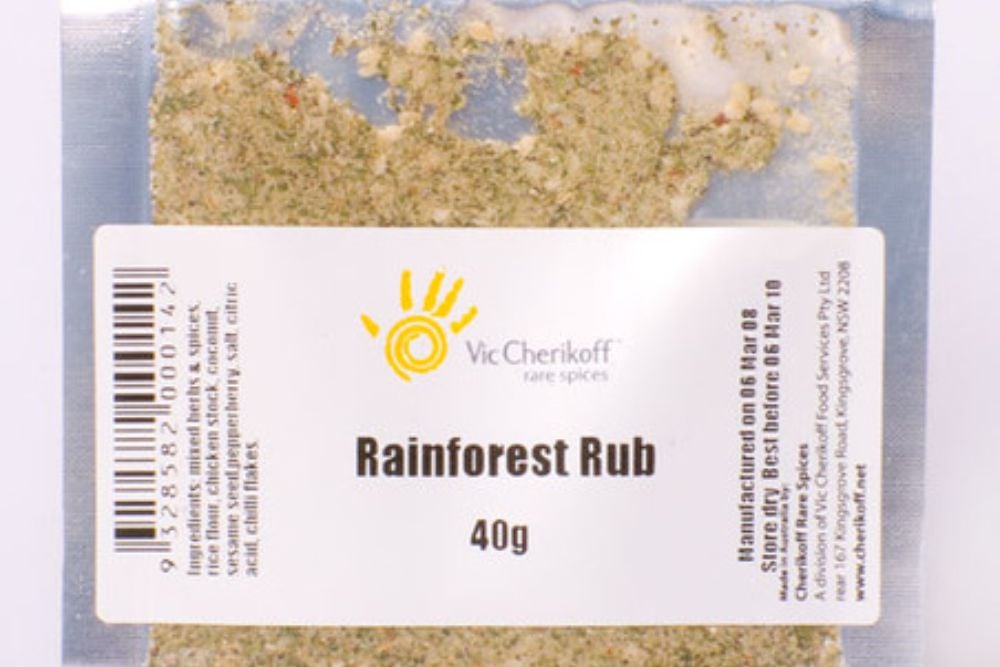
These Australian food products showcasing native ingredients such as wattleseed, bush tomato, and Davidson plum became wildly popular within Australia’s gourmet scene during the early 2000s. Despite substantial investment in international marketing, these flavors—deeply connected to indigenous Australian food traditions—failed to connect with international palates accustomed to different flavor profiles.
The company found that ingredients holding strong cultural significance in one region often lack the necessary context for appreciation elsewhere.
Marmite
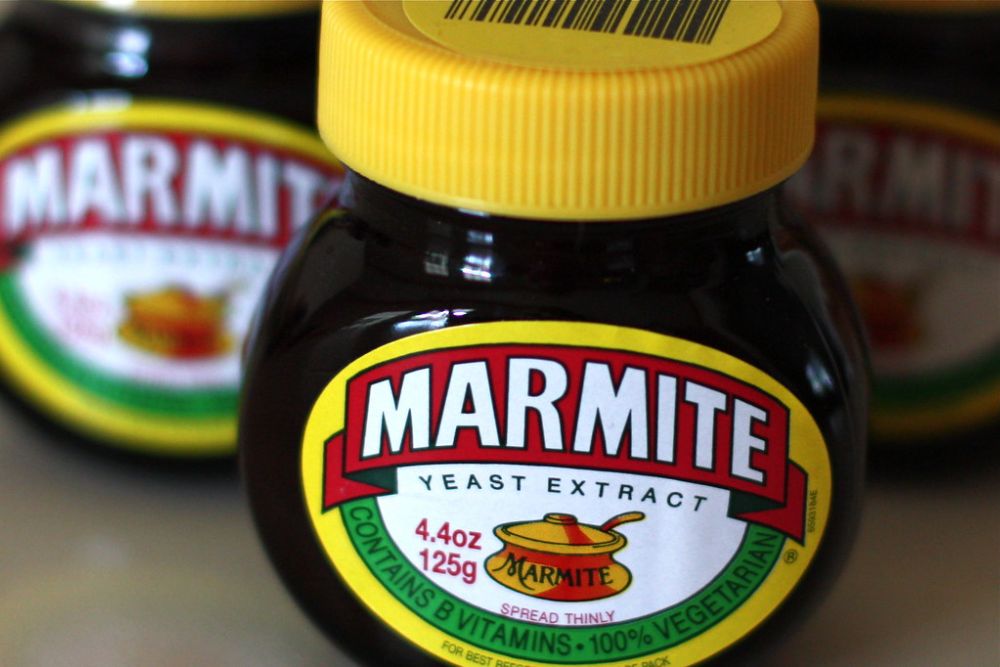
Much like Australia’s Vegemite situation, British Marmite enjoys cultural institution status in the United Kingdom while generating active dislike in most other markets. This yeast extract spread’s polarizing nature is so well understood that the company’s advertising openly acknowledges it with their famous “Love it or hate it” campaign.
Despite over a century as a British breakfast staple, Marmite’s intensely savory umami character prevents its adoption beyond UK borders, where it’s often met with confusion rather than culinary enthusiasm.
Lada Automobiles

These Soviet-era vehicles once dominated Eastern European roadways and maintained strong sales in Russia long after the USSR’s collapse. Lada’s regional popularity stemmed from mechanical simplicity, affordable pricing, and rugged capability in harsh Russian conditions.
However, export attempts to Western European markets in the 1970s-80s resulted in commercial failure as consumers rejected their outdated technology, questionable safety features, and minimal comfort provisions compared to contemporary Western alternatives.
Alinamin V Drink

This vitamin B1-fortified energy drink achieved massive success in Japan, particularly among business professionals recovering from extended work hours. Japan’s extremely bitter flavor profile is considered a virtue, where bitterness often signals medicinal efficacy.
When Takeda Pharmaceutical attempted international expansion, Western consumers overwhelmingly rejected the intense bitterness, preferring the sweeter energy drink formulations they were accustomed to. The product continues as a Japanese exclusive, perfectly aligned with local perceptions of functional beverages.
Yili Milk Tablets

These compressed milk candy tablets from Inner Mongolia evolved into a genuine cultural phenomenon across China, generating annual sales exceeding $2 billion. When Yili explored Western market opportunities, consumers consistently disliked both the chalky texture and concentrated milk flavor that Chinese consumers find nostalgically appealing.
These tablets remain one of China’s most beloved snack products, particularly among young adults with childhood associations with the distinctive treats.
Voss Water in Dubai

This Norwegian premium bottled water brand found modest success globally but unexpectedly achieved luxury status specifically within Dubai’s high-end market. Its minimalist glass bottle design perfectly complemented Dubai’s luxury aesthetic codes and conspicuous consumption patterns.
While Voss exists as a niche product in most markets, it became Dubai’s definitive premium water, commanding prices up to $10 per bottle in luxury hotels and exclusive nightlife venues.
Clamato
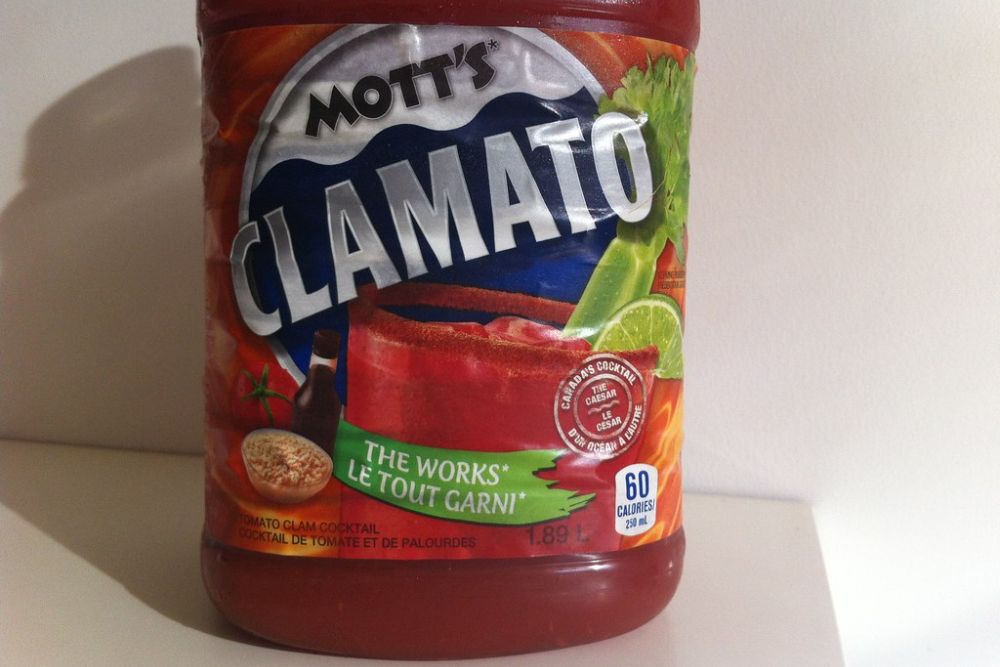
This unusual tomato-clam juice combination maintains strong sales in Canada and Mexico while repeatedly failing to gain acceptance elsewhere. Canadian consumers primarily use it in their national cocktail, the Caesar, while Mexican consumers enjoy it in beer-based “preparado” drinks with various spices.
American and European markets have consistently rejected the distinctive briny undertones that make it popular in neighboring North American countries.
Meitu Photo App

This Chinese photo editing application captured over half of China’s enormous selfie app market through dramatic beautification features that substantially alter facial characteristics. Despite accumulating over a billion Chinese users, international versions struggled because Western consumers generally prefer more subtle editing capabilities and often express concerns about beauty standard homogenization.
The app’s intensive face-reshaping functions that aligned perfectly with East Asian beauty trends failed to resonate with Western aesthetic preferences.
Where Cultural Context Makes All the Difference

These product journeys demonstrate that consumer preferences exist not as universal constants but as expressions deeply rooted in cultural context, timing, and local traditions. What seems intuitive in one market often appears completely foreign just across geographical boundaries.
Forward-thinking companies increasingly recognize that global success requires thoughtful local adaptation rather than assuming consumer preferences remain consistent across different cultural landscapes.
More from Go2Tutors!

- The Romanov Crown Jewels and Their Tragic Fate
- 13 Historical Mysteries That Science Still Can’t Solve
- Famous Hoaxes That Fooled the World for Years
- 15 Child Stars with Tragic Adult Lives
- 16 Famous Jewelry Pieces in History
Like Go2Tutors’s content? Follow us on MSN



