14 Campaigns That Pitched the Product’s Worst Feature as a Benefit
Marketing is often about highlighting a product’s strengths while cleverly disguising its weaknesses. But sometimes, the most brilliant advertising strategy is to embrace those flaws completely. The most innovative marketers have found ways to transform what could be perceived as disadvantages into compelling selling points that capture consumers’ attention and loyalty.
Here is a list of 14 remarkable marketing campaigns that boldly took what might be considered a product’s weakness and successfully reframed it as its greatest strength.
Volkswagen Beetle

Volkswagen brought the small, strangely-shaped Beetle to the U.S. market in a time when American cars were growing larger, flashier, and more powerful. Instead of downplaying its small size and strange look, their famous “Think Small” advertising embraced these same qualities.
The commercials positioned the car as an affordable, sensible substitute to gas-guzzling American cars by boldly highlighting its unique shape and small size. Consumers searching for genuineness among the overblown promises of other car manufacturers connected with this sincere attitude.
Avis Rental Cars
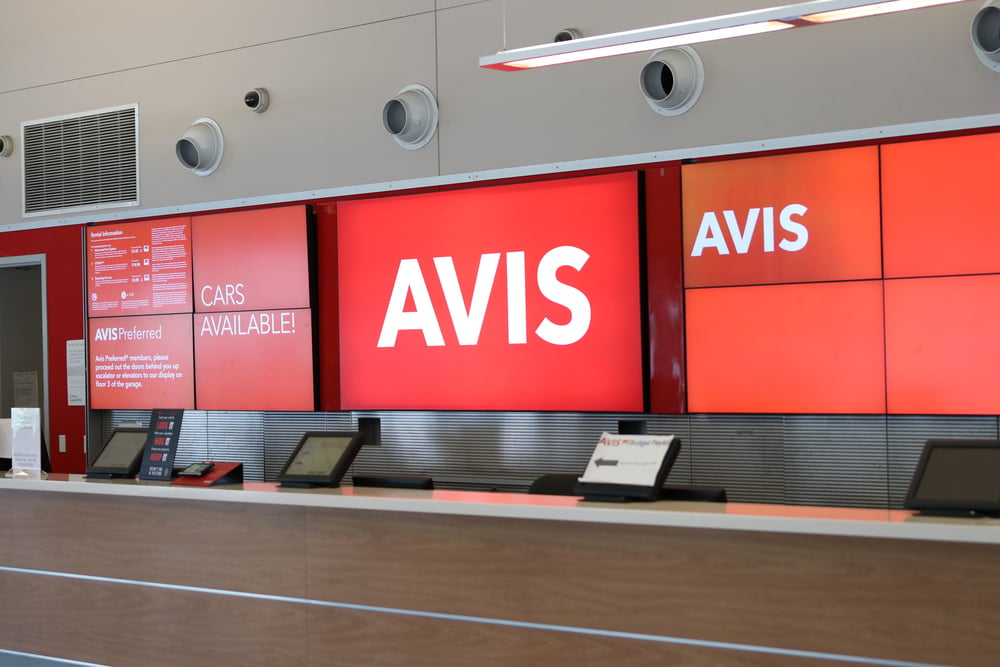
Most businesses would rather not bring it up if you rank second in the sector. Avis is not. Their famous “We Try Harder” campaign openly acknowledged their second-place ranking behind Hertz.
The firm turned this apparently unfavorable stance into a dedication to customer service, implying that since they weren’t the industry leader, they had to strive more for consumer happiness. This underdog approach allowed Avis to greatly grow its market share and build a brand identity that lasted for decades.
Like Go2Tutors’s content? Follow us on MSN.
7-Up
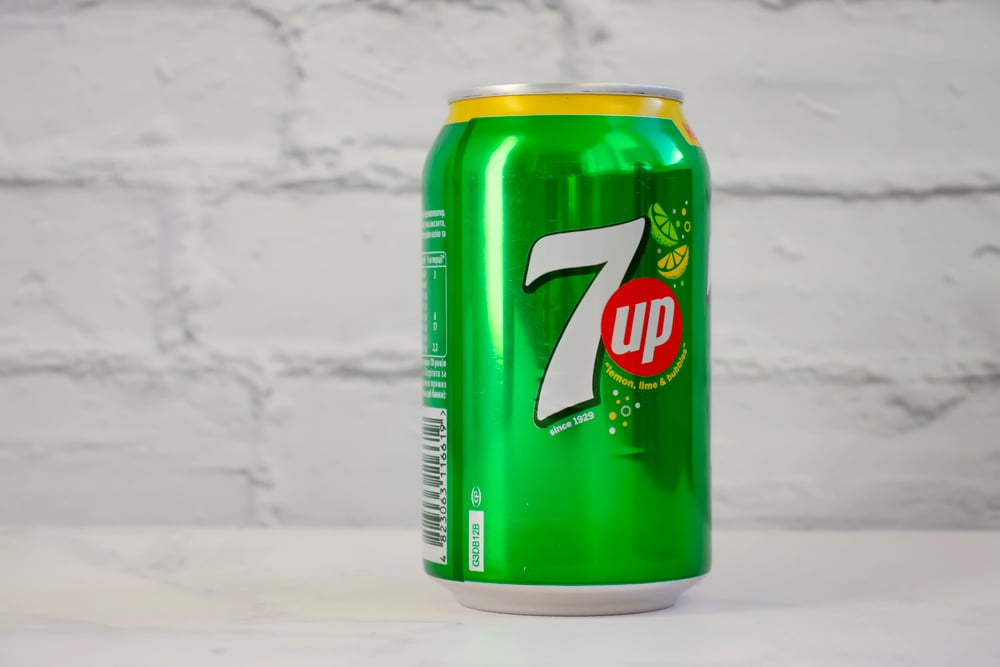
The cola giants Pepsi and Coca-Cola controlled the market, while 7-Up brazenly positioned itself as the ‘Uncola.’ The brand emphasized its clean appearance and lack of cola flavoring as positive differentiators rather than attempting to directly compete with these industry titans.
During the health-conscious 1970s, the promotion praised 7-Up’s lemon-lime flavor and caffeine-free recipe. This tactic transformed what may have been viewed as a drawback into a novel solution and helped the brand carve out a clear niche.
Domino’s Pizza
When faced with widespread customer complaints about the taste of their pizza, most companies would quietly improve the recipe without drawing attention to past problems. Domino’s took the opposite approach with their ‘Pizza Turnaround’ campaign.
They publicly acknowledged their poor-tasting product and documented their journey to create a better recipe. This radical transparency transformed negative customer feedback into a compelling story of improvement and authenticity that rebuilt trust with consumers.
Smirnoff Vodka
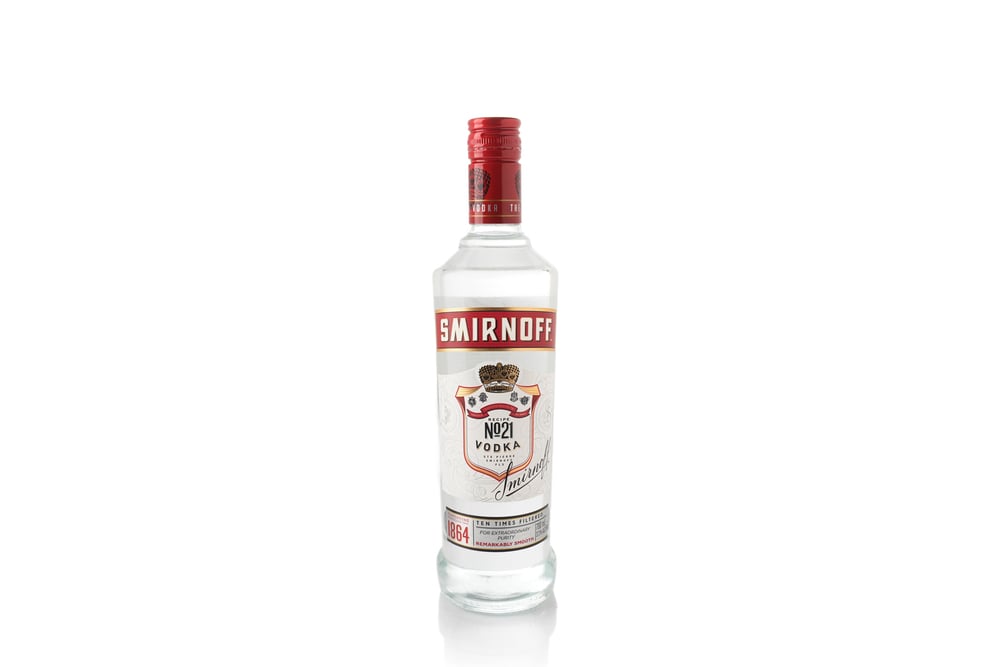
When Smirnoff was struggling with perception issues related to its production process, the brand launched its famous ‘It will leave you breathless’ campaign. The ads humorously acknowledged that their vodka was filtered multiple times—a process competitors criticized as excessive—by showing sophisticated people dramatically gasping after taking a sip.
By leaning into this criticism, Smirnoff reframed their intensive filtration as a feature that created an exceptionally smooth product worthy of an emotional reaction.
Like Go2Tutors’s content? Follow us on MSN.
Apple Macintosh
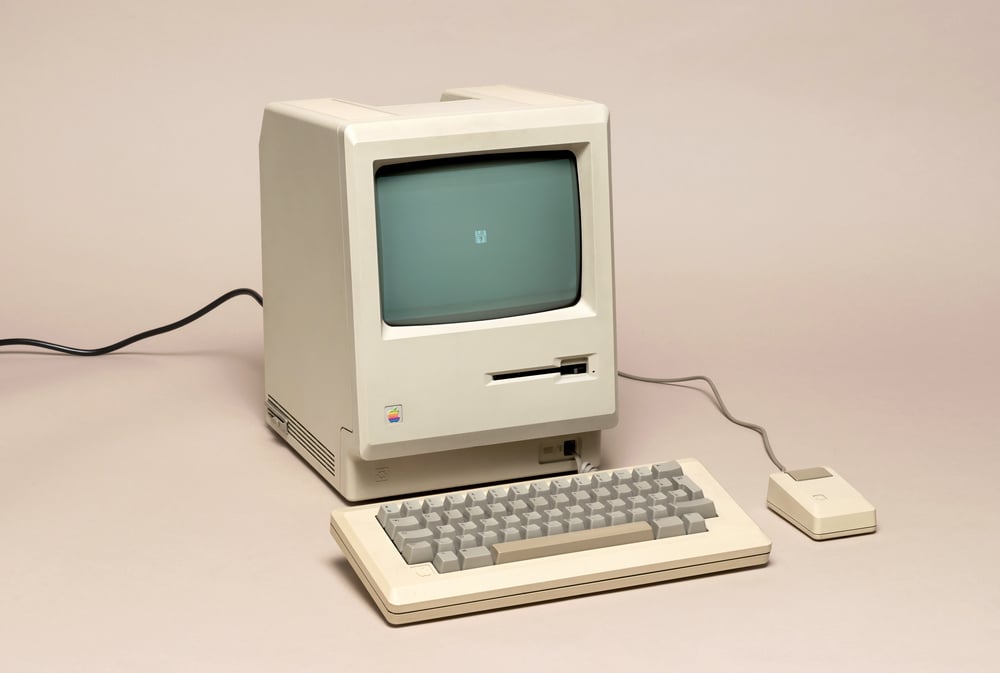
Tech enthusiasts who appreciated the customization of IBM PCs viewed the Macintosh’s closed design as a significant disadvantage when Apple first released it in 1984. This restriction was cleverly reframed by Apple as “it just works” simplicity.
Their marketing focused on how this closed system eliminated the technical hassles of other computers and produced a more dependable, user-friendly experience. Instead of focusing only on technical expertise, the marketing effectively positioned Apple as the computer for the general public.
Miller Lite
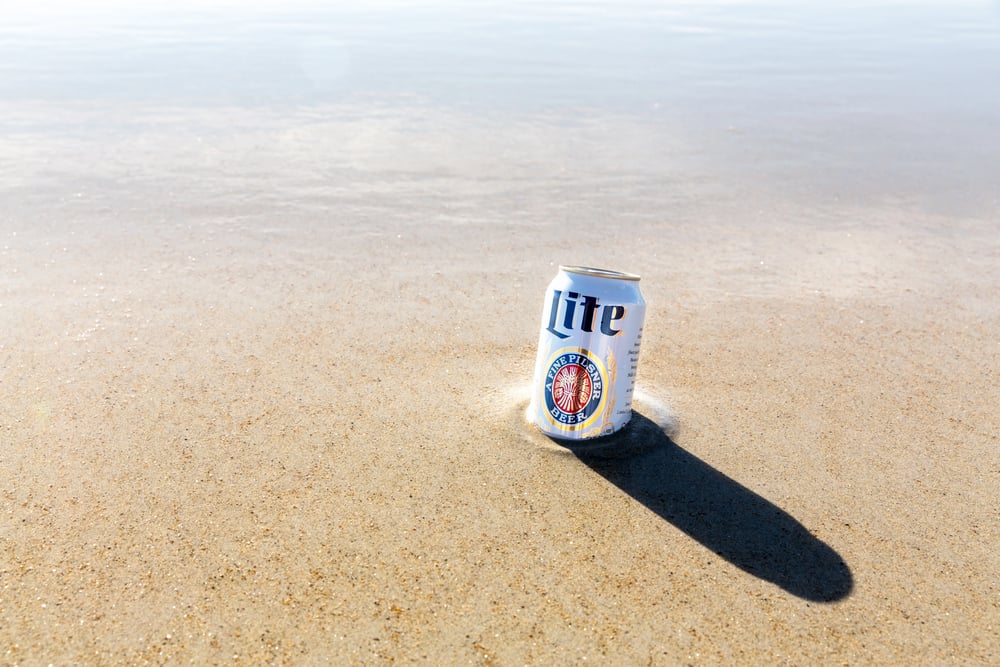
In the 1970s beer market, light beers were viewed with suspicion by serious beer drinkers who associated lower calories with inferior taste. Miller revolutionized the category with their ‘Tastes Great, Less Filling’ campaign.
They directly addressed the perceived weakness by featuring masculine sports figures arguing about whether the best thing about Miller Lite was its taste or that you could drink more without feeling full. This approach transformed low calories from a negative into two distinct benefits, creating an entirely new beer category.
Dove Beauty Products
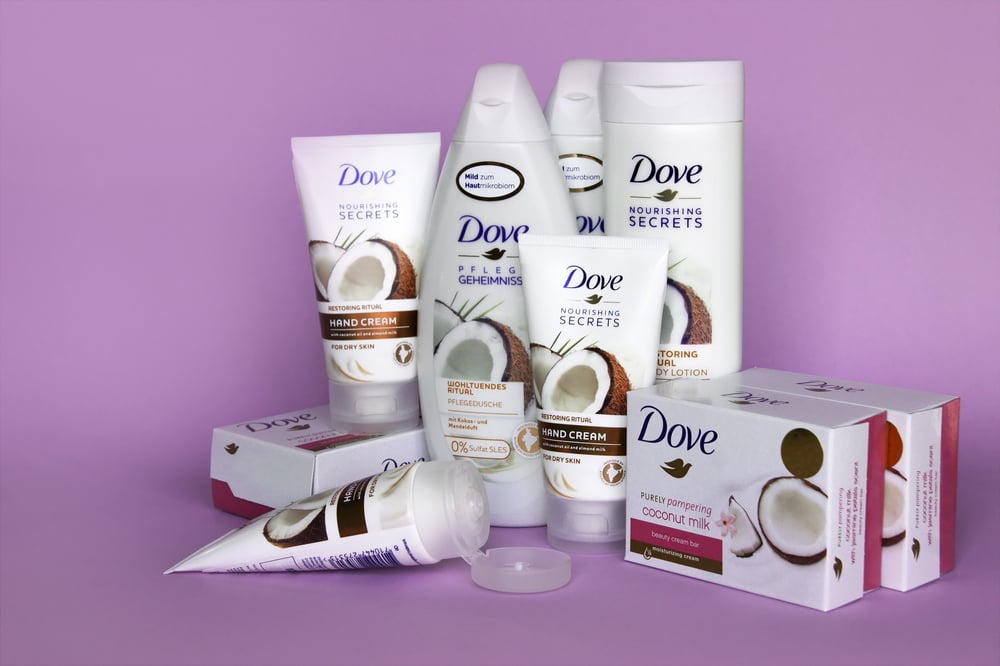
When most beauty products were promising unrealistic transformations, Dove took a different approach with their ‘Real Beauty’ campaign. Instead of hiding that their products couldn’t create supermodel perfection, they embraced authenticity by featuring real women of various body types.
This campaign turned the industry’s typical hyper-idealized approach on its head, positioning Dove as honest and celebrating women as they actually are rather than offering impossible promises.
Like Go2Tutors’s content? Follow us on MSN.
Buckley’s Cough Syrup
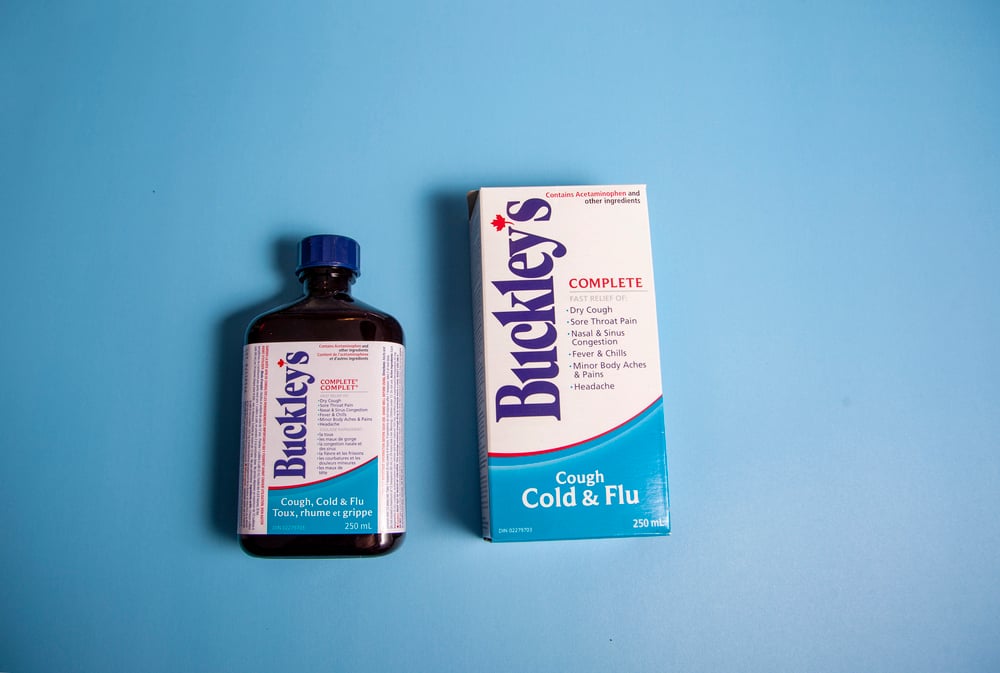
Most medicine advertisements try to downplay unpleasant taste with promises of effectiveness. Buckley’s went the opposite direction with their slogan ‘It Tastes Awful. And It Works.’ The campaign featured videos of people wincing after taking the medicine.
By acknowledging and even emphasizing the terrible taste, Buckley transformed this negative into proof of the medicine’s potency. Consumers came to associate the bad taste with exceptional effectiveness, creating a unique brand identity in a crowded market.
Guinness Beer
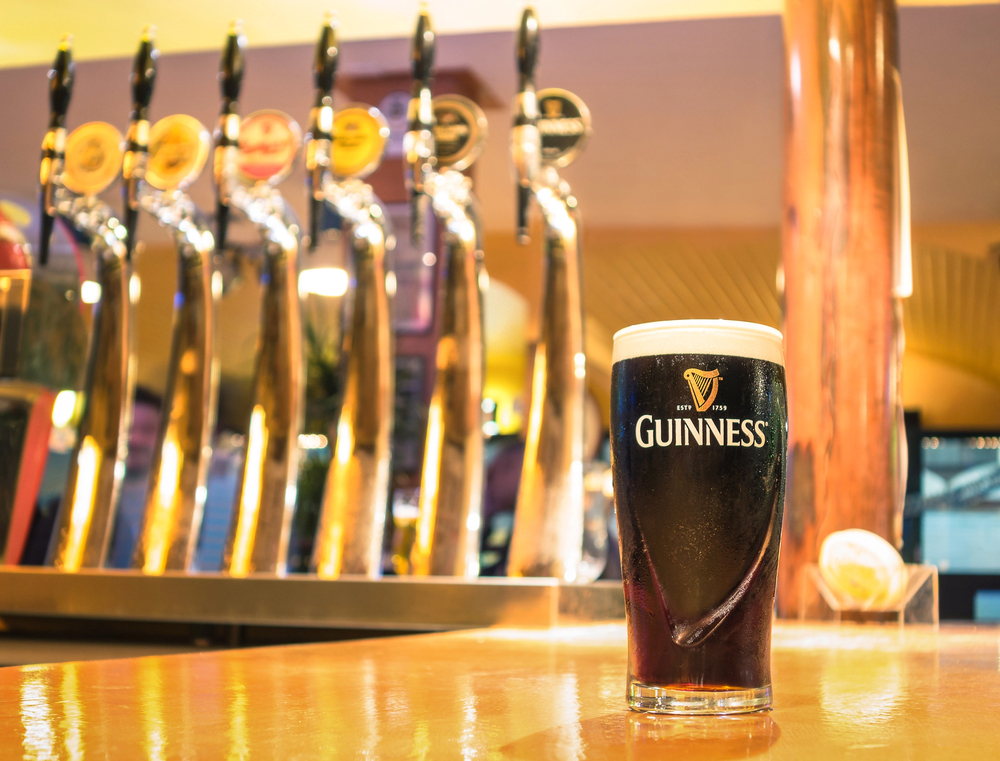
When most beers advertised quick, easy consumption, Guinness faced a challenge: their stout takes noticeably longer to pour properly. Rather than hiding this inconvenience, their ‘Good Things Come To Those Who Wait’ campaign celebrated the pouring process as a ritual that signified quality.
The iconic ads showing the mesmerizing settling of the dark beer with its creamy head turned waiting time into an anticipation-building experience. The campaign successfully reframed patience as part of the premium Guinness experience.
Southwest Airlines
While other airlines emphasized luxury amenities, Southwest built their brand around the absence of these features. Their ‘No Frills’ approach openly acknowledged the lack of assigned seating, meal service, and first-class cabins.
Southwest positioned these limitations as benefits, allowing it to offer significantly lower fares and better on-time performance. They transformed what competitors would consider service gaps into a strength, appealing to practical travelers more concerned with value than status.
Like Go2Tutors’s content? Follow us on MSN.
Listerine Mouthwash
For years, Listerine embraced its harsh, medicinal taste with the slogan ‘The taste you hate twice a day.’ Instead of developing a milder formula to compete with better-tasting competitors, they positioned the strong flavor as evidence of its effectiveness at killing germs.
The campaign suggested that if it tastes powerful enough to make you wince, it must be working. This approach transformed a sensory negative into proof of the product’s strength and efficacy.
Hans Brinker Budget Hotel
This Amsterdam hotel took honesty to an extreme level with their ‘Possibly the worst hotel in the world’ campaign. Rather than hiding their bare-bones accommodations, they created advertisements highlighting the lack of amenities, uncomfortable beds, and minimal service.
The brutal honesty resonated with budget travelers who appreciated the transparency and adjusted their expectations accordingly. The hotel successfully turned their limitations into an authentic, no-nonsense brand personality that attracted curious travelers looking for an affordable place to stay.
Stella Artois
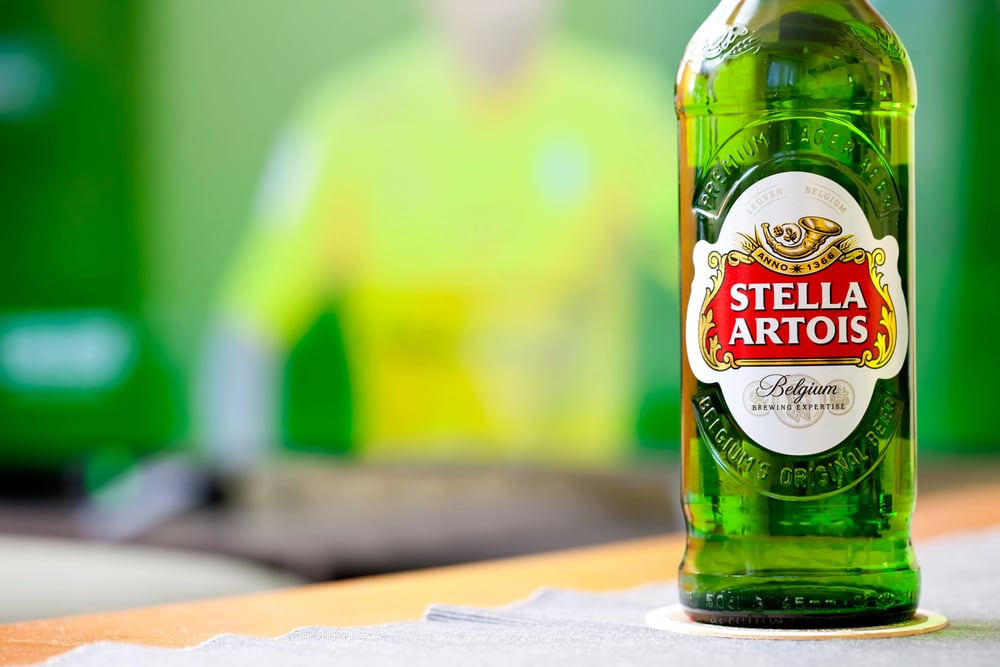
When Stella Artois was struggling with its higher price point compared to other beers, they launched their ‘Reassuringly Expensive’ campaign. Instead of competing on price, they embraced their premium positioning by suggesting that the higher cost reflected superior quality and brewing tradition.
The campaign included elaborate stories about the beer’s heritage and rituals around proper serving. This approach transformed price sensitivity from a liability into a quality signal that justified the premium and elevated the brand’s perceived value.
Like Go2Tutors’s content? Follow us on MSN.
The Enduring Power of Authenticity
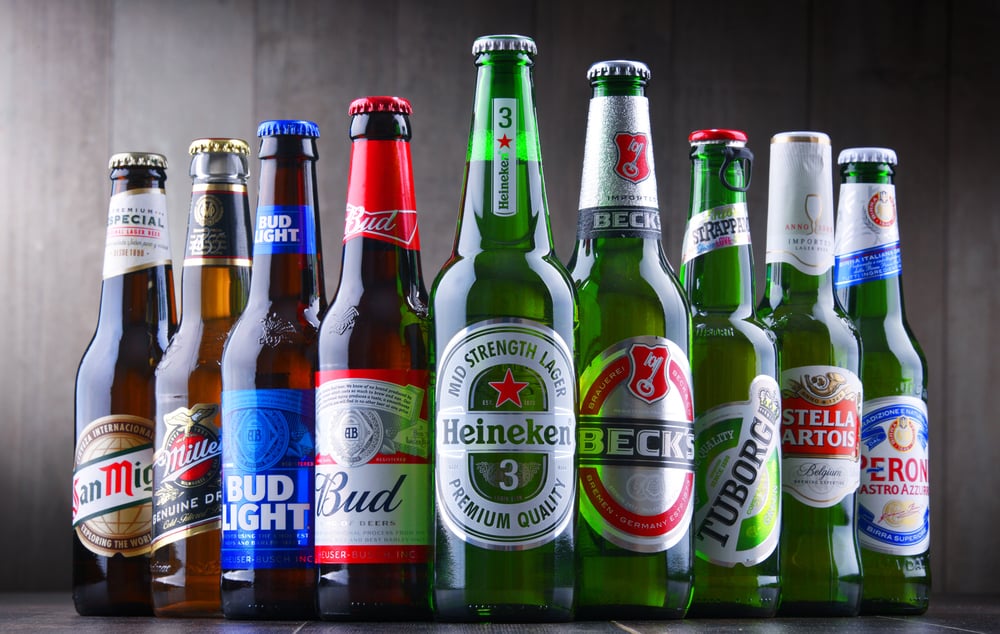
These campaigns demonstrate that sometimes the greatest marketing strength comes not from hiding weaknesses but from embracing them with confidence. By acknowledging their products’ limitations, these brands created authentic connections with consumers tired of exaggerated claims and false promises.
The success of these strategies shows that honesty can be more than just good ethics—it can be brilliant marketing when executed with creativity and conviction. In a world where consumers are increasingly skeptical of advertising messages, there’s something refreshingly powerful about a brand that says, ‘This is who we really are—flaws and all.’
Perhaps that’s the most valuable lesson these campaigns offer: authentic imperfection often resonates more deeply than manufactured perfection.
More from Go2Tutors!

- 18 Unexpectedly Valuable Collectibles You Might Have Lying Around
- 20 Little-Known Historical Battles That Had Huge Consequences
- 20 Historical Artifacts That Scientists Can’t Explain
- 15 Inventions That Were Immediately Banned After Being Created
- 20 Actors Who Were Almost Cast in Iconic Roles
Like Go2Tutors’s content? Follow us on MSN.