14 Foods Invented to Market Completely Unrelated Products
The food world is full of delicious items we enjoy daily without ever considering their unusual origins. Many popular foods weren’t created by chefs obsessed with culinary perfection but by marketers and businesses trying to sell something entirely different.
These edible innovations came about as promotional tactics, byproducts of other industries, or clever solutions to business problems that had nothing to do with gastronomy. Here is a list of 14 foods that were actually invented to market or support completely unrelated products and industries.
Graham Crackers
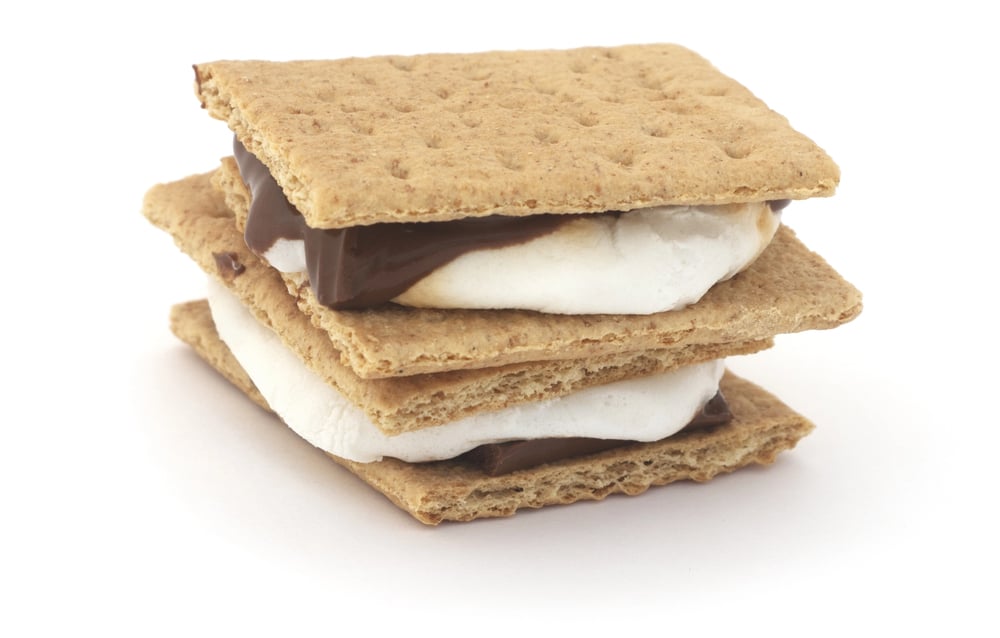
These honey-sweetened crackers were created by Presbyterian minister Sylvester Graham in the 1830s as part of his temperance movement. Graham believed a bland diet would help Americans suppress unwholesome urges and live more virtuous lives.
The original crackers were unsweetened whole wheat squares meant to be part of a strict dietary regimen that included vegetables and limited meat. Today’s versions bear little resemblance to Graham’s austere creation but continue selling remarkably well for something invented as a moral reform tool.
Corn Flakes
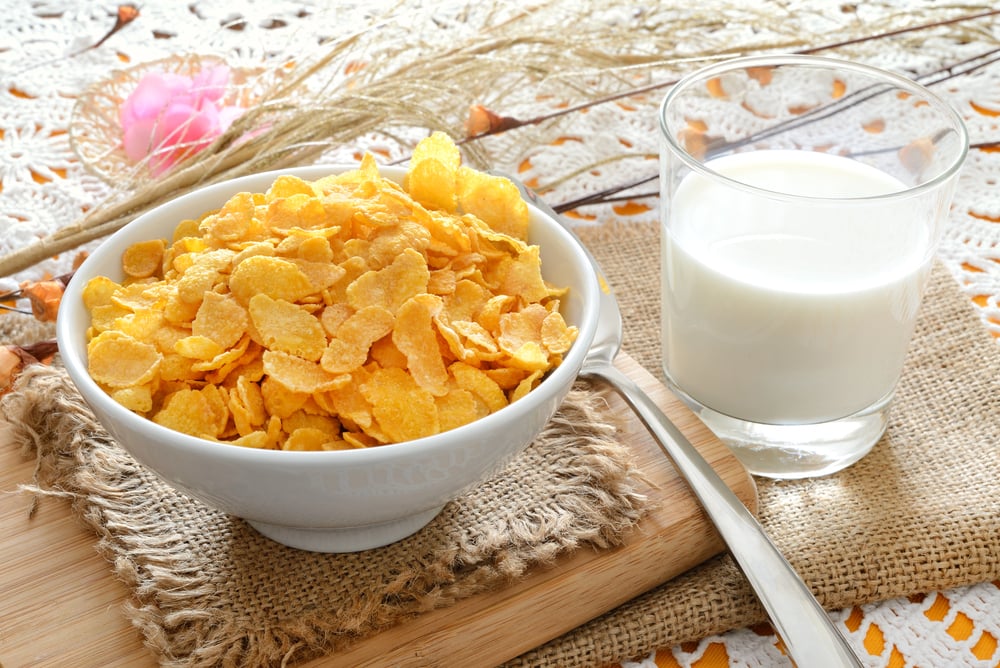
Dr. John Harvey Kellogg developed corn flakes in 1894 at his Battle Creek Sanitarium as a food that would promote health and discourage physical passion. The bland breakfast cereal aligned with his beliefs about dietary restraint and physical purity.
Kellogg’s brother Will later added sugar to the recipe against John’s wishes and founded the Kellogg Company, transforming a sanitarium health food into a breakfast empire that continues dominating grocery shelves worldwide.
Like Go2Tutors’s content? Follow us on MSN.
Baby Ruth Candy Bar
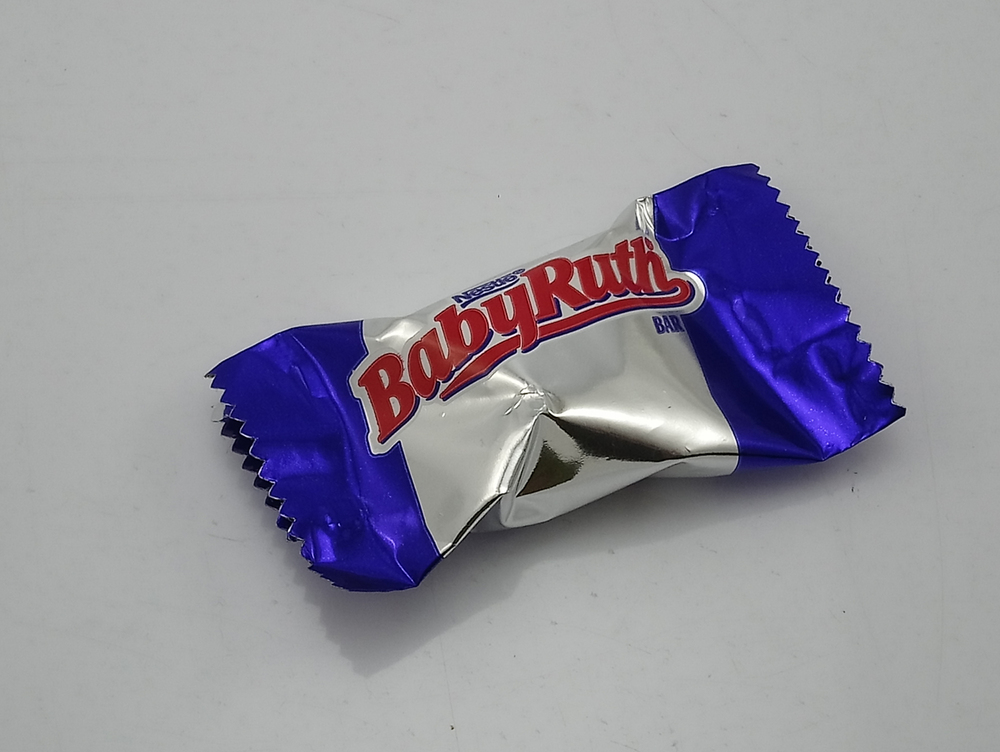
The Curtiss Candy Company created this chocolate bar in 1921, naming it to capitalize on baseball legend Babe Ruth’s fame without paying royalties. By claiming it was named after President Grover Cleveland’s daughter Ruth, they avoided legal issues while still benefiting from the baseball star’s popularity.
The strategic naming helped the candy bar become an American favorite despite having absolutely nothing to do with any Ruth. This clever marketing maneuver demonstrates how food can be used to leverage cultural phenomena without direct associations.
Popsicles
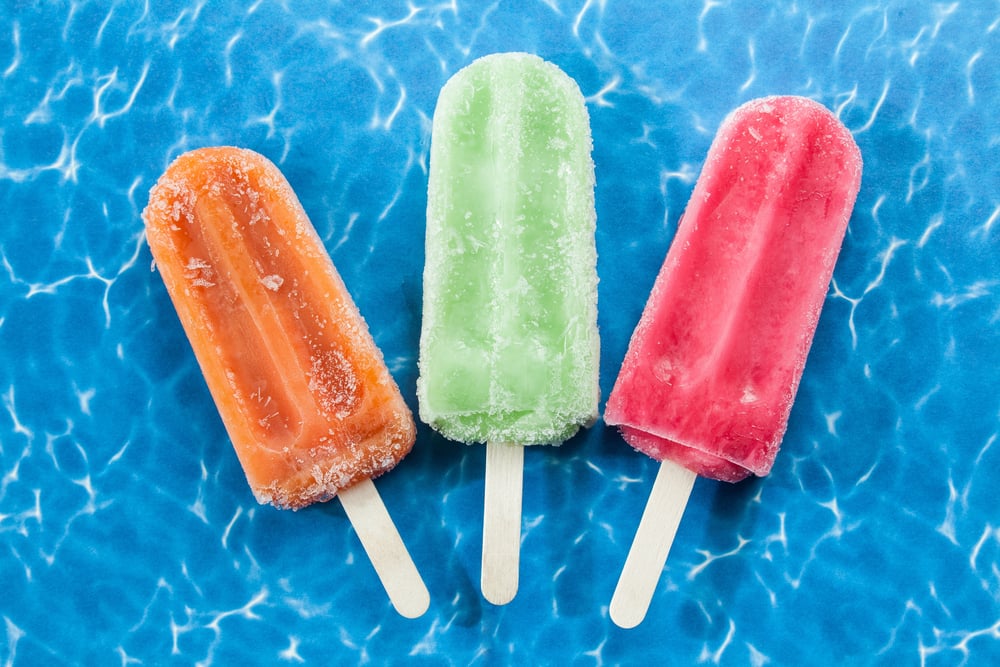
These frozen treats were accidentally invented in 1905 by 11-year-old Frank Epperson when he left a cup of soda with a mixing stick on his porch overnight during freezing weather. Years later in 1923, Epperson realized the commercial potential and began producing his ‘Epsicles’ which his own children nicknamed ‘Pop’s sicles.’
The frozen novelty wasn’t created to sell soda initially but quickly became a vehicle for fruit-flavored beverages and a profitable way for beverage companies to expand their product lines.
Spam
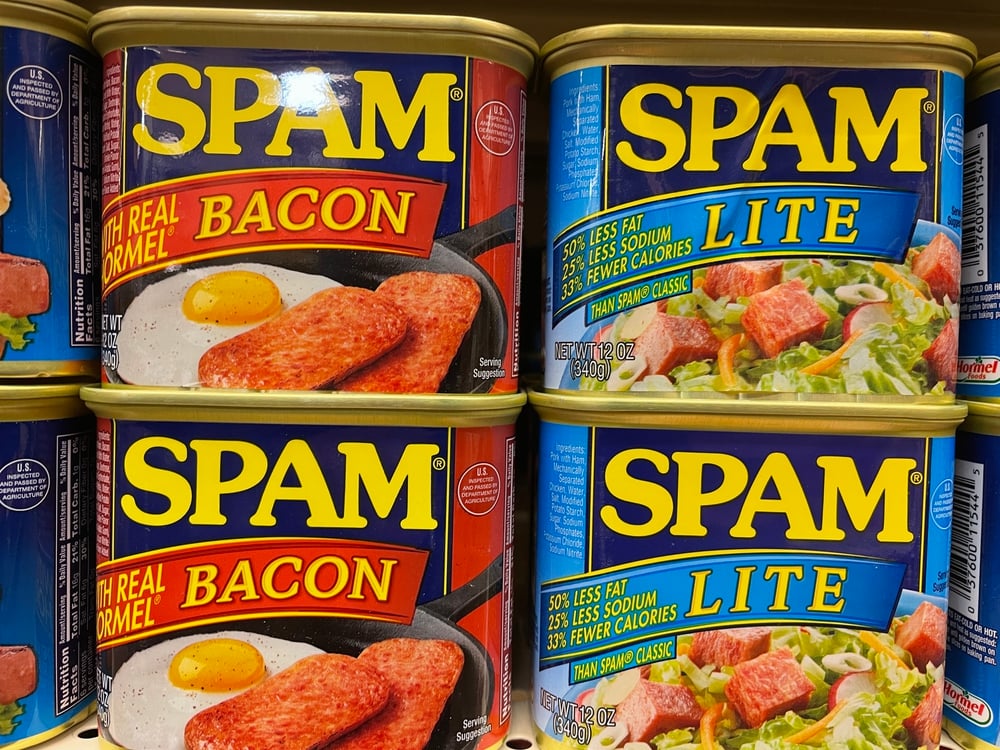
Hormel Foods introduced Spam in 1937 as a solution to utilize pork shoulder, a cut that wasn’t selling well in its unprocessed form. The canned meat product helped the company reduce waste and increase profits from underutilized parts of the pig.
During World War II, Spam became essential for feeding Allied troops and gained international popularity that continues today, especially in places like Hawaii, Guam, and South Korea. A simple solution to a meat surplus transformed into a global food phenomenon with its own museum and festivals.
Like Go2Tutors’s content? Follow us on MSN.
TV Dinners
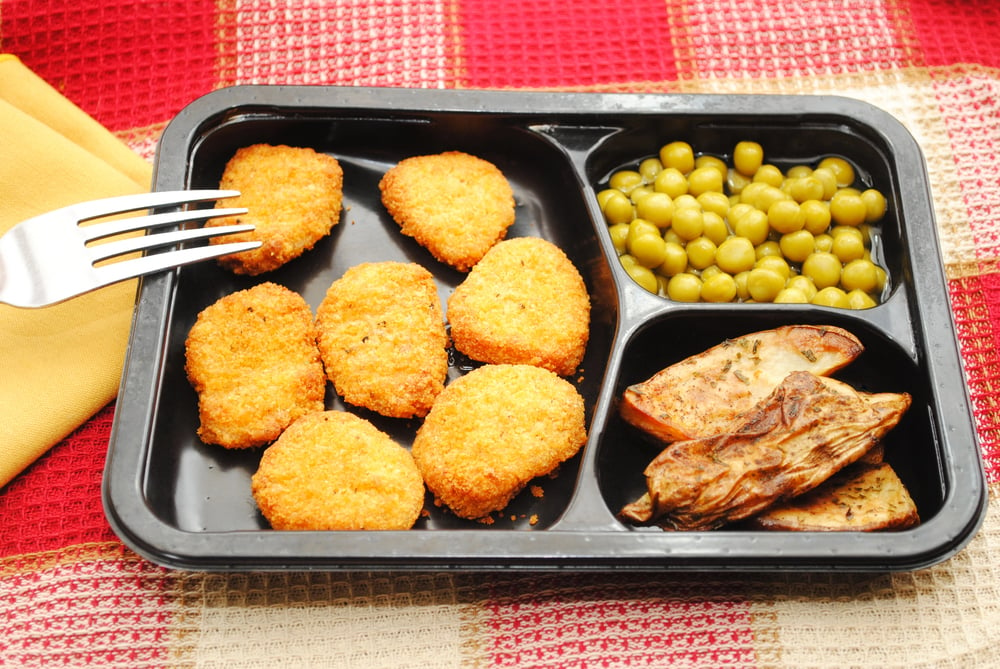
Swanson created the first TV dinners in 1953 when the company needed to find a use for 260 tons of leftover Thanksgiving turkey. An inspired employee suggested packaging the meat with sides in compartmentalized trays similar to airline meals.
The company marketed them as convenient meals to enjoy while watching television programs, creating an entirely new category of frozen foods. This creative solution to excess inventory changed American dining habits and created a multi-billion-dollar industry of convenient frozen meals.
Ranch Dressing
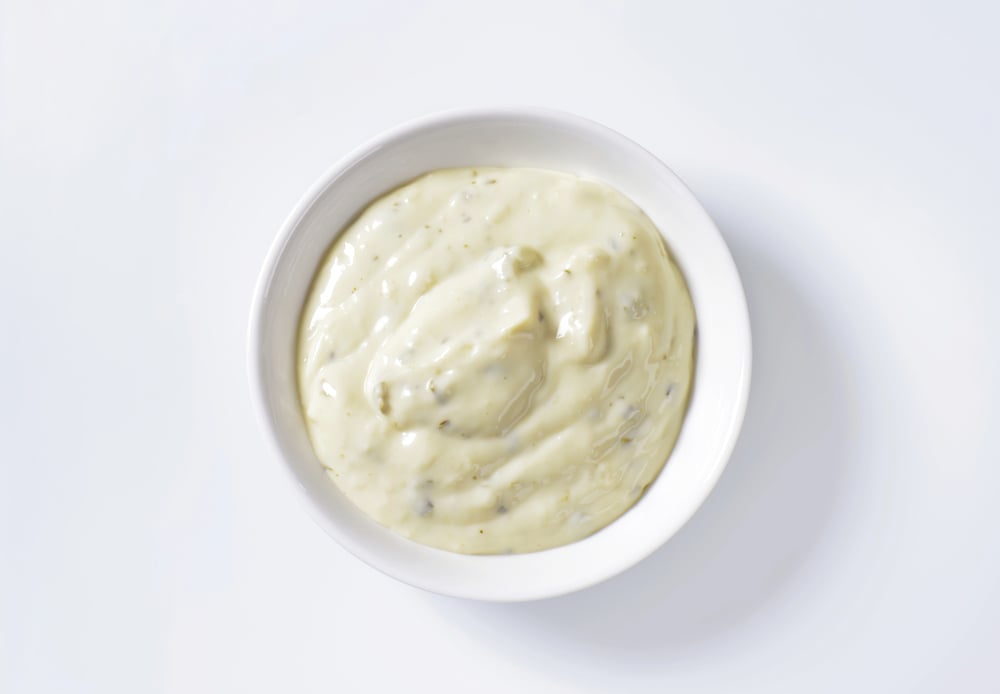
Steve Henson developed ranch dressing while working as a plumbing contractor in Alaska during the 1950s. He later opened Hidden Valley Ranch near Santa Barbara, where the dressing was used to entice guests to stay at the dude ranch.
Visitors loved the dressing so much they requested bottles to take home, leading Henson to create a mail-order business for the seasoning packets. The dressing that started as a way to attract ranch guests eventually became America’s most popular salad dressing, outperforming the hospitality business it was created to support.
Bubble Gum
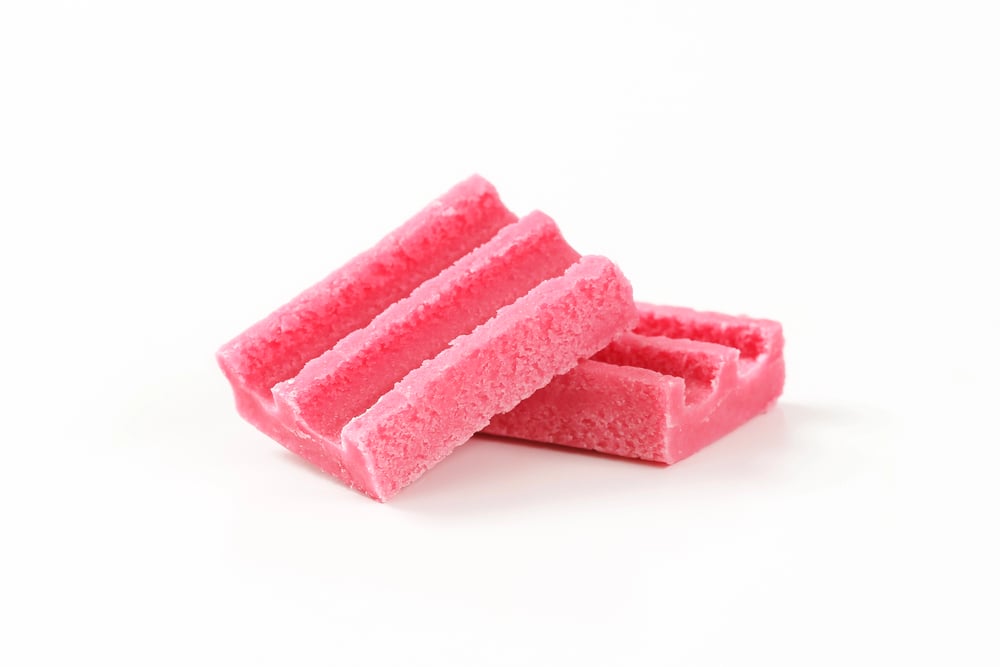
Accountant Walter Diemer accidentally invented bubble gum in 1928 while experimenting with recipes at the Fleer Chewing Gum Company. Diemer was actually working on a new regular gum formula when he stumbled upon a mixture that was less sticky and more stretchable than normal gum.
The company packaged it as ‘Dubble Bubble’ and handed out free samples to demonstrate the bubbles, creating an instant hit. An accounting employee’s side project created an entirely new category of confectionery products that would captivate children for generations.
Like Go2Tutors’s content? Follow us on MSN.
Orange Juice as Breakfast Staple
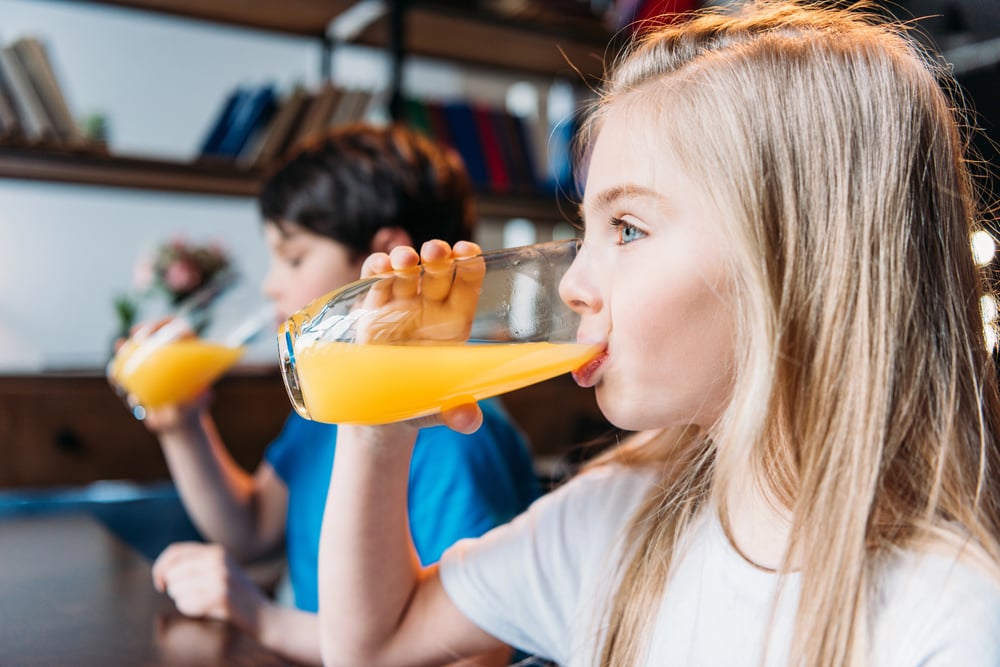
While orange juice existed before, its status as an essential breakfast beverage was largely created by orange growers facing a surplus in the 1920s. Advertising executive Albert Lasker worked with the California Fruit Growers Exchange to promote drinking orange juice rather than just eating oranges.
The campaign transformed Americans’ breakfast habits and helped establish Sunkist as a household brand. A solution to excess fruit became a morning ritual through clever marketing positioning juice as a health necessity.
Tater Tots
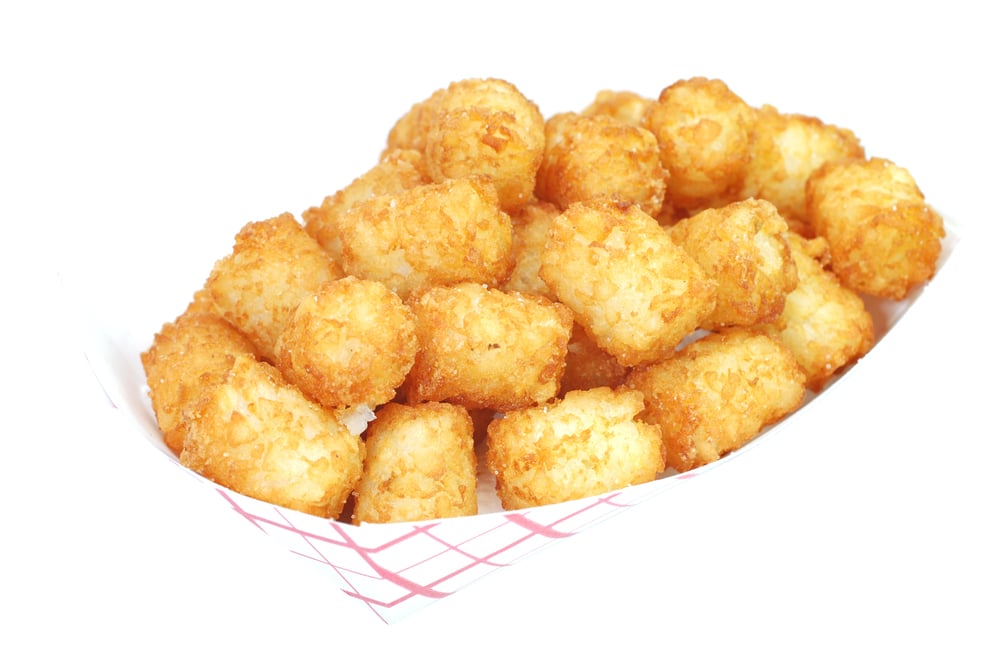
Ore-Ida founders created Tater Tots in 1953 to utilize potato scraps left over from frozen french fry production. The company was looking for ways to reduce waste and increase profits from their existing potato processing operations.
They chopped up the potato slivers, added flour and seasoning, then shaped them into small cylinders. A brilliant solution to food waste became one of America’s favorite side dishes and a cultural icon in its own right, showing how commercial necessity often drives culinary innovation.
Twinkies
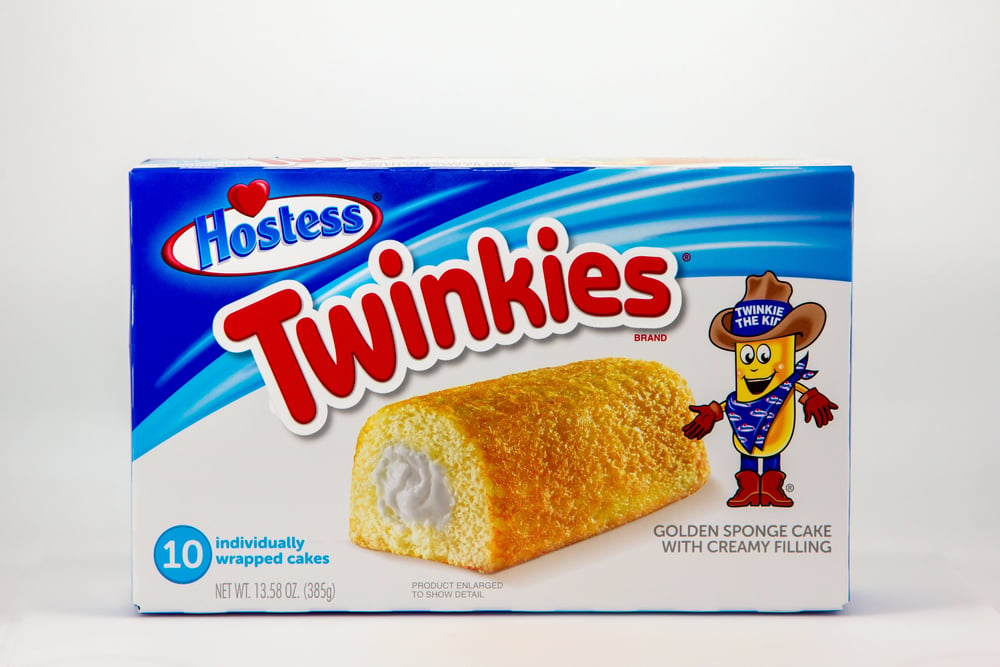
Baker James Dewar created Twinkies in 1930 for Continental Baking Company, which needed to utilize idle shortcake pans during the strawberry off-season. The company had specialized equipment sitting unused when strawberries weren’t available for their primary product.
Dewar filled the cakes with banana cream (later switched to vanilla during World War II banana rationing) and named them after a billboard for ‘Twinkle Toe Shoes.’ A seasonal equipment solution became an enduring snack cake phenomenon that has survived bankruptcy and changing food trends.
Like Go2Tutors’s content? Follow us on MSN.
Cheese Puffs
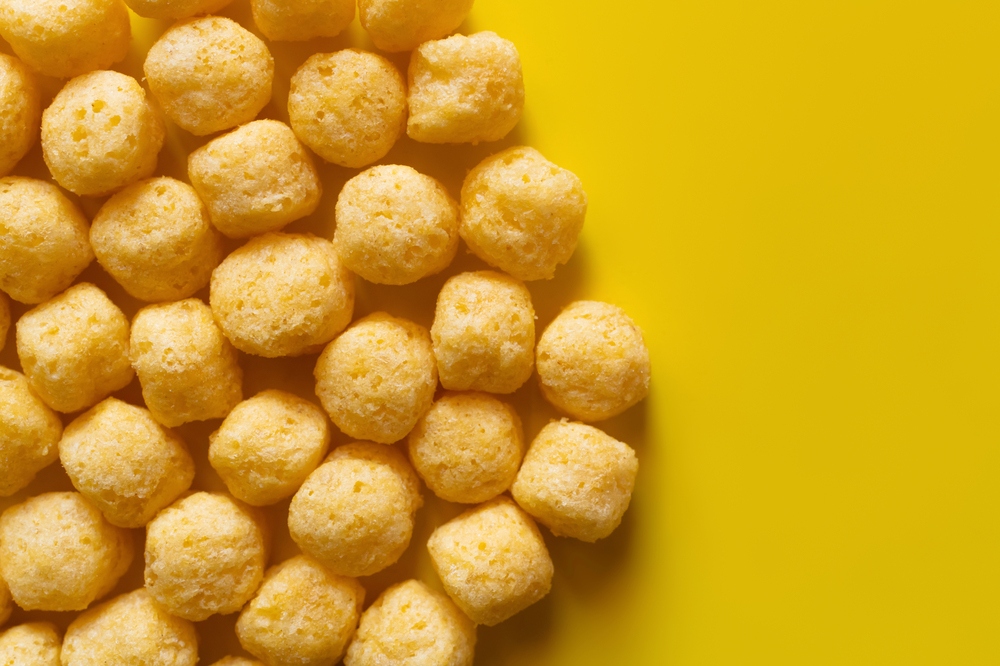
Cheese puffs were accidentally invented in the 1930s by the Flakall Company, which produced feed for animals. A worker noticed that moistened corn kernels puffed up when forced through the company’s machines and decided to flavor them as a snack.
The animal feed manufacturing equipment created an unexpected texture that became the foundation for multiple snack brands including Cheetos. An industrial byproduct of animal feed production transformed into one of America’s favorite snack categories through entrepreneurial thinking.
Girl Scout Cookies
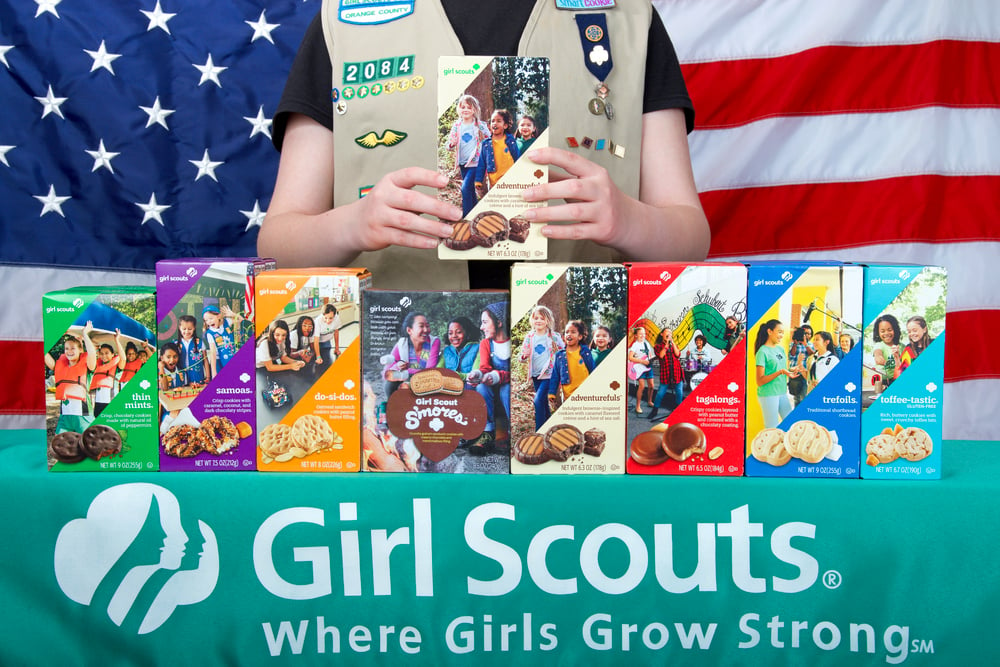
Girl Scout cookies began in 1917 when a troop in Oklahoma baked cookies as a service project to fund their activities. The national organization recognized the potential and formalized cookie sales in 1936, creating a direct marketing program that taught business skills while raising funds.
The cookies themselves were a vehicle for developing young entrepreneurs and supporting girl-focused programs, not primarily a food innovation. The seasonal treat that many Americans look forward to annually exists specifically to support youth development programs.
Worcestershire Sauce
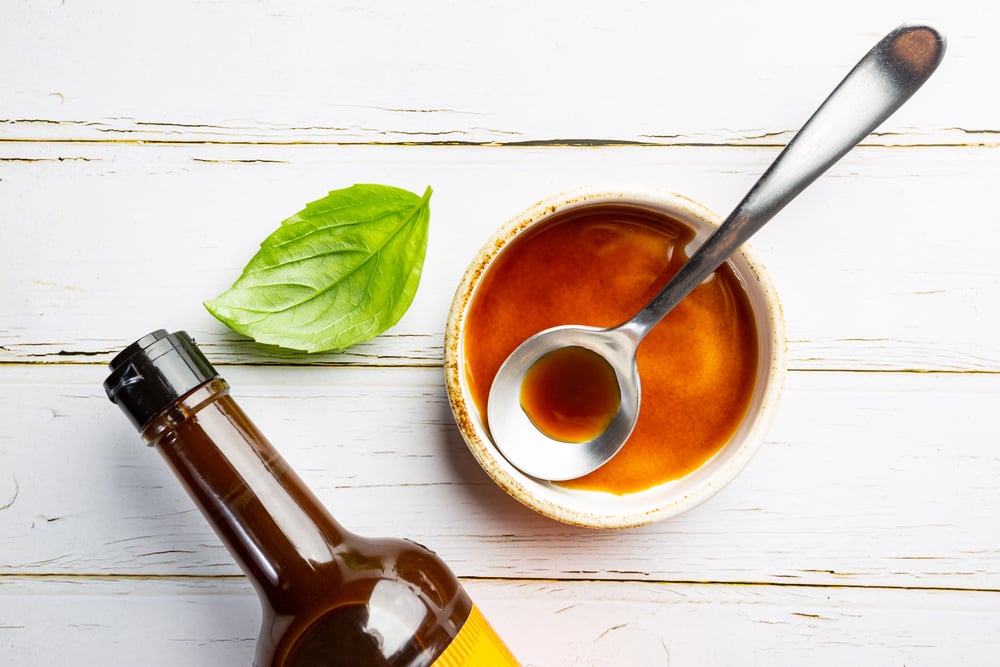
This distinctive condiment was created when Lord Sandys commissioned chemists John Lea and William Perrins to recreate a sauce he had enjoyed in India. Their first attempt was considered a failure and was stored in a cellar.
Years later, they rediscovered the fermented mixture and found it had transformed into something delicious. The sauce was originally marketed as a way to make colonial foods taste more like British cuisine for those returning from abroad.
An attempt to satisfy nostalgic expatriates resulted in a global condiment that enhances everything from bloody marys to marinades.
Like Go2Tutors’s content? Follow us on MSN.
From Problem Solutions to Pantry Staples
These foods demonstrate how necessity, surplus materials, and marketing opportunities drive culinary innovation far more often than pure gastronomic inspiration. From moral crusades to equipment utilization, these origin stories show that some of our favorite foods exist not because someone wanted to create something delicious but because of business needs and marketing strategies.
The next time you enjoy these familiar treats, consider their surprising journeys from problem-solving solutions to beloved staples on grocery shelves worldwide. Food history reminds us that innovation often comes from unexpected places when creative minds face commercial challenges.
More from Go2Tutors!

- 18 Unexpectedly Valuable Collectibles You Might Have Lying Around
- 20 Little-Known Historical Battles That Had Huge Consequences
- 20 Historical Artifacts That Scientists Can’t Explain
- 15 Inventions That Were Immediately Banned After Being Created
- 20 Actors Who Were Almost Cast in Iconic Roles
Like Go2Tutors’s content? Follow us on MSN.