19 Natural Landmarks That Are Actually Smaller Than You Think
In photos and movies, many well-known natural wonders seem enormous, setting up expectations of grandeur that don’t always align with reality. These landmarks frequently appear more impressive than they actually are due to the wide-lens photography, camera angles, and well-framed images. When visiting these renowned locations, visitors are often taken aback to find that, although still magnificent, they take up less space than they had expected.
These 19 natural landmarks may be smaller than you might have thought, demonstrating that when it comes to natural beauty, size isn’t always a factor.
Plymouth Rock
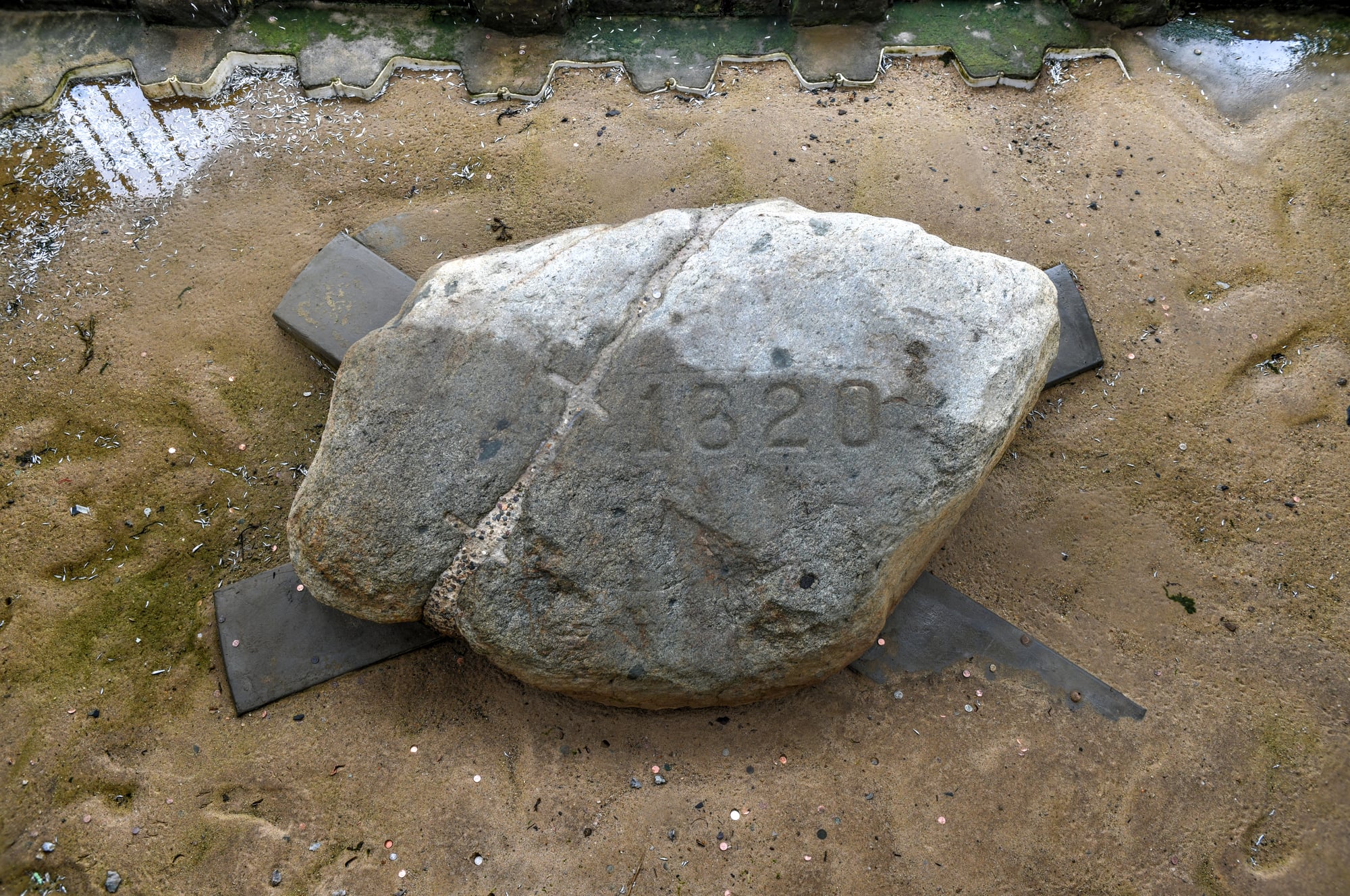
Measuring only 4 feet by 6 feet, this historic boulder marks the alleged landing place of the Pilgrims in 1620. The small rock, which is shaded by granite, frequently lets down first-time tourists who were hoping for something larger.
Instead of being the enormous boulder that many people envision from history books, it is roughly the size of a coffee table.
Stonehenge
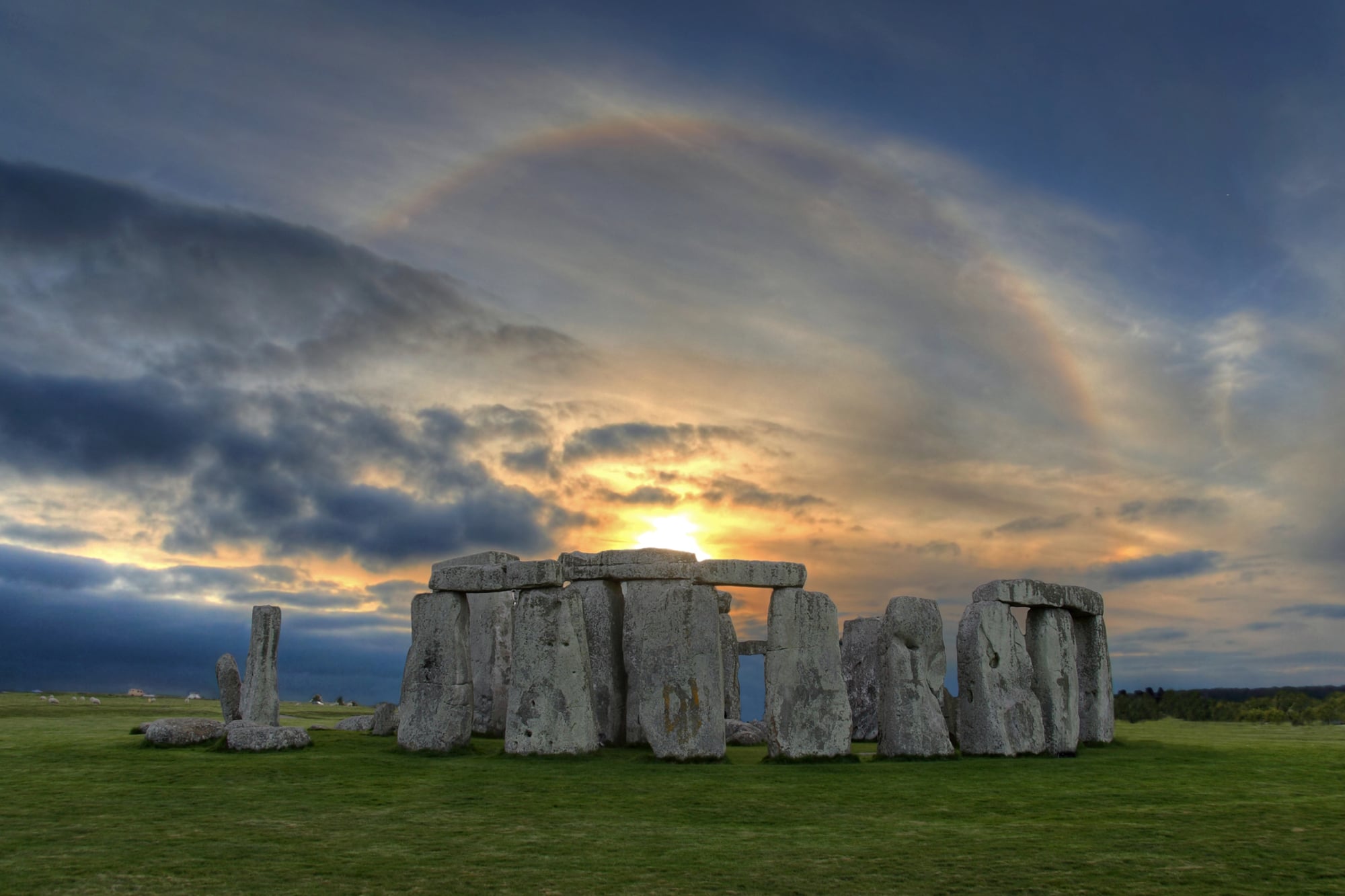
Though certainly remarkable for its building and historical relevance, Stonehenge isn’t the great megalith many anticipate. The whole circle is only 108 feet across and the tallest stones are only around 13 feet above ground.
Many guests are shocked to discover they can go around the whole prehistoric monument in just ten minutes.
Like Go2Tutors’s content? Follow us on MSN.
Crater Lake
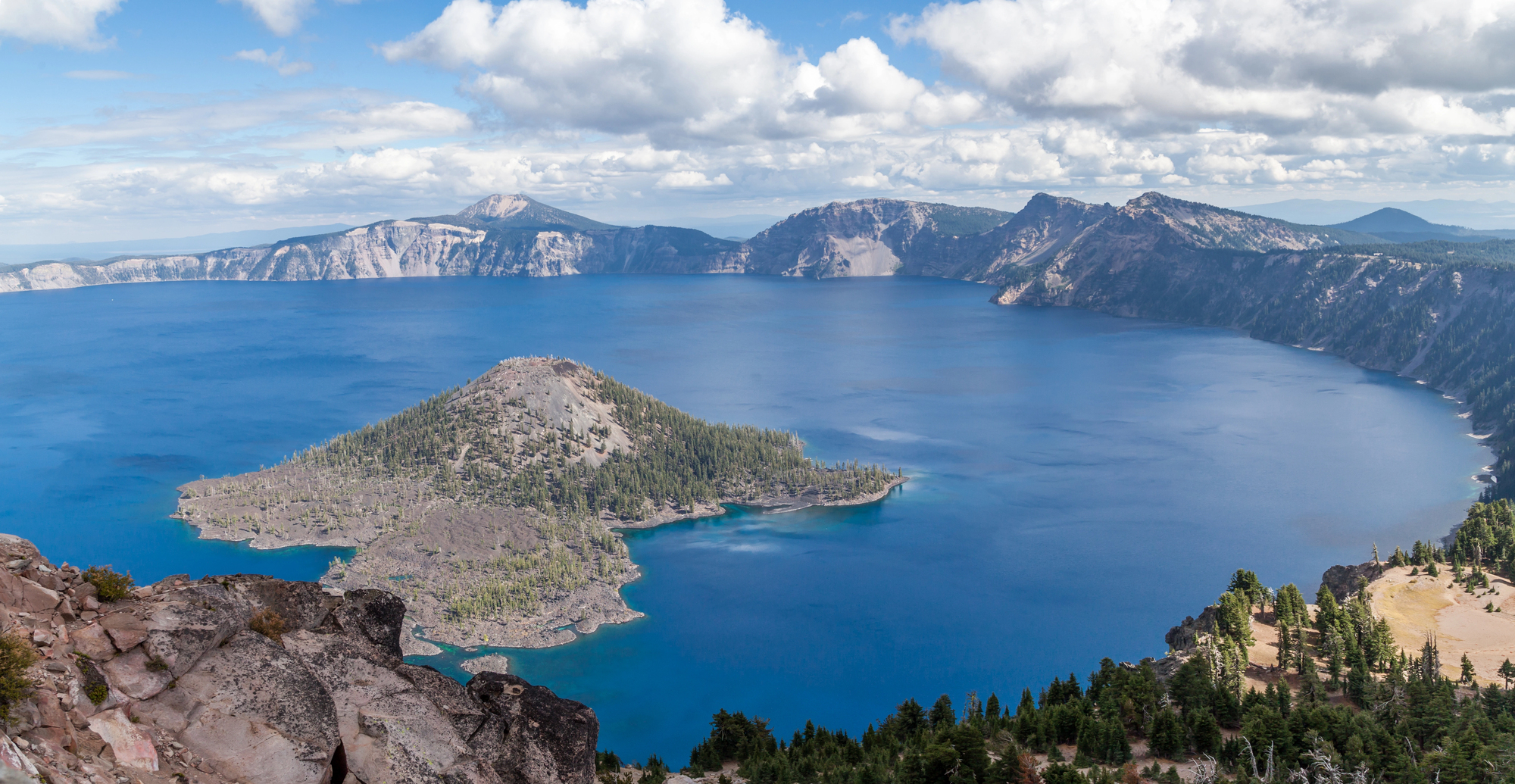
At 1,943 feet, Crater Lake in Oregon is the deepest lake in the United States, yet because of its almost circular form, it looks smaller than it actually is. The experience is intimate rather than overwhelming because the lake is only 6 miles across.
As it is completely framed within the walls of the caldera, its small size actually adds to its jewel-like blue look.
Mount Rushmore
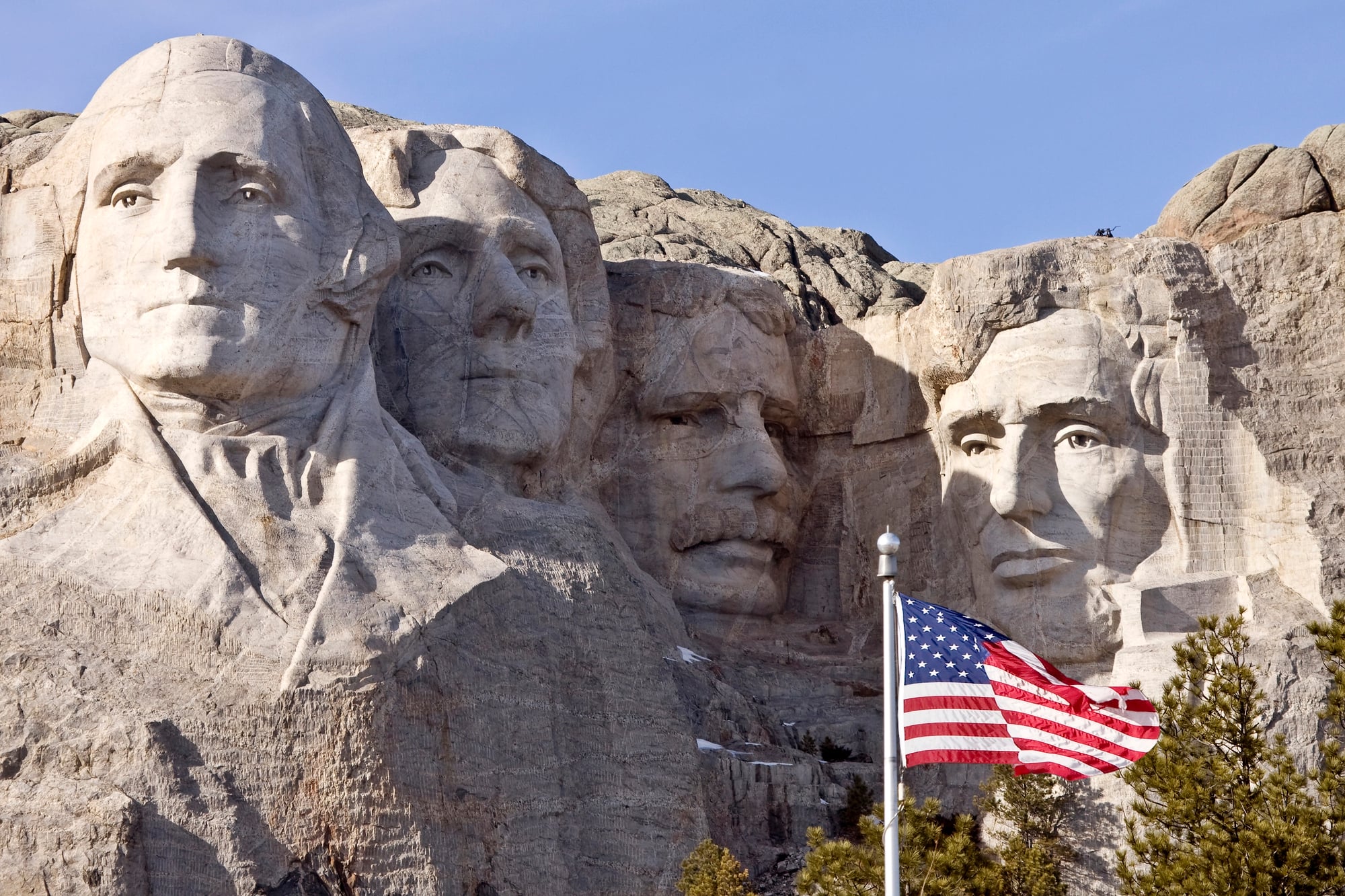
The presidential faces carved into Mount Rushmore measure approximately 60 feet high—impressive but smaller than many visitors anticipate. From the main viewing platform, they appear about the size of a thumb held at arm’s length.
Most tourists expect a more commanding presence after seeing the monument in movies and photographs that use perspective tricks.
Little Mermaid Statue
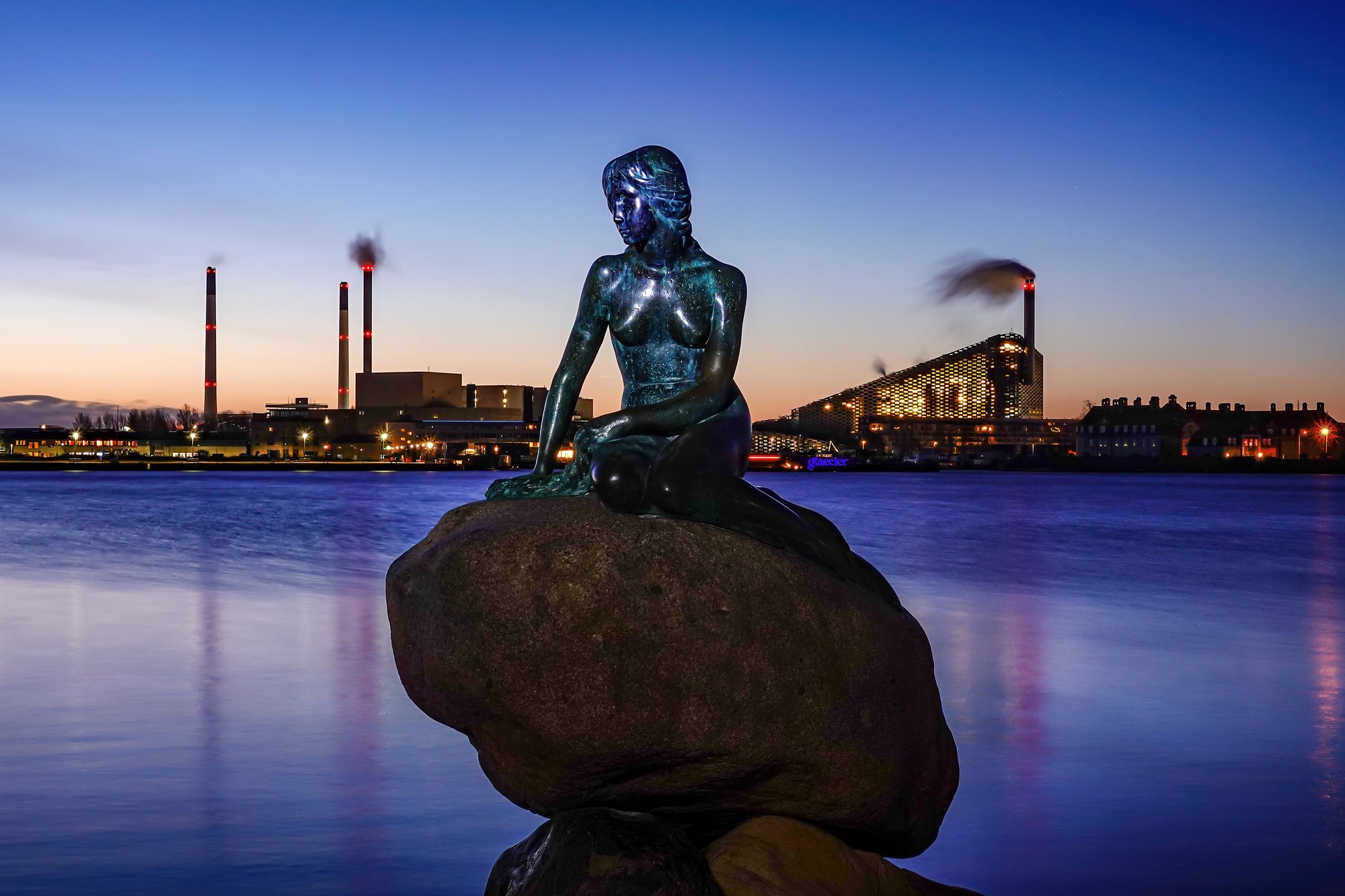
Copenhagen’s famous Little Mermaid statue lives up to its name, standing just 4 feet tall on her rock by the harbor. First-time visitors often walk right past her, looking for a more substantial monument.
The diminutive bronze figure, inspired by Hans Christian Andersen’s fairy tale, draws over a million visitors annually despite her modest stature.
Like Go2Tutors’s content? Follow us on MSN.
Cliffs of Moher
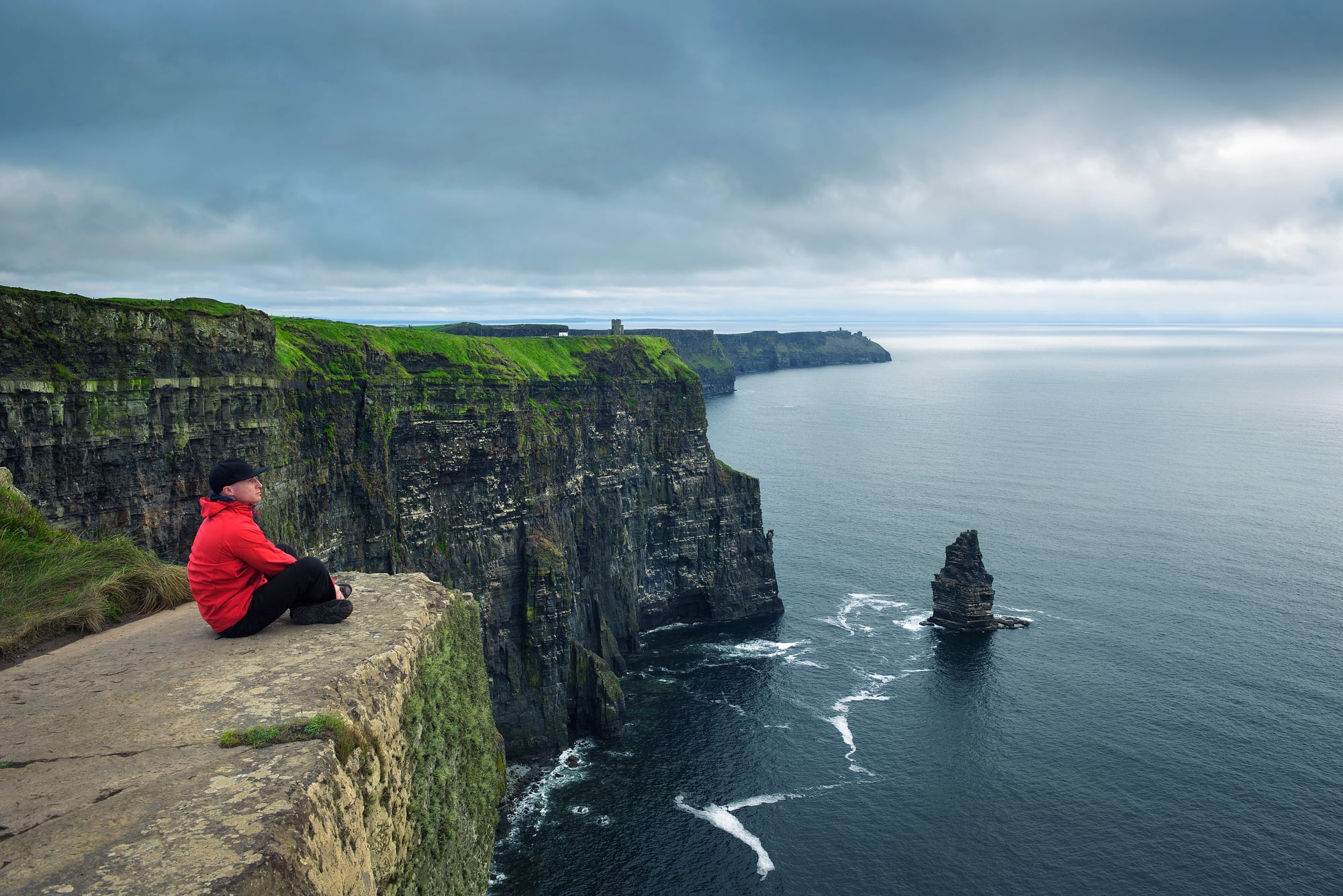
While still spectacular, Ireland’s Cliffs of Moher reach a maximum height of 702 feet—impressive but not as towering as many expect after seeing them featured in films like ‘The Princess Bride’ and ‘Harry Potter.’ The cliffs extend for about 8 miles, creating a sense of grandeur through their length rather than their height.
Their dramatic drop directly into the Atlantic Ocean compensates for any height misconceptions.
Old Faithful Geyser
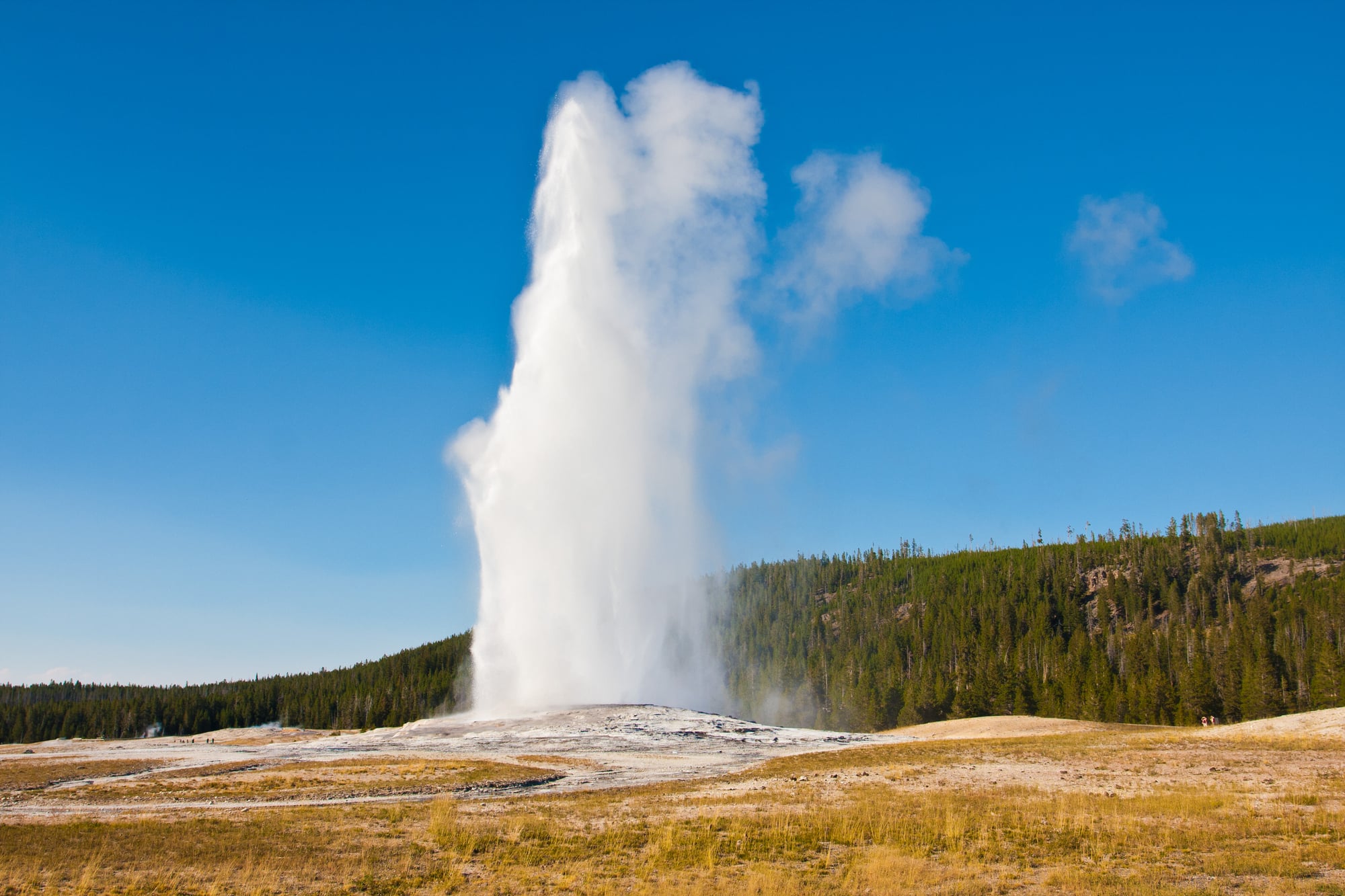
Yellowstone’s famous geyser erupts to heights between 106-185 feet, lasting between 1.5 and 5 minutes. While remarkable, many visitors expect a higher, longer-lasting eruption based on documentaries and photographs.
The geyser’s footprint is surprisingly compact, occupying a space not much larger than a tennis court at its base.
The Sphinx
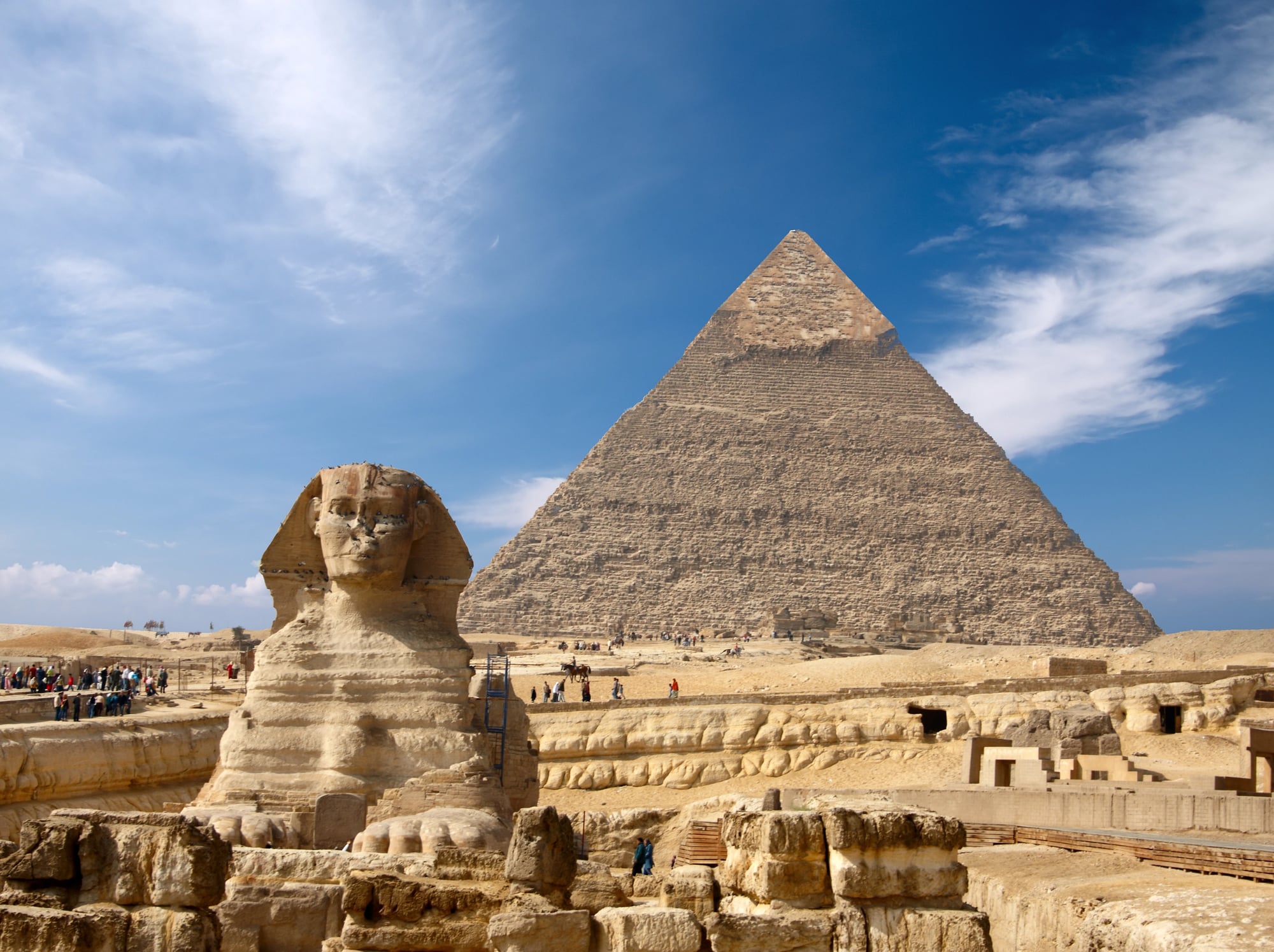
Egypt’s enigmatic Sphinx stands just 66 feet tall and 240 feet long—substantial but smaller than most imagine. Many visitors arrive expecting a towering monument and instead find a statue that, while beautiful, could fit comfortably in a small parking lot.
Centuries of weathering have further reduced its original dimensions.
Like Go2Tutors’s content? Follow us on MSN.
Thor’s Well
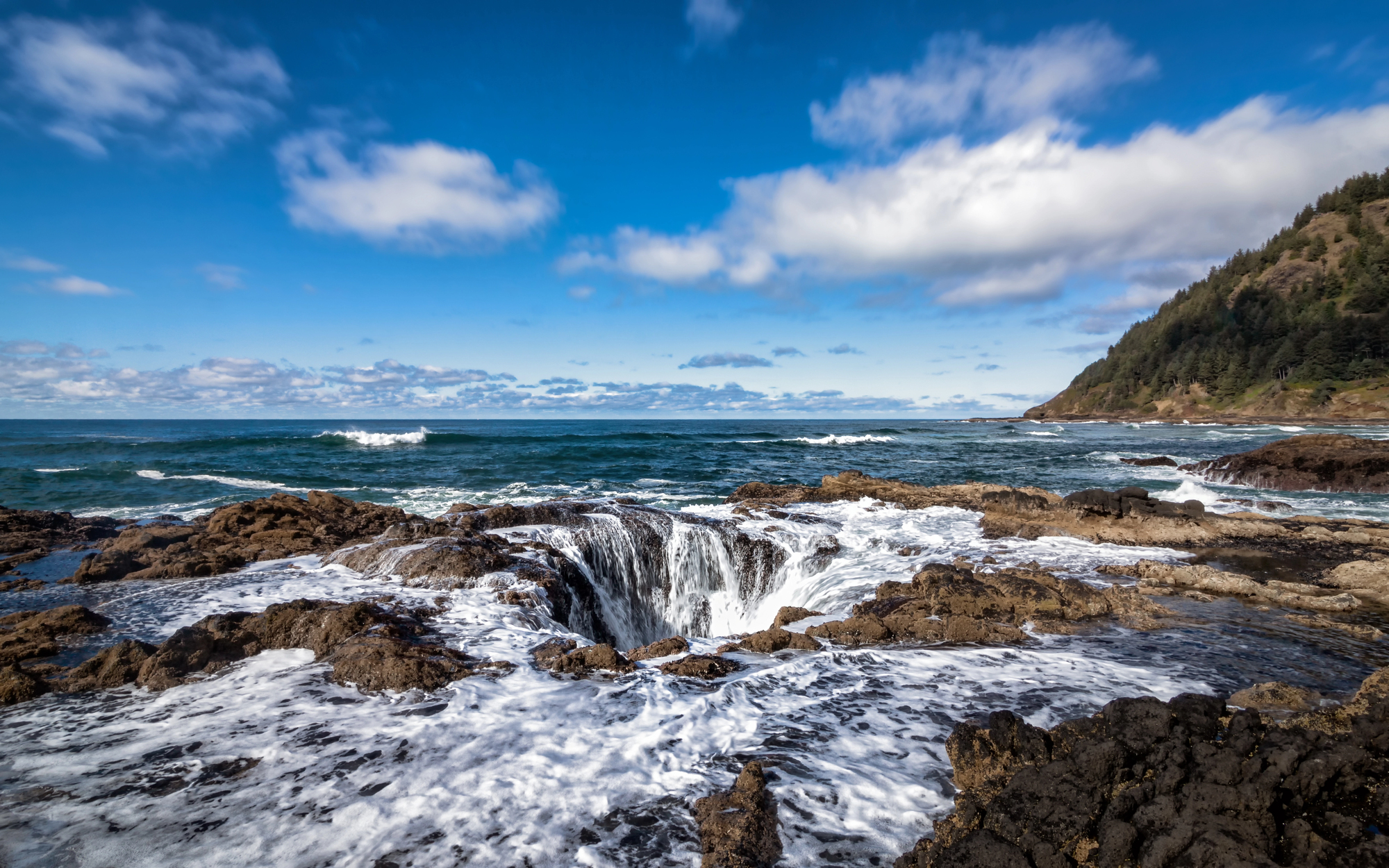
This famous ‘sinkhole of the Pacific’ off Oregon’s coast appears bottomless in photographs but actually measures only about 20 feet deep. During high tide, waves create a dramatic effect as water appears to drain endlessly into the earth.
The opening itself is roughly the size of a car tire, making it even more remarkable that such a small feature has become an iconic coastal attraction.
Manneken Pis
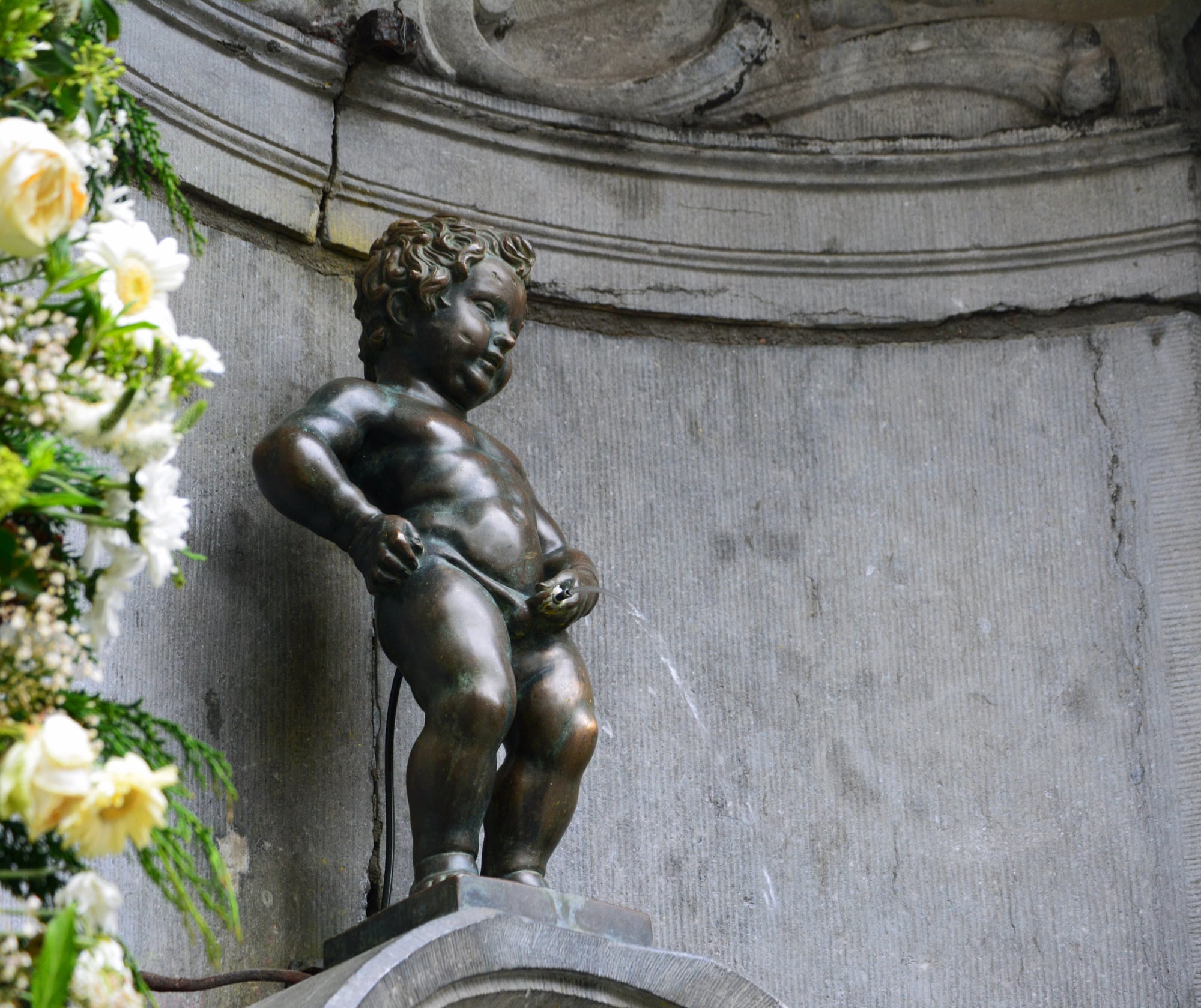
Brussels’ famous statue of a urinating boy stands at just 24 inches tall, shocking many tourists who’ve traveled specifically to see it. The tiny 17th-century bronze figure sits on a fountain in the city center, often surrounded by crowds much larger than the statue itself.
Its cultural significance far outweighs its physical dimensions.
Delicate Arch
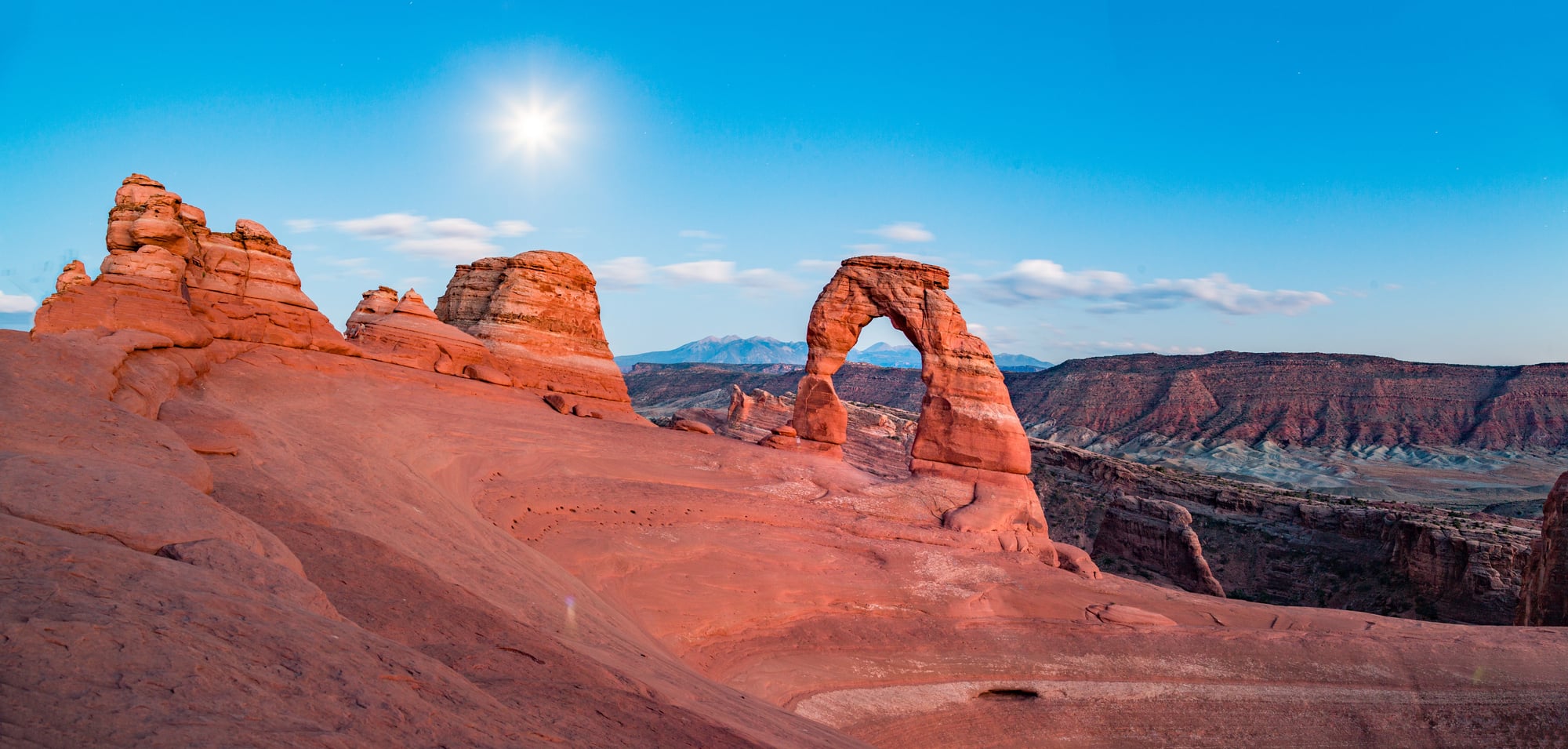
Utah’s most famous natural arch, featured on license plates and countless photographs, spans 46 feet high and 32 feet wide—impressive but smaller than many expect. When viewed against the vast landscape surrounding it, the arch appears modest rather than imposing.
Its precarious, balanced form makes it remarkable regardless of size.
Like Go2Tutors’s content? Follow us on MSN.
Owen’s Lake
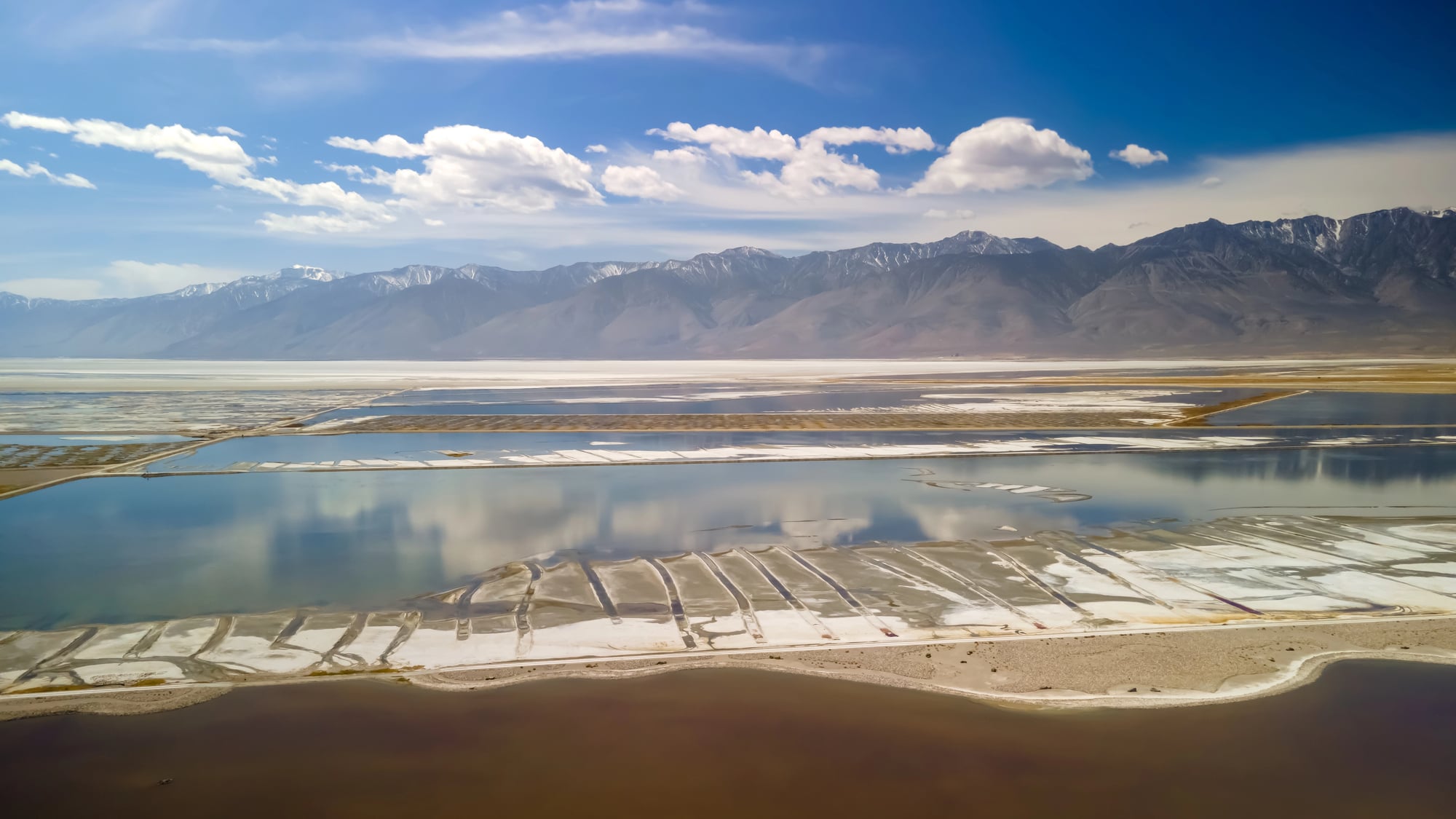
Once spanning 108 square miles in California, Owen’s Lake is now mostly dry after its water was diverted to Los Angeles. The remnant measures less than a third of its original size, appearing as little more than a large puddle in some seasons.
What visitors see today is significantly smaller than what appears on most maps.
Fairy Pools
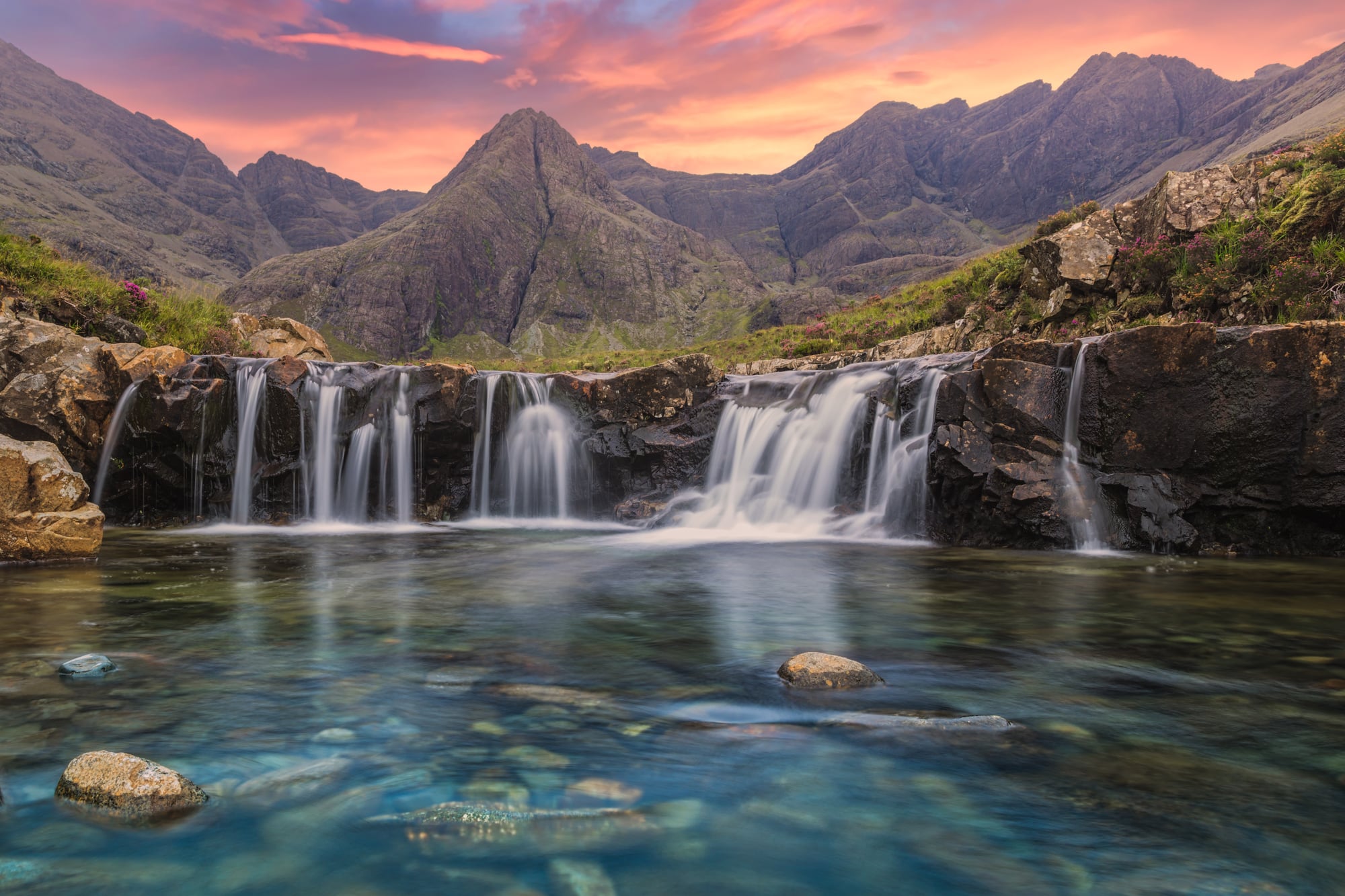
Famous on Instagram, Scotland’s Fairy Pools have clear blue water that seems vast in pictures. Most of the pools are the size of tiny home ponds in actuality; the largest are about 20 feet across.
Their extraordinary hue and clarity, not their size, give them a magical look.
Marble Cathedral
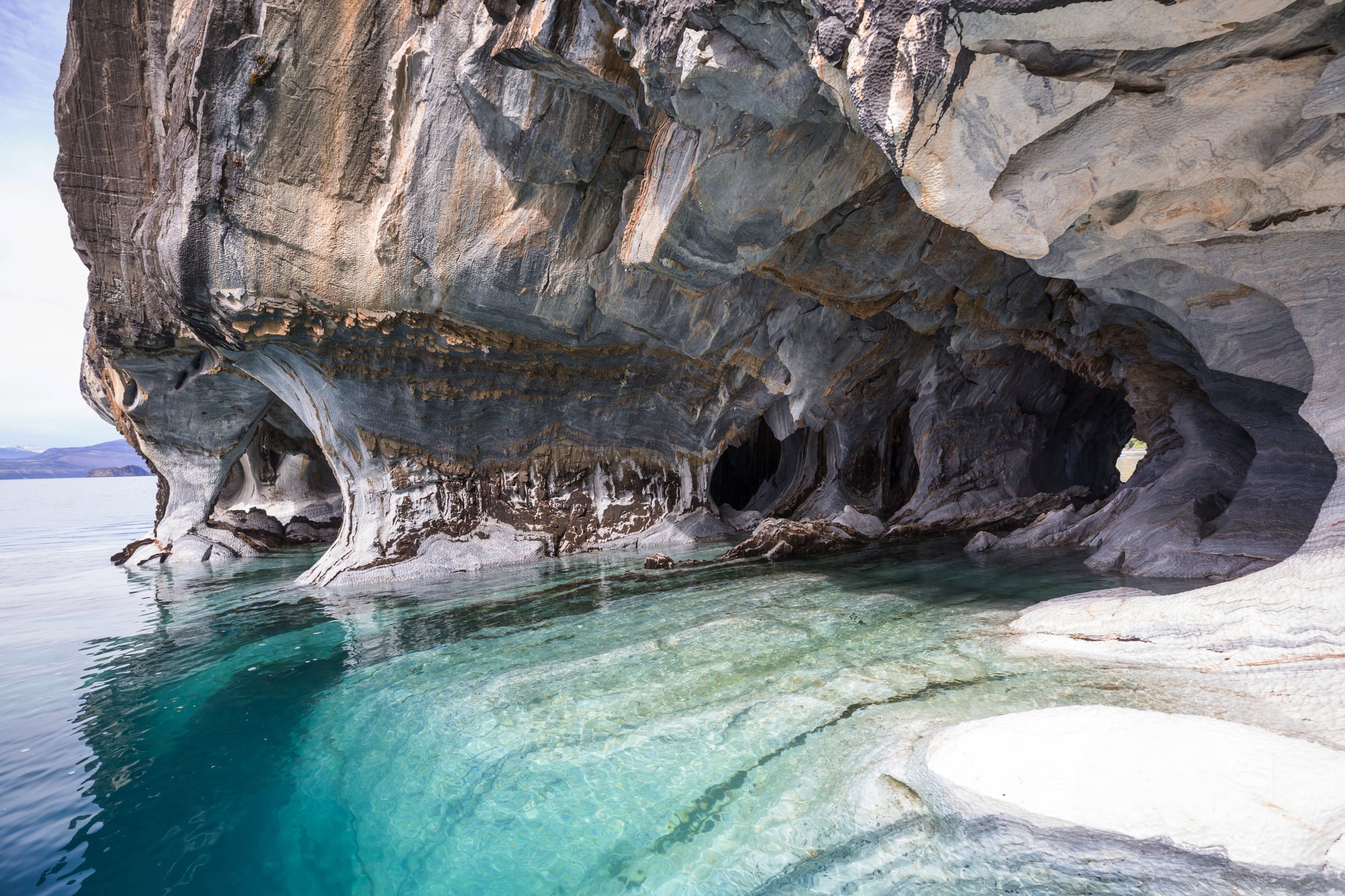
Chile’s stunning Marble Cathedral appears in photographs to be a massive cave system, but the main chamber is roughly the size of a small living room. The extraordinary blue water reflections and swirling marble patterns create an illusion of endless space.
Visitors can explore the majority of the accessible formations in less than 30 minutes.
Like Go2Tutors’s content? Follow us on MSN.
Four Corners Monument
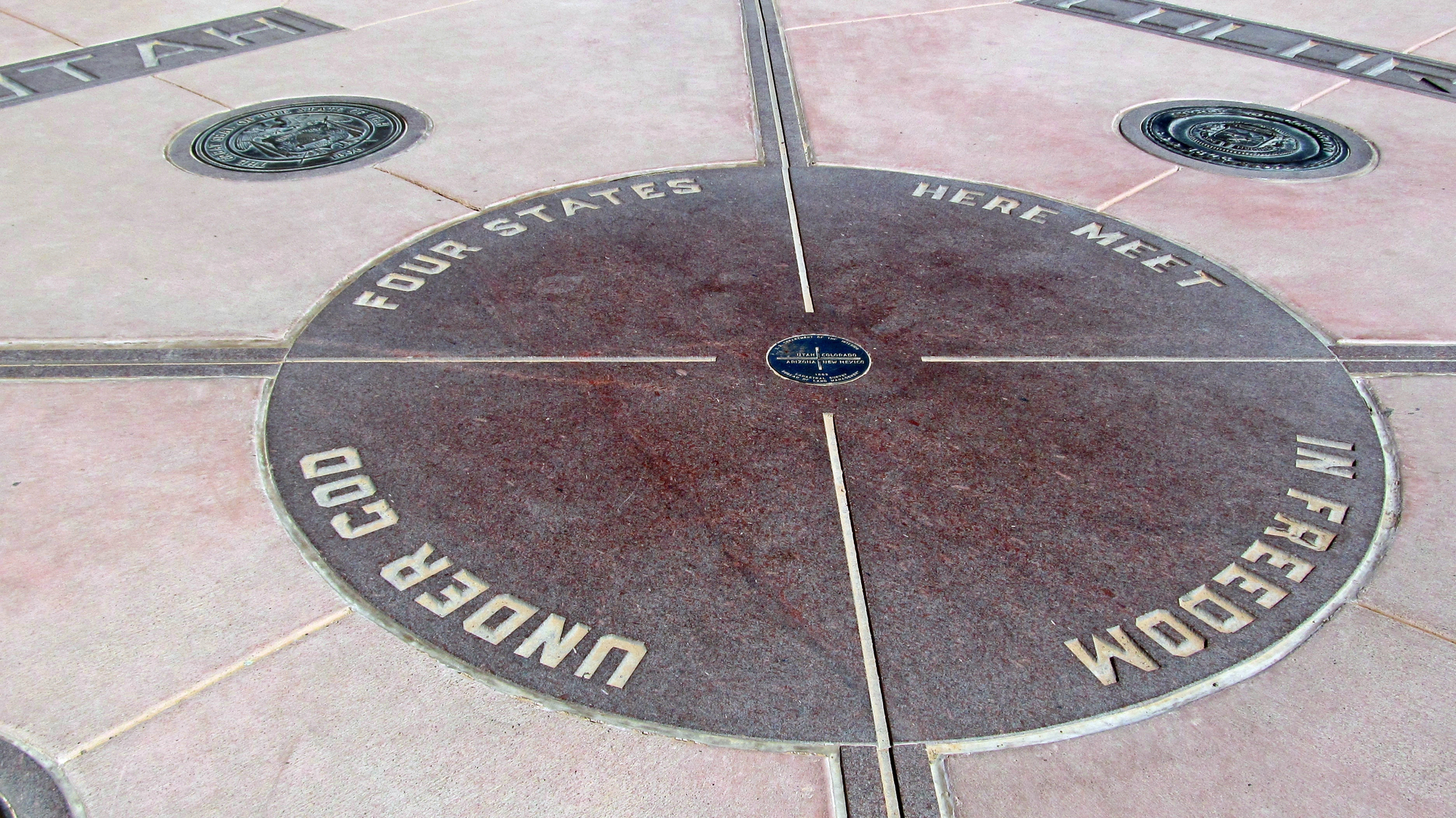
The only point where four U.S. states meet (Arizona, New Mexico, Utah, and Colorado) is marked by a simple medallion measuring about two feet across. The surrounding plaza is modest, and the entire monument occupies less space than a basketball court.
Most visitors spend just a few minutes taking photos while standing in four states at once.
Silfra Fissure
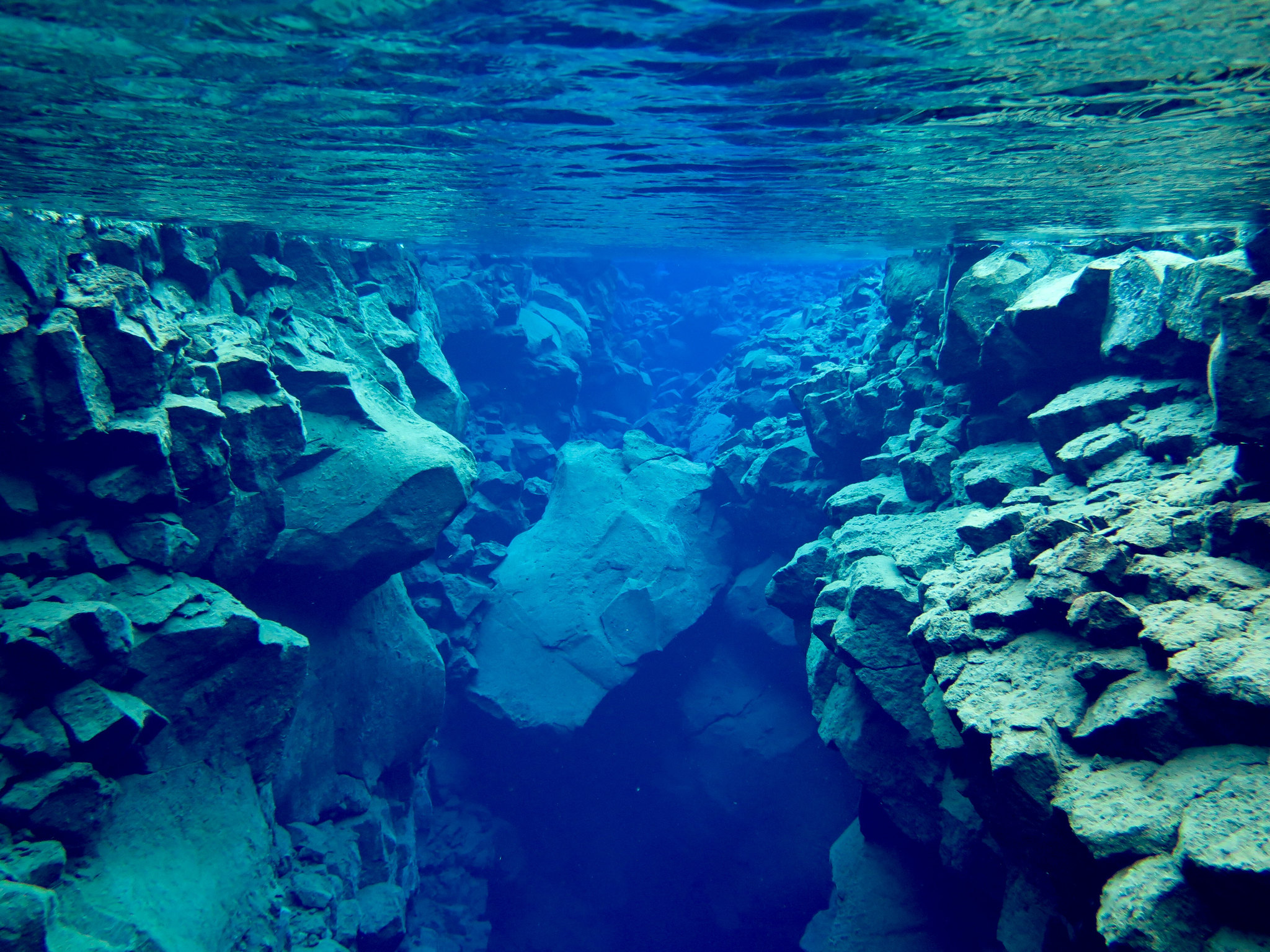
Iceland’s famous underwater crack between tectonic plates measures just 7-25 feet wide, depending on the section. Snorkelers and divers expect a massive chasm based on its geological significance but instead find a navigable channel that, while beautiful, is narrow enough to touch both continental plates simultaneously in some spots.
Pfeiffer Beach Purple Sand
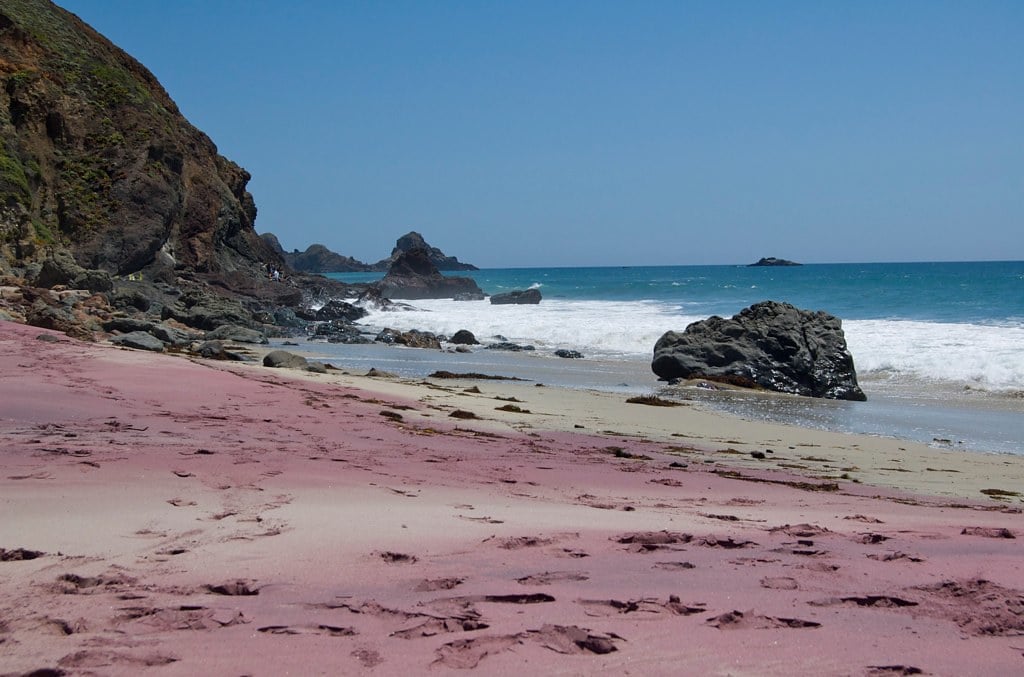
California’s purple sand beach appears in photos to cover vast stretches of coastline, but the purple-hued sand occurs only in small patches spanning a few hundred feet. The manganese garnet deposits that create the purple effect wash down from nearby hills and concentrate in limited areas.
Most visitors must search carefully to find excellent examples of the distinctive coloration.
Like Go2Tutors’s content? Follow us on MSN.
Cocora Valley Wax Palms
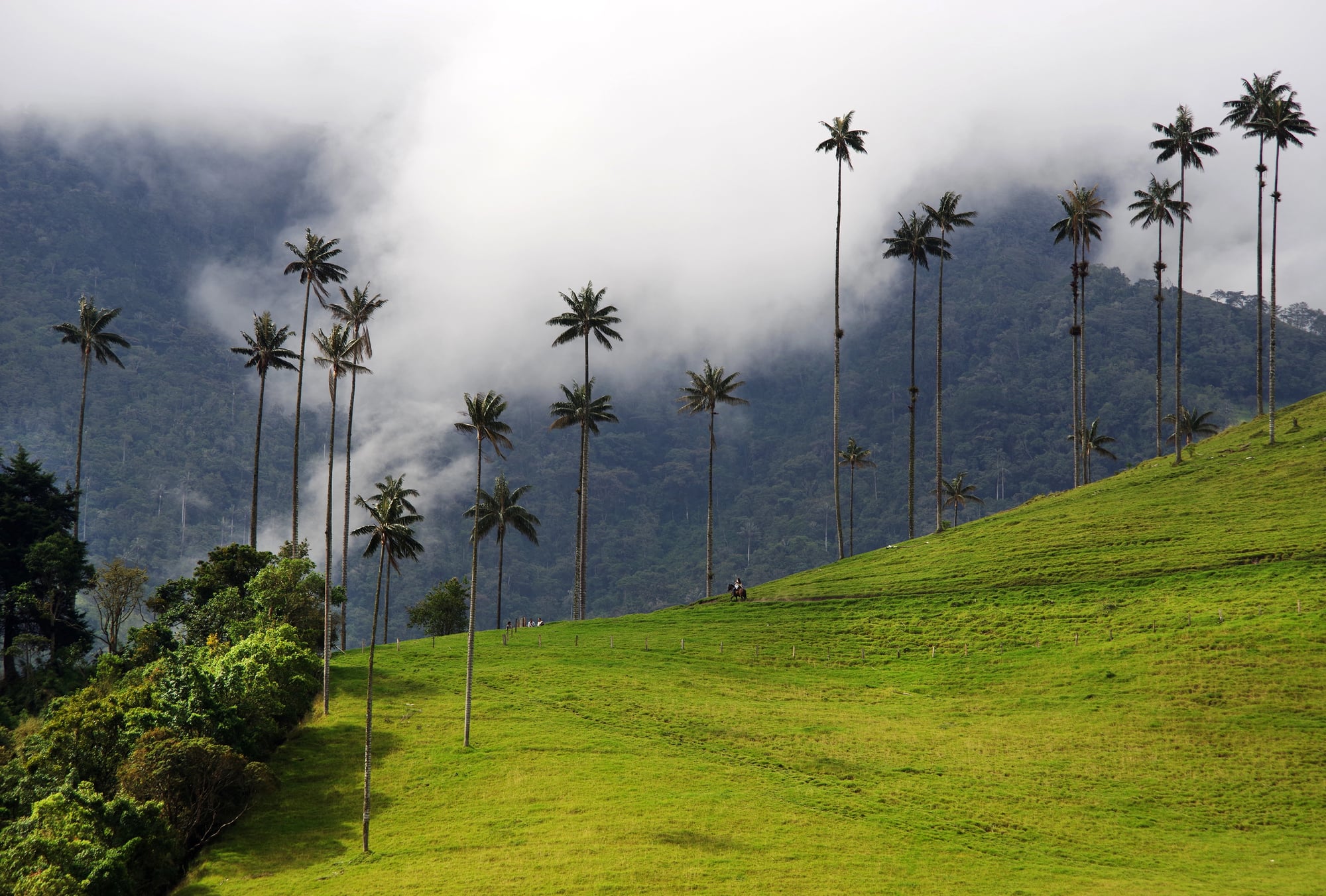
Colombia’s towering wax palms, the tallest palm trees in the world, reach impressive heights of up to 200 feet. However, the main concentration of these trees occupies an area smaller than a typical city park.
Photographs make the valley appear endless, but visitors can walk among the most iconic sections in less than an hour.
Fairy Glen
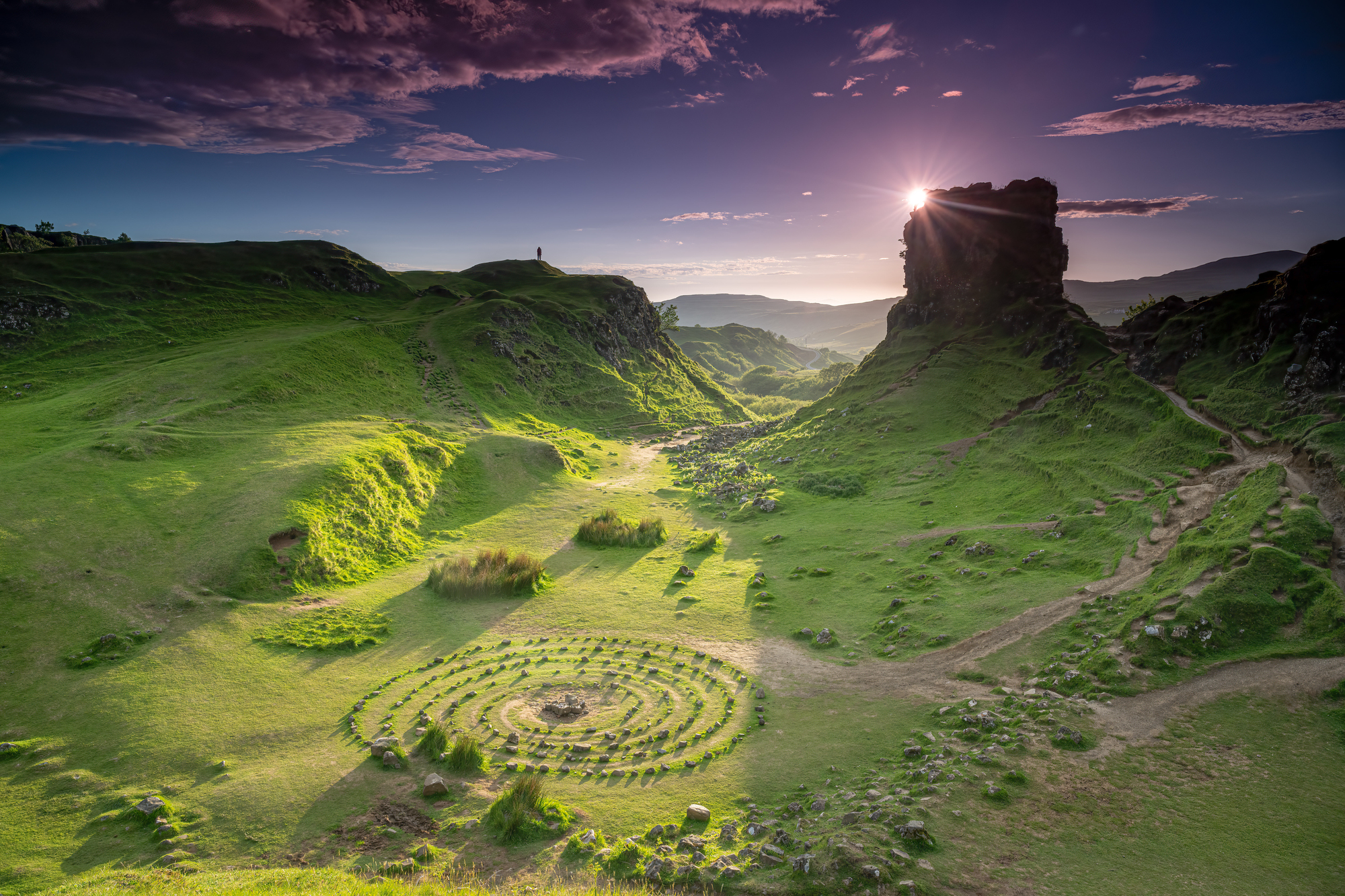
Though it really covers less than a golf course, this fanciful scenery on Scotland’s Isle of Skye appears enormous in precisely framed images. Through a camera lens, the tiny, cone-shaped hills produce a stunning scene that appears far larger.
In around 45 minutes, one can completely explore the whole area.
Natural Proportions Matter
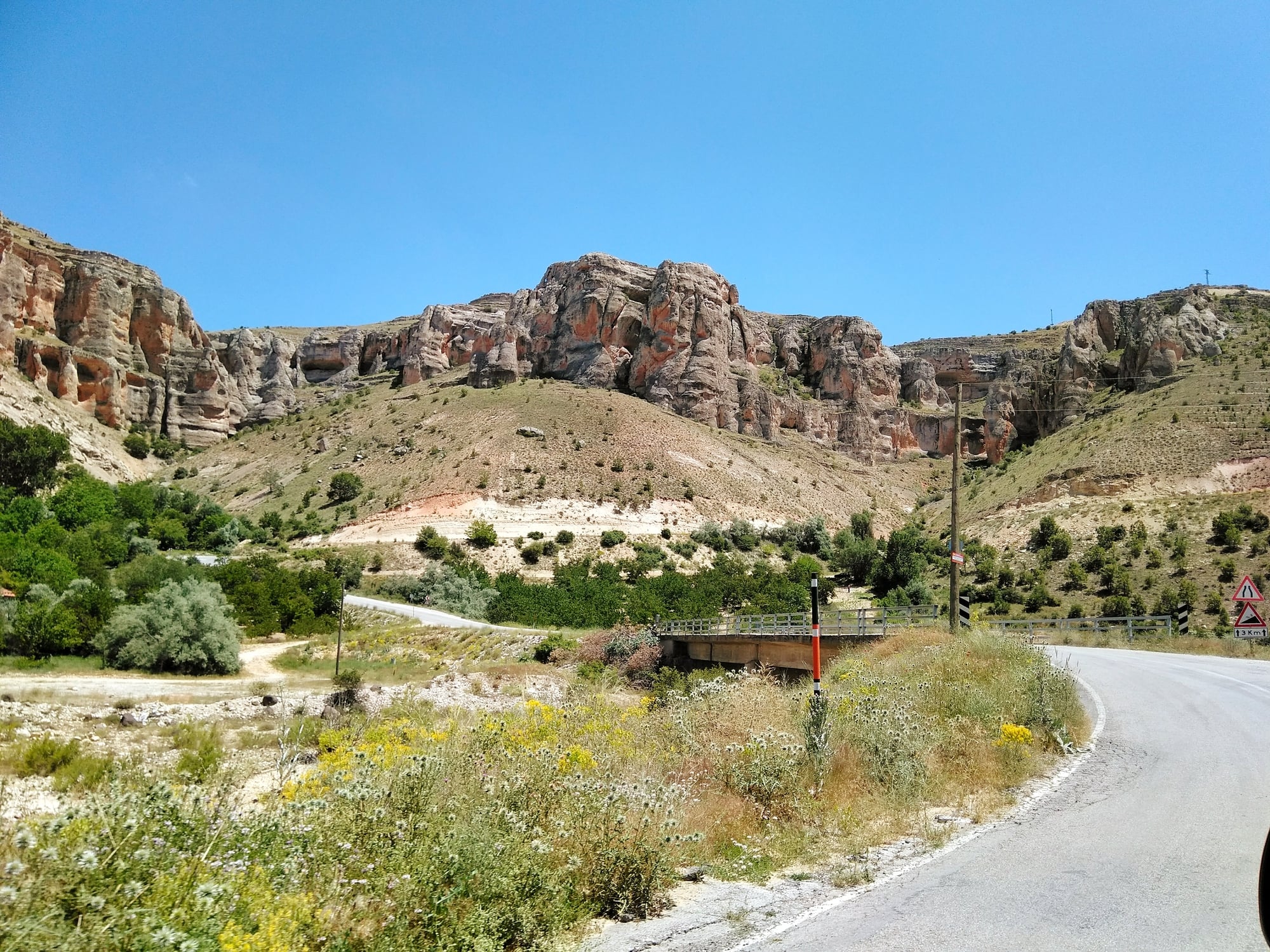
The way that the media presents these things from their most striking perspectives frequently shapes our understanding of natural landmarks. However, the modest size of many well-known locations does not take away from their significance or beauty.
These unexpectedly little landmarks serve as a reminder that effect isn’t quantified in terms of height or square footage. Their aesthetic appeal, geological distinctiveness, and cultural significance transcend physical dimensions, proving that sometimes the most unforgettable experiences come in very little packages.
Like Go2Tutors’s content? Follow us on MSN.
More from Go2Tutors!

- 18 Unexpectedly Valuable Collectibles You Might Have Lying Around
- 20 Little-Known Historical Battles That Had Huge Consequences
- 20 Historical Artifacts That Scientists Can’t Explain
- 15 Inventions That Were Immediately Banned After Being Created
- 20 Actors Who Were Almost Cast in Iconic Roles
Like Go2Tutors’s content? Follow us on MSN.