16 Lost Passwords That Locked Away Fortunes
In our digital age, passwords serve as the guardians of our most valuable assets. Unlike physical keys that can be copied or lockboxes that can be cracked, forgotten digital passwords can create impenetrable barriers between people and their wealth. Cryptocurrency in particular has created a new class of locked-away fortunes, with billions of dollars sitting in digital wallets that their owners can see but never access—all because of forgotten passwords or lost authentication devices.
Here is a list of 16 unfortunate individuals who lost access to massive fortunes due to misplaced passwords, damaged hardware, or other authentication mishaps.
Stefan Thomas’s Bitcoin Fortune
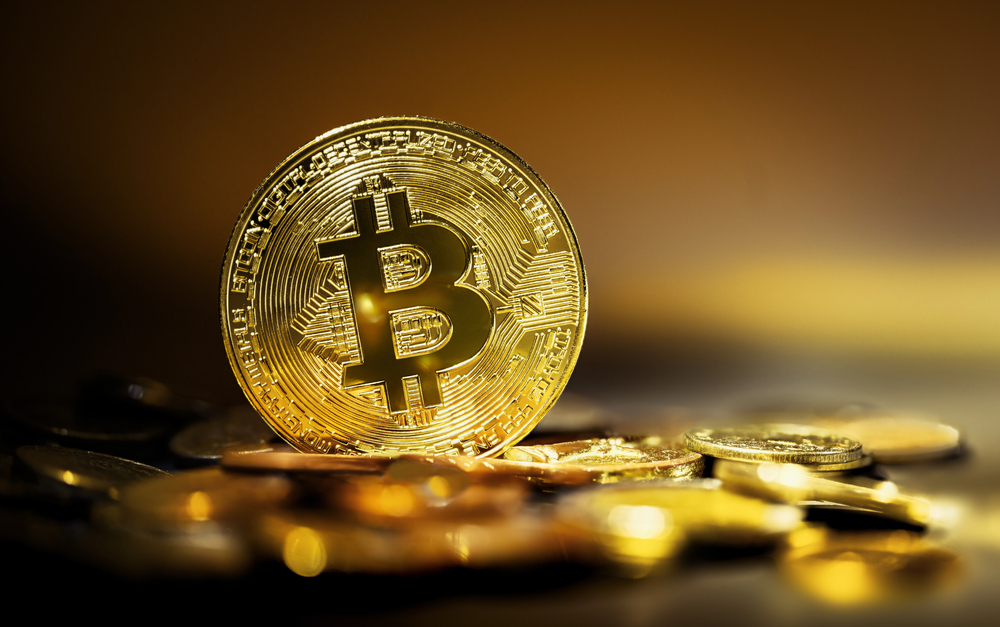
Former Ripple CTO Stefan Thomas famously lost access to 7,002 bitcoins—worth around $240 million at 2021 prices—when he forgot the password to his IronKey hard drive. The device allows only 10 password attempts before permanently encrypting its contents, and Thomas had already used 8 tries. His remaining two guesses stand between him and a quarter-billion dollar fortune. Thomas has since made peace with his situation, telling the New York Times that the experience helped him rethink his relationship with money.
James Howells’s Landfill Millions
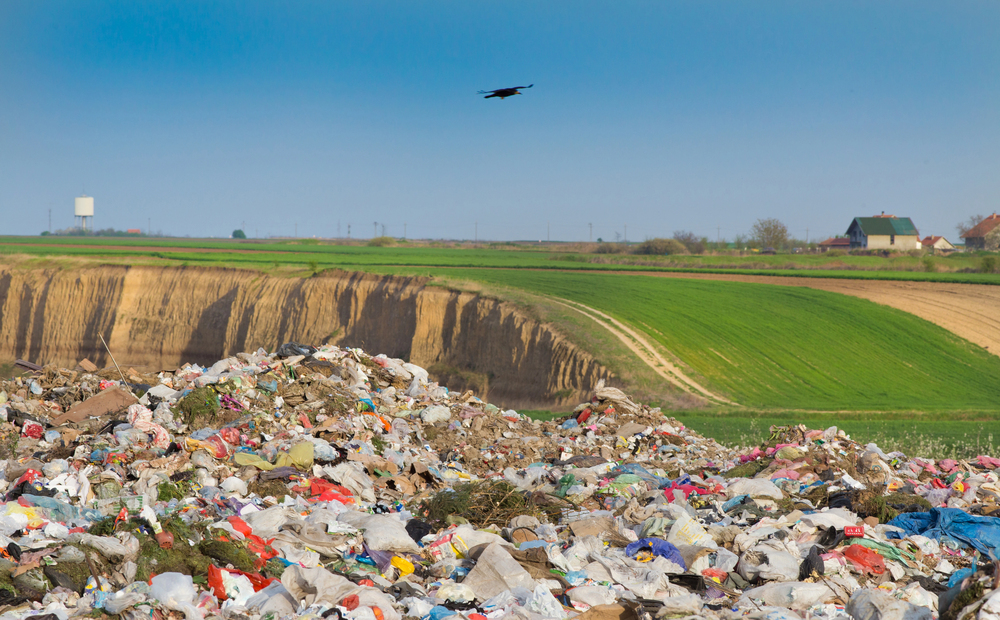
IT worker James Howells mistakenly threw away a hard drive containing 8,000 bitcoins during a cleanup in 2013. The drive ended up in a Newport, Wales landfill where it remains buried under years of garbage. Howells has repeatedly petitioned the local council for permission to excavate the landfill, offering them millions from his potential recovery. The council continues refusing his requests due to environmental concerns and the slim chances of locating the specific hard drive among thousands of tons of waste.
Gabriel Abed’s Missing Thumb Drive
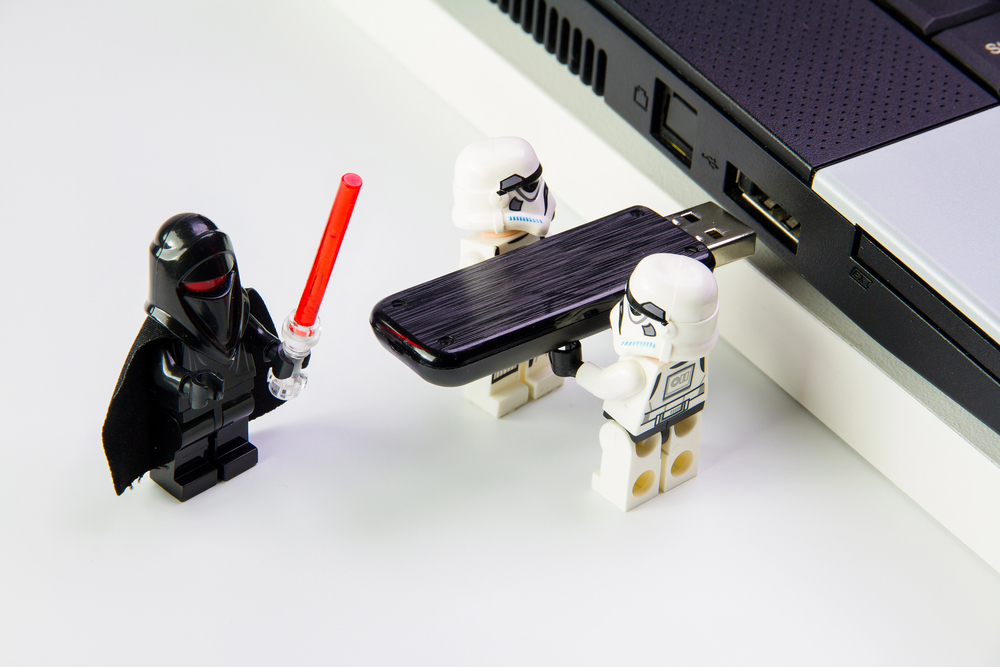
Entrepreneur Gabriel Abed lost 800 bitcoins in 2011 when a colleague reformatted a laptop containing the private keys. The backup was stored on a thumb drive that went missing, eliminating any chance of recovery. At peak bitcoin prices, this mistake cost Abed approximately $25 million. This experience didn’t deter him from cryptocurrency—he went on to found Bitt, a Caribbean financial technology company, turning his devastating loss into motivation for creating new blockchain solutions.
Campbell Simpson’s Discarded Drive
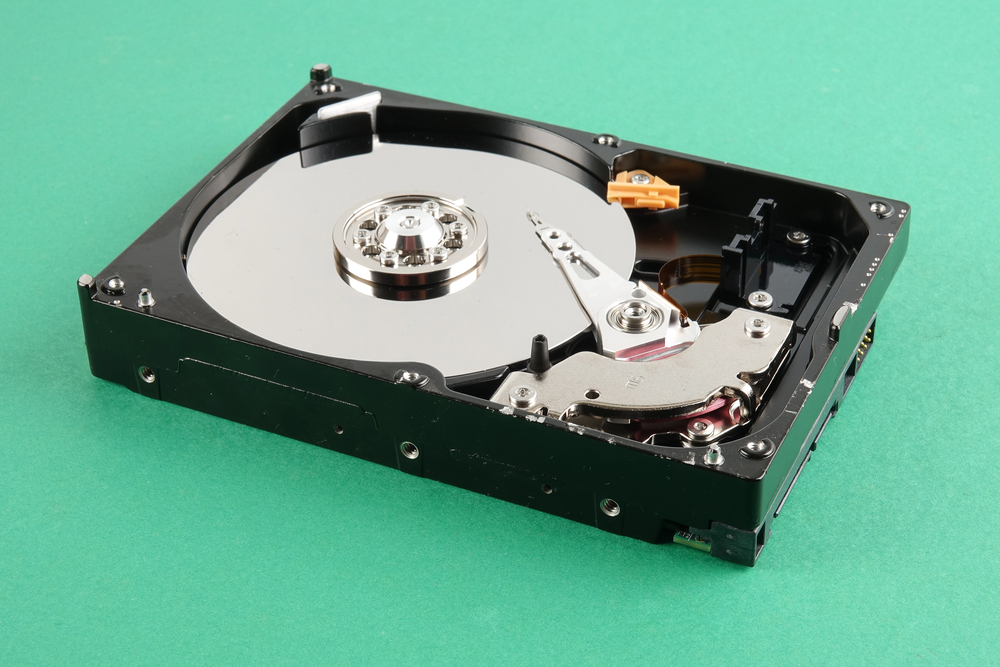
Australian tech journalist Campbell Simpson threw away a hard drive containing 1,400 bitcoins in 2012, when they were worth just $4 each. At Bitcoin’s peak, this mistake cost him nearly $45 million. Simpson had purchased the coins for around $25 total as a curiosity when writing about cryptocurrency—never imagining they would skyrocket in value. His story serves as one of the earliest cautionary tales about the importance of securing digital assets even when they seem insignificant.
Digital Estate Oversight

When cryptocurrency exchange QuadrigaCX founder Gerald Cotten unexpectedly died in 2018, he took the passwords to approximately $190 million in customer cryptocurrency to his grave. As the only person with access to the exchange’s cold wallets, his death left thousands of customers unable to withdraw their funds. Subsequent investigations raised questions about whether the funds ever existed, with some speculating the entire situation was an elaborate exit scam rather than a password management failure.
Anonymous Pizza Buyer
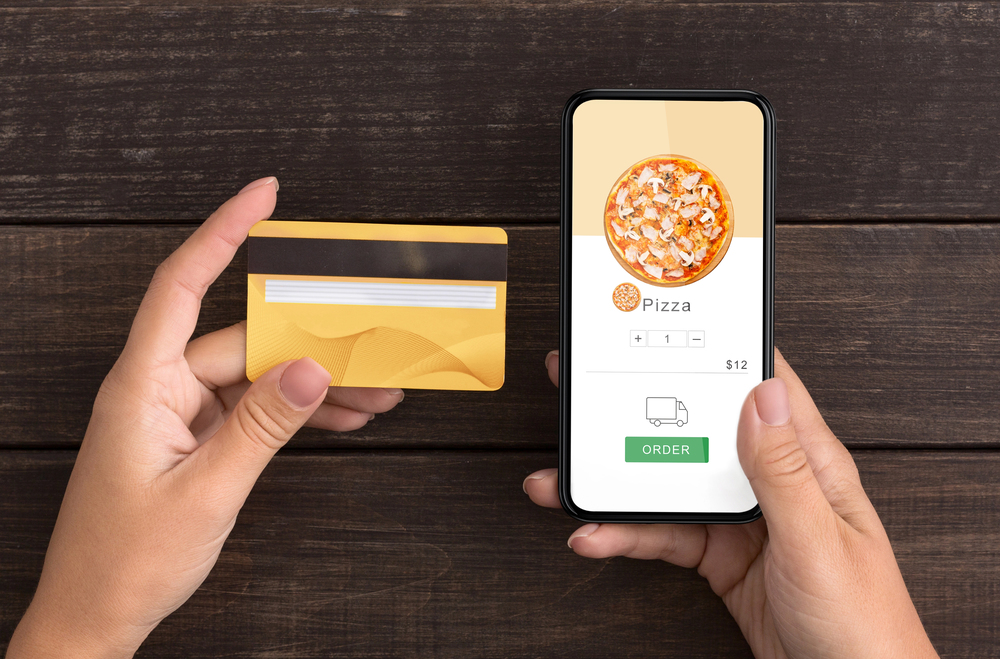
One of cryptocurrency’s earliest adopters famously spent 10,000 bitcoins on two pizzas in 2010, executing the first real-world bitcoin transaction. While not a case of lost passwords, this purchase represents perhaps the most expensive meal in history—worth over $300 million at bitcoin’s peak. The buyer’s identity remains anonymous, but May 22 is now celebrated as ‘Bitcoin Pizza Day’ in cryptocurrency communities worldwide, marking this milestone transaction that demonstrated bitcoin’s potential as actual currency.
Forgotten Wallet.dat

A Reddit user known as Shotukan lost access to 533 bitcoins when his wallet.dat file was corrupted during a computer crash. Despite consulting with data recovery experts, he couldn’t retrieve the encryption keys needed to access funds worth approximately $16 million at their peak. The user had mined the coins in Bitcoin’s early days when they were nearly worthless, never anticipating they would become a life-changing fortune—or that a simple backup could have protected his wealth.
The Locked Brain Wallet
Early cryptocurrency enthusiasts often used ‘brain wallets’—accounts secured by memorized passphrases instead of stored keys. One anonymous investor reportedly lost access to 7,500 bitcoins when a head injury caused memory loss, including his carefully memorized passphrase. This cautionary tale highlights the risks of keeping passwords exclusively in one’s memory, where illness, injury, or simply the passage of time can erase access to digital fortunes worth hundreds of millions.
Wences Casares’s Gift

Tech entrepreneur Wences Casares gave bitcoin as gifts to numerous Silicon Valley executives at a time when each coin was worth just $5. Many recipients reportedly lost their gift wallets or forgot passwords, missing out on millions in potential gains. These misplaced gifts helped inspire Casares to found Xapo, a company focused on secure cryptocurrency storage. His personal mission became helping others avoid the mistakes that caused his friends to lose access to their early bitcoin holdings.
The Missing USB Backup
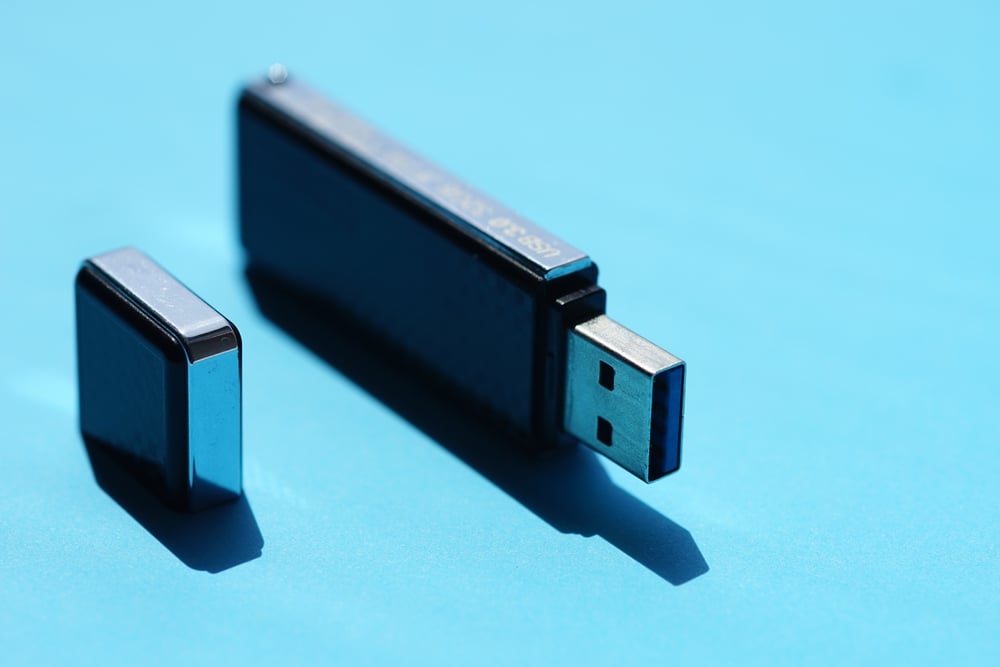
A cryptocurrency investor identified only as ‘Bruno’ lost 6,000 ETH (Ethereum) when both his primary wallet and backup USB drive became inaccessible. The primary wallet was corrupted during a system update, while the backup USB had been damaged by water. At Ethereum’s peak price, this double failure cost him approximately $12 million. Bruno had purchased the ETH during Ethereum’s initial coin offering for just a few thousand dollars—a potential rags-to-riches story derailed by inadequate backup procedures.
Alex Howells’s Damaged Laptop
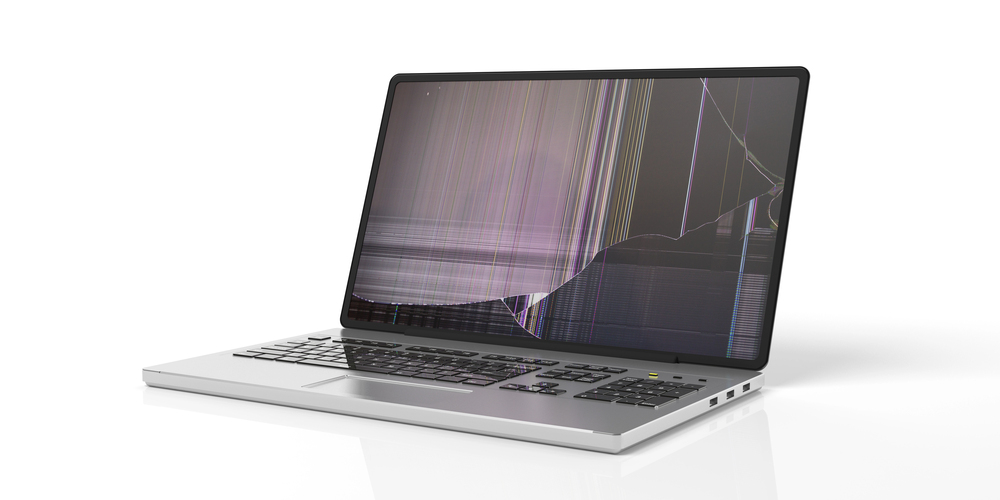
British IT professional Alex Howells lost 9,000 bitcoins when the laptop containing his wallet file was damaged in a spill and subsequently thrown away. Howells had mined the coins in 2009 when Bitcoin had virtually no monetary value. He’s estimated to have lost approximately $275 million at bitcoin’s peak prices. Since the incident, Howells has become an advocate for cryptocurrency storage best practices, warning others to implement multiple secure backups before it’s too late.
Matthew Mellon’s Secret Locations
Banking heir Matthew Mellon reportedly held hundreds of millions in XRP cryptocurrency in cold wallets distributed across the country in other people’s names before his unexpected death in 2018. According to family members, Mellon kept access details fragmented across multiple secret locations as security against hacking. This extreme security approach effectively locked away much of his estimated $1 billion crypto fortune when he passed away without sharing sufficient recovery information with family members.
The Locked Safe

An anonymous Bitcoin Talk forum user claimed to have stored private keys to 533 bitcoins in a physical safe, only to forget the safe’s combination. This hybrid physical-digital security approach created a peculiar situation where digital wealth was locked behind an analog barrier. Despite hiring locksmiths and trying various recovery techniques, the safe reportedly remains unopened—a metal box containing digital keys to a fortune worth approximately $16 million at bitcoin’s peak value.
The Formatted Hard Drive
A German programmer lost access to 6,000 bitcoins in 2013 when he accidentally formatted the wrong hard drive during system maintenance. The drive contained his only copy of wallet keys for bitcoins he had mined years earlier when they were worth just a few dollars. The mistake cost him roughly $180 million at bitcoin’s highest valuation. Despite attempting recovery with specialized software, the overwritten data proved irrecoverable, turning a simple clerical error into a nine-figure loss.
The Damaged Paper Wallet

An early bitcoin adopter printed his private keys on paper as a security measure, storing what would eventually be worth $8.5 million in a seemingly safe physical format. Unfortunately, a house flood damaged the paper wallet beyond recognition, destroying the only record of his keys. This case demonstrates that even non-digital storage methods have vulnerabilities, reminding cryptocurrency holders that redundancy across different storage media and locations provides the only real security.
The Empty Wallet Address
Many cryptocurrency users have experienced the gut-wrenching moment of sending funds to incorrectly typed wallet addresses where they become permanently inaccessible. One anonymous user allegedly sent 800 bitcoins—worth approximately $24 million at peak prices—to a mistyped address where they remain visible on the blockchain but forever unspendable. These mistakes occur because blockchain transactions are irreversible by design, creating a perfect storm where typing errors become extremely costly.
Digital Treasures Behind Forgotten Keys

These modern tales of lost fortunes represent a unique phenomenon in financial history—billions in assets that still exist but cannot be accessed. Unlike sunken treasure ships or hidden cash that decays over time, these digital assets remain perfectly preserved on their blockchains, visible but untouchable without the corresponding keys. As cryptocurrency adoption increases, improved wallet design and recovery mechanisms aim to prevent future losses while these cautionary tales serve as expensive lessons in digital security. The locked fortunes remind us that in our increasingly digital economy, memory and careful documentation can be worth more than any password manager subscription fee.
More from Go2Tutors!

- 18 Unexpectedly Valuable Collectibles You Might Have Lying Around
- 15 Things Every Teenager in the ’70s Did That Teens Today Wouldn’t Understand
- 15 Strange Things People Have Tried to Ban (And Failed)
- 15 Inventions That Were Immediately Banned After Being Created
- 20 Actors Who Were Almost Cast in Iconic Roles
Like Go2Tutors’s content? Follow us on MSN.