12 TV Shows That Felt Like They Were Made in the Wrong Decade
Though some programs appear to exist outside their time, television has always mirrored its era. These shows include storytelling techniques, visual aesthetics, or topics that would have fit more in a different decade altogether. Whether they were ahead of their time or sentimental throwbacks, these shows produced viewing experiences that felt deliciously out of sync with when they really aired.
Constant evolution characterizes television; every decade brings different cultural touchstones and production techniques. Here are 12 shows that miraculously survived outside their appropriate time frame.
Twin Peaks
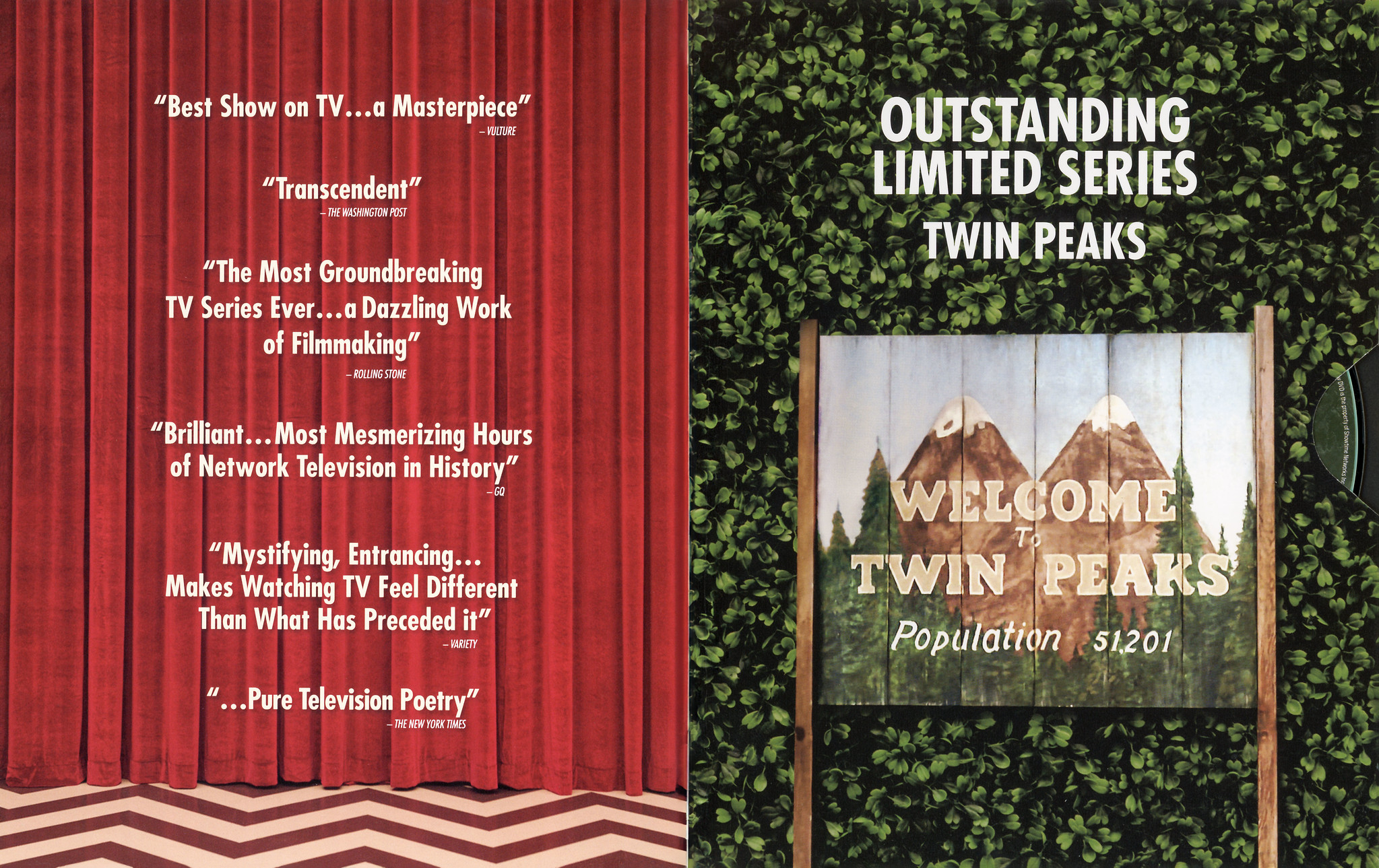
David Lynch’s mysterious murder investigation aired in the early 1990s but embodied a strange blend of 1950s small-town Americana and surrealist filmmaking that wouldn’t become mainstream until decades later. The show’s dreamlike quality and unconventional narrative structure felt completely alien compared to other network dramas of its time.
Its influence continues to be felt in modern prestige television, making it a true pioneer.
Freaks and Geeks
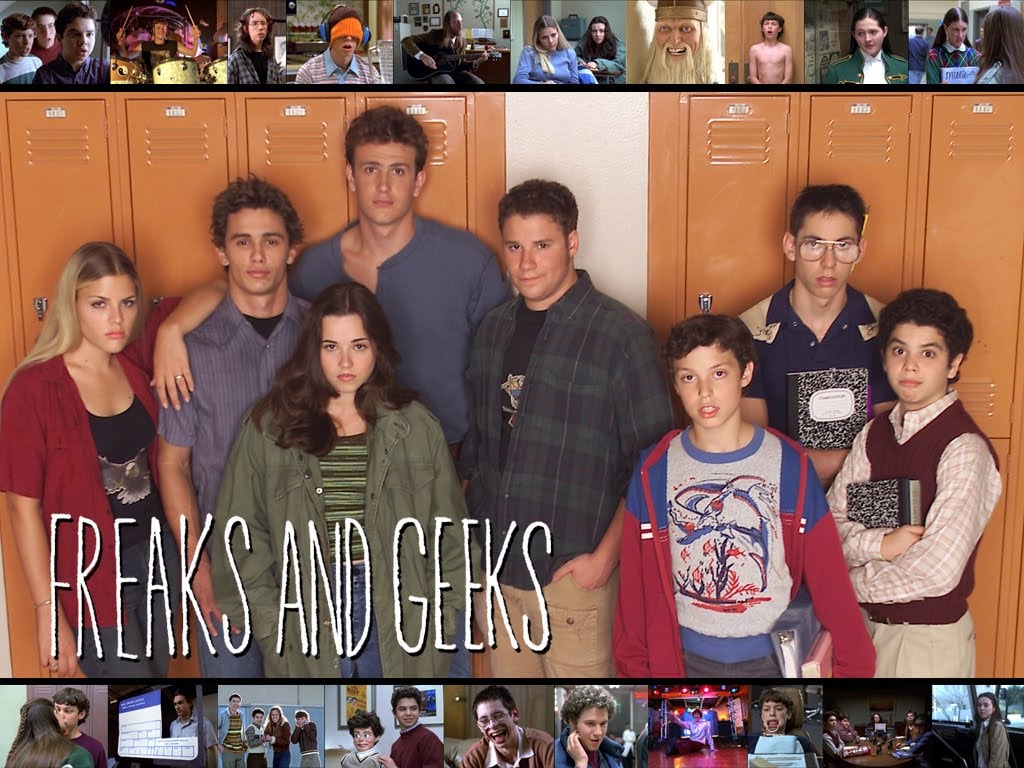
This 1999 high school dramedy set in 1980 looked and felt more like an indie film than a network TV show. Its authentic portrayal of teenage awkwardness and exceptional character development were elements that wouldn’t become standard in television until the streaming era of the 2010s.
The cinematography and naturalistic acting style were simply not what audiences expected from TV at the millennium’s turn.
Like Go2Tutors’s content? Follow us on MSN.
Downton Abbey
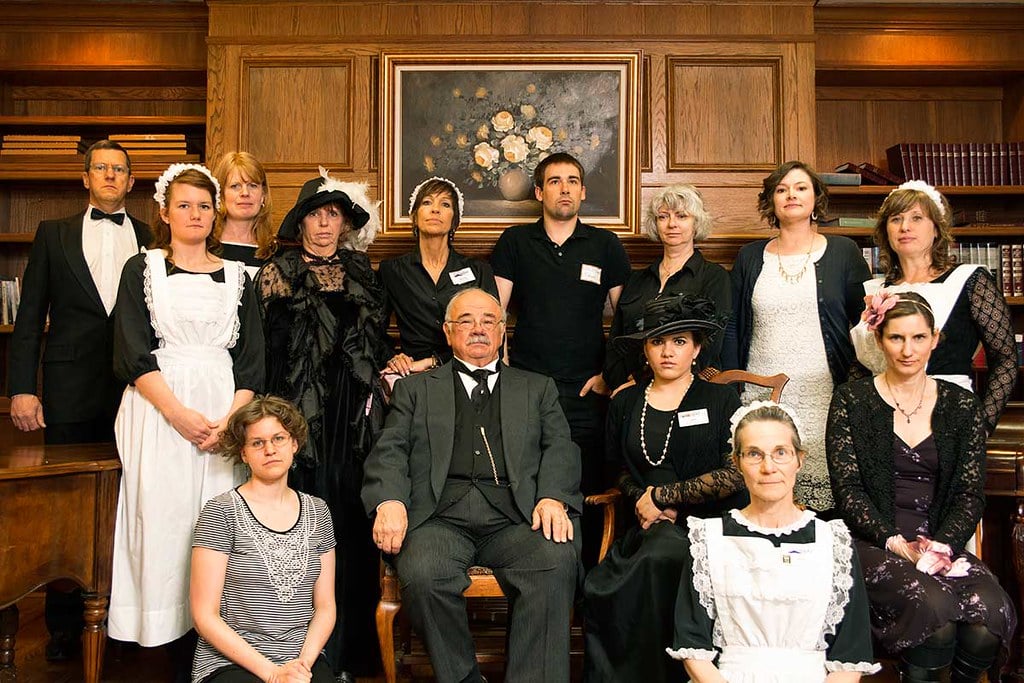
Premiering in 2010, this period drama embraced the production values and storytelling approach of classic 1970s BBC historical miniseries. The slow-paced, multigenerational narrative and meticulous attention to period details created a viewing experience that felt imported from an earlier era of television.
Its massive global success proved that old-fashioned storytelling could still captivate modern audiences.
Pushing Daisies
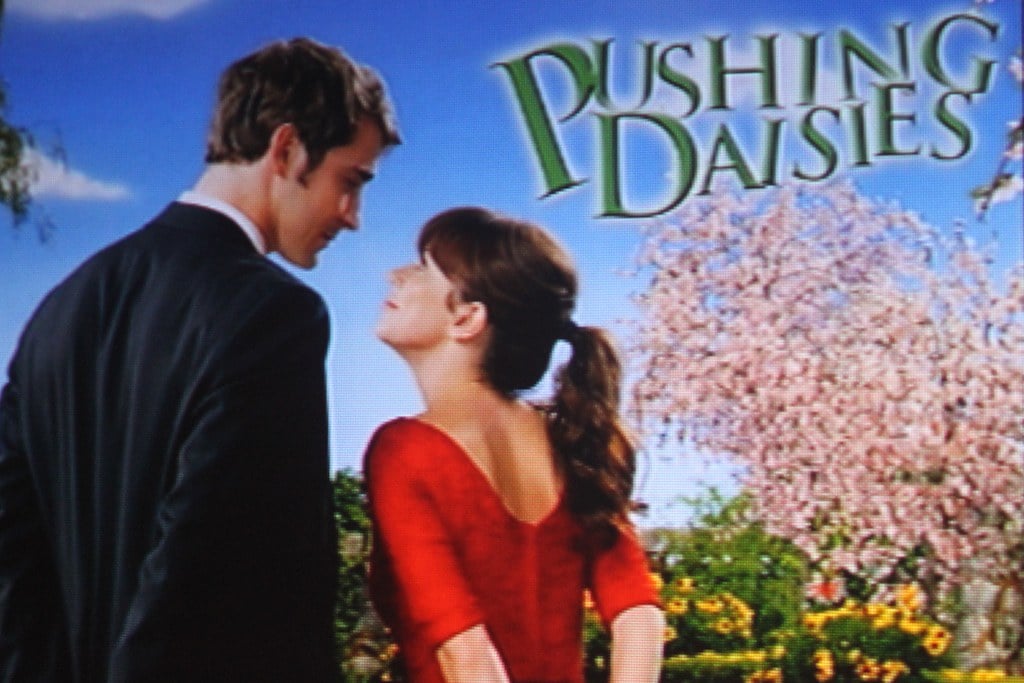
This whimsical fantasy series from 2007 blended European cinema’s fairy tale sensibilities with a visual aesthetic reminiscent of Technicolor pictures from the 1950s. The narrator-driven tale, vibrant colors, and intricate production design produced a surreal atmosphere that was completely unlike anything seen on modern television.
It felt like a guest from a completely different era because of its eccentric appeal and distinctive visual character.
Arrested Development
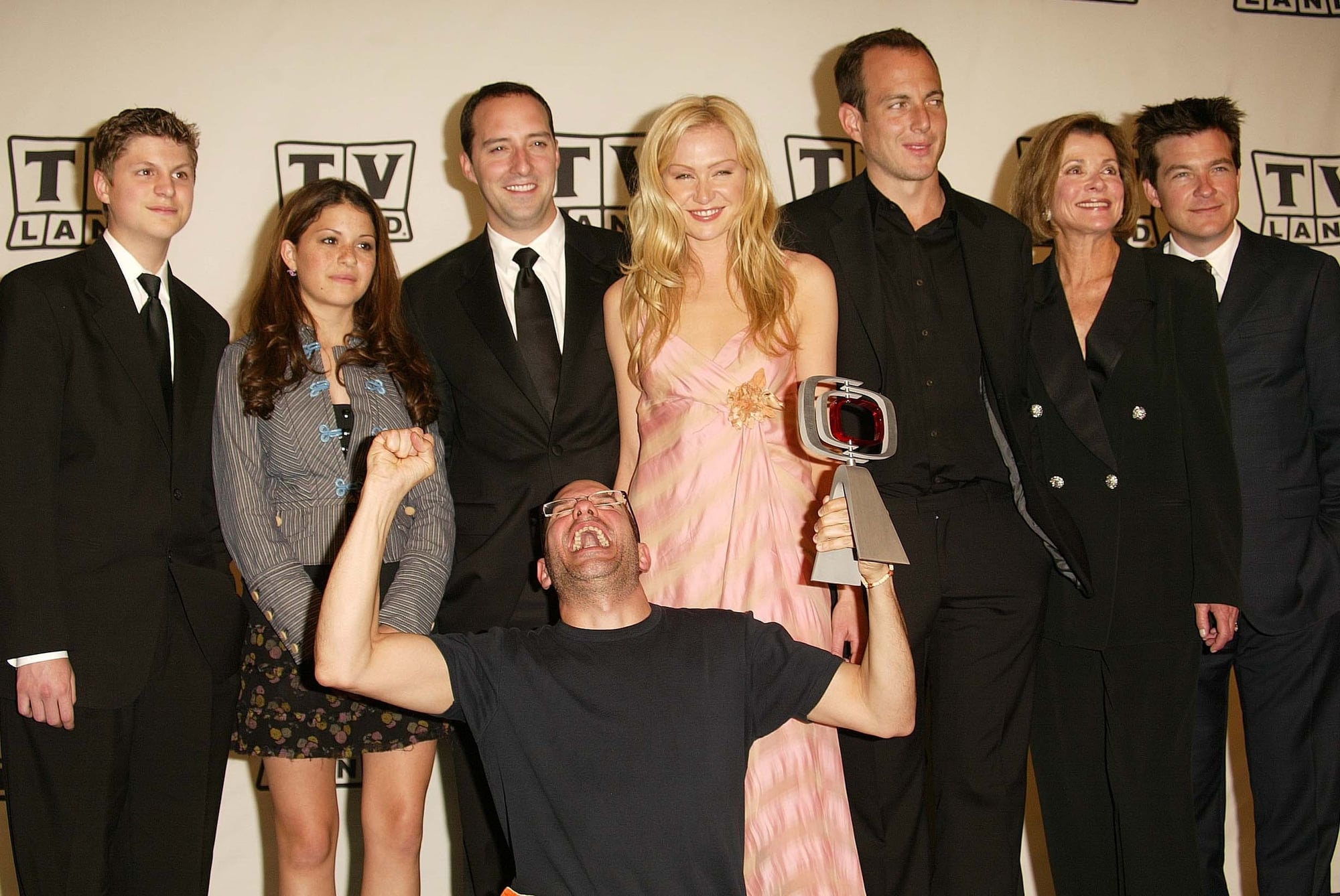
The dense joke-layering, callback humor, and meta-commentary of this 2003 sitcom anticipated the viewing habits of streaming platforms over a decade before they existed. Its rapid-fire pace and expectation that viewers would pay close attention to every detail were at odds with traditional network comedy formulas.
The show’s intricate plotting and visual gags were designed for rewatching, long before binge-viewing became the norm.
Like Go2Tutors’s content? Follow us on MSN.
Miami Vice
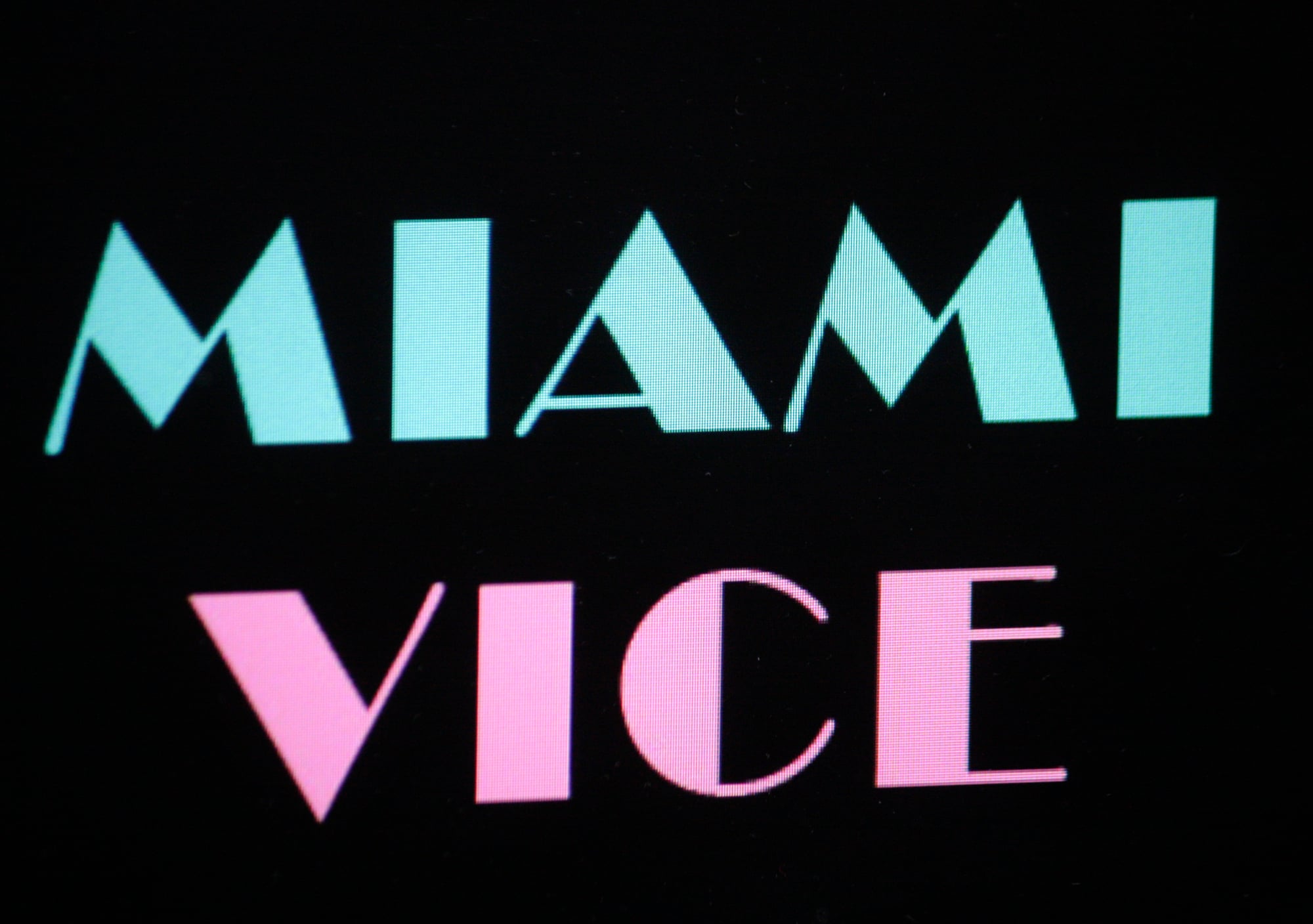
While firmly rooted in 1980s culture, this police drama revolutionized television with a cinematic approach to visuals and music that was years ahead of its time. The show’s emphasis on style, atmosphere, and visual storytelling over dialogue influenced everything from music videos to modern prestige TV.
Its feature film production values established a template that wouldn’t become standard for television dramas until the 2000s.
Northern Exposure
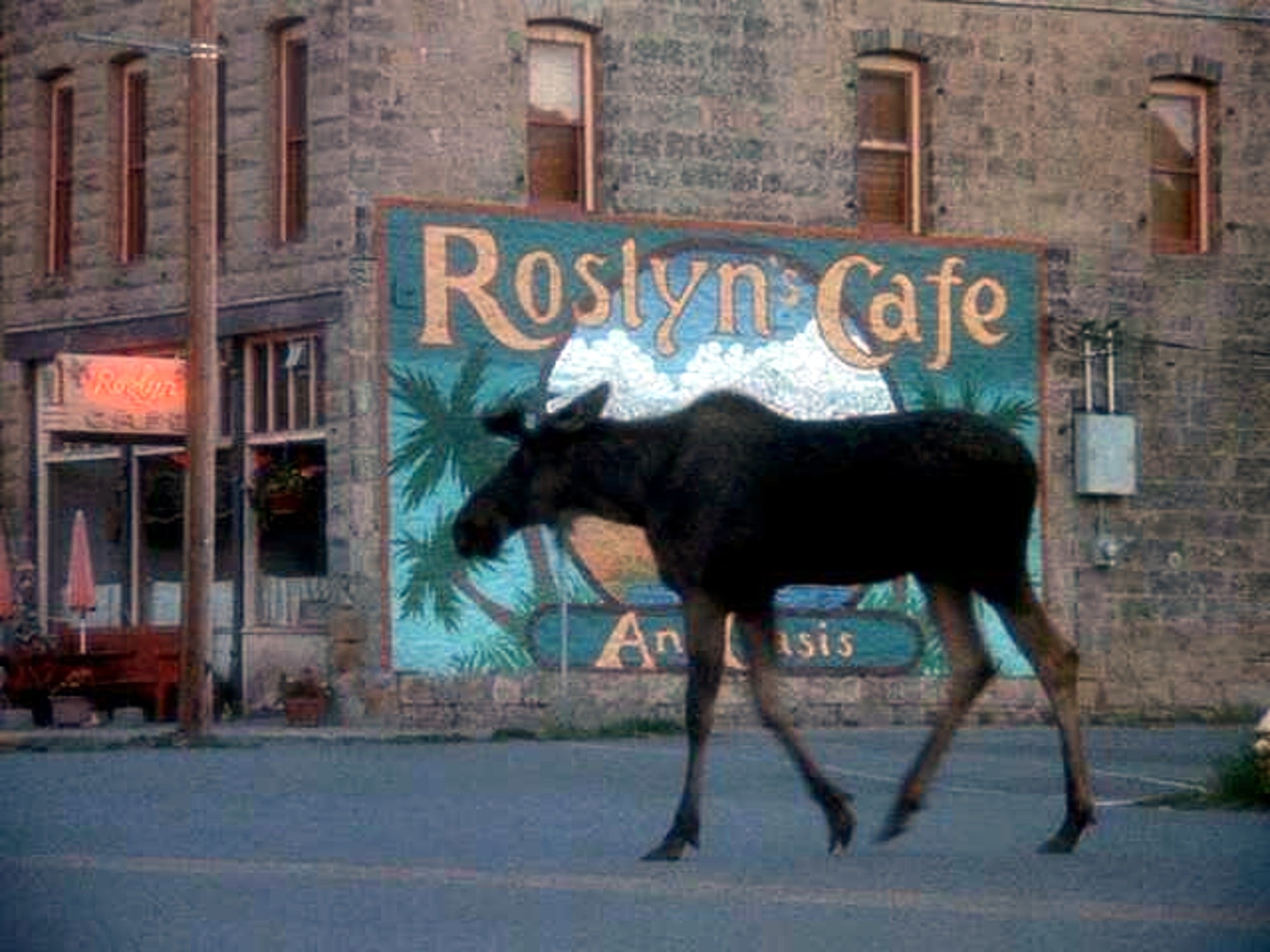
This quirky 1990s CBS series about an urban doctor in a small Alaskan town featured the kind of diverse ensemble cast, magical realism, and character-driven storytelling that would become hallmarks of 2010s streaming platforms. The show’s blend of comedy, drama, and philosophical musings created a unique tone that defied categorization by the standards of its era.
Its exploration of community dynamics and cultural differences feels remarkably contemporary.
Deadwood
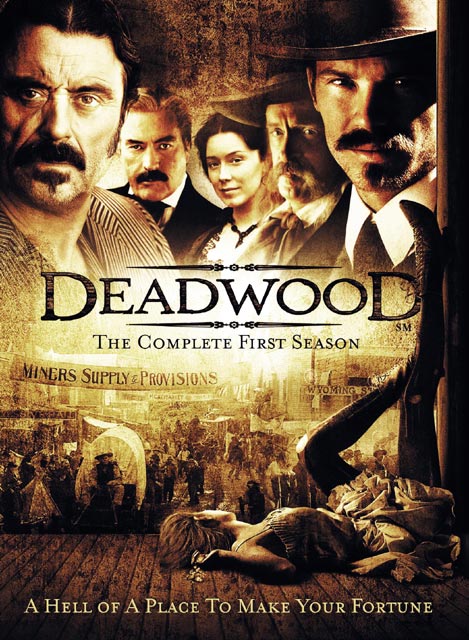
This HBO western captured the lawlessness and language of the 1870s American frontier with a complexity and nuance that belonged more to prestigious literature than 2000s television. The show’s Shakespearean dialogue and unflinching portrayal of violence were revolutionary for period dramas.
Its examination of how communities form governments and establish order contains timeless themes that transcend its historical setting.
Like Go2Tutors’s content? Follow us on MSN.
The Twilight Zone
Rod Serling’s anthology series aired in the late 1950s and early 1960s but featured social commentary and science fiction concepts that were decades ahead of their time. The show tackled issues like racism, nuclear war, and technological dependence with a sophistication rarely seen on television then or now.
Its thoughtful exploration of ethical dilemmas through fantastical scenarios established a template that countless shows have emulated since.
Better Off Ted
This 2009 workplace comedy satirized corporate culture with a surrealist edge that would have felt more at home among today’s experimental streaming comedies. The show’s absurdist humor and fourth-wall-breaking commentary on capitalism were too unconventional for network television of its time.
Its bizarre product demonstrations and mockumentary elements created a uniquely off-kilter viewing experience.
Max Headroom
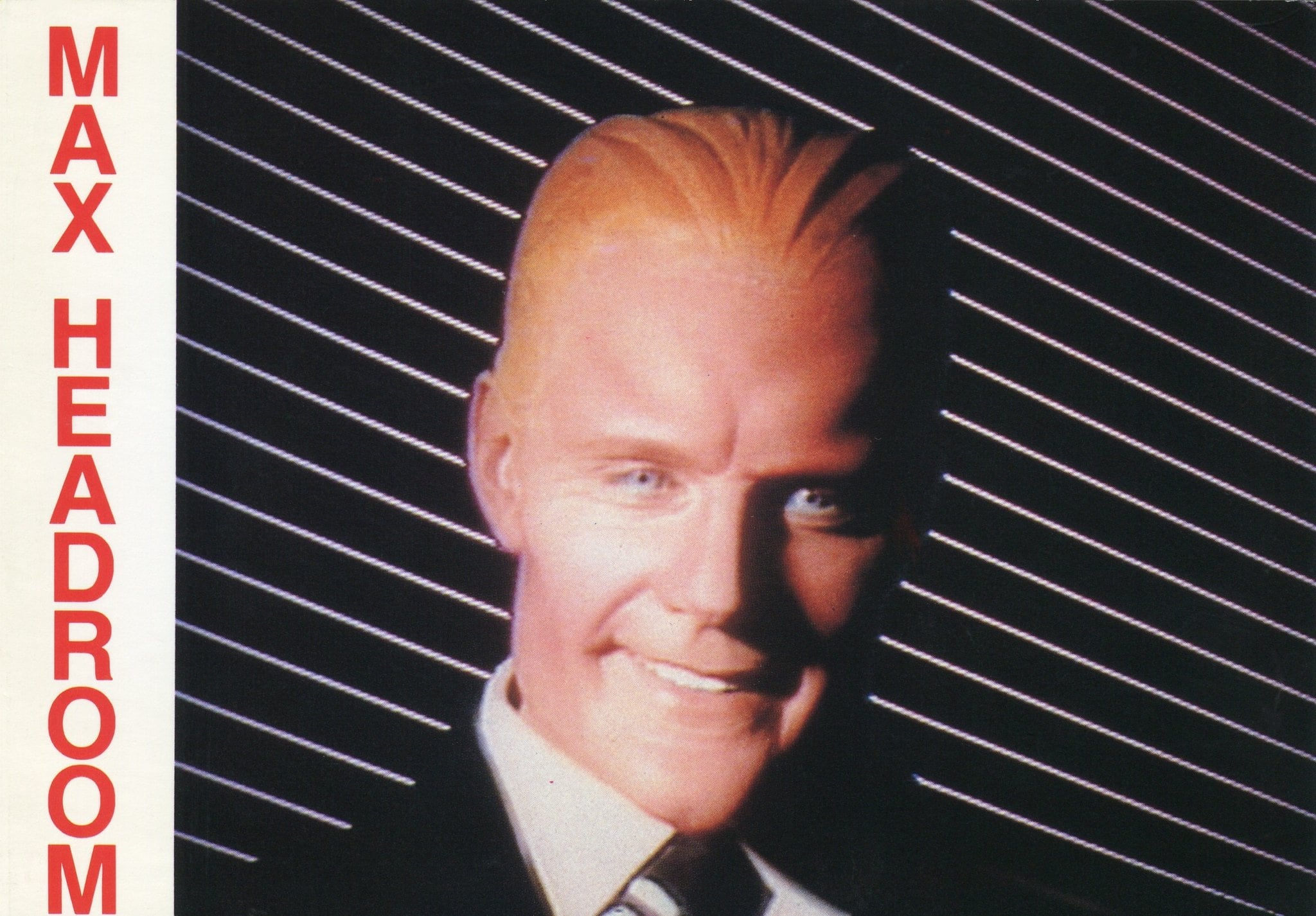
This cyberpunk series about a digital TV host debuted in 1987 but predicted our current media landscape with eerie accuracy. The show explored themes like artificial intelligence, digital identity, and corporate control of information decades before they became central concerns in our lives.
Its stuttering digital character and dystopian vision of media manipulation seem less like science fiction and more like prophecy when viewed today.
Like Go2Tutors’s content? Follow us on MSN.
Carnivàle
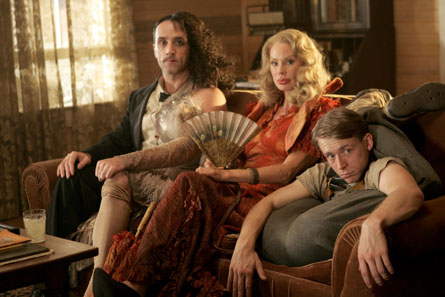
HBO’s depression-era supernatural drama featured a visual style and mythological complexity that seemed imported from the golden age of streaming television a decade before it existed. The show’s ambitious scope and deliberately slow-burning narrative demanded a level of viewer commitment unusual for early 2000s television.
Its exploration of good versus evil through a uniquely American historical lens created an atmosphere unlike anything else on TV at the time.
Timeless Television
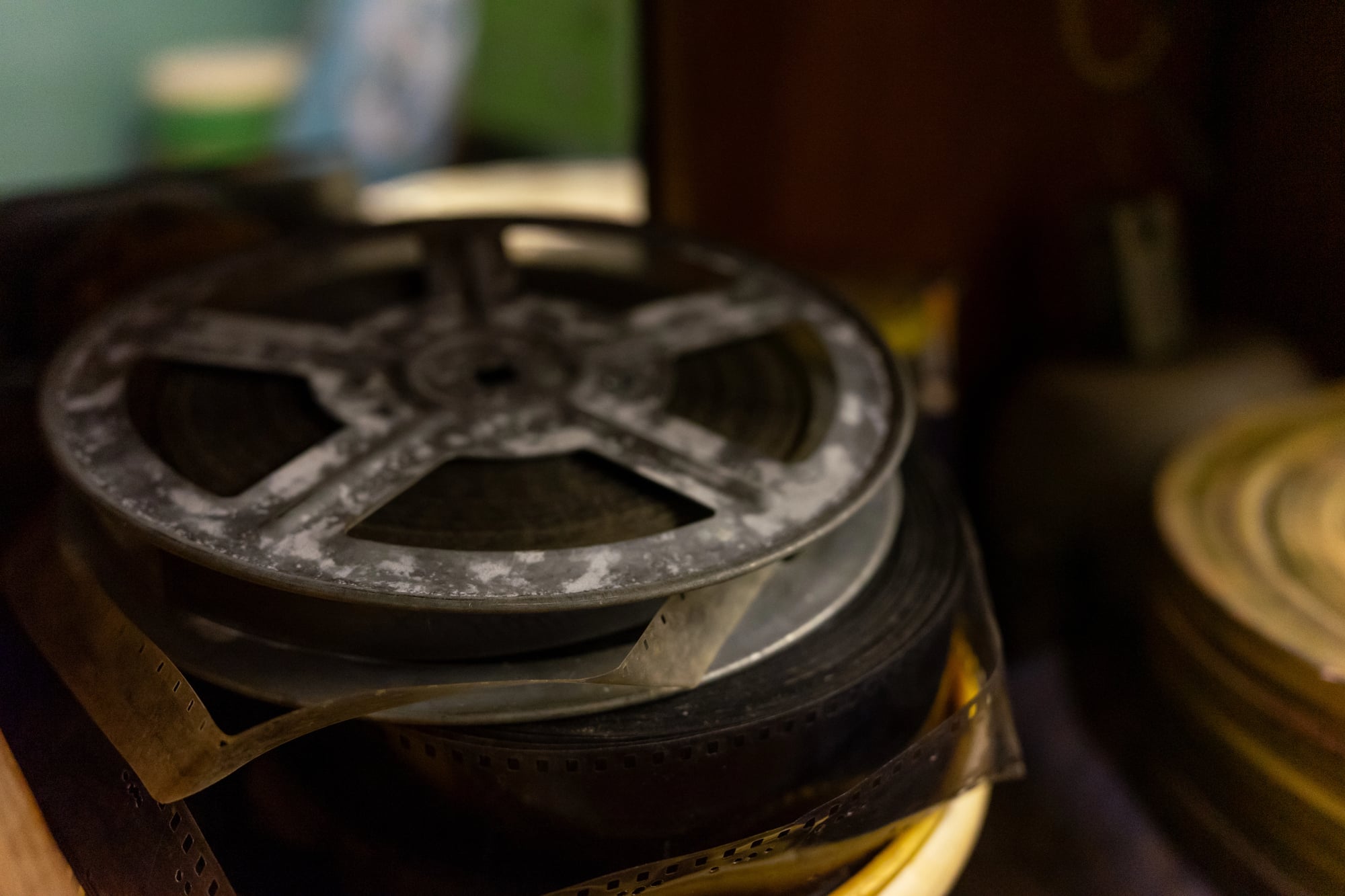
By predicting future trends or skillfully recreating the past, these shows show how truly great television can transcend its era. These shows offered viewers distinct viewing experiences that frequently became more appreciated with time due to the contradiction between when they aired and what they offered.
Their peculiar connection to the broadcast age serves as a reminder that really inventive storytelling frequently lives outside of the conventional bounds of its era, waiting for audiences to realize its vision.
More from Go2Tutors!

- 18 Unexpectedly Valuable Collectibles You Might Have Lying Around
- 20 Little-Known Historical Battles That Had Huge Consequences
- 20 Historical Artifacts That Scientists Can’t Explain
- 15 Inventions That Were Immediately Banned After Being Created
- 20 Actors Who Were Almost Cast in Iconic Roles
Like Go2Tutors’s content? Follow us on MSN.