15 ‘Failed’ Designs Still in Use
The history of innovation is littered with designs that should have been replaced long ago. Yet somehow, these supposedly inferior creations continue to persist in our daily lives despite their known flaws.
Engineers, designers, and experts have identified better alternatives, but these problematic designs remain stubbornly embedded in our infrastructure, technology, and daily routines.
Here is a list of 15 design failures that refuse to go away despite their obvious shortcomings.
QWERTY Keyboard
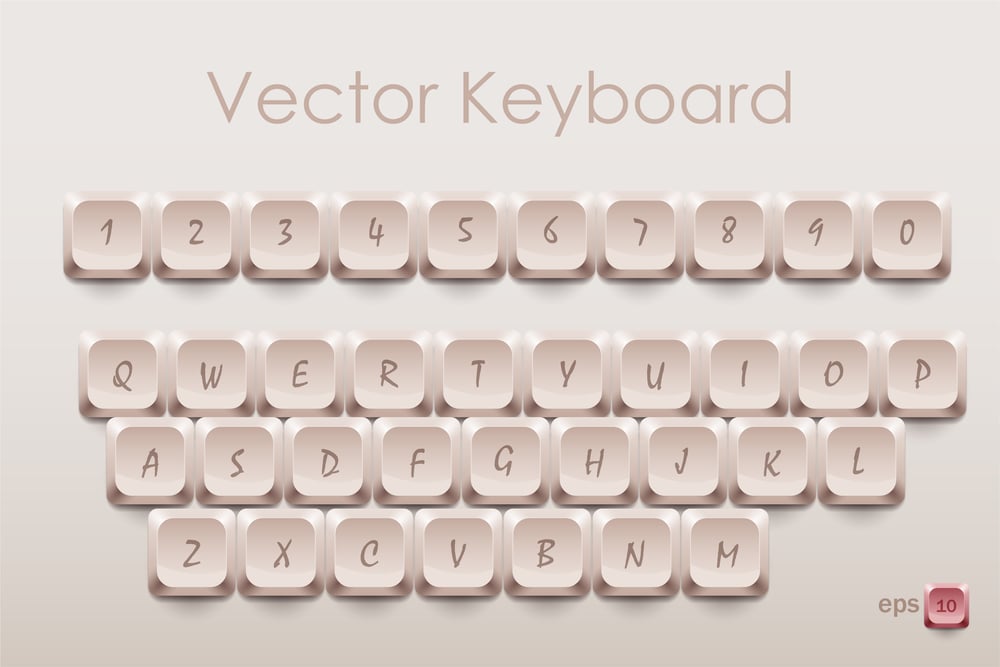
The layout on your keyboard wasn’t designed for efficiency—quite the opposite. Created in 1868 by Christopher Latham Sholes, the QWERTY layout was actually intended to slow typists down to prevent mechanical typewriters from jamming.
Modern keyboards don’t have this limitation, and alternative layouts like Dvorak have proven to be faster and reduce finger strain. Yet we continue typing on a deliberately inefficient design because of the massive cost of retraining the world’s population.
Imperial Measurement System
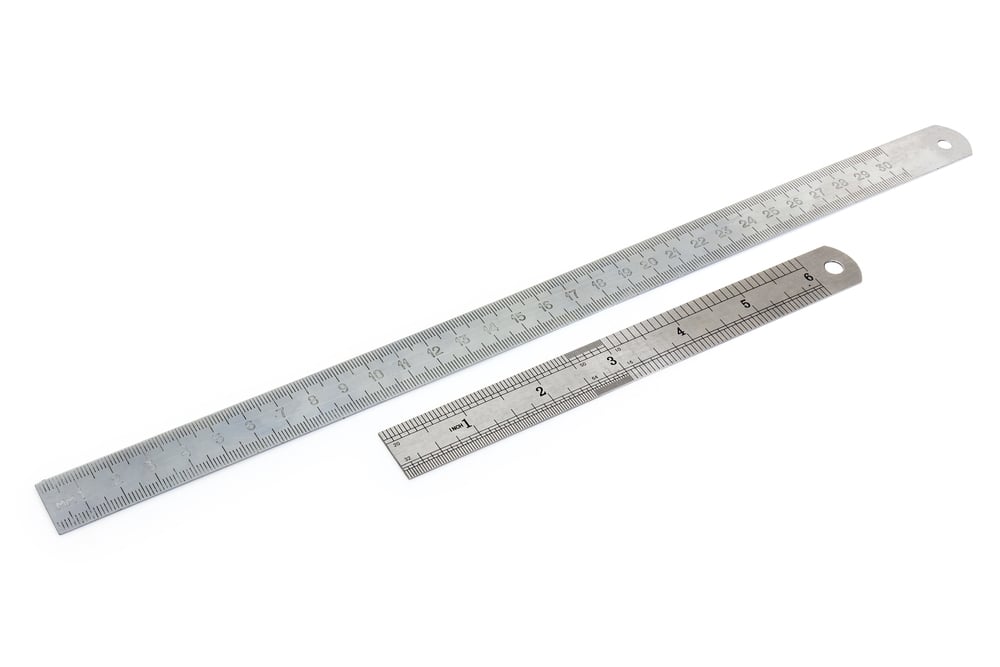
Only three countries in the world still primarily use the imperial system: the United States, Liberia, and Myanmar. This system requires memorizing arbitrary conversions like 12 inches in a foot, 3 feet in a yard, and 5,280 feet in a mile.
The metric system offers a logical decimal-based alternative used by the rest of the world, making conversions as simple as moving a decimal point. America’s stubborn adherence to imperial measurements costs billions in conversion errors and international trade complications.
Phillips Head Screws

The Phillips screw design was actually created with a major flaw by intention—it’s designed to “cam out” (slip out of the groove) when too much torque is applied. This prevented overtightening on assembly lines in the 1930s, but today it’s just annoying and strips screws.
Superior alternatives like Torx and Robertson screws provide better grip and torque transfer. Yet the Phillips head remains the standard in many industries simply because of the installed base and manufacturing momentum.
Traffic Lights

Our standard traffic light design creates an accessibility nightmare for the approximately 300 million people worldwide with red-green color blindness. The current system relies heavily on color recognition rather than position or shape.
Several countries have experimented with different shapes for each light or added symbols, but most nations stick with the problematic design first installed in London in 1868. Transportation engineers acknowledge the issue but cite the enormous cost of replacing existing infrastructure.
The Electrical Plug
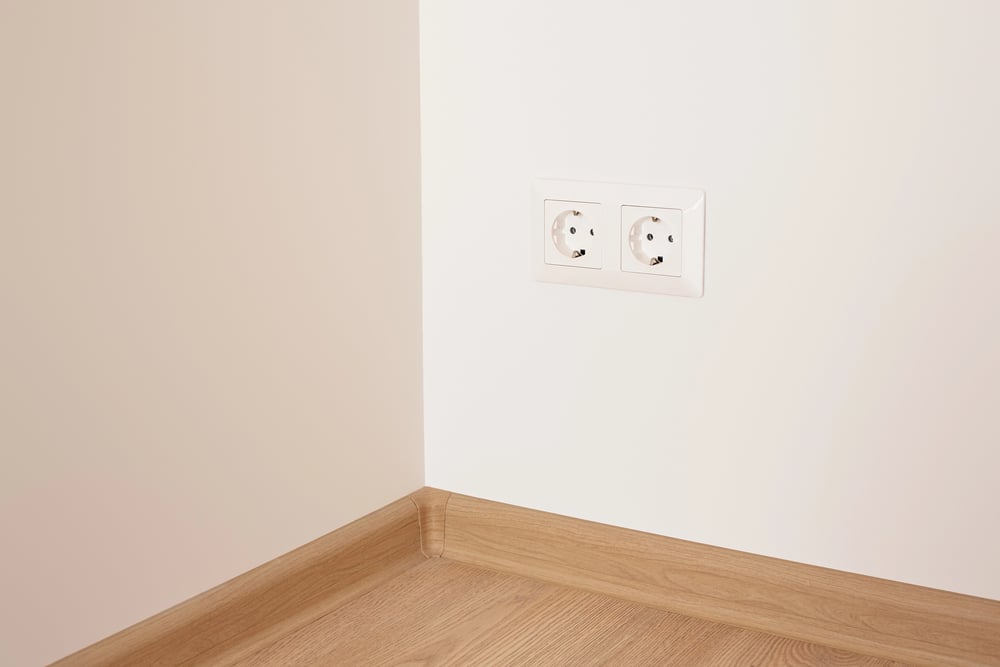
American electrical plugs lack the safety features found in other countries’ designs. They have no insulation on the prongs, creating shock risks during insertion and removal.
They also lack shutters to protect curious children. The British plug, while bulkier, includes these safety features plus individual fuses and a grounding pin that opens the safety shutters.
Despite the clear safety advantages, America’s electrical infrastructure remains committed to the inferior design.
Penny Coins

The humble penny costs more to produce than its face value—about 2.1 cents per penny as of 2023. This negative seigniorage makes it an economic absurdity that costs taxpayers millions annually.
Many countries have eliminated their lowest-value coins without economic disruption. Canada discontinued its penny in 2013, rounding cash transactions to the nearest nickel.
Despite this precedent and clear economic logic, pennies continue to circulate in the US, supported by tradition and zinc industry lobbying.
FAX Machines
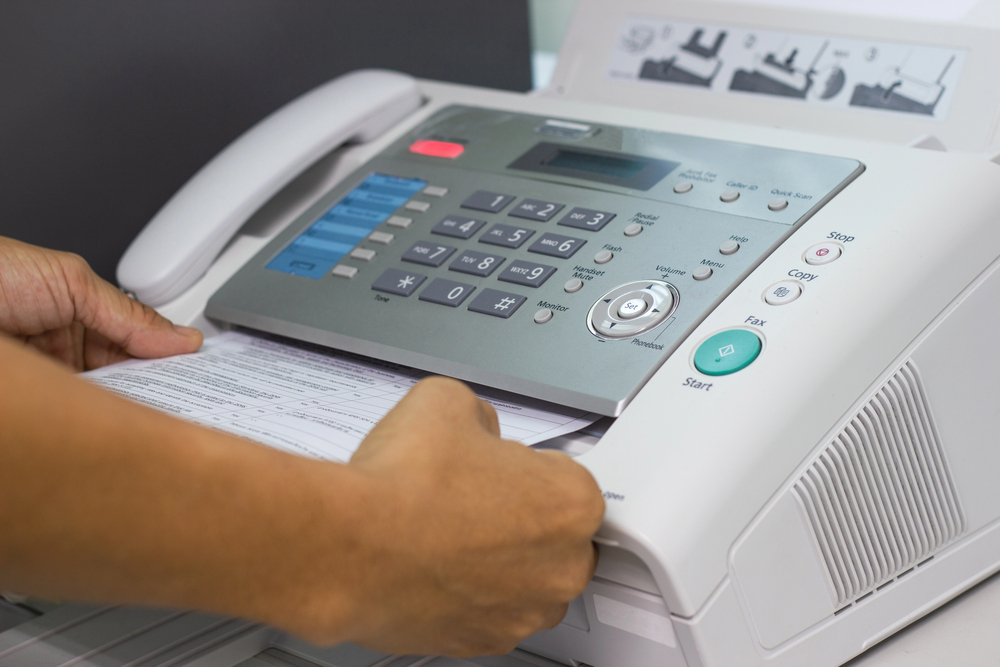
The facsimile machine technology dates back to the 1800s yet somehow survives in modern offices despite being slow, insecure, and inefficient. Many industries, particularly healthcare, legal, and government sectors, continue to require faxes for document transmission.
Modern digital alternatives offer faster transmission, better security, and searchable text. The persistence of fax technology demonstrates how regulatory frameworks and institutional inertia can preserve outdated technologies long past their natural lifespan.
Daylight Saving Time

Twice yearly, much of the world disrupts its collective circadian rhythm by shifting clocks forward or backward. Originally implemented to conserve energy during World War I, modern research indicates that daylight saving time increases heart attacks, workplace accidents, and traffic collisions in the days following clock changes.
It saves virtually no energy with modern lighting and creates needless confusion. Despite mounting evidence of its harms and calls for permanent standard time from sleep experts, this disruptive practice continues.
Airline Boarding Methods

Most airlines still use back-to-front boarding despite numerous studies showing it’s among the slowest possible methods. This approach creates unnecessary congestion as passengers struggle to access overhead bins while others wait in the aisle.
Alternative methods like the Steffen method (boarding in carefully calculated combinations of rows and seat positions) could reduce boarding times by 40%. Airlines acknowledge the inefficiency but prioritize rewarding frequent flyers with early boarding over system-wide efficiency.
Cursive Handwriting

Schools continue teaching cursive despite its declining practical usage in the digital age. The argument that cursive improves cognitive development has been largely debunked, with studies showing that any form of handwriting offers similar benefits.
Historical documents can now be digitally preserved and translated into modern text. Many school systems have reduced cursive instruction time, but tradition and generational attachment keep this increasingly obsolete skill in many curricula.
Incandescent Light Bulbs

Despite being essentially “heaters that produce light as a byproduct,” incandescent bulbs persist in some applications. These energy vampires convert only about 5% of energy into light, wasting the rest as heat.
Modern LED alternatives last 25 times longer while using 75% less energy. Although many countries have phased out incandescents, they remain available in some markets due to consumer preferences for their warm light quality and lower upfront cost, despite being vastly more expensive over their lifetime.
AM/FM Radio
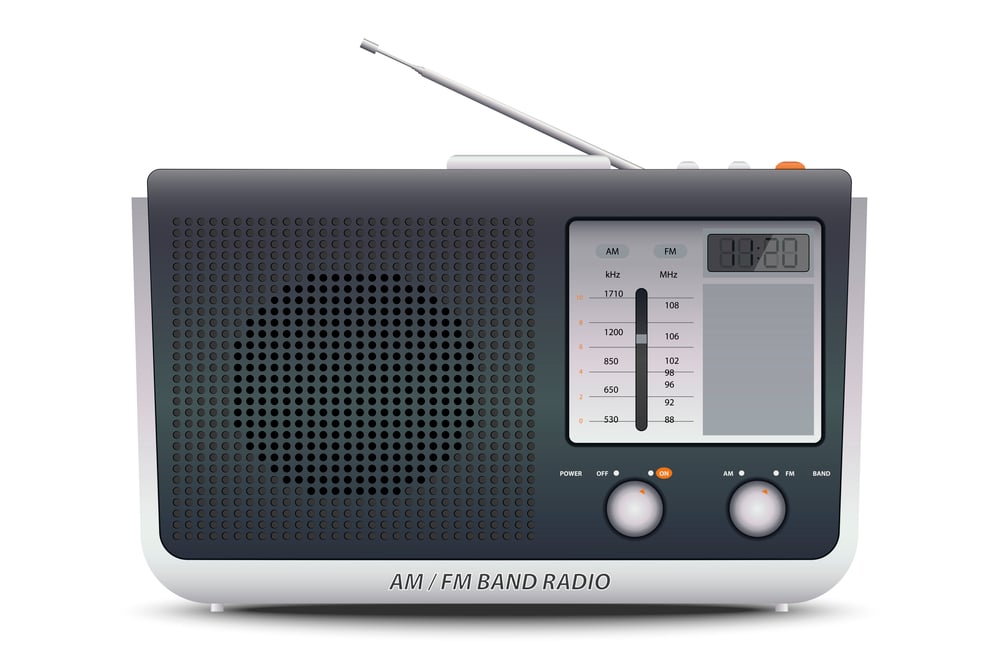
Traditional radio broadcasting continues despite more efficient digital alternatives. AM radio suffers from poor audio quality and susceptibility to electrical interference, while FM offers slightly better quality but inefficient spectrum usage.
Digital radio technologies like DAB and HD Radio offer superior sound quality, more stations in the same bandwidth, and additional features like program information. Yet the massive installed base of receivers and broadcast infrastructure maintains this century-old technology.
The Electoral College

The United States presidential election system was designed for a different era with different concerns. The Electoral College creates the possibility of presidents who lose the popular vote, gives disproportionate influence to “swing states,” and reduces voter engagement in non-competitive states.
While constitutional amendments to change this system face significant hurdles, the persistence of this 18th-century design in a modern democracy illustrates how founding documents can preserve outdated systems through institutional inertia.
Standard Toilets

Conventional western toilets waste tremendous amounts of water—up to 1.6 gallons per flush in newer models and 3-5 gallons in older ones. They’re also ergonomically problematic, as the sitting position doesn’t align with the natural angle of the digestive tract.
Alternative designs like vacuum toilets use minimal water, while squat toilets offer better ergonomics. Western cultural preferences and existing plumbing infrastructure keep the standard flush toilet dominant despite its inefficiency.
Alkaline Batteries
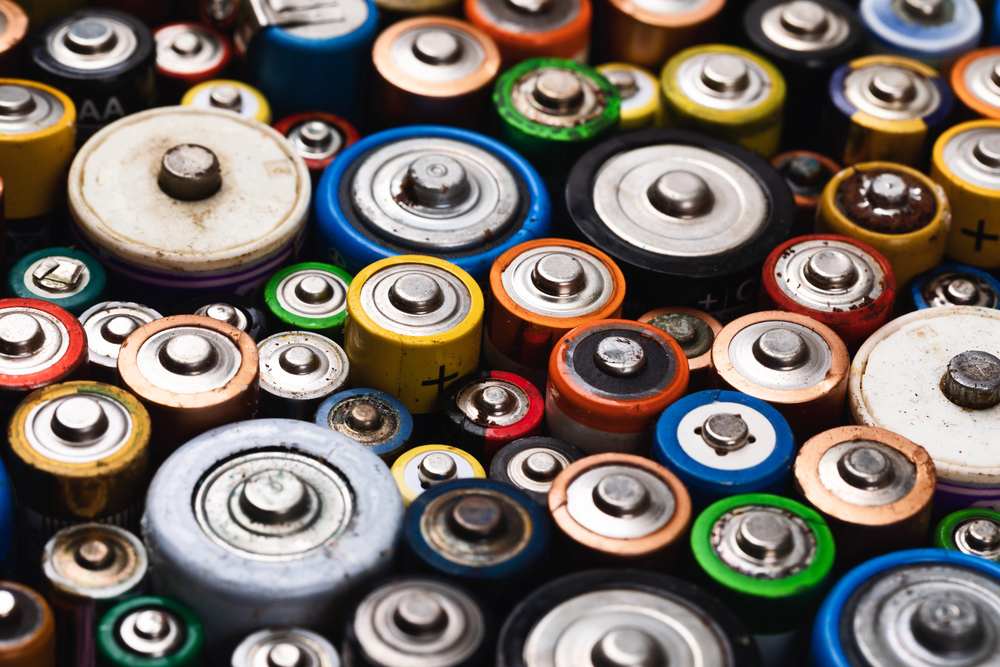
Single-use alkaline batteries continue to sell by the billions despite being environmentally problematic and economically inefficient. Modern rechargeable alternatives like lithium-ion and nickel-metal hydride batteries have overcome historical limitations in capacity and self-discharge rates.
A typical rechargeable can replace hundreds of disposable batteries over its lifetime. Yet disposables persist due to convenience, low upfront cost, and long shelf life for emergency applications.
Designing for Persistence

These examples show how deeply ingrained systems resist change even when better alternatives exist. The persistence of suboptimal designs isn’t simply about technical superiority but involves complex interactions between economics, psychology, and social systems.
Understanding why failed designs endure provides valuable insights into how human societies balance innovation with stability and helps explain why the perfect solution doesn’t always replace the “good enough” one that came first.
More from Go2Tutors!

- The Romanov Crown Jewels and Their Tragic Fate
- 13 Historical Mysteries That Science Still Can’t Solve
- Famous Hoaxes That Fooled the World for Years
- 15 Child Stars with Tragic Adult Lives
- 16 Famous Jewelry Pieces in History
Like Go2Tutors’s content? Follow us on MSN.