Historical Bets With Unexpected Outcomes
Throughout history, people have wagered on just about anything imaginable. From dissolving priceless jewelry to walking around the globe, these audacious gambles reveal humanity’s eternal willingness to risk it all on a bet.
Sometimes these wagers led to fortune, sometimes to ruin, but they always made for unforgettable stories. Here is a list of 16 historical bets with outcomes so wild they’ve become legendary.
Cleopatra’s Pearl Cocktail
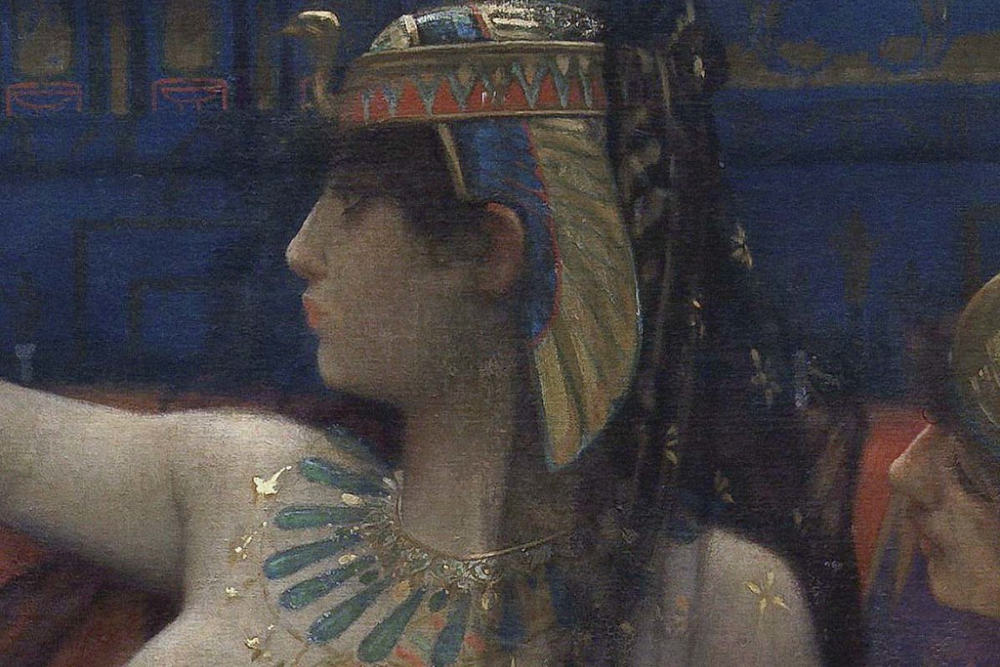
In 41 BC, Egyptian queen Cleopatra made one of history’s most extravagant bets with her lover Mark Antony. After he expressed doubt that she could spend 10 million sesterces (roughly $30 million in today’s money) on a single dinner, Cleopatra responded with theatrical flair.
During their next feast, she removed one of her massive pearl earrings—reportedly among the largest in the world—dropped it into a glass of vinegar, and drank the solution once the pearl dissolved. The judge of their wager, Lucius Plancus, stopped her before she could dissolve the second pearl and declared Cleopatra the winner of the outrageous bet.
The 5,000-to-1 Football Miracle
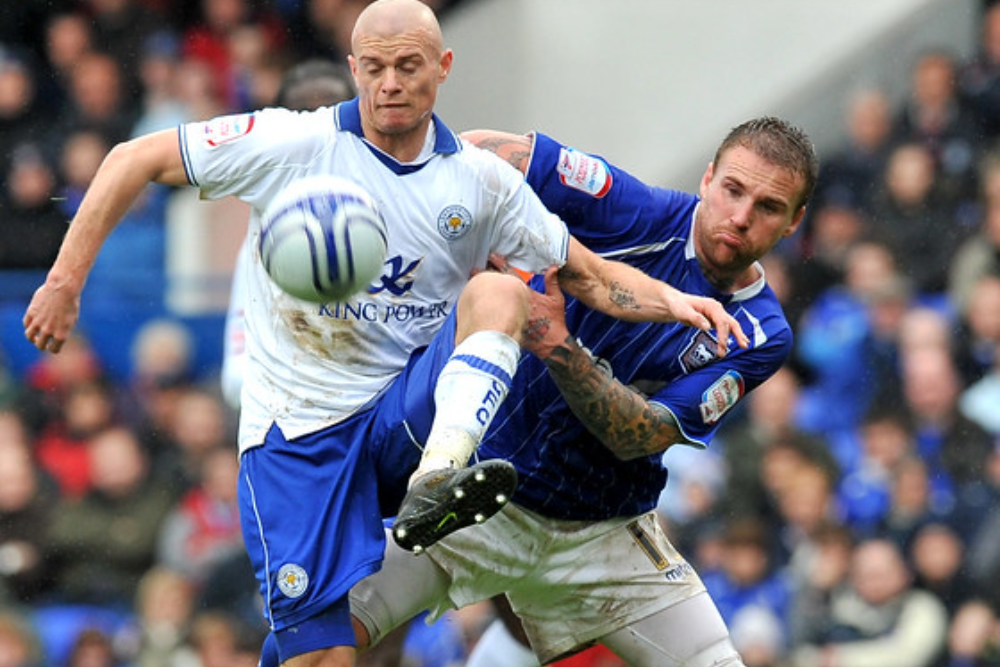
In the 2015-16 English Premier League season, Leicester City Football Club pulled off what many consider the greatest upset in sports history. The team had nearly been relegated the previous season, and bookmakers offered astronomical 5,000-to-1 odds against them winning the championship.
To put these odds in perspective, bookies offered better chances of Elvis being found alive (2,000-to-1). Against all expectations, the Foxes dominated the season and claimed the title, turning modest £5 bets into £25,000 payouts and costing betting companies millions.
Like Go2Tutors’s content? Follow us on MSN.
The Poker Wife

In 2007, Russian poker player Andrei Karpov found himself in a high-stakes game where he had run out of cash. Desperate to stay in the hand, he offered something unexpected as collateral: his wife.
Karpov lost the hand to fellow player Sergey Brodov. When his wife discovered she had been used as a betting chip, she was understandably furious—but in a surprising twist, she divorced Karpov and actually married Brodov, later commenting that she was “very happy” with the man who had “won” her.
The Man Who Bet Everything on Red
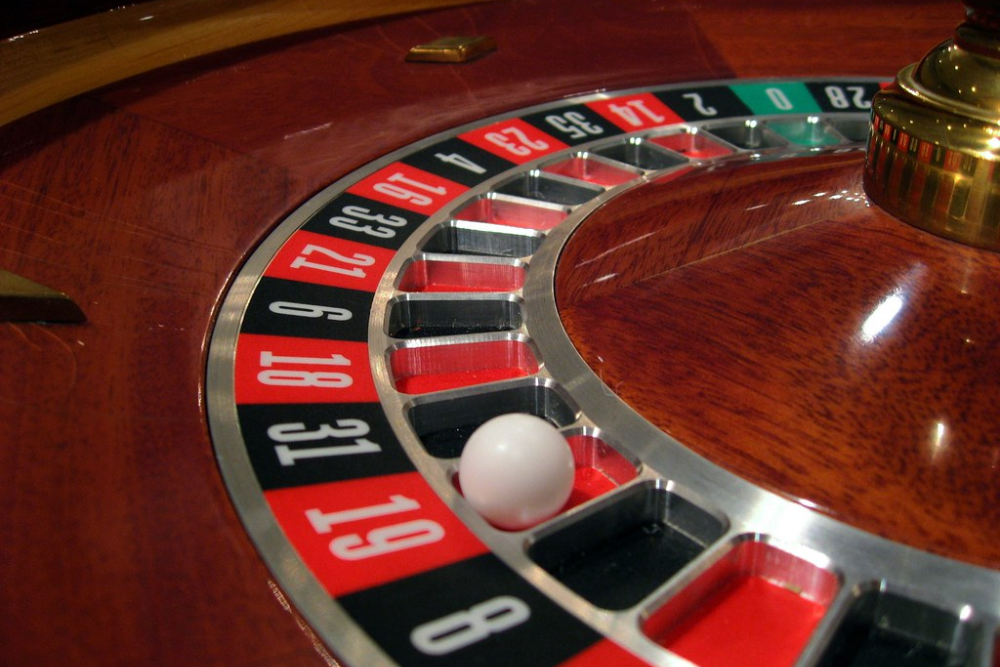
In 2004, Ashley Revell from England sold all his possessions—his house, car, clothes, everything—and headed to Las Vegas with roughly $135,000. In a moment of either madness or extraordinary courage, Revell placed his entire life savings on red at the roulette table at the Plaza Hotel and Casino.
The wheel spun, the room fell silent, and the ball landed on Red 7. Having instantly doubled his net worth, Revell wisely tipped the dealer $600 and walked away without placing another bet.
The Suitcase Man’s Final Wager
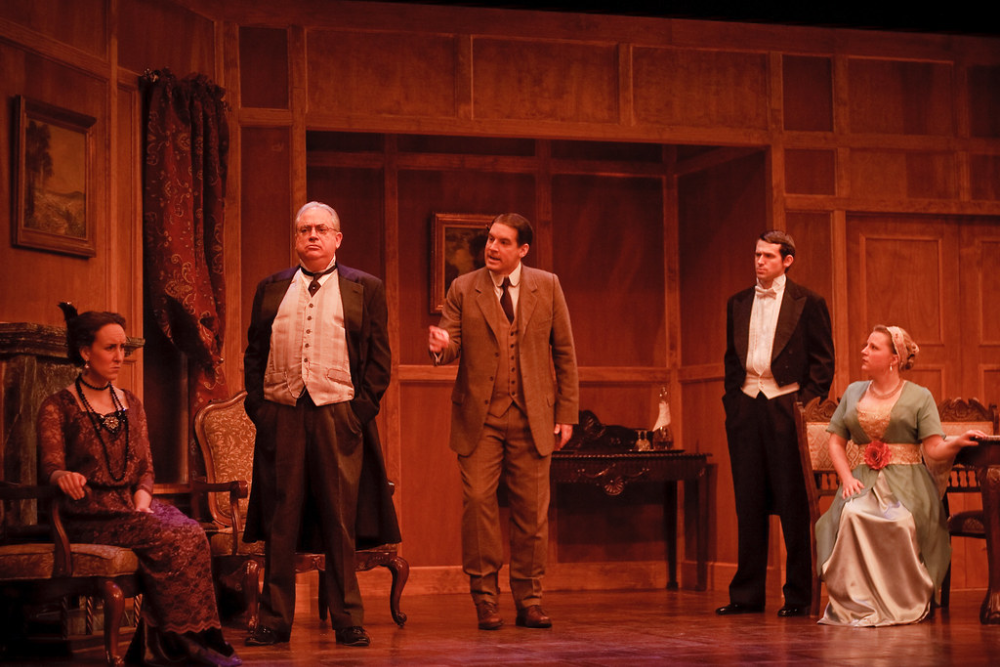
William Lee Bergstrom earned his nickname “The Suitcase Man” in 1980 when he walked into Las Vegas’ Horseshoe Casino carrying two suitcases—one empty and one containing $777,000 (his entire fortune). He placed the entire amount on a single craps bet and won, filling his empty suitcase with winnings.
After several years, Bergstrom returned to place an even larger $1 million bet. This time, however, luck wasn’t on his side.
He lost everything. Sadly, Bergstrom committed suicide in his Vegas hotel room shortly after the devastating loss.
Like Go2Tutors’s content? Follow us on MSN.
The Global Pram Push
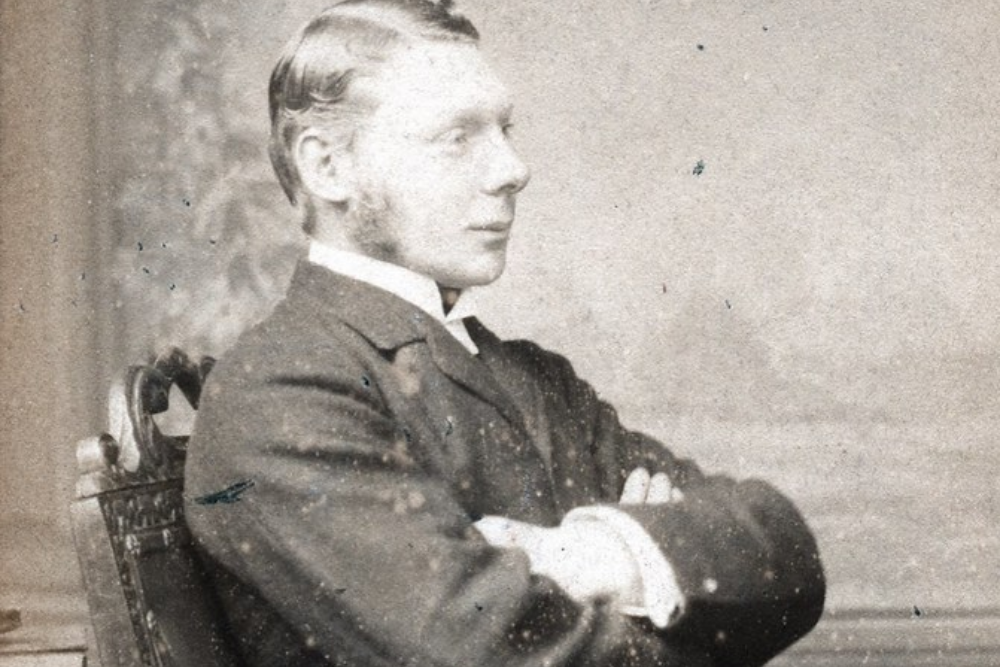
In the early 1900s, the Earl of Lonsdale accepted a bizarre wager from his friend J.P. Morgan: that no man could circumnavigate the globe on foot without being recognized. The bet came with strange conditions—the person could only change pants once, must wear a metal helmet throughout the journey, and had to push a baby carriage the entire way.
A showman named Harry Bernsley accepted the challenge for a prize of £21,000 (millions in today’s currency). Although he embarked on this peculiar journey, historical records suggest he never completed the full circumnavigation.
The Butcher’s Race
In 18th-century England, a clever butcher named Mr. Bullock challenged the Earl of Barrymore to a footrace with a considerable sum at stake. The nobleman, an athletic man in peak condition, laughed at the portly butcher’s proposition.
However, Bullock stipulated two conditions: he would get a 35-meter head start, and he could choose the course. The overconfident Earl agreed.
The race was held in Black Lion Lane, one of the narrowest streets in London. Despite the Earl’s superior speed, he couldn’t pass the hefty butcher in the tight confines, allowing Bullock to waddle to a crafty and profitable victory.
The Randi Million-Dollar Challenge
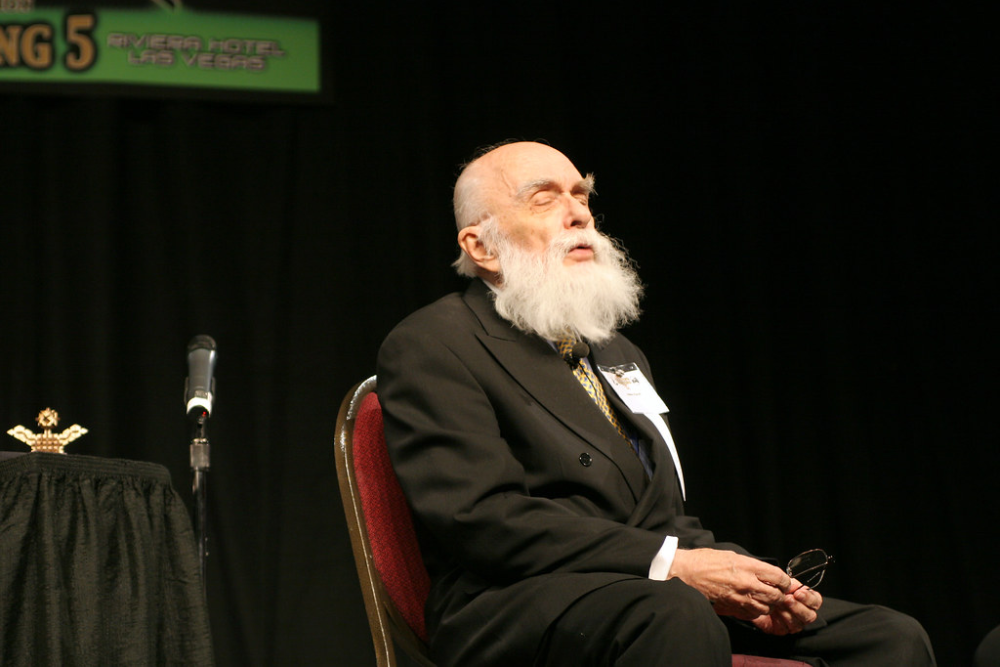
Famous skeptic and magician James Randi offered a $1 million reward to anyone who could demonstrate paranormal abilities under controlled scientific conditions. Despite thousands of applicants over decades, including famous psychics and mediums, no one ever claimed the prize.
Randi’s challenge became legendary in scientific circles as a standing rebuke to supernatural claims, with the unclaimed million serving as what Randi called “an expensive insurance policy” against fraudulent paranormal assertions.
Like Go2Tutors’s content? Follow us on MSN.
The 10-Year Prediction
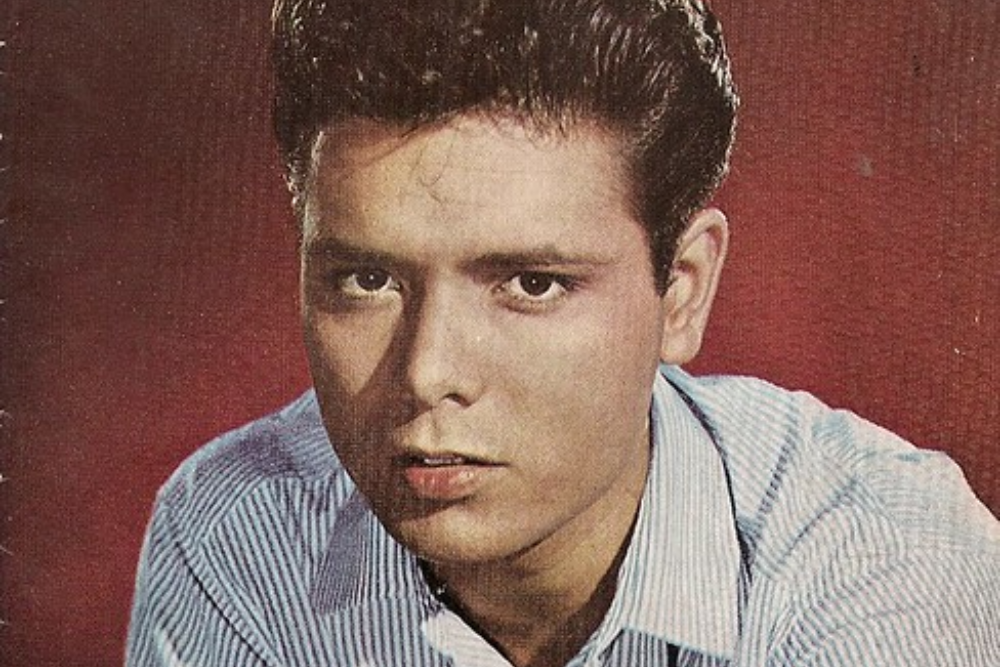
In 1989, an anonymous Welsh bettor made what seemed like a foolish wager. He placed £30 on several unlikely events all happening before the year 2000: Cliff Richard would be knighted, the TV shows Eastenders, Neighbours, and Home and Away would still be on air, and the band U2 would still be together.
The accumulated odds were 6,479-to-1. Eleven years later, the man returned to the same betting shop with his tattered betting slip—every prediction had come true. The bookmaker paid out £194,400, the largest novelty bet payout in history at that time.
The World Series Long Shot
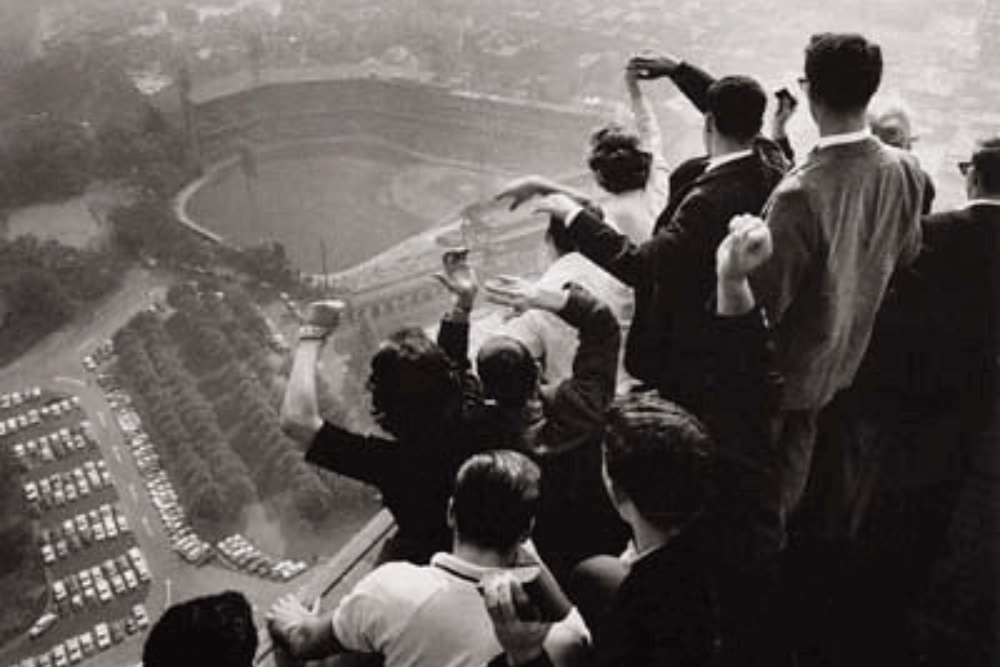
With just 15 games remaining in the 2011 MLB season, the St. Louis Cardinals were 4.5 games behind the Atlanta Braves for the National League wild card spot. Bookmakers listed them at 999-to-1 odds to win the World Series.
What followed was remarkable—Atlanta collapsed, the Cardinals won 11 of their last 15 games, scraped into the playoffs, and ended up winning the World Series against the Texas Rangers. The improbable championship run was one of the greatest comebacks in baseball history, rewarding the few faithful bettors who kept the faith.
The Breast Implant Bet
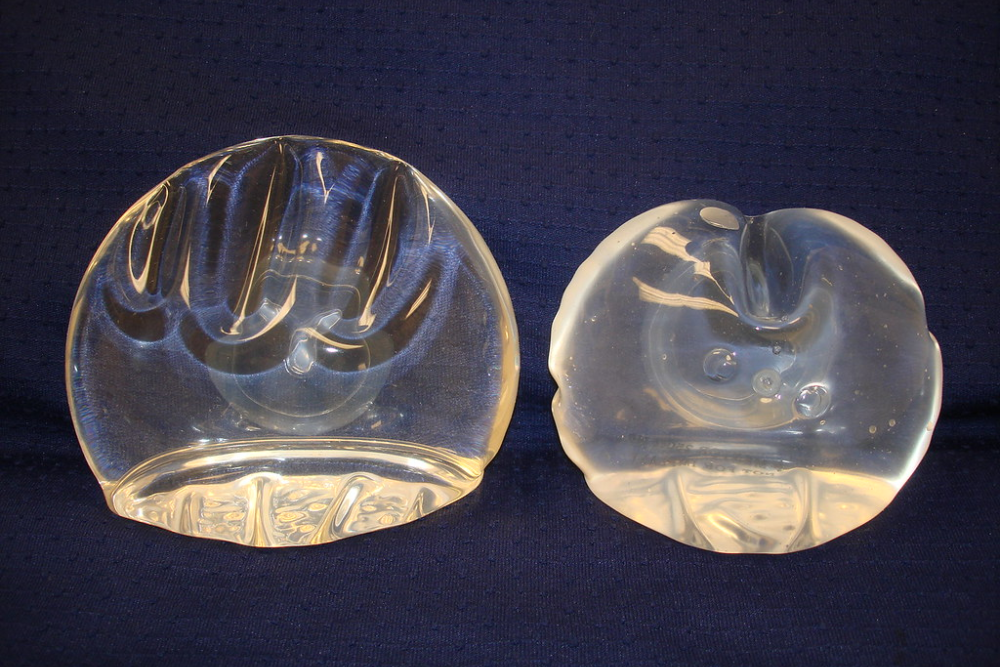
In perhaps one of the strangest wagers ever, professional gambler Brian Zembic accepted a bet from friends in 1996 that he wouldn’t get breast implants and keep them for one year. The stake was $100,000. Zembic, never one to back down from a challenge, underwent surgery and received 38C breast implants.
Not only did he win the bet after maintaining them for a year, but in an unexpected twist, he grew fond of his new additions and kept them for over 20 years, becoming something of a celebrity in gambling circles.
Like Go2Tutors’s content? Follow us on MSN.
Dostoyevsky’s Novel Gamble
The great Russian novelist Fyodor Dostoyevsky, himself a notorious gambler, once found himself deeply in debt. In a desperate move, he made a deal with his publisher that he would write a complete novel within a few months to pay off his obligations.
If he failed to deliver, he would surrender the publishing rights and royalties to all his previous works. Under this immense pressure, Dostoyevsky dictated “The Gambler”—appropriately about a gambling addiction—to a stenographer in just 26 days, saving his literary legacy and producing what would become a classic of world literature.
The Treadmill Marathon

After a night of heavy drinking, poker player Ashton Griffin impulsively bet his friend $300,000 that he could run 70 miles on a treadmill within 24 hours. Despite having no marathon training and being in questionable shape, Griffin embarked on the grueling challenge.
As the hours wore on, concerned friends tried to buy him out of the increasingly dangerous bet, but Griffin refused to quit. After running for nearly a full day with minimal breaks, he completed the distance with just minutes to spare, winning the bet but putting his health at serious risk.
Shaq’s White House Challenge
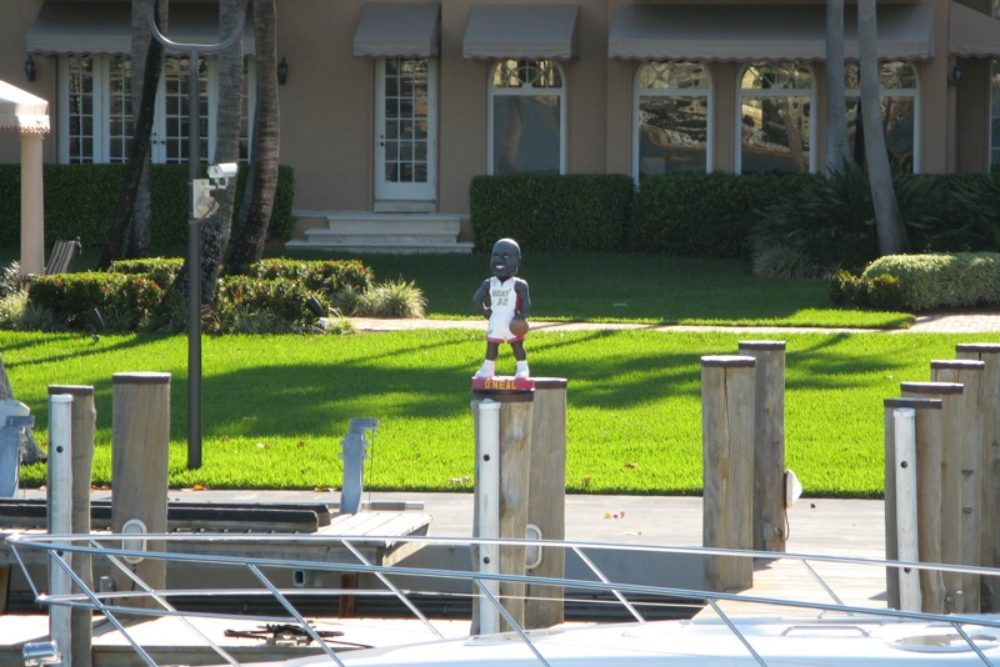
NBA legend Shaquille O’Neal once accepted a bet that he could walk up to the White House and gain entry without any prior arrangement or security clearance. Despite his fame, Shaq attempted to stroll up to the gates and request entry. The security staff was polite but firm—no appointment, no entry, not even for one of the world’s most recognizable athletes.
Having lost the wager, Shaq had to perform 1,000 push-ups as a forfeit, later joking that the experience taught him about the limits of celebrity.
Like Go2Tutors’s content? Follow us on MSN.
The Heavyweight Upset
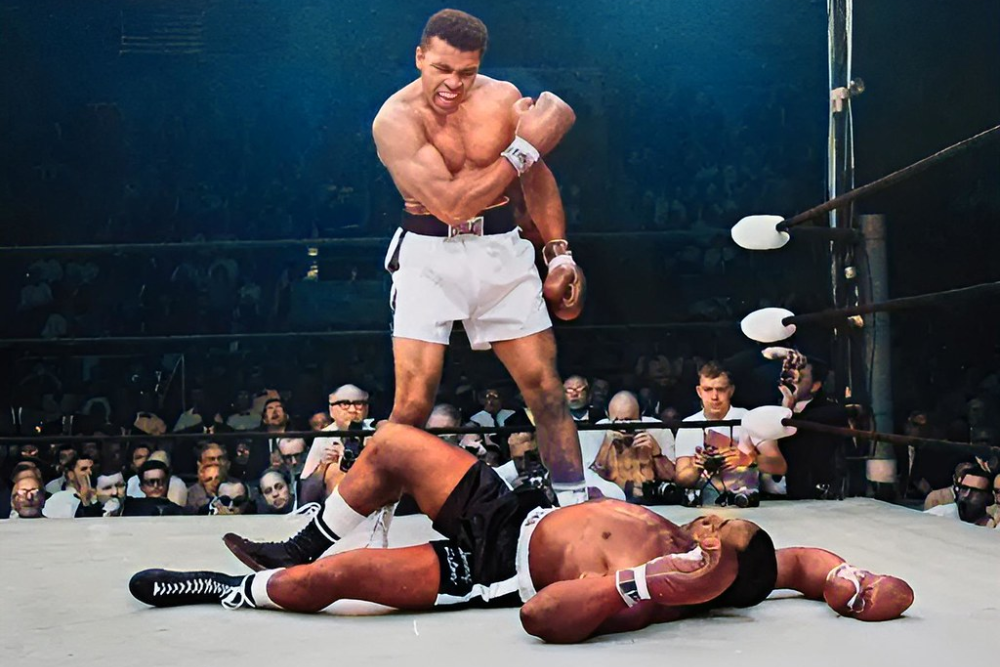
In 1990, heavyweight boxer James “Buster” Douglas faced undefeated world champion Mike Tyson in Tokyo. Tyson was so heavily favored that most Las Vegas bookmakers refused to accept bets on the fight.
The few that did offered 42-to-1 odds against Douglas. Even the Mirage Casino posted these odds largely as a publicity stunt, never expecting anyone to bet against Tyson.
In one of boxing’s most shocking upsets, Douglas knocked out the seemingly invincible Tyson in the tenth round. The few bettors who took the long odds earned massive payouts, while casinos suffered one of the biggest losses in sports betting history.
The Weight Loss Wager
Poker players Mike Matusow and Ted Forrest made an extreme bet in 2010: Forrest wagered $2 million that he could drop from 188 pounds to under 140 pounds in just two months. The timeline made this seemingly impossible, but Forrest employed extreme measures.
In the final stretch, he reportedly went ten days without eating, surviving on minimal sustenance like “a kiwi, a tomato and five or six raspberries” before weigh-in. Incredibly, he made the weight, hitting 138 pounds and winning the bet.
Matusow, unable to pay the full amount immediately, was reportedly put on a long-term payment plan.
The FedEx Blackjack Gamble
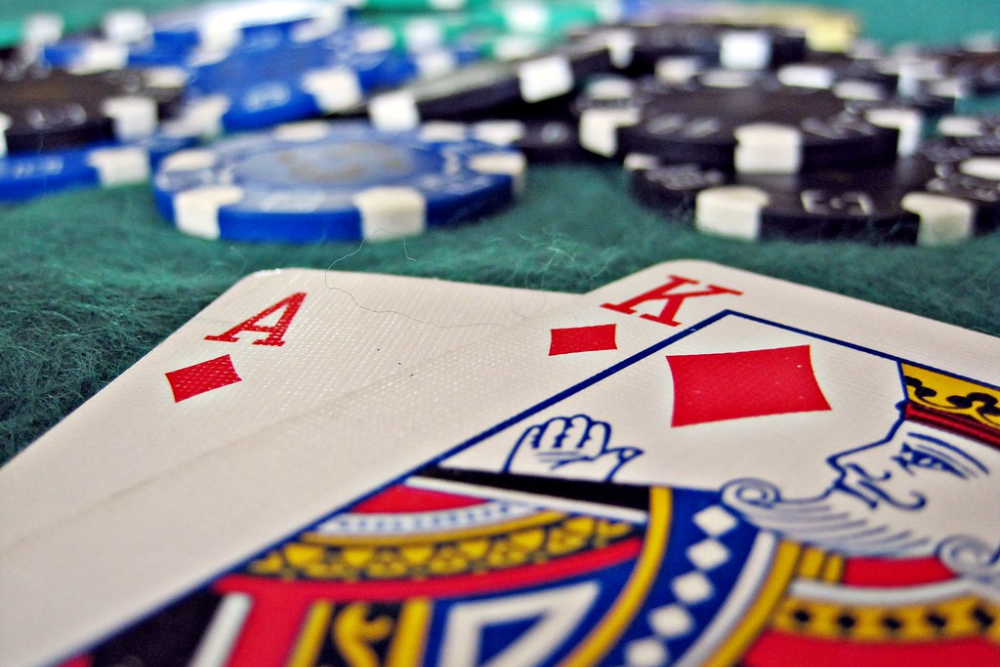
In 1973, Frederick Smith, the founder of FedEx, faced a crisis. His fledgling company was losing $1 million monthly and couldn’t cover a critical $24,000 fuel bill.
After being denied additional loans, Smith made a desperate decision—he took the company’s last $5,000 to Las Vegas and played blackjack. In what could have been corporate suicide, Smith instead turned the $5,000 into $27,000, providing just enough cash to keep operations going for another week.
This desperate gamble bought FedEx the time it needed to secure new funding, ultimately allowing the company to survive and become the shipping giant we know today.
Like Go2Tutors’s content? Follow us on MSN.
The Lasting Effect of Audacious Wagers
These historical bets reveal much about human nature—our competitive spirit, our willingness to take enormous risks, and sometimes our spectacular lapses in judgment. Whether motivated by pride, desperation, or sheer bravado, these gamblers etched their names into history through wagers that defied conventional wisdom.
While we might question their decisions, there’s something undeniably compelling about people willing to risk everything on a bet, reminding us that sometimes the wildest gambles lead to the most unforgettable outcomes.
More from Go2Tutors!

- 18 Unexpectedly Valuable Collectibles You Might Have Lying Around
- 15 Things Every Teenager in the ’70s Did That Teens Today Wouldn’t Understand
- 15 Strange Things People Have Tried to Ban (And Failed)
- 15 Inventions That Were Immediately Banned After Being Created
- 20 Actors Who Were Almost Cast in Iconic Roles
Like Go2Tutors’s content? Follow us on MSN.