Companies That Made Competitors Rich
Business history is filled with strategic missteps and market miscalculations that unexpectedly benefit rivals. These corporate blunders have sometimes handed competitors golden opportunities to gain market share, develop breakthrough products, or entirely reinvent industries. The consequences of these decisions ripple through business case studies today, serving as cautionary tales of how even the most powerful companies can inadvertently elevate their competition.
Here is a list of 14 remarkable instances when a company’s actions accidentally made their competitor wealthy.
Blockbuster Rejects Netflix
In 2000, Netflix founder Reed Hastings proposed a partnership to Blockbuster CEO John Antioco, offering to run Blockbuster’s online brand while Netflix handled the mail-order rentals. Blockbuster declined the $50 million offer, viewing Netflix as a niche service with limited appeal. This rejection allowed Netflix to develop its streaming model unimpeded, eventually becoming a $200+ billion entertainment powerhouse while Blockbuster filed for bankruptcy in 2010.
Xerox Shows Apple Its GUI
In 1979, Xerox invited Steve Jobs to its PARC research facility where engineers demonstrated their revolutionary graphical user interface. Xerox executives didn’t recognize the commercial potential of their own innovation, essentially giving Apple a roadmap for the future of computing. Jobs immediately redirected Apple’s efforts, incorporating Xerox’s ideas into what became the Macintosh, fundamentally changing personal computing while Xerox watched from the sidelines.
Like Go2Tutors’s content? Follow us on MSN.
Encyclopedia Britannica Ignores Microsoft

When Microsoft approached Encyclopedia Britannica about creating a digital version for CD-ROM in the early 1990s, the prestigious publisher declined, fearing it would cannibalize their lucrative print encyclopedia sales. Microsoft instead partnered with Funk & Wagnalls to create Encarta, which dominated the digital reference market until Wikipedia’s rise. Encyclopedia Britannica’s print sales collapsed, forcing them to discontinue their printed edition in 2012 after 244 years.
Excite Passes on Google
In 1999, Excite CEO George Bell had the opportunity to purchase Google for just $1 million but turned it down after founders Larry Page and Sergey Brin demanded certain technical changes to Excite’s platform. Today, Google’s parent company Alphabet is worth over $1 trillion, while Excite eventually sold to Ask Jeeves for a fraction of what it once was worth. This represents one of the most expensive missed opportunities in tech history.
Yahoo Rejects Microsoft’s Offer
In 2008, Microsoft offered $44.6 billion to acquire Yahoo—a 62% premium over the company’s market value at the time. Yahoo’s board, led by co-founder Jerry Yang, rejected the offer as undervaluing the company. Yahoo’s market share subsequently declined as Google dominated search, and Yahoo eventually sold its core assets to Verizon in 2017 for just $4.48 billion—roughly one-tenth of Microsoft’s original offer.
Like Go2Tutors’s content? Follow us on MSN.
Kodak Invents Digital Photography
In 1975, Kodak engineer Steven Sasson invented the first digital camera, but the company buried the technology, fearing it would threaten their highly profitable film business. While Kodak hesitated to develop digital photography, companies like Canon, Nikon, and Sony embraced the technology. By the time Kodak recognized its mistake, competitors had established market dominance, leading to Kodak’s bankruptcy in 2012 despite having invented the very technology that replaced film.
MySpace Sells Too Early

In 2005, News Corporation purchased MySpace for $580 million when it was the dominant social media platform with over 75 million users. Poor management decisions and an emphasis on advertising revenue over user experience created an opening for Facebook. While News Corp was focused on monetizing MySpace, Facebook grew exponentially, eventually reaching billions of users and a trillion-dollar valuation while MySpace faded into obscurity.
IBM Licenses DOS to Microsoft
When IBM needed an operating system for its first personal computer in 1980, they approached Microsoft, which purchased a basic operating system from Seattle Computer Products and modified it into MS-DOS. Crucially, IBM allowed Microsoft to retain the rights to license the software to other computer manufacturers. This oversight enabled Microsoft to become the standard operating system for almost all IBM-compatible PCs, creating the foundation for Microsoft’s market dominance and Bill Gates’ fortune.
Like Go2Tutors’s content? Follow us on MSN.
Record Labels Sue Napster
When major record labels successfully sued Napster for copyright infringement in 2001, they thought they were protecting their business model. Instead, they created a vacuum that Apple filled with iTunes, which became the dominant music distribution platform. The labels’ focus on litigation rather than adapting to digital distribution handed control of their industry to technology companies, with Apple and later Spotify becoming the gatekeepers of music consumption.
Barnes & Noble Underestimates Amazon

In the 1990s, Barnes & Noble viewed Amazon as a minor threat, focusing on their brick-and-mortar stores while Amazon expanded its online presence. When Barnes & Noble finally launched its website in 1997, Amazon had already established itself as the ‘everything store’ and begun diversifying beyond books. Barnes & Noble’s delayed response allowed Amazon to grow into one of the world’s most valuable companies, while traditional bookstores continue to struggle with declining sales.
Comcast Refuses to Buy Netflix
In 2012, Netflix CEO Reed Hastings approached Comcast about a potential acquisition, but Comcast showed little interest in the streaming service. Comcast viewed Netflix as primarily a content distributor rather than a potential competitor in content creation. This miscalculation allowed Netflix to grow into a major producer of original content that now competes directly with Comcast’s NBCUniversal, with Netflix’s market cap eventually surpassing Comcast’s despite being the younger company.
Like Go2Tutors’s content? Follow us on MSN.
Friendster Rejects Google

Social networking pioneer Friendster turned down Google’s $30 million acquisition offer in 2003, believing it was worth much more. Technical problems and poor management decisions caused users to abandon the platform for Facebook and MySpace. Google went on to launch its own social networking attempts while Friendster’s value plummeted. The company eventually pivoted to gaming before shutting down completely in 2018, while Google became one of the world’s most valuable companies.
Nokia Dismisses iPhone
When Apple unveiled the iPhone in 2007, Nokia’s leadership dismissed it as an expensive niche product that wouldn’t appeal to business users. Nokia continued focusing on hardware specifications rather than software experience, missing the shift toward touchscreen interfaces and app ecosystems. This misjudgment allowed Apple and later Samsung to dominate the smartphone market. Nokia’s market share was collapsing so dramatically that Microsoft acquired its phone business in 2013 for a fraction of its former value.
Microsoft Mishandles Mobile
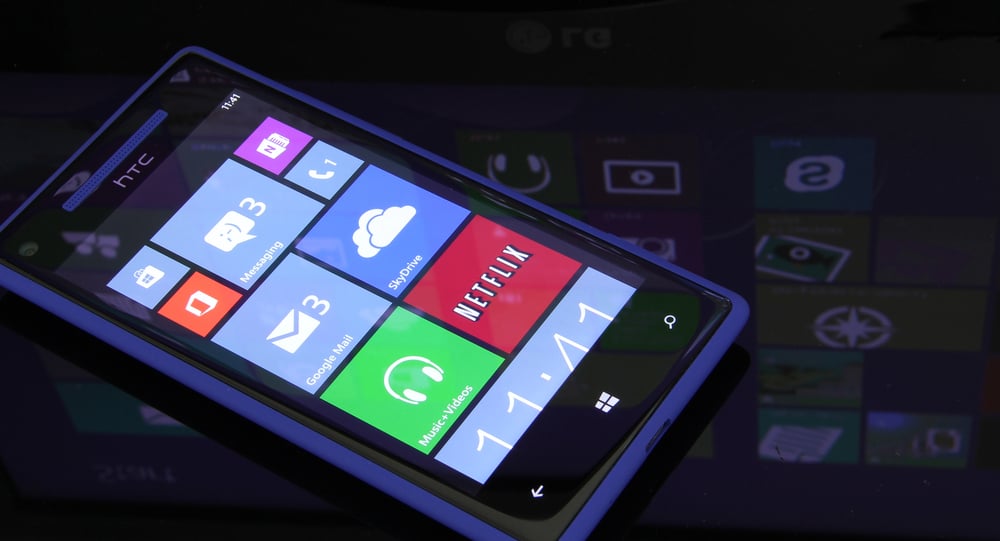
Microsoft CEO Steve Ballmer famously laughed at the iPhone in 2007, saying, ‘There’s no chance the iPhone is going to get any significant market share.’ Microsoft continued focusing on its Windows Mobile platform, which relied on stylus input rather than adopting touch-first design. This technological stubbornness created the opening for Google’s Android to become the dominant mobile operating system worldwide, generating billions in revenue while Microsoft eventually abandoned its mobile ambitions after several failed attempts.
The Digital Revolution’s Winners and Losers

The business landscape is littered with companies that once dominated their industries but failed to adapt to technological shifts. These corporate miscalculations frequently involve established market leaders dismissing innovations that initially appear inferior or irrelevant to their core business. The pattern reveals how difficult it is for successful companies to cannibalize their own profitable products even when facing existential threats. Today’s market leaders would be wise to remember that somewhere, in some garage or dorm room, their potential disruptor is already at work.
Like Go2Tutors’s content? Follow us on MSN.
More from Go2Tutors!

- 18 Unexpectedly Valuable Collectibles You Might Have Lying Around
- 15 Things Every Teenager in the ’70s Did That Teens Today Wouldn’t Understand
- 15 Strange Things People Have Tried to Ban (And Failed)
- 15 Inventions That Were Immediately Banned After Being Created
- 20 Actors Who Were Almost Cast in Iconic Roles
Like Go2Tutors’s content? Follow us on MSN.