Once-Massive Stores That Shrunk Into Obscurity
The retail industry in America has always been characterized by ongoing change. In recent decades, businesses that long controlled the nation’s main roadways and commercial centers have experienced previously unheard-of difficulties.
The way people shop has changed due to economic developments, shifting consumer habits, and technology advancements, making it difficult for many once-dominant companies to stay relevant. These 17 once-dominant retail businesses have drastically diminished from their peak splendor, either retaining only a small portion of their prior presence or virtually disappearing from the public eye.
Sears
The quintessential American department store has fallen from its perch as the country’s largest retailer. At its peak, Sears operated over 3,500 locations and even owned the tallest building in the world. Today, fewer than 20 stores remain open, a dramatic collapse for a company that was once as ubiquitous to American shopping as Amazon is now.
RadioShack
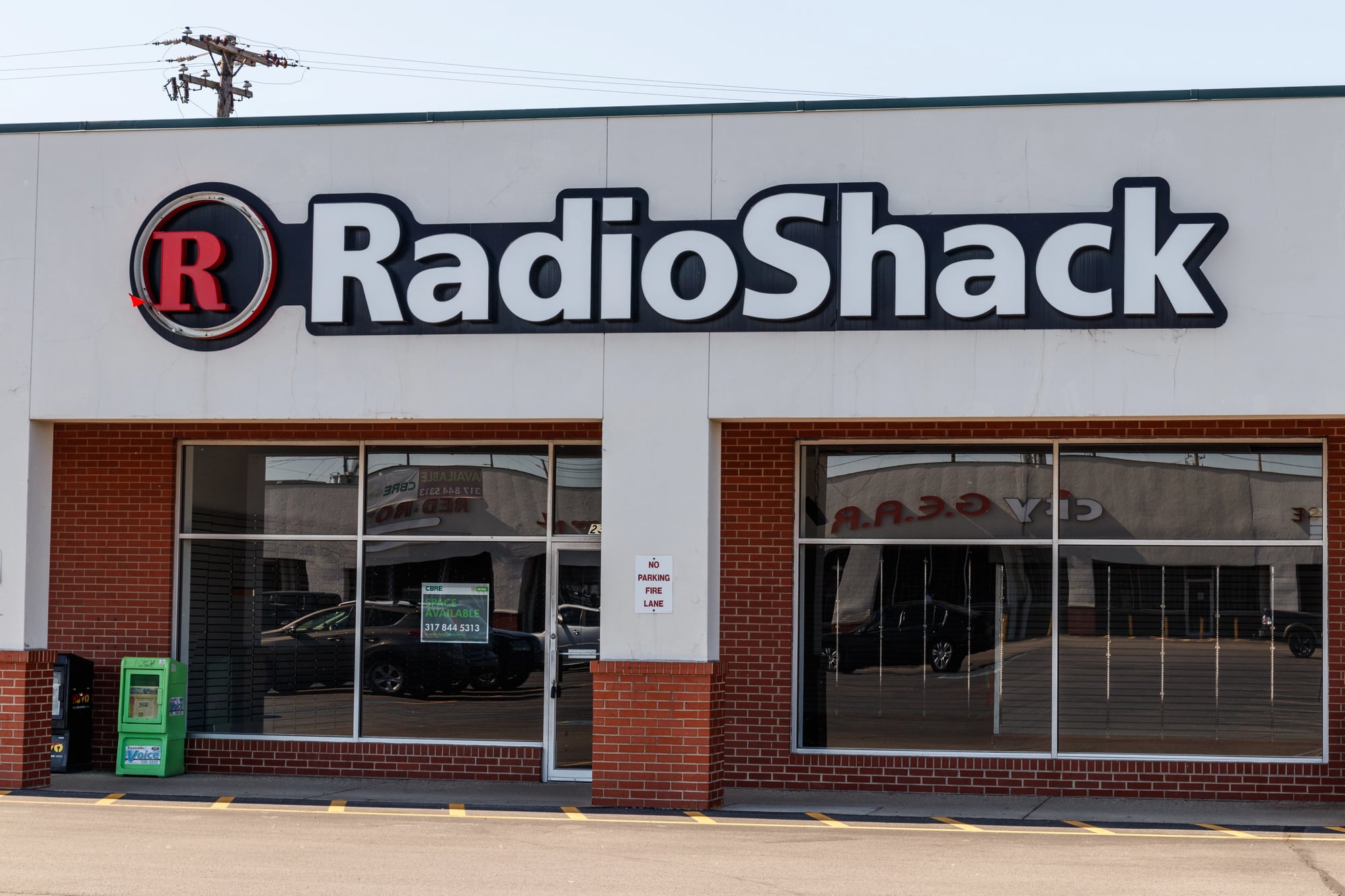
This electronics pioneer was once the go-to destination for technology enthusiasts and everyday consumers needing cables or batteries. RadioShack boasted more than 7,000 locations in its heyday, placing it within a short drive of 95% of American households.
The chain has shrunk to under 500 stores after multiple bankruptcies, leaving behind empty storefronts in strip malls across America.
Like Go2Tutors’s content? Follow us on MSN.
Kmart
The blue light special once drew crowds of bargain hunters to over 2,400 Kmart locations nationwide. Like a retail shooting star, the discount chain burned brightly before financial troubles and competition from Walmart reduced its footprint dramatically.
Today, fewer than 10 Kmart stores remain operational in the continental United States, with a handful of others in U.S. territories.
Blockbuster Video
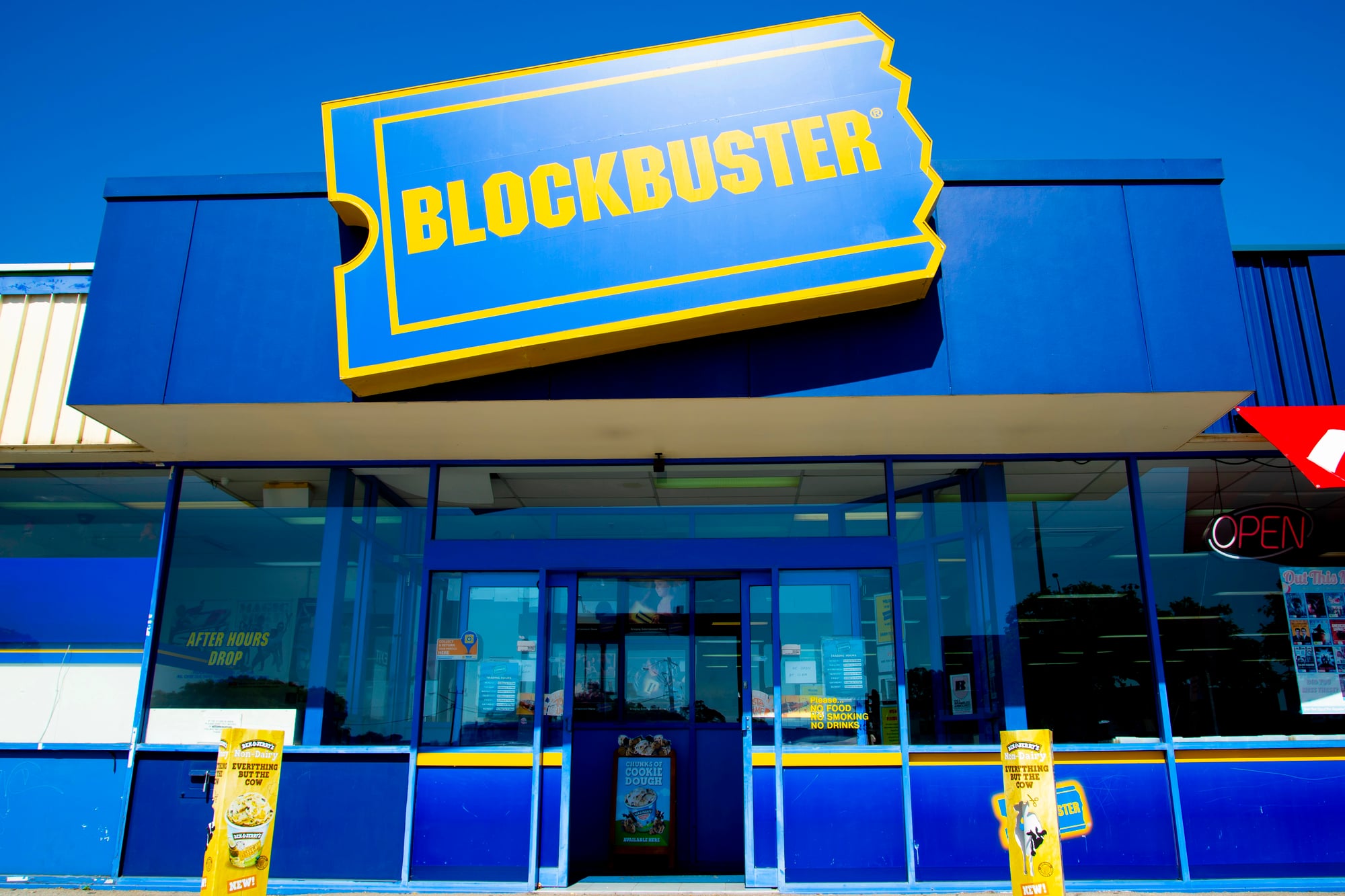
The movie rental giant controlled the weekend entertainment plans for millions of Americans, with over 9,000 stores worldwide at its zenith. Blockbuster’s familiar blue and yellow signage became an afterthought once streaming services emerged.
Now reduced to a single store in Bend, Oregon, the chain exists more as a nostalgic curiosity than a viable business.
Toys R Us
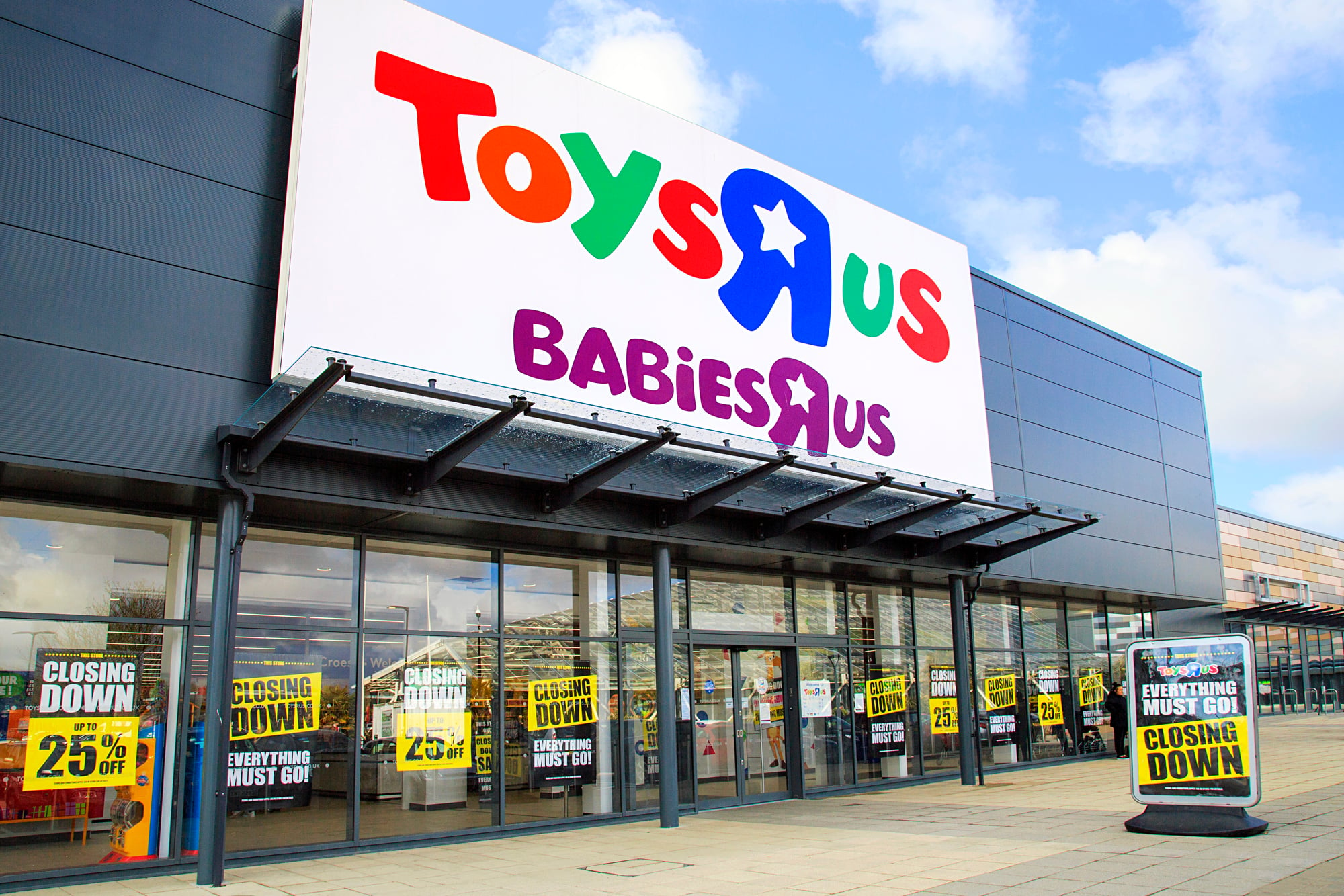
The toy retailer that declared itself a place where kids didn’t want to grow up once operated more than 800 massive warehouse-style stores across the country. Financial burdens and competition from online retailers forced the company into bankruptcy in 2017.
Though making modest comeback attempts with a handful of locations, the days of sprawling aisles filled with toys are largely memories for a generation of shoppers.
Like Go2Tutors’s content? Follow us on MSN.
Circuit City
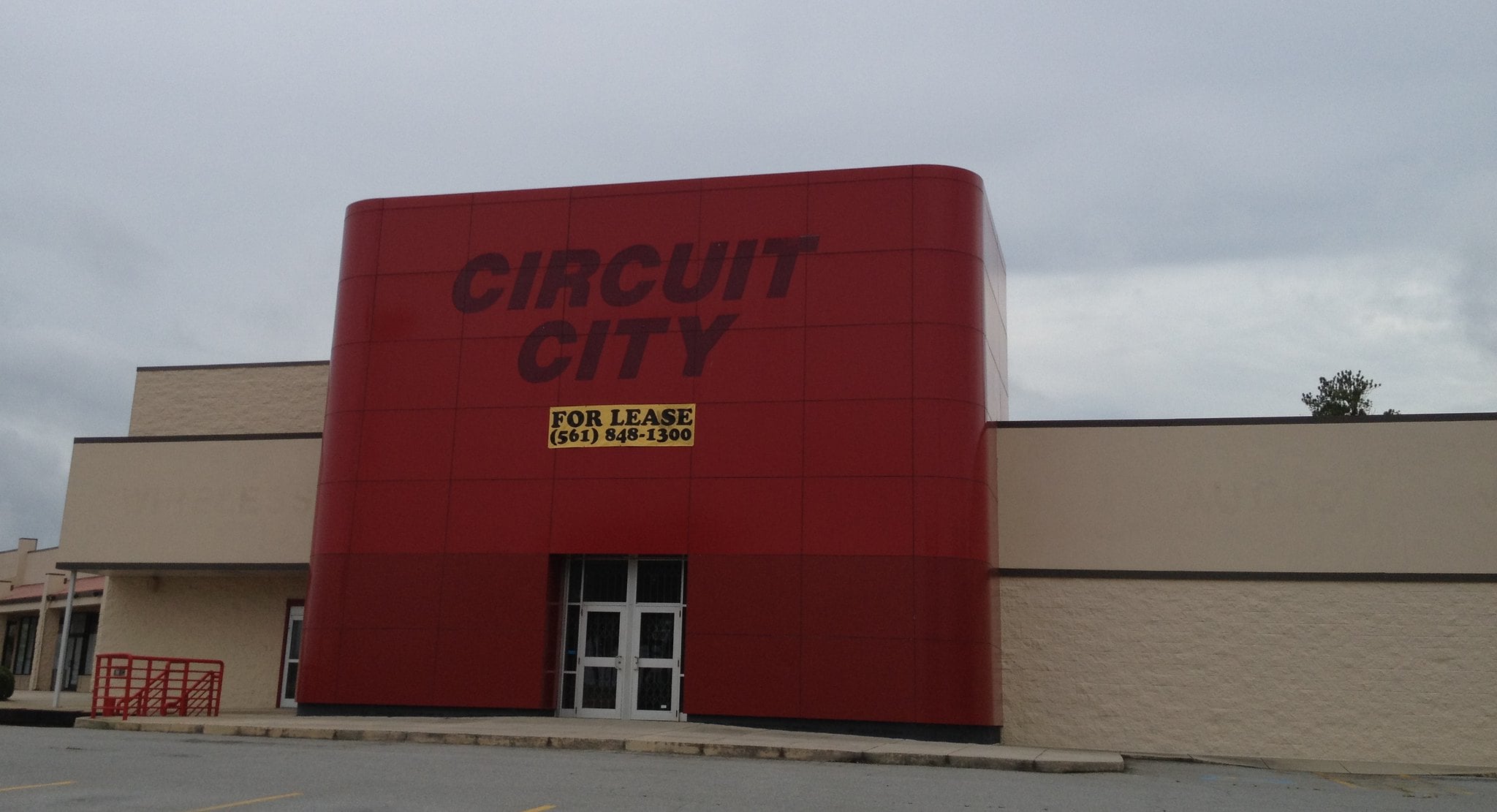
This electronics superstore was once the second-largest retailer in its category with over 700 locations nationwide. Circuit City’s red and white storefronts anchored shopping centers across America until the 2008 recession delivered the final blow to their already struggling operations.
The brand has completely vanished from physical retail, existing now only as an online retailer with none of its former prominence.
The Limited
This women’s fashion retailer defined mall shopping for many Americans through the 1980s and 1990s. With more than 750 stores at its height, The Limited helped establish the modern concept of fast fashion in American retail.
The company abruptly closed all physical locations in 2017, transitioning to an online-only presence before fading almost entirely from the retail scene.
Borders Books
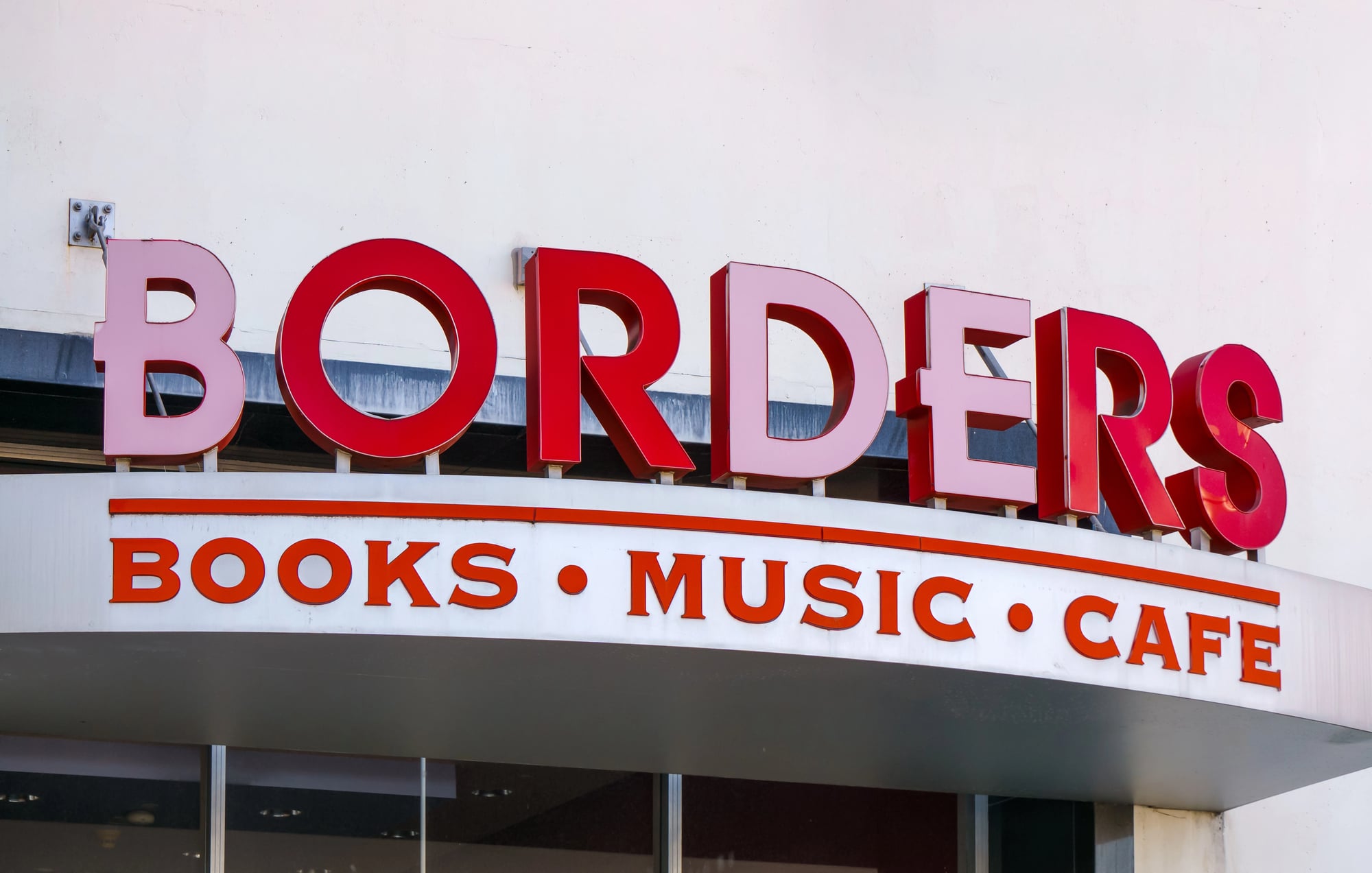
The bookstore chain created a new kind of third place for Americans with its comfortable chairs, in-store cafes, and massive selection spread across 650+ superstores. Borders failed to adapt to the digital reading revolution and closed its final stores in 2011.
The empty big-box spaces left behind often remained vacant for years, physical reminders of how quickly retail fortunes can change.
Like Go2Tutors’s content? Follow us on MSN.
CompUSA
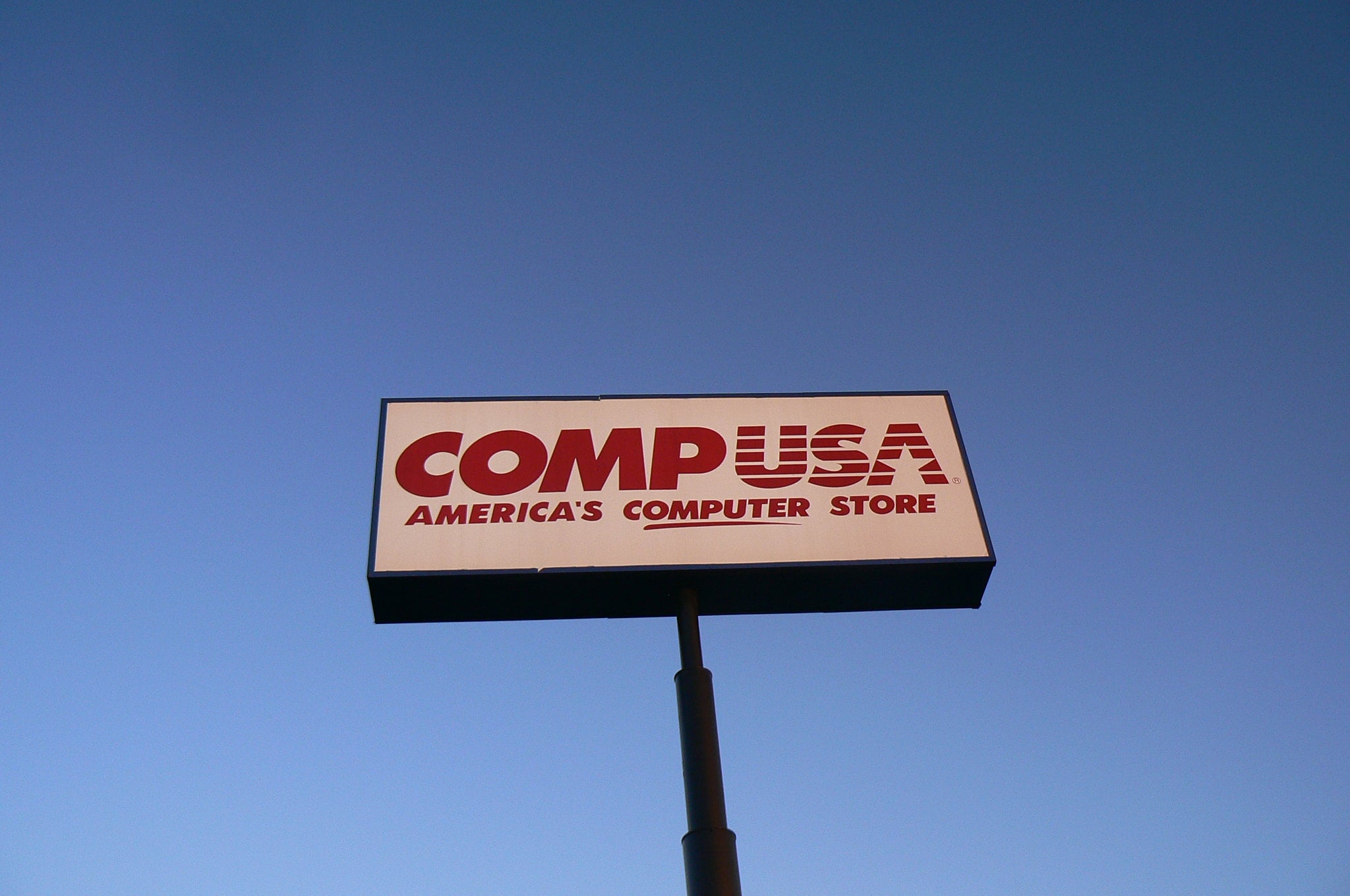
This computing superstore was the dominant player in personal computer retail during the 1990s tech boom. With nearly 300 warehouse-sized locations, CompUSA seemed perfectly positioned to capitalize on America’s growing tech obsession.
Mismanagement and competition from nimbler competitors led to its complete disappearance from American shopping centers by 2008.
Sports Authority
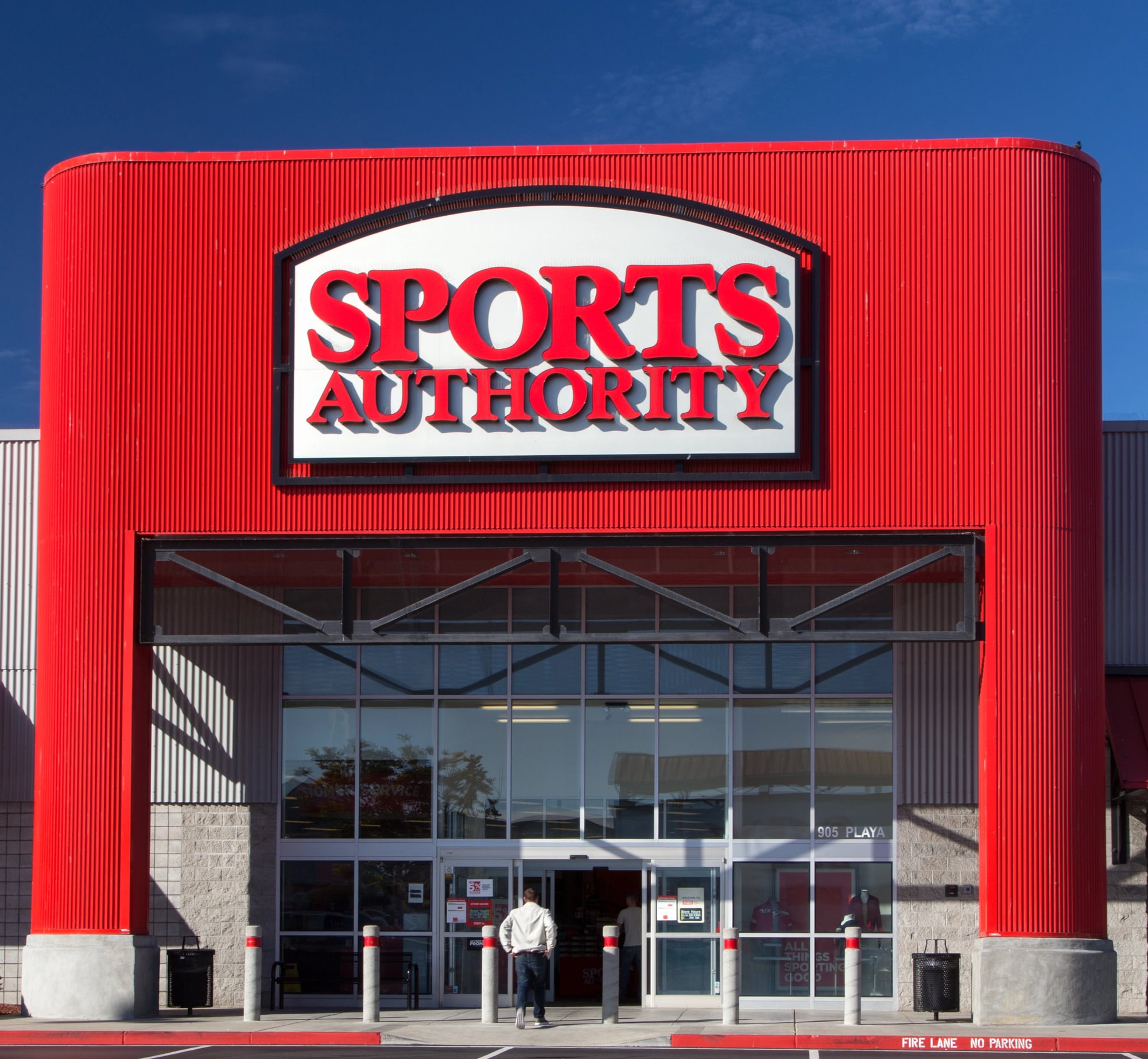
In 45 states, the athletic goods behemoth formerly ran more than 460 large-format stores. The red emblem of Sports Authority, which sold everything from team uniforms to workout gear, was a common sight at malls around the country.
Due to consumers moving their sports purchases elsewhere, the company closed all of its shops in 2016 after its bankruptcy reorganization failed.
Pier 1 Imports
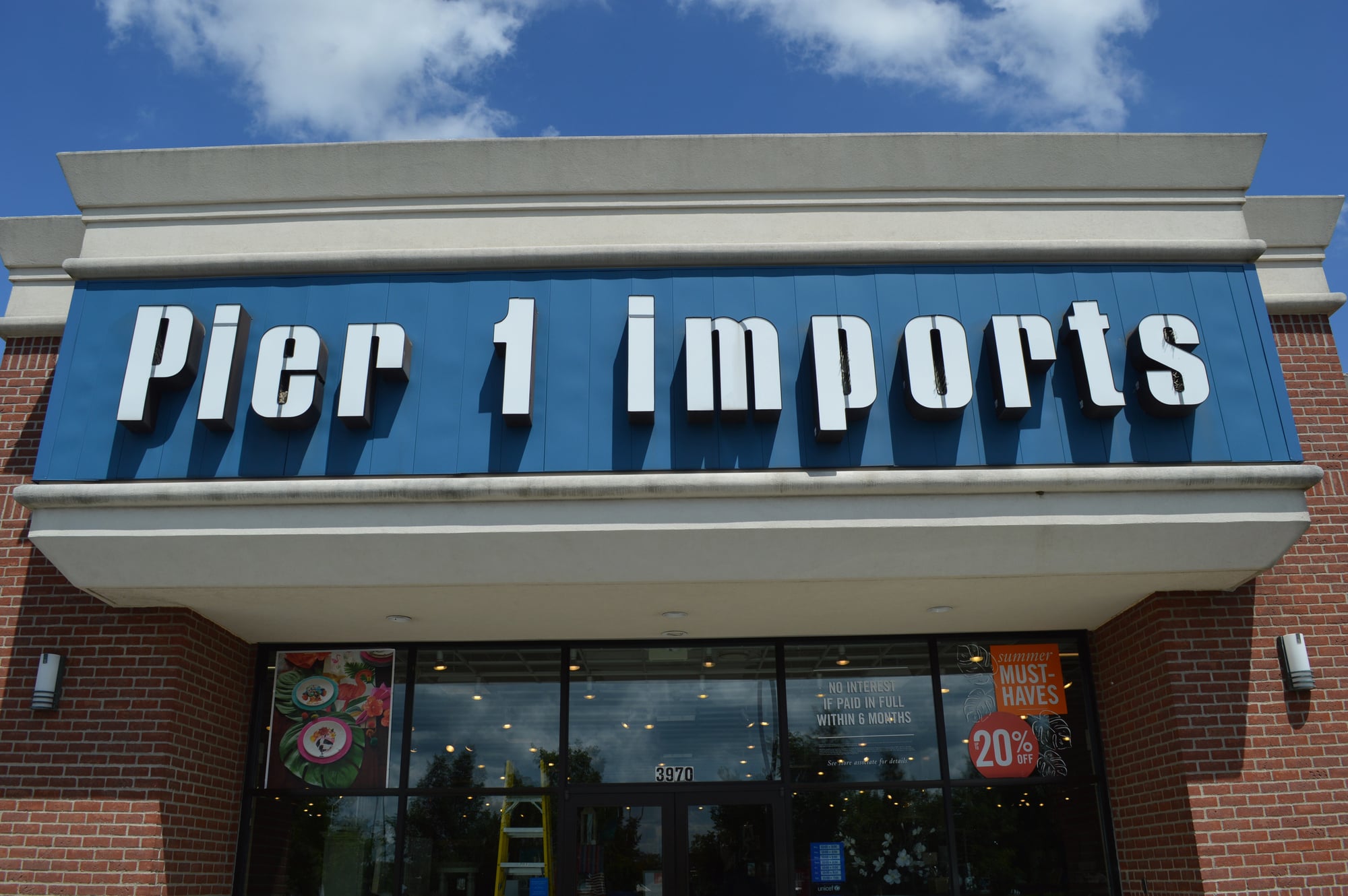
The home decor retailer brought international design sensibilities to suburban America through more than 1,000 locations at its height. Pier 1’s distinctive inventory of furniture and decorative items created a loyal following among middle-class homeowners.
Following bankruptcy and the pandemic, the company shuttered all physical stores in 2020, transitioning to an online-only model with substantially reduced visibility.
Like Go2Tutors’s content? Follow us on MSN.
Dressbarn
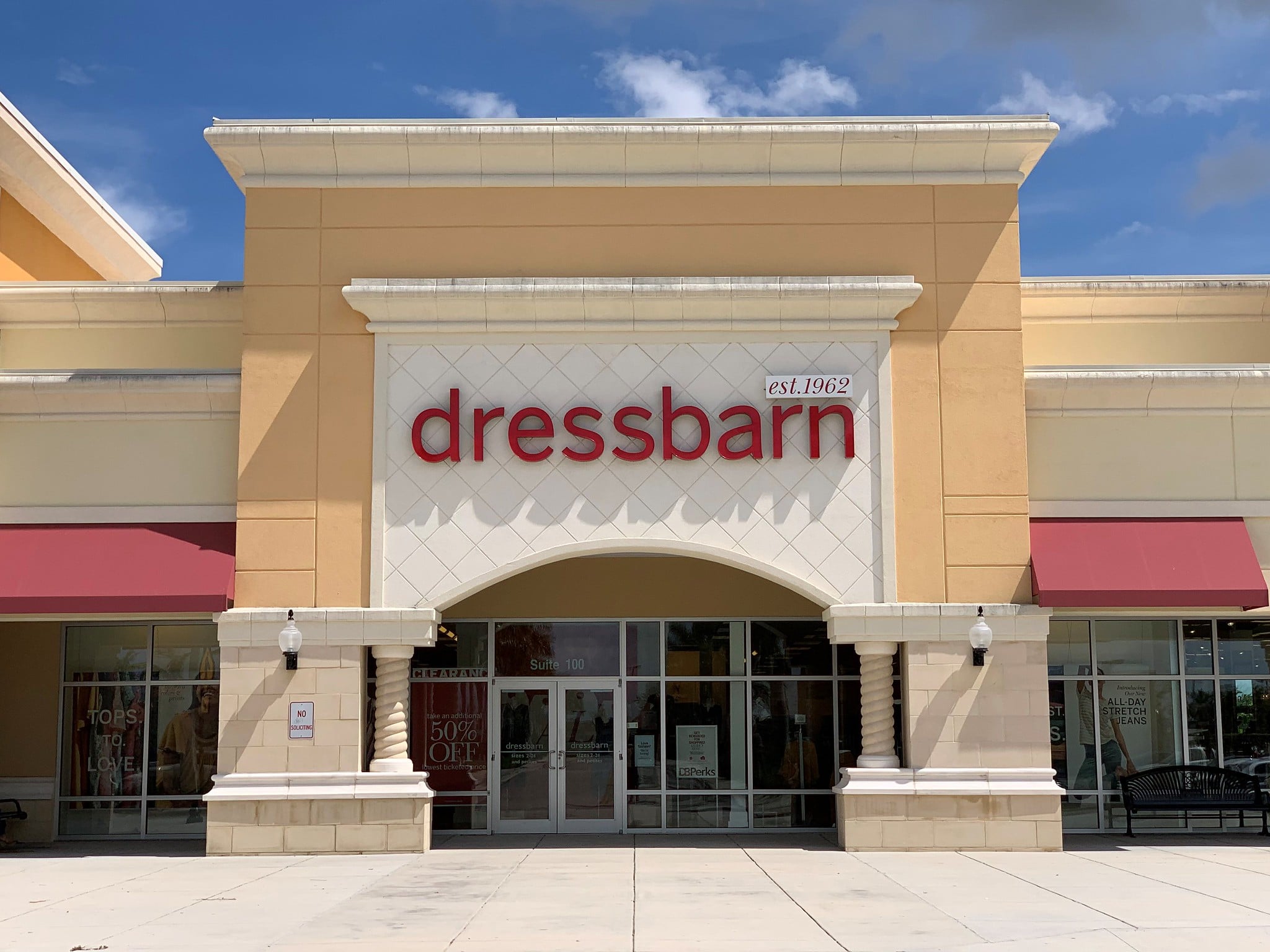
The women’s clothing retailer operated approximately 650 stores aimed at professional women seeking affordable workplace attire. Dressbarn maintained a steady presence in American retail for nearly 60 years, weathering numerous fashion cycles and economic downturns.
The company closed all physical locations in 2019, though the brand continues online with a fraction of its former market presence.
Linens ‘n Things
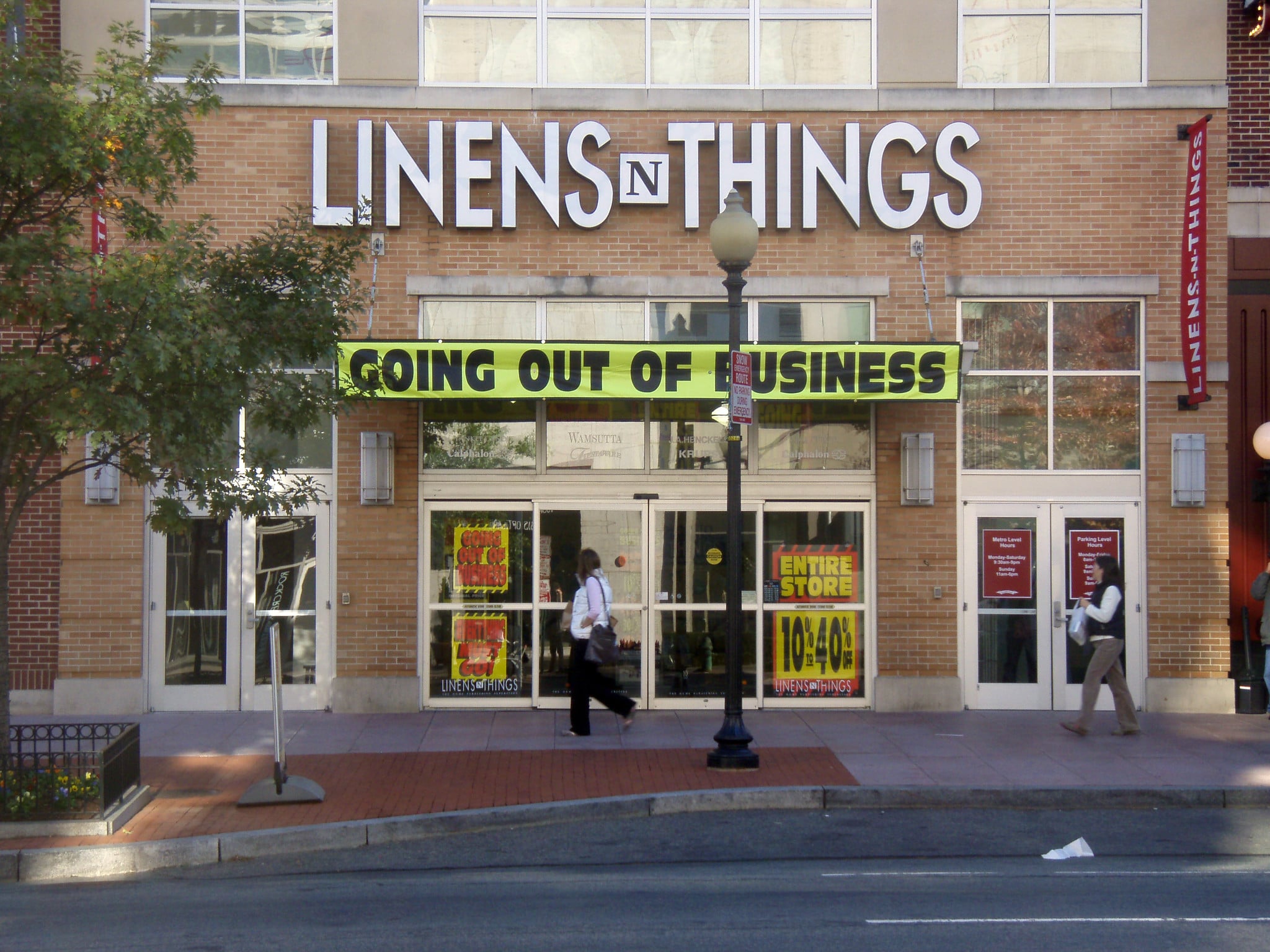
This home goods retailer directly competed with Bed Bath & Beyond, operating around 600 big-box stores nationwide. Linens ‘n Things offered everything from bedding to kitchen gadgets, with a similar coupon-heavy strategy as its main competitor.
The chain closed all physical locations following a 2008 bankruptcy, briefly operating online before fading substantially from consumer awareness.
Payless ShoeSource
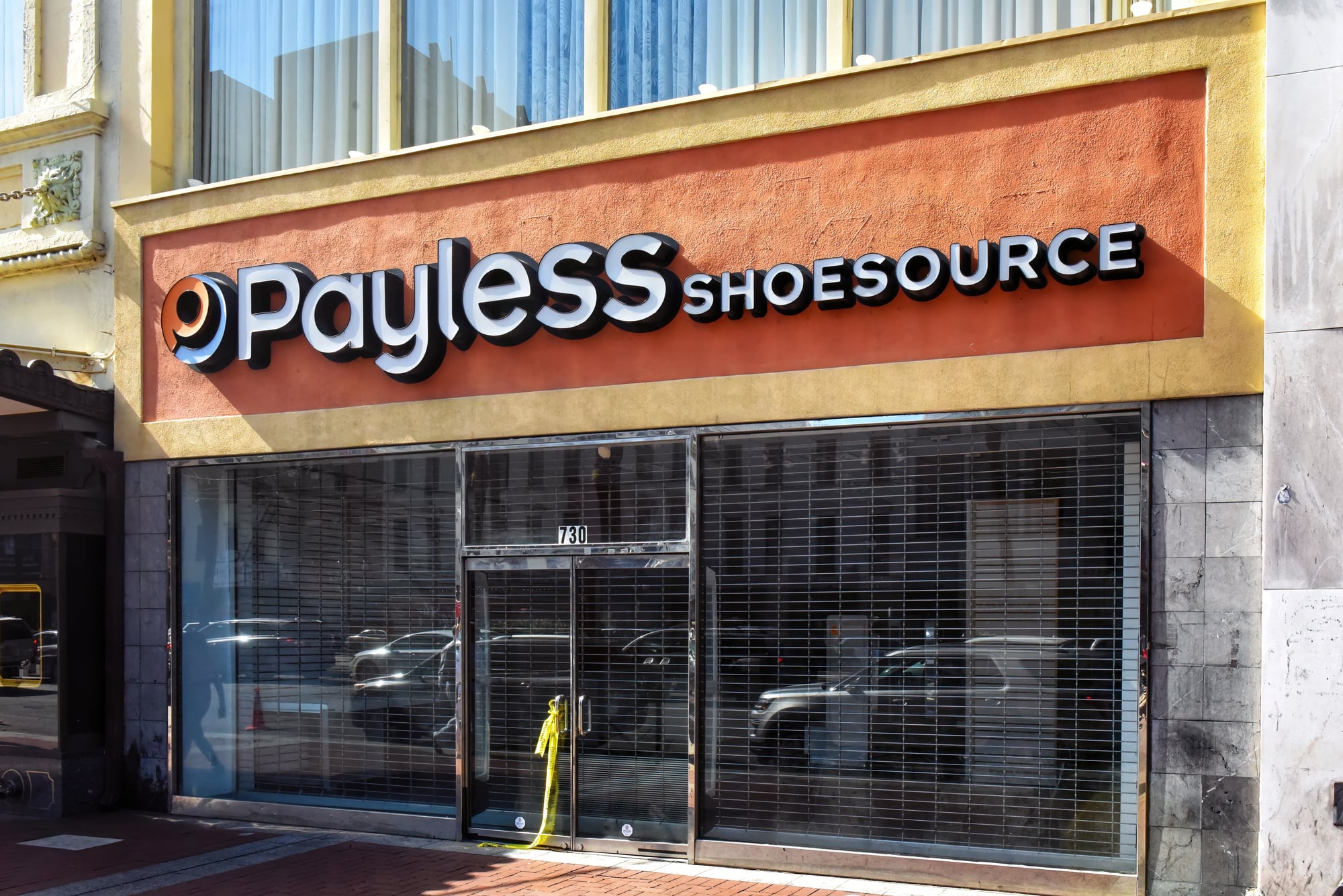
The affordable footwear retailer once operated nearly 4,500 stores globally, dominating the budget shoe market. Payless made shoe shopping accessible to families of all income levels with its self-service model and budget-friendly pricing.
After a complete shutdown in 2019, the company has attempted a modest comeback with a tiny fraction of its former store count and significantly reduced brand recognition.
Like Go2Tutors’s content? Follow us on MSN.
Gadzooks
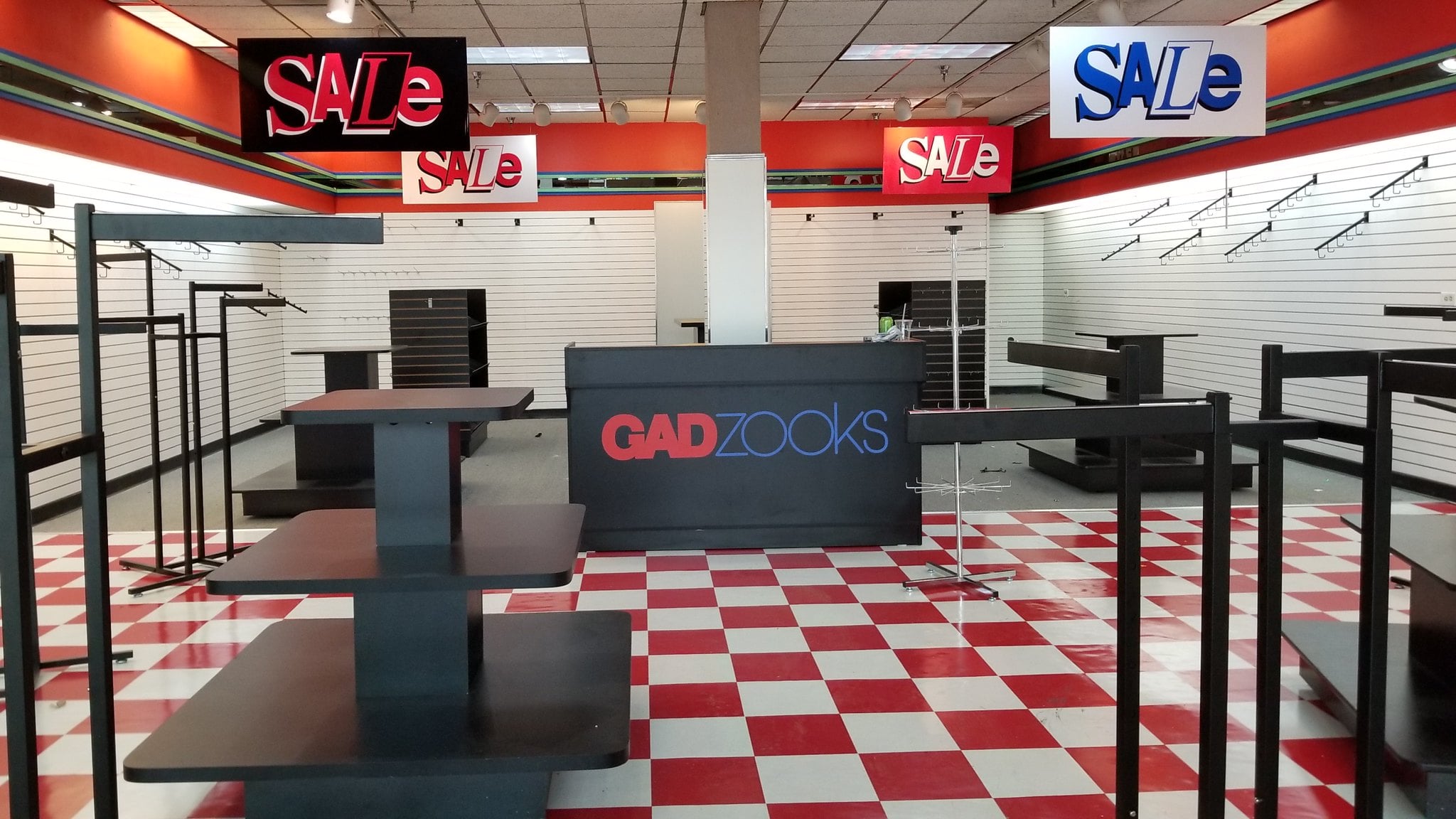
This teen-focused apparel retailer operated approximately 250 mall-based stores at its peak in the early 2000s. Gadzooks created an identity as a slightly edgier alternative to other teen retailers, focusing on denim and fashion-forward items.
The chain disappeared completely after being acquired by Forever 21 in 2005, representing the rapid turnover in the volatile teen retail market.
Tower Records
The music retailer operated approximately 200 stores worldwide, with nearly 90 in the United States during its strongest period. Tower Records stores became cultural institutions where music fans could spend hours browsing extensive inventories organized by knowledgeable staff.
The company closed its U.S. operations in 2006, though the brand continues in some international markets and with a modest online presence.
Wet Seal
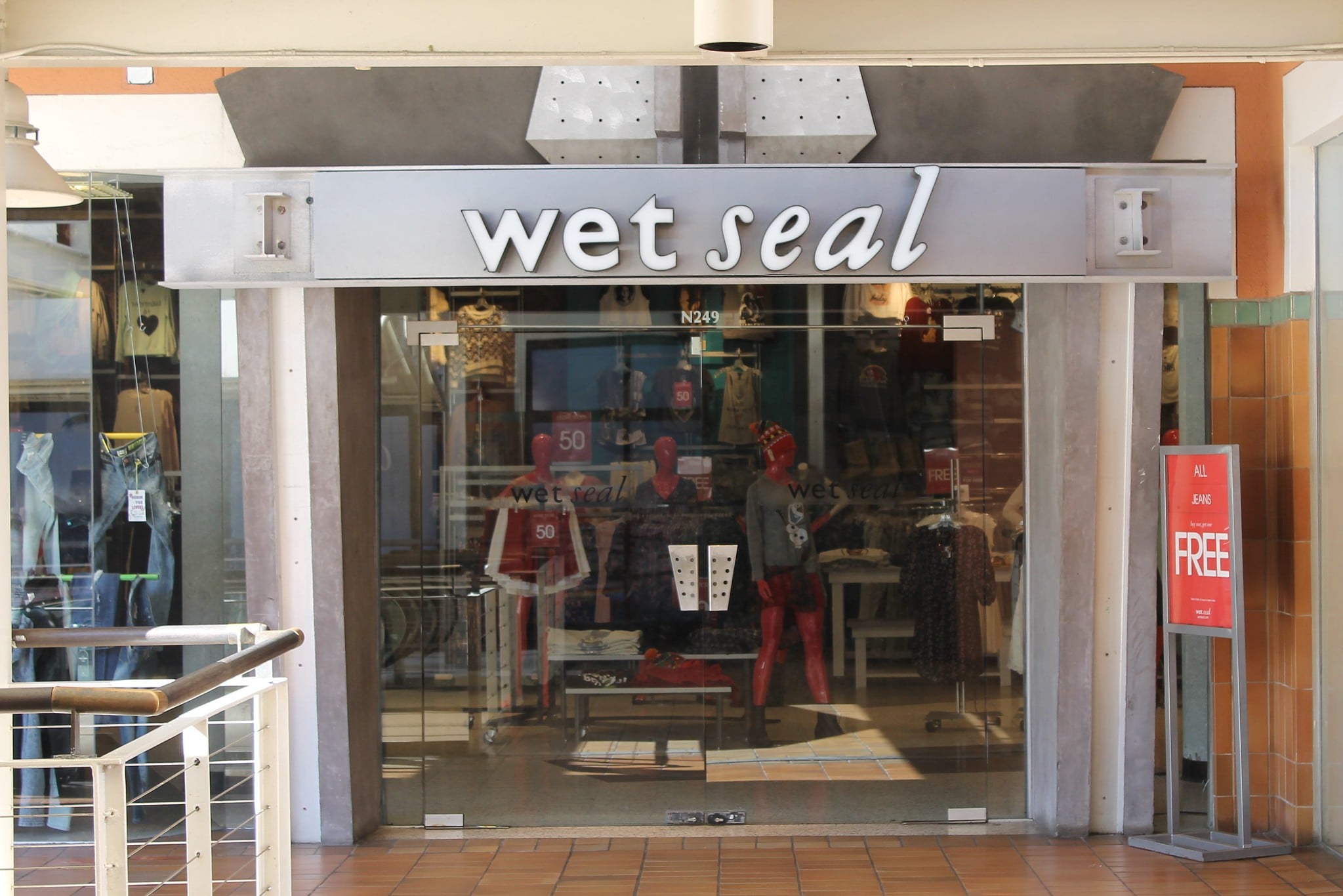
The teen fashion retailer operated around 500 stores in malls across America at its height. Wet Seal developed a strong following among teenage shoppers looking for affordable, trend-focused clothing during the mall-centric shopping era.
After multiple bankruptcies, the chain closed all physical locations by 2017, later attempting to rebuild as an online-only retailer with minimal market impact.
Like Go2Tutors’s content? Follow us on MSN.
Retail Evolution
The story of American retail continues to evolve beyond these once-dominant players. Each empty storefront represents not just business failures but cultural shifts in how Americans shop, socialize, and define commerce.
These retail giants didn’t simply sell products—they created experiences and memories for generations of shoppers who still recall their distinctive sights, sounds, and atmospheres.
More from Go2Tutors!

- 18 Unexpectedly Valuable Collectibles You Might Have Lying Around
- 20 Little-Known Historical Battles That Had Huge Consequences
- 20 Historical Artifacts That Scientists Can’t Explain
- 15 Inventions That Were Immediately Banned After Being Created
- 20 Actors Who Were Almost Cast in Iconic Roles
Like Go2Tutors’s content? Follow us on MSN.